Washington D.C. Has Nearly 700 Parks — and Most Visitors See Three of Them According to the Trust for Public Land, 99% of D.C. residents live within a 10-minute walk of a park. The city consistently ranks as having the best urban park system in the United States. That is a remarkable fact for a […]
Washington D.C. Has Nearly 700 Parks — and Most Visitors See Three of Them
According to the Trust for Public Land, 99% of D.C. residents live within a 10-minute walk of a park. The city consistently ranks as having the best urban park system in the United States. That is a remarkable fact for a city most people associate entirely with marble buildings and government corridors.
What most visitors do not realize is that D.C. has forests inside its limits that feel nothing like a city, aquatic gardens that close by noon in summer, Civil War fortifications hidden in the trees of residential neighborhoods, and a drum circle that has been running every Sunday since 1965. The 30 parks below go well beyond the Mall. Some are famous. Many are not. All of them are real, operating, and worth your time.
If you still need a place to stay, Trip tends to have solid rates for D.C. — worth a look before you book, especially if you want to stay close to the Metro.
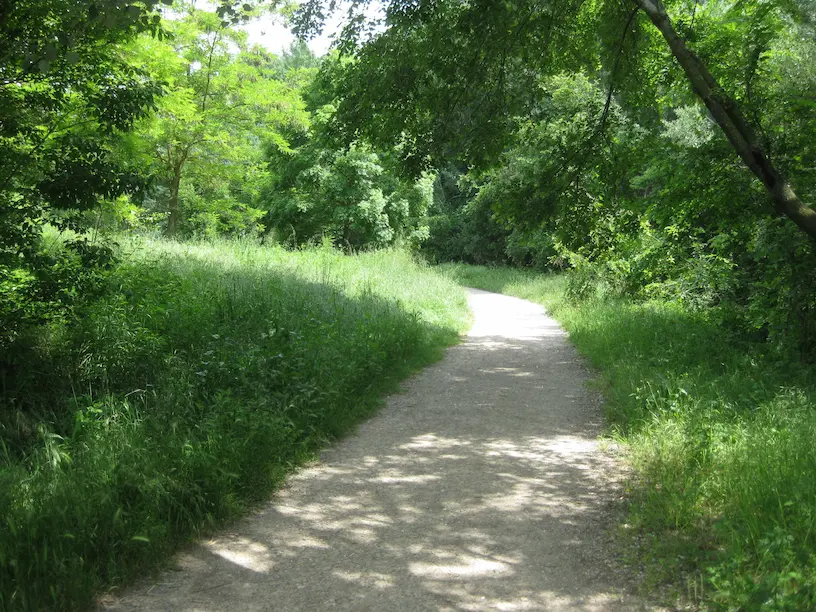
Free. At 1,754 acres, one of the largest urban parks in the United States — running straight through the middle of the city from the Maryland border to the Potomac. The park has 32 miles of trails, a nature center with free programming, a working 18th-century grist mill (Peirce Mill, built in 1829), a horse center, tennis courts, and a stretch of Beach Drive that closes to cars on weekends for cyclists and pedestrians. A ranger points toward the creek and says nothing. There are two cardinals in the branches above. That is the pace of Rock Creek on a Tuesday morning. Nearest Metro: Cleveland Park or Woodley Park, both with trail access a short walk away.
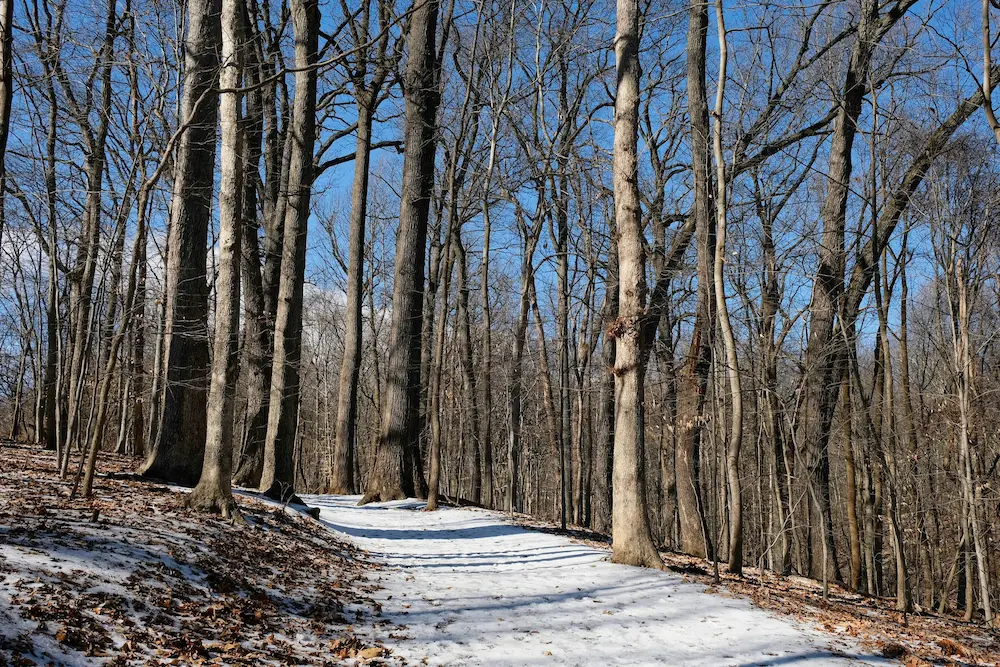
Free. A 91-acre wooded island in the Potomac River, reached only by a pedestrian footbridge from the Virginia bank — no road access from the D.C. side. The interior is mostly forested trails and tidal marsh, and it feels completely removed from the surrounding city. The central memorial plaza has a 17-foot bronze statue of Roosevelt and four granite tablets with his words on nature, manhood, youth, and the state. The parking area is accessed from the northbound George Washington Memorial Parkway in Virginia. Nearest Metro: Rosslyn (Virginia), about a 15-minute walk to the footbridge.
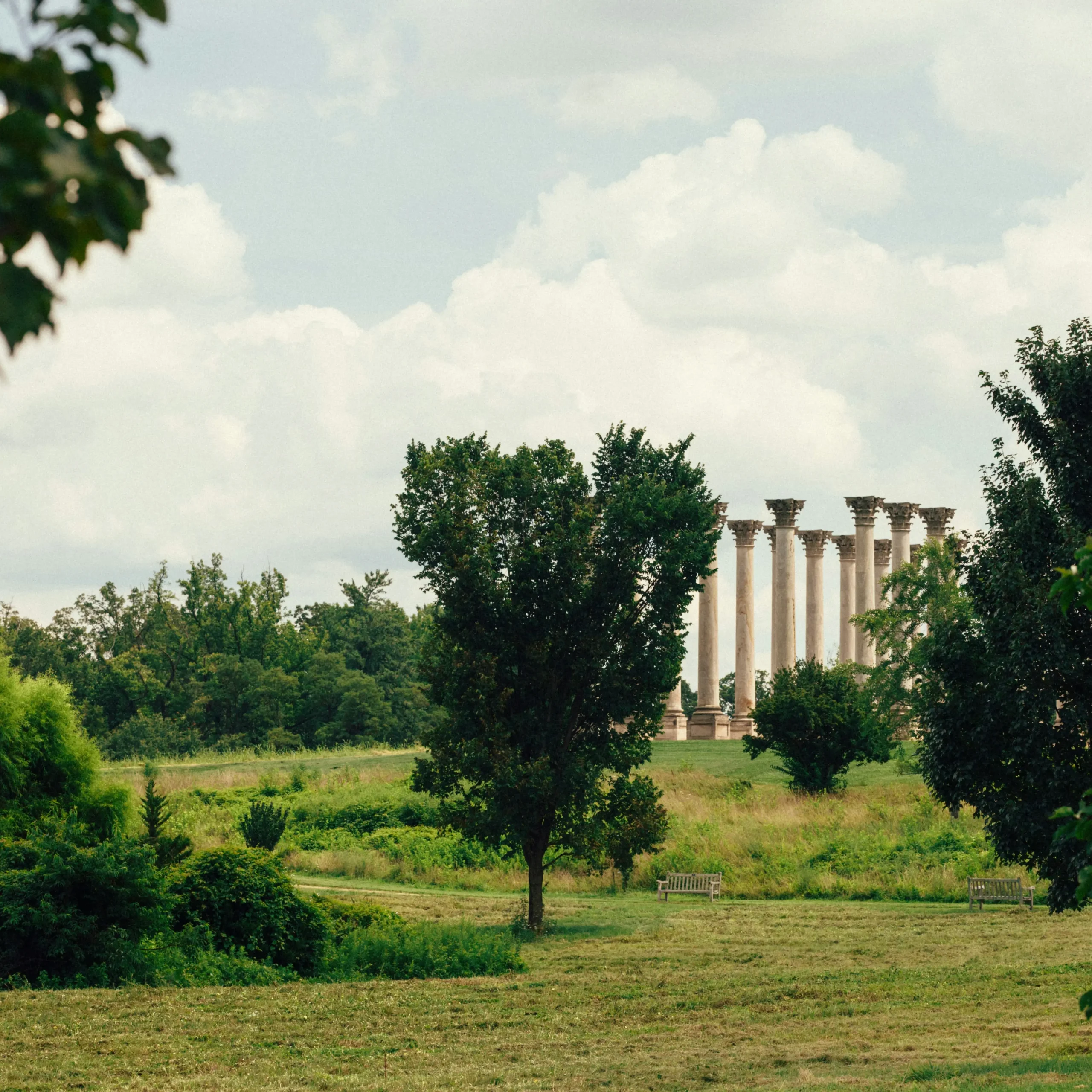
Free, open daily except Tuesdays. The 446-acre property in Northeast D.C. has more than 9 miles of roads through it — most people explore by car, though walking is entirely possible. The centerpiece that almost no one expects: 22 original sandstone columns from the U.S. Capitol building, removed during a 1958 renovation, now standing in an open meadow with nothing around them. The spring azalea collection covers a full hillside and peaks in April and early May. The National Bonsai and Penjing Museum on the grounds has trees over 400 years old. A car or rideshare from central D.C. is the practical option; Metro access is limited. Address: 3501 New York Ave NE.
Free. The only national park in the United States dedicated entirely to water plants, on the eastern edge of the city near the Anacostia River. The lotus flowers bloom from late June through August and open fully in the morning before closing by late morning due to the heat — arriving before 10am makes a genuine difference. The park also hosts the annual Lotus and Water Lily Festival in July, with food trucks, live music, and yoga among the flowers. Getting here requires a car or rideshare; Metro access is limited. Open daily, 9am to 4pm.
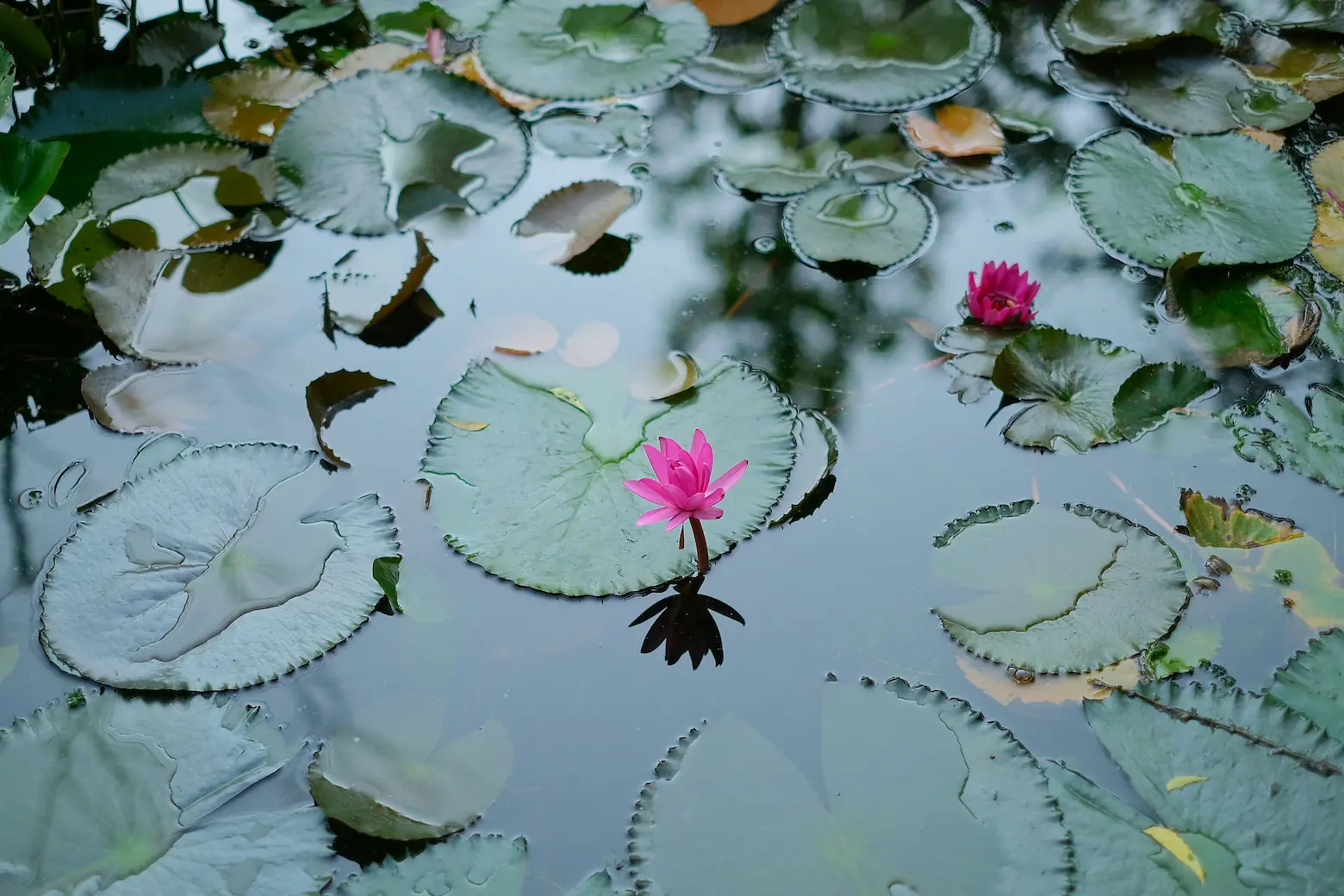
Free. Over 1,200 acres of parkland running along both banks of the Anacostia River in Southeast D.C., and one of the least visited by tourists — which means it almost never has crowds. The park has athletic fields, picnic areas, a skating pavilion, a boathouse, and miles of paved riverside trail. The adjacent Anacostia Riverwalk Trail extends for miles in both directions and connects to other parks and neighborhoods. Nearest Metro: Anacostia (Green Line), a short walk to the river trail.

Free. A 330-acre park on a man-made island in the Potomac River, south of the Jefferson Memorial, formed entirely by Army Corps of Engineers dredging in the late 19th and early 20th centuries. The perimeter road, Ohio Drive SW, closes to cars on weekends and holidays, making it popular with cyclists, inline skaters, and runners. There is also a golf course, tennis courts, and a public swimming pool open in summer. About 1,800 cherry trees planted in 1966 line the road to Hains Point — the East Potomac loop draws far fewer visitors during blossom season than the Tidal Basin path, with the same variety of trees. Accessible by car via Ohio Drive or a long walk or bike ride from the Mall.
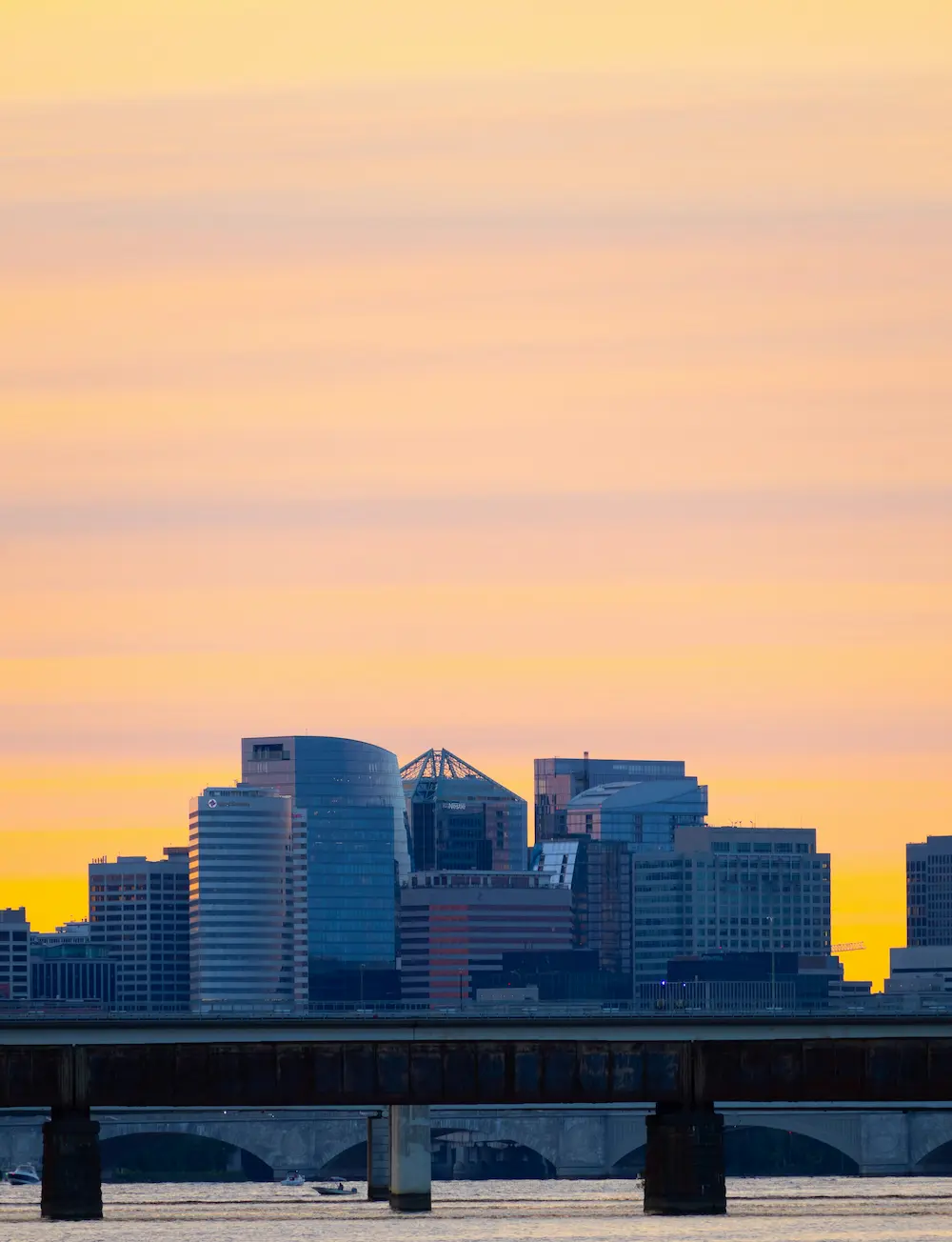
Free. A 50-acre park on the National Mall between the Washington Monument and the Lincoln Memorial — land that was literally beneath the Potomac River until Army Corps dredging operations created it in the late 19th century. During both World Wars the U.S. Navy built temporary office buildings here; they were not demolished until 1971. The park opened in 1976 as a Bicentennial tribute. A small island in the center of the 6.5-acre artificial lake holds 56 granite stones bearing the signatures of the signers of the Declaration of Independence. Most visitors walk straight past it on the way to the Lincoln Memorial. Nearest Metro: Foggy Bottom or Smithsonian.
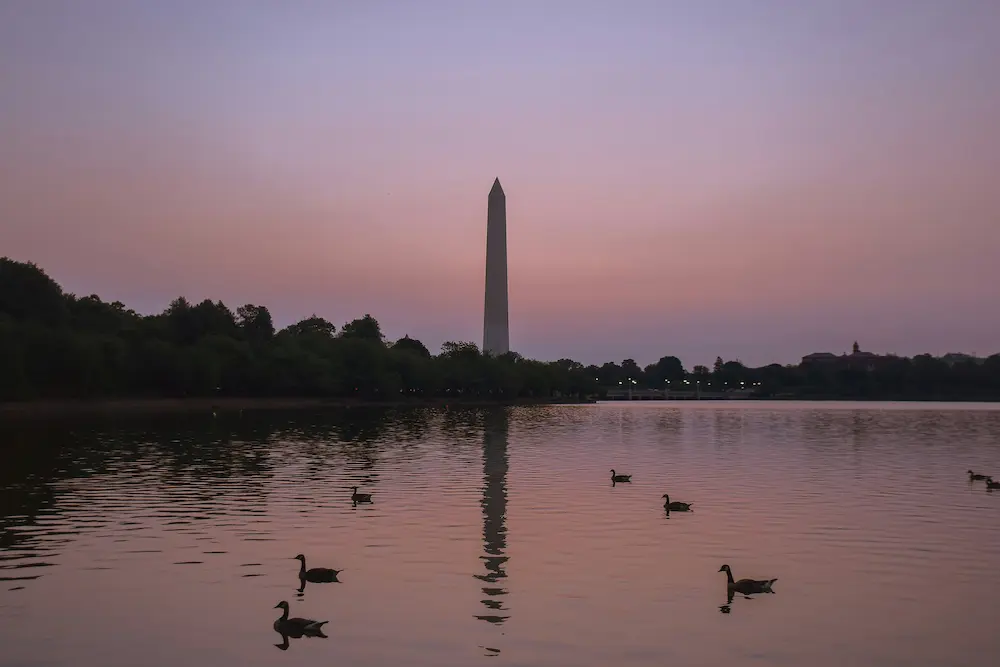
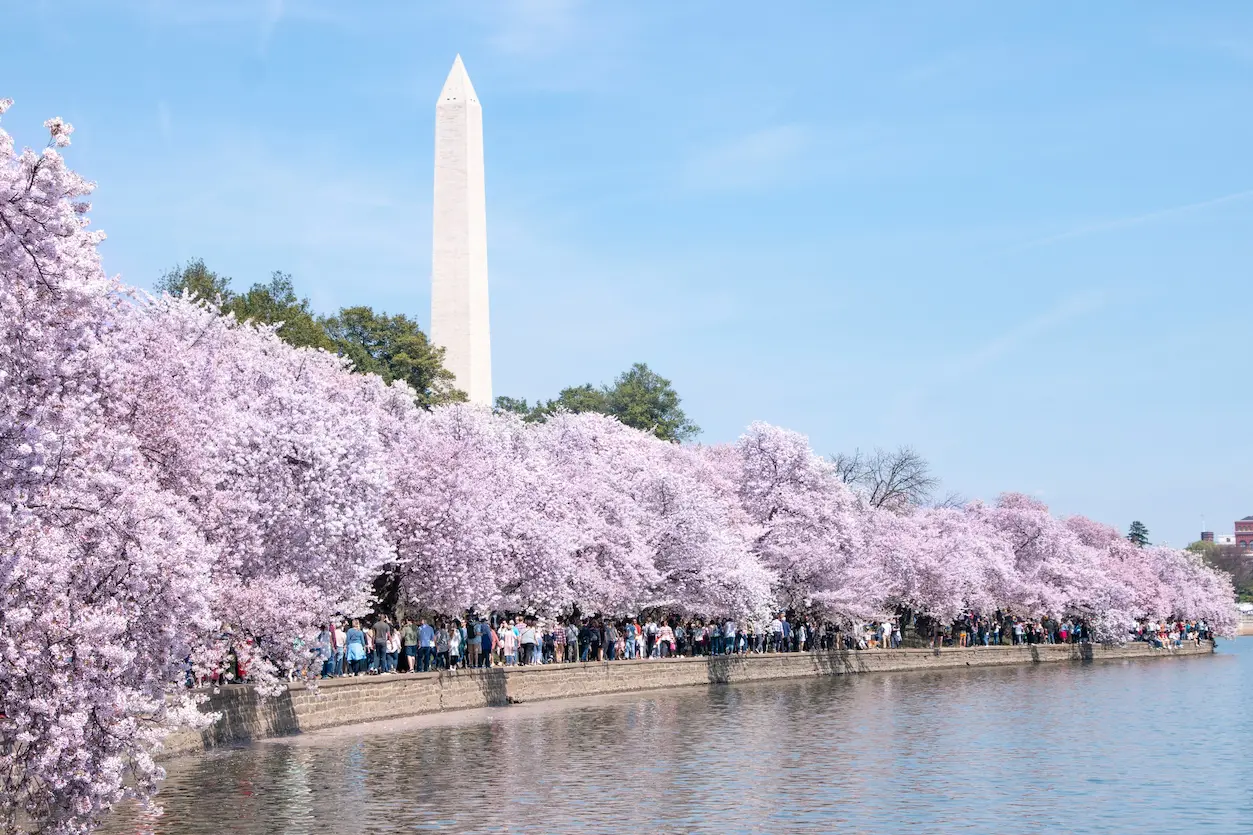
Free. A large tidal inlet adjacent to the Potomac River, most famous for its roughly 3,000 Japanese cherry trees — a gift from Japan in 1912. The basin sits between the Jefferson Memorial, the MLK Memorial, and the FDR Memorial, making an excellent walking loop connecting all three. Paddleboats are available for rent seasonally from the boathouse on the basin’s northeastern shore. Cherry blossom peak (typically late March to mid-April) brings enormous crowds on weekends — weekday mornings before 9am are the most manageable option. Nearest Metro: Smithsonian, about a 20-minute walk.

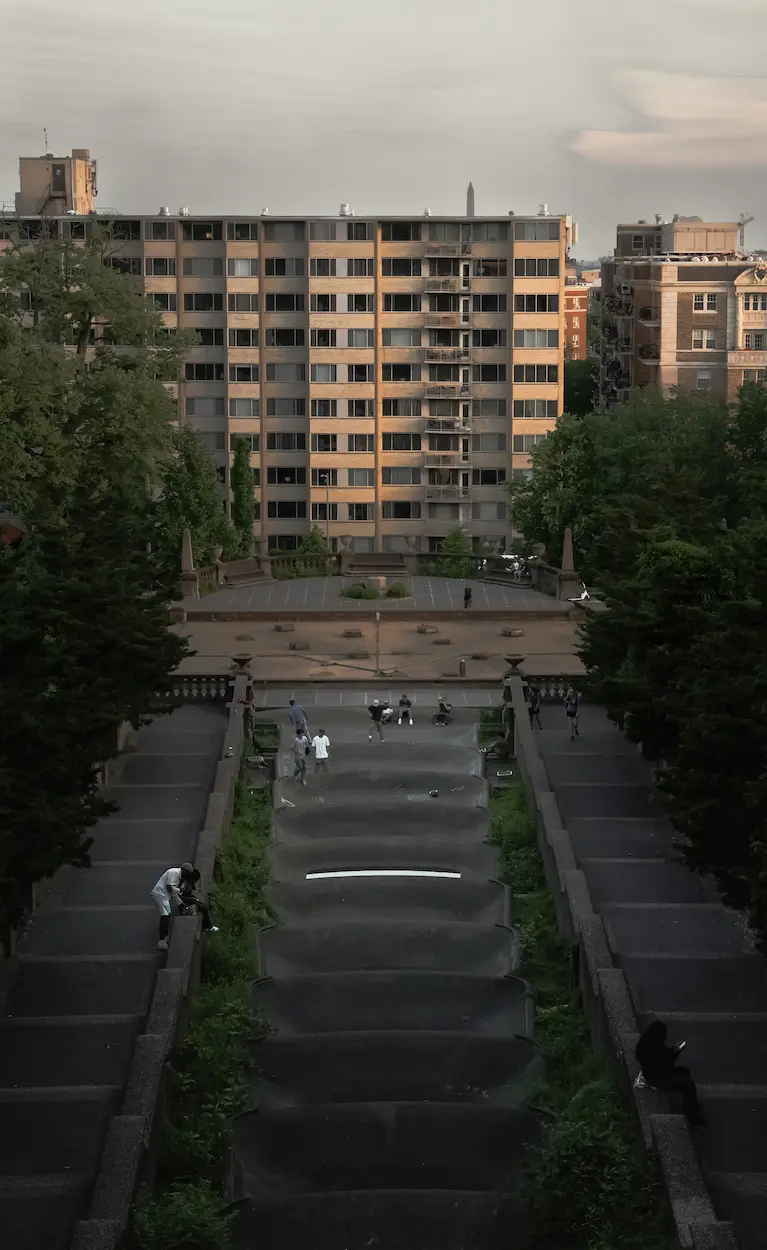
Free. A 12-acre Italian Renaissance-style park in Columbia Heights, built between 1912 and 1936, and designated a National Historic Landmark in 1994. The park’s central feature is a 13-basin cascading waterfall — the longest in the United States — that flows from two circular upper fountains down to a reflecting pool below. The park is also known locally as Malcolm X Park; a drum circle that began in 1965 following Malcolm X’s assassination takes place every Sunday afternoon during warm weather. Statues of Joan of Arc, Dante, and James Buchanan are also on the grounds. Open during daylight hours. Nearest Metro: Columbia Heights (Green/Yellow Lines), about a 5-minute walk.
Free. A 183-acre wooded stream-valley park in Northwest D.C., administered by the National Park Service as part of the Rock Creek Park system. The park was donated to the city in 1924 specifically to be used as a bird sanctuary — over 135 species have been recorded here, including barred owls, pileated woodpeckers, and more than 25 warbler species during migration season. The main trail runs 2.5 miles from Van Ness Street NW south to Canal Road in Georgetown, connecting to the C&O Canal towpath. No bicycles allowed; all paths are dirt and for foot traffic only. Nearest Metro: Tenleytown (Red Line), with trail access a short walk away.
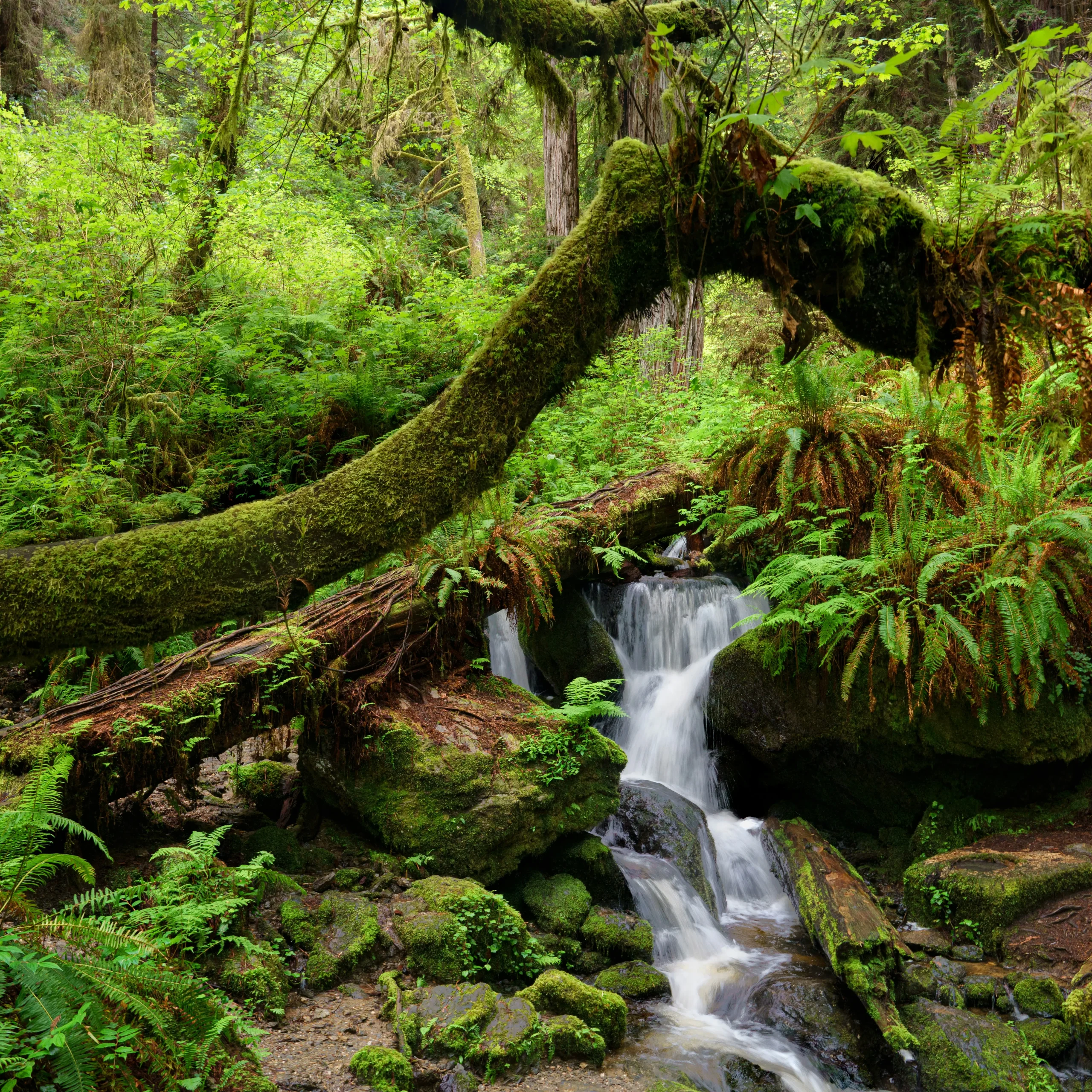
Free. About 57 acres of hilly woodland in Northwest D.C.’s Palisades neighborhood, managed by the National Park Service as part of the Fort Circle Parks — a ring of parks preserving the Civil War defenses of Washington. The battery was completed in the autumn of 1861 and held two 100-pounder Parrott rifles positioned to guard Chain Bridge and the Virginia shoreline. The earthwork parapet and original gun positions are still visible. In winter the hills are used for sledding; in fall it is a known bird migration corridor. Very few tourists ever find it. Free parking on site. Address: 3035 Chain Bridge Road NW.
Free. Not to be confused with the adjacent Dumbarton Oaks Gardens (which requires a reservation), this 27-acre wild woodland park managed by the National Park Service sits directly behind the formal gardens and is accessible from R Street NW in Georgetown. No admission, no rangers on site, and almost no visitors — a creek runs through it, the trails are unpaved, and it feels entirely unmanicured. The contrast with the manicured terraces of the neighboring gardens right next door is striking. Dogs must be on leash. Nearest Metro: Dupont Circle or Foggy Bottom, both about a 20-minute walk.
Free. A 16-acre neighborhood park in Georgetown directly adjacent to Dumbarton Oaks Gardens, managed by the National Park Service. Established in 1915, the park has tennis courts, a playground, open lawn space, and shaded picnic areas under mature trees. The trails connect easily to Dumbarton Oaks Park at its eastern edge, making all three spaces — Montrose, Dumbarton Oaks Park, and Dumbarton Oaks Gardens — walkable in a single afternoon. Nearest Metro: Dupont Circle or Foggy Bottom, both about a 20-minute walk.
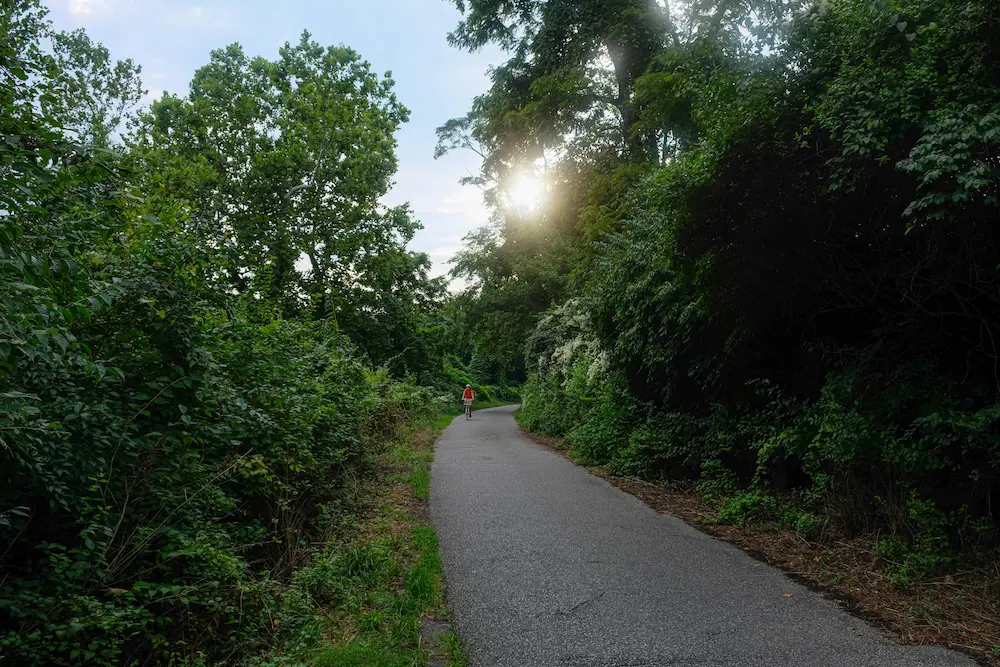
Free. A 7-acre neighborhood park on Capitol Hill, about 10 blocks east of the Capitol building. The park holds two significant statues: the Emancipation Memorial (1876, funded entirely by formerly enslaved people), and the Mary McLeod Bethune Memorial (1974). The Bethune statue was the first monument to an African American individual erected on public land in Washington D.C., and the first portrait statue of an American woman on a public site in the city — both firsts in the same park. The park sees almost no tourist traffic despite being minutes from the Capitol. Nearest Metro: Eastern Market (Blue/Orange/Silver Lines), about a 10-minute walk.
Free entry (advance reservation required via Eventbrite — no tickets sold at the gate). The 16-acre formally designed gardens are maintained by Harvard University and open Tuesday through Sunday, 2pm to 6pm, from March through October. Designed by landscape architect Beatrix Farrand in collaboration with owner Mildred Bliss over nearly 30 years, the gardens cover every terrace, bench, and border with intention. The Rose Garden and the Orangery are the standout areas across spring and early summer. Nearest Metro: Dupont Circle or Foggy Bottom, both about a 20-minute walk, or a short bus or rideshare.
Admission approximately $18 for adults, $15 for seniors, $10 for college students, $5 for children ages 6–18, free for children under 6 (verify current pricing). The 25-acre estate in Northwest D.C. was the home of Marjorie Merriweather Post, heiress to the Post cereal fortune. The formal gardens include a Japanese-style garden, a French parterre, a rose garden, and a greenhouse with orchids. The estate also holds the most comprehensive collection of Russian imperial art outside Russia, including two Fabergé eggs. Open Tuesday through Sunday, 10am to 5pm. Nearest Metro: Van Ness-UDC (Red Line), about a mile walk, or a short rideshare.
Free. A 42-acre property in the Brookland neighborhood of Northeast D.C., operated by Franciscan friars. The grounds include over 1,000 roses, replicas of Holy Land shrines, cloister walkways, a fish pond, beehives, and a working vegetable garden that donates up to 8,000 pounds of fresh produce annually to local food pantries. Self-guided access is available Monday through Saturday, 9am to 4pm. Free guided garden tours run on Saturdays from April through September at 11am and noon. Nearest Metro: Brookland-CUA (Red Line), about a 20-minute walk or a short rideshare.
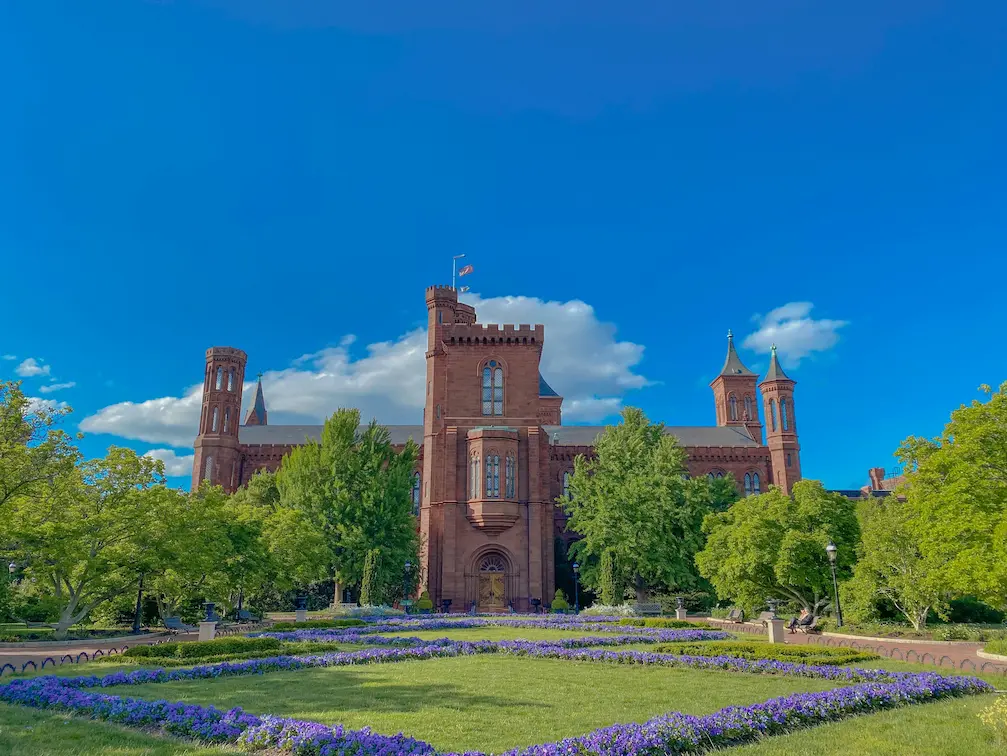
Free. A 4.2-acre formal garden directly behind the Smithsonian Castle on the National Mall, open daily from 7am to approximately 5:45pm. Named after philanthropist Enid Haupt, who donated $3 million for its creation in 1987, the garden sits above the underground Sackler Gallery and African Art Museum. It has Victorian-style parterre planting, a central fountain, and seasonal flower displays. Almost every visitor to the Mall walks directly past it without realizing it is there. Nearest Metro: Smithsonian.
Free. A 2-acre garden directly across Independence Avenue from the U.S. Botanic Garden, centered on a 30-foot cast-iron fountain designed by Frédéric Auguste Bartholdi — the same sculptor who created the Statue of Liberty. The park showcases native and sustainable plants maintained as a demonstration garden by the Botanic Garden. Small, easy to combine with a visit to the Capitol or the Botanic Garden, and almost always uncrowded. Nearest Metro: Federal Center SW.
Free. One of the oldest botanic gardens in North America, established by Congress in 1820, at the base of the Capitol steps. The Conservatory is divided into themed rooms — tropics, rainforest, desert, Mediterranean, Hawaii, and orchids — under a 93-foot glass dome. The National Garden outside includes a rose garden, a butterfly garden, and an amphitheater. Open daily, 10am to 5pm. Nearest Metro: Federal Center SW.
Free. A 376-acre wooded park in the Hillcrest neighborhood of Southeast D.C., managed by the National Park Service as part of the Fort Circle Parks. The park preserves the site of Fort Dupont, one of the Civil War earthwork forts built to defend Washington in 1861. It has more than 10 miles of trails, picnic areas, and an outdoor amphitheater that hosts a free summer concert series. There is also a seasonal ice skating rink with separate admission fees — verify current pricing. Nearest Metro: Minnesota Avenue or Benning Road (Blue/Silver Lines), both about a 20-minute walk.
Free. A connected series of parks preserving the ring of Civil War earthwork forts built between 1861 and 1865 to defend Washington. At its peak the system included 68 forts and 93 batteries ringing the entire city. The National Park Service maintains trails connecting surviving fort sites — among them Fort Stevens, the only site of a Civil War battle on D.C. soil (July 1864), Fort Totten, and Fort Reno. Fort Reno, in the Tenleytown neighborhood, sits at the highest natural point in D.C. at 409 feet. Free entry to all sites, accessible from multiple Metro stations.
Free to access. Located along the Potomac River in the Palisades neighborhood, Fletcher’s Cove is one of the best fishing spots inside the city. The boathouse offers seasonal rentals of canoes, kayaks, and rowboats (approximately $18–20 per hour, verify current pricing) and has operated on this site since 1890. The C&O Canal towpath begins here and runs 184.5 miles northwest to Cumberland, Maryland — the first few miles toward Georgetown are flat and well-suited for walking or cycling. Accessible by car via Canal Road NW; no direct Metro access.
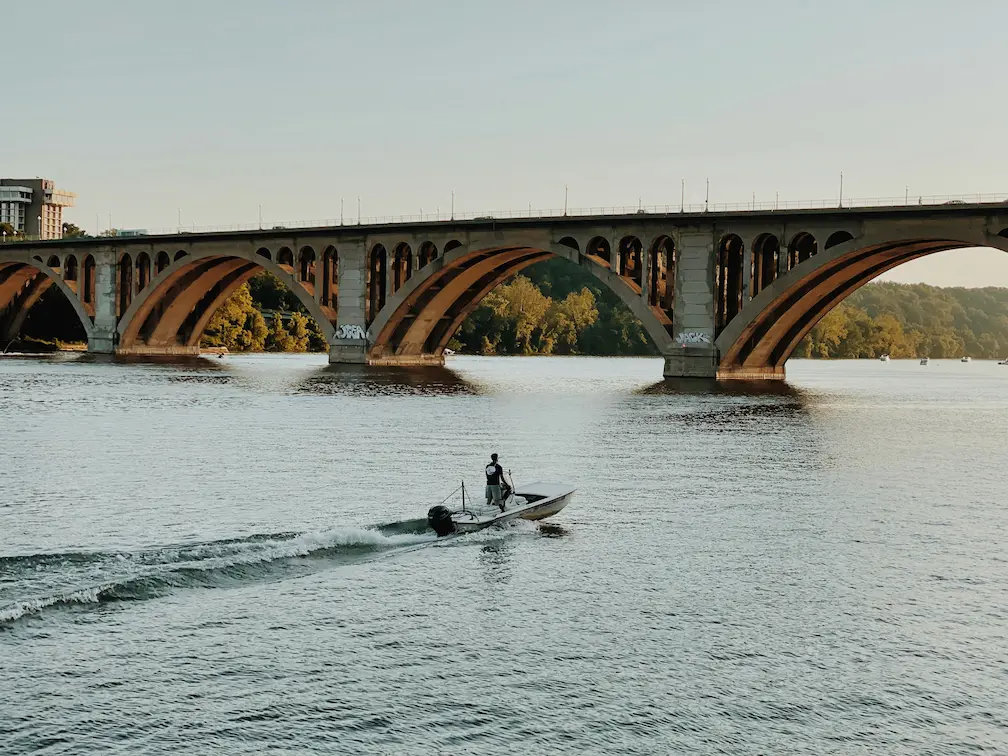
Free. A 10-acre park along the Potomac River in Georgetown, stretching from the Key Bridge south along the Washington Channel. Open riverside seating, views across to Virginia and the Theodore Roosevelt Island footbridge, and a small amphitheater. It connects directly to the C&O Canal towpath just to the north. No Metro station in Georgetown directly; the nearest is Foggy Bottom, about a 20-minute walk, or the DC Circulator bus from Dupont Circle or Rosslyn.
Free. A 52-acre island in the Anacostia River in Northeast D.C., connected to the mainland by footbridges from near the RFK Stadium campus. The island is almost entirely natural habitat — trails through woodland and marsh, with river views and good birdwatching year-round. It receives almost no tourist visitors and is used mainly by local walkers and cyclists. It also connects to Heritage Island, a smaller adjacent natural area. Nearest Metro: Stadium-Armory (Blue/Orange/Silver Lines), about a 15-minute walk.
Free. A 512-acre park just outside the D.C. city line in Prince George’s County, Maryland, operated by the National Park Service. Includes Oxon Hill Farm, a living-history farm with cows, horses, chickens, sheep, and goats where rangers demonstrate 19th-century farm life. A 4-mile paved hiker-biker trail circles the cove toward the Potomac River, where bald eagle and great blue heron sightings are common. Best accessed by car or rideshare via Bald Eagle Road, Oxon Hill, MD. Almost no tourists visit.
Free. A 4-acre neighborhood park on Capitol Hill, bounded by 4th and 6th Streets NE on C Street, named for Edwin Stanton, Lincoln’s Secretary of War. The statue at the center of the park depicts General Nathanael Greene of the Revolutionary War — the park name and the statue honor two entirely different people, which confuses almost everyone who reads the plaques. Open 5am to midnight. The park is minutes on foot from the Senate side of the Capitol. Nearest Metro: Union Station (Red Line).
Free. A 2.25-acre park at the center of one of D.C.’s most walkable neighborhoods, anchored by a white marble fountain designed by Henry Bacon and sculpted by Daniel Chester French — the same team behind the Lincoln Memorial. The park has permanent stone chess tables in use year-round and sees a lively mix of residents, professionals, and chess regulars on most days. The surrounding neighborhood has some of the best independent restaurants, bookshops, and cafés in the city within a few blocks in every direction. Nearest Metro: Dupont Circle (Red Line), directly adjacent.
Free. A 4-acre park in Foggy Bottom, a short walk from the State Department and the World Bank, with a central fountain, shade trees, and benches. Named after General John Rawlins, Chief of Staff of the Army under Ulysses S. Grant, with a statue of Rawlins at its center. Small, functional, and almost never crowded. Rarely appears on any tourist list. Nearest Metro: Farragut West (Blue/Orange/Silver Lines), about a 5-minute walk.
Almost all of D.C.’s parks are free. The main exceptions are Dumbarton Oaks Gardens (free but with advance reservation required), Hillwood Estate (paid admission), and some seasonal activities like the Fort Dupont skating rink or boat rentals at Fletcher’s Cove.
For the most-visited parks like the Tidal Basin during cherry blossom season, weekday mornings before 9am are consistently less crowded than weekends. The East Potomac Park loop has the same cherry blossom trees with a fraction of the visitors. Rock Creek Park, the Arboretum, and Kenilworth are best on weekday mornings when trail traffic is low and wildlife is most active.
A car or rideshare is useful for the Arboretum, Kenilworth, Fort Dupont, and Oxon Cove — these parks are either not well-served by Metro or require a long walk from the nearest station. For parks inside Northwest D.C. or near the Mall, the Metro and the DC Circulator bus cover most access points effectively. A SmarTrip card (available at any Metro station kiosk for $10 including $8 in loaded credit) avoids the higher single-ride paper ticket price.
Washington D.C. has nearly 700 parks, and the Trust for Public Land consistently ranks it as the top urban park system in the country. Most of that quality is invisible to visitors who stick to the Mall. Rock Creek alone takes half a day to explore properly. The drum circle at Meridian Hill on a Sunday, the Capitol Columns standing alone in a field at the Arboretum, the lotus ponds at Kenilworth before 10am in July — these are the parts of D.C. that most people leave without having seen. Pick two or three parks from this list that were not in your original plan, leave a morning without a fixed schedule, and start there