Most cities charge you at every turn. Washington D.C. does the opposite. The Smithsonian Institution operates 17 museums and galleries in the city, and every single one is free to enter. Add in the monuments, the memorials, the parks, and the national landmarks — and you can fill a full week in D.C. without spending […]
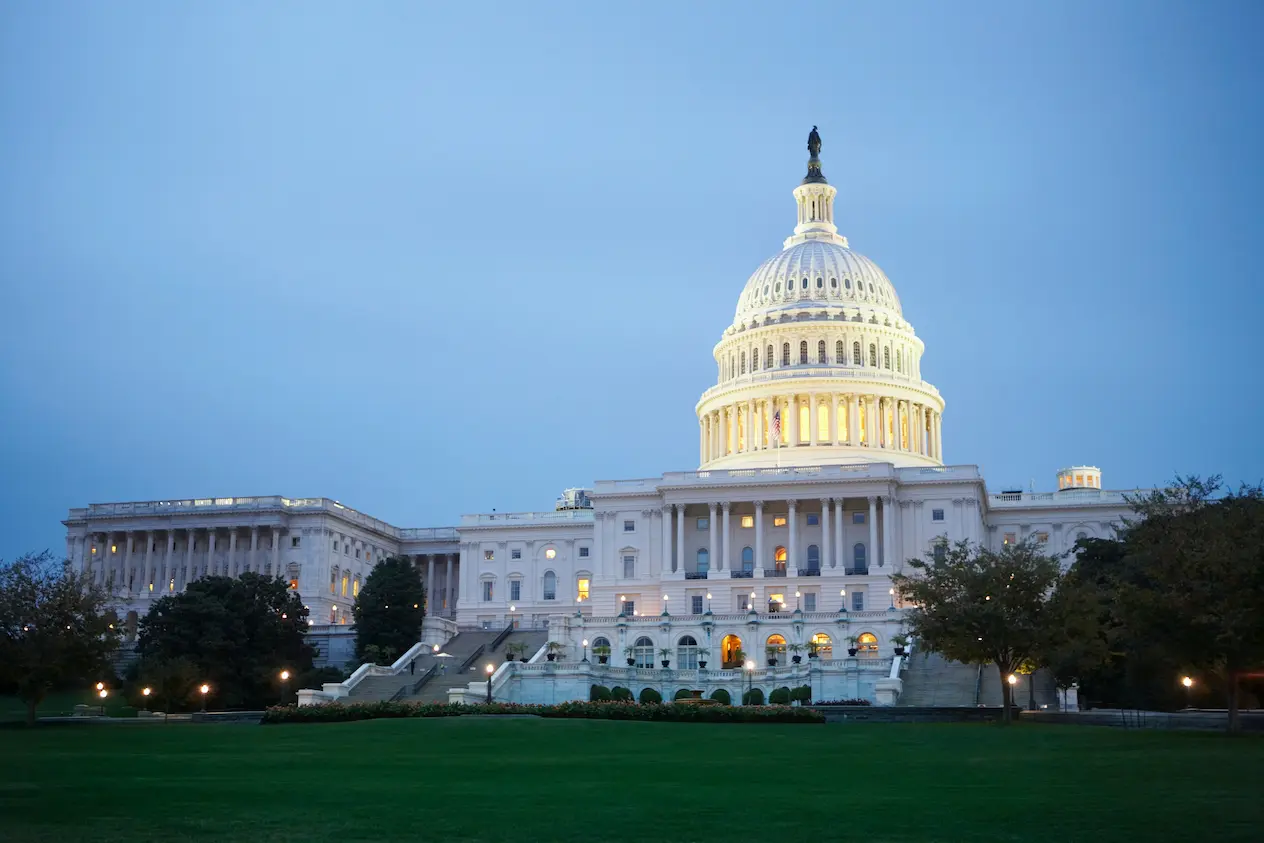
Most cities charge you at every turn. Washington D.C. does the opposite. The Smithsonian Institution operates 17 museums and galleries in the city, and every single one is free to enter. Add in the monuments, the memorials, the parks, and the national landmarks — and you can fill a full week in D.C. without spending a dollar on admission. That changes the math on this trip completely.
What most visitors miss is that D.C. extends far beyond the National Mall. There are 1,700-acre forests inside the city limits, aquatic gardens that bloom in July, neighborhoods built around jazz history, and a library with a reading room that looks like it belongs in Rome. The 30 places below cover the full range — from the Lincoln Memorial to spots most tourists walk right past.
That’s why I wanted to bring you the best places to visit in Washington DC, where they are located, what makes them special, and how you can get to them!
If you still need a hotel, Trip tends to have strong rates for D.C. — worth checking before you book, especially if you want to stay close to the Metro.
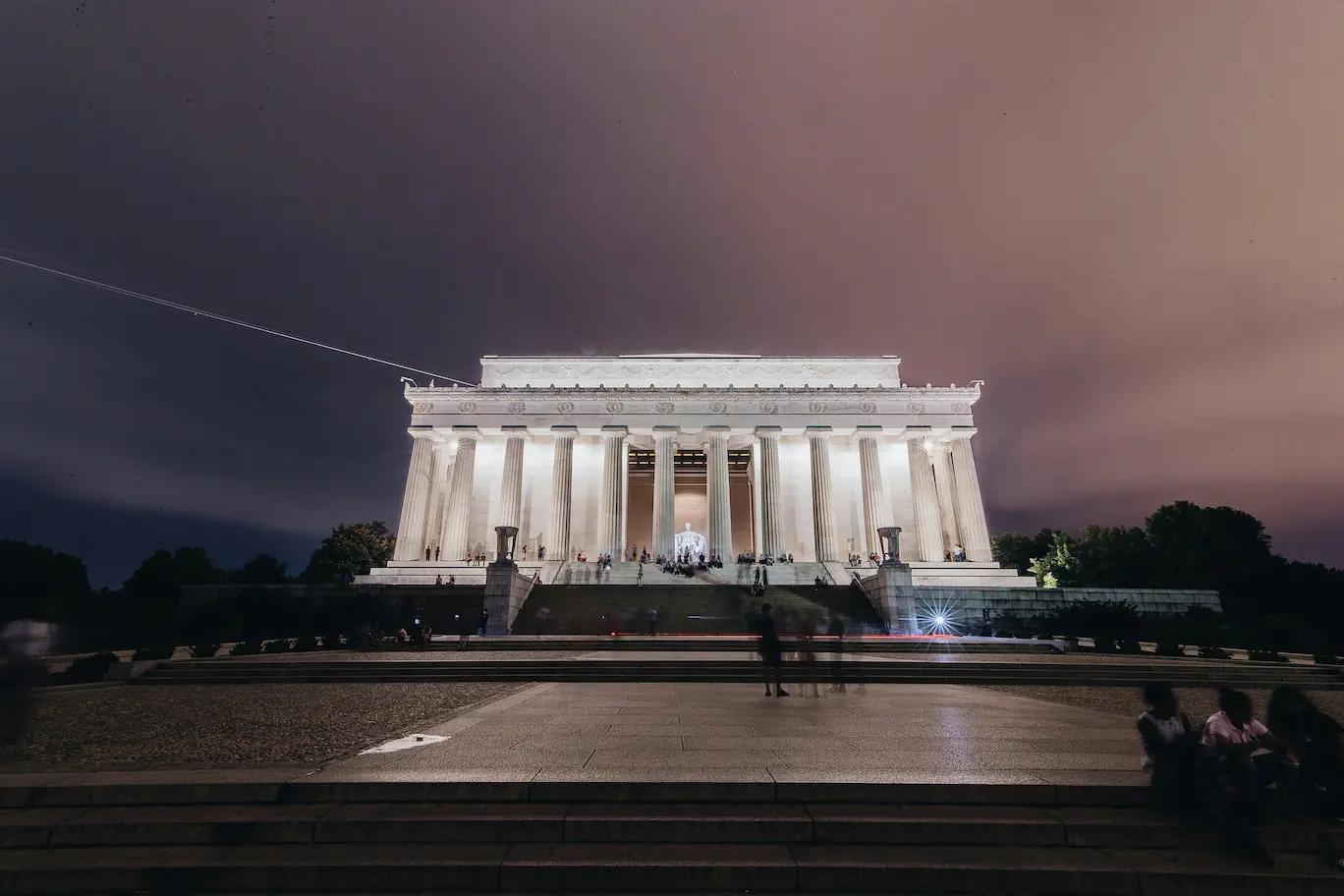
1- Lincoln Memorial Free entry, open 24 hours. Rangers are on duty until 10pm, and coming at night is genuinely better — fewer people, cleaner views down the Reflecting Pool, and the marble takes on a different quality under the lights. The interior chamber has Lincoln’s Second Inaugural Address carved directly into the wall, which most visitors walk past without reading. Worth slowing down for. Nearest Metro: Foggy Bottom (about a 20-minute walk).
2- Vietnam Veterans Memorial (The Wall) Free, open 24 hours. The Wall lists more than 58,000 names in chronological order of death — not alphabetical — which makes moving along it feel disorienting in a way that’s clearly intentional. Visitors leave objects at the base constantly: photos, dog tags, letters, medals. Park rangers collect and catalogue every single one. The design was submitted through a blind competition in 1981 by a 21-year-old architecture student. Nearest Metro: Foggy Bottom, about 15 minutes on foot.
3- Korean War Veterans Memorial Free, open 24 hours. The 19 stainless steel soldiers are spread across a triangular field of juniper meant to evoke Korean terrain, each figure slightly different in posture and direction. The black granite mural wall beside them holds over 2,400 photographs of real Korean War service members etched into the surface. Its reflective quality mirrors the statues, creating the illusion of 38 figures — a direct reference to the 38th Parallel and the 38 months of the war. Nearest Metro: Foggy Bottom, about 15 minutes on foot. Sits between the Lincoln Memorial and the Tidal Basin.
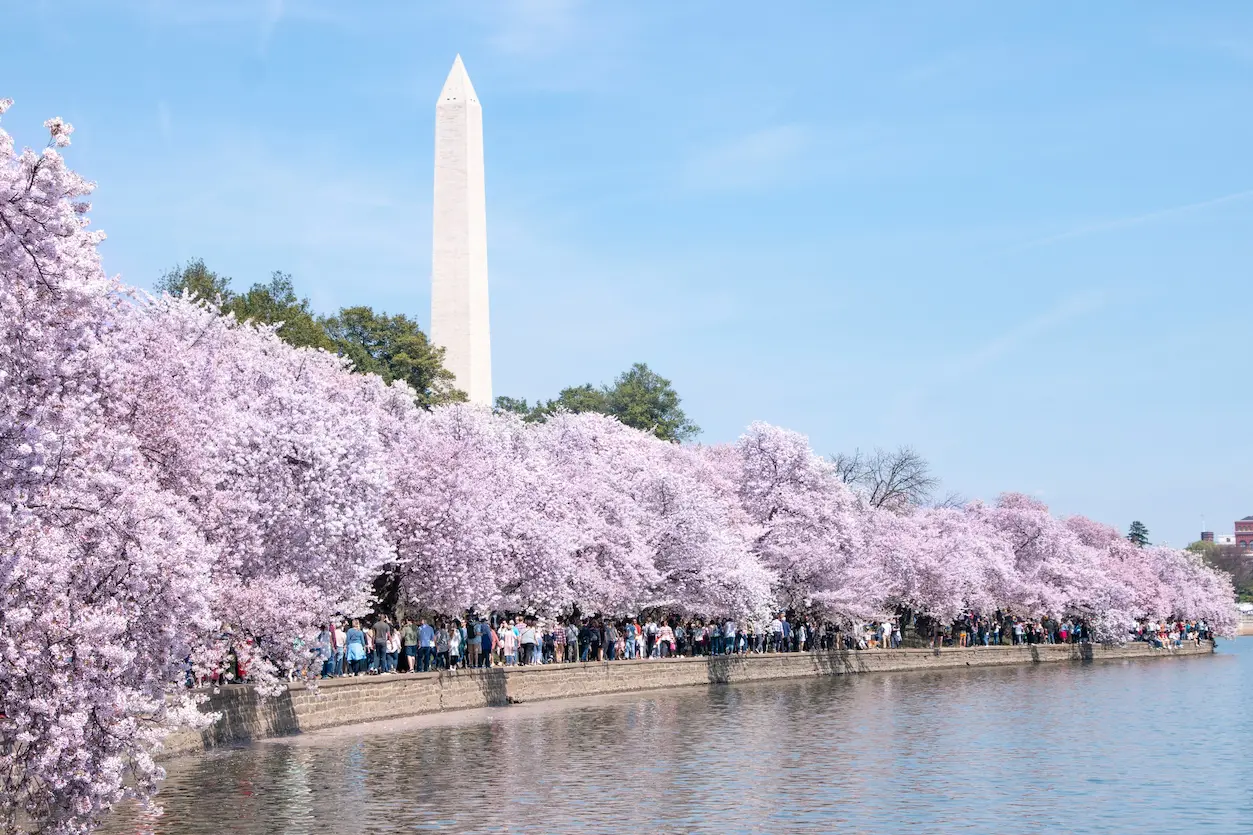
4- Martin Luther King Jr. Memorial Free, open 24 hours. The 30-foot carved granite figure of King emerges from a larger block — the design is called the Stone of Hope, a reference to his “I Have a Dream” speech. The positioning on the Tidal Basin is deliberate: it sits on an axis with both the Lincoln Memorial and the Jefferson Memorial across the water. Spring visits align with the cherry blossoms along the Basin’s edge. Nearest Metro: Smithsonian, about 25 minutes on foot, or a short rideshare.
5- Franklin Delano Roosevelt Memorial Free, open 24 hours. Four outdoor rooms, one per presidential term, spread across nearly 7.5 acres along the Tidal Basin. Waterfalls, sculptures, and inscriptions trace the span from the Great Depression through World War II. It is one of the few presidential memorials to include a depiction of a president in a wheelchair. It sits directly adjacent to the MLK Memorial — visit both in the same walk. Nearest Metro: Smithsonian.
6- DC War Memorial Free, open 24 hours. This circular domed monument in Vermont marble honors the 499 Washington D.C. residents who died in World War I. It was dedicated on Armistice Day 1931 by President Herbert Hoover, with the band conducted by John Philip Sousa. It sits in the trees between the Lincoln Memorial and the Korean War Veterans Memorial, and most visitors pass it without stopping. Nearest Metro: Foggy Bottom.
7- National Mall and Reflecting Pool Free, always open. The Mall runs nearly two miles from the Capitol steps to the Lincoln Memorial, with the Smithsonian museums lining both sides. The Reflecting Pool was fully reconstructed between 2010 and 2012 and now holds 6.75 million gallons. Walk the full length at least once — it takes about 30 minutes and gives you a sense of how the entire city is organized around this central spine. Nearest Metro: Smithsonian or Federal Triangle.
8- Washington Monument Free entry to the grounds; a $1 service fee applies per advance ticket for the elevator. Tickets must be reserved through recreation.gov and are released 30 days in advance — they go fast, especially in spring and fall. Same-day tickets are occasionally available at the Lodge on 15th Street starting at 8:45am, but lines form well before opening. The observation level at 555 feet covers views of four states on a clear day. Nearest Metro: Smithsonian.
9- National Museum of African American History and Culture (NMAAHC) Free, but timed-entry passes are required and must be reserved in advance through the museum’s website. Walk-up passes exist but are not reliable on weekends or in peak season. A ranger points up at the ceiling near the main atrium. The architecture is deliberate — each level is lighter in color than the last, opening toward the sky as you move from the lower floors, which cover slavery and segregation, toward the upper galleries. Plan at least three hours. Nearest Metro: Federal Triangle or Smithsonian.
10- National Air and Space Museum Free. The Wright Brothers’ Flyer, the Apollo 11 command module, and a piece of moon rock you can actually touch are all here. The museum is undergoing a phased renovation — check the website before visiting to confirm which galleries are open, as sections rotate in and out of access. Most visitors spend two to three hours. Nearest Metro: L’Enfant Plaza.
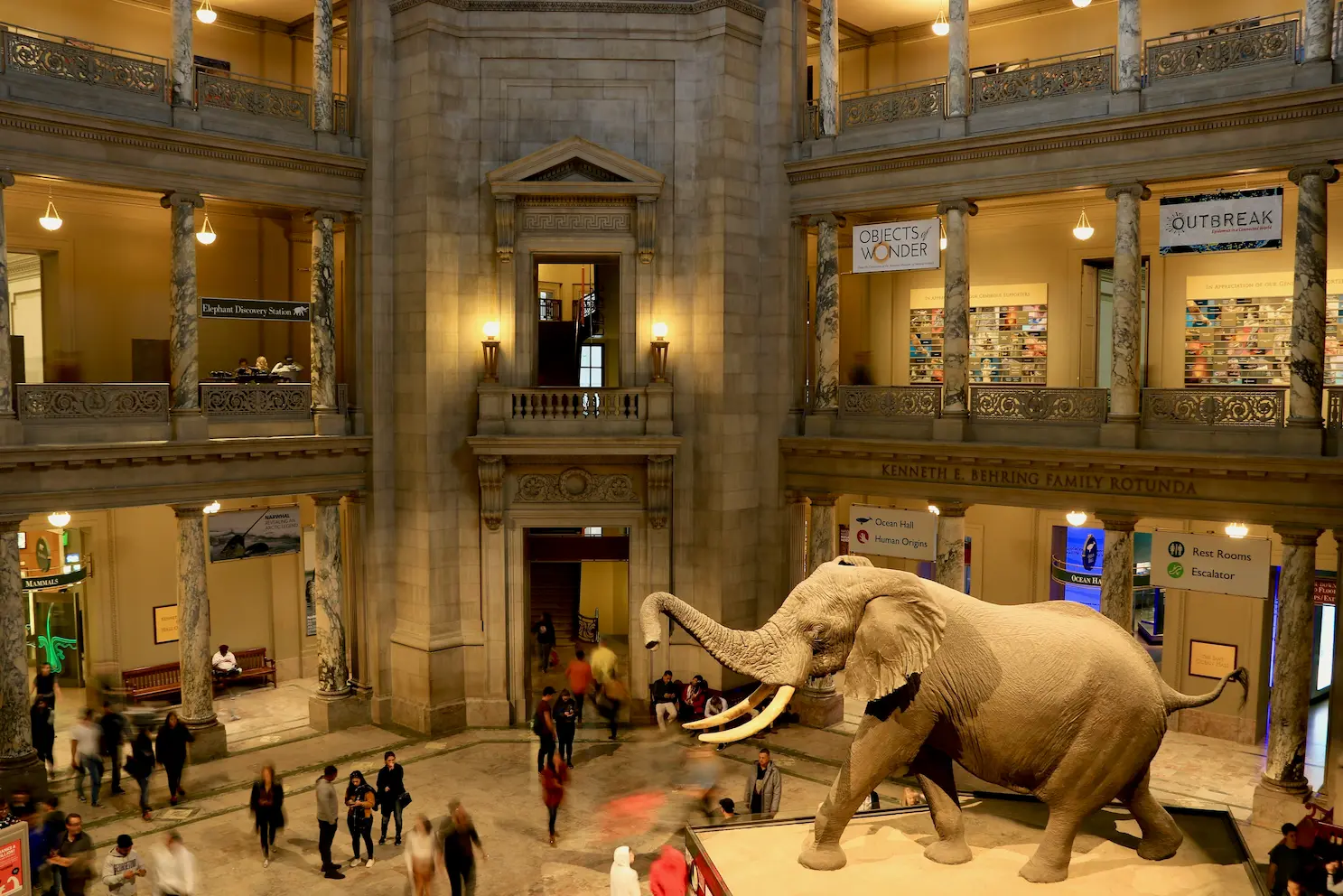
11- National Museum of Natural History Free. The Hope Diamond is the main draw, but the Ocean Hall is the strongest exhibit — one of the largest permanent natural history installations in the world. The building handles large crowds well. The butterfly pavilion inside requires a separate ticket (around $7.50, verify current pricing) but is optional. The museum sits right on the Mall and is one of the easiest to combine with a walk to the Washington Monument. Nearest Metro: Federal Triangle or Smithsonian.
12- National Portrait Gallery Free. Shares a building with the American Art Museum in a striking 1836 structure in Penn Quarter, about a 15-minute walk north of the Mall. The presidential portrait hall — including the Obama portraits by Kehinde Wiley and Amy Sherald — draws consistent lines but moves quickly. The inner courtyard, covered by a glass canopy designed by Norman Foster, is one of the more photogenic spaces in the city. Good lunch café on site. Nearest Metro: Gallery Place–Chinatown.
13- Freer Gallery of Art Free. Less crowded than the Mall-facing museums, with one of the most important collections of Asian art in the Western world. The Peacock Room — a complete gilded dining room designed by James McNeill Whistler, purchased intact in London and shipped here — is the main reason to visit. It is unlike anything else in the city. Located just off the Mall near the Smithsonian Castle. Nearest Metro: Smithsonian.
14- Hirshhorn Museum and Sculpture Garden Free. The Smithsonian’s contemporary and modern art museum, inside a circular building that looks nothing like the others on the Mall. The outdoor sculpture garden across Jefferson Drive is open even when the museum is closed and has large-scale works worth seeing on any walk past. Rotating exhibitions change regularly. Nearest Metro: L’Enfant Plaza.
15- Smithsonian’s National Zoo Free entry. About two miles north of the Mall in Rock Creek Park, covering 163 acres. The Asia Trail and American Trail are the strongest sections. Giant pandas have been part of the collection since 1972, though the animals on loan rotate — check the website for current residents. Budget two to three hours and wear comfortable shoes; the terrain is hilly. Nearest Metro: Woodley Park–Zoo/Adams Morgan (about a 10-minute walk downhill; the return uphill is a workout).
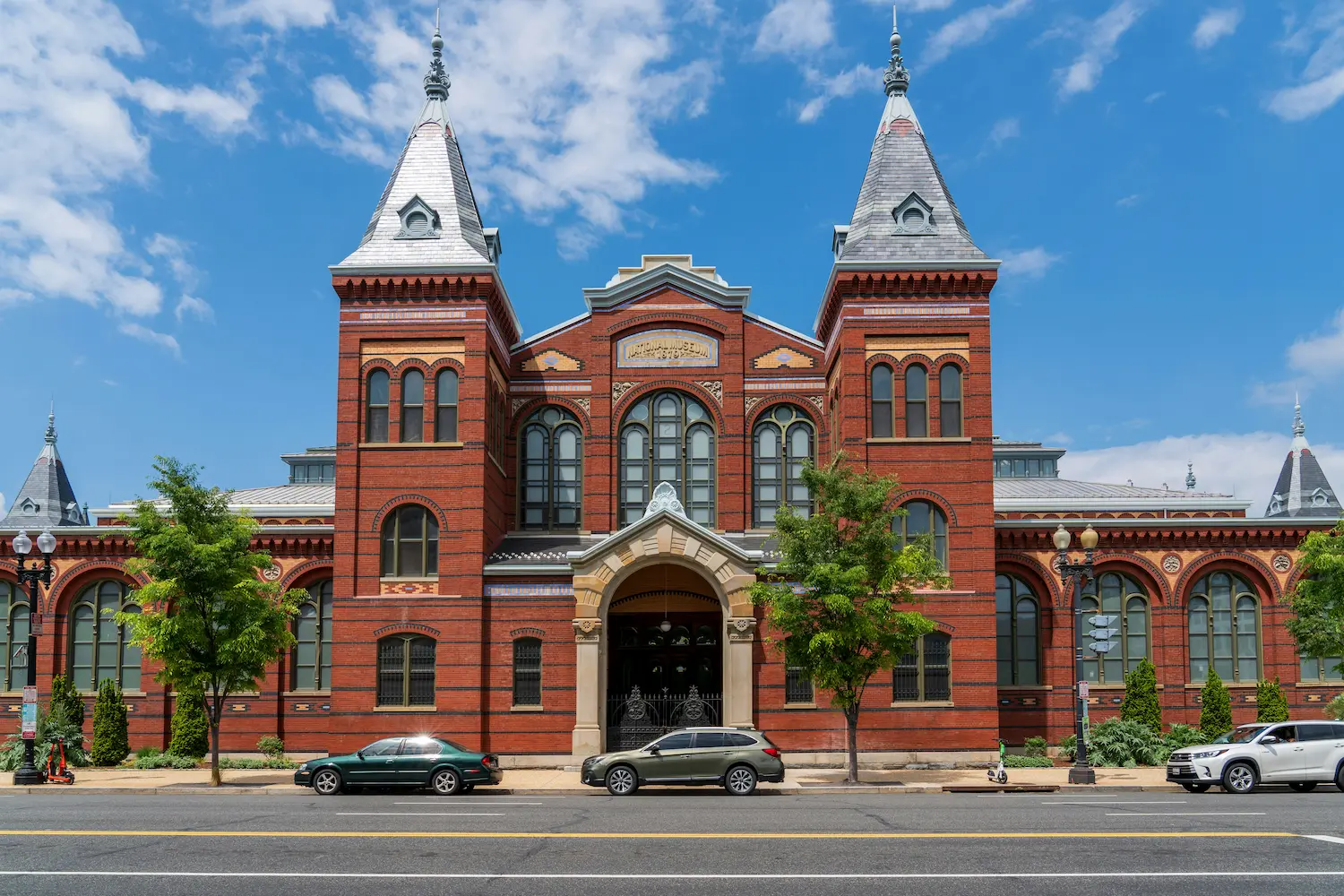
16- United States Holocaust Memorial Museum Free. Timed passes are recommended for the permanent exhibition, particularly March through August, and are available through the museum’s website in advance. The permanent exhibition covers three floors with original artifacts, testimony, and documentation. The Hall of Remembrance on the ground floor and the café are accessible without a timed pass. Budget two to three hours minimum. Nearest Metro: Smithsonian, about a 10-minute walk.
17- National Archives Free. The Rotunda holds the original Constitution, Declaration of Independence, and Bill of Rights, displayed under low light to protect them. Timed entry reservations are available online and reduce wait times significantly — especially from March through August. The domed ceiling murals in the Rotunda are worth looking up at even if the documents are the main reason you came. Nearest Metro: Archives–Navy Memorial.
18- Library of Congress Free. The Thomas Jefferson Building sits directly across from the Capitol, and most visitors walk past it entirely. The Great Hall and the Main Reading Room visible from its public viewing gallery are among the most ornate interiors in the country — marble, painted ceilings, bronze everywhere. Reading room access requires a researcher card, but the gallery is open to all. Allow about 30 minutes. Nearest Metro: Capitol South or Union Station.
19- International Spy Museum Paid admission — approximately $25 for adults, with lower rates for children and seniors; prices vary by time slot under their dynamic pricing system, so buying in advance is usually cheaper than walk-up. Located at 700 L’Enfant Plaza SW. The museum covers espionage from ancient history to the present, with a strong Cold War section. Most visitors spend two to three hours. No food inside, but the L’Enfant Plaza food court is steps away. Nearest Metro: L’Enfant Plaza.
20- National Building Museum Free for the permanent collection; special exhibitions charge separately (approximately $10–15, verify current pricing). The Great Hall inside is the main reason to visit — 75-foot Corinthian columns made of brick and painted to look like marble, one of the more impressive interiors in the city. Few tourists make it here, so no lines on most days. Nearest Metro: Judiciary Square, about a 5-minute walk.
21- Planet Word Free, with a suggested $15 donation. Opened in 2020 inside the beautifully restored Franklin School building in downtown D.C. It is the world’s first voice-activated museum, built entirely around language — how it works, how it evolves, and how it connects people. Advance timed passes are recommended and available through the museum’s website. Closed Tuesdays. Nearest Metro: McPherson Square or Metro Center, both about a 5-minute walk.
22- Dumbarton Oaks Gardens Free entry (advance online reservation required via Eventbrite — no tickets sold at the gate). The 16-acre gardens are maintained by Harvard University and open Tuesday through Sunday, 2pm to 6pm, from March through October. Winter season runs November through February with shorter hours. No Metro station is directly nearby — the closest are Dupont Circle (Red Line) or Foggy Bottom (Blue/Orange/Silver), both about a 20-minute walk, or a short bus or rideshare from either. Combine with a walk along Georgetown’s M Street and waterfront.
23- Kenilworth Aquatic Gardens Free. The only national park in the U.S. dedicated to water plants, on the eastern edge of the city near the Anacostia River. The lotuses bloom late June through August — they open fully in the morning and close by early afternoon, so arriving before 10am makes a real difference. On a weekday morning in July, you may have the ponds almost entirely to yourself. Getting here requires a car or rideshare; it is not well-served by Metro. Managed by the National Park Service.
24- Rock Creek Park Free. At 1,754 acres, one of the largest urban parks in the country, running north to south through the middle of the city. Most D.C. visitors never enter it. The park has 32 miles of trails, a nature center with free programs, a working 18th-century grist mill (Peirce Mill), and a stretch of Beach Drive that closes to cars on weekends. The valley floor stays noticeably cooler than the surrounding city in summer. Nearest Metro: Cleveland Park or Woodley Park, with trail access a short walk from either.
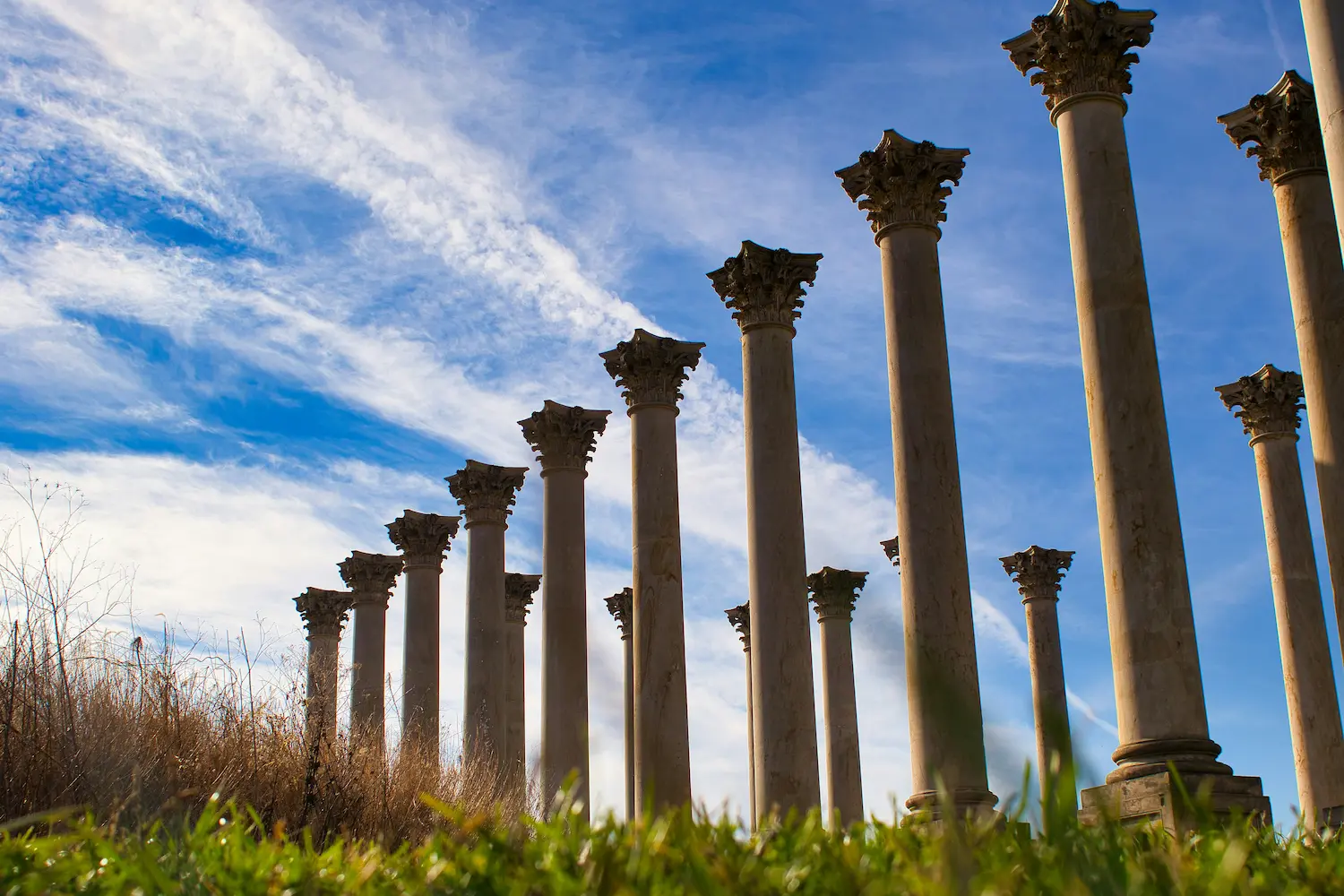
25- United States National Arboretum Free, open daily except Tuesdays. The 446-acre property in Northeast D.C. has more than 9 miles of roads through it — most people explore by car, though walking is possible. The Capitol Columns — 22 original sandstone columns from the U.S. Capitol building, removed during a 1958 renovation and now standing in an open meadow — are one of the stranger and more striking sights in D.C. Spring is the best season for the azalea collection. A car or rideshare from central D.C. is the practical option; Metro access is limited.
26- Theodore Roosevelt Island Free. A 91-acre wooded island in the Potomac River, reached only by a pedestrian footbridge from the Virginia bank. The interior is forested trails and marsh — quiet in a way that feels entirely separate from the surrounding city. The central memorial plaza has a 17-foot bronze statue of Roosevelt and granite tablets with his words on conservation and citizenship. The parking area on the Virginia side is accessed from the northbound George Washington Memorial Parkway. Nearest Metro: Rosslyn (Virginia), about a 15-minute walk to the footbridge.
27- Georgetown Waterfront and M Street Free to explore. Georgetown predates the city of Washington and was an independent city until 1871. The waterfront park runs along the Potomac with open views of the river and the Key Bridge. M Street and Wisconsin Avenue are the main commercial corridors — walkable and compact, with a mix of independent shops, restaurants, and bars. No Metro station serves Georgetown directly; the nearest is Foggy Bottom (Blue/Orange/Silver), about a 20-minute walk, or take the DC Circulator bus from Dupont Circle or Rosslyn.
28- Eastern Market (Capitol Hill) Free to enter. The indoor market hall has been operating on Capitol Hill since 1873 — it reopened in 2009 after a fire destroyed much of the building in 2007. The hall is open Tuesday through Sunday with produce, meat, and seafood vendors. On Saturdays and Sundays, an outdoor arts and crafts market runs 9am to 4pm along 7th Street SE. The Capitol building is about a 10-minute walk west. Nearest Metro: Eastern Market (Blue/Orange/Silver Lines), directly across the street.
29- U Street Corridor Free to explore. U Street was the center of Black cultural and intellectual life in Washington for much of the 20th century. Duke Ellington grew up here; the Howard Theatre, which opened in 1910, still operates on 7th Street. The African American Civil War Memorial on Vermont Avenue is free to visit; the adjacent museum charges approximately $15 for adults (verify current pricing). The neighborhood has a dense concentration of restaurants and music venues within a few blocks. Nearest Metro: U Street/African-American Civil War Memorial/Cardozo (Green/Yellow Lines).
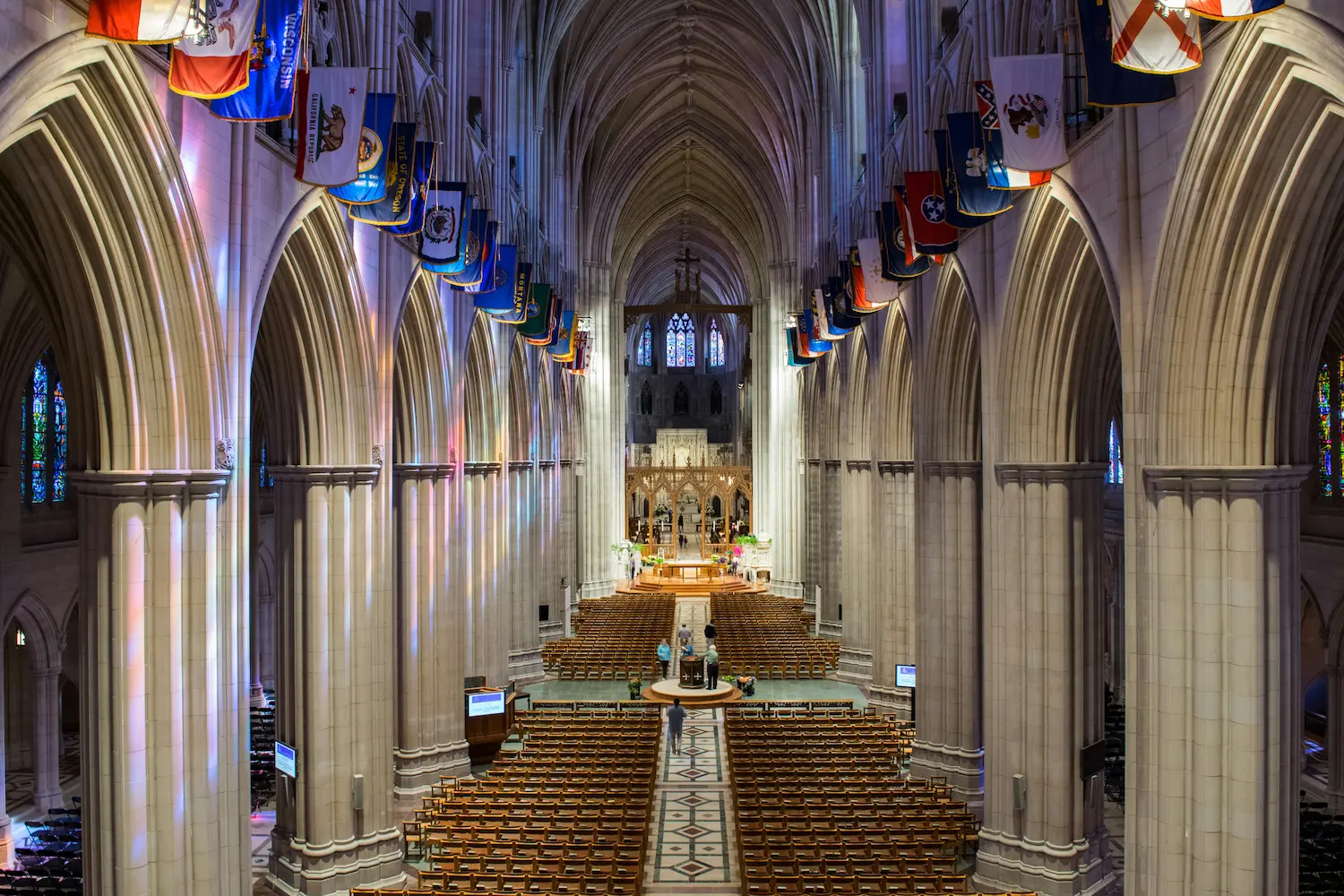
30- Washington National Cathedral Admission approximately $15 for adults; verify current pricing, as it varies by tour type. The Cathedral took 83 years to build and was completed in 1990. In the 1980s the Cathedral ran a children’s design competition through National Geographic World magazine for new grotesque carvings on the northwest tower under construction — a 13-year-old named Christopher Rader submitted Darth Vader, and it was carved in stone and installed in 1986. You need binoculars to spot it. Tower tours offer some of the best elevated views of the city available to the public. Nearest Metro: Tenleytown or Cleveland Park (both require a short bus ride or rideshare — allow 15 minutes from either station).
Get a SmarTrip card on arrival — available at any station kiosk for $10 including $8 in loaded credit. It avoids the higher single-ride paper ticket prices and works on both Metro and bus. Most Mall-area museums and monuments are within a 10-minute walk of the Smithsonian, Federal Triangle, or L’Enfant Plaza stations.
Book your NMAAHC and Washington Monument passes as early as you can. Both are free but require advance reservations. NMAAHC passes are released on an ongoing basis and often book out weeks ahead in spring and fall. Washington Monument tickets go on sale 30 days in advance at recreation.gov and sell out quickly — have your account set up before they drop.
For crowds, mid-January through February and late September through early November are the most manageable periods. Cherry blossom season (typically late March to mid-April) brings peak hotel prices and heavy Metro congestion on weekends. If blossoms are the goal, the East Potomac Park loop is far less crowded than the Tidal Basin path and still has hundreds of trees.
Plan indoor museums on weekdays when possible, especially NMAAHC and the National Archives. Outdoor monuments and parks are fine any day of the week — and several of them are worth revisiting after dark, when the crowds drop and the light changes completely.
The Metro connects almost every major site on this list, the bulk of D.C.’s best experiences cost nothing, and a full week here still wouldn’t cover everything worth seeing. Plan the heavy museum days for weekdays, leave at least one evening for the Mall after dark, and save a morning for somewhere off the tourist circuit — Rock Creek Park, the Arboretum, or Kenilworth in July. That is where the city stops feeling like a checklist and starts feeling like somewhere you actually want to be.