Texas Is Not One Place — It Is Several Countries Packed Into a Single State Most people picture Texas as one thing: cowboys, heat, and flat land. The reality is that a single state contains Gulf Coast beaches, Chihuahuan Desert, limestone hill country thick with wildflowers, pine forests in the east, and four major cities […]
Texas Is Not One Place — It Is Several Countries Packed Into a Single State
Most people picture Texas as one thing: cowboys, heat, and flat land. The reality is that a single state contains Gulf Coast beaches, Chihuahuan Desert, limestone hill country thick with wildflowers, pine forests in the east, and four major cities so different from each other that they feel like separate destinations. Driving from El Paso to Houston takes longer than driving from Chicago to New York. That is not a metaphor — it is a geographic fact that changes how you plan the trip. The good news is that Texas rewards the traveler who picks a region and goes deep rather than trying to cover everything at once. Whether you have five days or two weeks, this guide gives you the real information you need to plan a Texas vacation that actually makes sense.
If you are still looking at hotels, Trip tends to have strong rates across Texas cities — useful when you are comparing accommodation in multiple stops on a road trip.
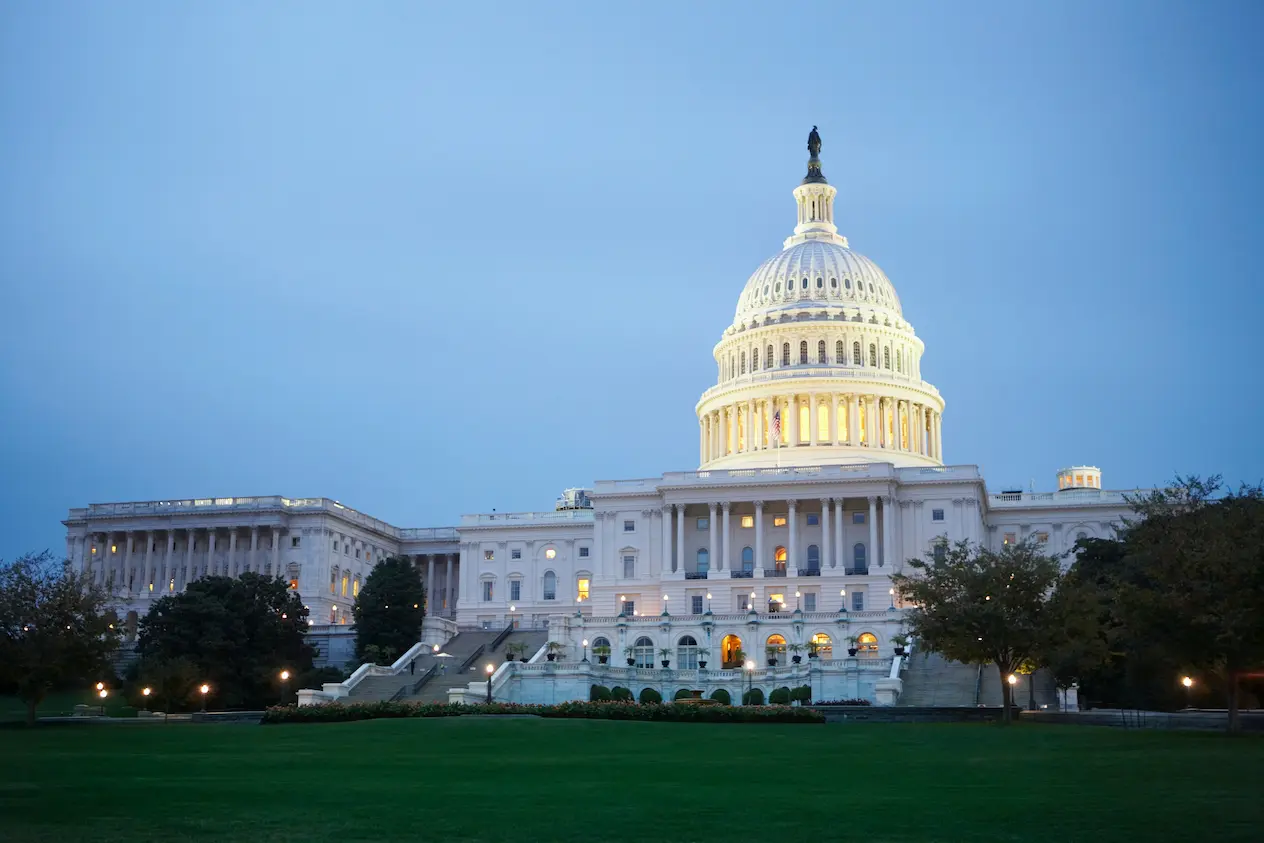
Austin is the state capital and, by most measures, the live music capital of the world — it has more live music venues per capita than Nashville. Sixth Street is the main entertainment corridor, free to walk with cover charges at most venues ranging from free to around $20. The better music, though, tends to happen away from the main strip: the Continental Club on South Congress charges around $5 to $15, and smaller venues on South Lamar and Guadalupe keep things closer to the original Austin character. South Congress Avenue itself is worth a morning — independent shops, food trucks, and local restaurants in a walkable stretch. Barton Springs Pool in Zilker Park is a natural spring-fed swimming hole that stays at 68°F year-round regardless of outside temperature, with entry around $9 for adults. The Texas State Capitol is free to tour and, though few visitors know this before arriving, it is physically larger than the US Capitol in Washington D.C.
San Antonio operates on a completely different frequency. The Alamo — site of the 1836 battle that became the defining moment of Texas independence — is free to enter and open daily. Most visitors are surprised by this. The River Walk, a 15-mile network of paths along the San Antonio River, is also free to walk and lined with restaurants, bars, and hotels. The four Spanish colonial missions of San Antonio Missions National Historical Park were built in the 1700s, are a UNESCO World Heritage Site, and still function as active Catholic parishes where masses are held — these are not museum reconstructions but working buildings. Entry runs around $7 per vehicle. On Saturdays, the Pearl District’s farmers market is one of the best in Texas, set inside a converted brewery complex.
Houston is the most diverse city in the United States by a number of measures — over 145 languages are spoken there, and the food scene reflects this directly. The Museum District puts 19 museums within a 1.5-mile radius, several of them free on Thursdays including the Museum of Fine Arts Houston and the Museum of Natural Science permanent collection. Space Center Houston, the visitor center for NASA’s Johnson Space Center, costs around $35 for adults and includes tram tours to the actual Mission Control — plan a full day. At dusk, 1.5 million Mexican free-tailed bats emerge from under the Waugh Drive bridge in Buffalo Bayou Park. It is free, it happens every evening, and almost no first-time visitors know about it.
Dallas and Fort Worth are often treated as one metro but have distinct characters worth separating. The Dallas Arts District is the largest urban arts district in the United States — the Dallas Museum of Art has free general admission, the Crow Museum of Asian Art is free, and the Nasher Sculpture Center runs around $20. Dealey Plaza, the site of the 1963 Kennedy assassination, is free to walk. The Sixth Floor Museum in the former Texas School Book Depository costs around $18. In Fort Worth, the Stockyards National Historic District runs a longhorn cattle drive through the streets daily at 11:30am and 4pm — free to watch, and genuinely unlike anything else in a major American city. The Fort Worth Cultural District has three significant art museums within walking distance of each other, two of them free.
Big Bend National Park covers 801,000 acres of Chihuahuan Desert, with the Rio Grande forming the border with Mexico and the Chisos Mountains rising to 7,832 feet in the center. It receives around 500,000 visitors per year — a fraction of what Yellowstone or Zion see — which means the trails and backcountry feel genuinely open. Entry runs around $35 per vehicle for a 7-day pass. The Window Trail from Chisos Basin is 5.6 miles round trip and ends at a natural pour-off with desert views that earn the drive. One practical note that matters here: the nearest town with significant services is Alpine, 100 miles north. Fill your fuel tank and carry at least one gallon of water per person per day before entering the park. Cell service is nonexistent inside. Marfa, about 3.5 hours from the park entrance, is worth including on a West Texas loop — the small arts community there has built a genuine reputation, and the unexplained Marfa Lights phenomenon has been documented since the 1800s.
Texas Hill Country sits west of Austin and is the most scenic region in central Texas. In late March through April, bluebonnets — the Texas state flower — cover the roadsides along Highway 290 and throughout the hills. Fredericksburg is the most visited Hill Country town, with German heritage, working wineries, and the National Museum of the Pacific War, one of the best World War II museums in the country at around $18 entry. Enchanted Rock State Natural Area is a massive pink granite dome rising above the surrounding land with a summit hike of 0.6 miles each way and entry around $8 per person. Hamilton Pool Preserve, a swimming hole inside a collapsed grotto, costs around $15 per vehicle and requires advance reservations from May through September.
Guadalupe Mountains National Park, in far West Texas near the New Mexico border, contains Guadalupe Peak — the highest point in Texas at 8,751 feet. Entry runs around $15 per vehicle. The Guadalupe Peak Trail is 8.4 miles round trip and strenuous, but the summit offers views into three states on a clear day. The park sits adjacent to Carlsbad Caverns National Park across the state line, making the combination a natural West Texas road trip.
On the Gulf Coast, Galveston sits 50 miles south of Houston with free beach access along Seawall Boulevard and well-preserved Victorian architecture in the Strand District. Padre Island National Seashore is the longest stretch of undeveloped barrier island in the world at 70 miles — entry around $20 per vehicle for 7 days. Between May and August, Kemp’s ridley sea turtle nest releases happen at the Malaquite Visitor Center and are free to watch when scheduled.
On Sixth Street in Austin, most venues charge between free and $15 for cover. The better local experience — and the one most visitors who stay on the main strip miss — is at the Continental Club on South Congress, Hole in the Wall on Guadalupe, and Saxon Pub on South Lamar, where the music tends to be more consistent and the crowds more local. If your visit overlaps with South by Southwest in March, many outdoor showcases during festival week are free even without a badge, which changes the economics of the trip considerably.
The four San Antonio missions are connected by a 9-mile trail, free to walk or cycle. Mission Concepción, Mission San José, Mission San Juan, and Mission Espada are all active — visiting on a Sunday morning, when masses are held, gives a context that no museum exhibit can replicate.
Mesquite smoke at Franklin Barbecue reaches the sidewalk before 9am. The line is already past the parking lot. Someone hands out cups of coffee from a folding table near the entrance. Nobody seems to mind the wait. The smoke is explanation enough.
Barton Creek Greenbelt in Austin offers 12 miles of free trails along Barton Creek with swimming holes, cliff jumping, and rope swings at multiple entry points. Sculpture Falls and Twin Falls are the most popular spots. Arrive early on summer weekends or visit on a weekday — crowds build fast after 10am.
The San Antonio River Walk is best in the evening, when lights reflect on the water and the pace slows. The Museum Reach section north of downtown runs quieter than the tourist-heavy Commerce Street area and gives a more local version of the same walk.
Floating the Guadalupe River near New Braunfels is the most popular float trip in Texas — tube rentals with shuttle service run around $25 to $35 from outfitters in town, and the season runs May through September. The July 4th weekend draws significant crowds.
Lady Bird Lake in Austin offers kayak rentals starting around $20 per hour. Paddling toward the Congress Avenue Bridge at dusk in summer puts you directly below the colony of 1.5 million Mexican free-tailed bats as they emerge — one of the most unusual free experiences in any American city, and most visitors never see it from the water.
Big Bend’s designation as an International Dark Sky Park means the Milky Way is visible to the naked eye on clear nights away from the visitor centers. No equipment needed. It is included with your park entry.
Texas BBQ has a specific etiquette worth knowing before you arrive: the best places sell out, they do not take reservations, and asking for sauce at a serious BBQ joint is considered an insult by some pitmasters. Bring cash as a backup, arrive early, and let the meat speak for itself.
Franklin Barbecue in Austin is consistently ranked among the best BBQ restaurants in the country. It opens at 11am and sells out by 2pm most days. Arriving at 8 or 9am to guarantee food is standard — the line moves, there is usually coffee nearby, and the wait is part of what people talk about afterward. Budget around $25 to $35 per person.
La Barbecue, also in Austin, runs shorter waits and is a strong alternative. The beef ribs are the specialty, and the price runs around $20 to $30 per person.
Pecan Lodge in Dallas started as a farmers market stall and grew into one of the best BBQ operations in North Texas. The burnt ends and jalapeño cheese sausage are the standout items at around $20 to $30 per person.
Snow’s BBQ in Lexington is open Saturday mornings only, 70 miles from Austin. Pitmaster Tootsie Tomanetz has been cooking since the 1970s, and the operation has earned a reputation as the best BBQ in Texas by more than one serious account. Arrive by 7am — it sells out before noon most Saturdays. Budget around $20 to $25 per person.
San Antonio is the home of Tex-Mex, and the difference between what you get here and what gets called Tex-Mex elsewhere is significant. Mi Tierra Café and Bakery in the Market Square has been open 24 hours for decades and runs around $15 to $25 per person. In Houston, the Original Ninfa’s on Navigation is where fajitas were first served commercially in 1973 — that is not marketing language, it is a documented fact of American food history.
Austin’s breakfast taco culture deserves its own stop. At local taquerias, a taco with eggs, bacon, or potato runs around $2 to $4. Juan in a Million on East Cesar Chavez serves the Don Juan taco, a local institution at around $3 to $4 each. Veracruz All Natural does a migas taco — eggs scrambled with tortilla chips, peppers, and cheese — at around $4 to $5 each, and the lines form early for a reason.
The kolache — a Czech pastry brought to Texas by immigrants in the 1800s — has evolved into something distinct from the Central European original. The savory Texas version wraps sausage inside soft dough. The Czech Stop bakery in West, Texas on I-35, open 24 hours, is the most well-known stop along what locals call the Czech belt between Austin and Houston.
Houston’s international food scene functions at a scale that most visitors underestimate. The Mahatma Gandhi District on Hillcroft Avenue covers Indian and Pakistani restaurants, grocery stores, and sweet shops with full meals around $10 to $15. Chinatown on Bellaire Boulevard is one of the largest in the southern US, with dim sum available from the morning at around $15 to $20 per person. The Heights neighborhood has the most interesting concentration of independent restaurants across every cuisine in the city.
Whataburger, the Texas fast food chain open 24 hours, has near-religious loyalty among locals. The Patty Melt and the Honey Butter Chicken Biscuit — available at breakfast only — are the items worth ordering. Budget around $8 to $12. It is a genuine piece of Texas food culture, not a novelty.
A car is essential. Public transport between Texas cities is limited to Amtrak routes that are slow and infrequent. Car rentals run approximately $45 to $80 per day — book in advance, especially in Austin and Houston where demand runs high.
Texas heat from June through September regularly pushes past 100°F inland. Start outdoor activities before 10am, carry more water than you think you need, and treat sun protection as non-negotiable rather than optional. The Gulf Coast adds hurricane season from June through November to the summer heat equation.
The America the Beautiful Annual Pass costs $80 and covers Big Bend, Padre Island, Guadalupe Mountains, and San Antonio Missions. On a Texas road trip that includes more than one of these, it pays for itself quickly.
For Big Bend specifically: fill your fuel tank in Alpine before entering the park. There are no services inside, cell service is nonexistent, and the desert heat makes water a safety item rather than a comfort. One gallon per person per day is the minimum in summer.
On Texas size: Austin to Big Bend is 6 hours of driving. Dallas to El Paso is 10 hours. Do not try to visit Austin, Big Bend, and Houston in three days — pick a region, plan driving times honestly, and go deeper rather than wider. A focused Texas trip will outperform an ambitious one every time.
Texas works best when you stop treating it as one destination and start treating it as several. The Hill Country road tripper, the Houston food traveler, the Big Bend hiker, and the San Antonio history visitor are all having completely different trips — and all of them are having a good one. Pick your entry point, plan the driving honestly, and go from there. The state is large enough that you will leave with a list for next time regardless of how long you stay.
No related posts found.