If you are planning a trip to the Maldives and wondering what you can actually do beyond staying in an overwater villa, this guide is for you. This is not just another postcard-style overview. Here you’ll find a practical, experience-based breakdown of things to do in the Maldives, where those experiences actually happen, how they […]
If you are planning a trip to the Maldives and wondering what you can actually do beyond staying in an overwater villa, this guide is for you.
This is not just another postcard-style overview. Here you’ll find a practical, experience-based breakdown of things to do in the Maldives, where those experiences actually happen, how they differ by atoll, and where to eat well — whether you stay on a luxury resort island or on a local island guesthouse.
The Maldives is far more than honeymoon imagery. It is made up of more than 1,000 coral islands grouped into 26 atolls, each offering different marine life, local culture, and travel styles.
So.. what can you really do in the Maldives?
Many first-time visitors assume there is “nothing to do” besides relaxing. In reality, the Maldives is one of the most activity-dense ocean destinations in the world — if you understand how each atoll differs.
Here are the top things to do in the Maldives that consistently justify the trip.
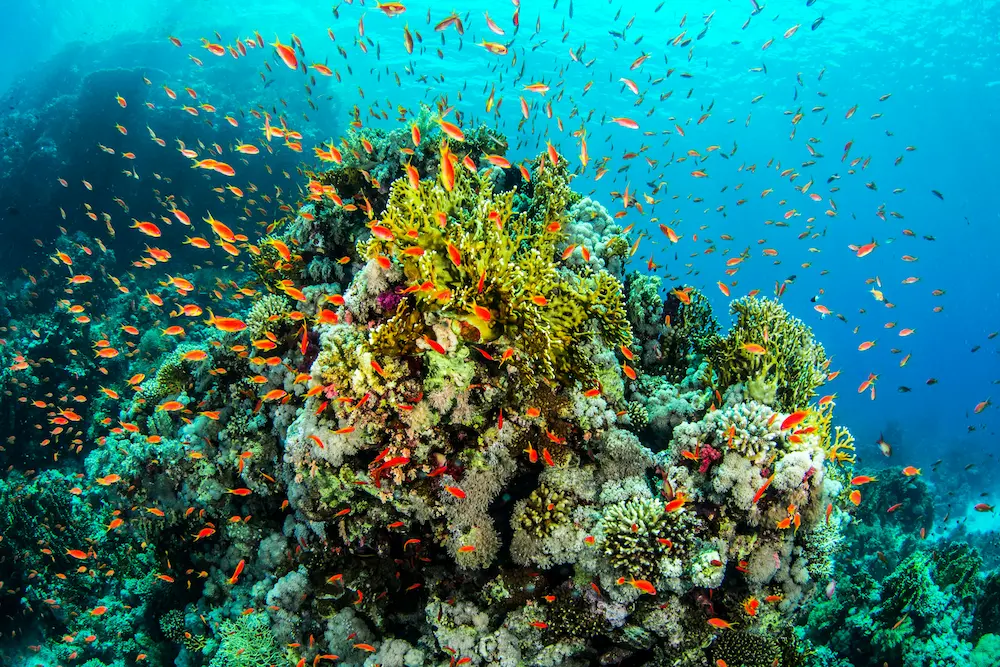
Snorkeling in Maldives is often the highlight of the trip. One of the country’s biggest advantages is that you frequently don’t need a boat excursion. On many islands — both private resorts and local islands — you can swim directly from the beach to a house reef.
Top areas for snorkeling include:
Expect reef sharks, turtles, rays, moray eels, and hundreds of reef fish species. For many travelers, snorkeling in the Maldives becomes the defining experience.
If you are planning which atoll to base yourself in for the best reef access, you can compare island locations, nearby accommodation options, and transportation connections in advance on Trip, where you can find excellent offers across a wide range of stays to explore the Maldives comfortably and with well-organized logistics.
The Maldives is consistently ranked among the best diving destinations globally.
Why?
Best atolls for diving:
If you are researching the best diving in the Maldives, South Ari Atoll is particularly famous for year-round whale shark sightings.
Dhigurah, located in South Ari Atoll, is one of the most recognized local islands for whale shark excursions.
Tours are regulated and monitored. While sightings are never guaranteed, this region is one of the few places in the world where whale sharks can be seen throughout the year.
Most excursions combine snorkeling stops, reef visits, and sandbank breaks in a single half-day or full-day experience.
Sandbank Excursions
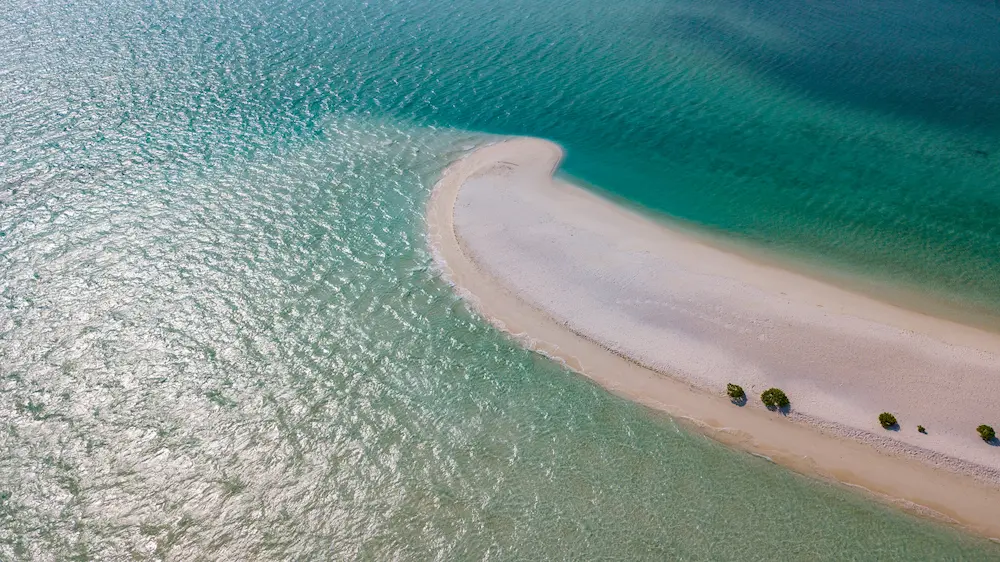
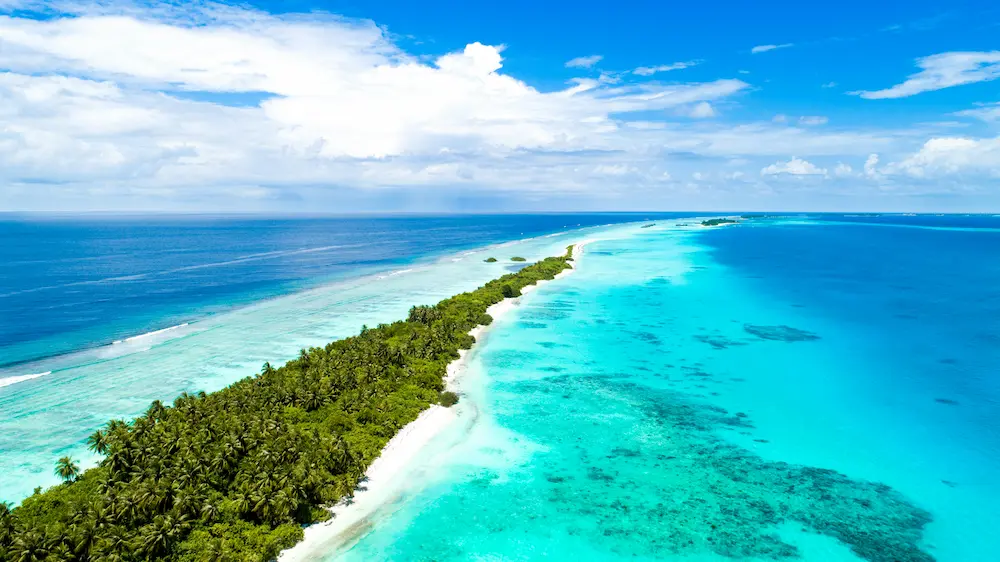
A sandbank is a temporary strip of white sand surrounded by turquoise water — one of the most photographed landscapes in the Maldives.
Popular departure islands include:
Tours typically include picnic setups, snorkeling stops, and sometimes drone photography. These excursions are especially popular among travelers staying on local islands.
Thulusdhoo is internationally known for the “Cokes” surf break.
Surf season runs roughly from March to October, when swells are stronger. Beginner lessons are available year-round in calmer lagoon areas, making this island accessible even for first-time surfers.
Among active travelers, surfing is one of the more dynamic things to do in the Maldives beyond marine excursions.
Sunset dolphin cruises are among the most relaxing activities in the Maldives. Spinner dolphins are frequently spotted near inhabited islands.
You can also ride a traditional wooden dhoni boat — historically used for fishing and transport — offering insight into local maritime culture.
Island hopping allows you to compare different islands in a single day. These tours often include:
You can also try:
Traveling by public ferry is also an experience in itself — slower, but extremely affordable and culturally immersive.
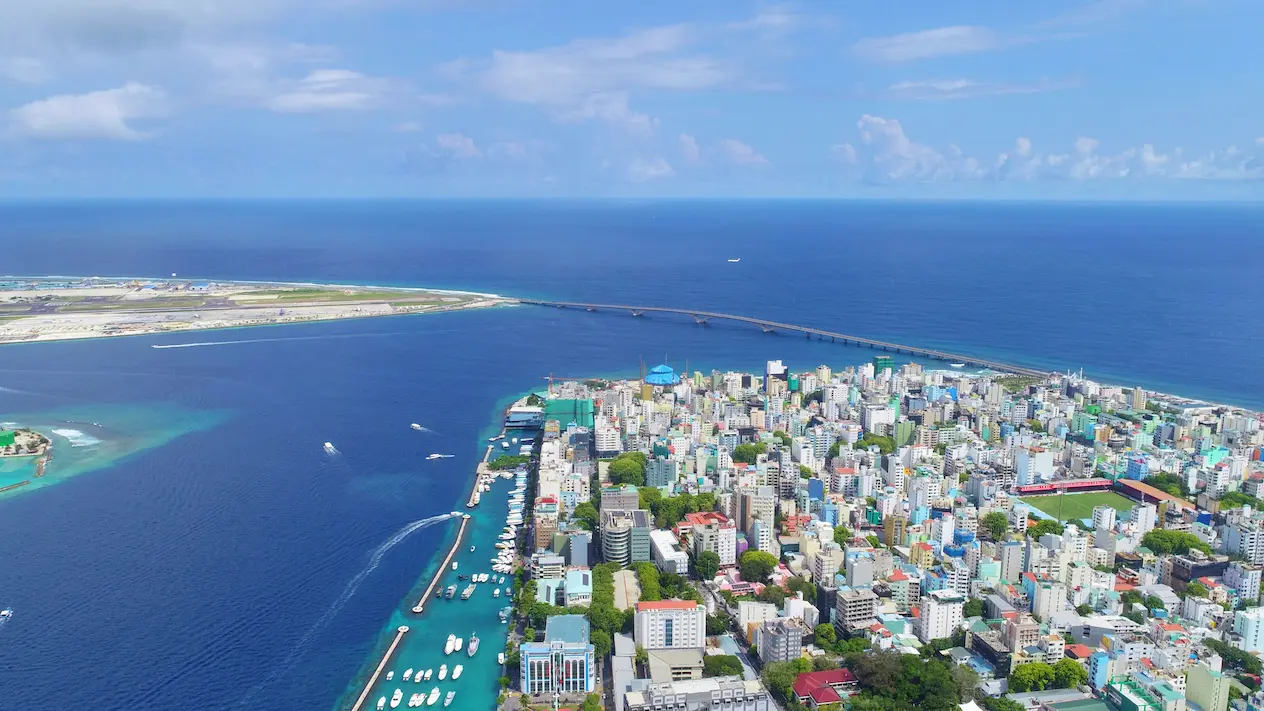
Many travelers skip Malé entirely, heading directly to their resort. However, spending a few hours here provides valuable context about daily life in the Maldives.
Malé is compact, dense, and energetic. It is one of the smallest capital cities in the world, and you can walk across it in approximately 20–30 minutes.
Things to do in Malé include:
Malé is not about beaches — it’s about understanding how Maldivians live beyond the resort image.
Just 10 minutes away by car via the Sinamalé Bridge is Hulhumalé, a reclaimed island developed to reduce congestion in Malé.
Hulhumalé offers:
It is ideal for a first or last night before your international flight.
If you are researching where to stay in the Maldives, these islands consistently stand out:
Choosing the right atoll is essential when deciding where to stay in the Maldives, as marine life and accessibility vary significantly.
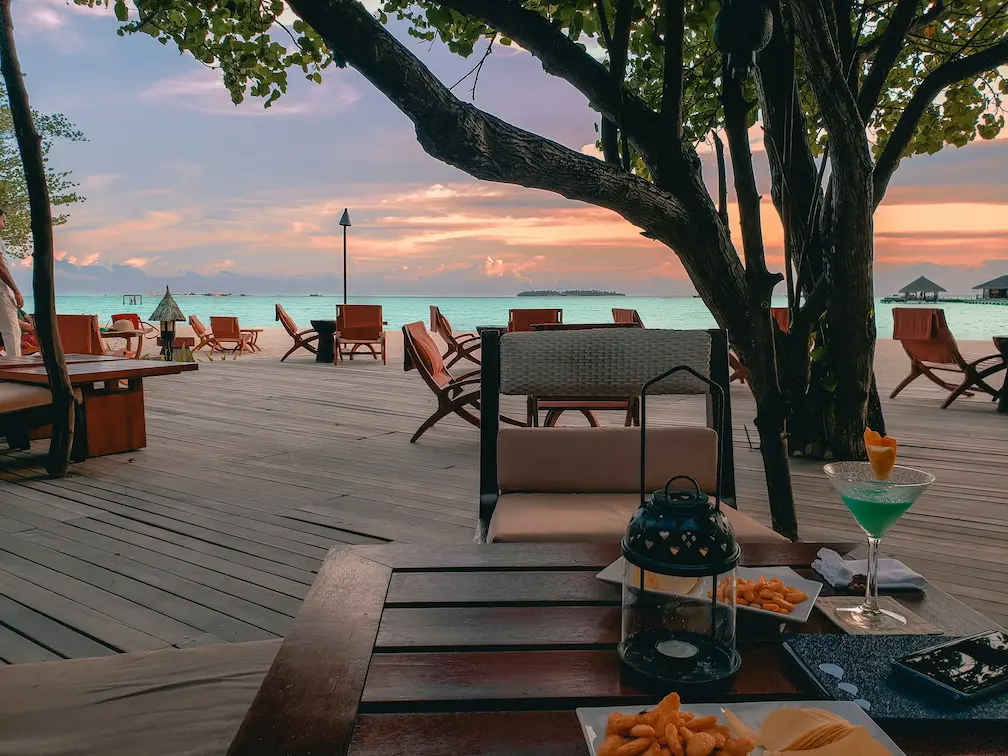
Dining in the Maldives varies considerably depending on whether you are on a local island or a private resort.
On local islands, you will find family-run cafés, casual restaurants, and guesthouse dining rooms serving fresh tuna, grilled fish, curries, and short eats at moderate prices.
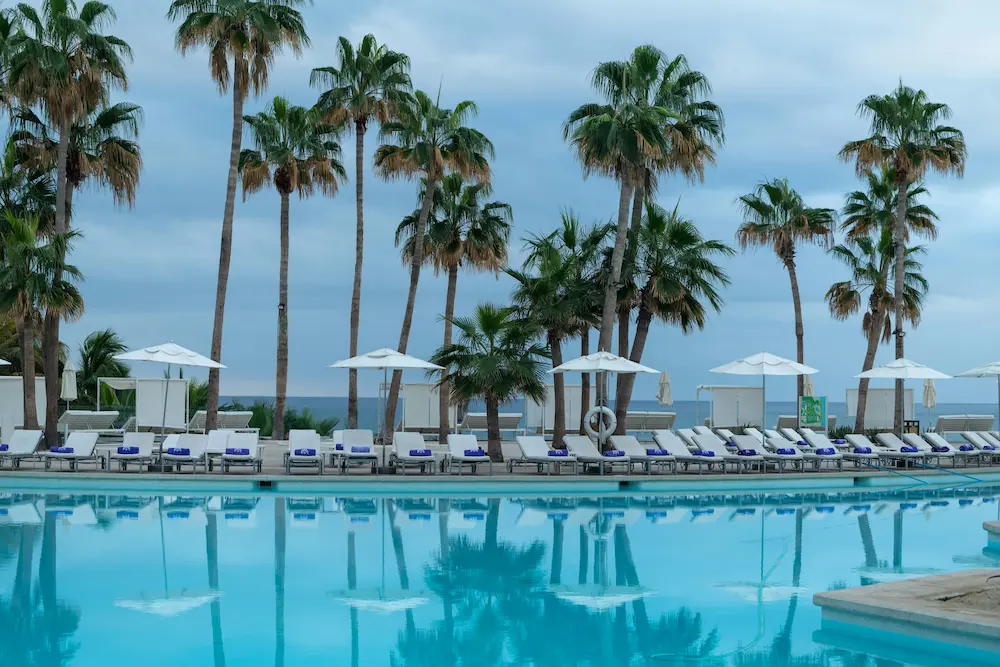
On resort islands, dining is integrated into the luxury experience, often through half-board or full-board plans. Standalone meals can range from approximately $80 to $300+ per person depending on the venue.
In Malé, established restaurants include:
In Maafushi, popular dining spots include:
In Thulusdhoo:
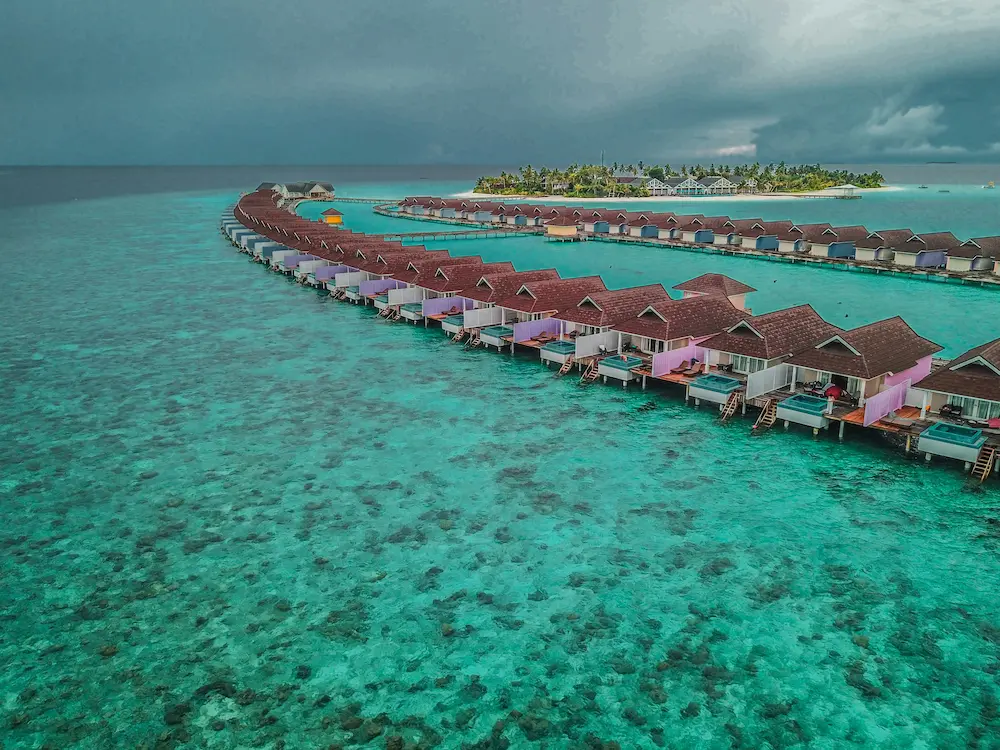
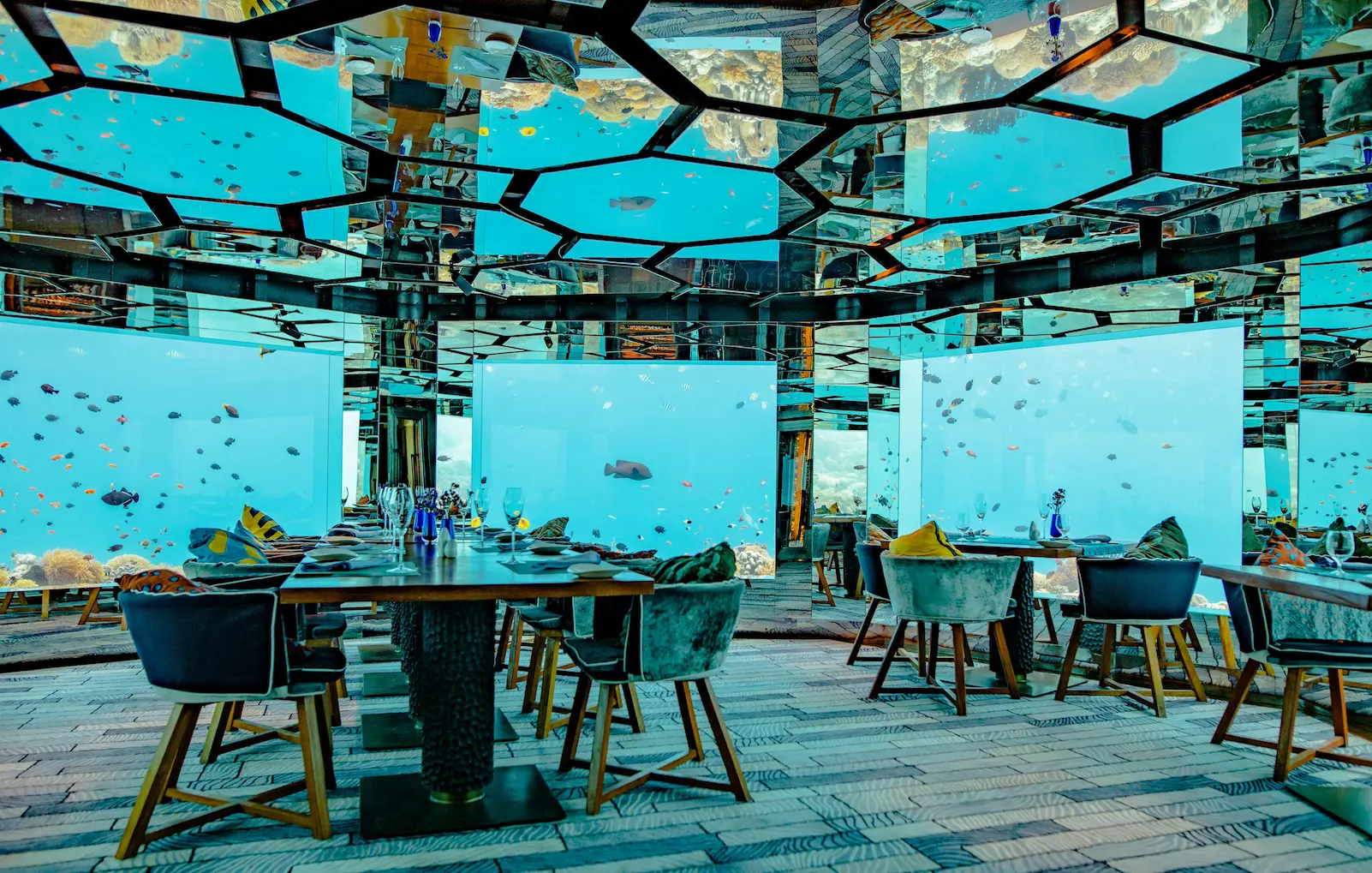
Resort dining in the Maldives often emphasizes architecture and exclusivity as much as cuisine.
Some of the most well-known ones are:
Underwater dining in the Maldives is expensive, but it is designed as an immersive experience rather than a standard meal.
If you want your Maldives trip to be smooth:
The Maldives can be ultra-luxury, budget-friendly, or somewhere in between. The key is understanding the difference between resort islands and local islands and choosing your atoll strategically.