Virginia Has No Single Image — And That’s the Point A few years back, we drove into Richmond expecting a quiet Southern city with some Civil War sites and not much else. By day three we were eating Korean-Mexican fusion in a converted warehouse district, planning a ridge hike in a national park, and debating […]
Virginia Has No Single Image — And That’s the Point
A few years back, we drove into Richmond expecting a quiet Southern city with some Civil War sites and not much else. By day three we were eating Korean-Mexican fusion in a converted warehouse district, planning a ridge hike in a national park, and debating whether to spend a day at a colonial living history museum or a vineyard. Virginia had completely dismantled the version of itself we thought we were visiting.
That is exactly what makes it work as a 10-day road trip. The state holds more distinct experiences per square mile than almost anywhere on the East Coast — mountain ridges, colonial history, wine country, beach towns, and one of the most underrated food cities in the country, all within a few hours of each other. This itinerary connects them in a logical loop, starting and ending at major airports, with a rental car as your only real requirement.
If you are still sorting out accommodation, Trip tends to have strong rates across Virginia, especially in Richmond and Williamsburg where prices vary a lot by property.
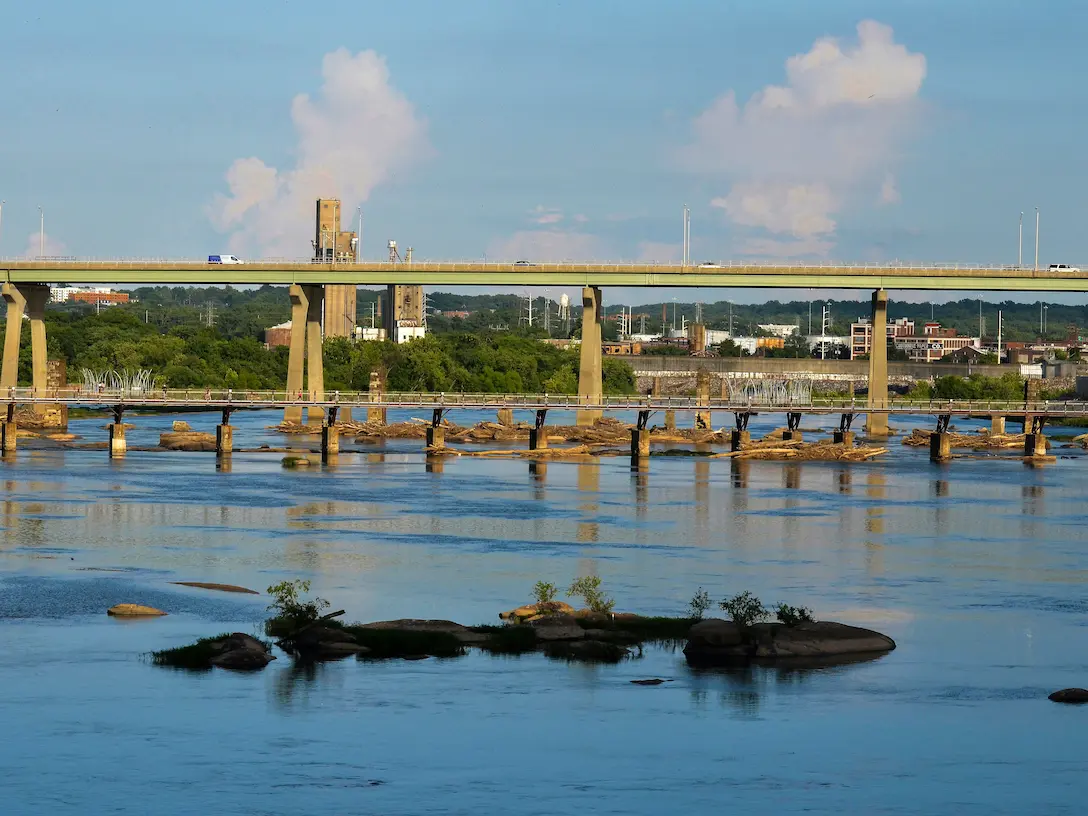
Richmond International Airport (RIC) is the most practical entry point for this itinerary. If you are flying into Washington Dulles (IAD) or Reagan National (DCA), you can start in northern Virginia and work your way south, but Richmond keeps the routing cleaner. Pick up your rental car at the airport — you will need it for the entire trip.
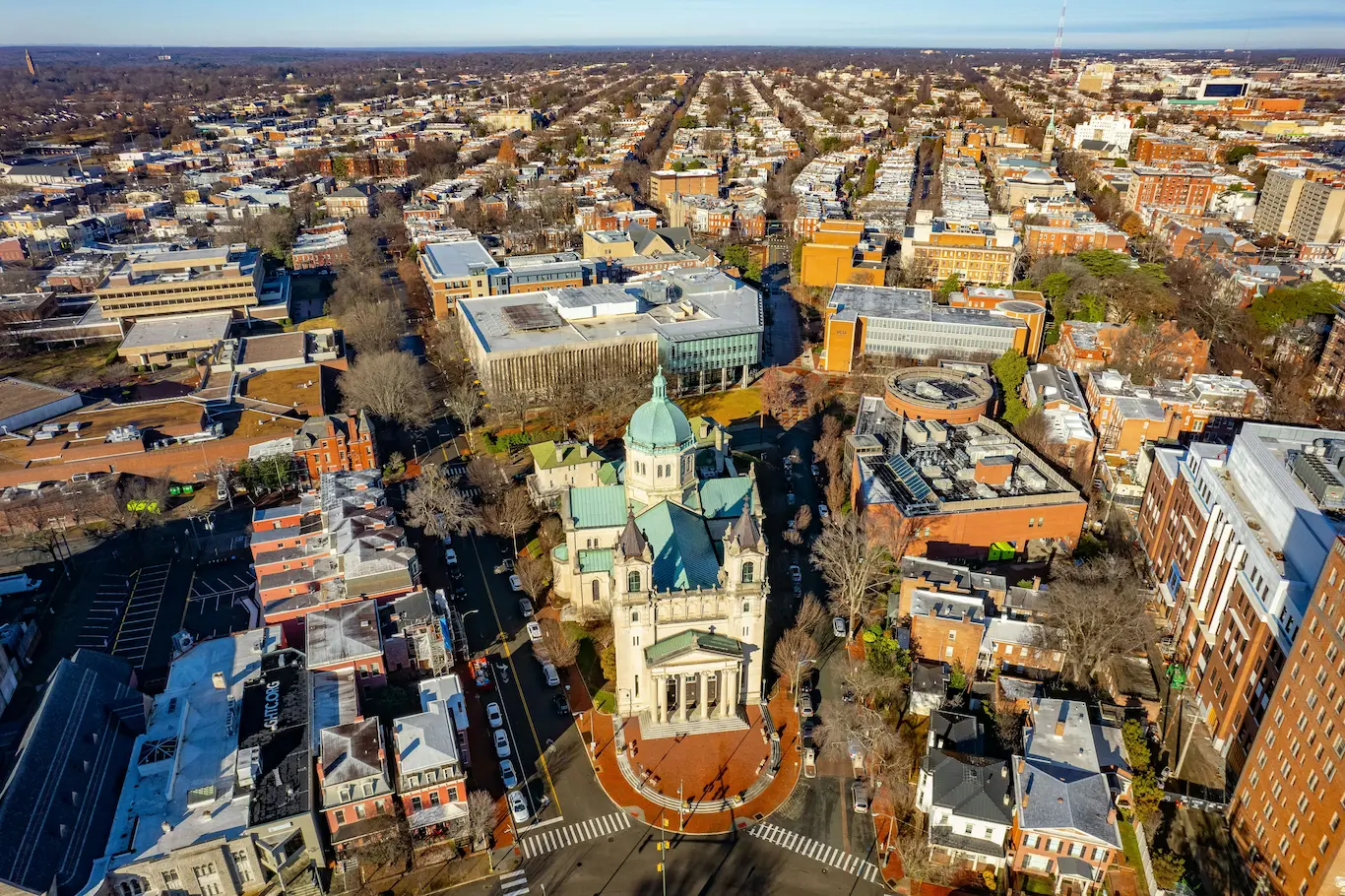
For accommodation, skip the downtown chain hotels and look at the Fan District or Scott’s Addition. Both neighborhoods have independent guesthouses and short-term rentals at noticeably lower rates, and they put you closer to where people actually eat and spend time.
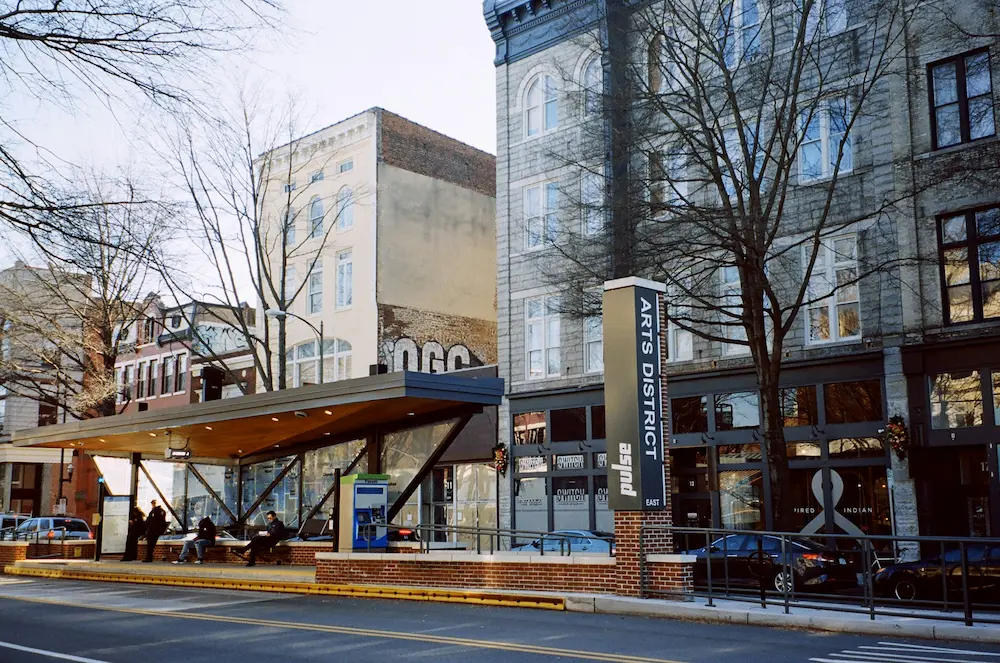
Day one works well as an orientation. Jackson Ward is Richmond’s historic arts district — one of the most significant centers of Black business and culture in 19th and early 20th century America, and today it is dense with murals, restaurants, and galleries worth a slow afternoon. From there, walk through the Fan District’s Victorian row houses to Brown’s Island and Belle Isle, both sitting on the James River and both free to access. The river access here is something Richmond residents use constantly and visitors often overlook entirely.
Day two: the Virginia Museum of Fine Arts has free general admission for its permanent collection, which is substantial. Carytown, a few blocks away, is a walkable strip of independent shops and restaurants with a strong brunch scene. Hollywood Cemetery is an unusual afternoon — presidential graves including James Monroe and John Tyler, river views, and a hill that looks out across the city. Also free, and almost always quiet.
Use day three to plan ahead. If you are hiking Old Rag Mountain in Shenandoah, the permit is required in advance — book it before you leave Richmond. If you are visiting in October, check current foliage conditions and confirm your Shenandoah accommodation is locked in. It books out months ahead during peak color.
Richmond’s restaurant scene is genuinely strong. Oregon Hill, Church Hill, and Scott’s Addition have the best concentration of independent spots. Look for she-crab soup and Virginia ham biscuits — both regional staples worth trying early in the trip.
Richmond to the Shenandoah entrance is approximately two hours west on I-64. One hour you are in Richmond traffic. Two hours later you are standing on a ridge and the valley is so wide and quiet that the city feels like it was in a different country.
Skyline Drive runs 105 miles through the park with no traffic lights, a 35mph speed limit, and overlooks spaced throughout. If you are also planning to visit Yorktown Battlefield or other federal sites, the America the Beautiful Annual Pass covers Shenandoah plus all national parks and federal lands for a full year — check the current price on the NPS website, but it typically pays for itself quickly on a trip like this.
The overlooks vary in effort. Bearfence Mountain requires a short scramble and gives you 360-degree views. Stony Man is accessible with minimal hiking. Big Meadows is a large open meadow popular for wildlife — black bears, white-tailed deer, and wild turkey are regular sightings, not exceptions. If you want a real hike, Hawksbill Summit is the park’s highest peak and a solid moderate half-day. Old Rag Mountain, if you booked the permit, is widely considered one of the best hikes in the eastern US — a full day with a rock scramble section near the summit that requires actual hands-and-feet climbing.
For easier options, the Limberlost Trail and Story of the Forest trail are both accessible and give a good feel for the old-growth forest without committing to a full day.
Where to stay: Skyland Resort and Big Meadows Lodge are both inside the park. Staying inside means sunrise on the ridge before day-trippers arrive. In fall, book two to three months ahead minimum. One logistical note worth taking seriously: fill your gas tank before entering the park. Stations are scarce along Skyline Drive, and Shenandoah is not a place you want to be running low.
Skyline Drive connects directly to the Blue Ridge Parkway at the park’s southern entrance — no gap, just a continuing road. The parkway runs 469 miles south with no entry fee. You do not need to drive the whole thing. Two stops make the Virginia section worth slowing down for: Humpback Rocks, a short but steep hike with strong views over the valley, and Mabry Mill, a historic gristmill that is one of the most photographed spots on the entire parkway. Both are worth the time.
From the parkway, Charlottesville is roughly an hour east. The Downtown Mall is a long pedestrian street with independent restaurants, bookshops, and live music most evenings. It is a good base for two nights.
Monticello — Thomas Jefferson’s estate — requires about two to three hours. The house tour covers the architecture and Jefferson’s life, but the interpretive work on the enslaved people who built and maintained the estate adds important context that earlier visits to this site often lacked. Check current admission prices on their official site before you go.
Virginia has over 300 wineries, and the heaviest concentration is around Charlottesville. Several are within 20 to 30 minutes of downtown. Most charge a tasting fee, and the quality across the region is consistent enough that almost any winery you visit will deliver. The University of Virginia grounds are free to walk — the Rotunda and the Lawn were designed by Jefferson and are worth seeing separate from any university affiliation.
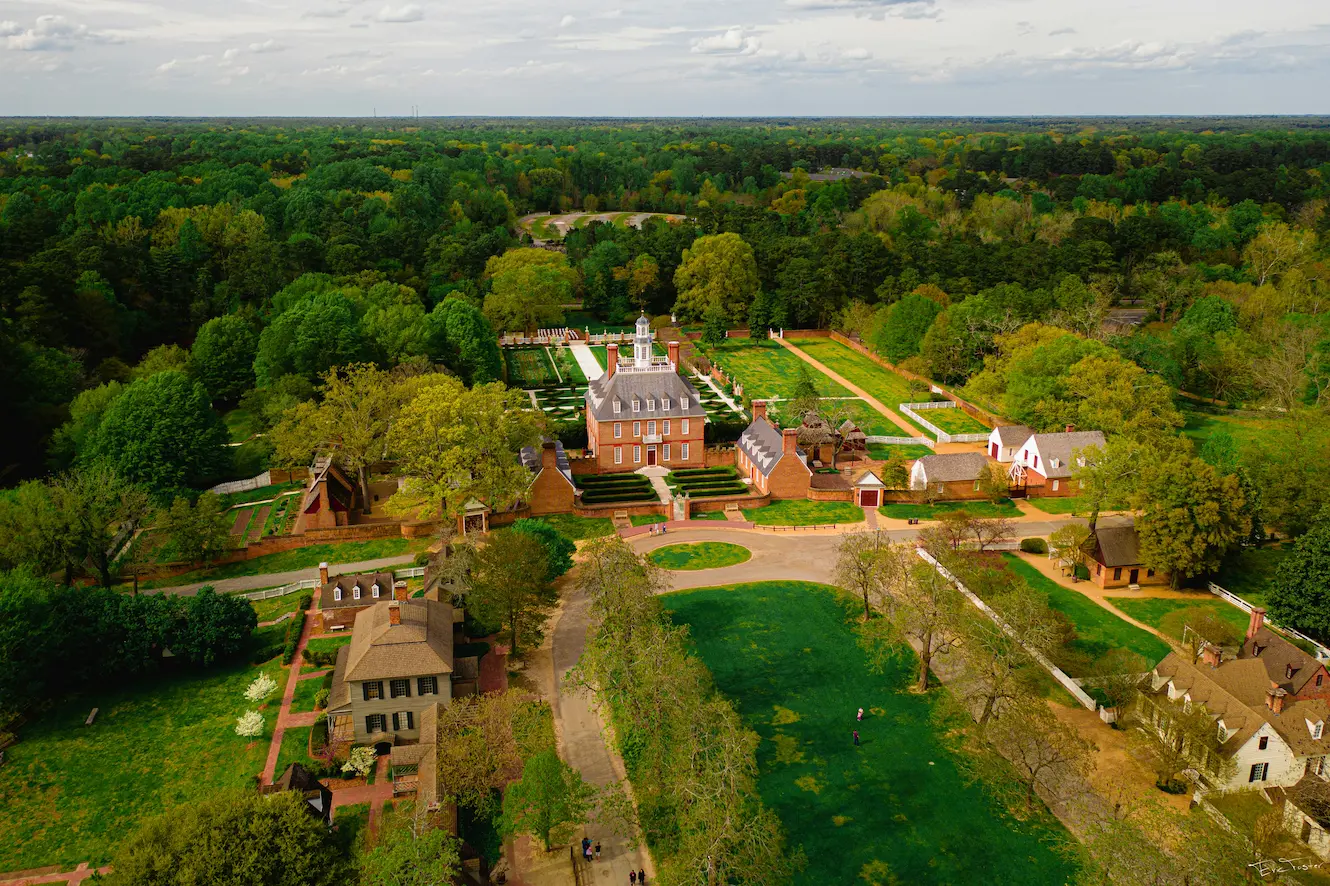
Charlottesville to Williamsburg is approximately two hours east. This stretch covers three significant historical sites in a compact area, and how much time you spend depends on how deep into early American history you want to go.
Colonial Williamsburg is the anchor. Costumed interpreters demonstrate 18th-century trades and daily life across a large restored district. The exterior of the historic district is free to walk — you only need a ticket to enter buildings and access the formal programs. If you want the full experience, one full day is the right amount of time. Check current ticket prices on their official site, as they vary by season.
Jamestown marks the site of the first permanent English settlement in America. Historic Jamestowne, the actual archaeological site, is covered by the America the Beautiful Pass if you have one. Yorktown Battlefield, where the Revolutionary War effectively ended, is also pass-eligible.
Accommodation outside the historic district saves money without losing convenience. The Cheese Shop on Duke of Gloucester Street is a standout food find in an otherwise tourist-heavy area. Fat Canary is a reliably good dinner option if you want one proper restaurant splurge on the trip.
Williamsburg to Virginia Beach is about an hour east. The Boardwalk runs three miles along the oceanfront and is free to walk. Bike rentals are available along the strip if you want to cover it faster.
First Landing State Park sits at the northern end of Virginia Beach — trails through a cypress swamp that open onto the beach. It is a genuinely different environment from the main beach strip and worth at least two hours. Check current day-use fees at the Virginia State Parks website before your visit.
The Virginia Aquarium and Marine Science Center makes for a solid half-day. Cape Henry Lighthouse, the first federally constructed lighthouse in the US, is located on Joint Expeditionary Base Little Creek — access requires a government-issued ID at the gate, so factor that in before building it into your schedule.
Departure is straightforward. Norfolk International Airport (ORF) is about 20 minutes from Virginia Beach. If you are returning the car to Richmond, budget approximately 3.5 hours for the drive back.
The best windows for this trip are April to May and September to October. Spring brings wildflowers on the parkway and manageable temperatures. Fall brings foliage — particularly on Skyline Drive and the Blue Ridge Parkway — but October requires booking accommodation several months ahead, not weeks.
The America the Beautiful Annual Pass covers Shenandoah’s vehicle entry, Yorktown, and any other federal sites on the route. If you are doing this trip in full, it is worth checking the current price and doing the math before you pay individual entry fees. Virginia State Parks operate on a separate fee system — check current day-use rates on the Virginia State Parks website.
Pack layers. Richmond in October and a Shenandoah ridge on the same trip can have a 20-degree temperature difference. Hiking boots are non-negotiable for Old Rag and useful on Hawksbill. A light rain layer handles the brief showers that hit most fall afternoons. For Virginia Beach, reef-safe sunscreen is the considerate choice for the water.
Tipping follows standard US practice: 18–20% at sit-down restaurants.
Ten days in Virginia can look like a history trip, a hiking trip, a food and wine trip, or a beach trip — and the best version of this itinerary is all of them in sequence. The route from Richmond west to Shenandoah, south along the parkway, east through Charlottesville and Williamsburg, and out to the coast covers the state’s actual range rather than one narrow version of it.
Shoulder season — April to May or September to October — gives you the best balance of weather, availability, and rates. Start with Richmond as your base, lock in Shenandoah accommodation early, and leave at least one afternoon in Charlottesville unplanned. Virginia rewards that kind of flexibility.