Welcome to the Lagoon
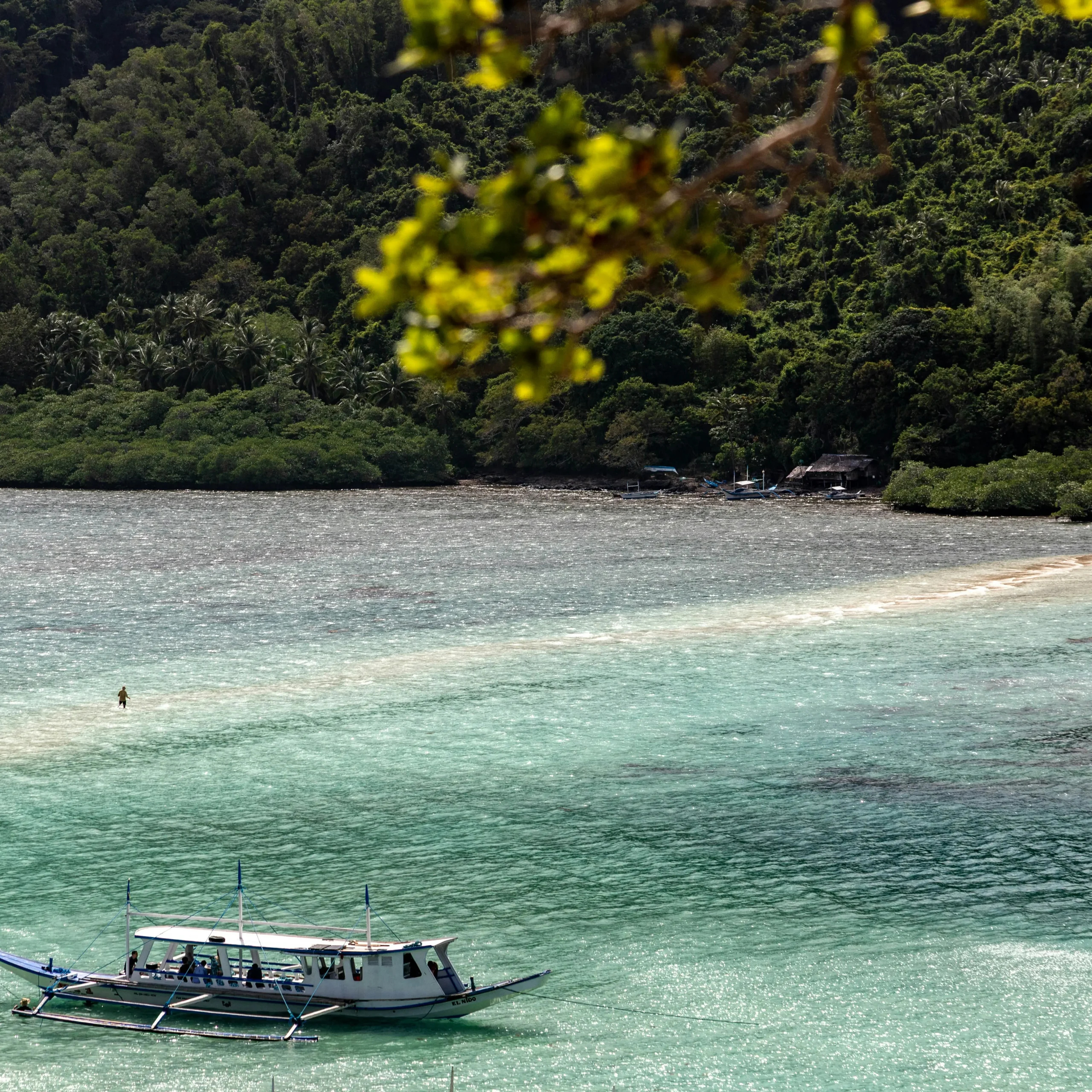
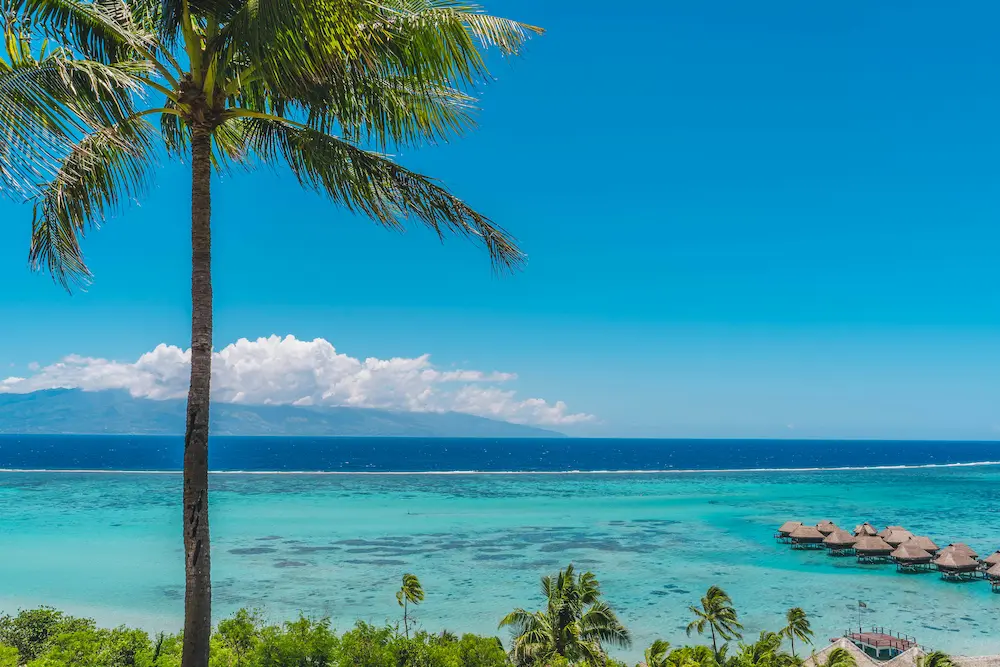
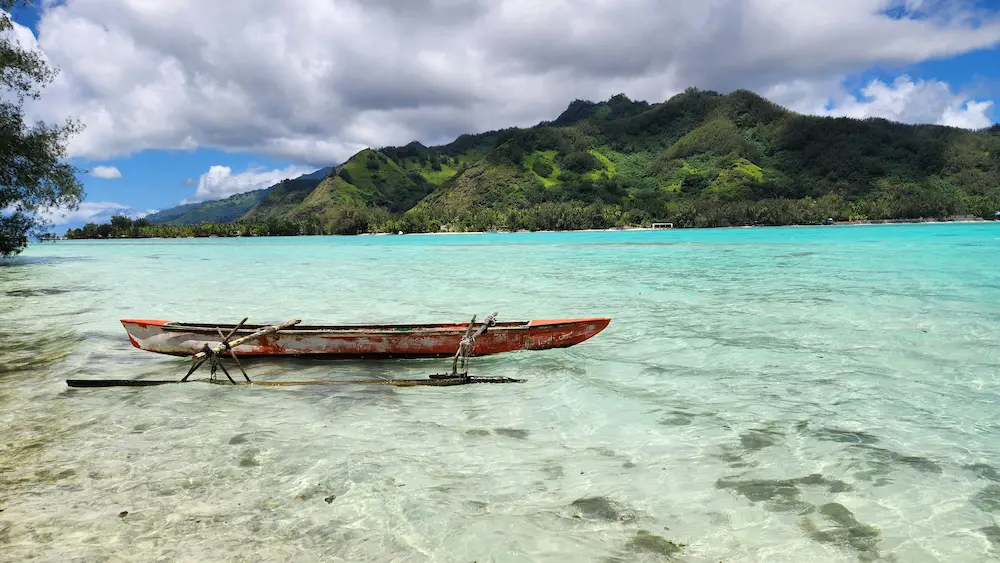
The water here is not one color — it shifts from pale jade near the shore to a deep cobalt where the reef drops away. You step off a small boat onto a sandbar barely wider than a car, and there is no sound except water moving around your ankles. Somewhere to the left, a local guide is quietly adjusting snorkel masks. To the right, Mount Otemanu rises above the tree line on the main island, dark green against a blue sky. You are in the middle of Bora Bora’s lagoon, and it looks almost exactly like the photos — which is not something you can say about many places.
Bora Bora, in French Polynesia, has a reputation for being out of reach. The overwater bungalow photos circulate endlessly online, and yes — the top resorts are genuinely expensive. But the lagoon itself, the reef, the motus (small islets surrounding the main island), and the views are not locked behind a resort gate. If you know which spots are worth your time and what each one actually involves, Bora Bora becomes a place you can plan around a real budget. This guide covers 35 specific spots and experiences worth knowing before you go.
If you are still comparing accommodation options, Trip tends to have a wide range of stays across Bora Bora — from guesthouses in Vaitape to mid-range lagoon bungalows — and it is worth checking before you commit anywhere else.
The Lagoon and Motu Experiences
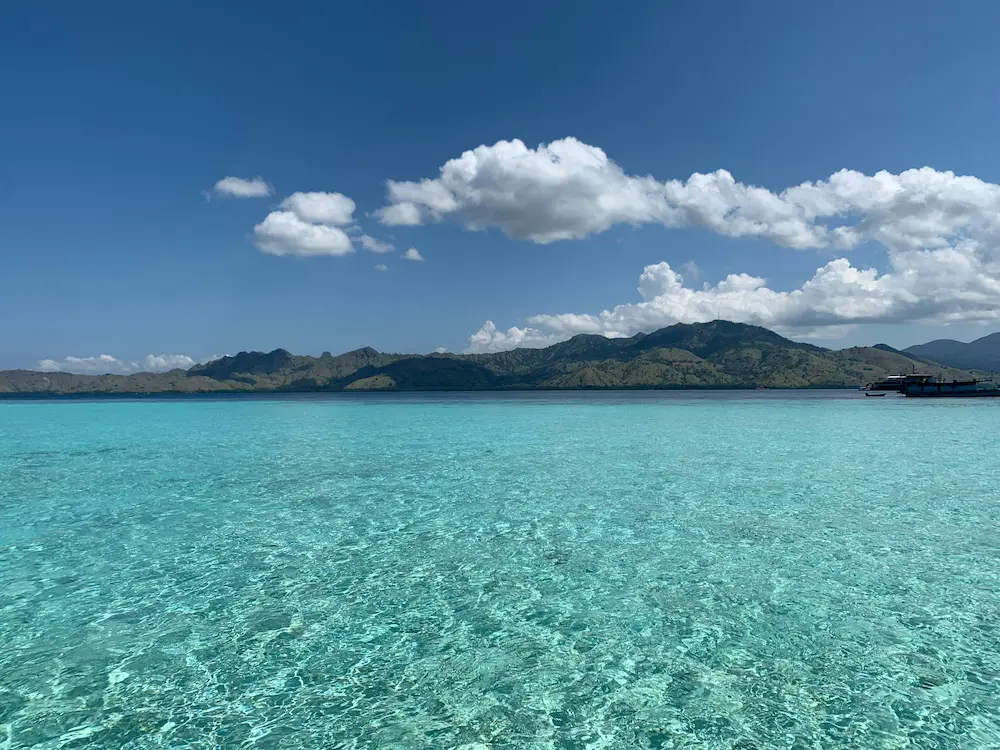
The lagoon is the reason most people come to Bora Bora, and it rewards those who explore it beyond the beach. The main island is surrounded by a barrier reef, and inside that reef sits a ring of motus — low, narrow strips of land covered in palm trees, some inhabited, most not. Most of the best experiences here happen on or around these motus, accessible only by boat.
- Motu Tapu — A small, privately owned islet frequently included as a stop on lagoon day tours. It has one of the most photographed shorelines on the island, with clear shallow water and a direct view of Otemanu. It is not accessible independently — you reach it as part of an organized lagoon excursion. Best light for photos: early morning, with Otemanu in the background to the west.
- The inner lagoon sandbanks — Several shallow sandbars appear inside the lagoon depending on tides and conditions. Most lagoon tour operators include a stop on at least one of them. The combination of white sand, turquoise water, and the mountain backdrop is what produces many of the iconic Bora Bora images. No independent access — boat only.
- The Blue Lagoon area — A stretch of the inner lagoon where the water is especially calm and shallow, popular as a half-day tour destination from Vaitape. Many local operators run these excursions; prices and inclusions vary, so it is worth comparing two or three operators directly in Vaitape before booking.
- Anau Village — A small village on the northeastern coast of the main island, sitting directly on the lagoon. There is no fee to visit, no tourist infrastructure, and the view across the water toward the motus is unobstructed. Fewer tourists come here than to the resort side. Late afternoon light is good for photography.
- The Coral Gardens (Jardin de Corail) — A well-known snorkeling site in the lagoon with intact coral formations in shallow water. It is a standard stop on most organized lagoon excursions. Some travelers reach it independently by kayak; rental outfitters on the main island can advise on logistics.
- Lagoon by kayak — Renting a kayak and exploring sections of the inner lagoon independently is a genuine option for confident paddlers. Several outfitters near Vaitape and along the main road offer rentals by the hour or half-day. Paddling toward the barrier reef on the calmer eastern side is best done with local guidance.
- Sunset pirogue (outrigger canoe) tour — Several local operators offer evening tours timed around sunset, with views of Otemanu from the water. Prices vary by operator; ask directly in Vaitape or at your accommodation. The hour before sunset produces the best light on the lagoon and mountain.
- Full-day private lagoon charter — For travelers who want flexibility over a standard group tour, some local boat operators offer custom half or full-day charters covering multiple spots. Worth asking about in Vaitape, where prices tend to be lower than through resort activity desks.
Water Activities and Marine Life
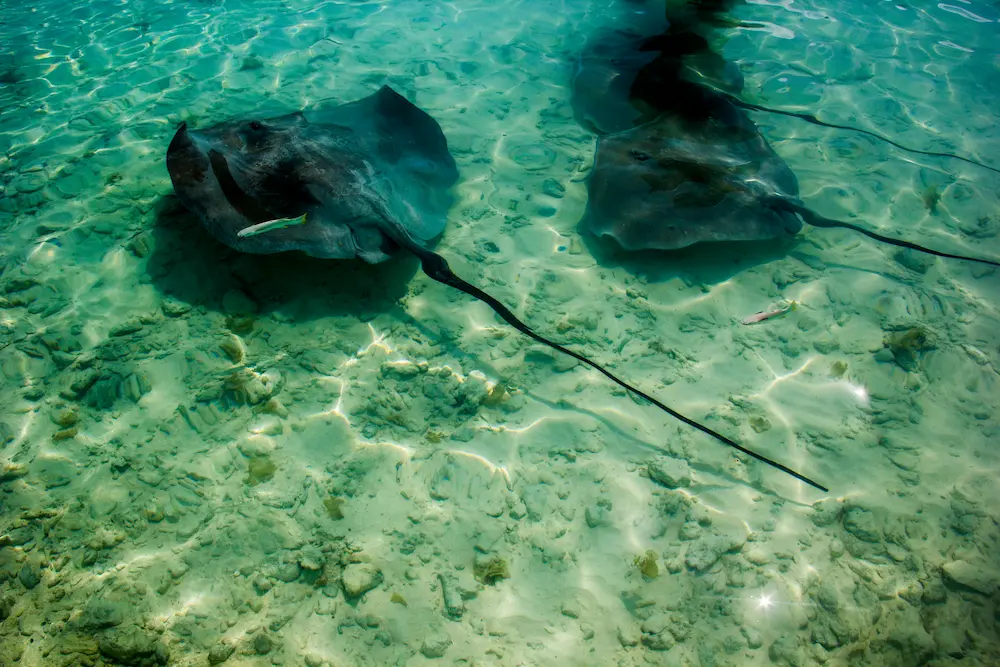
- Lagoon excursion with rays and sharks — The most well-known activity on the island. Most operators run half-day excursions that include a stop at a feeding site where blacktip reef sharks and large stingrays are present in shallow water. Guides enter the water with you. Equipment is typically included. Compare operators in Vaitape for the best rates.
- Coral Gardens snorkeling (independent) — For travelers who prefer to snorkel without a tour group, renting equipment from a local dive shop or guesthouse and making your way to the Coral Gardens by kayak is a straightforward option. Ask your accommodation for the current best rental outfitter.
- Scuba diving on the outer reef — The outer reef has several established dive sites with stronger currents and larger marine life, including lemon sharks, eagle rays, and occasional hammerheads. Recommended for certified divers. Several dive operators are based in Vaitape; a two-tank dive is a significant cost, so compare at least two shops.
- Swimming with lemon sharks — Some operators offer dedicated lemon shark snorkeling or diving on the outer reef, separate from the standard lagoon excursion. Ask specifically for this when contacting dive shops, as not all operators include it.
- Stand-up paddleboarding — The lagoon’s interior is calm enough for beginners. Rental outfits near Vaitape and along the coastal road offer boards by the hour. A good option for exploring calm sections of the lagoon at your own pace.
- Whale watching (seasonal, July–November) — Humpback whales pass through the waters around Bora Bora between July and November. Some tour operators offer dedicated excursions during this period. If this is a priority, confirm availability with local operators closer to your travel date, as the season timing can shift.
- Jet ski lagoon tours — Available through most activity desks on the island and some independent operators. Not the quietest way to see the lagoon, but it covers a lot of ground quickly. Prices vary by duration and operator.
- Night snorkeling or diving — A handful of dive operators offer night snorkeling or diving in the lagoon, when different species are active. Book at least a day in advance, as availability is limited.
- Fishing excursions — Deep-sea and lagoon fishing trips are offered by several local operators. Worth asking about in Vaitape if this interests you; pricing and half versus full-day options vary.
Beaches Worth Planning Around
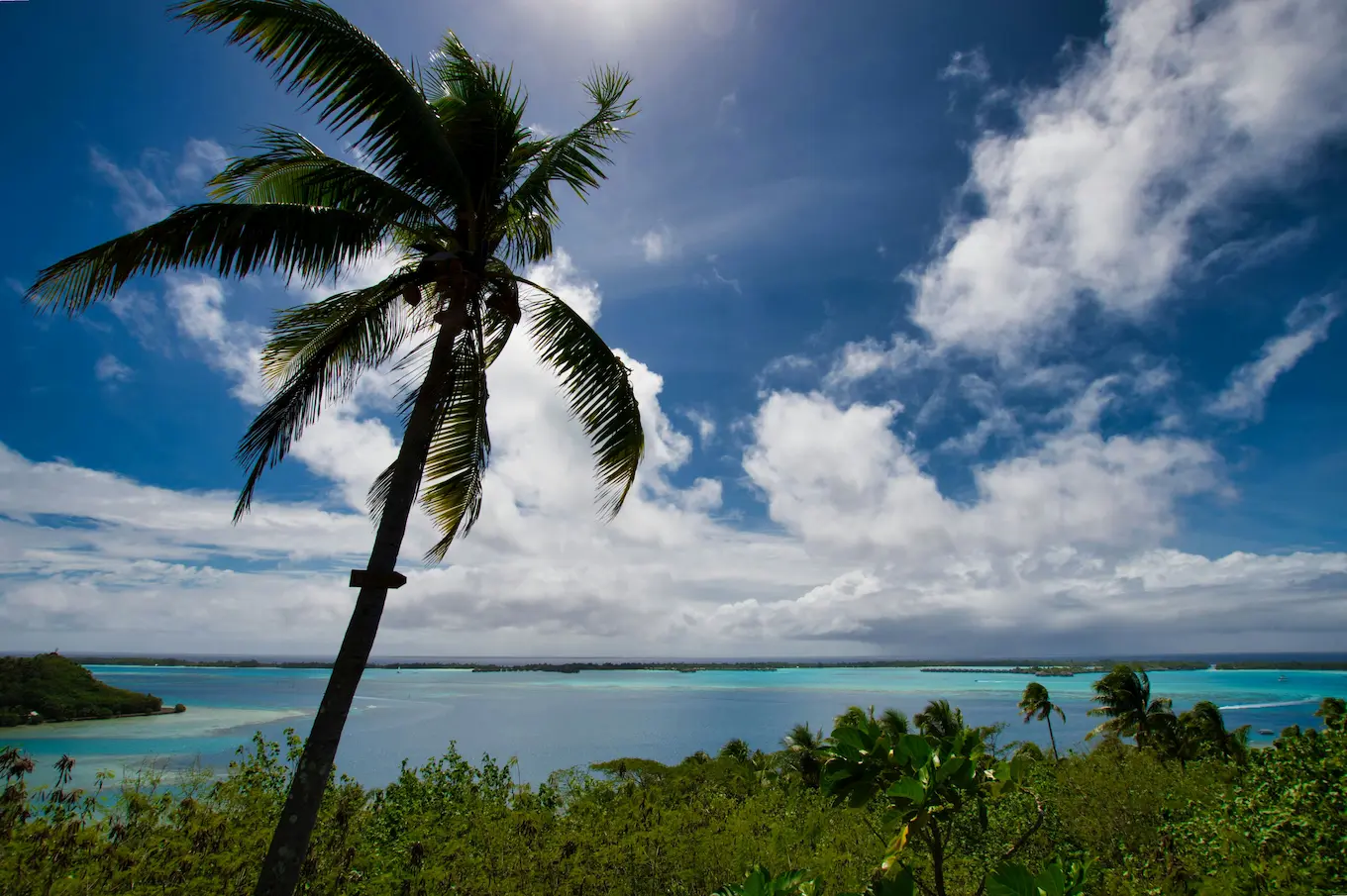
- Matira Beach — The most accessible and most photographed public beach on the island, located at the southern tip. Entry is free. The sand is white and the water is shallow. This is the one beach on Bora Bora that delivers on its reputation without requiring a resort stay or a boat. Most photographed at sunrise or late afternoon when the light hits the water at a low angle. Roadside parking is available.
- The western shoreline near Matira Point — A quieter stretch just around the point from the main beach. Less visited, similar quality of water and sand. No facilities — bring water and shade.
- Motu beaches (via lagoon tour) — Most of the island’s most striking stretches of sand are on the motus, accessible only by boat as part of a lagoon excursion. If seeing a remote sandbar is a priority, build a full-day lagoon tour into your itinerary rather than expecting to find it independently.
- The beach at Faanui Bay — On the northwestern side of the main island, a quieter bay away from the tourist activity near Matira. Worth a stop if you are driving the full coastal circuit.
- Resort day passes — Some of the major resorts on the motus and along the lagoon offer day passes that include beach access, facilities, and meals or a minimum spend. Availability and pricing vary by resort and season; contact the resort directly rather than booking through a third party for the most accurate information.
Viewpoints and Land Experiences
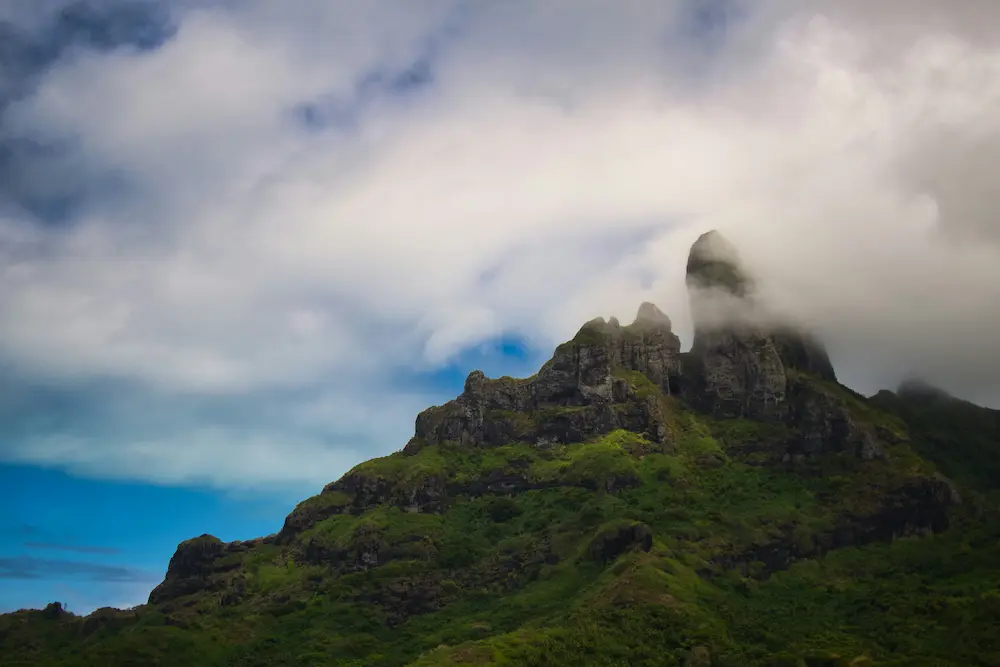
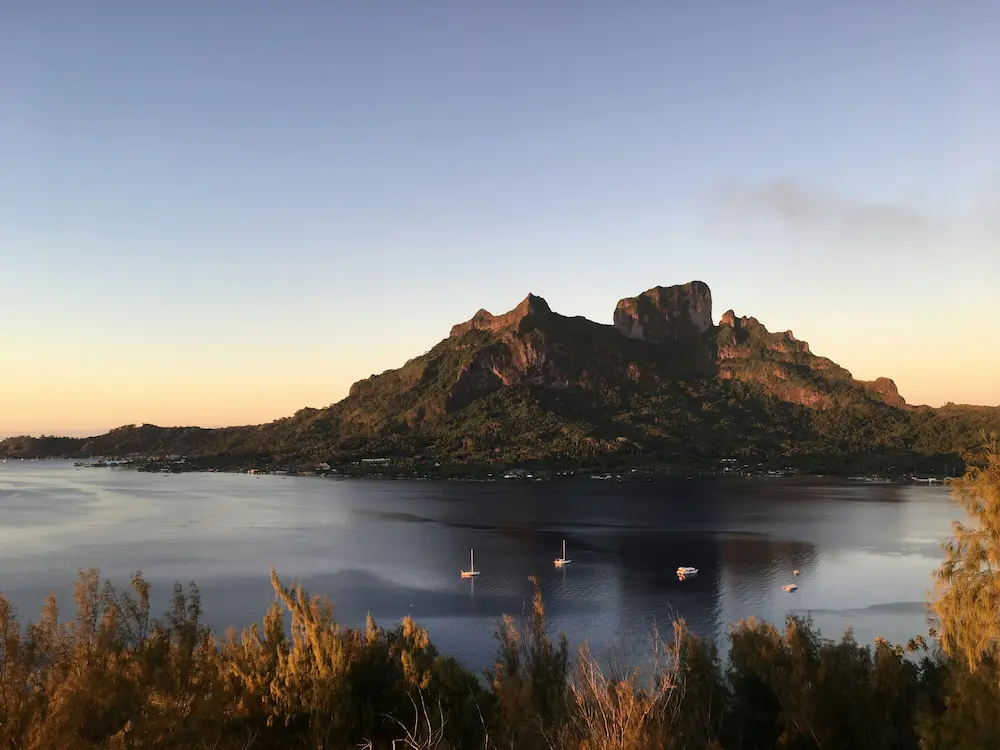
- Mount Otemanu base hike — The extinct volcano at Bora Bora’s center reaches 727 meters. The summit requires technical climbing and a qualified guide. The base hike is accessible for most visitors and provides close views of the peak plus enough elevation to see the full lagoon. Start early — heat and humidity build quickly after mid-morning. Several local guides offer this trip; ask in Vaitape or at your accommodation.
- Mount Pahia trail — A neighboring peak with trails that are more accessible than Otemanu for moderately fit hikers. Views from the ridge on a clear day extend across the lagoon to the outer reef. Some guides combine this with an Otemanu hike in a half-day land tour.
- 4WD or quad bike island circuit — Tours that circle the main island by jeep or quad bike, stopping at viewpoints, vanilla farms, and coastal lookouts. Several operators run these; a half-day circuit is enough to see the main points. The higher roads looking down at the lagoon offer some of the best panoramic views on the island.
- Vaitape town — The main settlement and ferry port. Not a resort area, but a practical base for budget travelers, with local restaurants, a market, and tour operators who typically charge less than resort-based activity desks. The waterfront at Vaitape has a direct view across to Otemanu. Early morning light on the mountain is worth the early start.
- Pearl farm visits — Bora Bora and the surrounding islands are known for black pearl cultivation. Several pearl farms offer tours with explanations of the grafting process. Even if you are not buying, it is a genuinely interesting stop. Ask your accommodation or a local operator for current recommendations.
- Vanilla plantation tour — French Polynesian vanilla is produced on small farms on the main island. A few farms offer short tours. A good addition to a half-day land circuit, and the sensory experience is worth the detour.
- Matira Point viewpoint at sunset — At the southern tip of the island, a short walk from the main beach, there is a natural lookout over the lagoon and the outer motus. No fee, no organized infrastructure. Arrive 30–40 minutes before sunset for the best position.
- Driving the coastal road — The main road circles the island and is easily done by scooter or bicycle in a half day. Several local rental outfits in Vaitape offer scooters; it is one of the best ways to see the island at your own pace without paying for a guided circuit.
Where to Base Yourself and For How Long
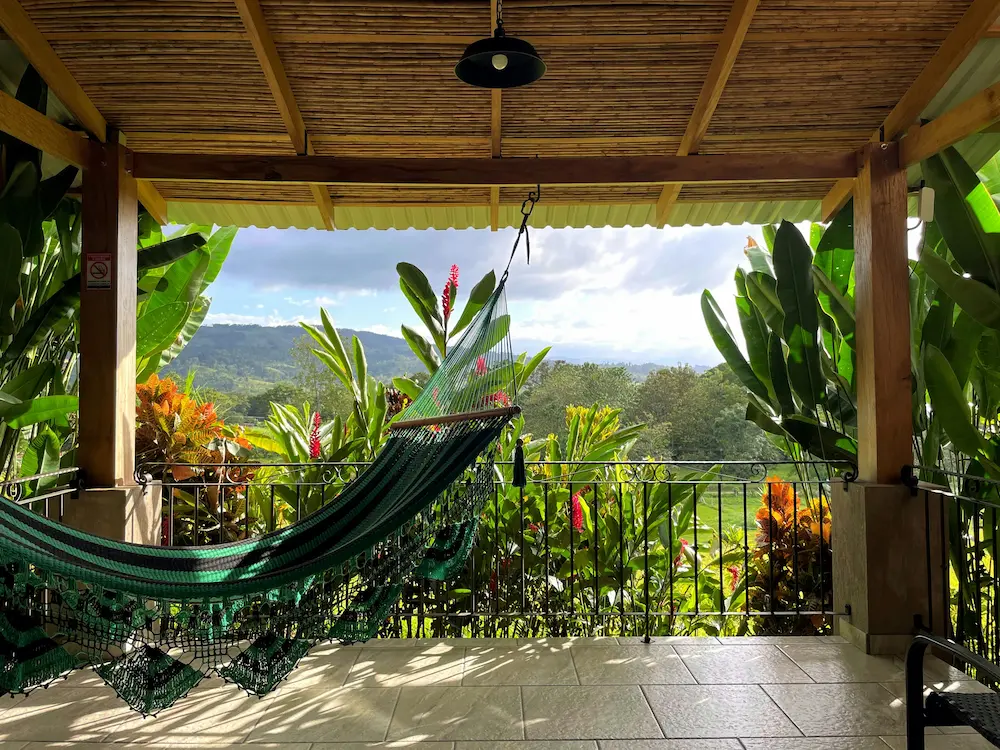
- Staying in Vaitape — The most practical budget option. Small guesthouses and family-run pensions here are a fraction of resort pricing and put you close to local operators, the ferry, and the market. You will need to travel to reach Matira Beach (about 10 km south by road), but a rented scooter solves that easily.
- Staying near Matira Beach — If beach access is your priority, the cluster of accommodation around Matira is the most convenient area for independent travelers. It is pricier than Vaitape but significantly cheaper than the resort motus.
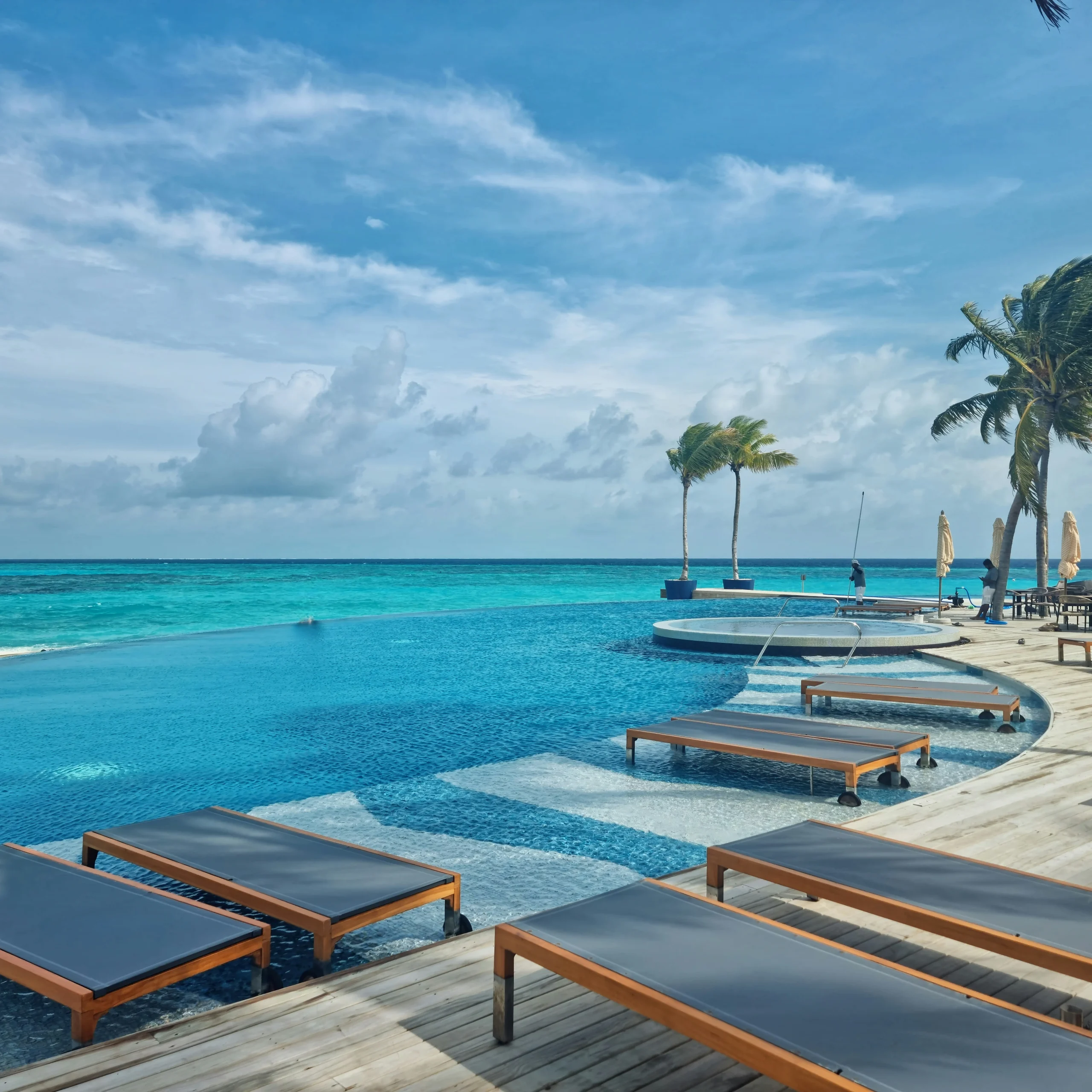
- Overwater bungalows — The iconic accommodation style of French Polynesia. The major luxury resorts (Four Seasons, InterContinental, St. Regis) are at the top of the price range. However, smaller local properties occasionally offer over-water or lagoon-facing bungalows at more accessible rates. These tend to book out early, especially July through August.
- Staying on a motu — A handful of smaller properties on the outer motus offer accommodation closer to the barrier reef. Boat transfers from the main island add a logistical layer, but for the experience of being surrounded by lagoon water, some travelers find it worth the trade-off.
- Length of stay — Four to five nights covers the main lagoon excursions, Matira Beach, and at least one land activity. A week allows for a slower pace and flexibility to reschedule around weather. A reasonable minimum itinerary for first-time visitors: one lagoon tour with rays and sharks, one snorkeling session at the Coral Gardens, time at Matira Beach, and one land activity — hike or island circuit.
Practical Notes: Getting There, Best Time, Budget Reality
Getting to Bora Bora requires a flight to Tahiti (Faa’a International Airport) and then a short domestic Air Tahiti flight to Bora Bora’s airport — which is on a motu and requires a boat transfer to the main island or your resort. Build in at least one night in Tahiti if your international flight arrives late, as the last domestic connection of the day leaves early.
The best time to visit for most travelers is May through October, the dry season. July and August are peak months — prices are highest and accommodation books furthest in advance. May, June, and September offer mostly dry weather with less demand. The wet season (November through April) brings more rain and the occasional tropical storm, but accommodation prices at the same properties can drop noticeably — worth considering if flexibility matters more than guaranteed sunshine.
The local currency is the CFP franc (XPF). Credit cards are accepted at most hotels and larger tour operators, but having some cash is useful for local restaurants, small operators, and market purchases. Budget travelers who stay in Vaitape or near Matira and book tours directly (rather than through resort activity desks) will consistently pay less for the same experiences.
Final Thoughts
Bora Bora is easier to access than its reputation suggests, and more expensive than you might hope — those two things can both be true. The lagoon, the reef, and the views of Otemanu do not belong exclusively to resort guests. The public beach at Matira, the local operators in Vaitape, and the guesthouses around the island exist for travelers who want the experience without the luxury price tag.
Whether you are here for the snorkeling, the overwater bungalow photos, the hiking trails, or just the particular color of the water on a clear afternoon — Bora Bora has something specific to offer every kind of traveler. The key is knowing what each experience actually involves and where to find it without going through the most expensive option on the island.