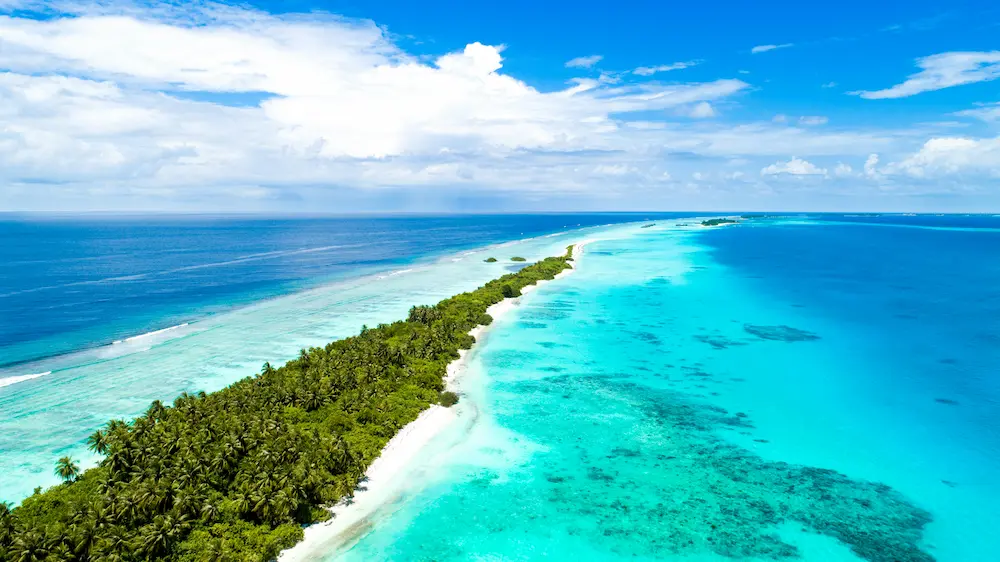
Planning a Maldives trip is mostly about choosing the right atoll for the experiences you want—because “Maldives” isn’t one destination, it’s a country of scattered islands with very different access and marine life patterns. If you’re comparing island locations, typical transfer routes, and accommodation options before you lock your itinerary, it helps to research logistics […]
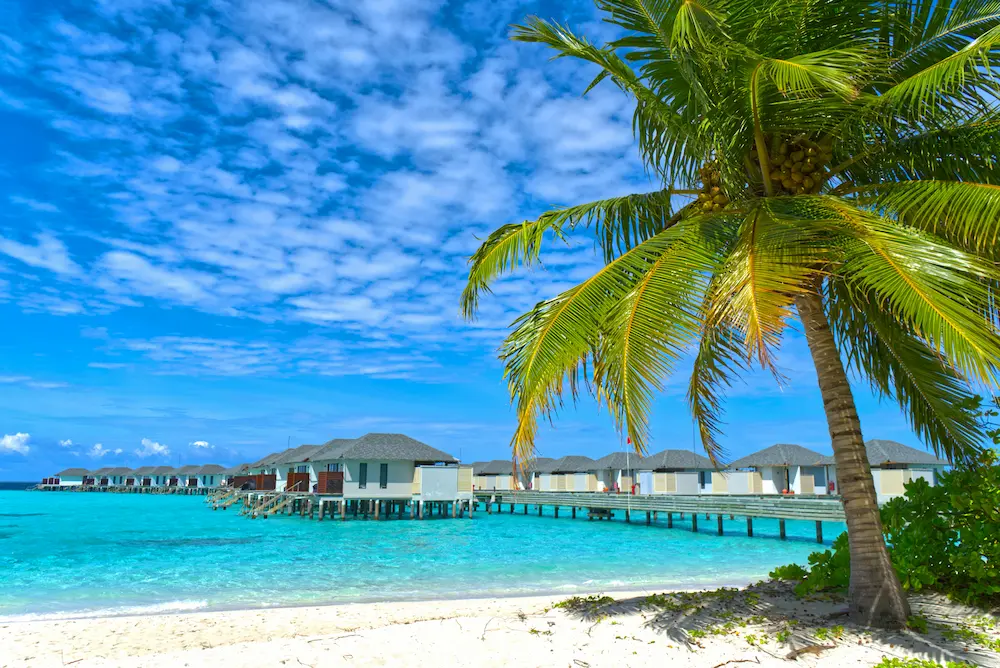
Planning a Maldives trip is mostly about choosing the right atoll for the experiences you want—because “Maldives” isn’t one destination, it’s a country of scattered islands with very different access and marine life patterns. If you’re comparing island locations, typical transfer routes, and accommodation options before you lock your itinerary, it helps to research logistics and stays in one place before building your route.
With over 1,000 islands across 26 atolls, narrowing down what’s actually worth your time can feel overwhelming. This Maldives travel guide is designed to be informative and usable: it focuses on high-impact places to visit, what each spot is best known for, and where it makes sense to allocate time. In several sections (not all), you’ll also see practical notes about how to get there and a realistic “ideal stay” range so your trip planning feels grounded.
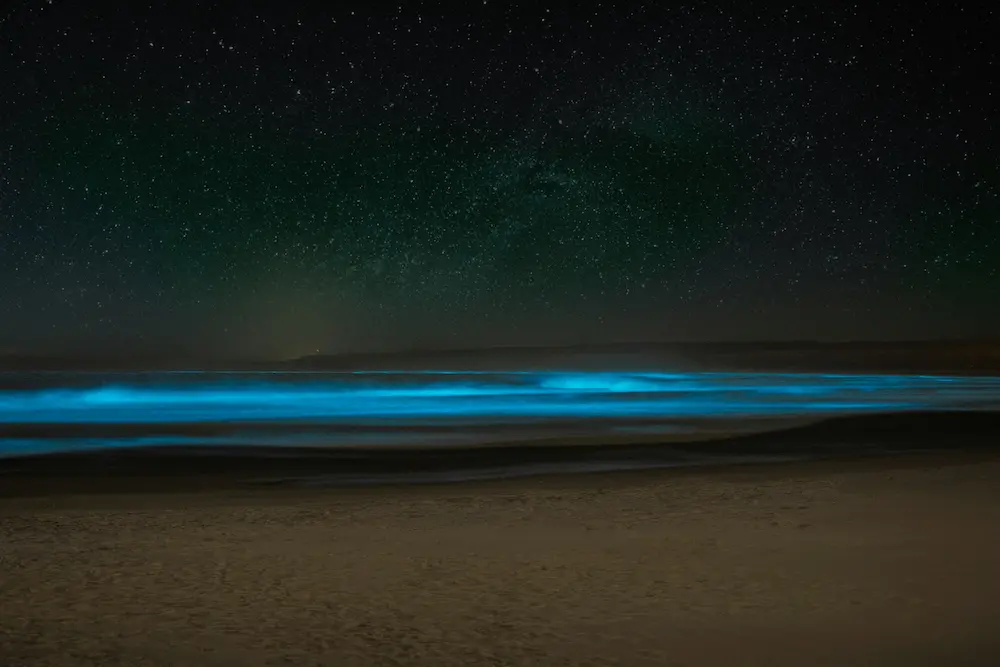
Vaadhoo is widely associated with the “Sea of Stars” effect, caused by bioluminescent plankton that can glow when disturbed by waves or movement. The intensity varies—some nights it’s dramatic, other nights it’s subtle spark-like flashes—so it’s best treated as a highlight you plan for, not a guaranteed spectacle.
An ideal stay is 1–2 nights if this is your main reason for visiting, ideally timed around darker nights with low moonlight and minimal beachfront lighting.
Access to Raa Atoll typically involves a domestic flight north from Malé followed by a boat transfer, depending on your chosen island and arrival time. If you want to compare flight schedules, atoll connections, and nearby accommodation options in advance, you can review routes and availability on Trip where you’ll find competitive rates and a wide range of options to organize your Maldives itinerary efficiently.
Dhigurah is one of the best-known local-island bases in South Ari for whale shark excursions, largely because of its positioning near productive reef edges where tours operate frequently. The island itself is long by Maldivian standards, which makes it unusually good for beach walks and spreading your days between excursions and house-reef time.
An ideal stay is 3–4 nights to give yourself multiple chances for a good ocean day, since sea conditions can affect comfort even when marine life is present.
A common route is a domestic flight from Malé to Maamigili followed by a short speedboat onward, depending on schedules and conditions.
Hanifaru Bay is one of the most important seasonal manta aggregation sites in the Maldives. It sits within a protected area and is managed with strict rules to reduce pressure on wildlife. Only snorkeling is permitted in the bay, so visits are typically arranged through authorized operators, and time in the water is regulated.
An ideal stay is 3–5 nights in the Baa Atoll area during manta season so you can plan around tide and weather windows.
Many travelers base themselves on nearby islands such as Dharavandhoo or Maalhos and travel by boat for the excursion.
Maaya Thila is a classic Maldives pinnacle dive, widely respected for night dives where reef shark activity is often more dynamic than during the day. Conditions can change quickly based on current direction, so the site is best experienced with a well-briefed guide and a group that matches your level.
If you are staying in North Ari, one night dive here is usually enough to make it a standout memory, while experienced divers often schedule it twice to compare day vs night behavior.
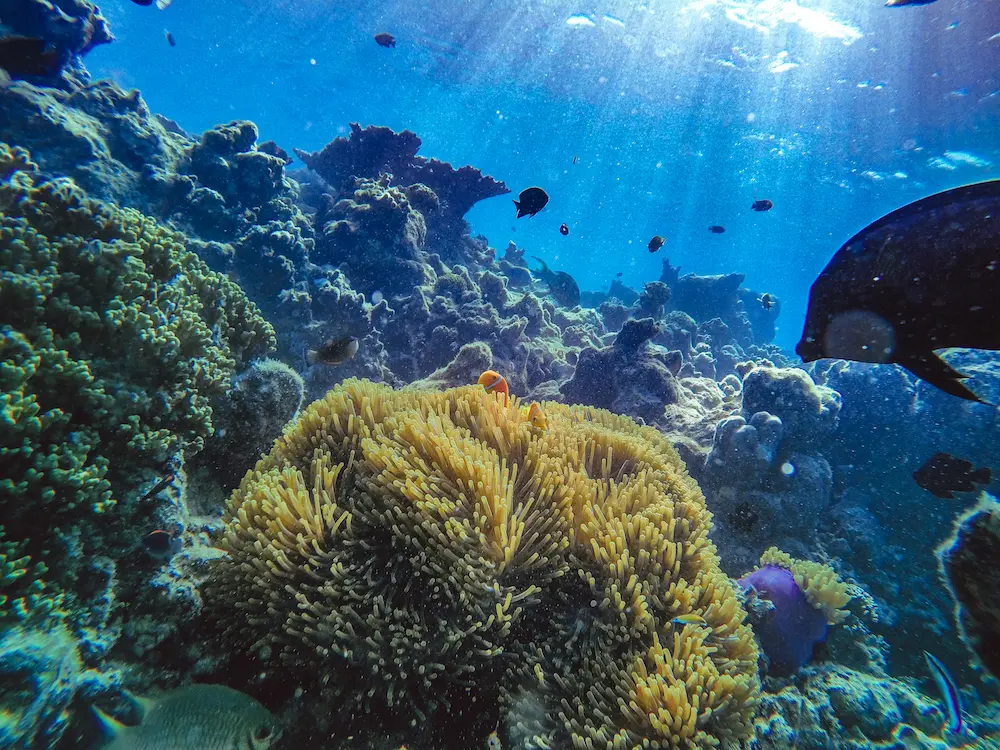
Fish Head is known for consistent shark sightings around a steep thila structure. It’s often recommended for divers who are comfortable in current, because the most active fish movement tends to happen when water is flowing.
If you’re diving North Ari for multiple days, this is a strong one-dive priority rather than something you need to repeat unless conditions are exceptional.
Rasdhoo is practical: small enough to navigate easily, established enough to have reliable dive and excursion operators, and positioned near channels and sandbank day trips.
An ideal stay is 2–4 nights if you want a balanced schedule of diving, sandbank time, and relaxed beach days.
Transfers vary by season and operator, with speedboats commonly used from the Malé area.
Ukulhas is frequently chosen for a calmer local-island stay with straightforward snorkeling access and a long designated bikini beach. It is also known for stronger environmental management compared to many islands, which tends to reflect in cleanliness and beach upkeep.
An ideal stay is 3 nights if you want a slower Maldives pace without sacrificing water time.
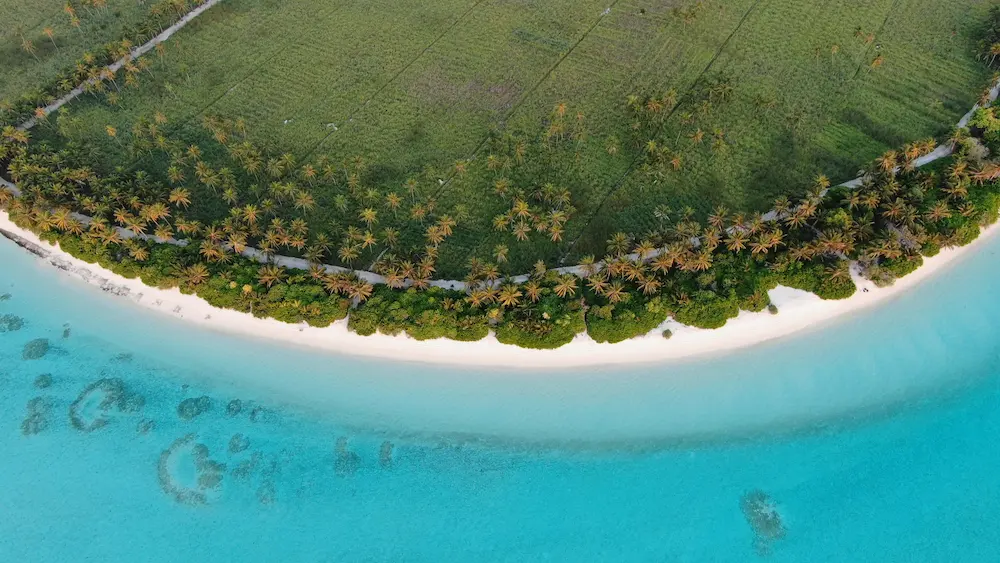
Thoddoo stands out for its agricultural interior—especially fruit and vegetable farming—which gives it a noticeably greener feel than many lagoon-focused islands. It’s a good option if you want a local island where beach time is only part of the experience, and where you can mix snorkeling days with a slower, more “lived-in” island rhythm. Because the island is larger, the walk from some guesthouses to the main bikini beach can be longer than on smaller islands, so location matters more here than in places like Ukulhas.
Most travelers find 2–3 nights is enough to enjoy both beaches, plan at least one excursion day, and still keep the pace relaxed. Transfers are typically by speedboat from the Malé area, and depending on your schedule you may prefer arriving earlier in the day so you’re not losing your first afternoon to transport.
Omadhoo is often chosen for its quieter atmosphere within South Ari, especially by travelers who want a calmer base than the most developed local-island hubs. Snorkeling conditions can be very rewarding, but they’re also location- and current-dependent: piers, nearshore drop-offs, and lagoon edges can attract rays and reef fish activity at different times of day. It’s also a practical place to schedule manta-related excursions in South Ari when conditions are favorable.
A comfortable plan is 2–3 nights, particularly if you’re combining islands within South Ari and want a lower-intensity stop between more activity-heavy bases. Access is typically via domestic flight plus speedboat for South Ari routes, or direct speedboat services on certain schedules depending on the island and operator.
Kandooma Thila is a larger pinnacle dive where current strength shapes the entire experience. Rather than treating it as one “complete” dive site, most divers focus on key sections—because navigation and animal movement depend on the direction of flow. When conditions line up, this is the type of site where you can see fast-moving pelagic activity alongside dense reef fish schools, especially around corners and drop-offs.
If you’re staying in South Malé Atoll, it makes sense to dedicate at least one dive day that includes Kandooma Thila, ideally scheduled earlier in the day when visibility and current can be more manageable. Access is by dive boat from nearby resorts and islands, and this is generally considered a better fit for divers with some current experience.
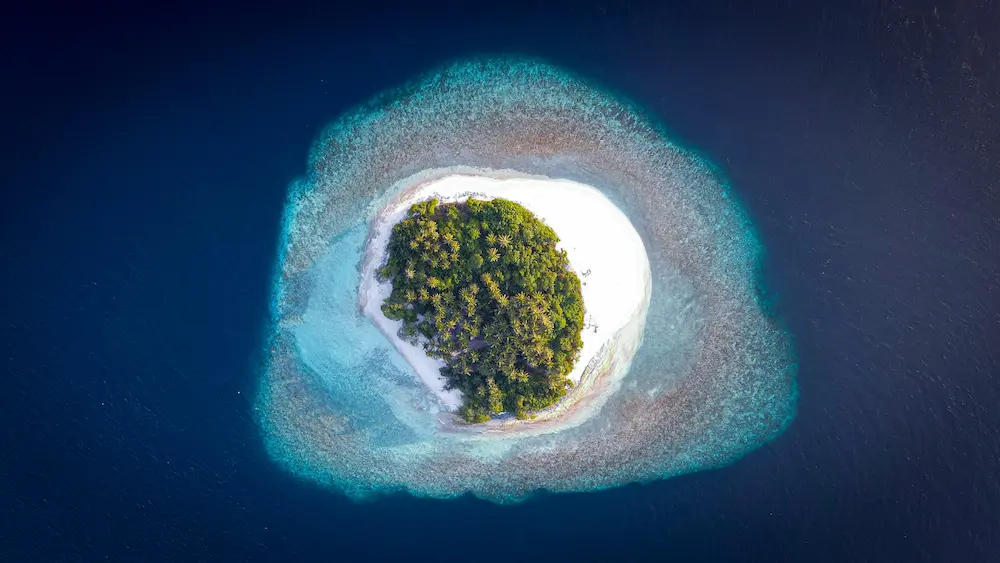
Fulhadhoo is known for a more remote, open-beach feel compared with the busier local islands that sit closer to major transfer corridors. The spaciousness is a big part of its appeal: you’re not just “at a beach,” you feel like you have room to breathe. It’s also a strong base if you want Baa Atoll for its marine highlights but still prefer a quieter overnight location than the main transit islands.
A good rhythm is 3–4 nights, especially if you want at least one full day that’s purely beach and lagoon time plus one excursion day. Getting there usually involves a domestic flight route to the Baa area followed by a speedboat transfer, and because travel takes more coordination than near-Malé islands, it’s best to avoid very short stays that make transfers feel disproportionate.
Kendhoo is a good choice if you want a local island where cultural texture is part of the experience, not just the scenery. Baa Atoll has older communities with coral-stone heritage, and Kendhoo is often included in routes where travelers want to see traditional island life alongside snorkeling and uninhabited-island day trips. Its pace is typically quieter than more commercial local islands, which makes it a useful counterbalance in a mixed itinerary.
Most travelers are satisfied with 2–3 nights here—enough time for a relaxed day, one excursion, and an evening where the island feels genuinely calm. Access is typically via domestic flight to the Baa Atoll area followed by speedboat.
Maalhos is known for community-led sustainability efforts and for being within practical reach of Hanifaru Bay during manta season. It works well as a base if you want the Baa Atoll marine focus, but you prefer a local island setting rather than a resort-only experience. Beyond Hanifaru, the surrounding reefs and sandbanks can be scheduled as smaller excursions depending on conditions.
A sensible plan is 3–5 nights during manta months so you can choose the best day for the Hanifaru excursion based on weather and tide windows. Transfers commonly involve a domestic flight to the Baa area and a short boat ride onward, depending on the arrival island and operator route.
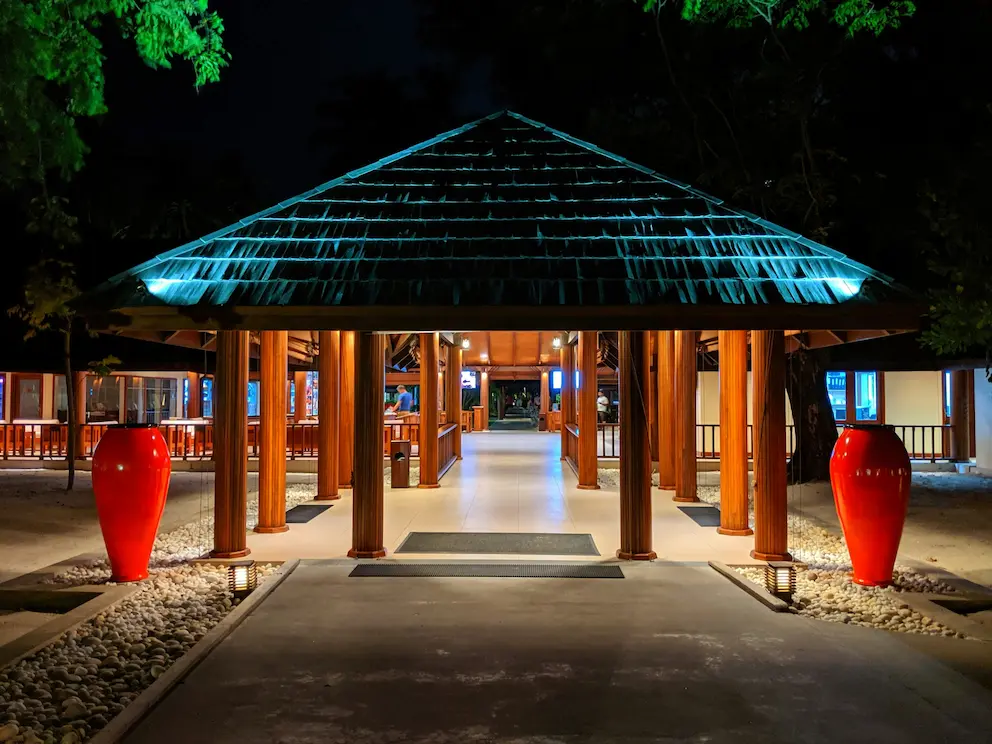
Maafushi is one of the easiest ways to experience the Maldives on a local-island budget while still having a wide menu of tours: sandbanks, snorkeling reefs, dolphin cruises, island hopping, resort day visits, and diving are widely offered. It’s popular because it’s logistically simple—close enough to Malé that you can arrive and start doing activities quickly rather than spending half a day in transfers.
For most itineraries, 2–4 nights works well, depending on how many excursions you want to schedule and whether you prefer a fast-paced or relaxed approach. Speedboat transfers from Malé are typically around 45–50 minutes, and frequent departures make it one of the most practical first-time bases.
Hulhumalé is a reclaimed island developed near Malé to expand residential space, which makes it highly practical for late arrivals, early departures, or transfer gaps between atolls. It’s not a “remote Maldives” feel, but it does offer an easy beach walk, cafés, and accommodations that reduce stress around flight timing.
Most travelers use Hulhumalé for a single overnight as a buffer before or after inter-atoll travel. Transfers are quick by road from the airport area, which is why it’s often chosen over staying in central Malé when the priority is convenience.
Malé is worth a short visit if you want context beyond resort imagery. It’s compact and dense, and the city’s rhythm—markets, harbor activity, cafés, and waterfront logistics—shows how the country functions day to day. It’s also useful as a practical transit point, since most domestic flights, speedboats, and seaplane connections route through the Malé area.
A realistic plan is a few hours to half a day, unless you’re using it as an overnight purely for flight timing. If you do go, morning is often the most visually interesting time for markets and harbor movement.
Thulusdhoo is widely known for surf breaks such as Cokes and Chickens, and it has a noticeably more social café scene than quieter islands. Even if you don’t surf, it can be a strong base because you can combine beach time with excursions and still have a bit of evening atmosphere without feeling like you’re in a heavy tourist hub.
A good stay range is 2–4 nights, particularly if you want to add a surf lesson day and still leave space for snorkeling or a sandbank trip. Speedboats are the fastest option from Malé, while public ferries are slower but more economical, so your choice usually depends on schedule and comfort with longer travel times.
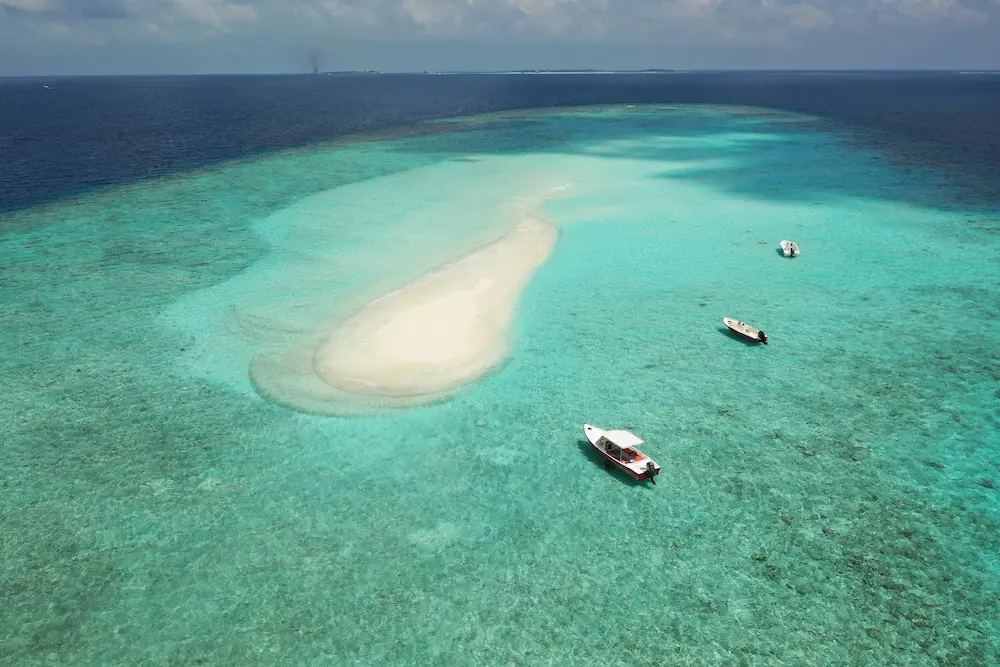
Mathiveri is often chosen for classic sandbank trips and a calmer local-island pace. Sandbanks are temporary formations shaped by tides and currents, so their size and shape can change, which is part of why they’re so photogenic. The island also works well if you want to include traditional fishing as an actual cultural activity rather than a purely tourist-style add-on.
Most travelers are happy with 2–3 nights—enough for one sandbank day, one quieter snorkeling day, and an evening where the pace slows down. Transfers are typically by speedboat or ferry depending on season and schedule, and it’s worth confirming timing in advance because ferry routes can be limited.
Feridhoo is best understood as a practical connector in North Ari rather than a headline destination. It can work well if your plan involves moving between islands without returning to Malé, especially when you want a quieter overnight point that still allows access to nearby excursions.
A short stay of 1–2 nights is usually enough. Ferry availability and timing matter here more than on the biggest local-island hubs, so it’s a place where confirming transport options in advance helps the itinerary run smoothly.
Dharavandhoo is frequently used as a base for Hanifaru Bay because it has a domestic airport, which simplifies transfers compared to islands that require longer boat-only routes. That logistical advantage matters in Baa Atoll, especially during manta season when you may want to move quickly when weather and tide windows are favorable.
Most travelers plan 3–5 nights during manta season to allow flexibility for the best excursion day rather than locking everything into a single attempt. Boat transfers to surrounding islands and excursion points are commonly arranged locally once you arrive.
Fuvahmulah is a single-island atoll with deep water close to shore, which supports a different kind of marine profile than many central atolls. It’s often associated with advanced shark diving and pelagic encounters, and it also stands out geographically because it has freshwater lakes—rare in the Maldives.
A realistic plan is 3–5 nights, since it’s a destination you travel to deliberately rather than a quick add-on. Domestic flights from Malé are the standard access route to the southern atolls, so it’s best to build in buffer time and avoid tight same-day connections.
Addu Atoll is unusual because several islands are connected by causeways, which means you can travel by road rather than relying only on boats. That changes the day-to-day experience: you can rent a bike, move between islands, stop at different beaches, and explore a region that feels larger than a single-island stay.
A good stay range is 3–6 nights if you want to include both land exploration and a few dedicated diving days. Addu is also less tourist-saturated than central atolls, which can translate into a calmer overall atmosphere.
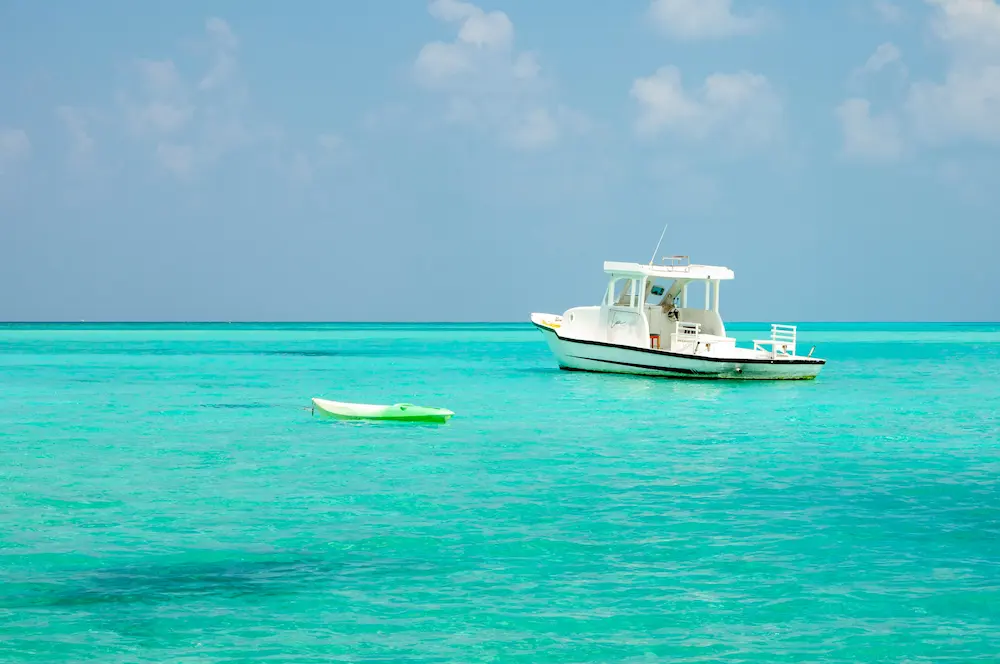
Keyodhoo appeals to travelers who want fishing culture as a real part of the trip, not just an add-on excursion. Vaavu Atoll also tends to feel less crowded than Ari in peak seasons, which can make dive and snorkel days feel more exclusive even without changing the activity list.
Most itineraries work well with 2–3 nights here, especially if you want one fishing-focused evening plus a snorkel or dive day. Transfer schedules can be less frequent than the most popular near-Malé routes, so confirming transport timing with your accommodation is particularly important in Vaavu.
Thinadhoo is valued for house reef time and for access to Vaavu’s channel dive environment, where currents can bring strong marine movement and soft coral color. Because current conditions shape the day, it’s often worth building in a buffer day so you’re not forced into a “single shot” dive plan.
A practical stay is around 3 nights if diving is a priority and you want flexibility for weather variability. Access is typically by speedboat or ferry depending on season and operator schedules.
Fulidhoo is compact, easy to navigate, and often chosen for a quieter local-island rhythm where the day revolves around water time. Its small size makes it naturally low-stress: you spend less time planning and more time actually being in the lagoon.
A comfortable range is 2–4 nights depending on how many excursions you want to add to simple snorkeling days. Transfers can be arranged by speedboat, with ferry options varying by schedule.
Gan is tied to Addu’s broader geography and WWII-era history, and it functions as a practical access point via Gan International Airport. That makes it useful if you want to experience the southern Maldives without routing everything through boat-only transfer chains.
A realistic stay is 3–5 nights if Addu is a major part of your itinerary, especially if you want time to explore by road across the connected islands rather than treating it as a quick stop.
Thulhaadhoo is known for lacquerware craftsmanship—one of the distinctive traditional arts in the Maldives. It’s a strong cultural add-on if you want more than marine activities, because it gives you a tangible connection to local production rather than tourism-facing retail.
Most travelers visit for 1–2 nights, often pairing it with a broader Baa Atoll plan that includes snorkeling and, in season, manta excursions.
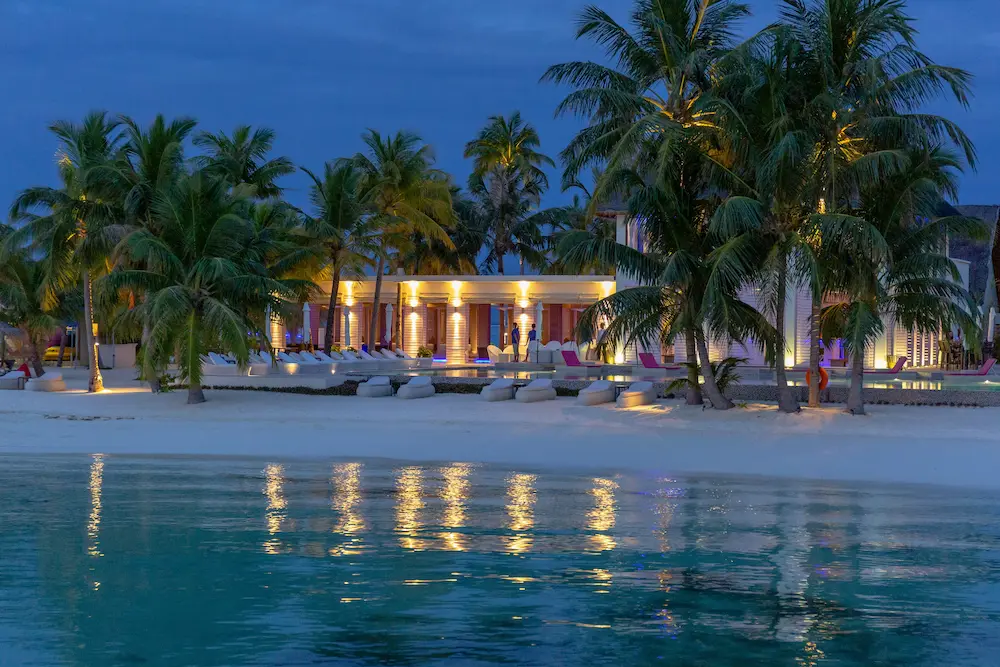
Constance Moofushi is positioned in South Ari, which makes it relevant for travelers who want resort comfort while still being in an atoll associated with whale shark and manta excursions depending on conditions. The house reef is often a core part of the stay, because it reduces the need to book multiple boat trips to have strong water time.
A well-balanced stay is 3–5 nights to justify transfer time and to fit in both reef time and at least one signature excursion day. Resorts in this category commonly arrange seaplane transfers, and these schedules are typically aligned with daylight operations.
Kurumba is often highlighted for convenience: short speedboat transfers from the airport make it one of the easiest resort stays logistically. That matters if your trip is short, if you want to avoid complex transfers, or if you want a premium overnight that reduces stress around flight timing.
Most travelers plan 2–4 nights, while others use it for a single night as a high-comfort buffer at the beginning or end of a trip.
HP Reef is known for colorful soft corals and drift-dive conditions. The site’s visual impact depends heavily on light and current, which is why morning dives are often preferred when coral color and visibility can be at their best.
It’s usually treated as a priority single dive in North Malé Atoll unless you are targeting underwater photography and want multiple attempts.
Banana Reef remains popular because it’s accessible and visually varied, with overhangs, reef structure, and a broad mix of fish life. It’s a solid choice when you want a classic Maldives dive profile without committing to the most current-heavy sites.
Kuda Giri is often recommended as an approachable wreck dive that doubles as an artificial reef. It can be an excellent contrast to faster-paced current dives, especially for divers who enjoy slower observation and macro spotting.
It’s also a practical option for mixed-skill groups because depth and pace can be managed more easily than on aggressive current sites.
Alimatha Jetty is known for a concentrated night-dive experience where nurse sharks and rays can gather in high numbers. It’s typically done as a guided excursion and is often positioned as a signature Vaavu experience.
For most itineraries, one night here is sufficient. Repeating it is mainly useful if you want a second attempt under quieter conditions or you’re prioritizing photography.
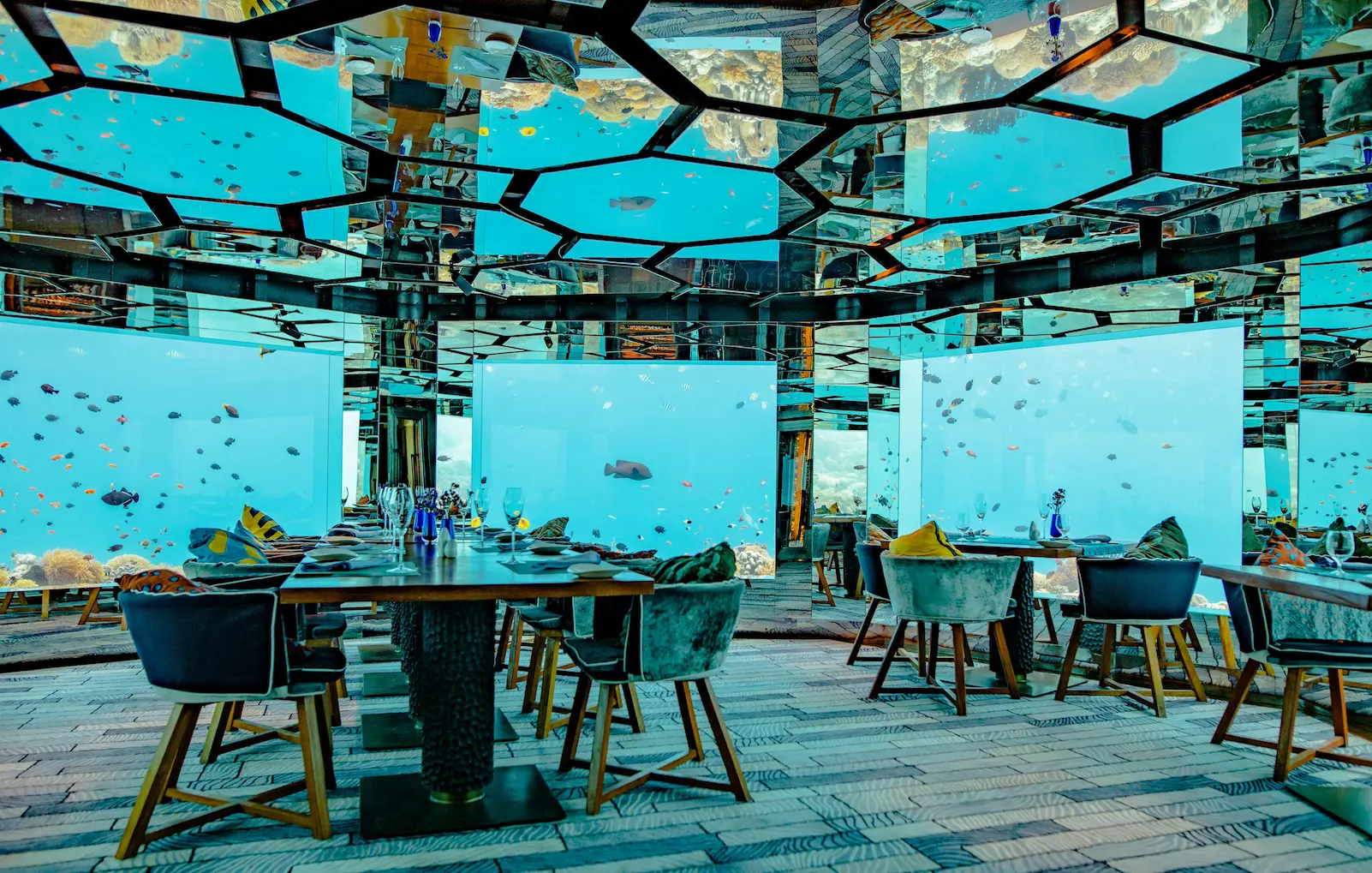
Conrad Maldives Rangali Island is known for its underwater dining concept and for operating across two connected islands. For travelers interested in design-forward luxury experiences, it’s one of the most recognizable icon properties in the country.
A well-planned stay is 3–5 nights to balance transfer effort with time to enjoy the house reef, resort dining, and at least one signature excursion day.
The Maldives can be ultra-luxury, budget-friendly, or a combination of both, but the difference is logistical as much as financial. Local islands reward you with flexibility and local rhythm, while resort islands streamline everything into a controlled experience. For a smoother Maldives trip, plan transfers early, remember that many domestic flights and seaplanes operate primarily during daylight windows, and choose your atoll based on what you want to do most—snorkeling, diving, manta encounters, whale shark excursions, surfing, or simple lagoon time.
If you build your itinerary around the right islands instead of trying to see everything, the Maldives becomes easier to navigate and far more rewarding once you arrive.