Planning a trip to the Maldives can feel overwhelming at first, especially when trying to decide the best time to go. Weather patterns, flight prices, marine life activity, and hotel rates all change throughout the year. Airfare to Velana International Airport (MLE) can vary significantly between high and low season, and the month you choose […]

Planning a trip to the Maldives can feel overwhelming at first, especially when trying to decide the best time to go. Weather patterns, flight prices, marine life activity, and hotel rates all change throughout the year. Airfare to Velana International Airport (MLE) can vary significantly between high and low season, and the month you choose often impacts your total budget more than the type of accommodation you select.
Understanding how the seasons work in the Maldives will help you choose the right time based on your priorities — whether that’s perfect sunshine, better diving visibility, fewer crowds, or lower prices.
Now let’s break down the best time to visit Maldives in a practical way — not just based on “sunny vs rainy,” but on sea conditions, marine life, visibility, pricing behavior, and travel style.

The Maldives has a stable tropical climate year-round. Air temperatures stay between 25–31°C (77–88°F), and the ocean remains warm at around 27–29°C (80–84°F). You will not experience winter here.
What changes throughout the year is wind direction and rainfall patterns, influenced by two monsoon systems:
This distinction matters because it affects visibility for snorkeling and diving, transfer comfort between islands, wildlife distribution, and, of course, hotel pricing.
Since seasonality directly impacts flight costs and accommodation rates, it’s smart to compare options before locking in your dates. You can check routes, flexible calendars, and seasonal price differences on Trip. Which is especially useful for Maldives travel because it allows you to evaluate multi-city connections (for example, long-haul flights to Malé plus domestic legs), compare multiple airlines in one place, and review flexible fare options. It also offers competitive rates on beautiful stays, from beachfront guesthouses to overwater villas, making it easier to balance timing and budget.

For many travelers, this is the best time to visit Maldives. The dry season offers long sunny days, calmer lagoons, and excellent underwater visibility that often exceeds 30 meters.
January, February, and March are particularly stable. February is widely considered the most reliable month, with the lowest average rainfall and consistent blue skies. These months are ideal for:
Sea conditions are noticeably smoother during this period, especially in atolls close to Malé such as North Malé, South Malé, and Ari Atoll. If you’re prone to seasickness, this season makes transfers more comfortable.
However, there is a trade-off. December through April is peak season. From mid-December to early January, resort prices reach their annual maximum, often requiring minimum stays. February and March also carry premium rates. Local islands are more affordable than private resorts, but prices still rise compared to low season.
If your priority is guaranteed sunshine and you don’t mind higher costs, this is the safest window.
The southwest monsoon period is often labeled as “rainy season,” but that description can be misleading. Rain in the Maldives is typically tropical: short, intense bursts followed by sunshine. Full-day rain is possible, especially in September, but not the norm every single day.
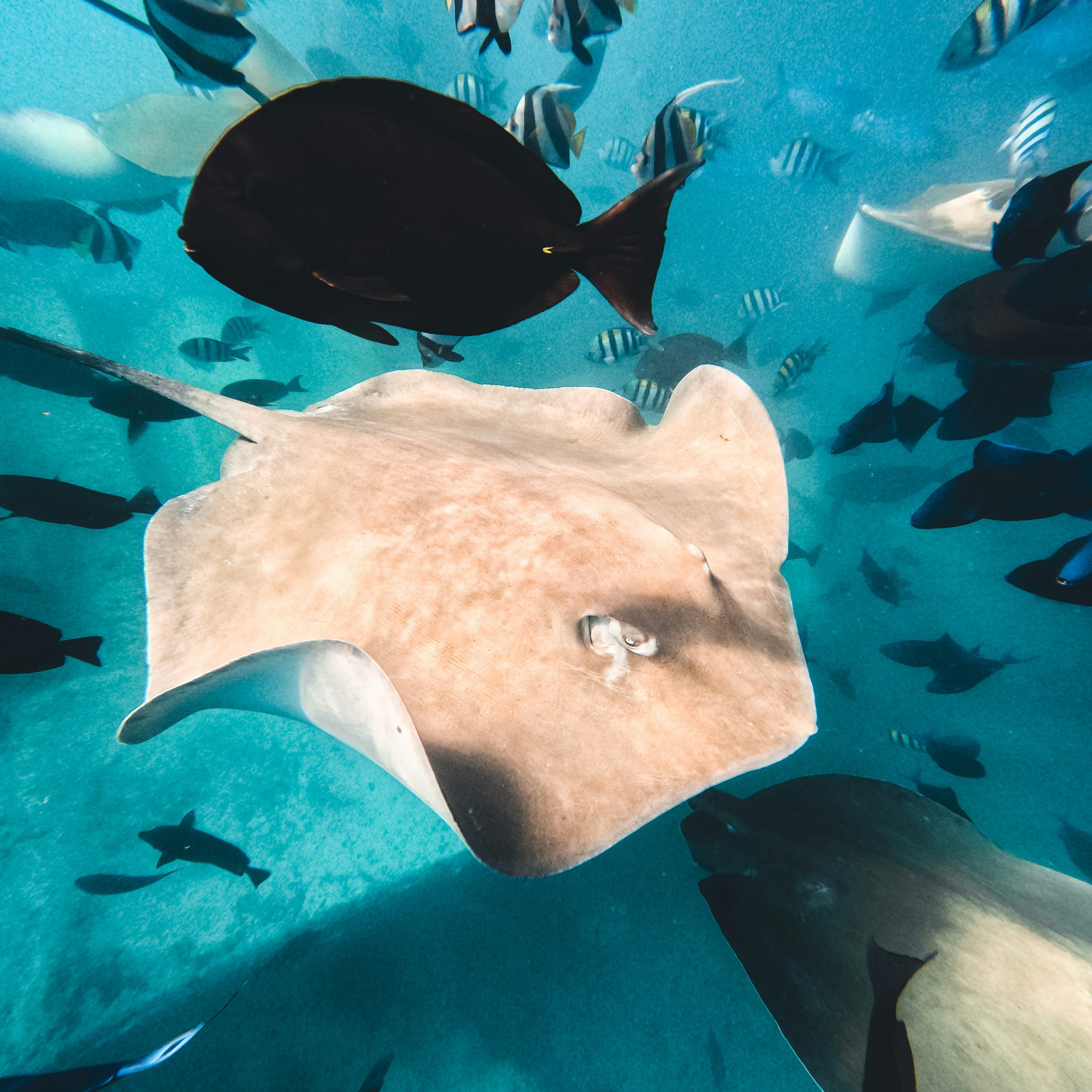
What truly changes during this period is ocean behavior. Stronger currents move plankton through certain atolls, which attracts large marine species. This is why June to September is considered prime time for manta rays in Baa Atoll’s Hanifaru Bay. Whale sharks in South Ari Atoll are present year-round, but encounters often increase during these months.
Visibility may drop slightly, often to 20–25 meters instead of 30+, but wildlife activity can be more dynamic. For divers who care more about encounters than crystal-clear water, this period can actually be more exciting.
Financially, this is the cheapest time to visit Maldives. Hotel rates can drop 30–50%, especially in September and October. Resorts offer promotions, and local guesthouses are more negotiable. You’ll also encounter fewer tourists, meaning quieter beaches and less crowded excursions.
If your priority is value and marine life — and you’re comfortable with occasional tropical showers — May to November may be the smartest time to travel.
If you are planning a honeymoon, staying in an overwater villa, or want the calmest lagoons and best snorkeling visibility, February through early April offers the most reliable conditions.
If you are a diver seeking manta rays or whale sharks, June through September increases your chances of memorable encounters.
If you are traveling on a tighter budget, September and October typically offer the lowest accommodation rates.
If you want a balance of improving weather and reasonable pricing, November and late April can be excellent compromises.

Weather can vary slightly between northern and southern atolls. It’s possible for one atoll to experience rain while another remains sunny.
Seaplanes only operate during daylight hours (approximately 6:00 AM to 4:00 PM), which can affect arrival planning during stormier periods.
Friday is the Islamic holy day in the Maldives, and public ferry schedules may be reduced. This matters more during low season when ferries run less frequently.
Also, while both local islands and luxury resorts experience the same weather, pricing strategies differ significantly between them.
The Maldives is a year-round destination in terms of temperature. There is no cold season.
The real difference between months lies in rainfall frequency, sea conditions, underwater visibility, wildlife concentration, and pricing dynamics.
If your priority is perfect weather and calm water, the dry season from December to April is the safest choice.
If your priority is lower costs, fewer crowds, and stronger marine encounters, the monsoon season from May to November may be the smarter option.
The best time to visit Maldives ultimately depends on what you value most: guaranteed sunshine, marine wildlife, or budget efficiency. With smart planning and realistic expectations, the Maldives can deliver an unforgettable experience in any month of the year.