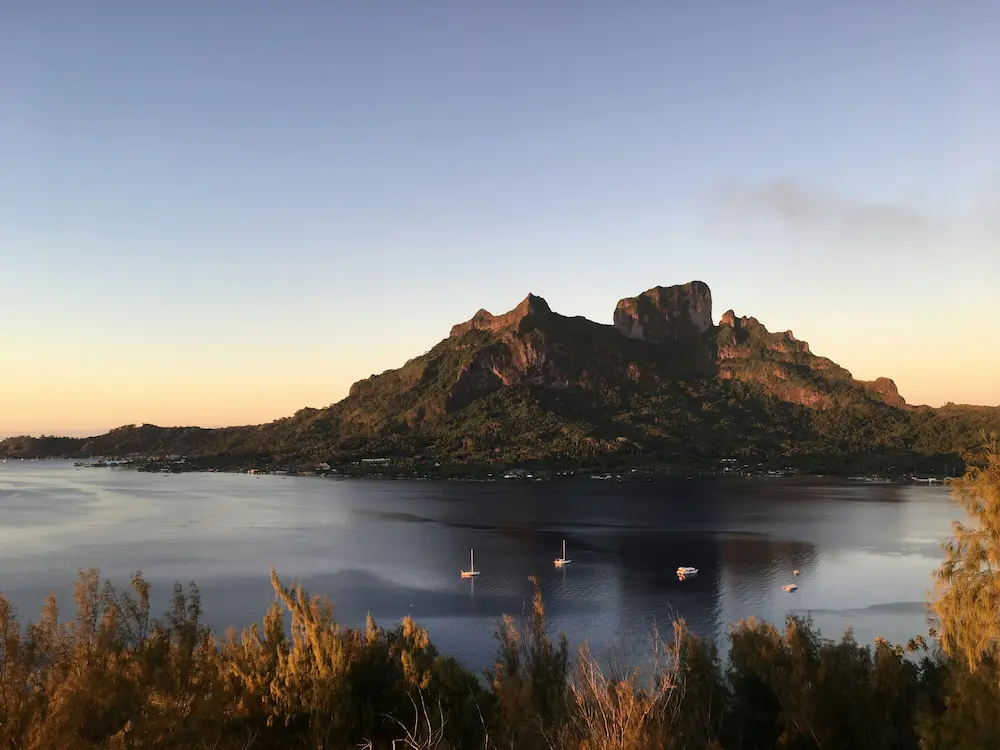
If you are planning a trip to Bora Bora and asking yourself how to get there, what the entry requirements are, and whether it is as complicated as it sounds — the honest answer is: it is not complicated, but it does have its details. Bora Bora is a small island in French Polynesia, in […]
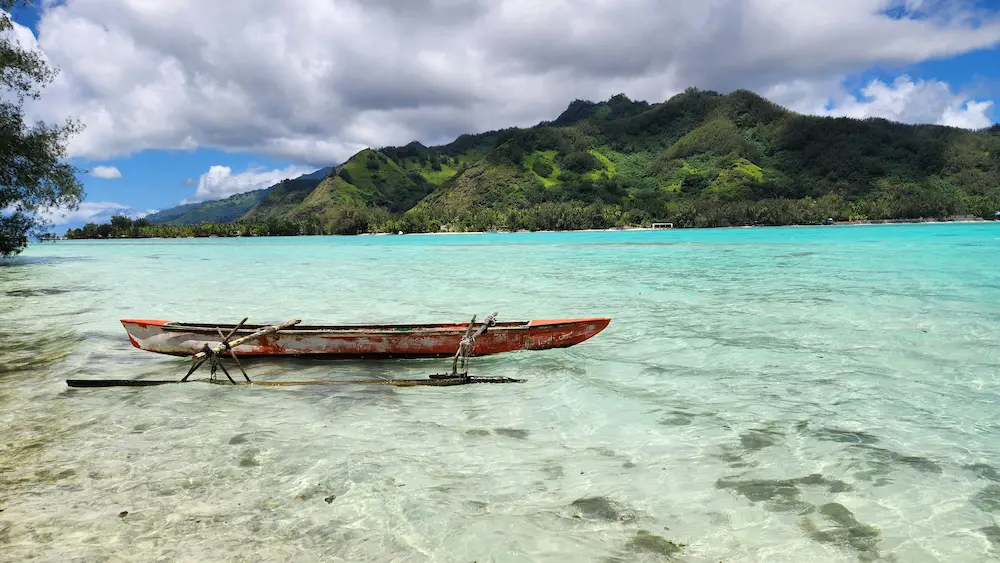
If you are planning a trip to Bora Bora and asking yourself how to get there, what the entry requirements are, and whether it is as complicated as it sounds — the honest answer is: it is not complicated, but it does have its details. Bora Bora is a small island in French Polynesia, in the middle of the South Pacific, and what works in a Caribbean or Southeast Asian beach destination does not always translate here. The logistics are different, the costs are real, and a few things are worth knowing before you book anything.
This guide covers what actually matters: how to get there, entry requirements, how to move around without stress, the difference between staying at a resort versus the main island, what to eat, cultural notes, and the most common mistakes that turn a good trip into a frustrating one.
There is no direct flight to Bora Bora from most parts of the world. The standard route is an international flight to Papeete (Faa’a International Airport, Tahiti), followed by a short domestic Air Tahiti flight to Bora Bora. The domestic leg takes approximately 45 minutes and lands at a small airport on a motu — from there, a boat transfer takes you to your accommodation on the main island or resort.
Connections from the United States (Los Angeles), France (Paris), New Zealand, and Australia are the most common international routes into Papeete. Prices vary significantly by season and origin. If you are looking for competitive fares, Super is worth checking — it bundles flights and hotels into discounted packages that can meaningfully reduce the total cost of a trip like this one.
If your international flight arrives late into Papeete, do not try to connect to Bora Bora the same night. Domestic Air Tahiti flights operate on a schedule and the last departure of the day leaves early. A missed connection means an unplanned night in Papeete and a same-day rebooking cost that adds up quickly. The smarter move is to build in a night in Papeete or Moorea on the front end of the trip — it removes all the time pressure and gives you a chance to decompress before the main island.
French Polynesia is a French overseas collectivity, which means entry requirements follow French and EU immigration rules rather than a separate visa system. For most nationalities, no visa is required for stays up to 90 days — but “no visa required” does not mean “no paperwork required.”
What to have ready at arrival:
Citizens of the European Union, United States, Canada, Australia, New Zealand, and most other countries with visa-free access to France enter without a visa. If you are unsure about your nationality’s status, check with the French consulate or embassy in your country before traveling — the rules occasionally change.
One thing that catches travelers off guard: French Polynesia is not part of the Schengen Area. If you have already used your 90-day Schengen allowance, that does not affect your entry into French Polynesia, and vice versa.
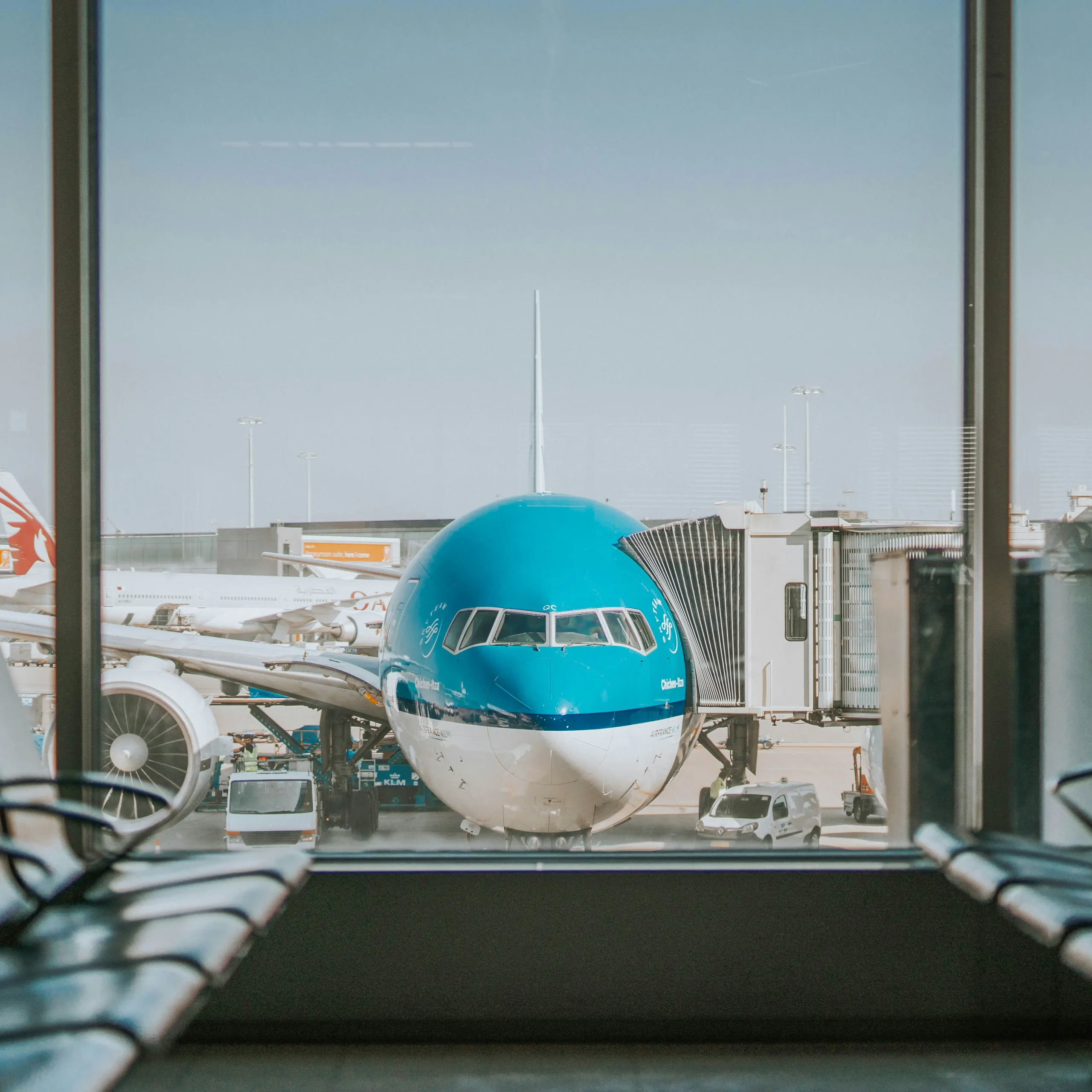
The domestic connection from Papeete to Bora Bora on Air Tahiti is a bottleneck that affects a lot of itineraries. Flights are not frequent, the planes are small, and seats sell out — especially during peak travel months (July, August, and the December holiday period).
Book your domestic Air Tahiti flights at the same time you book your international flights, not after. Waiting until your international ticket is confirmed before touching the domestic leg is one of the most common planning mistakes for this destination. If the domestic flight is full by the time you look, your options are limited and expensive.
Also worth knowing: Air Tahiti offers multi-island air passes for travelers planning to visit more than one island in French Polynesia. These passes are typically only available to passengers flying internationally into Papeete on a qualifying ticket. Ask about current pass options when booking your international fare — it can reduce the per-flight cost if Bora Bora is one stop on a broader French Polynesia trip.
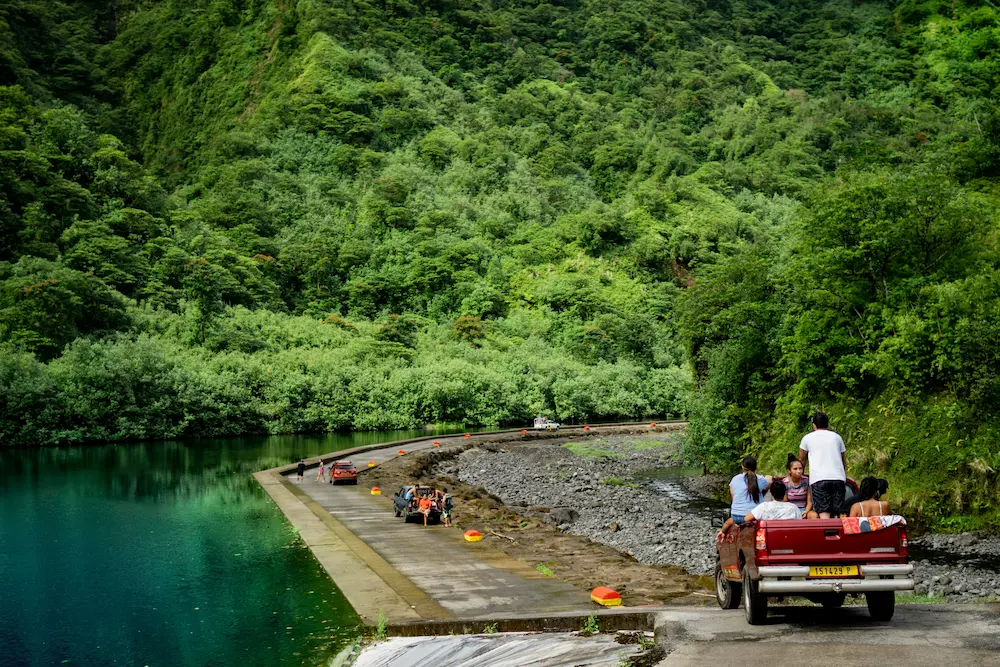
Once you are on Bora Bora, the transport options are straightforward but limited. There are no taxis in the conventional sense, and no ride-hailing apps. The main ways to get around are:
Boat transfers — the airport is on a separate motu, and all resorts and most guesthouses arrange transfers by boat. Confirm your transfer logistics before you arrive, not on the day.
Le Truck — the shared public transport on the main island, essentially a converted truck with bench seating. It runs along the coastal road on a loose schedule and is the cheapest way to move between Vaitape and Matira Beach.
Scooter rental — the most practical option for independent travelers. Several outfitters in Vaitape rent scooters by the day. The main road circles the island at approximately 32 kilometers, easily covered in a half day. No scooter experience is required for flat island roads, but confirm whether your travel insurance covers motorized vehicles before renting.
Bicycle rental — a slower option that works for the flat sections near Vaitape and Matira but becomes challenging on the hills of the interior road.
One logistics point that catches travelers off guard: resort motus are only reachable by boat from the main island. If you are staying at a resort on a motu and want to visit Matira Beach or Vaitape, you need to factor in the transfer — both the time and whether your resort charges for it.
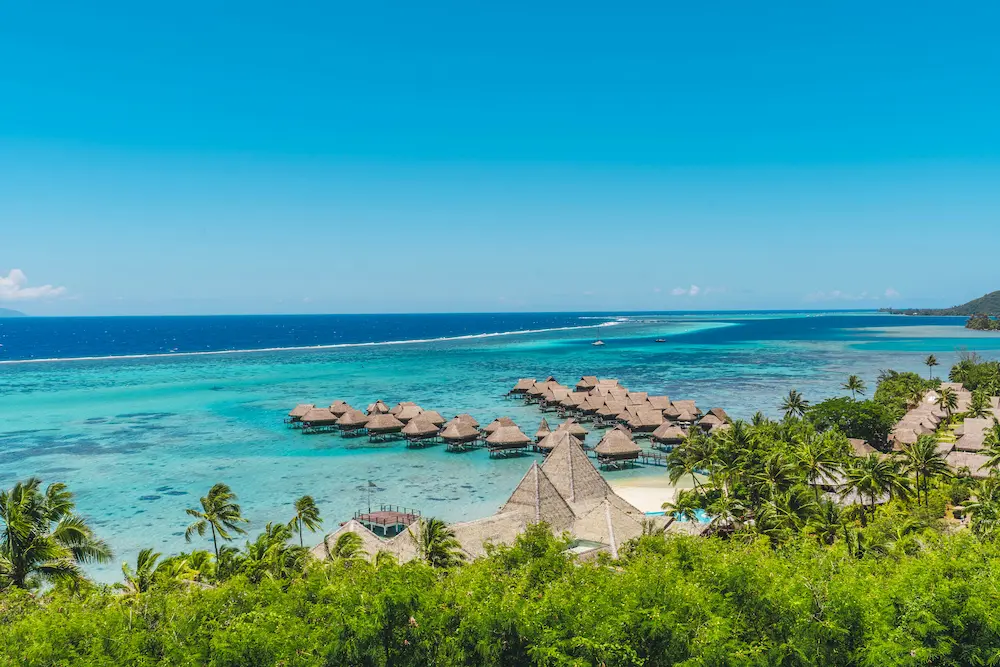
Bora Bora has two very different experiences, and the difference matters more here than in most destinations because the price gap between them is significant.
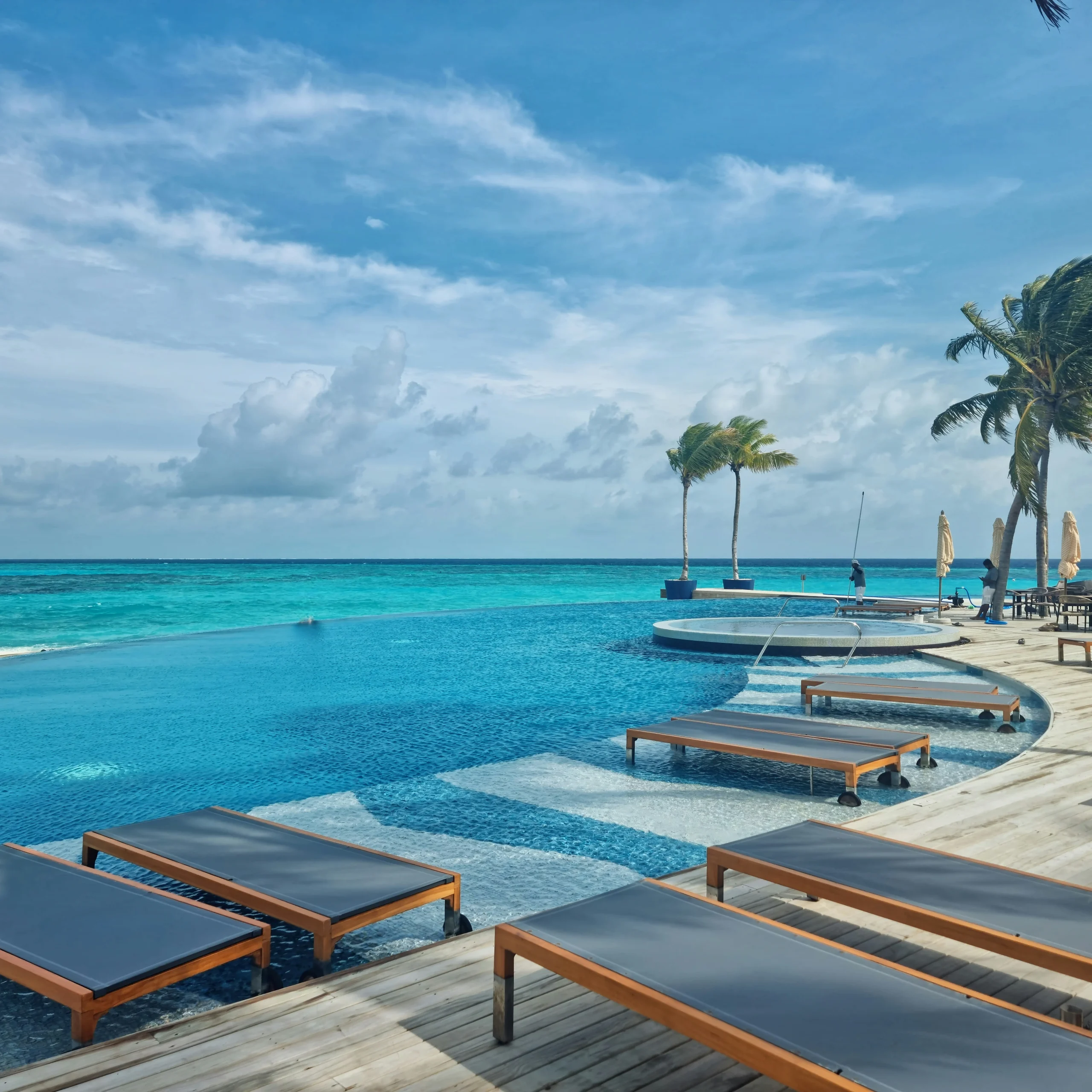
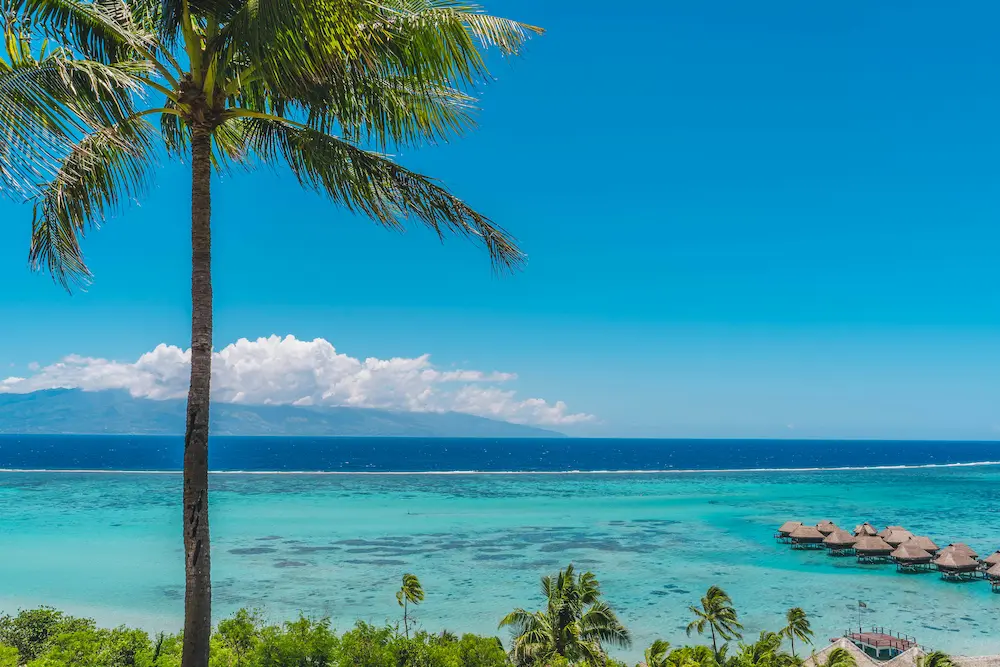
Resort motus are private islands — or dedicated sections of motus — where the experience is fully controlled by the property. Overwater bungalows, private beaches, in-house restaurants, water sports equipment, and boat transfers all come included or available. The tradeoff is isolation: you are on a small island with limited ability to leave without arranging a transfer. For some travelers this is the entire point. For others, it becomes claustrophobic after a few days.
The main island — including Vaitape and the area around Matira Beach — has guesthouses, local restaurants, a market, independent tour operators, and the only public beach on the island (Matira Beach, free entry). Staying here costs significantly less and gives you more freedom to move around, book excursions directly without going through a resort activity desk, and eat at local places rather than resort restaurants.
What we have found works well for most travelers: a few nights on the main island to explore the lagoon and the island itself, and if the budget allows, the last one or two nights at a resort or overwater property to close the trip at a different pace. It is not an either/or decision.
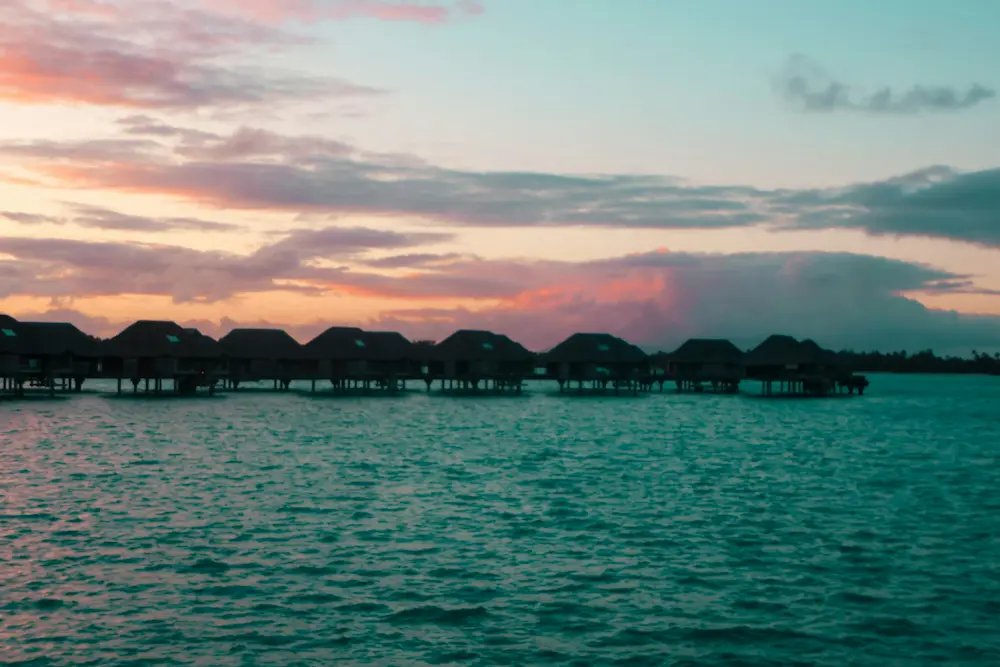
The standard answer is “dry season, May to October” — and that is accurate but incomplete. What matters is matching the timing to what you are actually there for.
Dry season (May to October): More stable weather, calmer seas, better visibility for snorkeling and diving. July and August are peak months — highest prices for accommodation and flights, most visitors, and the best chance of ideal postcard conditions. May, June, September, and October offer similar weather with noticeably less demand and lower rates.
Wet season (November to April): More rain, higher humidity, and occasional tropical storms — but also lower accommodation prices across the board, sometimes by a significant margin at the same properties. Rain tends to come in short, heavy bursts rather than all-day grey skies. December and January are the wettest months. If flexibility on weather matters less to you than cost and crowd levels, the shoulder months of November and April can be surprisingly good.
For marine life specifically: humpback whales migrate through the waters of French Polynesia between July and November. Some operators in Bora Bora offer excursions during this period, but sightings are not guaranteed — confirm current availability with local operators closer to your travel date.
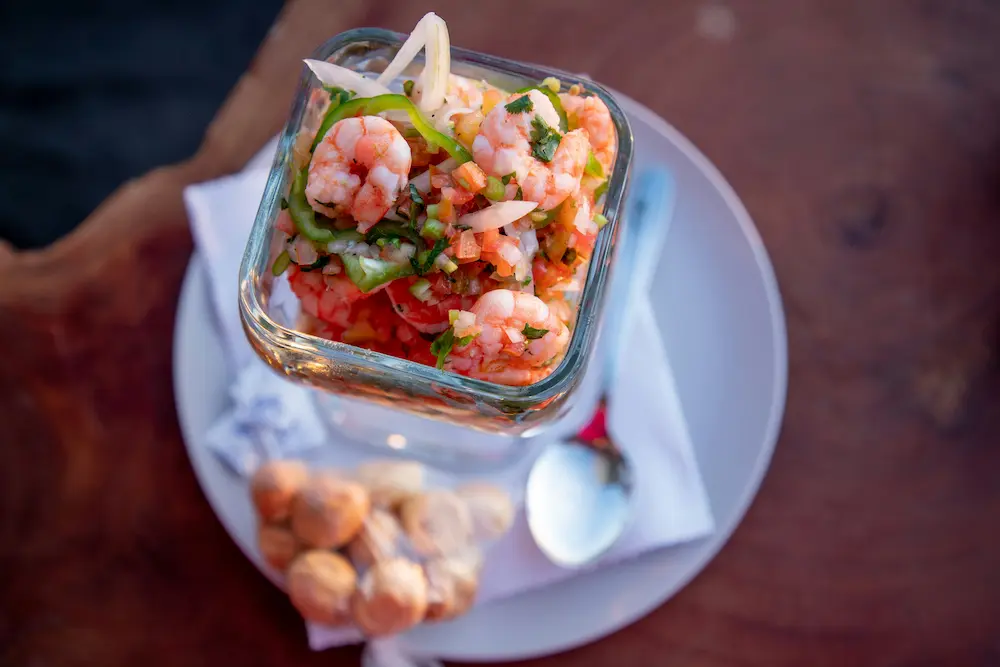
Most travelers do not come to Bora Bora for the food — and then discover that eating outside the resort is one of the better decisions they make on the trip.
French Polynesian cuisine reflects the island’s geography and its cultural mix of Polynesian, French, and Chinese influences. Fish is the central ingredient: tuna, mahi-mahi, and parrotfish appear across most menus in multiple forms. Coconut milk, lime, and raw fish preparations are common.
When you are on the main island, look for:
Poisson cru — the most well-known local dish: raw fish marinated in lime juice and coconut milk, typically with cucumber and tomato. It is served at almost every local restaurant and is a reliable indicator of whether a kitchen is working with fresh fish.
Grilled mahi-mahi — straightforward and consistently well done at local roulottes (food trucks and small restaurants near Vaitape).
French-influenced baked goods — Bora Bora’s French heritage shows up in the quality of bread and pastries available in the morning. The boulangeries near Vaitape are worth a stop before a morning on the lagoon.
Roulottes — the local food truck equivalent, typically set up near the waterfront in Vaitape in the evening. These are the cheapest sit-down meal option on the island and the place where locals eat. If you are staying near Vaitape, eating here at least once is worth the short walk.
If you do not eat fish, options exist but are more limited on the main island. Resort restaurants have broader menus. Ask ahead if dietary restrictions are a concern.
Bora Bora is part of French Polynesia, which means it is both a Pacific island culture and legally and administratively French. The cultural rules are less strict than in Muslim-majority destinations, but a few things are worth knowing before you arrive.
Dress on the main island is relaxed — beachwear is fine near the water, but covering up when walking through Vaitape or entering a shop is considered respectful and is the local norm. No one will stop you in a bikini on the street, but it is not how locals dress in town.
The ta’u — the traditional Polynesian tattoo culture — is significant in French Polynesia and you will see it everywhere. It is not a tourist decoration; asking about it respectfully is fine, but treating it as a photo opportunity without asking is not.
Sunday is noticeably quieter on the main island. Many local businesses close or operate on reduced hours, and the pace of the whole island slows. If you are arriving on a Sunday or planning a day trip that relies on local shops or services, plan around this.
Tipping is not a standard practice in French Polynesia the way it is in the United States. It is not expected, and in some local contexts it can feel awkward. At resort properties with international staff, the culture around it is more ambiguous — follow the property’s guidance if they provide any.
The local currency is the CFP franc (XPF). The exchange rate is fixed to the euro, which means it is stable and predictable if you are coming from a euro-zone country. For travelers coming from the US or elsewhere, the rate fluctuates with the euro.
Credit cards are accepted at most resorts, larger restaurants, and activity operators. On the main island, smaller restaurants, local operators, and market stalls often prefer or require cash. ATMs exist in Vaitape but are limited in number — do not assume you can always find one when you need it.
Practical approach: arrive with some XPF or USD in cash, use cards where accepted, and keep a small cash reserve for transfers, small operators, and anything that comes up unexpectedly.
Electricity: French Polynesia uses type E plugs (the same as France), 220V/60Hz. If you are coming from the US or a country with different standards, bring an adapter and a converter for any device that does not handle dual voltage.
Internet: Wi-Fi is available at most guesthouses and resorts but is not always fast or reliable, especially on the more remote motus. If you need a stable connection for navigation, maps, or remote work, a local SIM from Vini — the main French Polynesian carrier — is available in Papeete and worth picking up before your domestic connection. Check eSIM availability for your device before traveling — it saves the hassle.
What to pack that most people forget:
Bora Bora rewards travelers who plan the logistics in advance and leave the itinerary loose once they arrive. The flights, the domestic connection, and the transfer chain from airport to accommodation are the parts that go wrong when people do not think them through. Everything after that — the lagoon, the reef, the beach, the food trucks in Vaitape at night — is easier than the reputation suggests.
Whether you are here for an overwater bungalow experience, a lagoon full of marine life, a hiking trail above the tree line, or a plate of poisson cru at a table with a direct view of Otemanu — Bora Bora has something specific to offer every type of traveler. The key is arriving with the right information so none of the details get in the way.