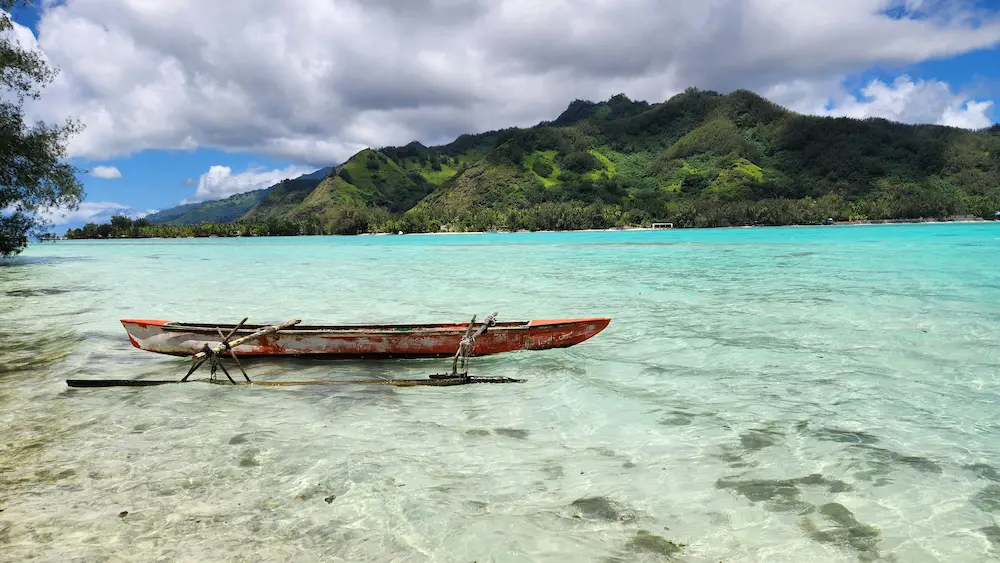
You land on a small motu airport, step onto a boat transfer, and within minutes the water around you shifts from deep blue to a pale, transparent turquoise. Mount Otemanu appears above the tree line, dark and sharp. That is your first look at Bora Bora — and it sets the tone for everything that […]
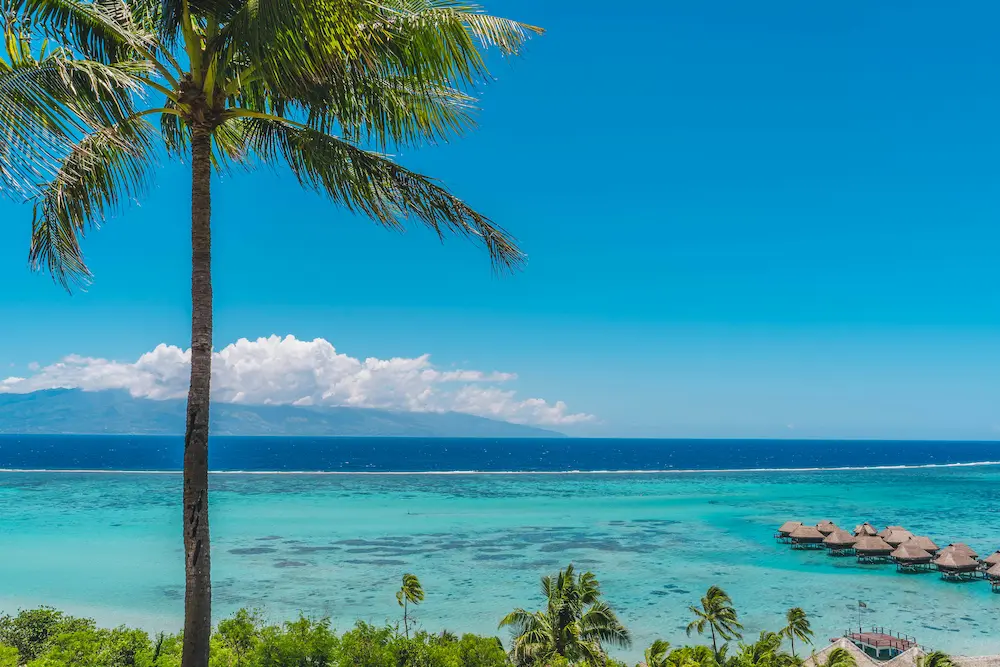
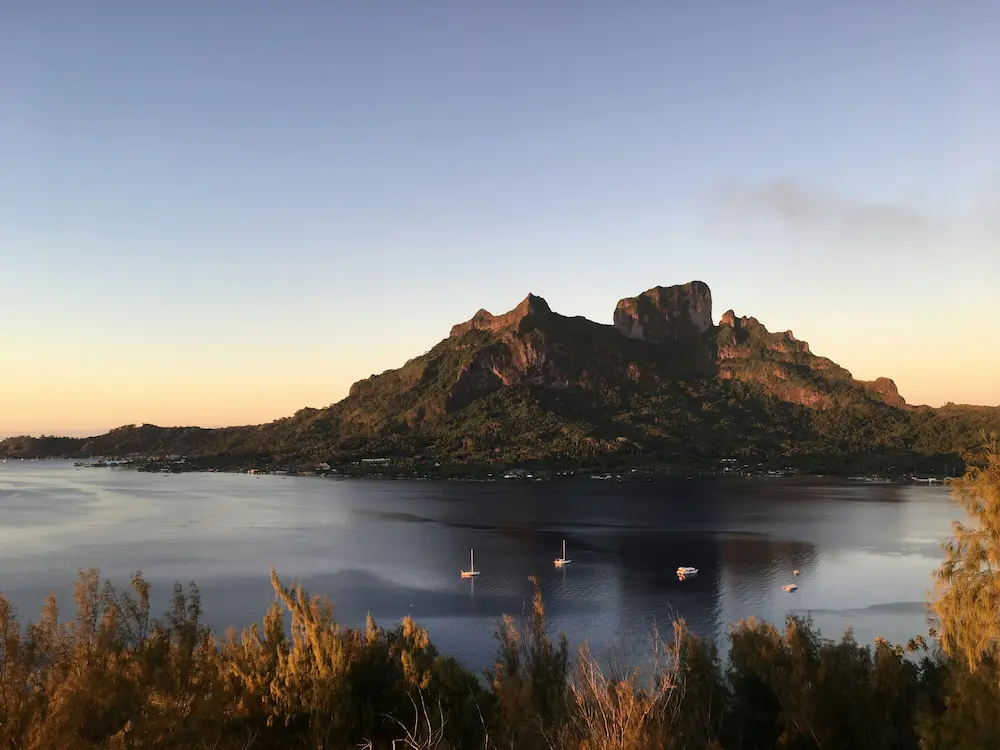
You land on a small motu airport, step onto a boat transfer, and within minutes the water around you shifts from deep blue to a pale, transparent turquoise. Mount Otemanu appears above the tree line, dark and sharp. That is your first look at Bora Bora — and it sets the tone for everything that follows.
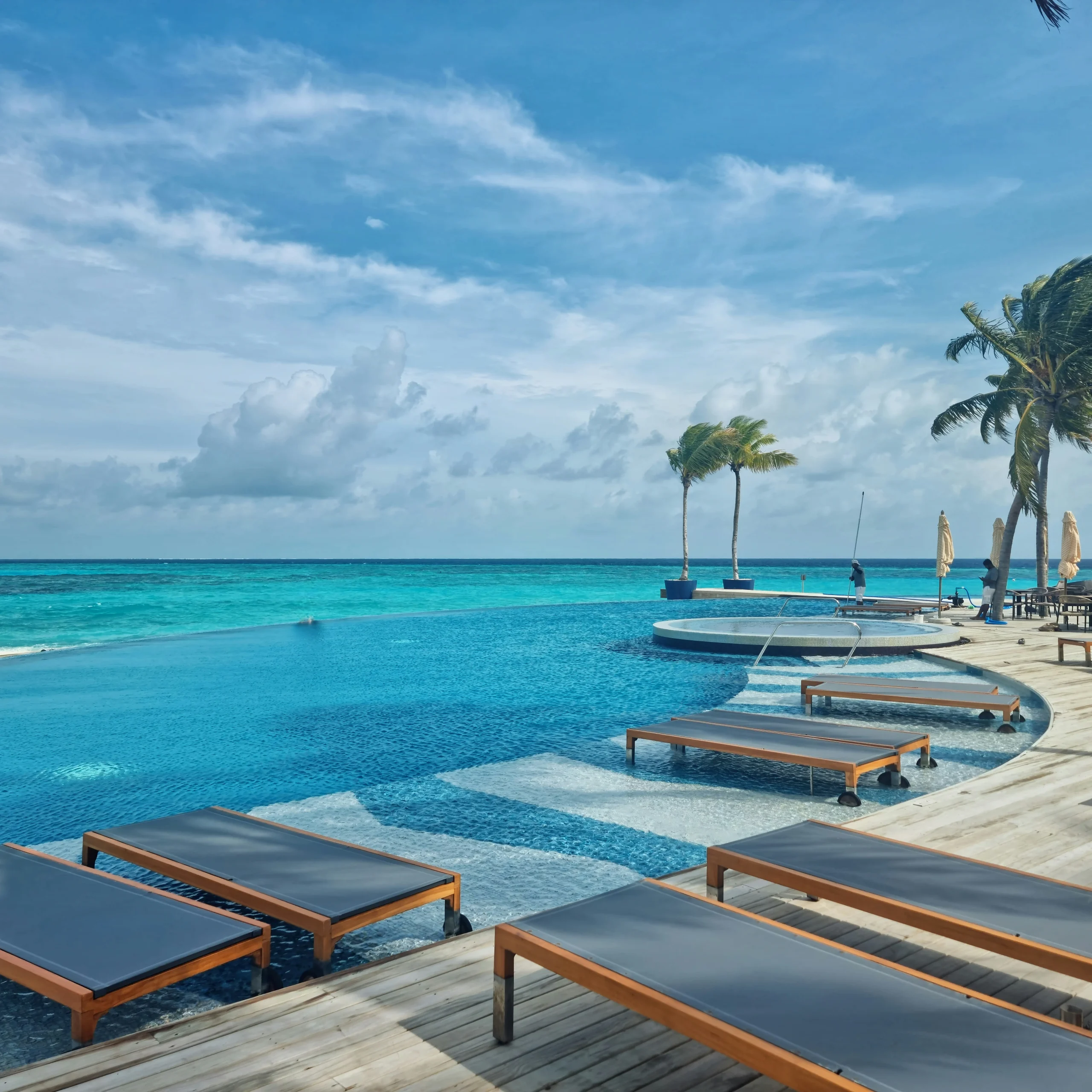
Most people assume a week in Bora Bora means sitting in an overwater bungalow doing nothing. And yes, that version of the trip exists. But Bora Bora is also a place with a functioning reef, two volcanic peaks worth hiking, a 32-kilometer coastal road, a public beach that costs nothing to access, local restaurants serving fresh fish every evening, and a lagoon full of sharks, rays, and turtles that you can swim with on any given morning.
This itinerary is built for travelers who want both — some days active, some days slow, and a structure that works whether you are staying at a resort motu or on the main island. Seven days is enough to cover everything worth doing here without rushing any of it.
If you are still working out where to stay, Super bundles accommodation and travel into discounted packages across the full range of Bora Bora options — from guesthouses in Vaitape to resort motus — and it is worth checking before you commit.
Getting there
All arrivals into Bora Bora come through Papeete (Faa’a International Airport, Tahiti) followed by a domestic Air Tahiti flight to Bora Bora. The Bora Bora airport is on a separate motu and requires a boat transfer to the main island or your resort. Build in at least one night in Papeete if your international flight arrives late — the domestic connections run on a fixed schedule and missing one creates real logistical problems.
Where to stay
Vaitape is the main town on the island and the most practical base for independent travelers. Guesthouses and small pensions here cost significantly less than resort properties and put you within easy reach of tour operators, restaurants, and the coastal road. Matira Beach, the island’s only fully public beach, is about 10 kilometers south by road.
What to do
Use the first day to get oriented rather than packing in activities. Rent a scooter in Vaitape and do the full coastal circuit — approximately 32 kilometers around the main island. The road passes through every distinct environment Bora Bora has to offer: the Vaitape waterfront with its direct sightline to Otemanu, the lagoon-facing eastern shore, the village of Anau on the northeastern coast, the quieter bays on the northern and western sides, and Matira Beach at the southern tip.
Done at a relaxed pace with stops, the circuit takes two to three hours. It is the most efficient way to understand the island’s layout before deciding where to spend more time.
On day two, spend the morning at Matira Beach. It is free to access, the water is shallow and calm, and it is best early — before the midday sun flattens the light and before day-trippers arrive. In the afternoon, walk the Vaitape waterfront and look for local tour operators to book the activities for the rest of the week. Booking directly here is consistently cheaper than booking through a resort activity desk.
Where to eat
The roulottes near the Vaitape waterfront are the practical option for most meals on the main island — local food trucks and open-air restaurants serving fresh fish, grilled meat, and poisson cru at prices well below anything in the resort areas. Evening is the best time, when multiple options are active simultaneously. Poisson cru — raw fish marinated in lime juice and coconut milk — is the dish to try first. It is the most representative dish of French Polynesian cuisine and a reliable indicator of kitchen quality: if the poisson cru is good, the fish is fresh.
A boulangerie stop near Vaitape in the morning is worth building into the routine. French-influenced bread and pastries are a genuine part of daily life here, not a tourist affectation.
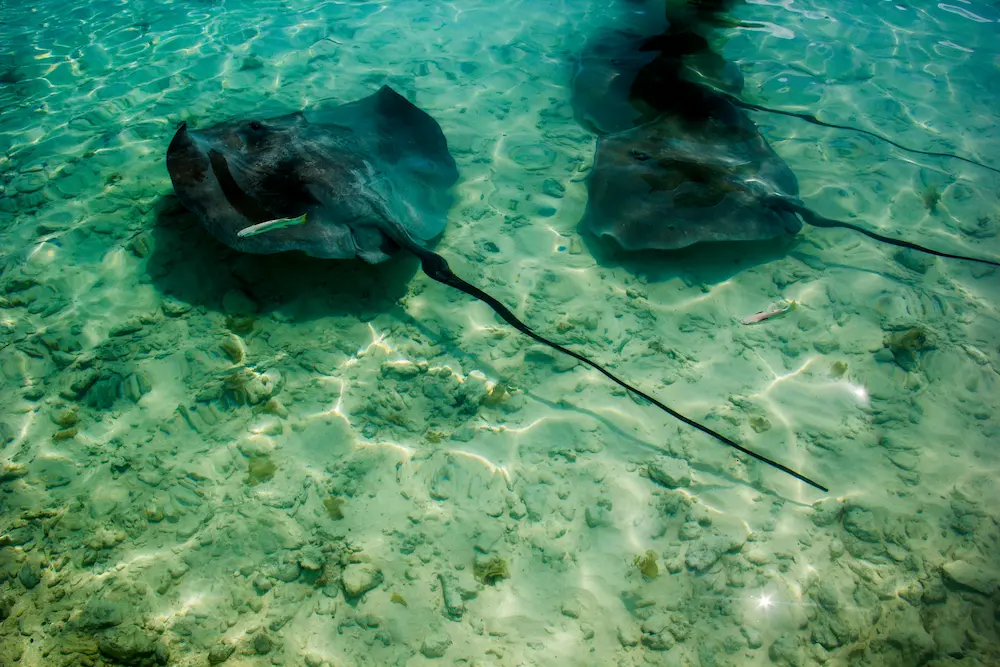
The signature activity of Bora Bora
These two days are built around the lagoon excursion that defines the Bora Bora experience for most first-time visitors. Book a half-day tour on day three and a full-day tour on day four — or reverse the order depending on operator availability.
Half-day lagoon excursion (Day 4)
Most operators run half-day versions departing in the morning that combine two to three stops. A typical itinerary includes a shallow-water site where blacktip reef sharks and large stingrays are reliably present, followed by a snorkeling session at the Coral Gardens (Jardin de Corail), and time on a motu beach.
The sharks at these sites are blacktip reef sharks — small, common throughout the lagoons of French Polynesia, and not aggressive toward swimmers. The stingrays are large and accustomed to guides. Snorkeling among them in knee-deep water is standard on these tours. Guides enter the water with the group. Snorkeling equipment is typically included.
Full-day lagoon tour (Day 5)
The full-day version adds more time on the water and more stops. Operators typically combine multiple snorkeling sites, a longer motu beach stop with a barbecue or picnic lunch, and often a visit to a working pearl farm. French Polynesia is one of the world’s primary sources of black pearls, and the farm visit — where the grafting and cultivation process is explained on-site — is genuinely worth the stop even if you are not planning to buy.
Practical note
Book both excursions directly with local operators in Vaitape rather than through a resort activity desk. The boats, the stops, and the guides are the same — the price is not.
For divers
Bora Bora has established dive sites along the barrier reef and in the passes that connect the lagoon to the open ocean. The pass dives are where the most varied marine life appears: lemon sharks, eagle rays, grey reef sharks, and schools of barracuda are regularly seen. These sites involve current and are recommended for divers with some experience — not ideal for complete beginners.
The shallower reef sites inside the lagoon are appropriate for Open Water certified divers and offer good coral coverage and reef fish diversity. Several dive operators are based on the main island and run morning two-tank trips that typically cover one pass site and one lagoon reef site. Ask the operator specifically which sites match your certification level before booking.
For non-divers
If diving is not your activity, this is a good day to explore independently. The inner lagoon along the eastern shore of the main island is accessible by kayak from several rental outfitters — ask locally for current access points and conditions. Alternatively, revisit Matira Beach in the afternoon when the light is warm and the day-trippers have left, or explore the area around the Matira Point viewpoint on foot.
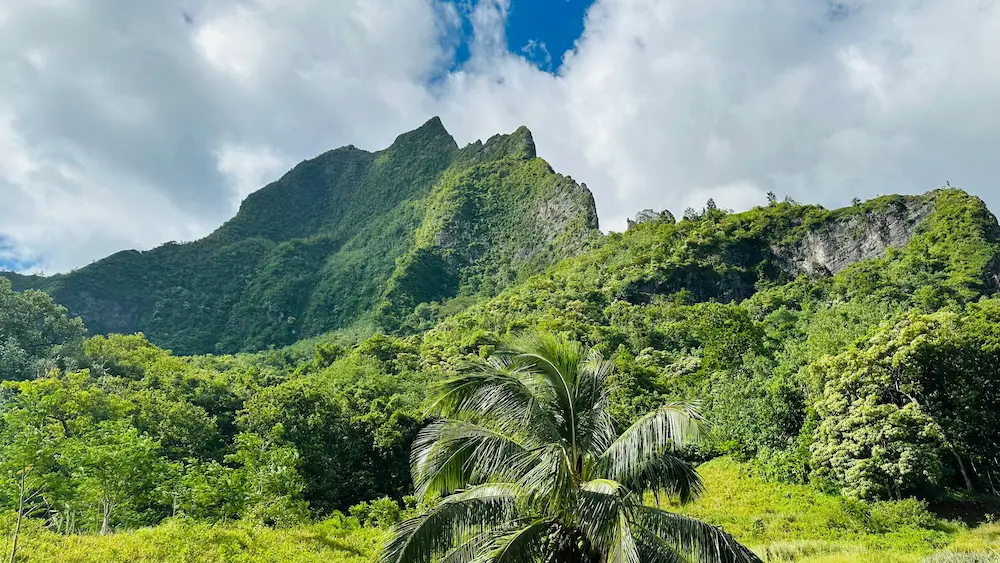
Morning — base hike
Mount Otemanu is the volcanic peak at the center of Bora Bora, visible from almost everywhere on the island. The true summit requires technical climbing equipment and is not a standard tourist activity. The base hike is accessible for most visitors with reasonable fitness, passes through dense tropical vegetation, and reaches an elevation where the full lagoon is visible below.
Start before 7am. Cloud cover builds reliably around the peak by mid-morning and the heat and humidity on the slopes become significant after 9am. Confirm trail conditions with your guide the day before — heavy rain makes some sections slippery and impassable. Ask at your accommodation or in Vaitape for current guide recommendations.
Afternoon — slow down
After an early morning on the slopes, the afternoon is best kept unstructured. Return to Matira Beach, visit the Vaitape waterfront, or simply use the time to explore the parts of the coastal road you moved through quickly on day one. The stretch along the eastern shore with the lagoon on one side and the forested interior on the other is worth revisiting at a slower pace.
Last morning
Use the final morning for whatever the trip has been missing. A second visit to Matira Beach at sunrise if the first one was rushed. A longer breakfast at a roulottes. A walk through Vaitape to pick up black pearls or locally made vanilla — French Polynesian vanilla is produced on the island and sold at small shops and at the market.
If your budget allows and you have not yet stayed at a resort motu, this is also the logical moment for a resort day pass — access to a resort beach, facilities, and meals for a day, without the overnight cost. Contact the resort directly to confirm availability and pricing before planning around it.
Getting out
The Bora Bora airport is on a motu. Your accommodation will arrange or advise on the boat transfer to the airport. Allow more time than you think you need — transfers depend on boat schedules, and missing the connection to your Air Tahiti flight to Papeete has consequences for your international connection. Confirm the transfer timing the evening before departure.
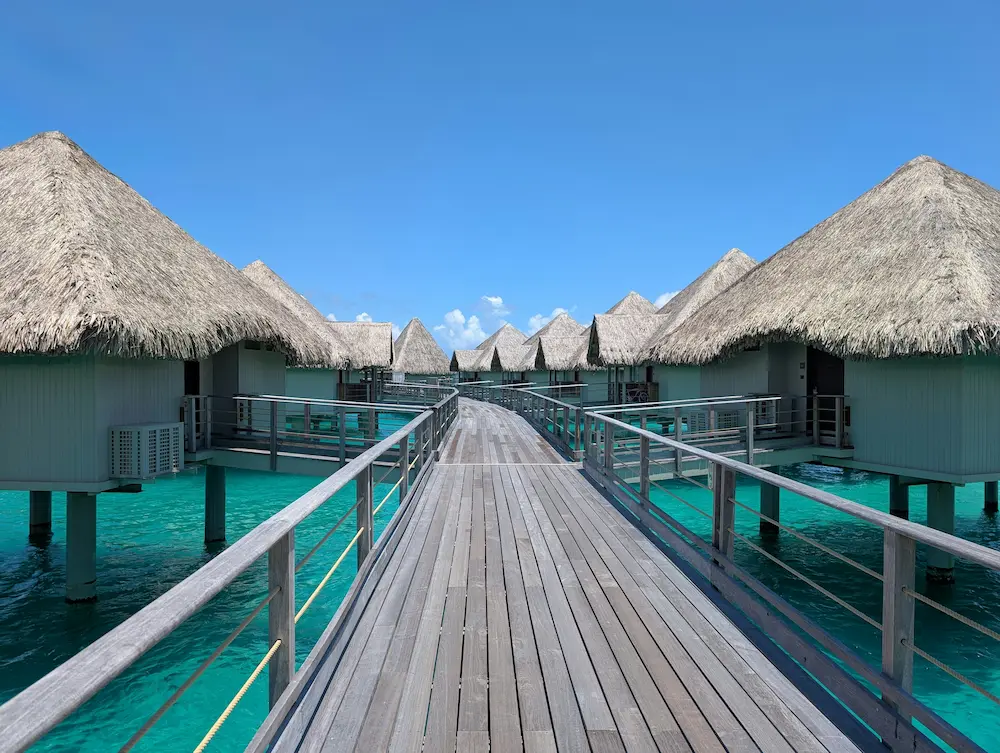
Best time to visit
The dry season runs from May to October, with July and August as peak months — highest demand, highest prices, best weather. May, June, September, and October offer dry season conditions with less demand and lower accommodation rates. The wet season (November to April) brings more rain and reduced prices at the same properties — worth considering if weather flexibility is less important to you than cost.
Getting around
Scooter rental is the most practical option on the main island and available in Vaitape. The coastal road is approximately 32 kilometers. Bicycles work for the flat sections near Vaitape and Matira but are more challenging on the hilly interior stretches. Resort motus are only reachable by boat — factor in transfer times and costs if you are splitting your stay between the main island and a motu resort.
Money
The local currency is the CFP franc (XPF), fixed to the euro. Credit cards are accepted at most resorts and larger restaurants. On the main island, smaller operators, market stalls, and some roulottes prefer cash. Arrive with some XPF or USD and do not assume ATMs are always available when you need one.
What to pack
Ten days is the right amount of time for Bora Bora. It is enough to cover the lagoon thoroughly, get above the tree line, see the full coastal circuit, eat well at the roulottes, and spend real time at Matira Beach — without rushing any of it.
The island is small. The environments are concentrated. What makes the difference between a good trip and a great one is not the number of days but how much of the experience happens outside the resort. The lagoon, the reef, the peaks, the beach, and the roulottes at night are all accessible from the main island at a fraction of resort pricing.
Whether you are here for the marine life, the hiking, the photography, or a plate of poisson cru with Otemanu in the background — Bora Bora has a specific version of each. And from Vaitape, all of it is within reach.