If you are planning Maldives, and you are asking yourself how to get there, what visa requirements do I need? It sounds like an “easy paradise” and then you discover it’s not complicated… but it does have its little tricks. The country is a huge archipelago and what works in another beach destination here can […]
If you are planning Maldives, and you are asking yourself how to get there, what visa requirements do I need? It sounds like an “easy paradise” and then you discover it’s not complicated… but it does have its little tricks. The country is a huge archipelago and what works in another beach destination here can turn out regular if you don’t think it through properly.
This Maldives travel guide is written so you arrive knowing what matters: entry into the country, the annoying online declaration, how to choose islands without regretting it, how to move around without drama, which cultural rules you shouldn’t ignore, and the most typical mistakes that make people end up frustrated.
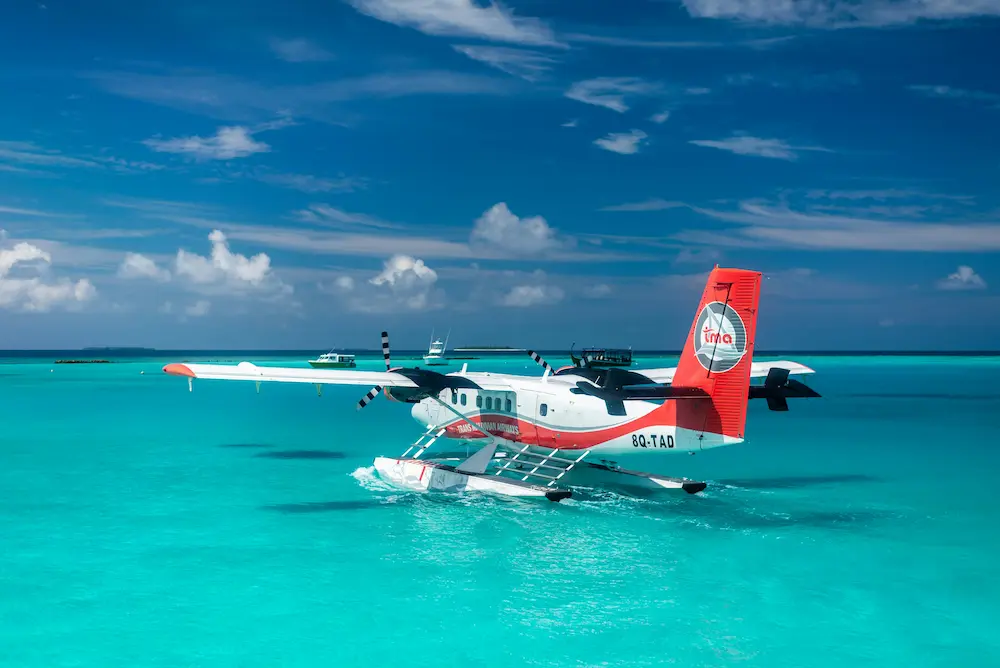
There are flights with connections from anywhere in the world and prices vary greatly depending on the season. The connections from Sri Lanka or from cities in Europe are much cheaper and in general if you want to find excellent prices for your trip to Maldives you can visit Trip.
But if you arrive late or with tight connections, consider spending a night nearby before jumping to another island. Always try to plan connections with time because: transfers to islands depend on schedules, at sea the weather is in charge (we can’t do anything about it).
A plan with margin puts you in “rush mode” from minute one and many times our pocket pays for it. Choose to spend that night in Malé or in Hulhumalé for logistics (and because you are just one step from the airport). Hulhumalé usually feels more “beachy” than Malé and it is a great opportunity to start slowing down and begin enjoying.
The good news is that tourist entry is quite simple. The tourist visa is issued on arrival and is normally for 30 days. What usually complicates things for people is not the visa itself, but not having at hand what they may ask for at immigration.
Quick checklist to enter more calmly:
The minimum validity of one month appears as an official requirement in government sources and also in travel advisories from countries such as the United Kingdom.
The Traveller Declaration in IMUGA is also mandatory and has a 96-hour window.
Important fact (because many people don’t find out): since April 15, 2025, entry has been banned for holders of Israeli passports (if someone travels with dual nationality, that falls into another category, but that depends on the document used to enter).
IMUGA is the type of process that seems like “fill out a form and that’s it”, but it’s easy to make mistakes because of rushing.
To do it correctly:
The key point here is that IMUGA is not an optional extra: it is an official immigration requirement and it is required for travel.

The typical conversation is “what is the best month?” and the real answer is “it depends on what you want to do”. There is no single “best month” for everything. The best thing is to decide what you want to experience, whether marine life at its peak or the postcard views and Instagram photos we always see, so if you go during:
Dry season (December to April):
in these months we have the typical Maldives postcard views and it is also the most expensive in accommodations and travel
Wet season or low season (May to November):
If you want wild nature, good prices and to have Maldives almost to yourself these are the best months to go, just prepare for the rains and enjoy the authentic side of Maldives.
Months with more marine activity (mantas and whale sharks):
In Baa Atoll, manta season in Hanifaru Bay usually runs from May to November, with very strong peaks mid-year (especially between July and October).
For whale sharks, South Ari Atoll is famous for sightings year-round, but many operators and guides report better probabilities during the southwest monsoon season (May to November), with areas like Dhigurah strongly associated with that period.
Moving around in Maldives is not “I take an Uber and that’s it”. It is a country of islands and transport is part of the trip, not a detail. and this is a mistake many make and end up having stressful moments in paradise.
Typical options:
so before booking accommodation, confirm how to get there and what time the last transfer of the day leaves.
Another point that ruins itineraries: many public ferries do not operate on Fridays (local holiday), so do not design “perfect” island changes without checking the calendar.
Many travelers book without understanding that in Maldives there are two very different experiences: resort islands and local islands.
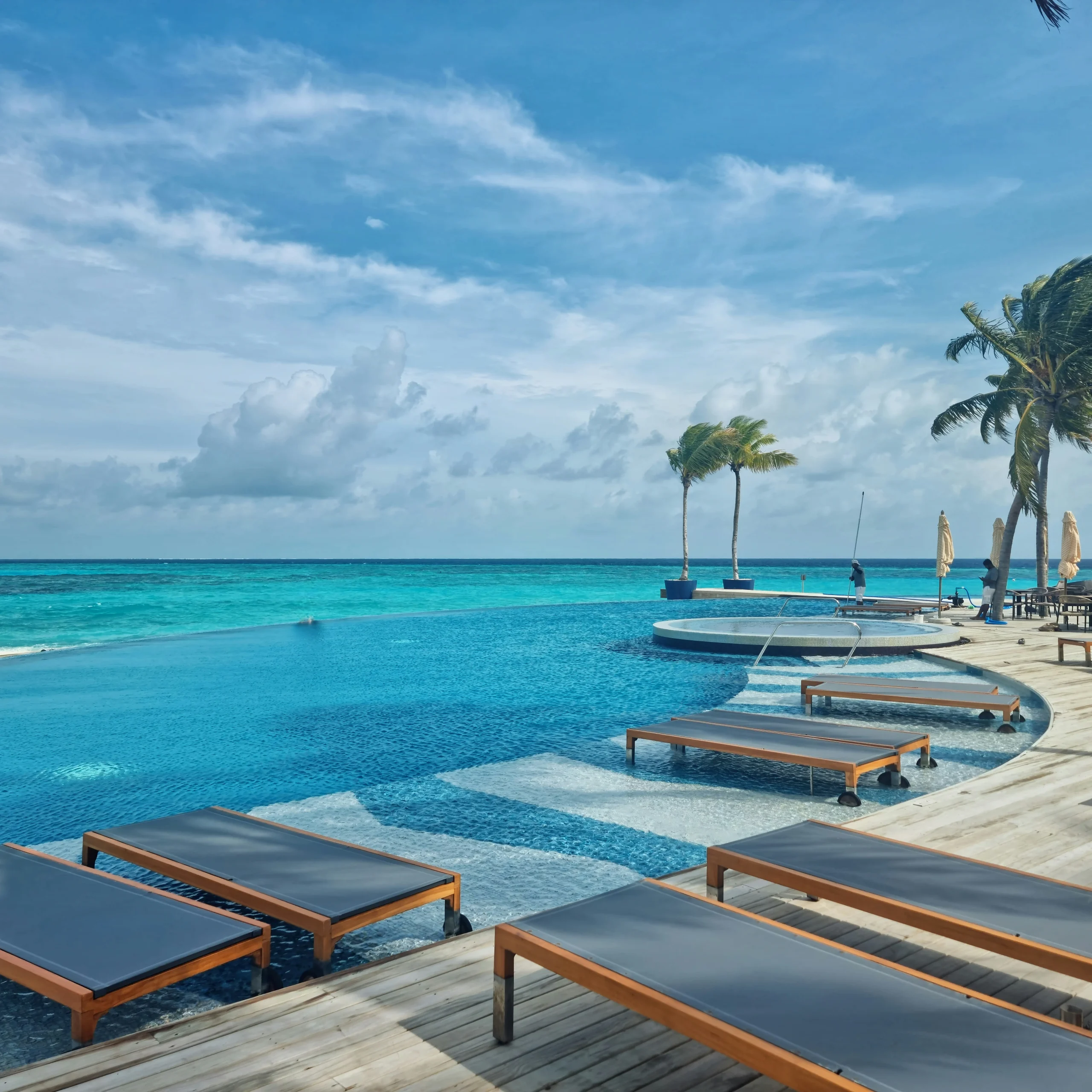
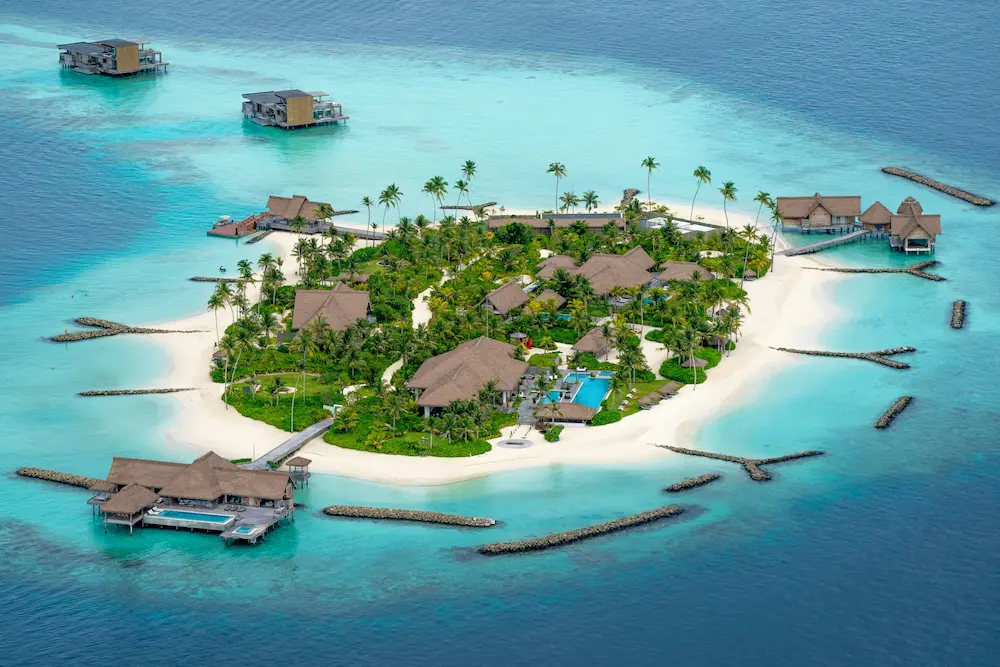
Resort islands are private and fully dedicated to tourism. Here you can dress freely, wear a bikini on any beach of the resort and consume alcohol inside the facilities. Everything is designed for visitor comfort: more services, more privacy and a more isolated experience.
On local islands, on the other hand, you live within a real Maldivian community. Clothing must be modest outside bikini beaches (specific zones for tourists), alcohol is prohibited and respect for cultural rules is expected. In exchange, the experience is more authentic and closer to local life.
Maldives is a Muslim country, and public displays of affection are also not allowed. In exchange, the experience is more authentic: contact with local life, Maldivian restaurants, more accessible prices on excursions and a less isolated atmosphere.
What we like most to do is combine a few days on local islands to live the real experience and the last days in a resort to close the trip in the best possible way.
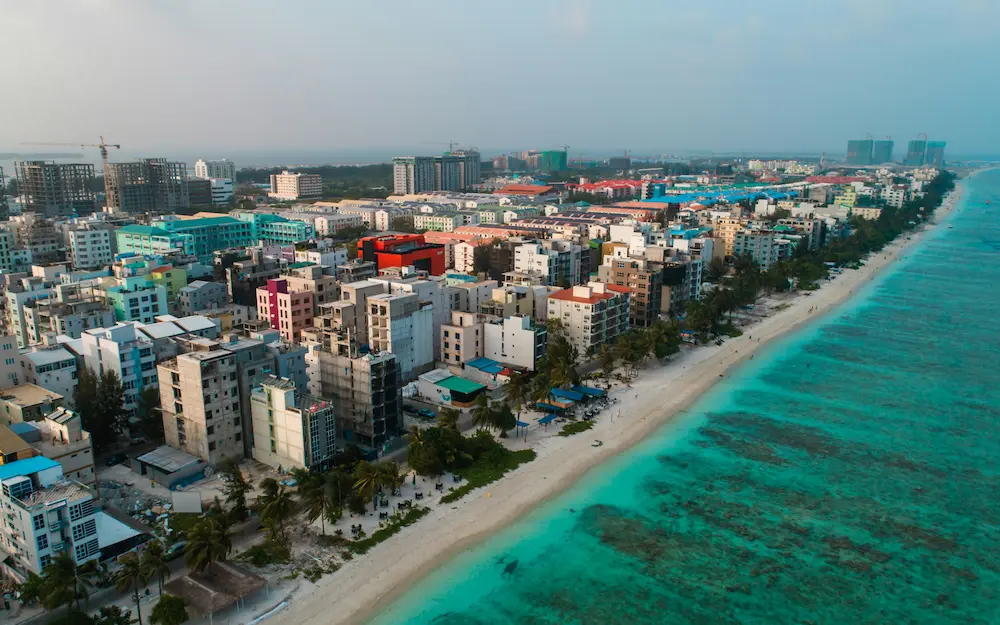
If it is your first time, the ideal is to choose a local island with:
Popular islands to start with are usually Maafushi, Gulhi, Thulusdhoo or Dhiffushi, because they concentrate guesthouses, tours and services so you don’t have to improvise everything.
but before choosing, check if the island has a clearly marked bikini beach, because that defines your experience if you plan to spend a lot of time on the beach.
Most travelers do not choose Maldives for its gastronomy… until they try well-prepared local food on an inhabited island and completely change their mind. Maldivian cuisine is simple, but very tasty, and is deeply influenced by its geography and its cultural proximity to India and Sri Lanka.
Tuna is the star ingredient. It is used fresh, dried, smoked or even fermented in traditional preparations. Coconut adds creaminess and balance to many dishes, while rice accompanies almost all main meals.
When you go we recommend you try:
if you don’t eat fish, ask beforehand about vegetarian options. Although there are vegetable curries and rice-based dishes, Maldivian cuisine is quite dependent on fish and variety may be limited on small islands.
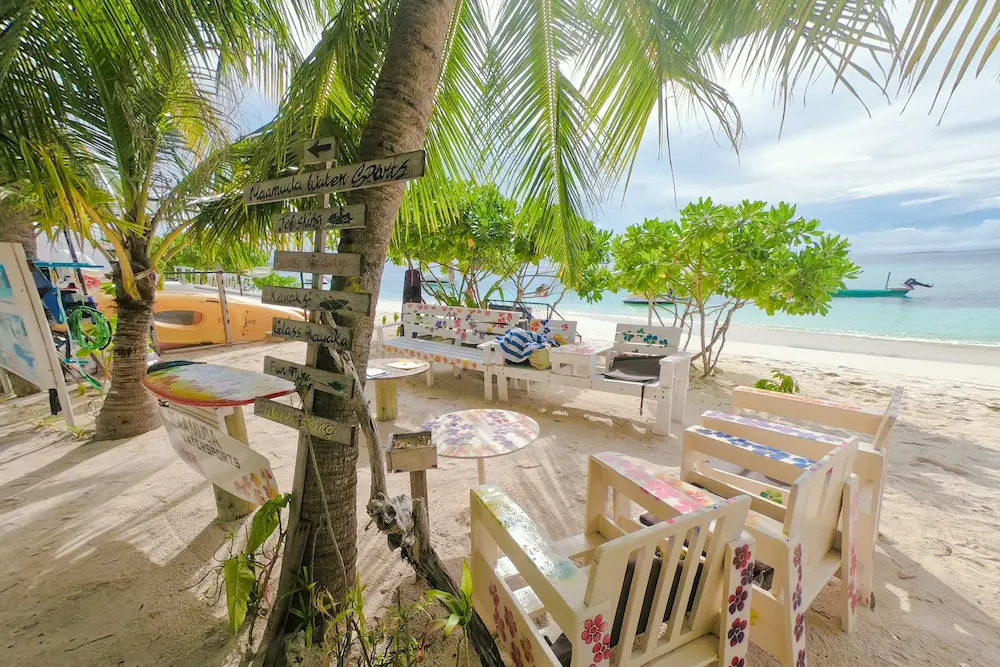
here you have to be very careful and follow cultural rules.
On local islands:
And what many people try “just in case it works”: bringing alcohol from a resort to a local island. Don’t do it. Besides being illegal, you get yourself into a completely unnecessary problem.
Completely avoid bringing:
If you travel with specific medication, the ideal is to carry a prescription or documentation, and keep it in its original packaging. in Maldives they are very strict with these things so it is best that you know and go prepared
The official currency is the Maldivian rufiyaa, but in many tourist areas USD is widely accepted and it is common for travelers to use a mix of cash and card.
Practical tips:
here we leave you certain details to keep in mind so that your trip is as smooth as possible
Electricity:
Internet:
Smart packing:
Basically these are the things you need to know before traveling to Maldives, we hope it helps you and that you have an unforgettable trip to the Maldives!