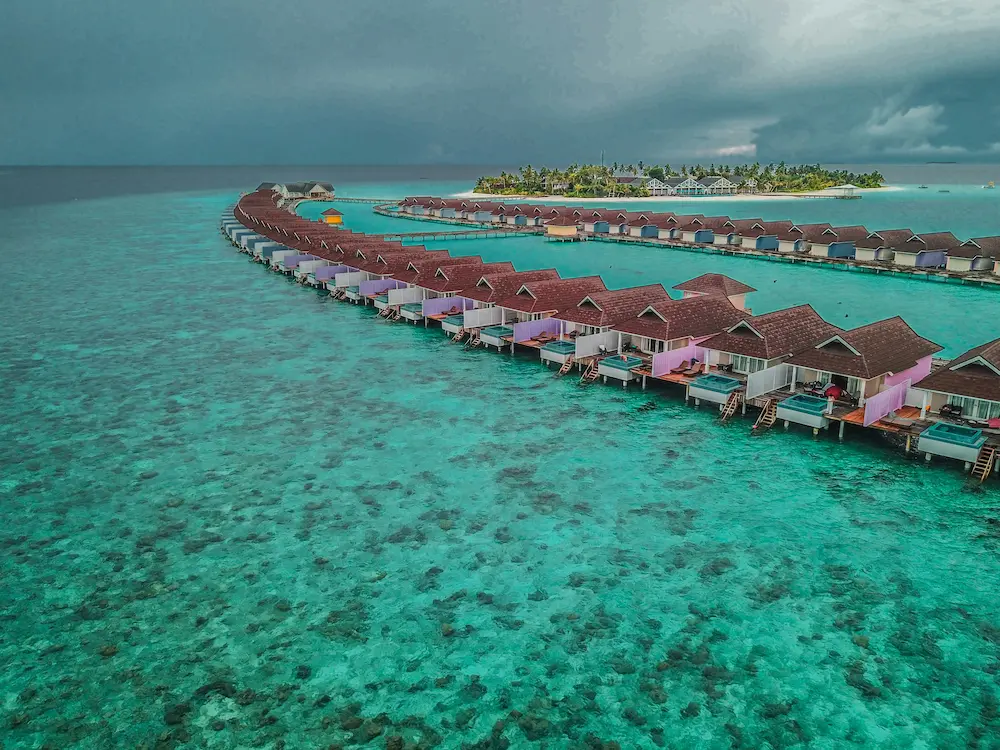
Most people assume the best photos in the Maldives come from a luxury resort. The overwater bungalow at sunrise, the infinity pool over the lagoon — those images exist, and they are real. But a large number of the most visually striking spots in the Maldives are not behind a resort gate. They are on […]
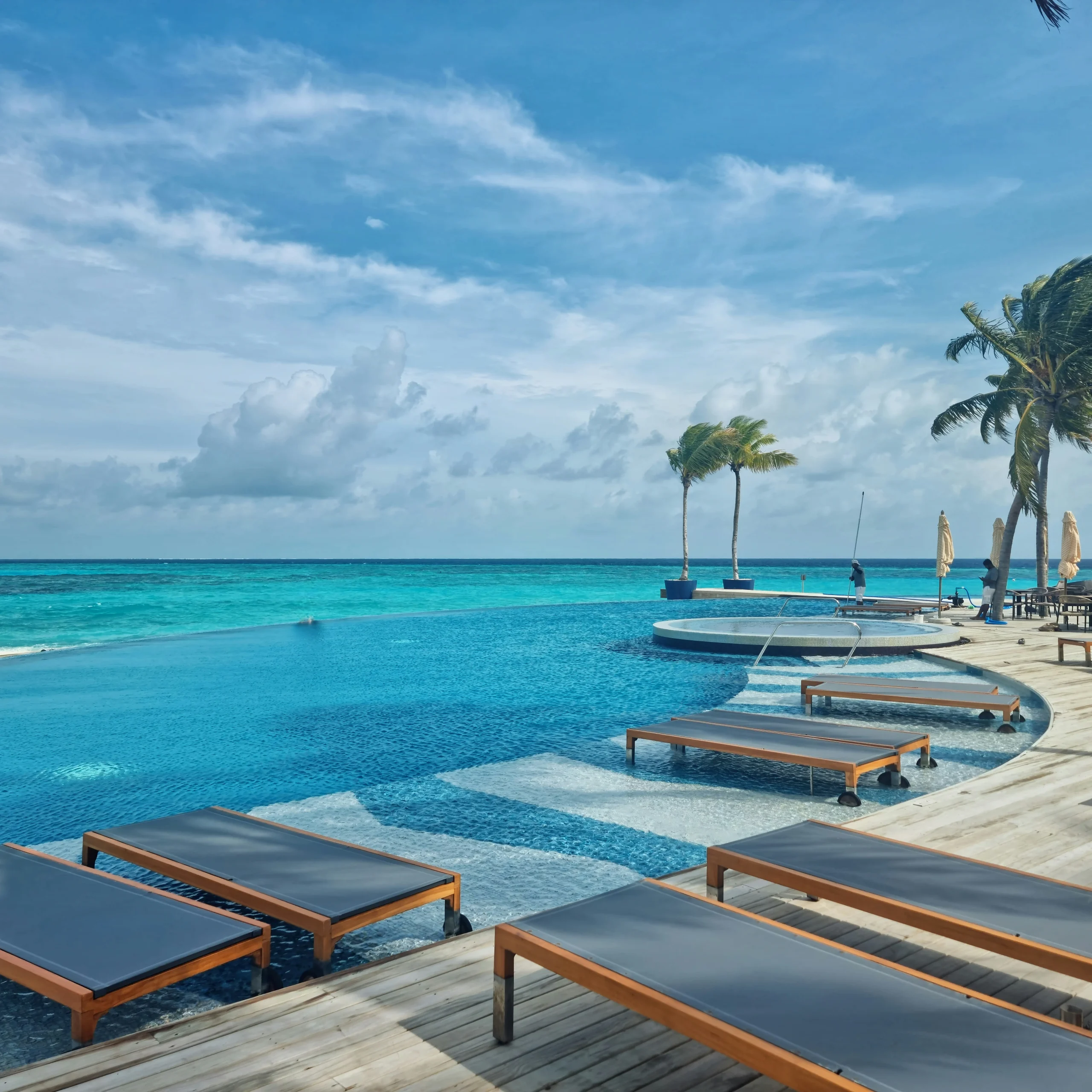
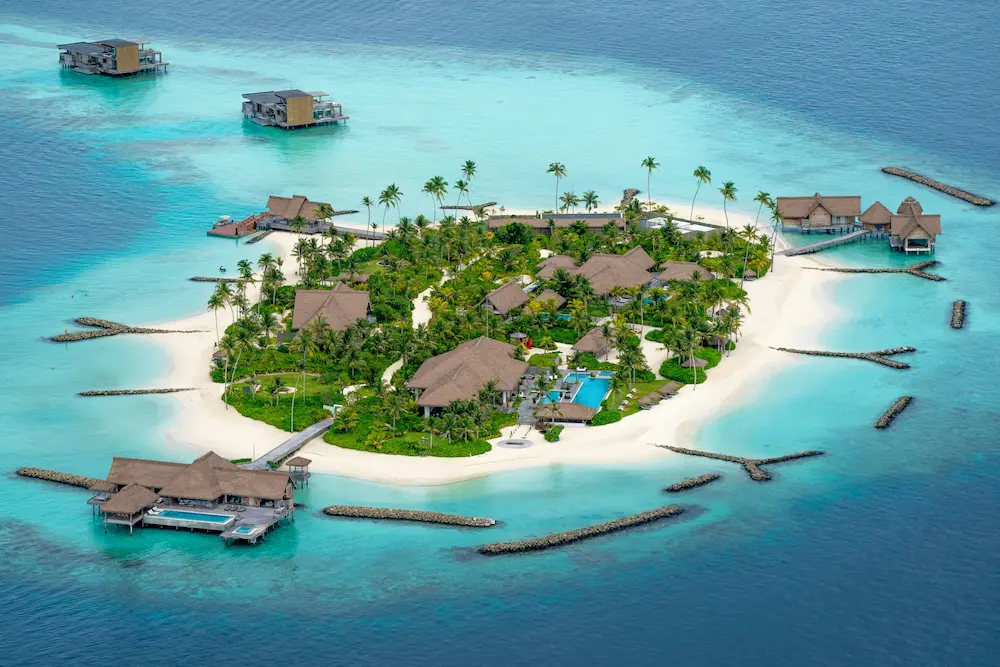
Most people assume the best photos in the Maldives come from a luxury resort. The overwater bungalow at sunrise, the infinity pool over the lagoon — those images exist, and they are real. But a large number of the most visually striking spots in the Maldives are not behind a resort gate. They are on local islands, on uninhabited sandbanks, underwater, and on shores that glow blue at night.
If you stay on a local island — like Maafushi — instead of an isolated resort, you are actually closer to most of these places. The boats that run daily from local islands pass the same sandbars, reefs, and lagoon colors that appear in the photos most people assume require a five-star stay. That’s why we recommend using a local island as your base if visual variety is what you are after.
If you are still looking for where to stay, Trip has a good range of guesthouses and hotels on local islands across the Maldives — worth checking before you book.
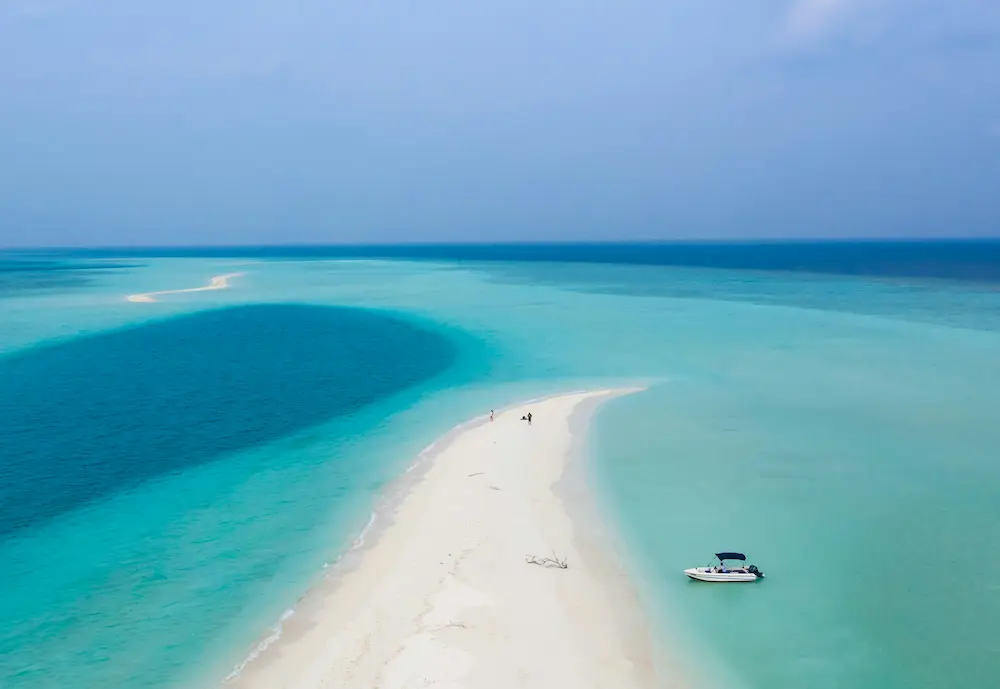
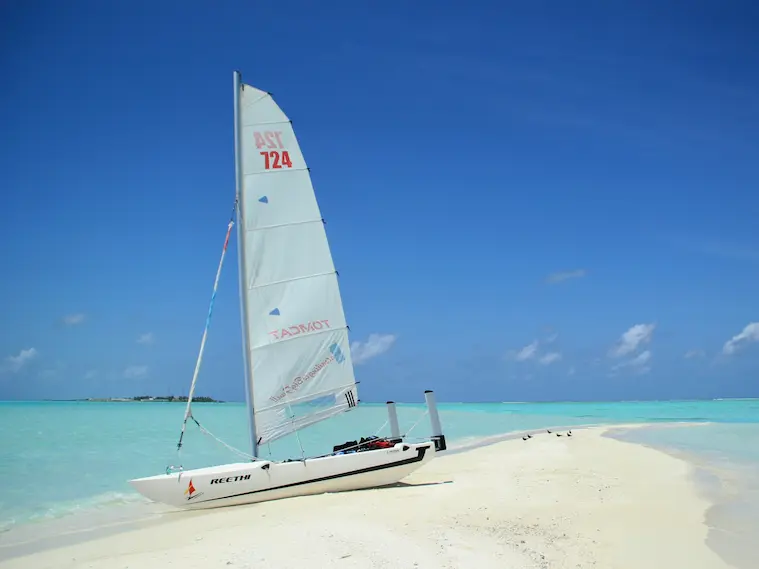
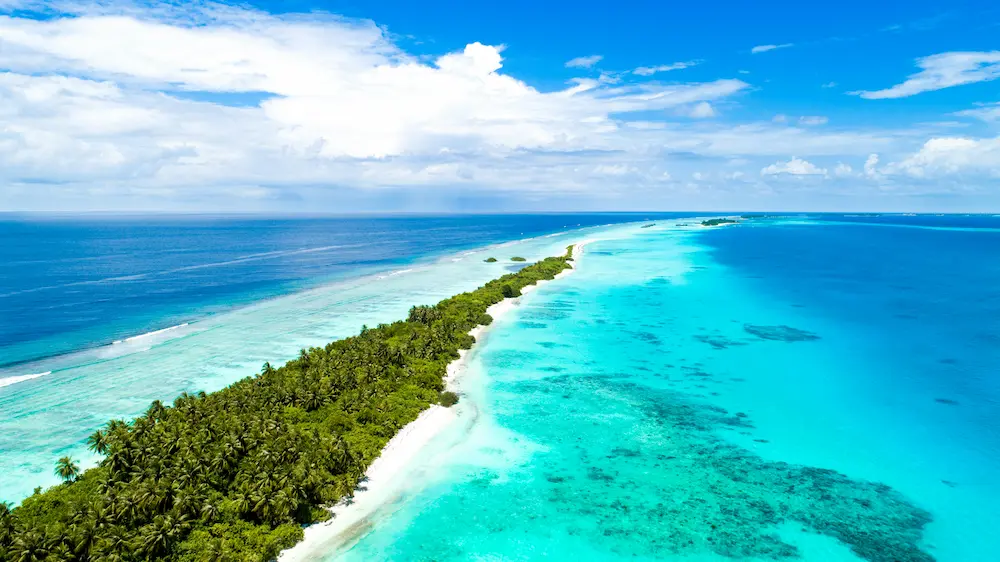
The photo that defines the Maldives in most people’s minds — a thin strip of white sand surrounded entirely by turquoise water — is a sandbank, not a resort beach. Sandbanks are temporary formations that appear at low tide across multiple atolls. They are regularly included as stops on lagoon excursions from local islands, and no resort stay is required to visit one. For photography, early morning and late afternoon produce the most saturated water color. The specific sandbank your operator visits depends on tidal conditions and your location — ask in advance if you want to time the light.
Vaadhoo is a small inhabited island in Raa Atoll where the shoreline glows blue at night. The effect is caused by bioluminescent phytoplankton — specifically Noctiluca scintillans — which emits light when disturbed by waves. It is one of the most photographed natural phenomena in the entire Maldives and one of the least represented in mainstream travel guides. The glow is most visible on dark, moonless nights when plankton concentration is high. It is not guaranteed on every visit, but checking the lunar calendar before planning the trip significantly improves your chances. Vaadhoo requires a domestic flight or speedboat from Malé and is best combined with a stay on a nearby local island in Raa Atoll.
Between June and November, large numbers of manta rays gather in Hanifaru Bay to feed on plankton concentrations — sometimes in the hundreds in a single session. It is a protected marine area and a UNESCO Biosphere Reserve site, meaning access is regulated: visitors must go with a licensed guide, and the number of people in the water at any time is limited. For underwater photography, it is one of the most productive sites in the Indian Ocean during peak season. Reaching Baa Atoll requires a domestic flight from Malé, which adds to the trip cost, but the visual scale of a manta aggregation is difficult to replicate anywhere else in the world.
Dhigurah is a long, narrow local island in the South Ari Atoll Marine Protected Area — one of the few places in the world where whale shark sightings occur throughout the year, not just seasonally. Snorkeling alongside a whale shark in clear, shallow water is one of the most in-demand wildlife photography experiences in the Maldives, and Dhigurah is among the most reliable places to do it. The island has guesthouses and local operators who run whale shark excursions regularly. Early morning departures tend to have the highest success rate.
Across the Maldives, shallow reef flats become very accessible at low tide, with coral structure visible from the surface without diving. The visual result — intricate coral below, glass-clear water, open sky above — photographs best on calm days with overhead sun between 10am and 2pm, when the light penetrates deepest. Any snorkeling guide on a local island can direct you to the nearest accessible reef flat. This is one of the most accessible photography opportunities in the Maldives and one of the least mentioned.
After dark, the jetty area near Alimatha becomes a gathering point for nurse sharks and stingrays, drawn by food scraps from the nearby kitchen. The result — dozens of sharks and rays moving through shallow, clear water at night — is among the more striking underwater photography scenarios in the archipelago. It is well known in diving circles but rarely appears in general Maldives travel content. Night dives and snorkeling here are typically arranged through dive operators on nearby local islands.
The fish market in Malé is active from early morning and is one of the most visually dense environments in the country — tuna and reef fish laid out in a working harbor, with local vendors and boats coming and going. It is a genuine market, not a curated tourist experience, which is exactly what makes it worth photographing. Best visited between 5 and 8 in the morning when the catch arrives and the activity is at its peak. It is a short walk from the main ferry terminal.
Hulhumalé is a reclaimed island adjacent to Malé with a long public beach that sees far fewer visitors than its proximity to the capital would suggest. The beach is clean, the water is calm, and it is one of the few places near Malé where you can photograph open water without resort infrastructure in the frame. Reachable by a short ferry from Malé, it is a practical stop for travelers transiting through the capital with a few hours to spare.
Fulhadhoo is a small local island in Baa Atoll with a reef that begins almost directly off the shoreline — unusual in the Maldives, where most reefs require a boat. The beach is long and undeveloped, and the island sees very little tourist traffic. The combination of accessible snorkeling and an unbuilt shoreline makes it a practical location for both above and below water photography. Baa Atoll’s protected status also means the coral here is in noticeably better condition than in higher-traffic areas.
Addu Atoll is the southernmost atoll in the Maldives, crossing the equator, and Hithadhoo is its main island. The atoll is home to a functioning underwater post office — a structure on the seabed where a diver staffs a postal counter during visiting hours, and it is possible to send a waterproof postcard stamped underwater. It is a genuine postal facility and one of the more unusual things to photograph in the country. Addu Atoll requires a domestic flight from Malé and is less commonly visited than the atolls closer to the capital, which is part of what makes it worth the trip.
The Maldives has a visual range that goes well beyond overwater bungalows and infinity pools. Bioluminescent shores, manta aggregations, whale shark encounters, untouched reef flats, and working fish markets all exist within the same archipelago — and most of them are reachable from a local island without a luxury price tag attached.
Whether you are traveling with a camera or a phone, chasing underwater encounters or golden-hour shorelines — the most memorable images from the Maldives tend to come from the places fewer people think to look. And from a local island base, most of them are closer than you’d expect.