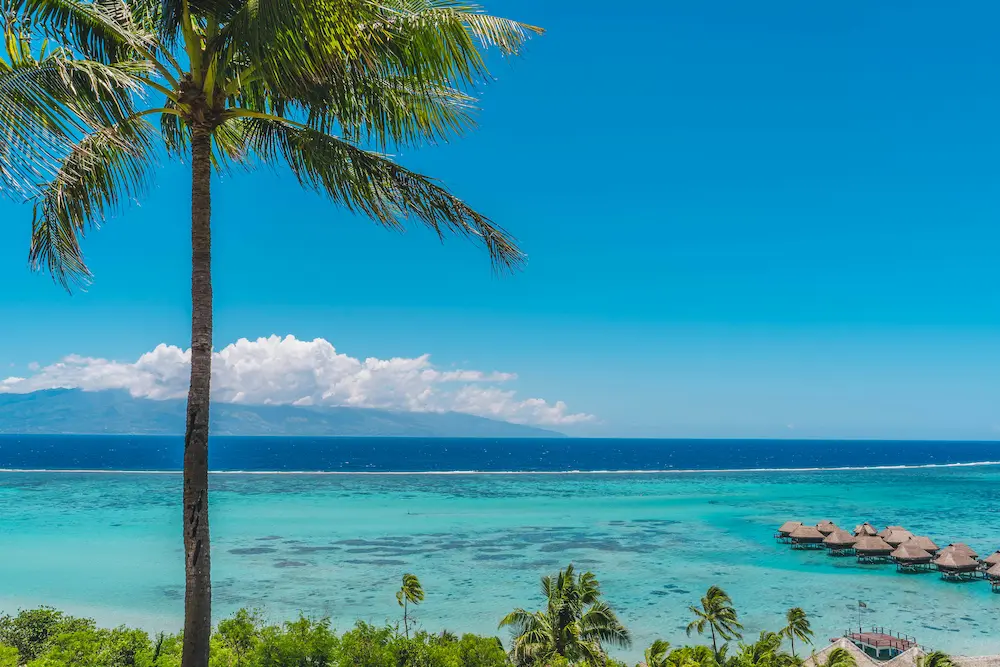
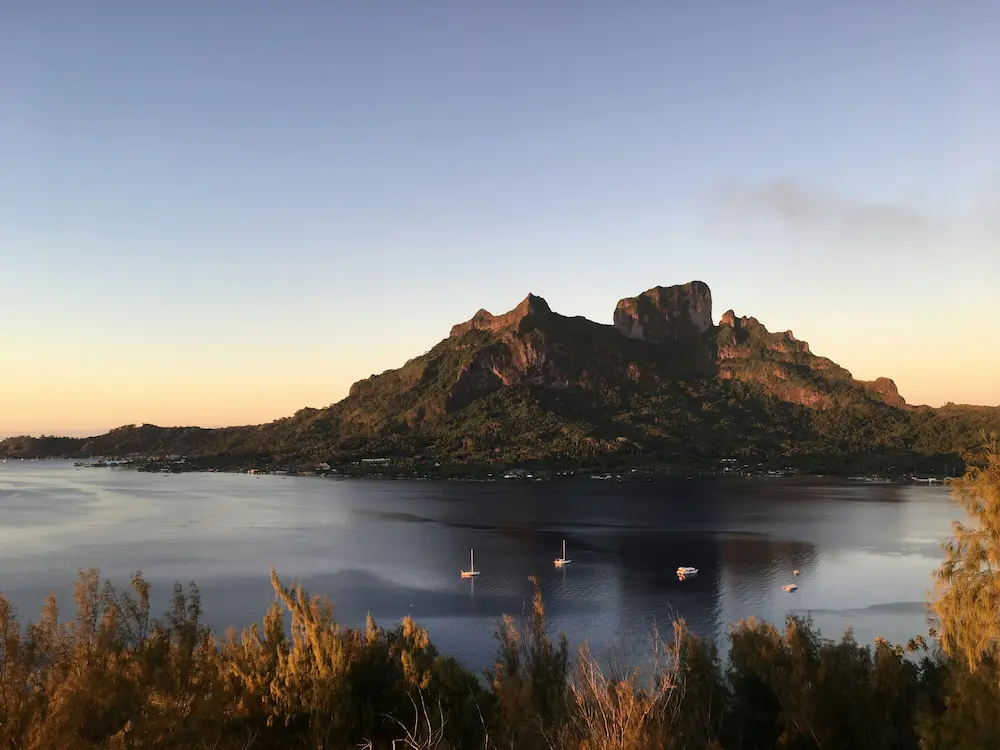
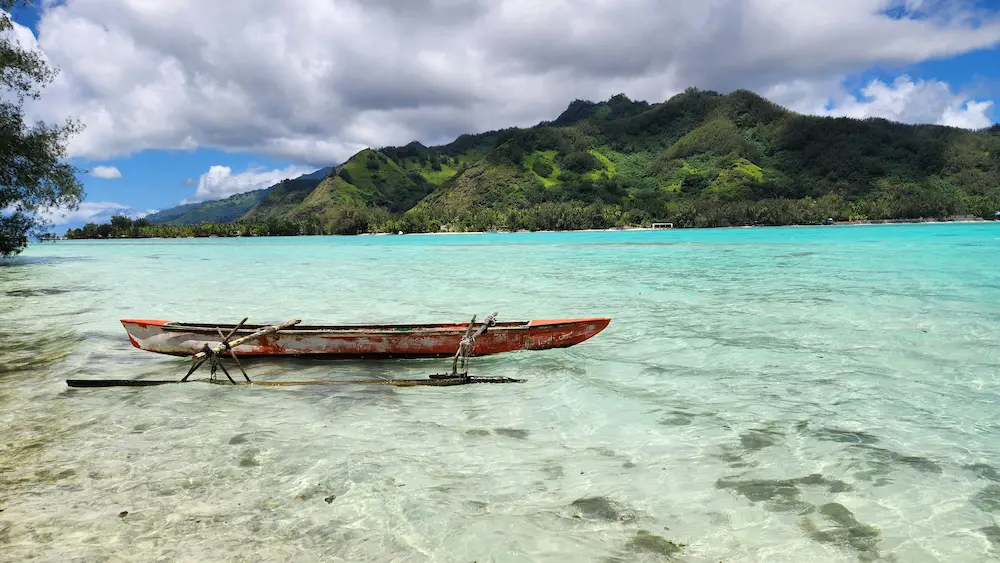
The boat slows down as it enters the lagoon. The water shifts from deep blue to something closer to green, then to a pale turquoise so clear you can see the coral twenty feet below. To the left, Mount Otemanu rises sharp and dark above the palm line. Nobody on the boat is talking. Everyone […]
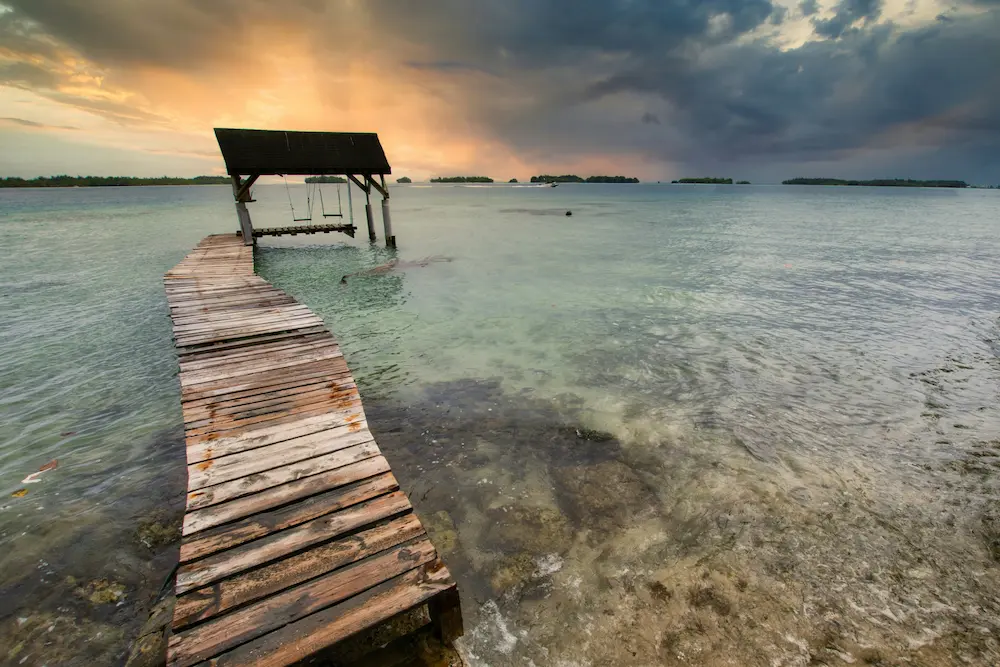
The boat slows down as it enters the lagoon. The water shifts from deep blue to something closer to green, then to a pale turquoise so clear you can see the coral twenty feet below. To the left, Mount Otemanu rises sharp and dark above the palm line. Nobody on the boat is talking. Everyone is looking at the same thing — and reaching for their camera.
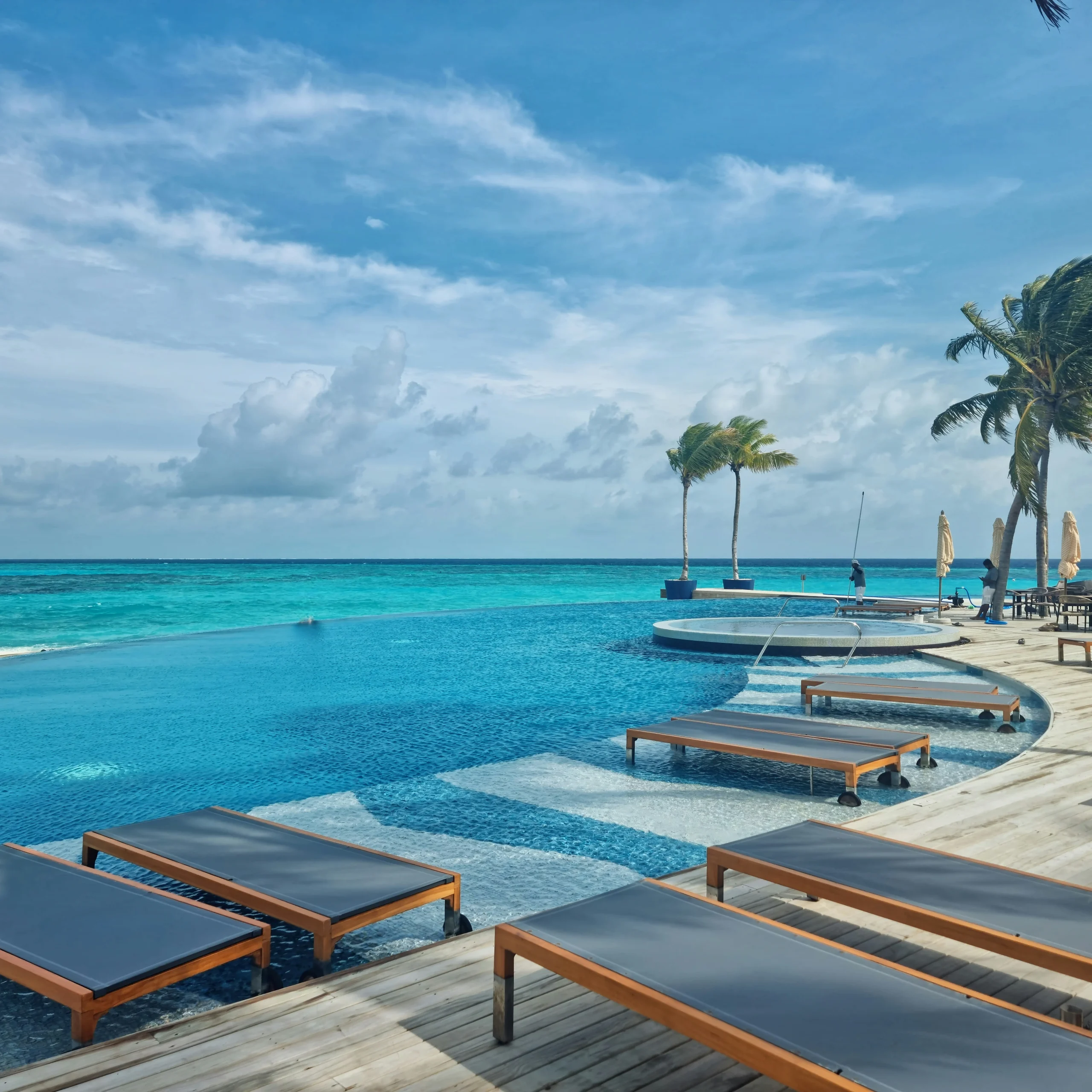
Most people assume the best photos in Bora Bora come from a luxury resort. The overwater bungalow at dawn, the private infinity pool over the lagoon — those images exist, and they are real. But a significant number of the most visually striking spots on the island are not behind a resort gate. They are on public beaches, on uninhabited sandbars in the middle of the lagoon, on hiking trails above the tree line, and underwater on reefs accessible by local boat.
If you stay in Vaitape or near Matira Beach instead of on a resort motu, you are actually closer to most of these places than you might expect. Local operators depart from the main island every morning to the same lagoon locations that appear in the photos. That’s why we recommend using the main island as your base if visual variety — and not just one view from one bungalow — is what you are after.
If you are still looking for where to stay, Trip has a solid range of options across Bora Bora, from guesthouses in Vaitape to mid-range lagoon bungalows — a useful place to compare prices before booking.
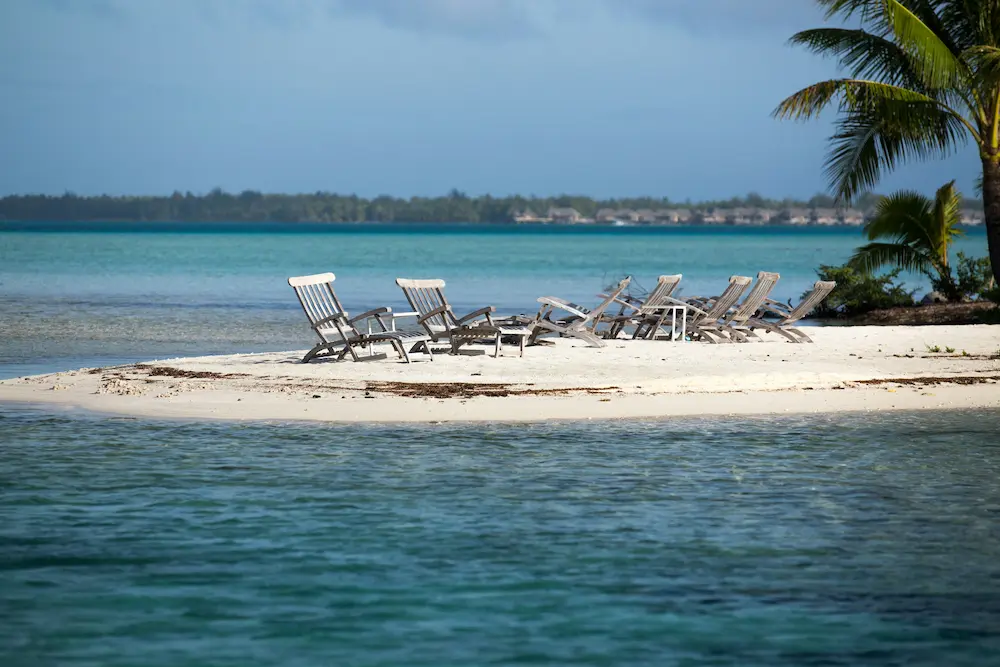
1. The lagoon from a boat — the image that defines Bora Bora
The aerial photo that most people associate with Bora Bora — turquoise water in graduated shades of blue and green, a ring of motus, the dark peak of Otemanu at the center — is a view of the lagoon from above. At water level, the effect is different but equally striking: the color gradients are visible from a boat, the coral formations are clear through the surface, and the mountain sits in the frame at almost every angle. Most of this is seen on a standard lagoon excursion departing from the main island. For photography, early morning light before 9am produces the flattest water and the most saturated color.
2. Matira Beach — the most accessible photography location on the island
Matira Beach is a public beach at the southern tip of the main island, and it is consistently one of the most photographed spots in all of French Polynesia. Entry is free. The sand is white, the water is shallow and calm, and the view down the shoreline with the lagoon on both sides of the point is the composition that appears most often in Bora Bora travel photography. It is most photographed at sunrise, when the light is low and the beach is empty, and in the late afternoon when the water color is at its warmest. No boat, no resort, no booking required.
3. Mount Otemanu — the defining vertical element of every Bora Bora photo
The extinct volcano at the center of the island rises to 727 meters and appears in the background of almost every wide-angle photo taken on or around Bora Bora. The summit is not accessible without technical climbing equipment and a qualified guide, but the base hike gives you close views of the peak and enough elevation to see the lagoon below. The mountain photographs best from the water — either from a boat in the lagoon or from the shoreline near Vaitape — in the early morning before clouds build around the peak. By midday, the summit is frequently obscured. Guided base hikes depart from the main island; ask locally for current operators.
4. Motu Tapu — the sandbar with the classic view
Motu Tapu is a small privately owned islet that appears regularly in Bora Bora photography — a strip of white sand with shallow turquoise water and a direct sightline to Otemanu. It is not accessible independently; you reach it as a stop on a lagoon excursion. Most half-day and full-day lagoon tours include it or pass close to it. For the specific composition of white sand, turquoise water, and the mountain in the background, early morning light is best — the sun comes from the east and illuminates both the water and the peak cleanly before it climbs too high.
5. The Coral Gardens (Jardin de Corail) — underwater composition
The Coral Gardens is a snorkeling site in the inner lagoon with intact coral formations visible in shallow, clear water. The visual result from above the surface — coral structure below, blue water, sun filtering through — is one of the cleaner underwater photography compositions accessible without scuba gear in Bora Bora. It is a standard stop on most lagoon excursions, and some travelers reach it independently by kayak. Natural light works well here due to the water clarity; midday sun produces the most visible coral color.
6. The lagoon at sunset from Vaitape waterfront — no boat required
The waterfront in Vaitape, the main town on the island, faces directly across the lagoon toward Mount Otemanu. At sunset, when the light drops behind the western motus, the mountain catches the last direct light while the lagoon reflects the color in the sky. It is one of the few spots on the island where you can photograph the mountain over open water without being on a boat or paying for a resort view. No fee, no reservation — just arrive 30 to 40 minutes before sunset and find a position on the waterfront road.
7. The inner lagoon sandbars — open water, nothing around you
Inside the barrier reef, temporary sandbars form depending on tidal conditions. These are the compositions that look like they were taken from a helicopter — a thin strip of sand in the middle of open water, turquoise in every direction. They are accessible by boat as part of lagoon excursions, and the specific sandbar your operator visits will depend on the tides that day. For photography, the light between 7 and 9am and again after 4pm produces the most color contrast between the sand and water.
8. Blacktip reef sharks in shallow water — lagoon excursion stop
Blacktip reef sharks are a regular presence in the shallow areas of Bora Bora’s lagoon. Most lagoon excursions include a stop at a site where they are reliably seen alongside large stingrays, in water shallow enough to stand in. The visual of a shark moving through clear, knee-deep water with white sand below photographs well with both underwater housings and from above the surface. Guides enter the water with the group. It is included on most half-day lagoon tours departing from the main island.
9. Anau Village waterfront — local color, no tourists
Anau is a small village on the northeastern coast of the main island, sitting directly on the lagoon with an unobstructed view toward the motus and the barrier reef. It sees very few tourists, has no organized infrastructure, and the visual environment — local boats, the lagoon, the reef line in the distance — is different from anything you find near the resort areas. Late afternoon light from the west crosses the lagoon directly toward the village. Worth a stop if you are riding the coastal road by scooter.
10. The coastal road by scooter — the full visual circuit
The road that circles the main island of Bora Bora is about 32 kilometers and passes through lagoon views, village waterfronts, mountain backdrops, and stretches of coast that see almost no foot traffic. Done by scooter, it takes two to three hours at a relaxed pace with stops. Scooter rentals are available in Vaitape. The stretch of road on the eastern side of the island, with the lagoon on one side and the interior peaks on the other, produces some of the most varied photography of any single route on the island — and it costs nothing beyond the rental fee.
Bora Bora has a visual range that goes well beyond overwater bungalows and resort pools. The lagoon color, the mountain, the sandbars, the reef sharks in clear shallows, and the quiet village waterfronts all exist within the same small island — and most of them are reachable without a luxury price attached.
Whether you are traveling with a professional camera or a phone, after wide-angle lagoon shots or close-up reef details — the most memorable images from Bora Bora tend to come from places that require nothing more than an early start and a local boat. And from the main island, most of them are closer than you’d expect.