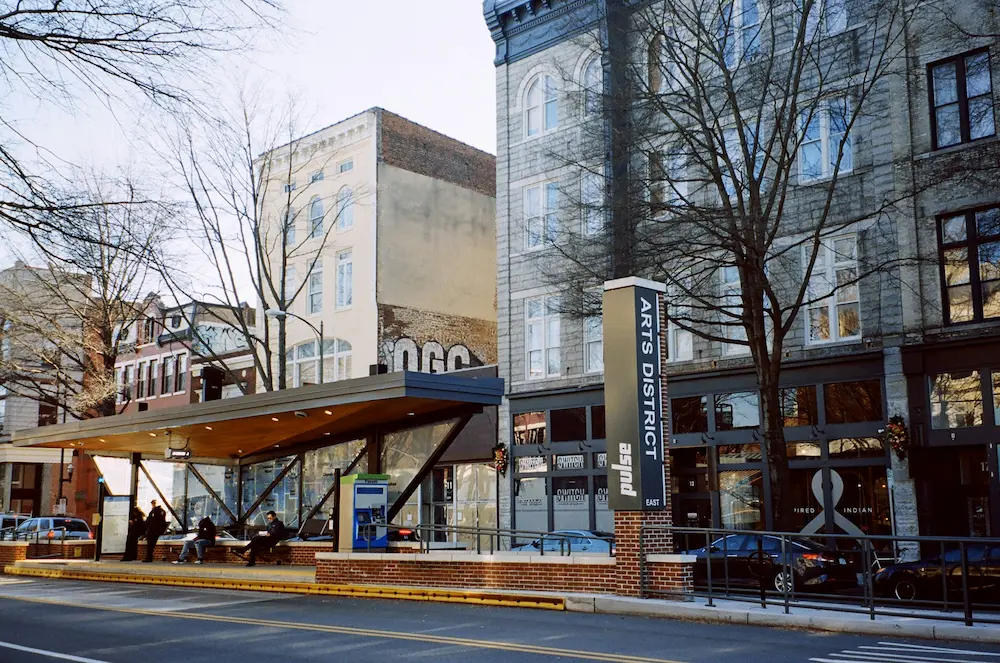
Most people arrive in Virginia with one image in mind: a history-heavy trip to Colonial Williamsburg, or a week at Virginia Beach, and not much else in between. And yes, both of those versions of the trip exist. But did you know that Richmond — Virginia’s capital city — sits within two hours of Shenandoah […]
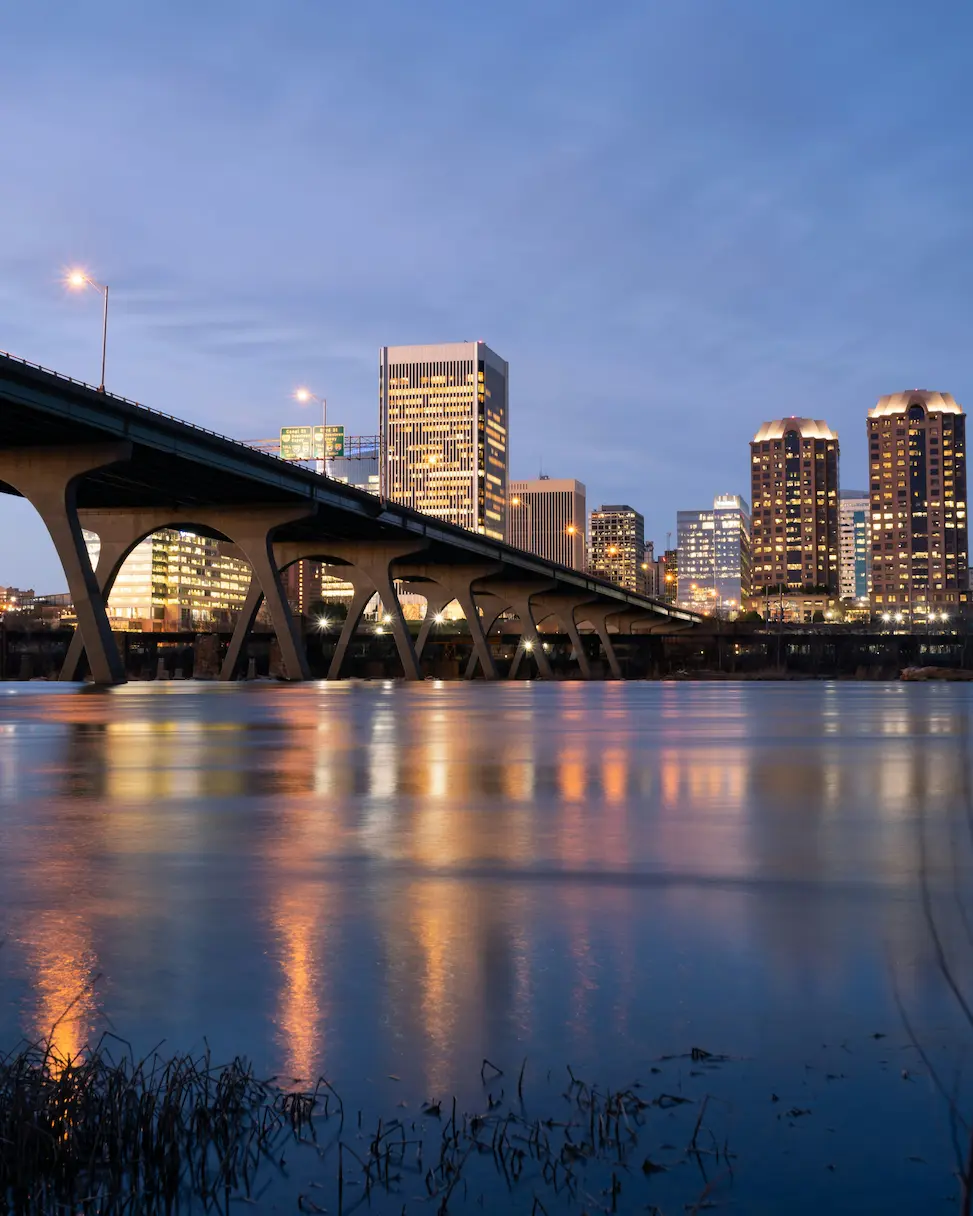
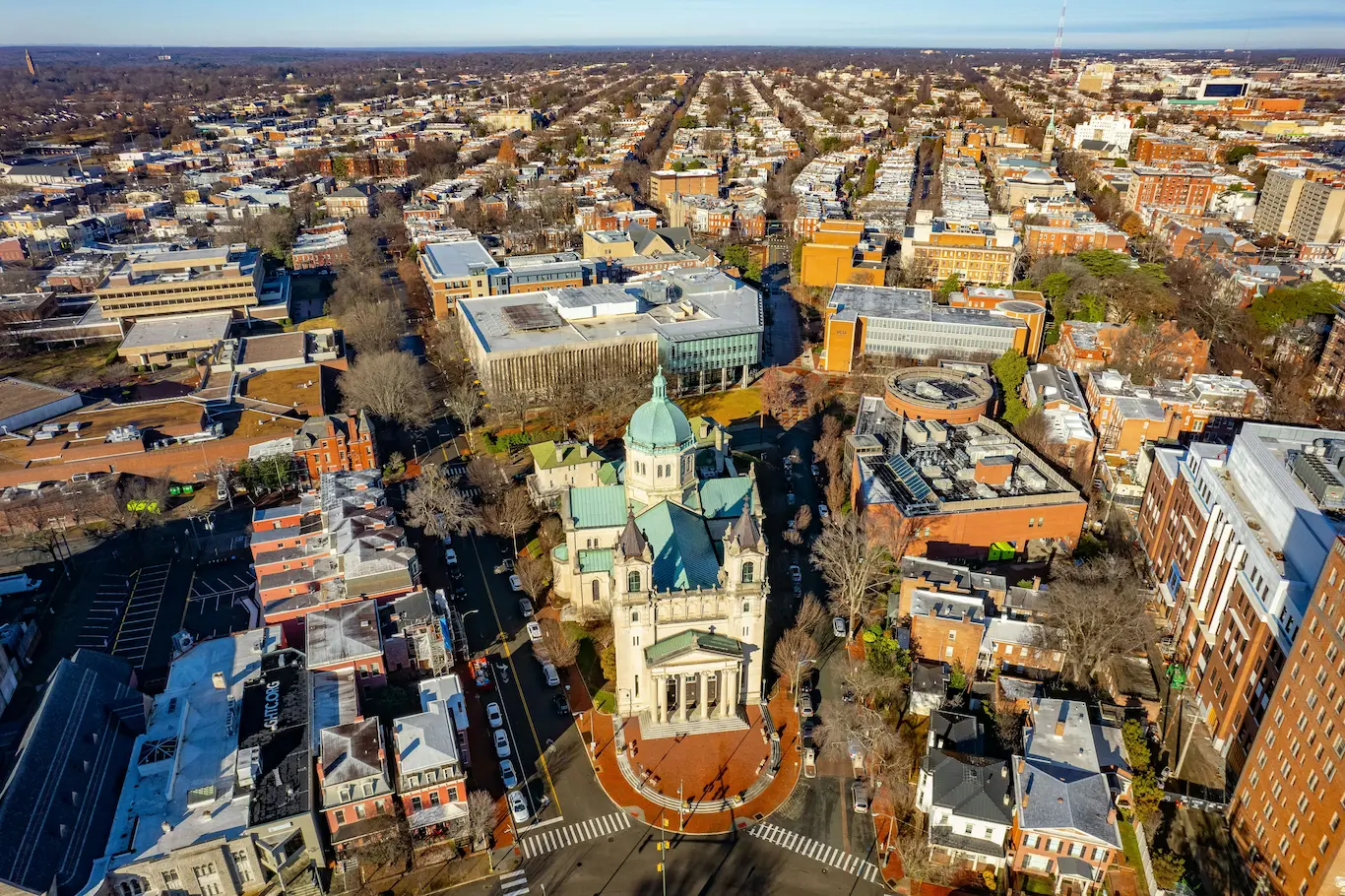
Most people arrive in Virginia with one image in mind: a history-heavy trip to Colonial Williamsburg, or a week at Virginia Beach, and not much else in between. And yes, both of those versions of the trip exist. But did you know that Richmond — Virginia’s capital city — sits within two hours of Shenandoah National Park, Charlottesville, the Blue Ridge Mountains, and the coast? It is one of the most central and underused bases in the state, giving you access to the outdoor, historical, and culinary range of Virginia without paying the premium of a beachfront or mountain resort.
If you stay in Richmond or Charlottesville instead of going straight to a resort area, you land closer to the state’s best independent restaurants, local operators, and the cultural side of Virginia — often at lower accommodation rates than coastal or park-adjacent towns. Most of the best day trips in the state are reachable within two hours from either city. That is why we recommend using one of them as your base, at least for the first part of your stay.
Virginia’s accommodation ranges from state park cabins to city hotels to coastal resorts — the price difference between regions is significant, and comparing before you lock anything in is worth the five minutes. Trip covers all of them in one place and tends to surface deals that are easy to miss when searching region by region.
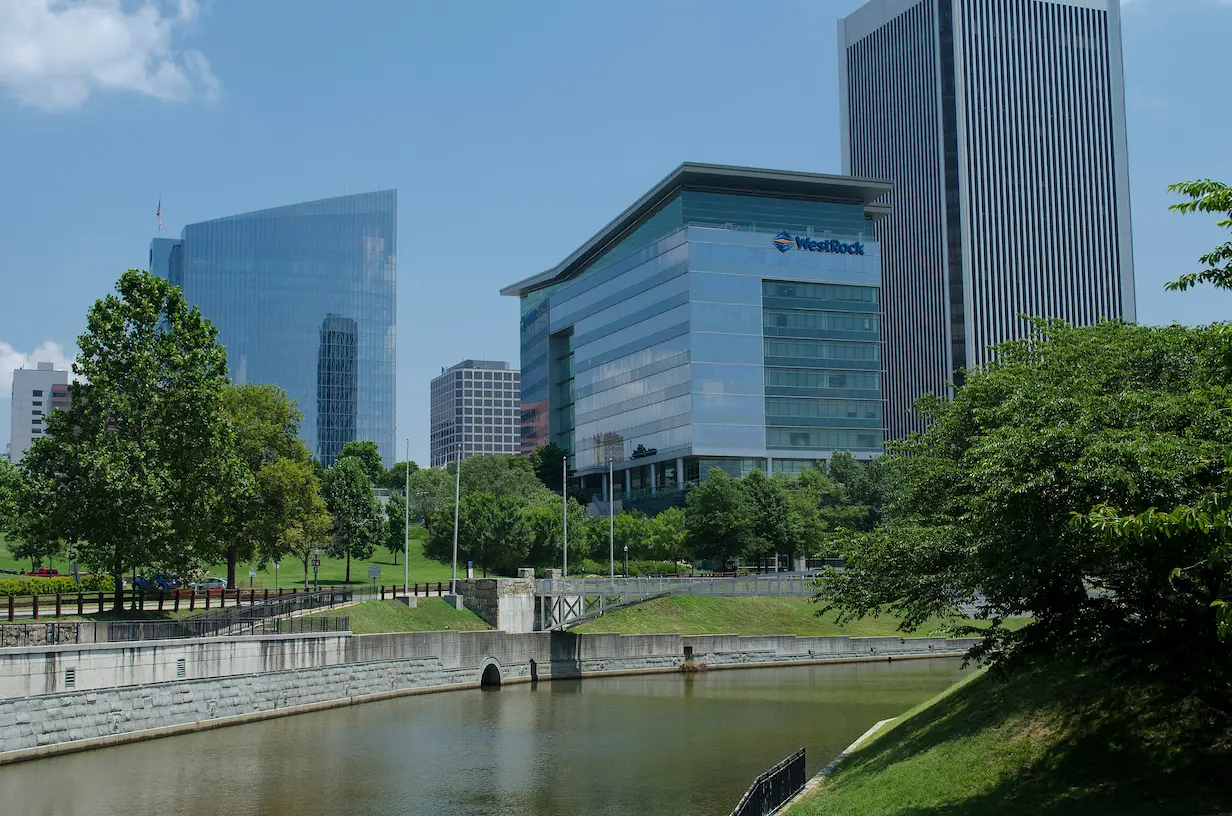
Shenandoah National Park covers more than 200,000 acres of the Blue Ridge Mountains in northern Virginia and is the most visited natural attraction in the state. The park’s only public road, Skyline Drive, runs 105 miles along the crest of the mountains with 75 overlooks and access to more than 500 miles of hiking trails, including a long section of the Appalachian Trail. From Richmond, the southern entrance near Waynesboro is about two hours by car. From Charlottesville, you reach the same entrance in under an hour. The park charges a vehicle entry fee — check the National Park Service website for current pricing before visiting. The most efficient way to use a full day is to enter at one end, drive to a midpoint like Big Meadows, hike for a few hours, and return via the same route — the drive alone, with stops at overlooks, takes most of a day if you let it.
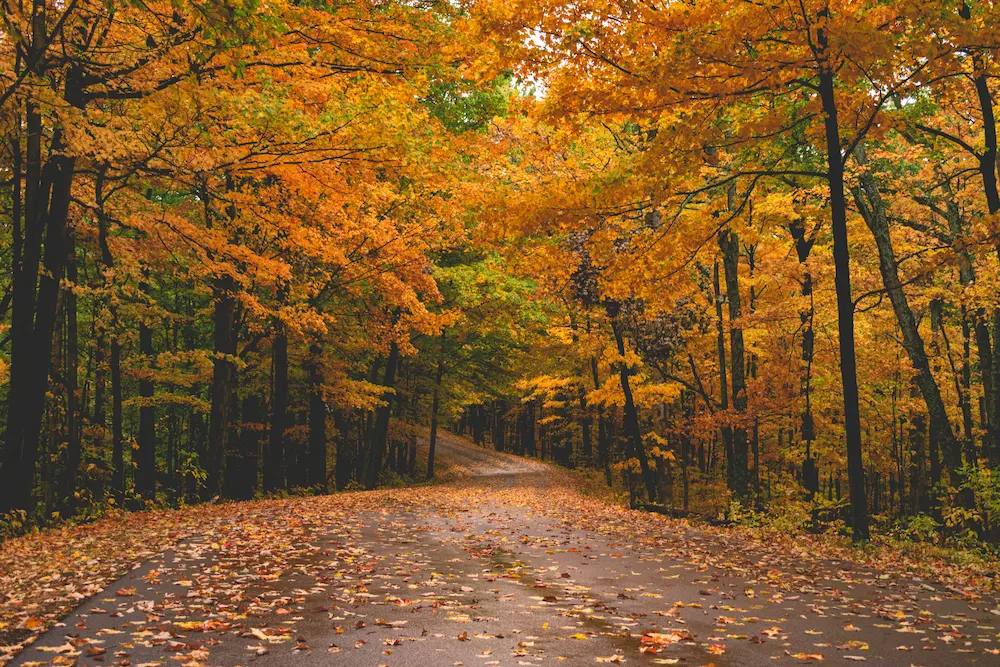
The Blue Ridge Parkway begins at Rockfish Gap in Virginia (where Skyline Drive ends) and runs south 469 miles toward North Carolina. The Virginia section is some of the most scenic driving in the eastern United States. Mabry Mill at milepost 176.2 in Floyd County is the most photographed stop on the entire parkway — a 19th-century gristmill and waterwheel sitting beside a reflective pond, surrounded by Appalachian forest. The restaurant and craft demonstrations run from May through October. The site is free to access. A half-day from Roanoke or a full-day road trip from Richmond covers the best sections comfortably.
Colonial Williamsburg is the world’s largest living history museum — a fully preserved and reconstructed 18th-century town where interpreters in period costume demonstrate colonial trades, political debates, and daily life. It sits at the center of Virginia’s Historic Triangle, flanked by Jamestown (site of the first permanent English settlement in America, 1607) and Yorktown (where the Revolutionary War effectively ended in 1781). The three sites are connected by the Colonial Parkway, a 23-mile scenic road maintained by the National Park Service. Williamsburg is about an hour from Richmond by car and makes a natural full-day trip. Entry tickets for Colonial Williamsburg vary by access level; verify current prices on their official site before visiting.
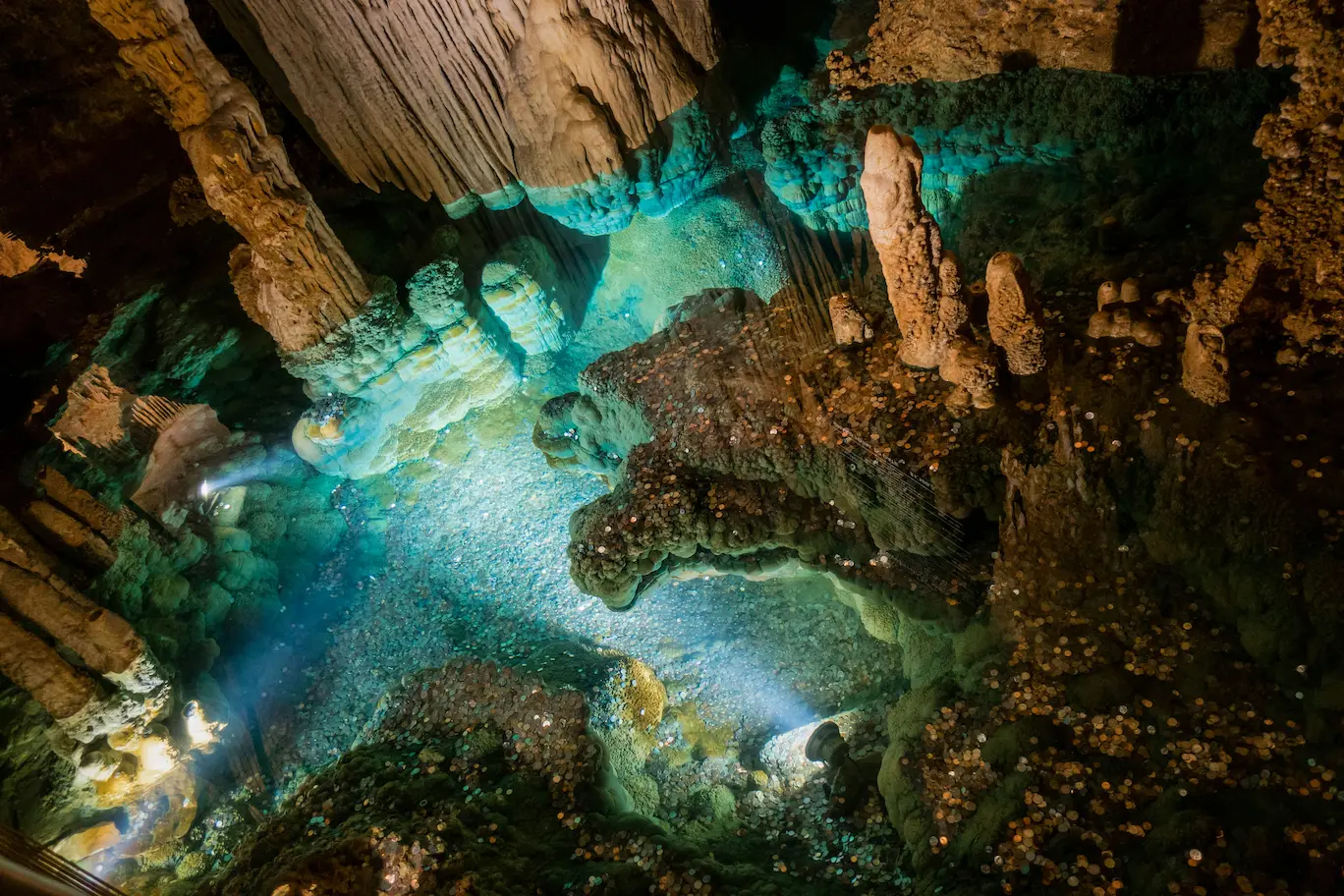
Luray Caverns, in the Shenandoah Valley about two hours from Richmond and 90 minutes from Washington D.C., is the largest cavern system in the eastern United States. The highlight is the Great Stalacpipe Organ — a musical instrument that produces tones by tapping stalactites across 3.5 acres of cave. Tours run continuously throughout the day; the caverns maintain a constant 54°F year-round, making it a practical stop in any season. Admission is charged; verify current pricing before visiting. The surrounding Shenandoah Valley offers additional stops — antique shops in Luray, vineyard tastings in the countryside, and access to Skyline Drive at the Thornton Gap entrance about 15 miles east.
Charlottesville is a walkable university city with a well-developed food and wine scene, a pedestrian Downtown Mall running several blocks through the historic center, and Thomas Jefferson’s Monticello just four miles from town. Monticello is a UNESCO World Heritage Site — Jefferson’s estate is open for guided tours, and the grounds include the house, gardens, orchards, and exhibits on the enslaved community that kept the plantation running. Entry fees apply; book in advance, especially in summer and fall. The Downtown Mall has independent restaurants, local wine bars, and live music venues that make it worth spending an evening in Charlottesville rather than driving back the same day.
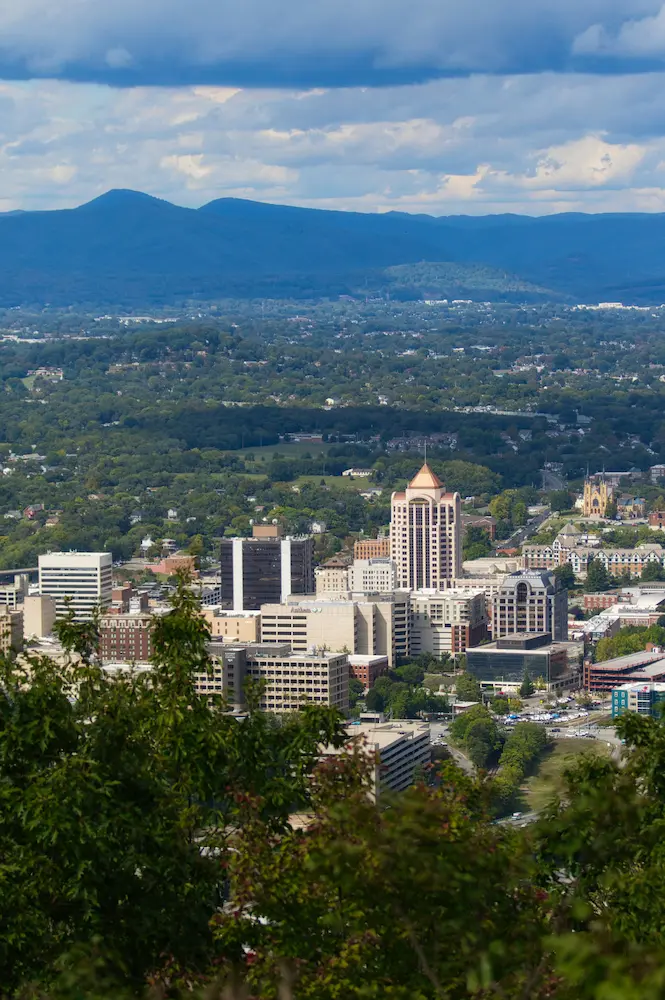
McAfee Knob near Roanoke is the most photographed point on the entire Appalachian Trail. The rocky outcrop at 3,197 feet extends like a shelf over the Catawba Valley, offering a 270-degree panoramic view. The hike from the VA-311 trailhead is approximately 8.8 miles round-trip with about 1,700 feet of elevation gain. No entry fee. A seasonal shuttle runs Fridays through Sundays from March through November ($10 round-trip from the I-81 Exit 140 park-and-ride) because the trailhead parking lot fills early on weekends. Roanoke itself is worth a stop for lunch — the city has a compact downtown with a good restaurant and brewery scene, anchored by the historic Roanoke City Market, one of the oldest continuously operating markets in Virginia.
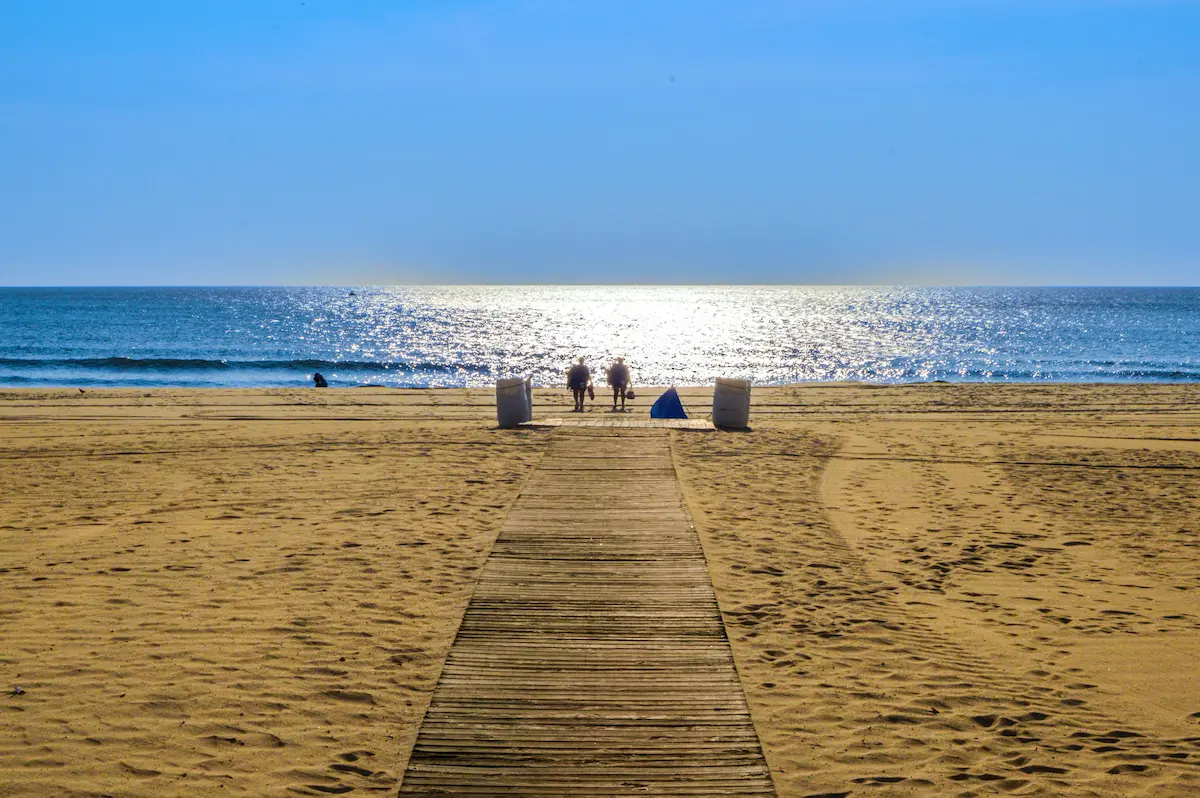
Virginia Beach is the state’s most visited destination and functions as a genuine resort city — 3 miles of oceanfront boardwalk, a full range of water sports, restaurants, and hotels running along the shore. The beach is widest and calmest in the northern section above 40th Street, away from the main resort activity. The boardwalk itself stretches from Rudee Inlet at the south end to 40th Street at the north, with a dedicated bike path running the full length. From Richmond, the drive is about 90 minutes without traffic. The beach is at its fullest and warmest from June through August; shoulder season in May or September gives you the same coast at a fraction of the summer crowd and with noticeably lower hotel rates.
Virginia’s Eastern Shore is a two-hour drive from Richmond through the flat, agricultural land east of the Chesapeake Bay. Chincoteague Island, at the southern end, is the base for accessing Assateague Island National Seashore — a barrier island with undeveloped beaches, salt marshes, and a herd of wild ponies that have lived on the island for centuries. The ponies are most reliably visible from the Wildlife Loop road in the morning and late afternoon. The Assateague Lighthouse, built in 1867, is one of the most photographed landmarks on the mid-Atlantic coast. Refuge entry fees apply for both Chincoteague National Wildlife Refuge and Assateague Island National Seashore — The drive across the Chesapeake Bay Bridge-Tunnel — 17 miles over open water — is itself an experience worth noting before you arrive.
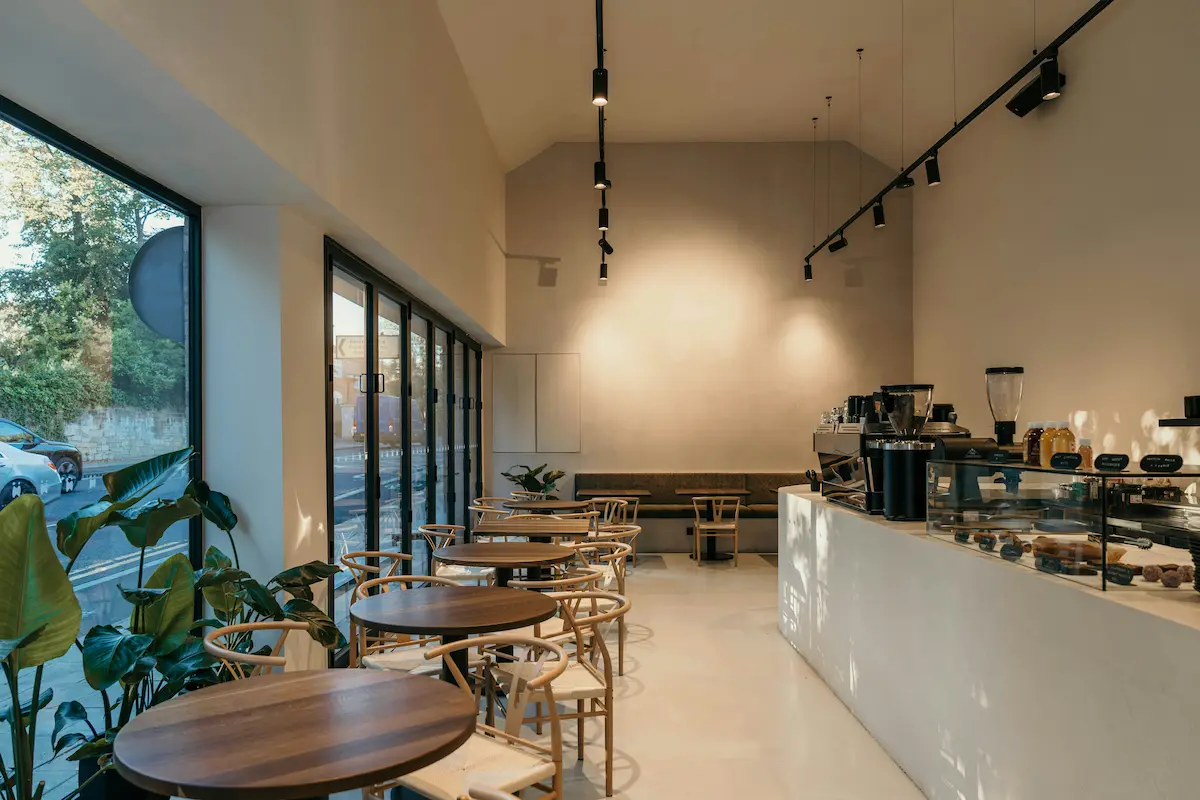
The best local eating in Virginia is not in the resort areas or the hotel corridors. It is in Richmond’s neighborhoods and in the smaller cities that most travelers drive past.
Richmond has become one of the more talked-about food cities on the East Coast. The Scott’s Addition neighborhood is the most concentrated — ZZQ Texas Craft Barbeque brings Texas-style brisket and ribs to a city that was historically pork barbecue territory, and it draws visitors from across the Mid-Atlantic specifically for the food. Alewife in Church Hill focuses on Chesapeake Bay seafood — rockfish, crab, clams — with a menu that reflects what is actually coming out of Virginia’s waters. For a longer-running Richmond institution, Stella’s on Lafayette Street has been serving Greek food since 1983 and remains one of the most consistent restaurants in the city.
For Virginia’s iconic foods specifically, there are a few things worth seeking out by region. Chesapeake Bay oysters are the oldest documented food in the state — English settlers were eating them from the James River in 1607 — and Virginia now produces more than 40 million oysters a year across eight distinct flavor regions. The Rappahannock Restaurant in Richmond serves Olde Salt oysters from the Eastern Shore and is one of the most straightforward ways to try the range. Along the coast, blue crab is the other anchor of the local food culture — steamed, picked by hand, and served at waterfront spots in Hampton Roads and the Eastern Shore from late spring through early winter.
Inland, Smithfield ham is the most distinctly Virginian food tradition. Dry-cured and aged for at least six months, genuine Smithfield ham can only be produced within the city limits of Smithfield in Isle of Wight County — Virginia law defines it. It has a saltier, drier profile than standard smoked ham, and it pairs naturally with the biscuits that appear on menus across the state. Virginia peanut soup — a thick, savory soup with roots in West African cooking, served at Colonial Williamsburg’s King’s Arms Tavern and at a handful of restaurants throughout the historic triangle — is worth trying once if you are in that part of the state.
For food away from the main tourist streets, the same principle applies in Virginia as anywhere: restaurants where the locals eat consistently outperform the ones that depend on foot traffic. In Richmond, moving into neighborhoods like Carytown, Oregon Hill, or the Fan District delivers that version of the city’s food. In Charlottesville, the Downtown Mall restaurants serve a local crowd year-round, which tends to keep quality honest.
Virginia is not only colonial history and beach resorts. Richmond gives you access to a serious food city and a central base for the state’s best day trips. Charlottesville gives you wine country, Monticello, and a walkable city with one foot in the mountains. The Blue Ridge and Shenandoah Valley give you some of the best hiking and scenic driving on the East Coast. The coast gives you wild ponies on Assateague, Chesapeake Bay seafood in the Eastern Shore fishing towns, and three miles of oceanfront boardwalk in Virginia Beach.
Whether you are here for the outdoor adventure, the colonial history, the Appalachian Trail, the food scene in Richmond, or the fall foliage on Skyline Drive — Virginia has a specific version of each. And from Richmond or Charlottesville, most of it is within reach for every type of traveler.