Washington D.C. may sound like a city for school trips and political junkies — but did you know that nearly every major attraction in the city is completely free? The Smithsonian museums, the monuments, the memorials, the national parks, the galleries — none of them charge admission. That changes the entire math of a trip […]
Washington D.C. may sound like a city for school trips and political junkies — but did you know that nearly every major attraction in the city is completely free? The Smithsonian museums, the monuments, the memorials, the national parks, the galleries — none of them charge admission. That changes the entire math of a trip here. You can spend four or five days in one of the most fascinating capitals in the world and put almost your entire budget toward accommodation, food, and getting around.
The key is knowing how to use your time. D.C. looks compact on a map but the distances between neighborhoods add up fast on foot. The Metro covers most of the city efficiently, and a SmarTrip card loaded with credit handles everything from a quick hop between stations to a full day of museum-hopping. Whether you have three days or five, the itineraries below are built around real walking distances, real transit times, and the specific details that make the difference between a trip that works and one that leaves you exhausted by noon.
If you are still looking for where to stay, Trip is worth checking for D.C. rates — prices swing significantly depending on neighborhood and season, and comparing early makes a real difference here.
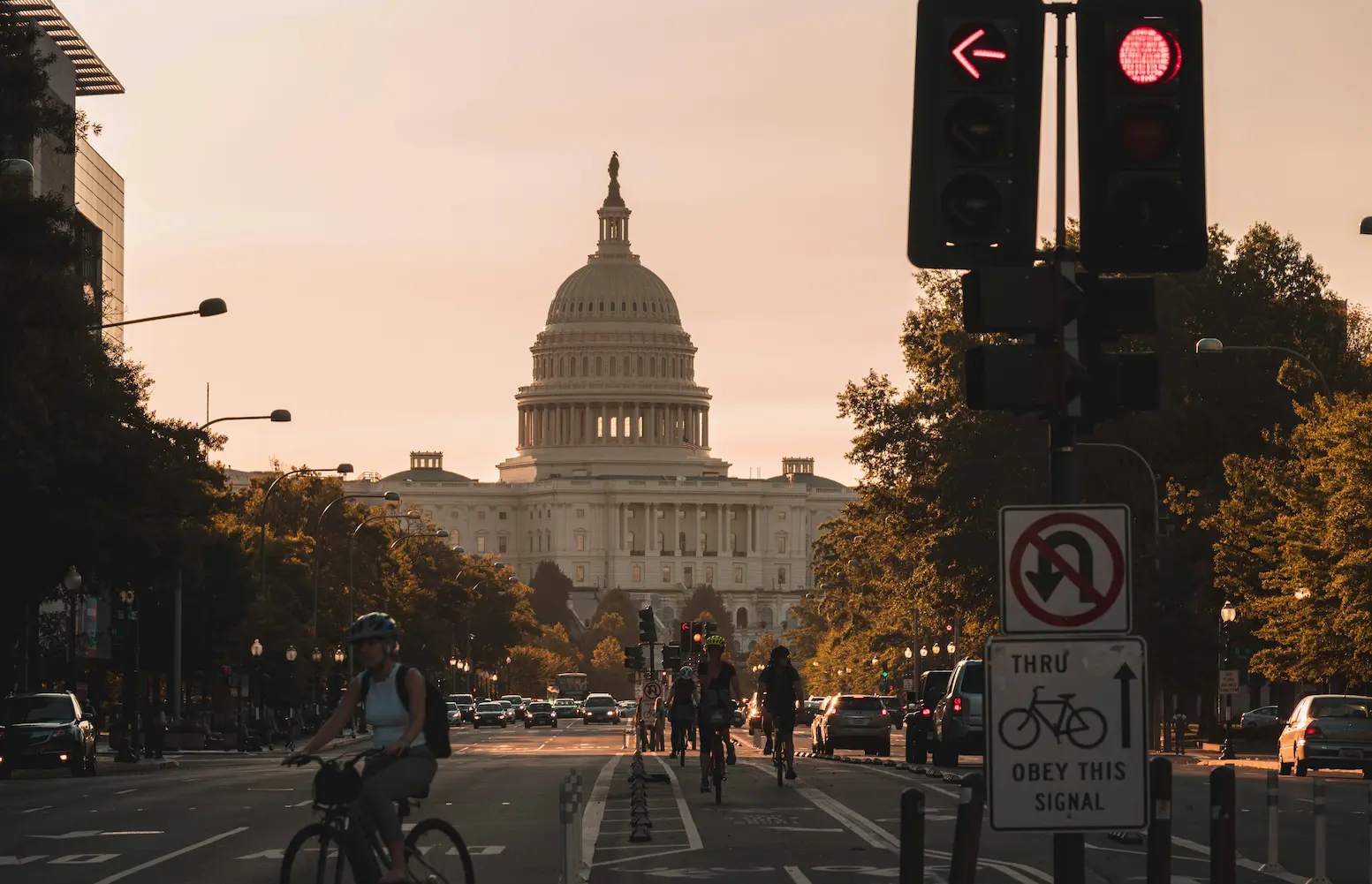
In D.C., where you sleep determines how much energy you have left by 3pm. The National Mall runs nearly two miles from the Capitol to the Lincoln Memorial, and most of the major museums and monuments cluster around it. A hotel within 10 minutes of the Smithsonian or Federal Triangle Metro stations puts you within walking distance of most of it. A hotel in Dupont Circle or Capitol Hill adds a Metro ride each way — not a problem, but worth knowing before you book.
The Metro connects 91 stations across six lines and costs between $2 and $6 per trip depending on distance and time of day. A SmarTrip card costs $10 including $8 in credit and is available at any station kiosk. Most trips within the city center run about $2.25. Taxis and rideshares work well but can be slow in peak hours — the Metro is almost always faster between major sites.
Three days in D.C. is enough to hit the main monuments, see two or three Smithsonian museums properly, and get a feel for at least one neighborhood beyond the Mall. The key is to pick your museums carefully — trying to cover everything in three days means covering nothing well.
Day 1: The Mall and the Monuments
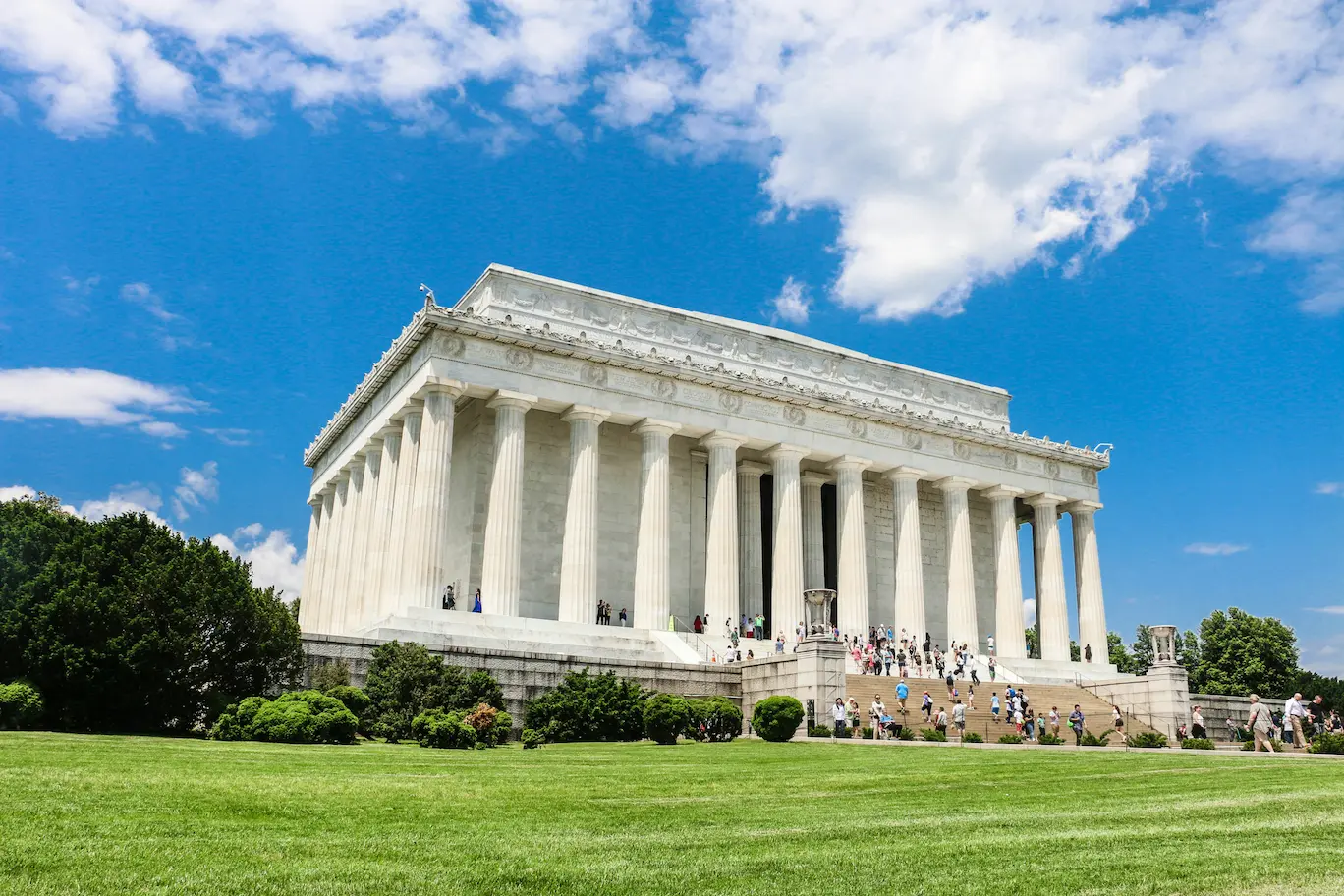
Start at the Lincoln Memorial, which is at the western end of the Mall. Arrive before 9am if possible — the monument faces east, the morning light is good, and the crowds have not yet built. From there, walk east along the north side of the Reflecting Pool past the Vietnam Veterans Memorial and the Korean War Veterans Memorial, both within a five-minute walk of each other. The DC War Memorial sits in the trees between them and gets skipped by almost everyone.
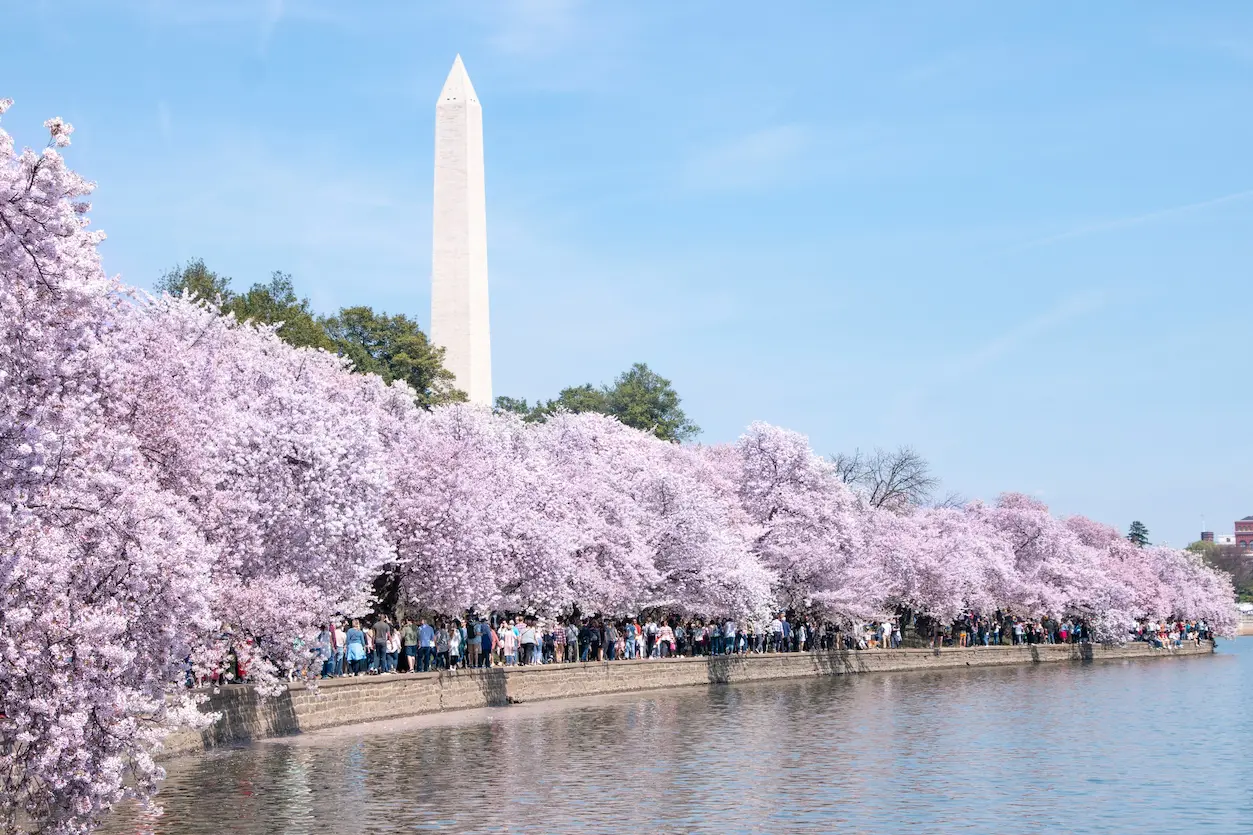
Continue east along the Mall toward the Washington Monument. If you booked your free timed-entry ticket through the National Park Service reservation system in advance, ride the elevator to the top (555 feet, four-state views on a clear day). If not, the grounds are free and the view up at the obelisk is worth a few minutes regardless. From the Monument, the World War II Memorial and the Tidal Basin are both about a 10-minute walk south. The FDR Memorial and MLK Memorial sit directly on the Tidal Basin and connect naturally into a single walk.
By the time you circle back toward the Smithsonian stations, you will have covered about three to four miles on foot and seen the core of the monument circuit. Allow five to six hours for all of it with stops. Nearest Metro stations throughout: Smithsonian and Federal Triangle, both on the Orange, Blue, and Silver Lines.
Day 2: The Smithsonian and the Capitol Hill Area
The Smithsonian museums are free but dense — most visitors try to do three or four in a day and end up doing none of them justice. Pick two. The National Museum of African American History and Culture (NMAAHC) requires a free timed-entry pass booked in advance through the museum’s website — plan this ahead of your trip. If you did, start here and plan at least three hours. The building’s architecture alone is worth time: each floor is lighter in color than the last, the design is intentional, and the permanent collection covering slavery through the present is unlike anything else in the country.
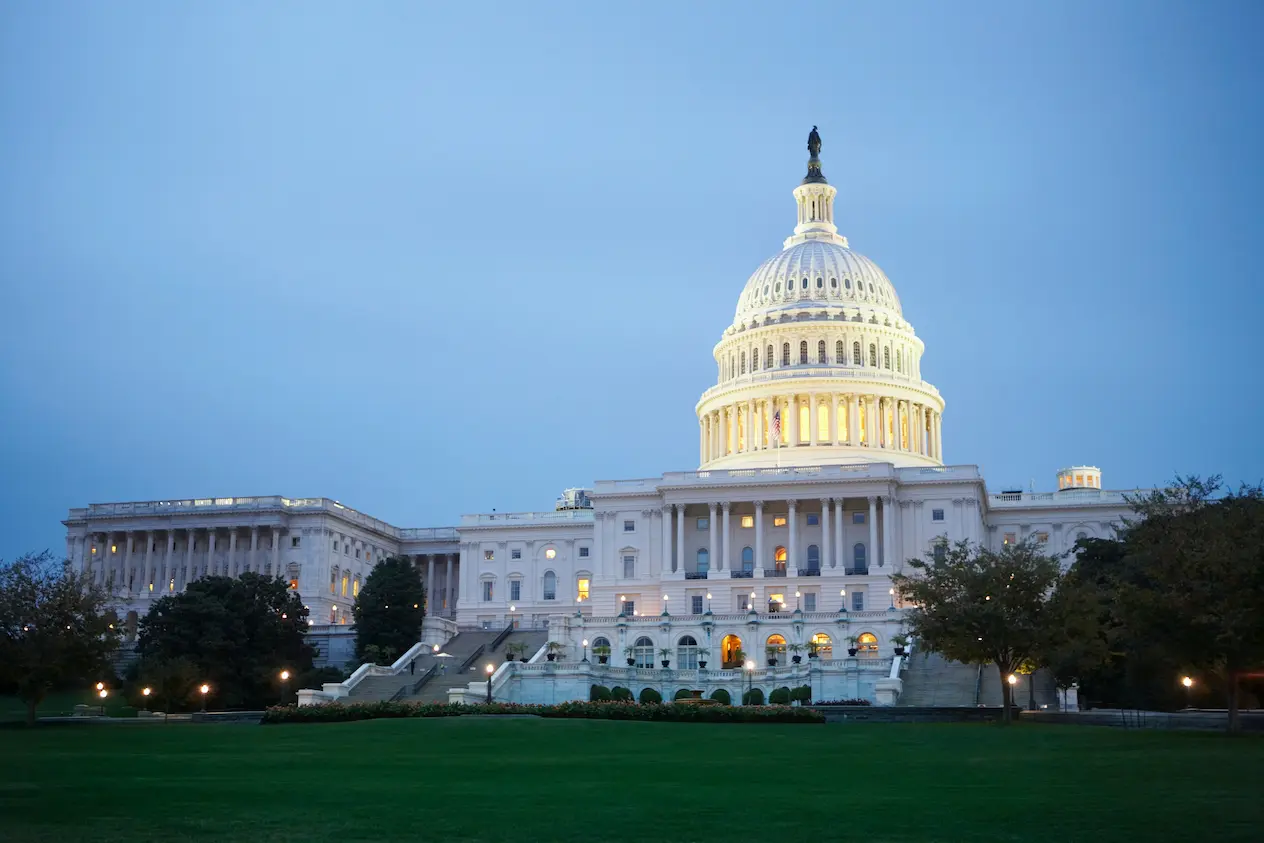
After NMAAHC, walk 10 minutes east along the Mall to the National Museum of Natural History or the National Air and Space Museum depending on your preference. Both are free, both are large — give whichever you choose at least two hours. By late afternoon, walk north from the Mall toward the National Archives on Constitution Avenue (free, with the original Declaration of Independence, Constitution, and Bill of Rights in the Rotunda). From there, the Library of Congress and the Capitol building are both about a 10-minute walk east — the Great Hall of the Jefferson Building is one of the most ornate interiors in the city and takes about 30 minutes to walk.
Day 3: Georgetown, Dupont Circle, or Eastern Market
Use the third day to get off the Mall entirely. Georgetown is about a 20-minute walk or short bus ride from the Foggy Bottom Metro station (Blue/Orange/Silver Lines). The waterfront park along the Potomac is free and open, the C&O Canal towpath runs northwest from the boathouse at Fletcher’s Cove, and M Street has some of the best café and restaurant options in the city for a midday break.
Alternatively, if you are staying near Capitol Hill, spend the morning at Eastern Market (open Tuesday through Sunday, with the outdoor arts and flea market running Saturday and Sunday 9am–4pm) and the afternoon walking the neighborhood’s tree-lined streets and Lincoln Park. The National Zoo, about two miles north of the Mall in Rock Creek Park, is also free and works well as a half-day option with kids if you have a Metro pass handy (Woodley Park–Zoo station, Red Line, about 15 minutes from the Mall).
Five days gives you room to do the Mall properly, explore two or three neighborhoods in depth, and include a few of the spots most visitors never get to.
Day 1: Monuments and Memorials (same as three-day Day 1, but slower)
Use the extra time to actually read the inscriptions. The Lincoln Memorial’s Second Inaugural Address is carved into the wall and worth reading in full. The Vietnam Memorial Wall names are organized by date of death, not alphabetically — walk the full length from one end. Add the FDR Memorial on the Tidal Basin, which most three-day visitors skip. Allow a full day and end with the monuments after dark when the lighting changes and the crowds thin.
Day 2: NMAAHC and Penn Quarter
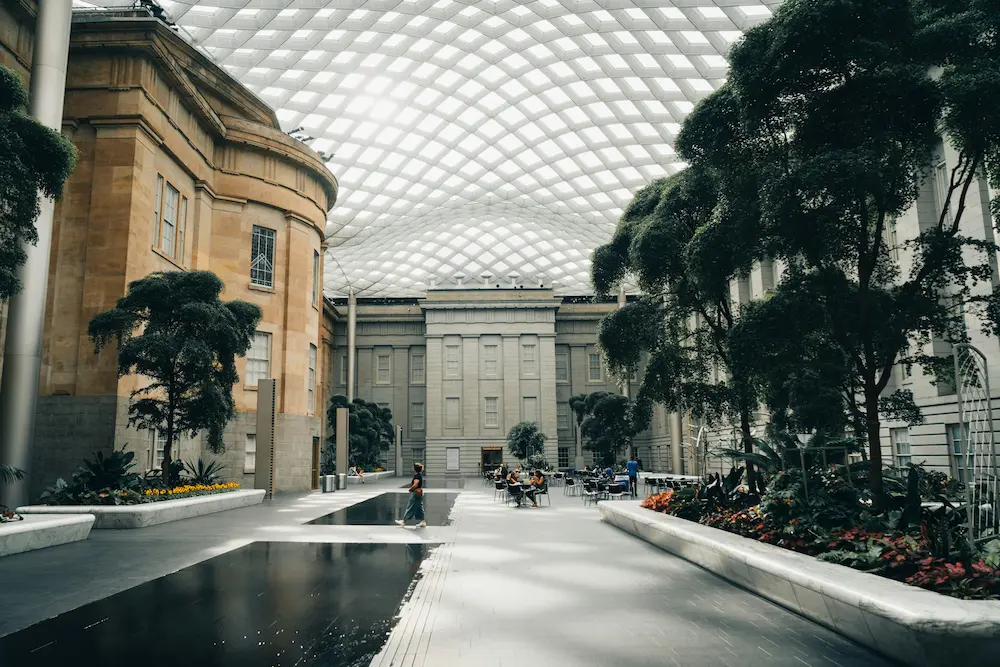
Book your NMAAHC timed-entry pass for the morning and plan the full three hours. In the afternoon, walk north to Penn Quarter — the National Portrait Gallery and American Art Museum share a building (free, striking 1836 architecture, the Obama portraits draw lines but move quickly), and the National Building Museum nearby has one of the most impressive interior spaces in the city for a building almost no one visits. The International Spy Museum at L’Enfant Plaza charges approximately $25 for adults but is worth it if you have an afternoon free — allow two to three hours.
Day 3: Capitol Hill, the Library of Congress, and Eastern Market
Start at the Capitol grounds in the morning (free to walk, tours of the interior are available by prior arrangement through your Congressional representative’s office at no charge). Walk to the Library of Congress on First Street SE — the Great Hall viewing gallery is open to everyone and takes 30 minutes. Then walk to the National Archives on Constitution Avenue — the Rotunda with the founding documents is the main event, and booking a timed entry through the Archives website in advance reduces wait times significantly in peak season. Finish the afternoon at Eastern Market, about a 10-minute walk from the Capitol, for the outdoor market and the café scene on Barracks Row along Eighth Street SE.
Day 4: Rock Creek Park and the National Zoo
Take the Red Line to Woodley Park–Zoo and spend the morning at the Smithsonian’s National Zoo (free, 163 acres, hilly terrain — wear comfortable shoes). In the afternoon, walk downhill into Rock Creek Park via the valley trails that run along the creek itself. The park has 32 miles of trails and most visitors never enter it despite it running through the middle of the city. The stretch between the Zoo and the Nature Center is flat enough to be manageable on a casual afternoon. Come back toward Woodley Park station for dinner — the restaurants around Connecticut Avenue NW in Cleveland Park and Woodley Park are some of the most approachable in the city for a neighborhood meal.
Day 5: Georgetown, the National Arboretum, or a Neighborhood
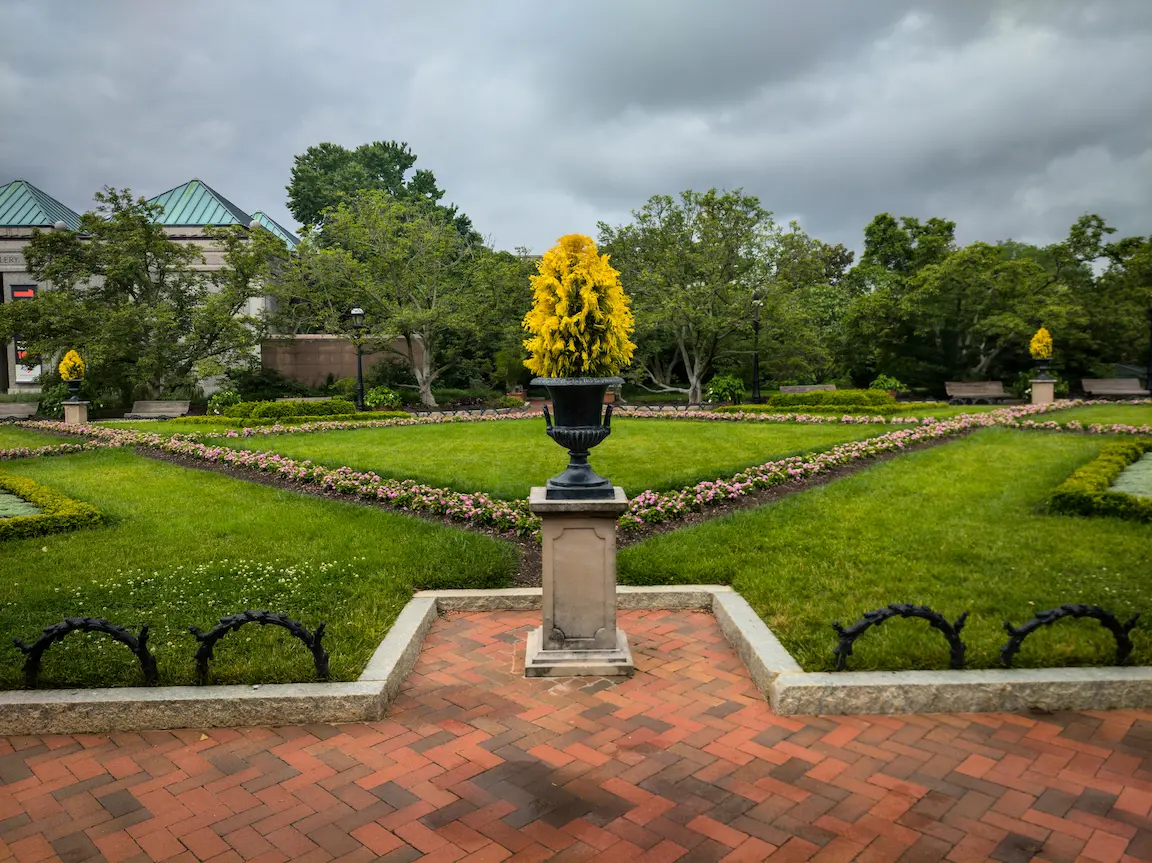
Use the final day to pick one thing off the list that fell away. Georgetown on foot — waterfront park, M Street, Dumbarton Oaks Gardens (free with advance reservation, open afternoons from March through October) — works well as a final slow morning. The National Arboretum in Northeast D.C. is free and takes about two hours to walk; the 22 original Capitol columns standing in an open meadow are one of the stranger and more striking sights in the city. Or spend the day in the U Street Corridor — Duke Ellington’s neighborhood, the Howard Theatre, and some of the best food options in the city within a few blocks of the Metro station (U Street/African-American Civil War Memorial/Cardozo, Green/Yellow Lines).
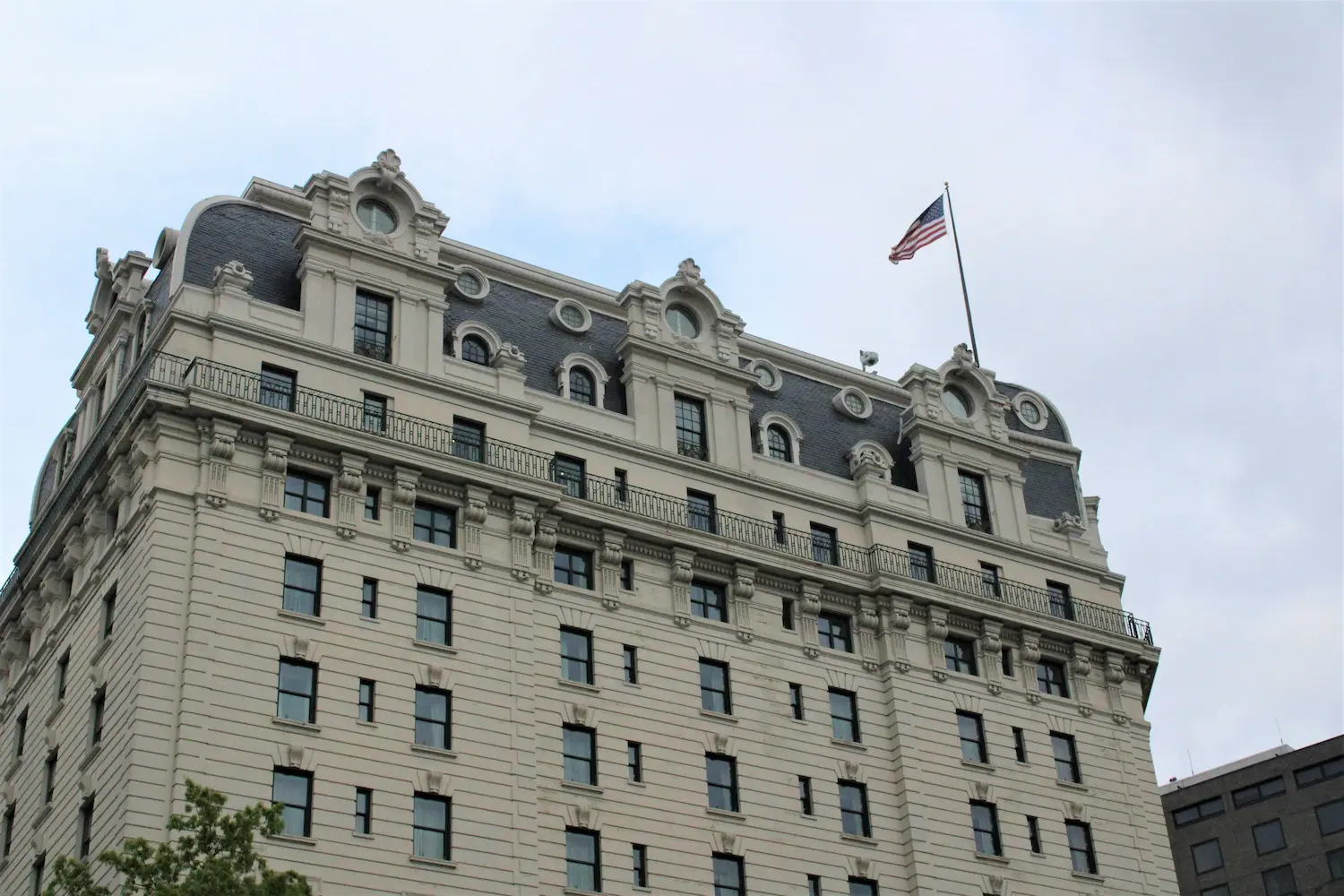
Prices below are approximate starting rates for a standard room in shoulder season and will vary significantly by date, day of week, and how far in advance you book. Always verify current pricing before booking.
Budget Options (approximately $100–$200/night in shoulder season)
1- Holiday Inn Washington Capitol — National Mall One of the best-located budget options in the city. The hotel sits three blocks from the National Mall on C Street SW, within walking distance of the National Air and Space Museum, the Holocaust Museum, and the Capitol building. The nearest Metro is L’Enfant Plaza, about a 10-minute walk, connecting the Blue, Orange, Silver, Green, and Yellow Lines — useful for getting almost anywhere. Rooms are straightforward, the building has a seasonal rooftop pool, and the on-site Starbucks handles breakfast without fuss. Starting rates from approximately $100–$160/night depending on season.
2- citizenM Washington DC Capitol At 550 School Street SW, this is one of the smartest budget-to-mid-range options near the Mall. Rooms are compact but well-designed — XL king bed, rain shower, iPad room controls, streaming TV — and the 12th-floor rooftop bar has some of the better views of the Capitol available at any price point. L’Enfant Plaza Metro is less than five minutes on foot. The National Air and Space Museum is about a 10-minute walk. Starting from approximately $100–$130/night in low season, higher during spring and fall peaks.
3- Hyatt Place Washington D.C./National Mall On D Street SW, directly adjacent to the Mall footprint, with the Air and Space Museum essentially across the street. The hotel has an outdoor pool, a gym, and a casual breakfast setup. No surprises — clean, modern, functional, and the location is genuinely one of the best in this price bracket for Mall access. Starting from approximately $150–$180/night.
4- Washington Marriott at Metro Center At 775 12th Street NW, this one puts you at the intersection of the Red and Blue/Orange/Silver Lines — Metro Center is one of the most connected stations in the system and gives you direct access to virtually every major site without transferring. The Capitol, the White House, and the National Mall are all within a 15-minute walk. This is the hotel for people who want flexibility and central access over neighborhood character. Starting from approximately $150–$200/night.
5- Arlo Washington DC On H Street NW near the Convention Center and Penn Quarter, the Arlo is a well-regarded mid-range option with a rooftop pool and views of the city skyline. Gallery Place–Chinatown Metro is about a 5-minute walk (Red, Yellow, and Green Lines). The National Portrait Gallery and the International Spy Museum are both within 10 minutes on foot. A good base for people interested in the Penn Quarter and Capitol Hill neighborhoods. Starting from approximately $130–$170/night.
Luxury Options (approximately $250–$500+/night)
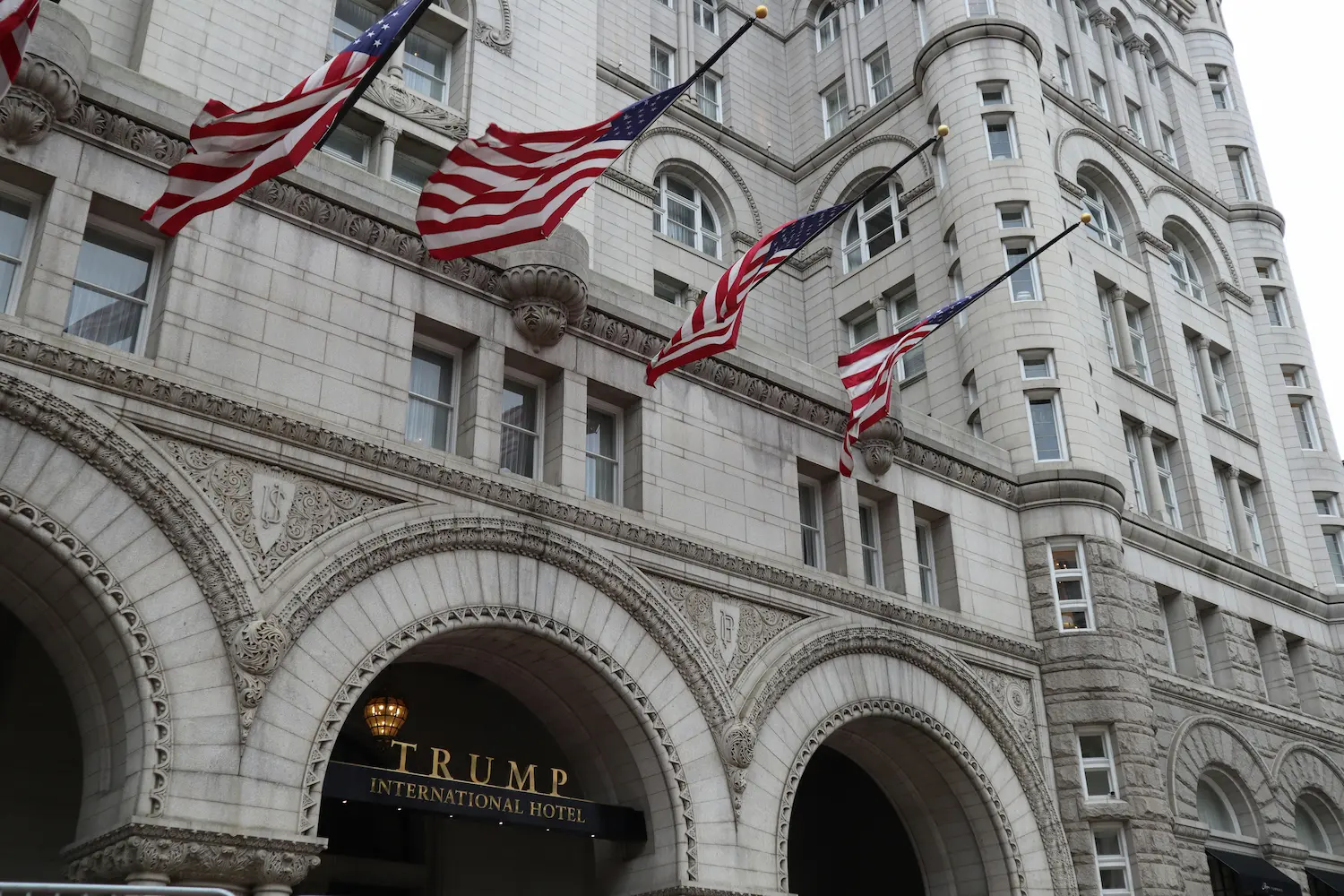
6- Riggs Washington DC In the former Riggs National Bank building at 9th and F Street NW, Penn Quarter. One of the more genuinely interesting hotel spaces in the city — 181 individually designed rooms inside a Richardson Romanesque landmark from 1891, with a cocktail bar in the original bank vault (Silver Lyan) and a French-American brasserie at ground level (Café Riggs). Gallery Place–Chinatown Metro is about a 5-minute walk. The Smithsonian American Art Museum is within 10 minutes on foot. Starting from approximately $200–$350/night.
7- The Watergate Hotel At 2650 Virginia Avenue NW in Foggy Bottom, next to the Kennedy Center and a short walk from Georgetown. The 336-room hotel occupies the iconic curved building at the edge of the Potomac — the same complex where the 1972 break-in took place. Rooms have river or city views, the spa includes an indoor pool, sauna, and steam room, and the Top of the Gate rooftop bar has 360-degree views of the city. The Lincoln Memorial is about a mile away on foot. Foggy Bottom–GWU Metro (Blue/Orange/Silver Lines) is about a 15-minute walk. Starting from approximately $250–$400/night.
8- The Kimpton Hotel Monaco Washington DC At 700 F Street NW in Penn Quarter. Boutique luxury with distinctive historic character — marble columns, high ceilings, and 184 individually designed rooms. The bar has an outdoor patio that is one of the better spots in Penn Quarter for an evening drink. Gallery Place–Chinatown Metro is two blocks away. The National Portrait Gallery is across the street. Starting from approximately $180–$350/night.
9- Waldorf Astoria Washington DC At 818 Connecticut Avenue NW, close to the White House and Farragut Square. Farragut West and Farragut North Metro stations are both within a five-minute walk, giving access to both the Blue/Orange/Silver and Red Lines. The White House is two blocks away. The Mall is about a 20-minute walk. Starting from approximately $400–$600/night, positioning this clearly at the top of the luxury bracket.
10- Pendry Washington DC — The Wharf On the Potomac waterfront at The Wharf development, about a mile south of the Mall. This is the right hotel for people who want the waterfront restaurant and bar scene as much as the monuments — The Wharf has consistent options for dinner and live music that most of the Mall-adjacent hotels do not. Waterfront Metro (Green Line) is about a 10-minute walk. The Mall is a 15-minute bike ride or 20-minute walk. The hotel has a rooftop pool and the rooms with river views are the main draw. Starting from approximately $350–$500/night.
The two reservations that matter most — and both are free — are your NMAAHC timed-entry pass and your Washington Monument tickets. Both are released through the National Park Service and museum websites on a rolling basis. NMAAHC passes are available through the museum’s own site and book out weeks ahead in spring and fall. Washington Monument tickets release 30 days in advance through the National Park Service reservation system and sell out within hours in peak season. Book both as early as your dates are confirmed.
For getting around, the Metro is almost always faster than driving or ridesharing between major sites. A SmarTrip card handles all fare payments and costs $10 at any station kiosk, including $8 in pre-loaded credit. Most trips within the core of the city run around $2.25 each way.
The city’s layout can be confusing at first. D.C. is divided into four quadrants — NW, NE, SW, SE — with the Capitol at the center. Streets run in a grid interrupted by diagonal avenues named after states. If you know which Metro station you are heading to, navigation takes care of itself.
Washington D.C. has one of the most generous deals of any major city in the world: most of its best experiences cost nothing. The work is in using your time well — knowing which museums to book in advance, understanding that the Mall is longer than it looks, and having a neighborhood or two lined up for the moments when you want to step away from the monuments entirely. Three days gives you the core. Five days gives you the city.