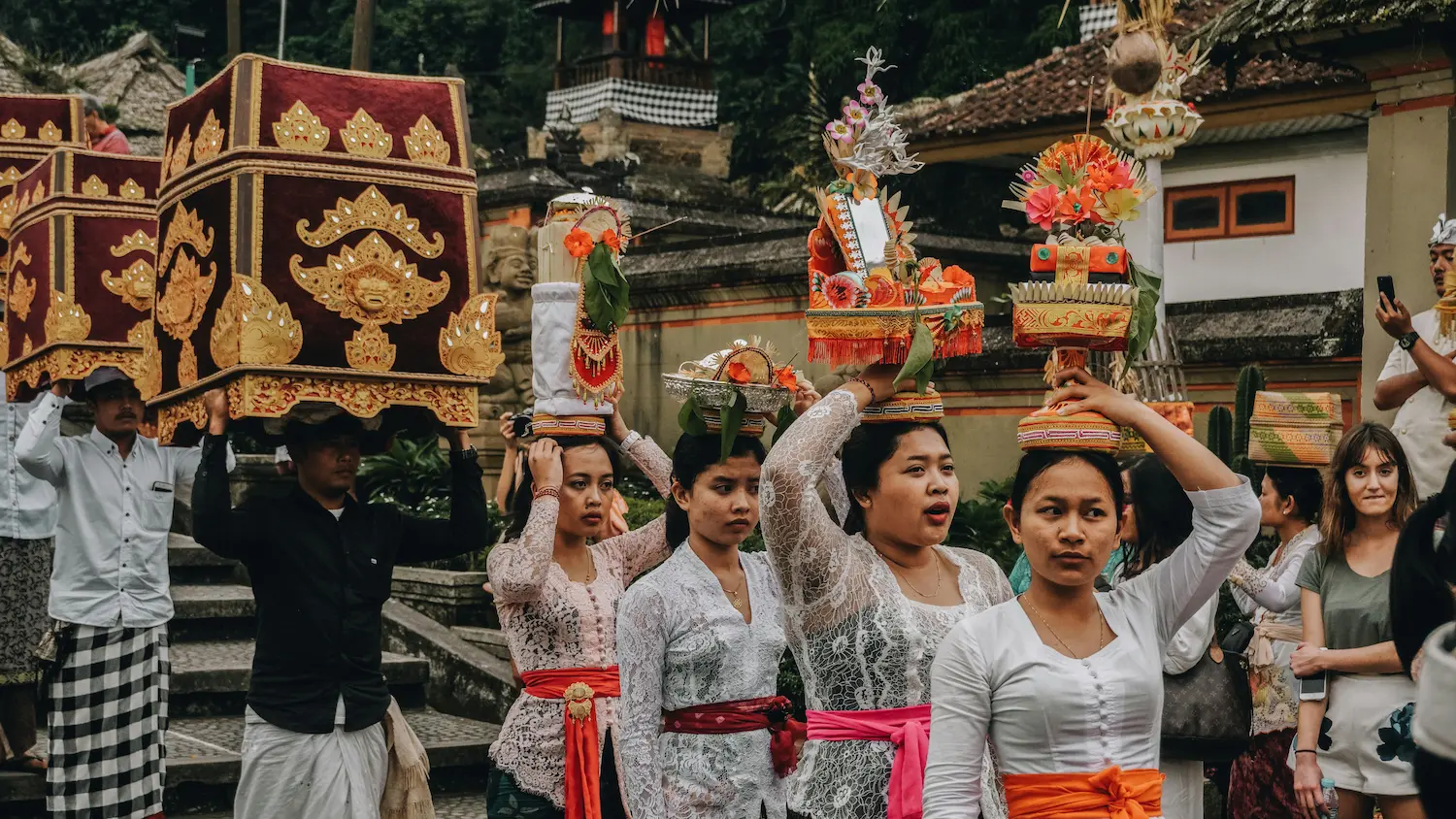
Is Bali Still Worth Visiting — or Has It Become Too Crowded to Bother? That is the question a lot of travelers are quietly asking. The short answer is yes — but the Bali worth visiting in 2025 is not the one you find by following the most-tagged locations on social media. The island has […]
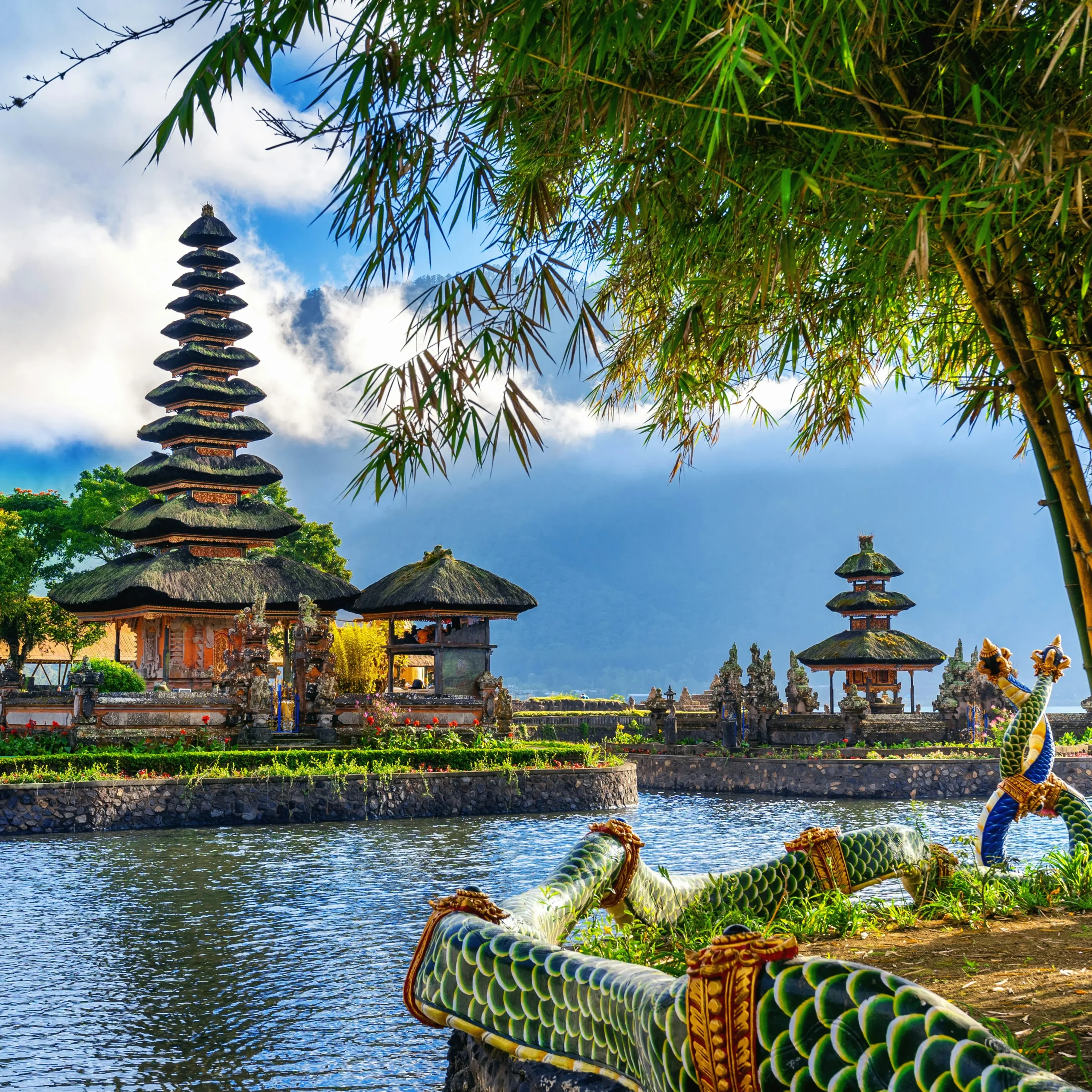
That is the question a lot of travelers are quietly asking. The short answer is yes — but the Bali worth visiting in 2025 is not the one you find by following the most-tagged locations on social media. The island has become genuinely overcrowded in certain pockets, and if you land in Kuta in peak season without a plan, you may spend more time in traffic than anywhere else. But Bali is a big, varied island, and most of the crowds concentrate in a surprisingly small area. The cultural sites, the east coast, the north, the quieter inland routes — these are largely untouched by the volume that has turned parts of Seminyak and Canggu into a permanent gridlock. Knowing which region fits your trip, traveling in May, June or September, and getting even slightly off the main tourist corridor makes an enormous difference. The island rewards the traveler who puts in a little thought before arriving.
If you are still sorting out accommodation, Super often has strong rates across all regions of Bali — from guesthouses in Ubud to villas in Uluwatu — and it is worth a look before you commit anywhere.
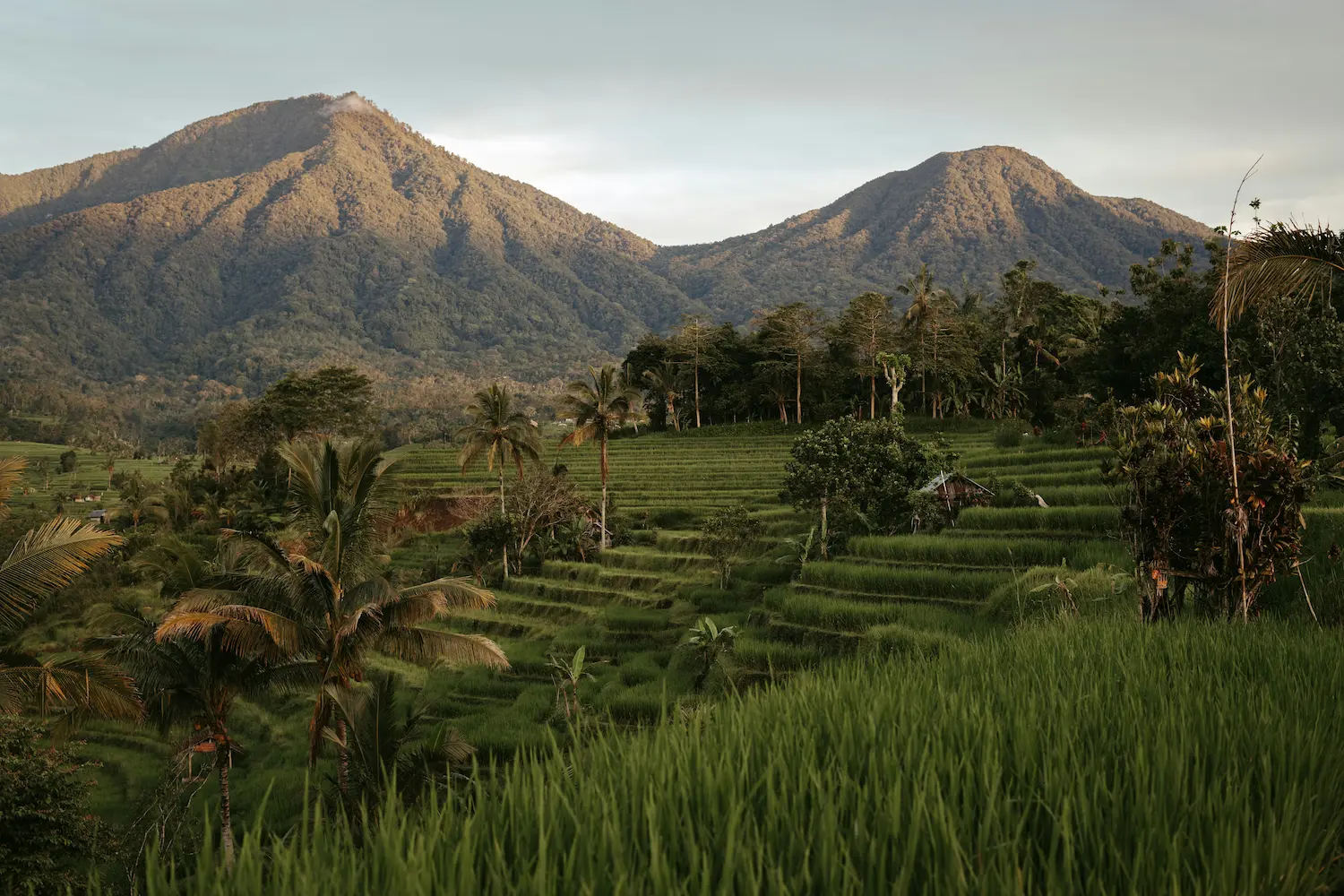
Bali is not one destination — it is several, each with a genuinely different feel. Getting this decision right before you book accommodation saves you a lot of unnecessary travel.
Ubud sits roughly in the center of the island, surrounded by rice terraces and jungle, and it is the cultural heart of Bali. The town center is walkable — Ubud Palace, the market and the Monkey Forest are all within easy reach on foot. It is the right base if you are prioritizing temples, traditional dance, cooking classes, wellness and nature over beach time. Plan for approximately 1.5 hours from the airport through heavy traffic.
Seminyak is Bali’s most developed beach town: luxury villas, beach clubs, boutique shopping and a long stretch of beach with reliable sunsets. Jalan Oberoi, known locally as Eat Street, runs through the middle and mixes local warungs with international restaurants. It is the most practical base for first-time visitors who want infrastructure close at hand.
Canggu sits just north of Seminyak and has a noticeably different energy — more relaxed, younger, built around surf breaks and independent coffee shops rather than beach clubs. Echo Beach and Batu Bolong are the main spots. Rice paddies still appear between cafes and co-working spaces, though that is changing fast. Jalan Batu Bolong is the main strip for food and coffee.
Uluwatu is Bali’s southwestern tip — a clifftop limestone peninsula with dramatic ocean views, some of the best reef breaks in Southeast Asia at Uluwatu, Padang Padang and Bingin, and some of the best-positioned villas on the island. It is more spread out than the southern beach towns, so a scooter or hired car is not optional here — it is necessary.
Amed is a quiet fishing village on the northeast coast with black sand beaches, excellent diving and almost no nightlife. It is approximately 2.5 to 3 hours from Seminyak and is best treated as an overnight destination rather than a day trip. The Tulamben wreck dive is nearby, and the overall pace is slower than anywhere else on this list.
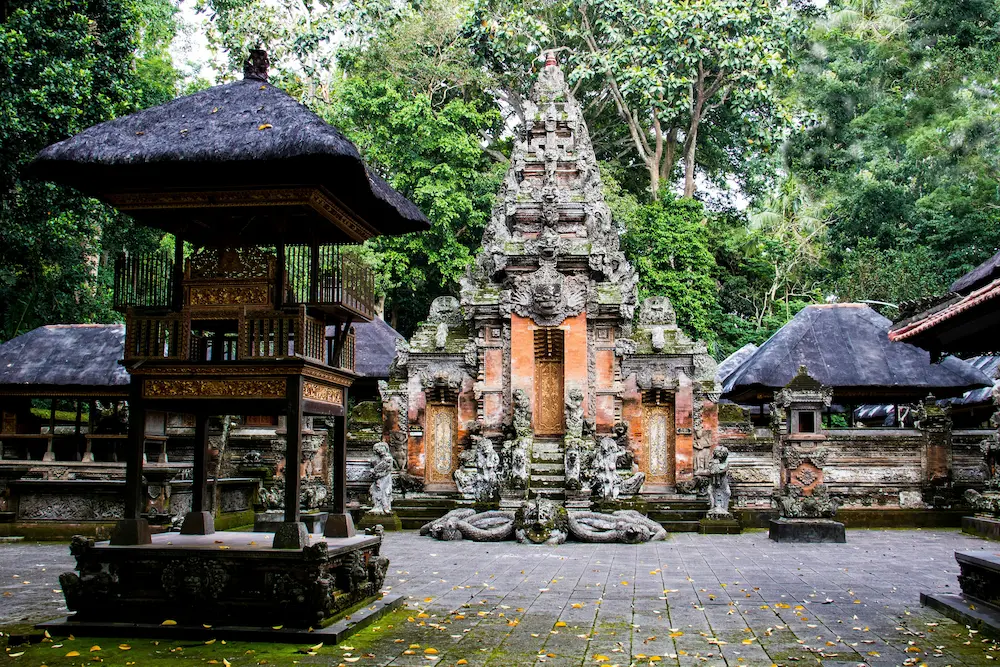
Bali is the only Hindu-majority region in Indonesia, and that shapes everything — the architecture, the ceremonies, the daily life. The temple network is extensive, and these are the sites that genuinely earn the visit.
Pura Luhur Uluwatu is one of Bali’s six directional temples, perched on a 70-meter cliff above the Indian Ocean. Entry is approximately 50,000 IDR (around $3), with a sarong and sash provided at the entrance. The Kecak fire dance performed at sunset on the clifftop stage costs approximately 150,000 IDR ($10) and is one of the most atmospheric cultural performances in Southeast Asia — 50 to 100 performers chanting in rhythmic unison around a fire, no musical instruments, the ocean behind them. One important note: long-tailed macaques live in the temple grounds. Do not carry food, sunglasses or loose items — they will take them.
Tanah Lot is the temple built on a sea rock offshore and the most photographed image in Bali. Entry is approximately 75,000 IDR (around $5). At low tide it is accessible on foot; at high tide it sits surrounded by water. The interior is open only to Hindu worshippers, but the rock and surrounding grounds are open to all visitors. If you are going at sunset, arrive 30 to 45 minutes before the sun drops — it fills up fast.
Tirta Empul, in Tampaksiring about 30 minutes north of Ubud, is a sacred spring temple where Hindu Balinese pilgrims come for ritual purification bathing. Entry is approximately 75,000 IDR (around $5). Visitors can observe from designated areas but respectful behavior is not optional here — this is an active place of worship, not a tourist attraction with religious scenery.
Pura Besakih, the Mother Temple, is the largest and most sacred temple complex in Bali, sitting on the slopes of Mount Agung at around 1,000 meters. Entry is approximately 60,000 IDR ($4) and the complex contains over 80 individual temples — allow at least two hours. Independent guides at the entrance are persistent. If you want one, agree on a fee before you start — approximately 100,000 to 150,000 IDR is the going rate.
Gunung Kawi is an 11th-century complex with royal tombs carved directly into a rock cliff above the Pakerisan River, roughly 30 minutes north of Ubud. Entry is approximately 50,000 IDR ($3). You descend about 300 steps to reach the main carvings. Few tour groups make it this far, and the site is genuinely impressive — wide carved niches cut into the cliff face, river below, jungle all around.
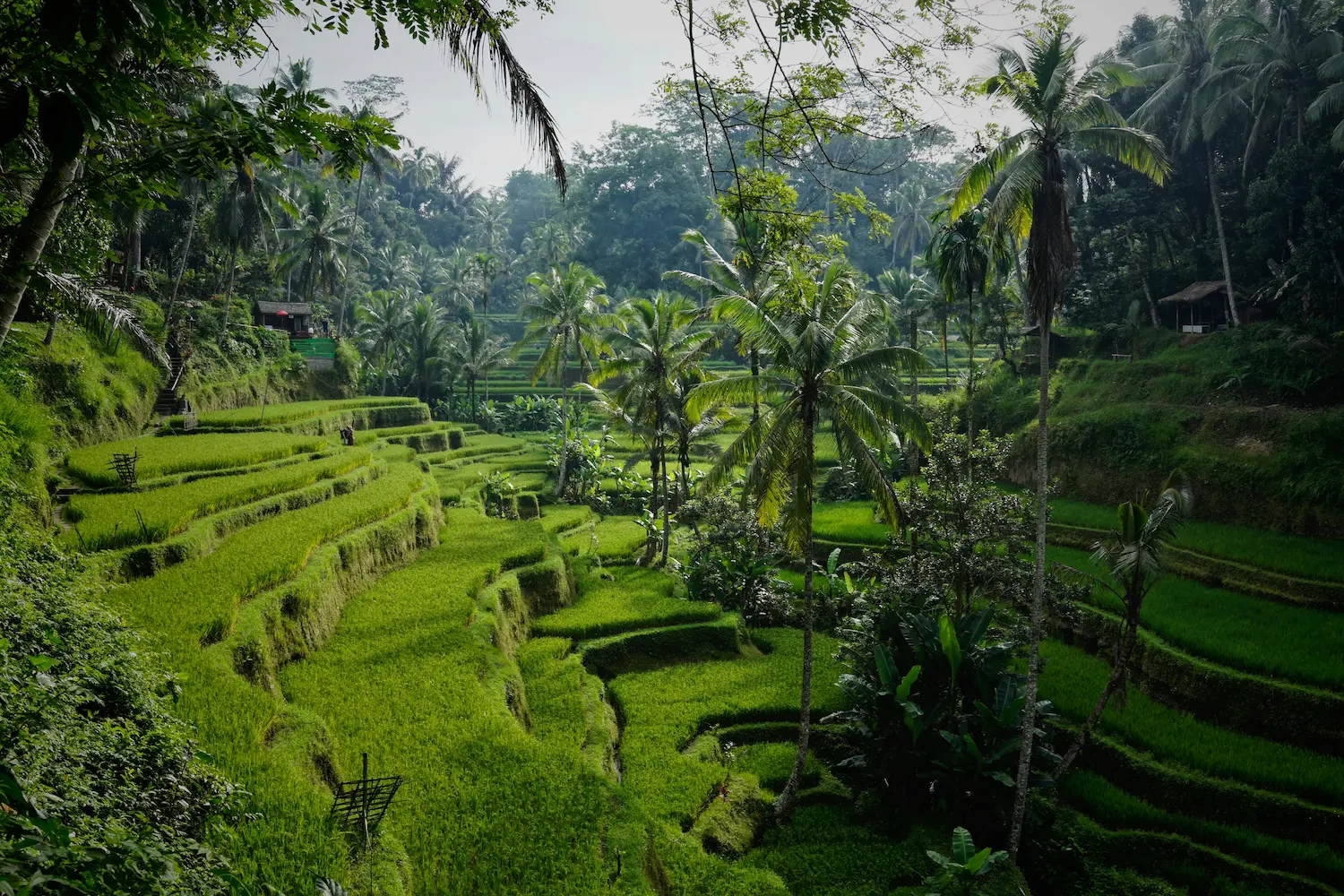
The rice terrace drops away in steps below the path. Each paddy catches the morning light differently — some silver, some gold, some still in shadow. A farmer is already working the far edge, knee-deep, moving slowly. Tegallalang, 10km north of Ubud, is the most photographed version of this view in Bali. Entry is approximately 15,000 IDR ($1). Get there before 8am for clear light and before the tour groups arrive. The swing and photo installations scattered through the terraces are optional add-ons — the terraces themselves are the reason to come.
Mount Batur is an active volcano at 1,717 meters and one of the most popular sunrise treks in Southeast Asia. The trek departs at approximately 2am and takes about two hours to the summit. A guide is required — approximately 350,000 to 500,000 IDR ($22 to $32) per person, including entry. Bring a warm layer: summit temperatures run around 10 to 15°C even in Bali’s dry season.
Sekumpul Waterfall in north Bali is not one waterfall but a cluster of seven, set in a jungle canyon. Entry is approximately 20,000 IDR ($1.30), and a guide is recommended for the trail down into the canyon. It sits about 2.5 hours from Ubud, which makes it a natural stop on a north Bali road trip that could also include the Gitgit waterfalls and Lovina beach.
Nusa Penida is an island about 45 minutes by fast boat from Sanur Beach — the crossing costs approximately 200,000 to 300,000 IDR ($13 to $20) round trip. The west coast has three sites most visitors come for: Kelingking Beach, with its T-Rex shaped cliff and turquoise water below (the descent to the beach is steep and unofficial — many people only view it from the top); Angel’s Billabong, a natural rock pool at the ocean’s edge that is safe to enter in calm conditions only; and Broken Beach, a natural arch above the ocean with a circular bay inside. Allow a full day minimum for the main west coast sites.
Tegenungan Waterfall is 20 minutes south of Ubud with an entrance fee of approximately 15,000 IDR ($1). Swimming is permitted at the base. Visit before 9am or after 4pm — midday brings the biggest crowds.
Kuta Beach is Bali’s classic beginner surf break — shallow, consistent and well set up for lessons. A two-hour group session including board and instructor runs approximately 200,000 to 300,000 IDR ($13 to $20). Intermediate surfers are better served by Canggu, where the waves are more consistent and the reef breaks more technically interesting.
White water rafting on the Ayung River near Ubud covers approximately 9km through a jungle gorge with Grade 2 to 3 rapids — suitable for beginners and families. The cost is approximately 350,000 to 450,000 IDR ($22 to $28) per person and typically includes equipment, guide, lunch and transfer.
The USAT Liberty wreck at Tulamben on the east coast is an American cargo ship torpedoed in 1942, now resting in 3 to 30 meters of water off the beach. Entry is directly from shore — no boat required — which makes it one of the most accessible wreck dives in the world. A two-tank dive with local operators in Tulamben costs approximately 500,000 to 700,000 IDR ($32 to $45). Snorkelers can see the upper sections of the wreck without diving.
A cooking class in Ubud is one of the better half-day investments on the island. Most classes include a morning market visit to buy ingredients, then a session making traditional Balinese dishes — satay, lawar, nasi goreng, jamu. You eat what you cook at the end. Cost is approximately 350,000 to 600,000 IDR ($22 to $38) for a half-day class.
A Balinese traditional massage at a mid-range spa costs approximately 100,000 to 150,000 IDR ($6 to $10) for a full hour. Avoid anything priced in USD at beach clubs — the same quality costs three to four times more.
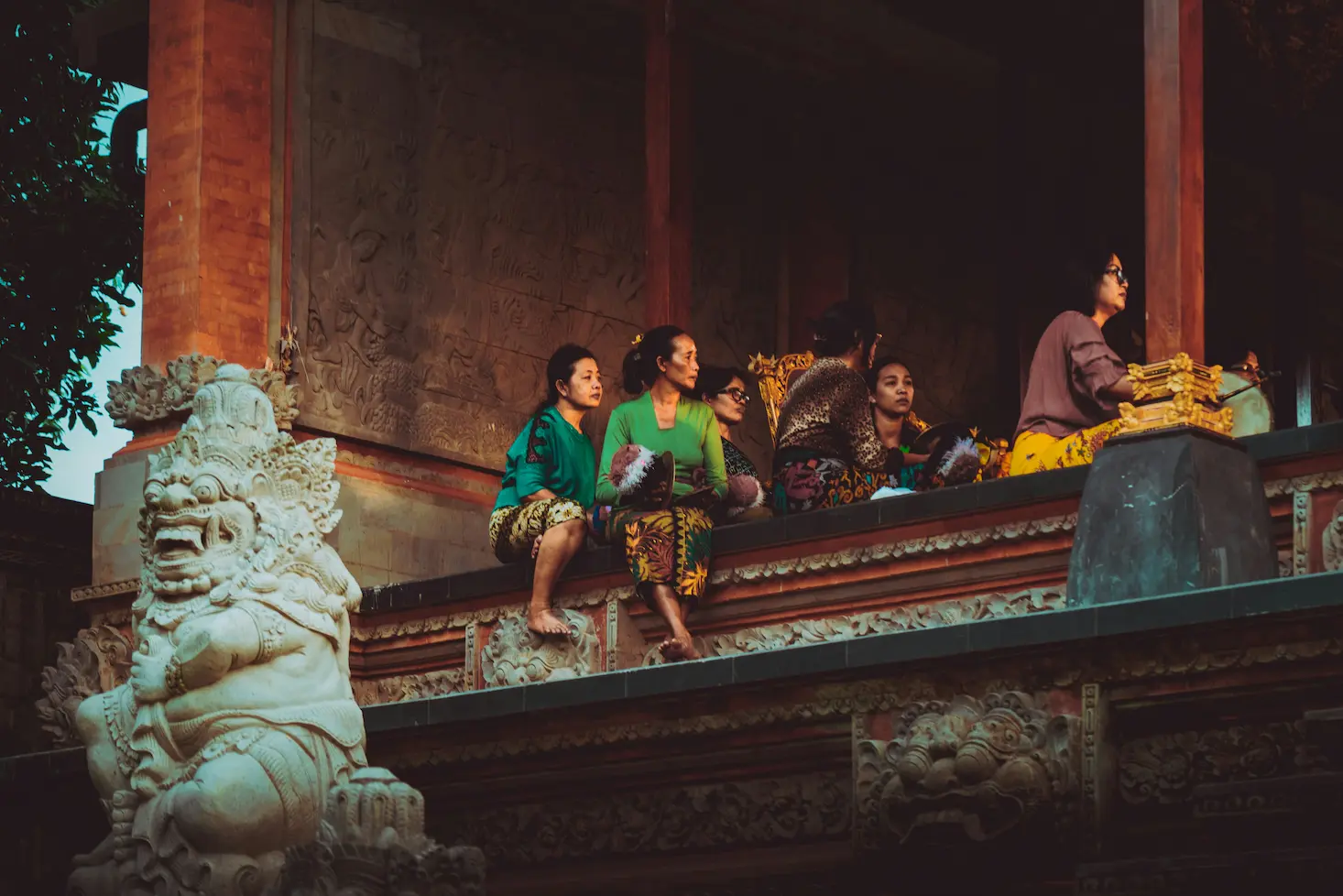
The Kecak fire dance at Uluwatu runs every evening at sunset and costs approximately 150,000 IDR ($10). The Legong dance at Ubud Palace is a different experience — more intimate, focused on refined hand and eye movements, performed most evenings for approximately 100,000 IDR ($6 to $7). If you are in both areas, both are worth seeing — they are different art forms, not variations on the same thing.
Silver jewelry making in Celuk village near Ubud is a practical activity that produces something you actually keep. Several workshops offer classes where you make a piece under instruction — approximately 300,000 to 500,000 IDR ($19 to $32) including materials.
The cheapest and most authentic meal in Bali is nasi campur — rice with a rotating selection of sides including tempeh, tofu, vegetables, chicken, fish and sambal. At a local warung with plastic chairs and a menu in Bahasa Indonesia rather than English, this costs approximately 25,000 to 45,000 IDR ($1.50 to $3). This is the standard Balinese lunch and the baseline you should be eating at most days.
Warung Babi Guling Ibu Oka in Ubud is the most well-known spot for babi guling — Balinese spit-roasted pork, served with rice, crackling, sausage and blood sausage for approximately 65,000 IDR ($4). It opens in the morning and sells out by early afternoon. Babi guling is a genuinely Balinese dish, and it exists here specifically because Bali’s Hindu culture permits pork in a predominantly Muslim country — you will not find it like this anywhere else in Indonesia.
Pasar Badung in Denpasar is Bali’s largest traditional market. Go for nasi jinggo — small portions of rice with sambal and accompaniments wrapped in banana leaf, approximately 5,000 to 8,000 IDR each. Best visited in the morning.
Locavore To Go in Ubud is the affordable sibling of one of Asia’s most respected restaurants. Indonesian-inspired dishes using local ingredients, approximately 100,000 to 180,000 IDR ($6 to $11) per person, no reservation needed.
Shelter Restaurant in Canggu is a reliable mid-range stop popular with surfers and expats — Indonesian and international dishes, good smoothie bowls, approximately 100,000 to 200,000 IDR ($6 to $13) per person.
Merah Putih in Seminyak serves modern Indonesian cuisine in an open bamboo pavilion that is one of the more striking restaurant interiors on the island. Approximately 300,000 to 500,000 IDR ($19 to $32) per person. Reserve ahead for dinner.
Mozaic in Ubud is the fine dining option if you are spending one evening on something exceptional — a French-influenced tasting menu using local Balinese ingredients, approximately 750,000 to 1,200,000 IDR ($47 to $75) per person. Open for dinner only, reservations are essential.
On the street: satay from a warung cart is approximately 15,000 to 25,000 IDR per portion. Jamu — the traditional herbal drink made from turmeric, ginger and tamarind — is sold by women carrying baskets and costs approximately 5,000 to 10,000 IDR per cup. A Bintang beer is approximately 25,000 IDR ($1.50) at a minimart and 80,000 to 120,000 IDR at a beach club bar. A fresh coconut from a roadside vendor is approximately 10,000 to 15,000 IDR — the same coconut at a beach club costs 50,000 to 80,000 IDR.
Carry IDR in cash at all times. Many warungs, small temples and local vendors are cash only, and withdrawing from ATMs in town will save you the higher fees charged at the airport.
Scooter rental runs approximately $5 to $8 per day and is the most practical way to get around outside of Ubud’s town center. An International Driving Permit is required to ride legally. Traffic in Seminyak and Canggu is heavy — wear a helmet and ride carefully. Most tourist accidents in Bali involve scooters. If you are covering temple routes or traveling with family, a car with driver at approximately $40 to $60 per day is the better option.
At every Hindu temple, a sarong and sash are required — they are provided at entrances at no extra cost. Step over, never on, stone thresholds. Be aware that menstruating women are asked not to enter temples — this is a longstanding religious practice and applies to all visitors.
Drink bottled water only — tap water is not safe for tourists. Avoid ice at local warungs. Stomach illness is common enough in Bali to have its own name locally. Eat at busy spots with high turnover and avoid raw vegetables at small local places where you cannot know how they were washed.
Bargaining is expected at markets and with independent vendors. Start at roughly 50% of the asking price and negotiate from there. Fixed-price restaurants and established shops do not bargain.
For tipping: approximately 10,000 to 20,000 IDR at warungs, 50,000 to 100,000 IDR at restaurants, and 50,000 to 100,000 IDR per day for drivers is appropriate and appreciated.
Dengue fever is present in Bali. Use mosquito repellent at dawn and dusk, and wear long sleeves in the evenings.
Bali is a more complex destination than the highlight reel suggests — but that complexity is actually the reason it works for such a wide range of travelers. You can spend five days moving between temples, rice terraces and a cooking class in Ubud without touching a beach club. You can base yourself in Seminyak and surf, eat well and watch sunsets without renting a scooter once. You can drive the north Bali road trip to Sekumpul, cross to Nusa Penida, and dive the Liberty wreck at Tulamben in the same week.
The travelers who find Bali disappointing are usually the ones who followed the crowd into the same ten square kilometers. The ones who leave wanting to come back spent a little time thinking about which version of the island they actually wanted — and then went looking for it. That version exists, and it is within reach on most budgets.