We almost skipped Ubud entirely. The plan was simple: a week on the beach, a couple of temples, done. But by the second day in Seminyak it became clear that the Bali in front of us and the Bali people talked about were two very different places. The island does not have one personality — […]
We almost skipped Ubud entirely. The plan was simple: a week on the beach, a couple of temples, done. But by the second day in Seminyak it became clear that the Bali in front of us and the Bali people talked about were two very different places. The island does not have one personality — it has several, and they barely resemble each other. Five days is enough to move through most of them, if you plan it right.
This guide covers what to do in Bali across five days, moving from the coast through the cultural interior and back out to the cliffs — with real costs, honest logistics, and no wasted days.
For accommodation, Trip tends to have some of the strongest rates across Bali’s different regions — worth checking before you commit to anything, especially for Ubud and Uluwatu where villa prices vary a lot.
Bali runs on Indonesian Rupiah. One US dollar gets you approximately 15,000 to 16,000 IDR, and many local warungs and smaller vendors are cash only — withdraw from ATMs in town rather than exchanging at the airport, where rates are consistently poor.
Getting around comes down to two options: scooter rental at approximately $5 to $8 per day, or a private car with driver at approximately $40 to $60 for a full day. Scooters make sense if you are comfortable riding and hold an International Driving Permit, which is required to ride legally. For temple-heavy days in Ubud or the drive to Uluwatu, a driver is worth it — parking is difficult and the roads between regions are not always straightforward.
At every Hindu temple, a sarong and sash are required. Most entrances provide them free or for a small fee. Never step on the stone threshold at a temple entrance — always step over it. If you are menstruating, signs at temple entrances ask that you do not enter, and this is a genuine religious observance, not a suggestion.
The dry season runs from April through October. May, June and September offer the best balance of good weather and manageable crowds. July and August are peak season — busier and slightly more expensive across the board. The wet season from November through March brings heavy afternoon rain and lower rates, with the exception of Christmas and New Year.
Drink bottled water only. Avoid ice at local warungs. Stomach illness is the most common issue visitors deal with, and it is almost always avoidable. Eat at places with visible turnover — a busy warung at lunchtime is a reliable sign.
Dengue fever is present in Bali. Use insect repellent, especially at dawn and dusk, and cover up in the evenings particularly in Ubud, where the jungle starts immediately behind the guesthouses.
Ngurah Rai International Airport sits just outside Denpasar in the south of the island. Most connections come through Singapore, Kuala Lumpur, Hong Kong or Doha from Europe and the US. Direct flights operate from most Australian cities. The airport is roughly 30 to 45 minutes from both Seminyak and Canggu depending on traffic, which in the south of Bali can be significant.
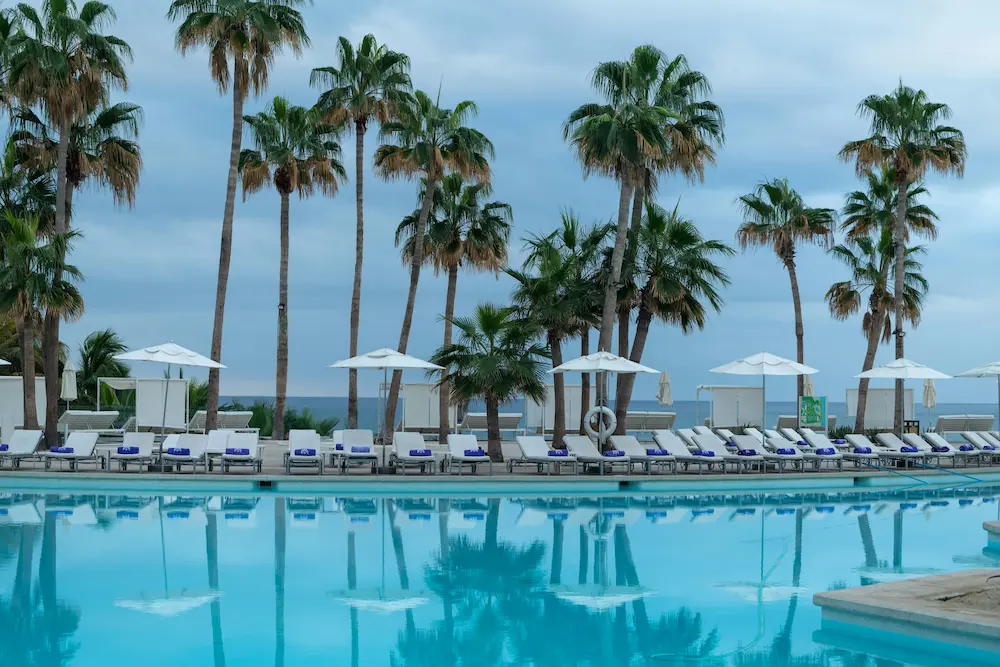
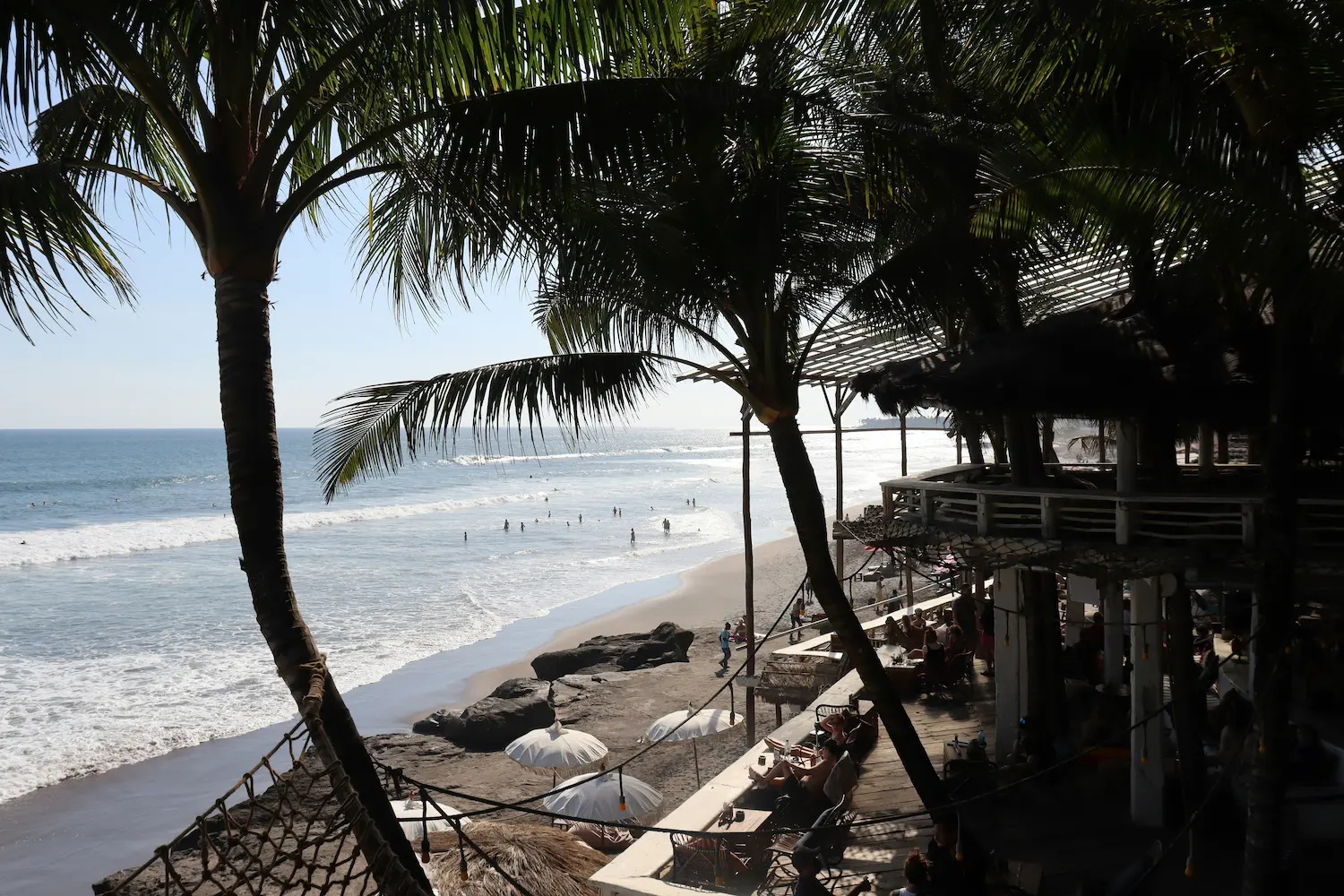
Seminyak and Canggu serve as a natural first base. Seminyak is the more developed of the two — beach clubs, established restaurants, luxury villas and a polished tourist infrastructure. Canggu sits just north and feels younger and less finished: surf culture, co-working spaces, rice paddies still visible between the cafés, and a crowd that skews toward long-stay travelers and digital nomads rather than short-break tourists.
Seminyak Beach is worth walking at sunset. The view from the shore is identical to the view from the beach clubs — save the sun lounger fee and watch it from the sand. The beach clubs have their place, but not on day one when you are still orienting.
For dinner, Jalan Oberoi is Seminyak’s main restaurant strip, lined with international restaurants at international prices. Walk half a block behind it and the warungs start — nasi goreng, mie goreng and satay plates for approximately 30,000 to 50,000 IDR ($2 to $3) compared to $15 to $20 at the beach-facing places. A Bintang beer from a local convenience store costs around 25,000 IDR ($1.50). The same beer at a bar or beach club runs 80,000 to 120,000 IDR ($5 to $8).
The drive from Seminyak to Ubud takes approximately 1.5 hours. Hire a driver for this day — the Ubud area involves multiple stops with no practical parking, and the roads between temples and terraces are narrow enough that scooter fatigue sets in fast.
Tegallalang Rice Terraces sit about 10 kilometers north of Ubud center. The entrance fee is approximately 15,000 IDR ($1). Arrive before 8am. After that, tour groups arrive steadily and the terraces fill up. In the early morning the light is better and the paths are mostly empty.
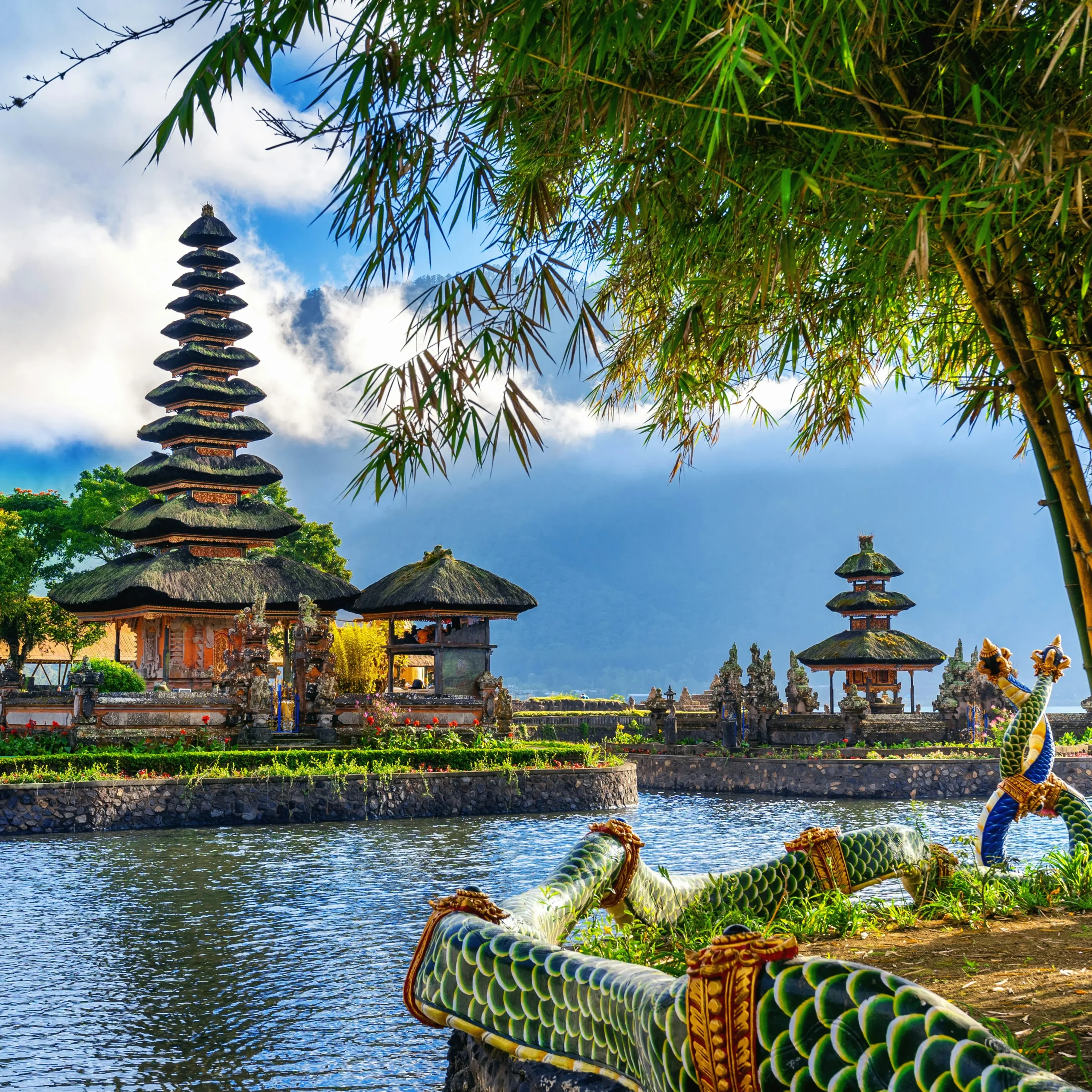
Tirta Empul is one of Bali’s most sacred Hindu temples, built around a natural spring that has been used for ritual purification for over a thousand years. Pilgrims bathe in the spring pools as part of religious practice — entering the water themselves, moving between the spouts in sequence. The entrance fee is approximately 50,000 IDR ($3), sarong included.
A priest moves slowly between the stone pools, blessing the water with a bundle of flowers and a quiet chant. The pilgrims in the pool face the spring with their eyes closed. Nobody is performing for the tourists watching from the edge.
This is an active place of worship. Move quietly, stay out of the ceremonial areas, and keep your voice down.
Ubud Monkey Forest houses approximately 1,000 long-tailed macaques across a forest that also contains three temples. The entrance fee is approximately 80,000 IDR ($5). Do not carry food, sunglasses, loose jewelry or anything the monkeys can grab — they will take it, and getting it back is not straightforward.
Ubud Palace in the center of town is free to view from the street. Traditional dance performances are held most evenings in the interior courtyard, approximately 100,000 IDR ($6 to $7) per person. The night market next to the palace is worth a walk after dinner.
Sleep in Ubud rather than returning to Seminyak. The town changes after the day-trippers leave. The streets quiet down, the gamelan music from nearby temples carries further, and the place feels like itself rather than a destination.
Tegenungan Waterfall is about 20 minutes south of Ubud. The entrance fee is approximately 15,000 IDR ($1). A steep set of stairs leads down to the pool at the base, where swimming is permitted. Before 9am the path is largely empty. By mid-morning it is busy.
Gunung Kawi is an 11th-century temple complex carved directly into a cliff face above the Pakerisan River valley. The descent to the main carvings involves approximately 300 steps — steep and uneven in places. The entrance fee is approximately 50,000 IDR ($3). It is one of the most impressive ancient sites on the island and consistently undervisited compared to Tegallalang or Tirta Empul. The scale of the carvings only becomes clear once you are standing in front of them.
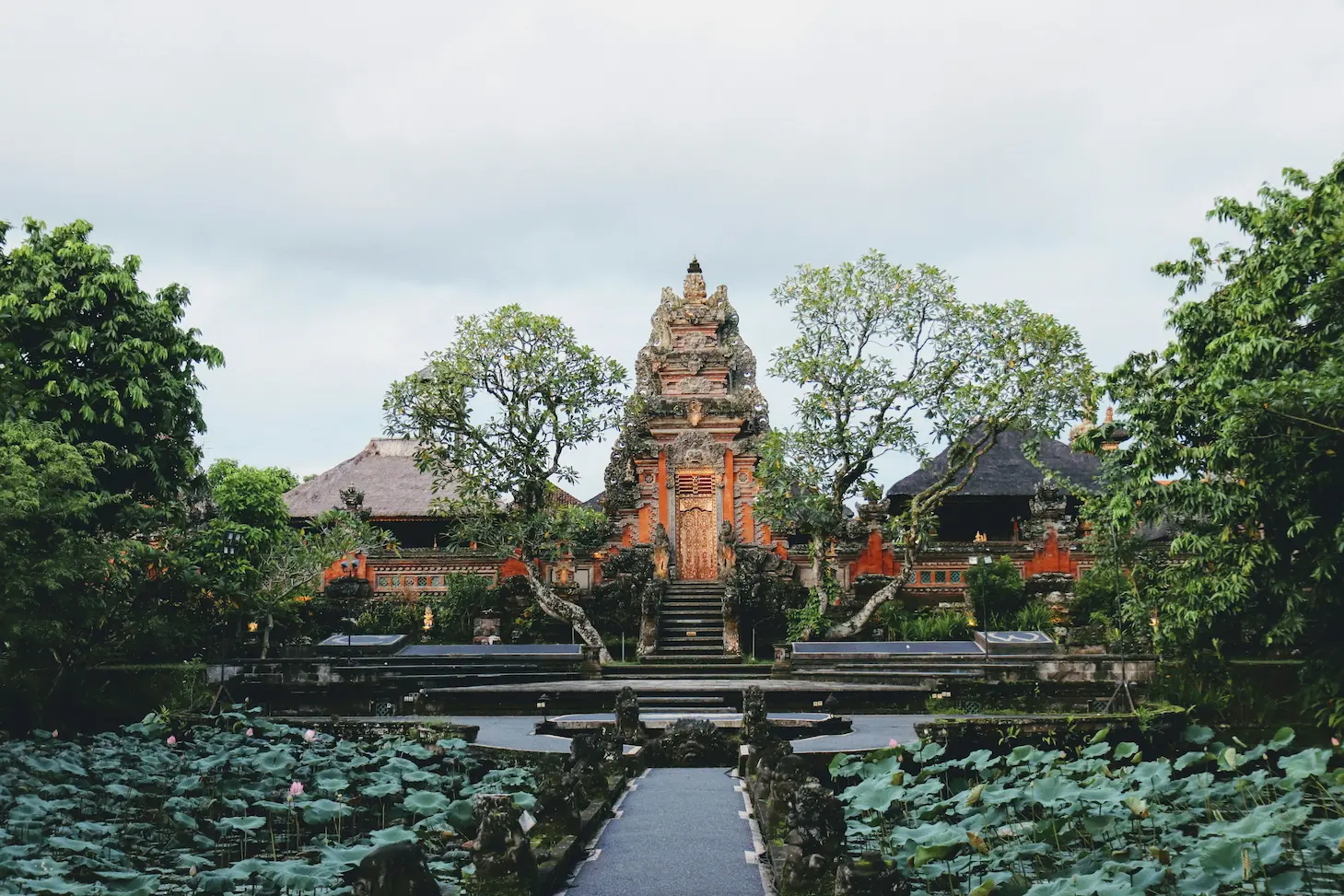
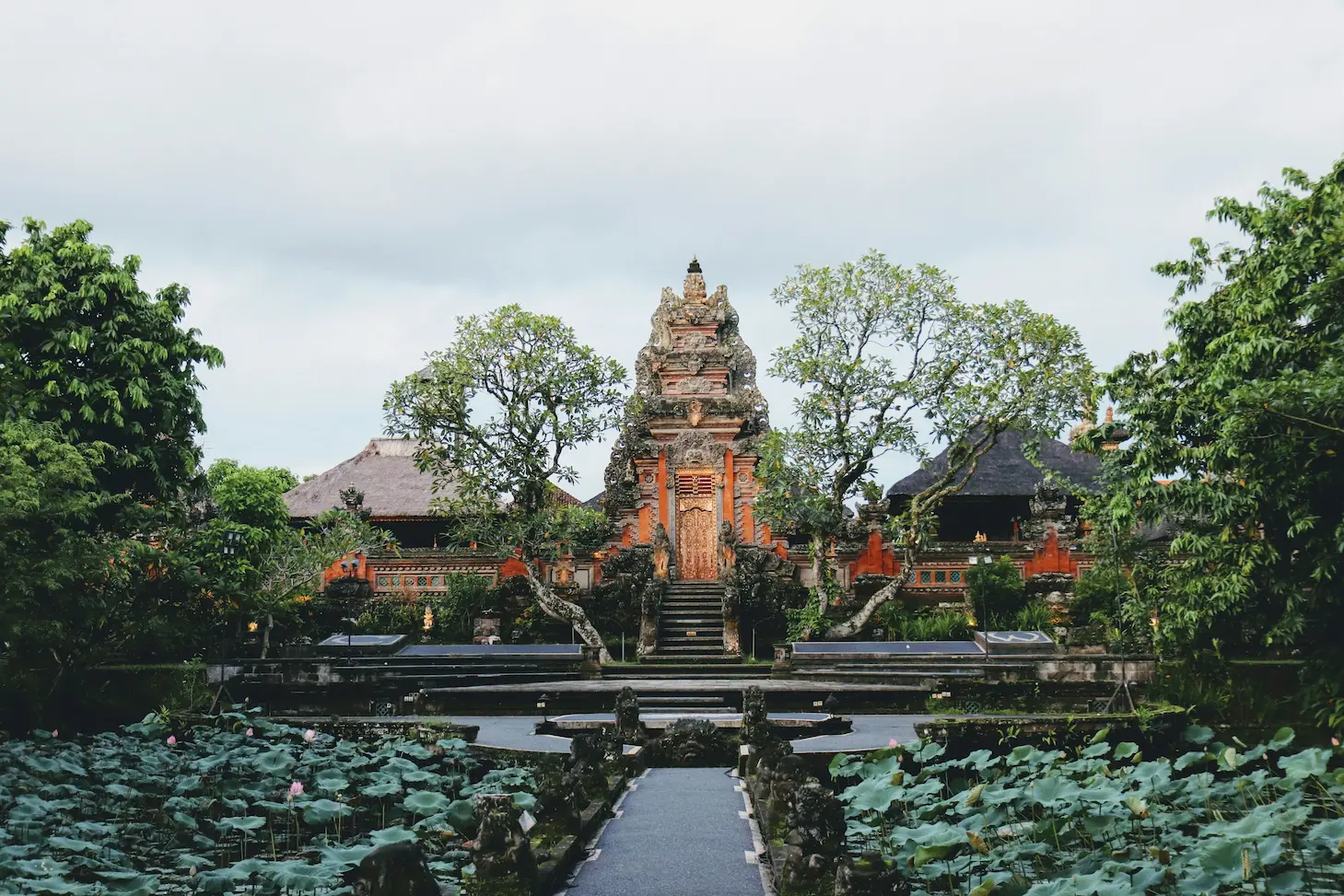
Pura Taman Saraswati, known as the Lotus Temple, sits in the center of Ubud town and is free to enter. The lotus pond in front reaches full bloom between June and October. Kecak and Legong dance performances are held here on selected evenings, approximately 80,000 to 100,000 IDR ($5 to $6).
The Campuhan Ridge Walk starts just west of Ubud center near Pura Gunung Lebah temple and runs about 2 kilometers each way along a ridge above rice paddies and jungle. It is flat, free and best done early in the morning before the heat builds. It takes about an hour at an easy pace and is a good way to end the day or start the morning before the temples open.
The drive from Ubud to Uluwatu takes approximately two hours. Uluwatu sits on the southwestern tip of the Bukit Peninsula — a limestone plateau that drops into the Indian Ocean on three sides, with surf breaks below and clifftop temples above.
Pura Luhur Uluwatu is one of Bali’s six directional temples, perched on a cliff 70 meters above the ocean. The entrance fee is approximately 50,000 IDR ($3), sarong provided. Watch your belongings around the temple — the macaques here are bolder than the ones in Ubud and have learned to take glasses and hats specifically.
The Kecak fire dance is performed at sunset on a clifftop stage with the ocean directly behind the performers. Tickets are approximately 150,000 IDR ($10). Arrive 30 minutes before sunset to get a good position on the stone seating. The combination of the chanting, the fire, and the light dropping over the water behind the stage is one of the more genuinely atmospheric cultural performances in Bali.
Single Fin is a bar built into the cliffside above Uluwatu’s main surf break. Drinks run approximately 70,000 to 120,000 IDR ($4 to $8). The view down to the break is the main draw — surfers working the left-hand point below while you sit above with a cold drink. Sunday afternoons are the most popular session, but any afternoon works.
Uluwatu’s beaches sit below the cliffs and require descending steep paths or staircases to reach. Padang Padang is a small cove with good snorkeling and an entrance fee of approximately 10,000 IDR. Bingin is a surf break with warung shacks on the sand and a relaxed atmosphere. Balangan is longer, quieter and better suited to non-surfers looking for a stretch of beach without the crowd.
Villa rates in Uluwatu are frequently lower than equivalent quality accommodation in Seminyak. Stay the night rather than making the two-hour return drive to the coast.
Mount Batur is an active volcano in north-central Bali at 1,717 meters. The sunrise trek is one of the most popular experiences in Southeast Asia for good reason — the view from the crater rim at first light, looking across the caldera lake and toward Mount Agung in the distance, is something that is difficult to replicate anywhere else on the island.
The trek departs from the base at approximately 2am to reach the summit for sunrise. The walk takes about two hours each way. The difficulty is moderate — no technical climbing, but steep and loose underfoot in sections. A guide is mandatory. Local guides charge approximately 350,000 to 500,000 IDR ($22 to $32) per person, including entry fees. The crater rim path requires a guide both for safety and as a condition of entry.
The summit sits at altitude — temperatures drop to approximately 10 to 15°C (50 to 59°F) even in Bali’s tropics. Bring a warm layer regardless of how hot it was at sea level the day before. Aim to reach the summit before 5:30am for the full color sequence as the sun comes up over the caldera.
Mount Batur is approximately two hours from Ngurah Rai Airport. Factor in the descent from the summit, time to shower and change, and the drive south when planning your departure. An afternoon or evening flight out of Denpasar works well with this itinerary.
At the budget end — under 80,000 IDR or roughly $5 — warungs are the answer. These are traditional family-run restaurants serving nasi campur (rice with assorted sides), nasi goreng (fried rice), mie goreng (fried noodles), satay, and tempeh dishes. A full meal runs 25,000 to 50,000 IDR. Fresh coconut water from roadside vendors costs approximately 10,000 to 15,000 IDR.
Babi guling — Balinese spit-roasted pork — is one of the island’s most significant culinary traditions, rooted in its Hindu culture. Ibu Oka in Ubud is the most well-known spot for it. A plate costs approximately 65,000 IDR. They open in the morning and serve until sold out, which tends to happen before early afternoon.
In the mid-range, Locavore To Go in Ubud is the casual sibling of one of Asia’s most respected restaurants — Indonesian-inspired dishes using local ingredients, approximately 100,000 to 150,000 IDR per person. Shelter Restaurant in Canggu draws a surf and expat crowd with solid Indonesian and international food at approximately 100,000 to 180,000 IDR.
For a splurge, Mozaic in Ubud runs tasting menus at approximately 750,000 to 1,200,000 IDR ($50 to $80) per person, dinner only, and requires a reservation. Merah Putih in Seminyak serves modern Indonesian cuisine in a large open-air pavilion, approximately 300,000 to 500,000 IDR ($20 to $32) per person.
Pay in Rupiah at local places. USD is accepted at some tourist businesses but at poor exchange rates. Withdraw IDR from ATMs in town — airport rates are consistently unfavorable.
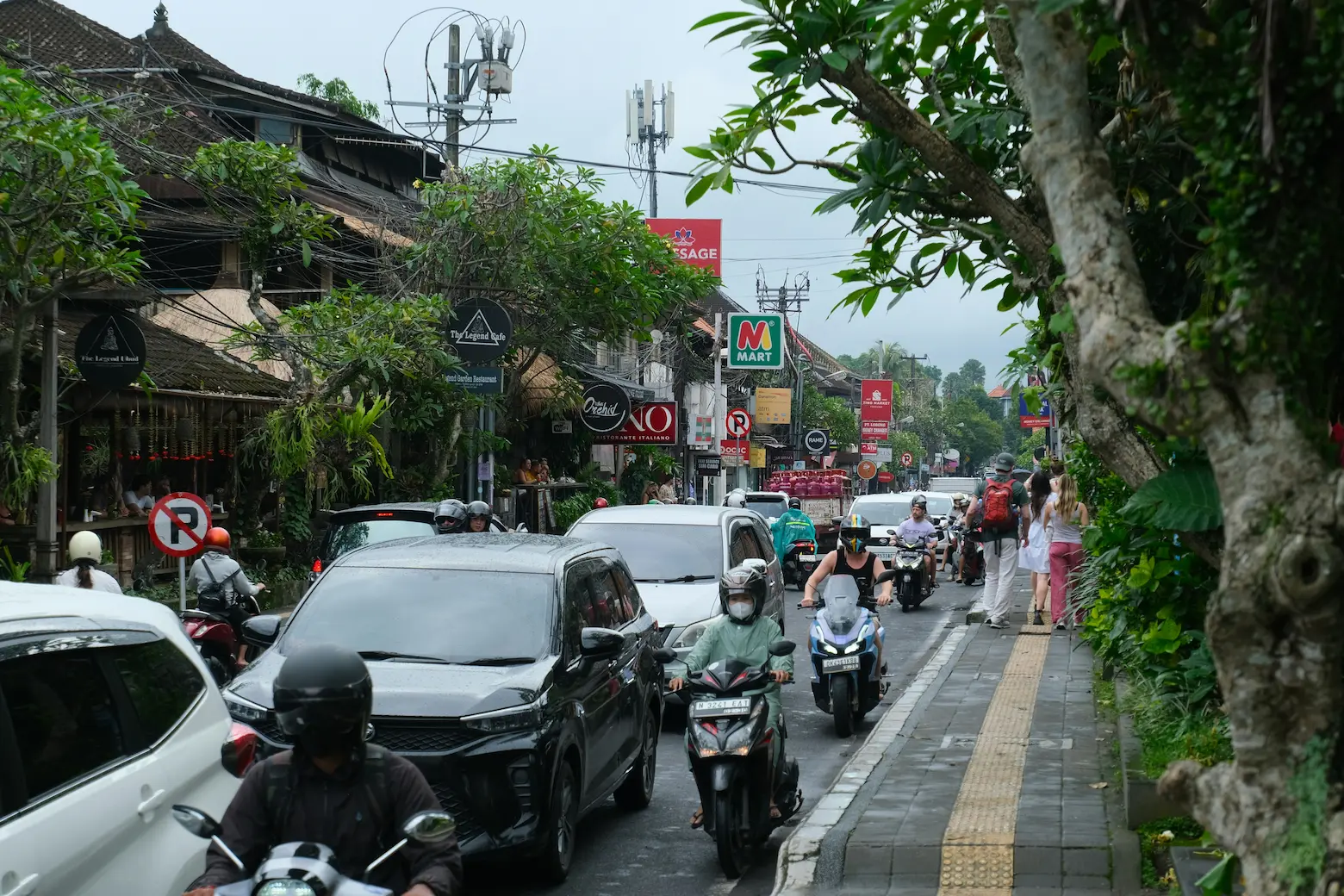
Scooter rental runs approximately $5 to $8 per day and is the most practical way to move around within a single area. An International Driving Permit is required to ride legally. Traffic in Seminyak and Canggu is heavy — particularly in the late afternoon — and requires real attention.
For full-day touring between regions, a private car and driver at approximately $40 to $60 per day is the more practical option. Drivers can usually be arranged through your accommodation.
Tipping is not mandatory but is customary and appreciated. Around 10,000 to 20,000 IDR for a warung meal, 50,000 to 100,000 IDR at a full-service restaurant, and 50,000 to 100,000 IDR per day for a driver are standard.
Five days in Bali is enough to see that the island works best when you move through it rather than settle in one spot. The south coast gives you the ease of arrival and the beach. Ubud gives you the cultural depth that the beach towns cannot. Uluwatu gives you the cliffs, the surf, and one of the most atmospheric performances you will find in the region. And Batur gives you a morning that is hard to follow up.
The island works for budget travelers, for mid-range travelers, and for those who want to spend more on certain days and eat at warungs on others. The cost of a genuinely full five days here — accommodation, food, transport, entry fees, the Batur trek — can come in well under $500 for a solo traveler eating smart. It adjusts up or down depending on where you sleep and how often you sit down at the beach clubs.
Bali is not one island. It just shares a name.