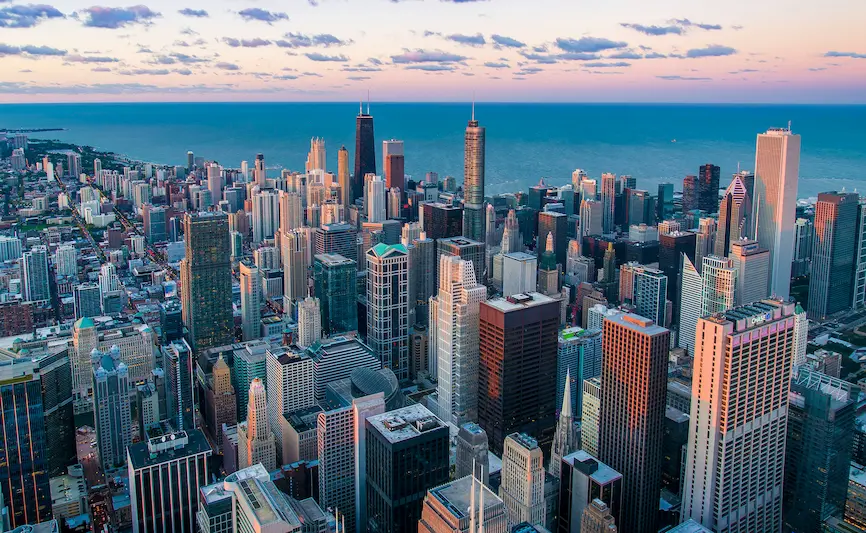
Chicago Is Not the Expensive City Most Travelers Think It Is Most travelers either blow their budget in Chicago without realizing it — defaulting to taxis from O’Hare, eating every meal within two blocks of their hotel, and paying entry fees for things the locals walk past for free — or they write the city […]
Chicago Is Not the Expensive City Most Travelers Think It Is
Most travelers either blow their budget in Chicago without realizing it — defaulting to taxis from O’Hare, eating every meal within two blocks of their hotel, and paying entry fees for things the locals walk past for free — or they write the city off entirely, assuming it sits in the same price bracket as New York or San Francisco. Both are mistakes, and they both come from the same misunderstanding: there are two versions of Chicago, and most tourists never find the second one.
The tourist version of Chicago is genuinely expensive. The local version — free lakefront, free zoo, free world-class museums on the right days, free outdoor festivals all summer, $2.50 train rides, and $5 tacos in Pilsen — is one of the best budget city experiences in the United States. The gap between those two versions is not hard to close. It just requires knowing where the line is.
If you are still figuring out accommodation, Super tends to have competitive rates across Chicago’s neighborhoods — worth a look before you commit.
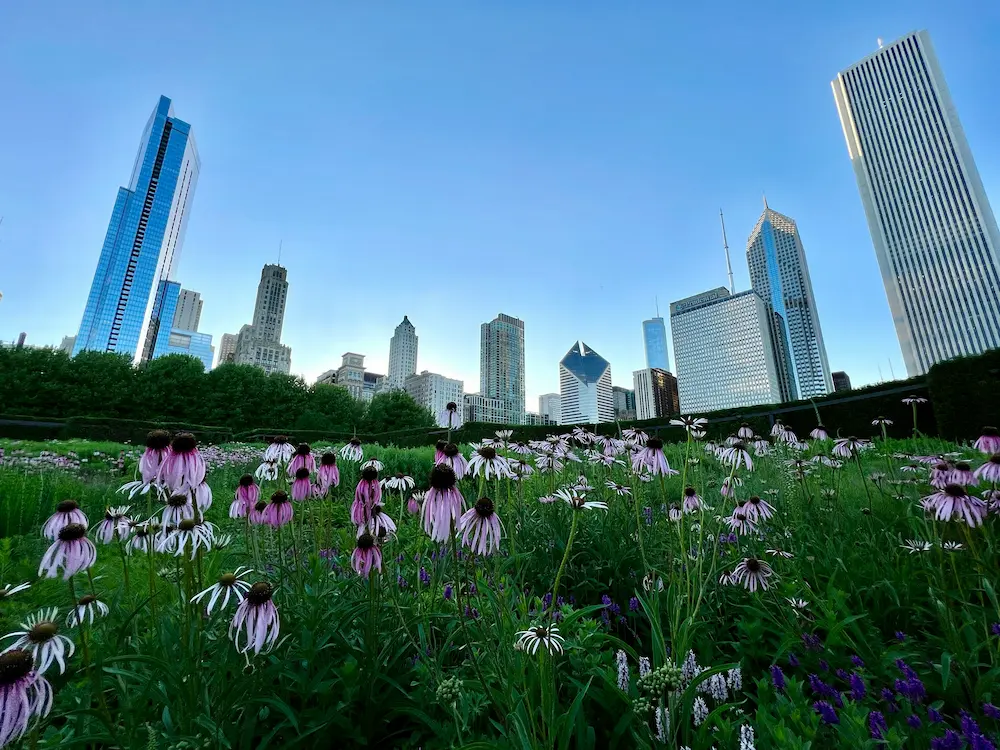
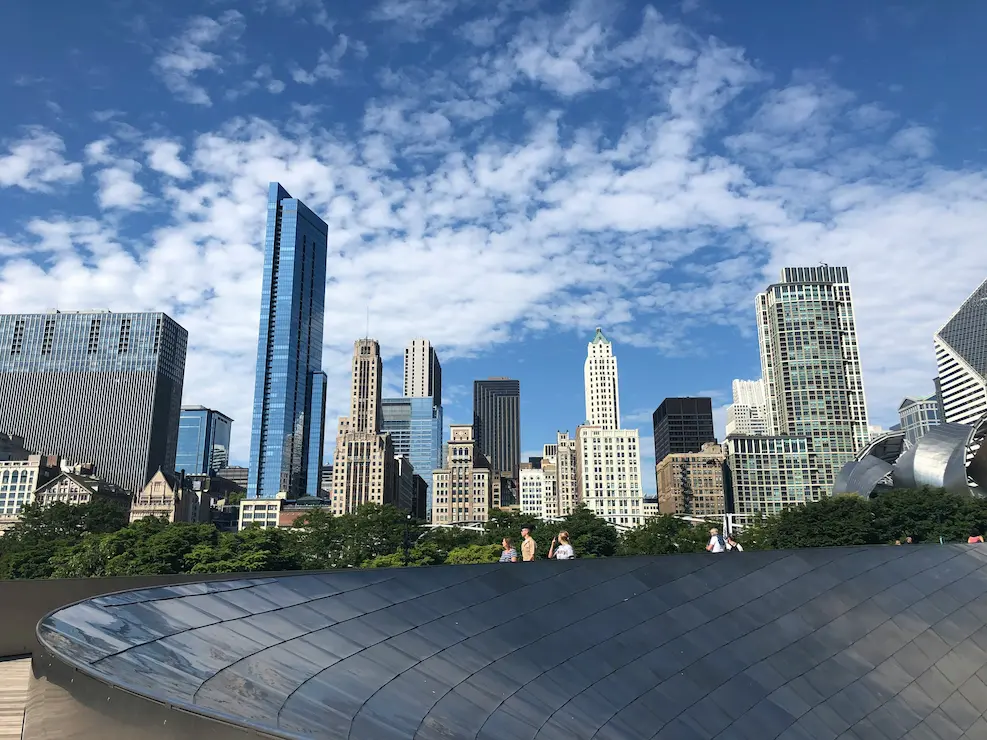
Millennium Park is the obvious starting point, and the fact that it is obvious does not make it less worth your time. Cloud Gate — the reflective bean-shaped sculpture that has become the symbol of the city — Crown Fountain, the Lurie Garden, and the Jay Pritzker Pavilion are all free and open daily. The Grant Park Music Festival runs free classical concerts at the Pavilion on Wednesday, Friday, and Saturday evenings from June through August. This is not a small community event — it is a full orchestra in an open-air venue on the edge of downtown, and it costs nothing to attend.
The Lakefront Trail stretches 18.5 miles along the full length of Chicago’s waterfront. Multiple free public beaches sit along the route — North Avenue Beach, Montrose Beach, Oak Street Beach and 31st Street Beach are the most used. You can walk or run the trail for free, or cover the full length in two to three hours with a Divvy bike share day pass for approximately $15.
Cold off the lake even in June — the kind that comes off open water and hits you sideways on the Lakefront Trail. The skyline to the south is clear. A Divvy bike, a free beach, a hot dog with sport peppers from a stand near the park. The expensive version of Chicago is optional. The good version is mostly just here.
Lincoln Park Zoo is one of the last free-admission zoos in the United States — a genuinely significant fact that most people outside Chicago do not know. Around 200 species, including gorillas, polar bears, big cats, giraffes, and primates, and it sits inside Lincoln Park itself, a free 6-mile lakefront park with beaches, a conservatory, and running paths. There is no entry fee. There is no catch.
Chicago runs more free outdoor festivals per summer than almost any other American city, and they are all concentrated in Grant Park. The Chicago Blues Festival in June is the largest free blues festival in the world — multiple stages, three days, no entry fee. The Chicago Jazz Festival runs over Labor Day weekend, also free. Taste of Chicago in July has free entry, with individual dishes purchased from vendors.
The 606 is a 2.7-mile elevated trail converted from a former freight line, running through Wicker Park, Bucktown, and Logan Square. Street art lines the route, the views into the neighborhood blocks below are some of the most interesting in the city, and Divvy docks sit at multiple access points. Free, and a good half-day when combined with lunch in Wicker Park.
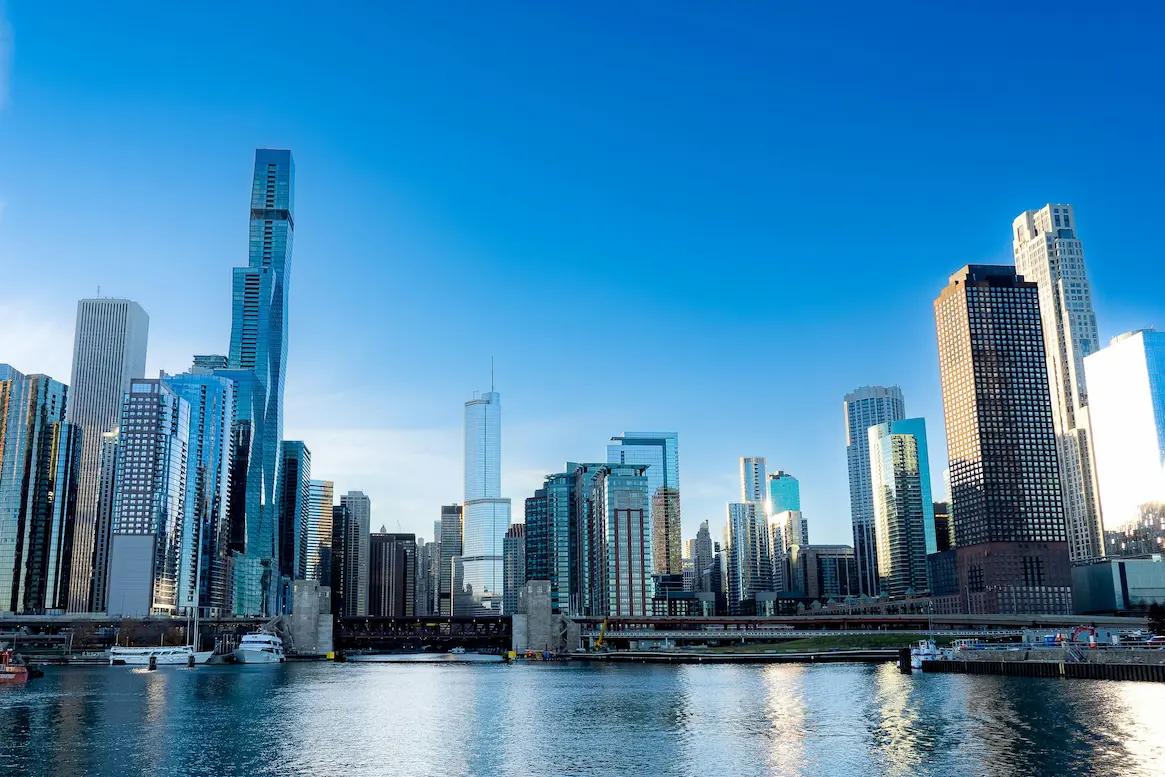
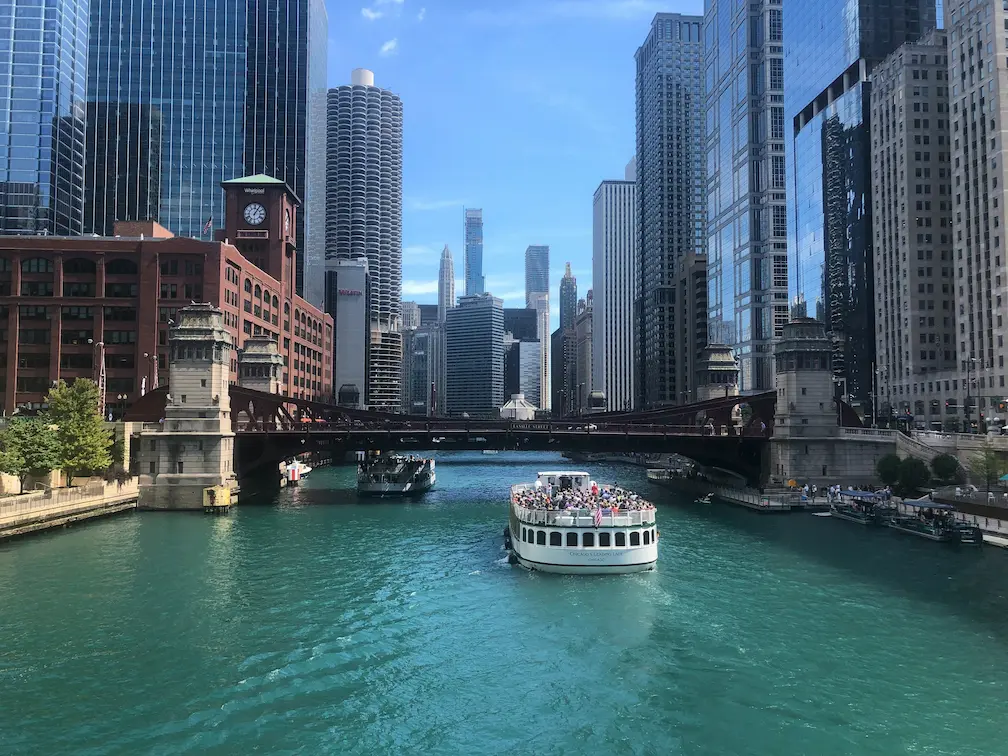
The Chicago Riverwalk costs nothing to walk. The lower level along the Chicago River through the Loop has benches, bars, and restaurant terraces, and the architecture visible from the water — without paying for a boat tour — is as good a skyline view as you will find in the city.
The National Museum of Mexican Art in Pilsen has free admission and houses one of the largest collections of Mexican and Mexican-American art in the country. It sits at Harrison Park on 19th Street, accessible by Pink Line L to the 18th Street stop.
A self-guided Loop architecture walk covers some of the most architecturally significant buildings in the country without spending anything. The Rookery at 209 S. LaSalle was built in 1888, and the lobby atrium was redesigned by Frank Lloyd Wright in 1905 — free to enter during business hours. The Monadnock Building at 53 W. Jackson is one of the last load-bearing masonry skyscrapers ever constructed. The Chicago Tribune Tower at 435 N. Michigan has fragments of the Taj Mahal, the Colosseum, the Great Wall of China, Notre Dame, and the Berlin Wall embedded in its lower exterior walls — all visible and free to examine from the sidewalk.
The single most impactful budget decision of a Chicago trip happens before you arrive in the city: take the Blue Line L from O’Hare instead of a taxi. The ride costs approximately $2.50 and takes 45 minutes to the Loop. A taxi or rideshare from O’Hare runs approximately $45 to $60 each way.
A Ventra card is available at any station kiosk at O’Hare. Load a day pass for approximately $10 if you are planning multiple rides that day, or a 3-day pass for approximately $20 if you are staying five days and planning to use the L consistently.
The Art Institute of Chicago has a general admission price of approximately $35 for adults. The permanent collection includes Grant Wood’s American Gothic, Seurat’s A Sunday on La Grande Jatte, and Hopper’s Nighthawks. Chicago residents get in free. The museum has historically offered reduced rates on Thursday evenings from 5 to 8pm.
Second City is the most famous comedy theater in the United States, and on Friday nights after the late mainstage show ends, they offer free improv sets. Training center shows run approximately $10 to $20.
Oak Park, 25 minutes from the Loop on the Green Line L, has more than 25 Frank Lloyd Wright buildings visible from the street. A walking tour map of exterior buildings costs approximately $8.
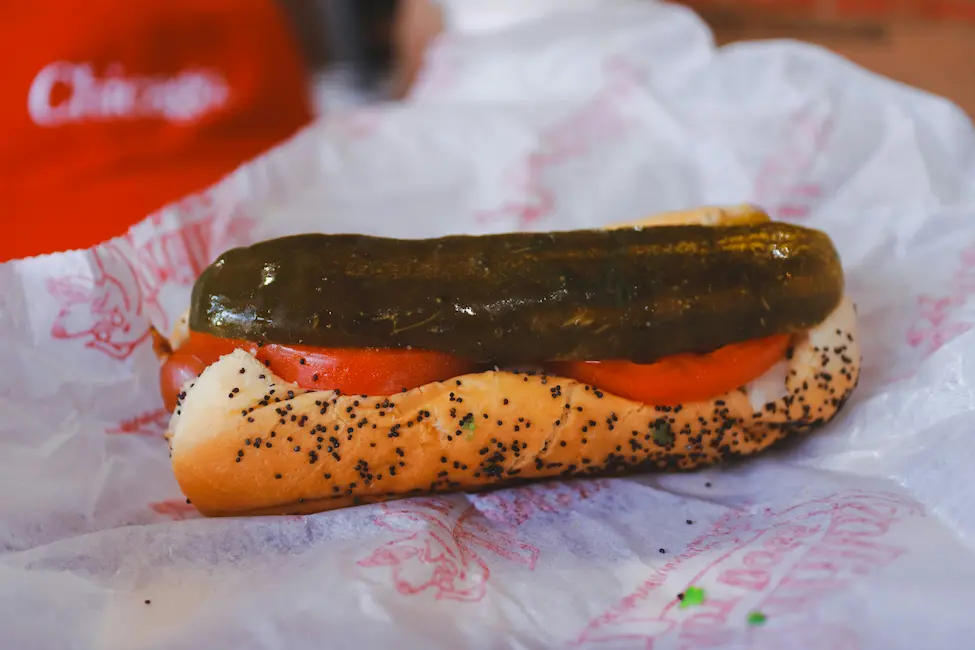
The most straightforward food advice for a Chicago trip: eat at least one meal in Pilsen, and understand what Chicago-style food actually means before you order it.
Pilsen is 15 minutes from the Loop on the Pink Line L. The 18th Street corridor has the best Mexican food in Chicago at prices that reflect a working neighborhood. Tacos run approximately $3 to $5 each. A full plate comes to approximately $10 to $15.
On Chicago-style food: a Chicago-style hot dog at Portillo’s costs approximately $5 to $7. There is no ketchup. This is not a preference — asking for ketchup is a cultural faux pas.
Italian beef at Portillo’s runs approximately $8 to $12. Deep dish at Lou Malnati’s costs approximately $18 to $22 for a small and takes about 45 minutes to bake.
Taking a taxi from O’Hare is the most expensive mistake. Paying for Navy Pier rides is the second. Renting a car in the Loop is unnecessary. Eating only in tourist areas increases costs significantly. Skipping Pilsen is another major miss. Driving to Wrigley Field on game day instead of using the L is inefficient. Not using a day pass when taking multiple rides adds up.
The 3-day L pass at approximately $20 is the most efficient option. The Divvy day pass at approximately $15 is useful for biking routes like the Lakefront Trail.
Look up free festivals before traveling. The best budget neighborhoods for food are Pilsen, Wicker Park, Logan Square, and Andersonville.
Order deep dish immediately when seated. Standard tipping applies. Winter requires layering due to lake wind. Best travel windows are May–June and September–October.
Chicago is not a cheap city if you navigate it the way most first-time visitors do. It is also not an expensive city if you know where to go. The free zoo, the lakefront, the festivals, the $2.50 train, and the food scene make it one of the best-value major cities in the US.