Planning a trip to the Cayman Islands can feel straightforward at first — most travelers think of beaches, resorts, and little else. But much like Florida, what people usually experience is only a fraction of what the islands actually offer. Most visitors stay around Seven Mile Beach, rarely exploring beyond it. The reality is that […]
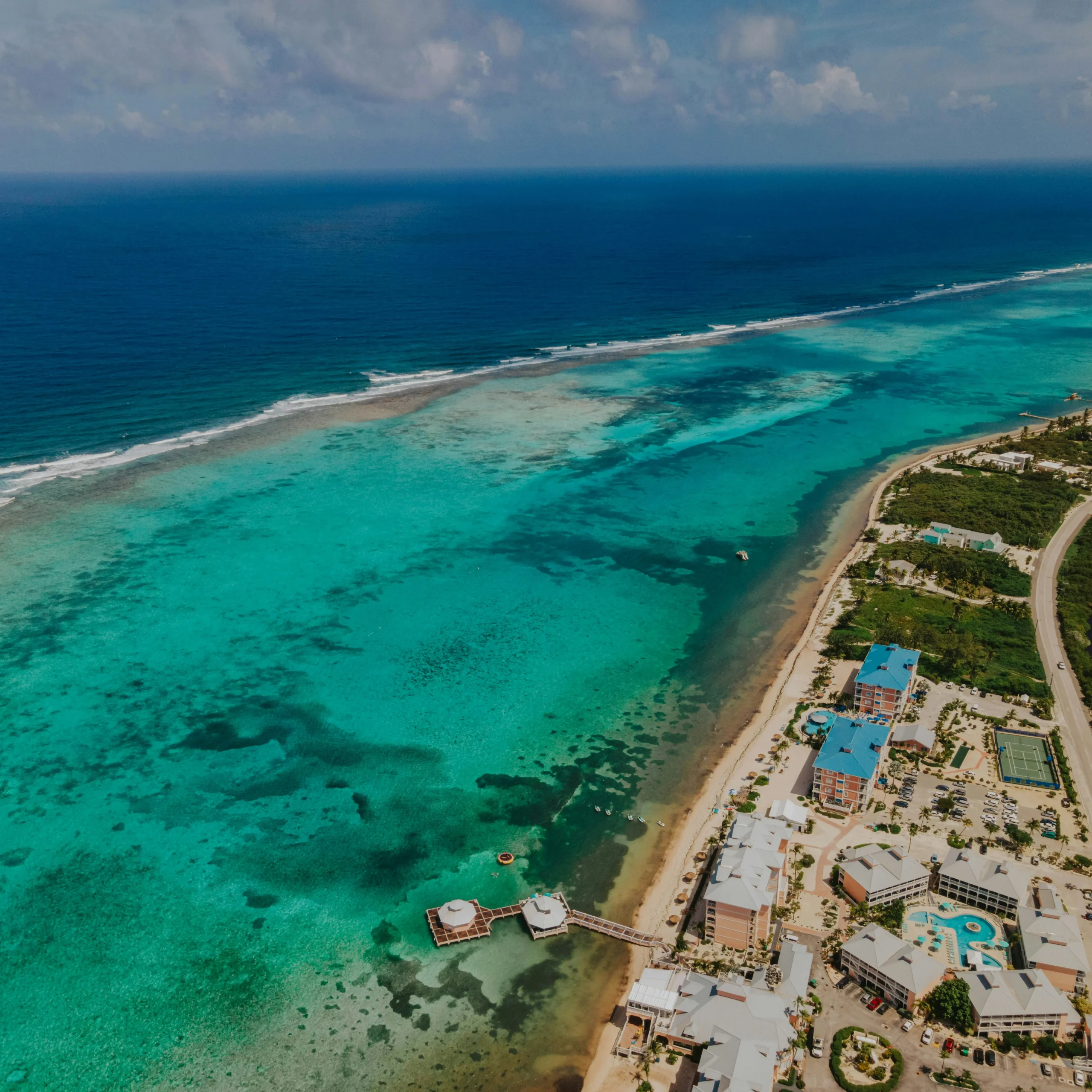
Planning a trip to the Cayman Islands can feel straightforward at first — most travelers think of beaches, resorts, and little else. But much like Florida, what people usually experience is only a fraction of what the islands actually offer.
Most visitors stay around Seven Mile Beach, rarely exploring beyond it. The reality is that Grand Cayman alone has distinct areas, local food culture, marine experiences, and quieter coastal spots that completely change the trip.
This guide covers what actually matters: where to base yourself, what to do beyond the obvious, and where to eat across the Cayman Islands.
If you’re currently comparing hotels, Super is a good place to check availability — you’ll find competitive rates across well-located properties and can plan the rest of your trip from the same platform.
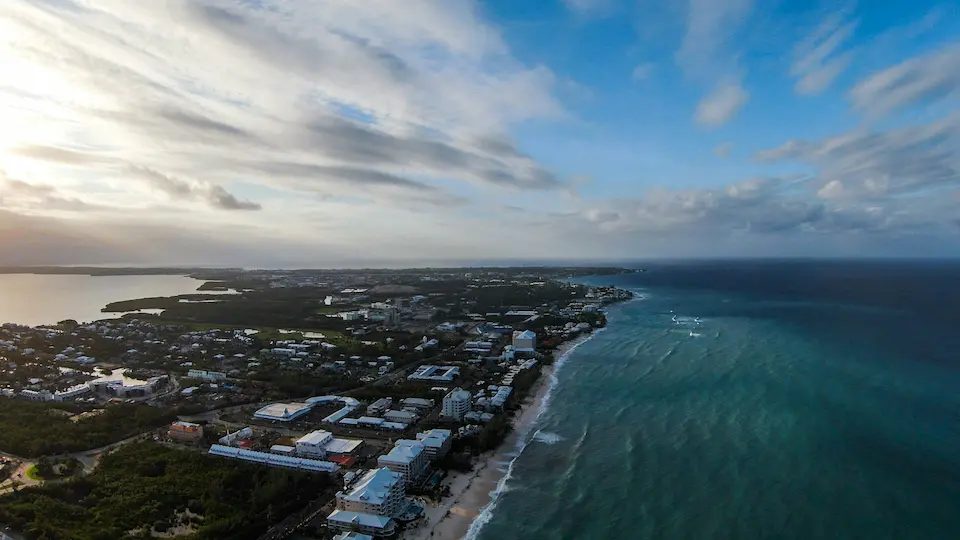
Most travelers arrive through Owen Roberts International Airport (GCM) in Grand Cayman. While Cayman Brac and Little Cayman are worth visiting, Grand Cayman offers the widest range of accommodations, restaurants, and activities.
Seven Mile Beach is the most popular area, but staying slightly outside it — in West Bay or near George Town — can significantly reduce costs while still keeping you close to everything.
A rental car is highly recommended. Public transport exists but is limited, and many of the island’s best spots — like Rum Point or East End — are difficult to reach efficiently without your own vehicle.
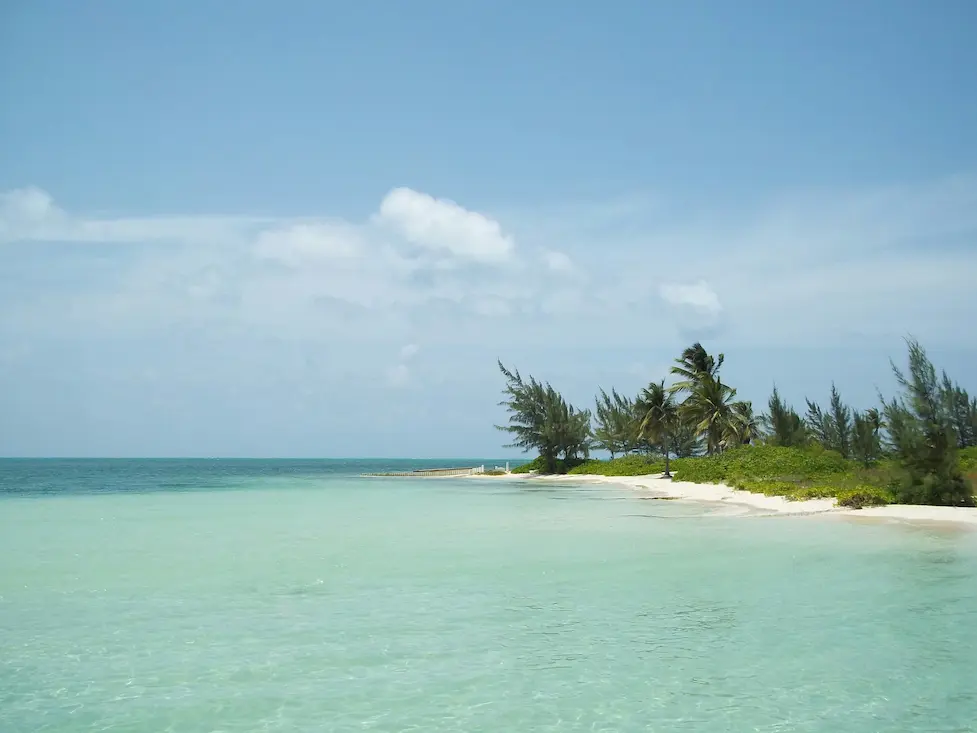
Seven Mile Beach is consistently ranked among the best beaches in the Caribbean for a reason. The sand is soft, the water is calm and clear, and there is no entry fee.
The stretch between Seven Mile Beach and West Bay offers easy access to restaurants, beach clubs, and water activities. Early mornings and late afternoons are noticeably quieter than midday.
Just north of the main beach area, the Cayman Turtle Centre allows visitors to see green sea turtles up close, with optional lagoon swims and educational exhibits.
For snorkeling directly from shore, Cemetery Beach and Governor’s Beach are two of the most reliable spots, often with clear visibility and marine life close to the coast.
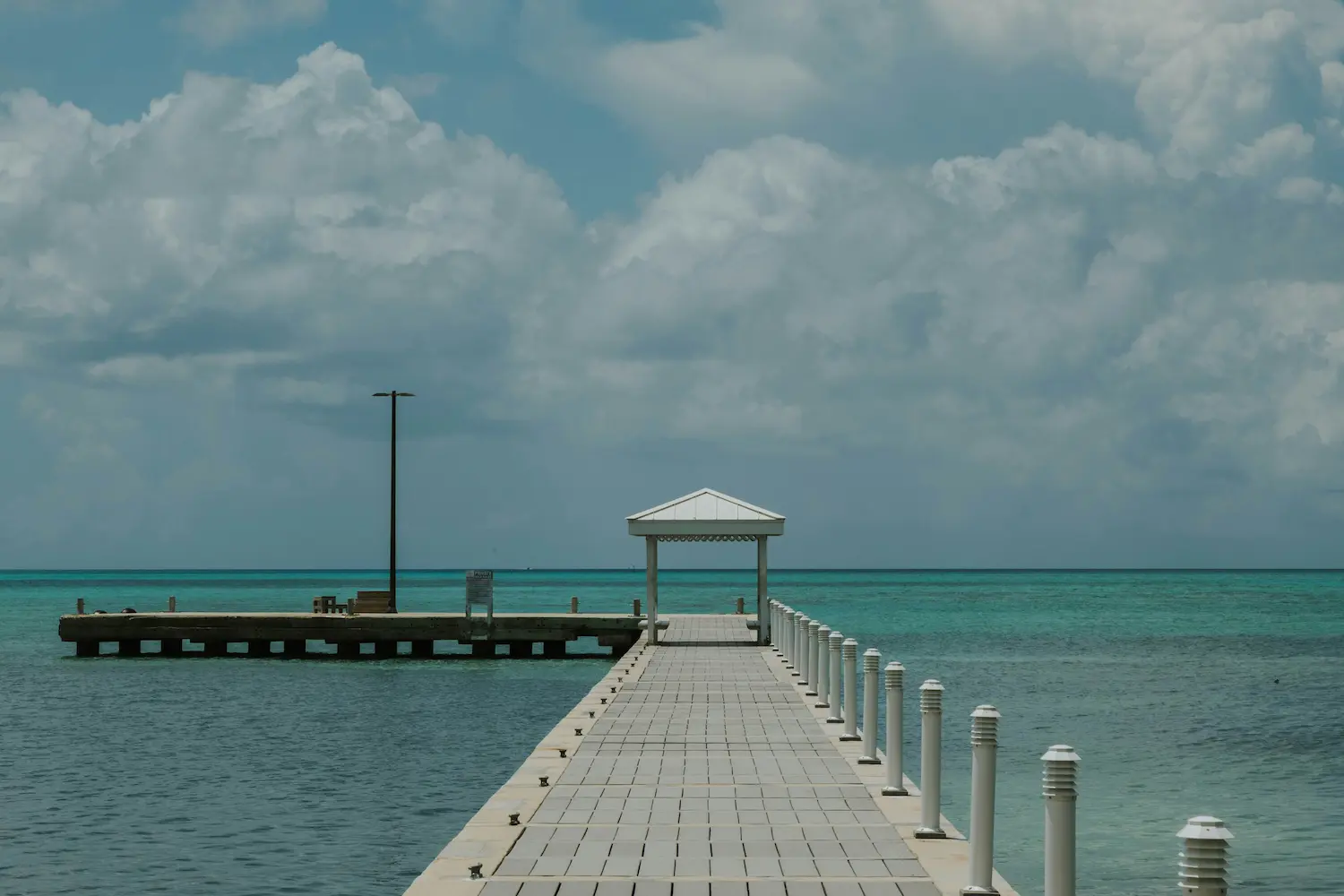
One of the most unique experiences in the Cayman Islands is Stingray City — a shallow sandbar where wild stingrays interact with visitors.
Boat tours typically cost between $60–$90 per person and often include stops at Coral Gardens for snorkeling and Starfish Point, where red starfish are commonly found in shallow water.
The entire experience usually takes half a day and is one of the most consistently recommended activities on the island.
Rum Point, nearby, offers a quieter beach alternative with shallow water, hammocks, and a more relaxed atmosphere compared to Seven Mile Beach.
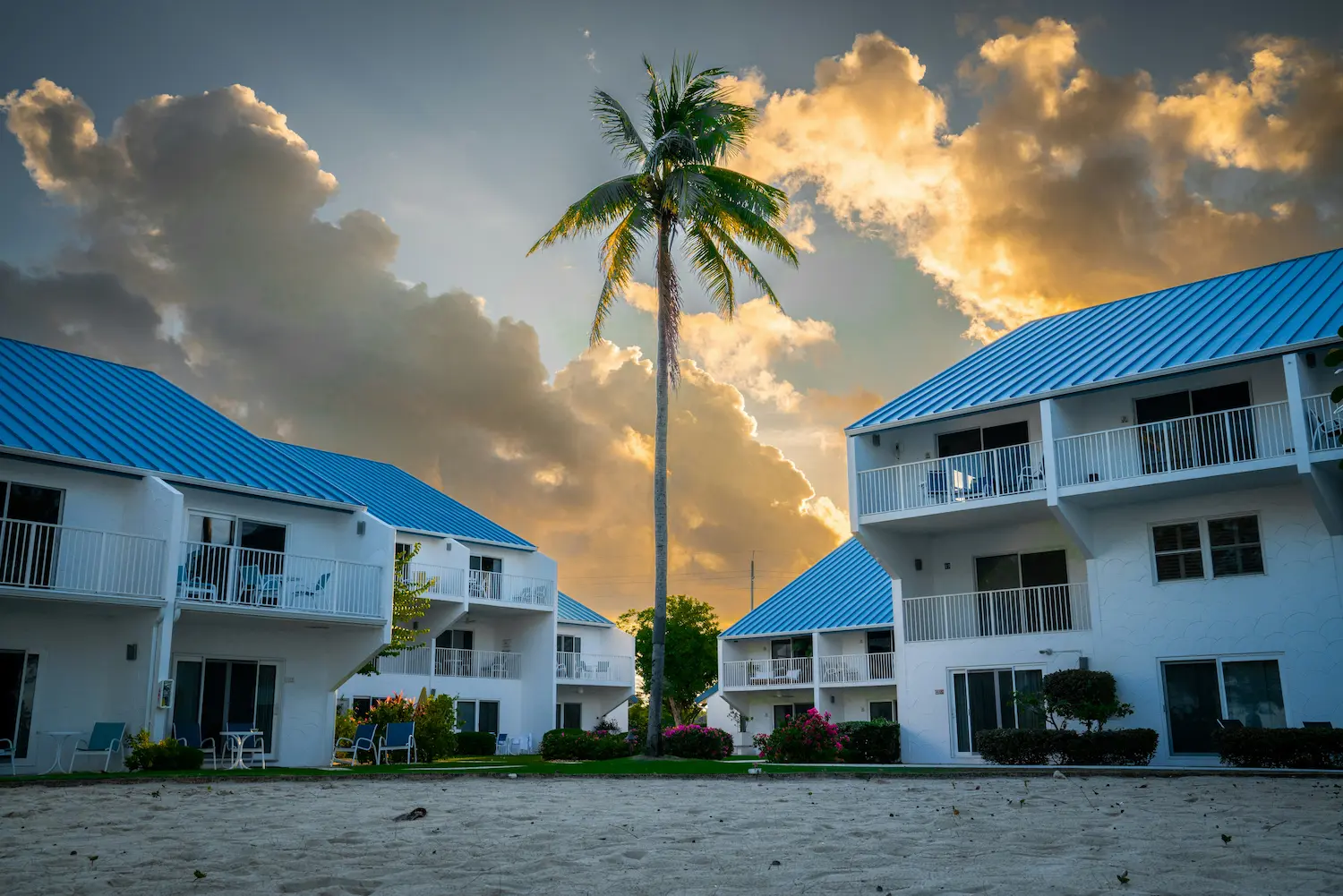
The East End of Grand Cayman is where the island feels noticeably less developed. Fewer resorts, less traffic, and more open coastline make it ideal for travelers looking for a slower pace.
Snorkeling and diving here are some of the best on the island due to healthier coral reefs and less boat traffic.
The Queen Elizabeth II Botanic Park is located in this region and provides a different experience from the beach — walking trails, native flora, and a chance to see the endangered blue iguana.
Driving the full island loop takes about 3–4 hours without stops, making East End easy to combine into a day trip.
George Town is the capital and the main cruise port. When ships are docked, it can feel crowded, but outside those hours it becomes much more manageable.
Camana Bay, just outside George Town, is one of the most walkable areas on the island, with restaurants, cafes, and waterfront views.
Local markets and smaller food spots around George Town often offer better value than resort dining, especially for lunch.
The Cayman Islands have one of the strongest food scenes in the Caribbean, influenced by British, Caribbean, and international cuisine.
Like Florida, the best food is rarely on the main tourist strip. Moving slightly away from resort-heavy areas usually leads to better prices and more authentic meals.
Local Caymanian dishes:
Seafood:
International and casual dining:
The Cayman Islands are often reduced to a single image: a beach and a resort. In reality, Grand Cayman alone offers a full range of experiences — from Stingray City and coral reefs to quieter coastal drives and a strong local food scene.
Seven Mile Beach is worth your time, but it should not be your entire trip.
The best approach is to choose your base, explore beyond the main strip, and leave space for the parts of the island that are less obvious — because those are usually the ones that define the experience.