What is the best time to visit Florida if you want warm weather, reasonable prices, and fewer crowds? The answer depends entirely on what kind of Florida trip you are planning. Florida is not a single destination. It is a beach state, a national park state, a theme park state, and one of the most […]
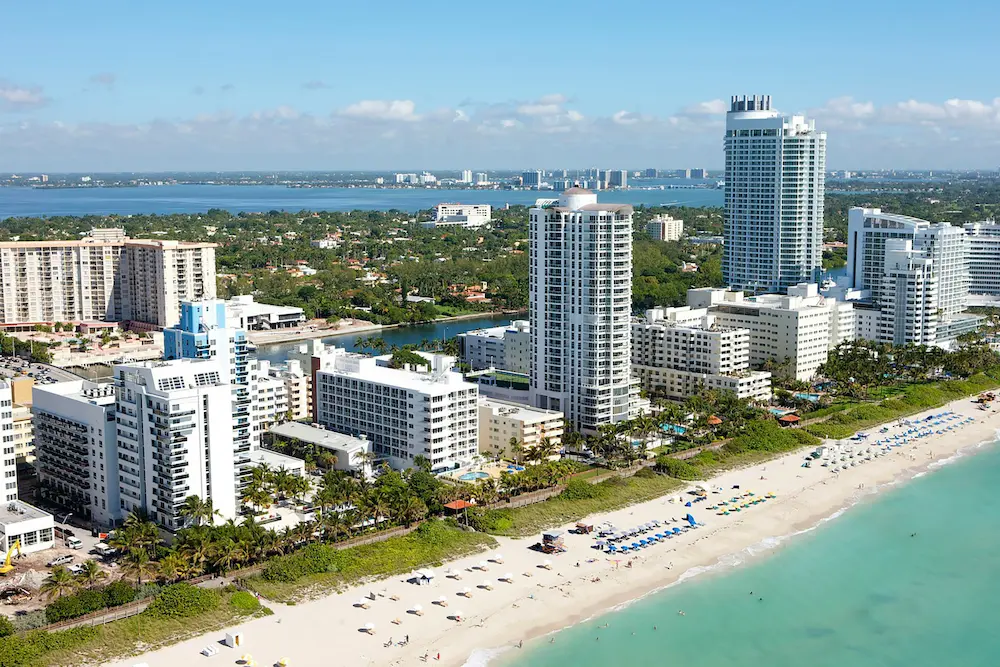
What is the best time to visit Florida if you want warm weather, reasonable prices, and fewer crowds? The answer depends entirely on what kind of Florida trip you are planning.
Florida is not a single destination. It is a beach state, a national park state, a theme park state, and one of the most diverse wildlife destinations in the United States. A Florida travel guide focused on Everglades National Park will look completely different from a Florida beach vacation on the Gulf Coast or a winter trip to Miami.
The best time to visit Florida changes depending on whether you want calm beaches, comfortable weather for exploring cities like St. Augustine, or wildlife viewing in the Everglades.
This guide breaks down the Florida travel seasons month by month — including weather patterns, crowd levels, and price trends. No single month works perfectly for every type of Florida trip. But once you understand how Florida’s seasons work, choosing the right window becomes much easier.

Florida is a large state, and accommodation prices vary depending on region and season. Miami and Key West usually have the highest hotel prices during winter, while Central Florida around Orlando offers the widest range of accommodation options.
Mid-range hotels across Florida generally cost around $90–180 per night depending on location and time of year. During peak winter travel months, prices in popular beach destinations can increase significantly.
If you are still comparing accommodation while planning your Florida itinerary, Trip often has competitive hotel rates across Florida’s main travel regions and is useful when checking prices before booking.

Florida does not experience dramatic seasonal changes like northern states. Instead, the biggest differences come from humidity, rainfall, and tourist demand.
Winter is the dry season and offers the most comfortable weather. Summer is hotter and more humid, with frequent afternoon thunderstorms. Crowd levels follow a predictable pattern: winter visitors escaping colder climates, spring break travelers, and summer family vacations.
Understanding these patterns helps you choose the best time to visit Florida depending on your travel goals.
Spring is widely considered one of the best seasons for a Florida trip. Temperatures usually range between 70°F and 85°F, making it comfortable for beaches, city exploration, and outdoor activities.
The Gulf Coast beaches remain warm, the Atlantic coast sees fewer storms, and wildlife viewing in Everglades National Park is still excellent before summer heat arrives.
Accommodation prices are generally lower than peak winter travel, though demand increases as summer approaches.
Summer brings Florida’s hottest temperatures, often reaching the low 90s°F with high humidity.
It is also when Florida beaches become busiest. Destin, Clearwater Beach, and Miami see large numbers of visitors, particularly during school holidays.
One minute the sky is bright and calm. The next, dark clouds move across the horizon and a brief afternoon storm passes over the coast. This daily weather pattern is common during Florida summers.
Fall is often overlooked in a Florida travel guide, but it can be one of the most relaxed seasons to visit.
Temperatures usually remain warm between 75°F and 85°F while crowds decrease after Labor Day. Beaches become quieter and hotel prices often drop.
September is still within the Atlantic hurricane season, but by October and November conditions become noticeably more stable.
Cities like St. Augustine and Key West feel calmer during this time of year.
Winter is the most popular season to visit Florida, particularly for travelers escaping colder climates.
Temperatures usually range between 60°F and 75°F depending on the region. South Florida destinations such as Miami and Key West stay warmer than northern areas of the state.
The air is cooler, the humidity is lower, and the beaches feel calmer early in the morning before crowds arrive.

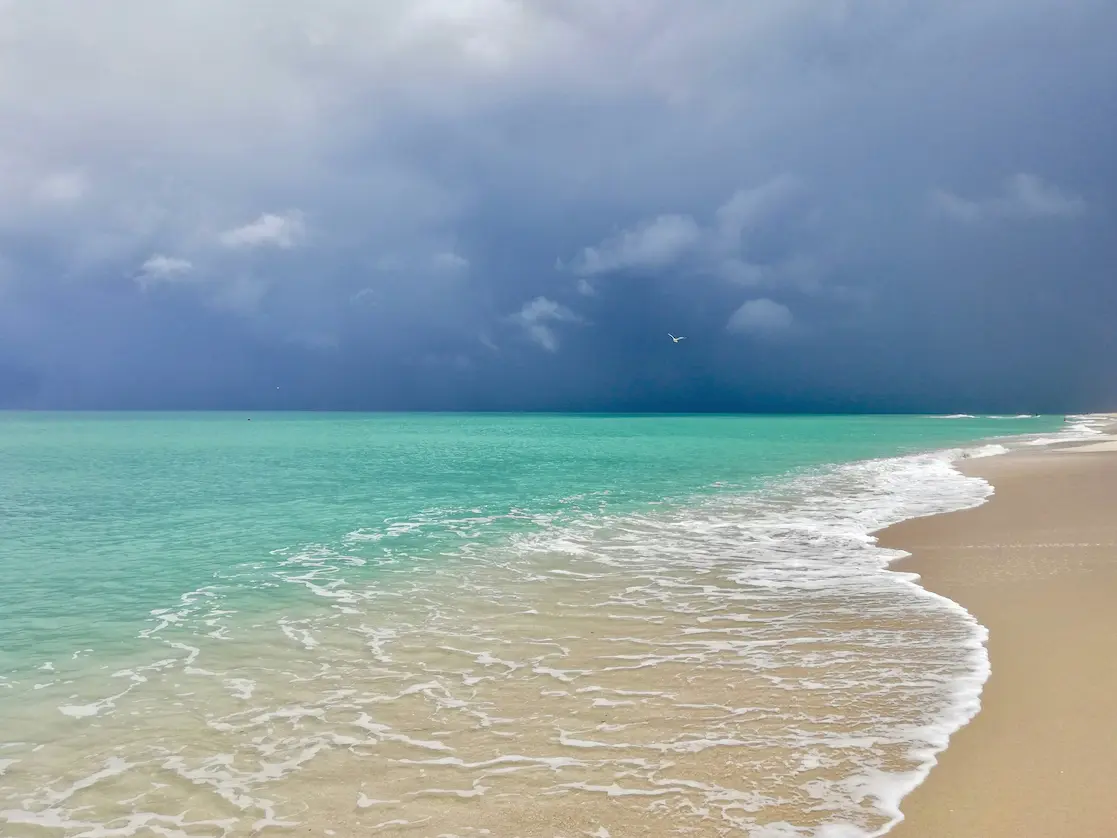
Beach vacation
May through August offers the warmest ocean temperatures. April and October provide a quieter version of Florida beaches.
Everglades National Park and wildlife viewing
Winter and early spring provide cooler temperatures and better wildlife activity.
City exploration and historic destinations
Winter and fall offer the most comfortable walking weather for places like St. Augustine and Miami.
Budget travel
September and early November often provide the lowest hotel prices across Florida.
Hurricane season does not mean constant storms. Most travelers visiting Florida during fall experience warm weather and lower prices.
Winter beach trips also feel very different from summer visits. The sand is quieter, the light is softer, and the coast can feel almost empty in the early morning.
Planning around major holidays and spring break weeks can significantly reduce both crowds and accommodation costs.
The best time to visit Florida depends on what you want from the trip. Winter offers the most comfortable weather, spring provides an excellent balance of conditions and prices, and summer delivers the classic Florida beach vacation.
For many travelers, April through May and October through early December provide the best combination of pleasant temperatures, manageable crowds, and reasonable accommodation rates.
Start with your priorities — beaches, wildlife, cities, or national parks — and plan your trip around those goals. Florida rewards travelers who match their itinerary to the season.