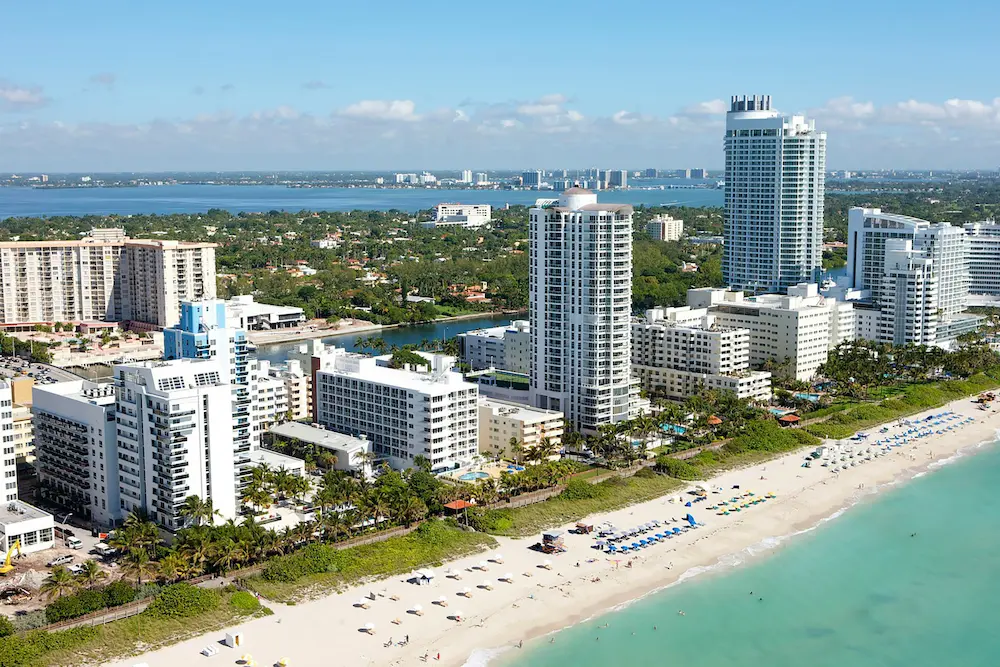
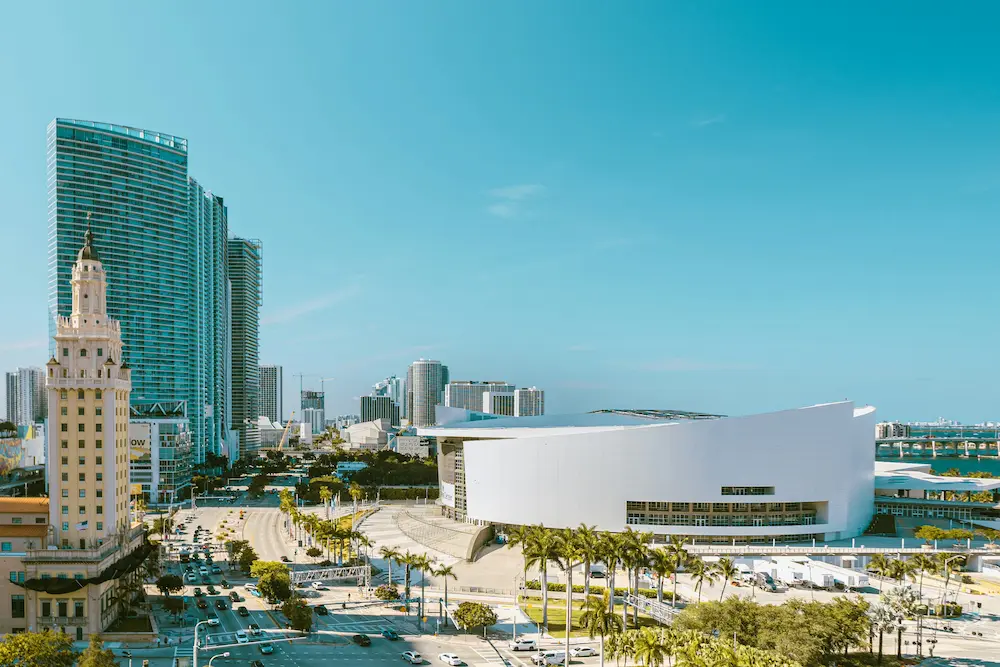
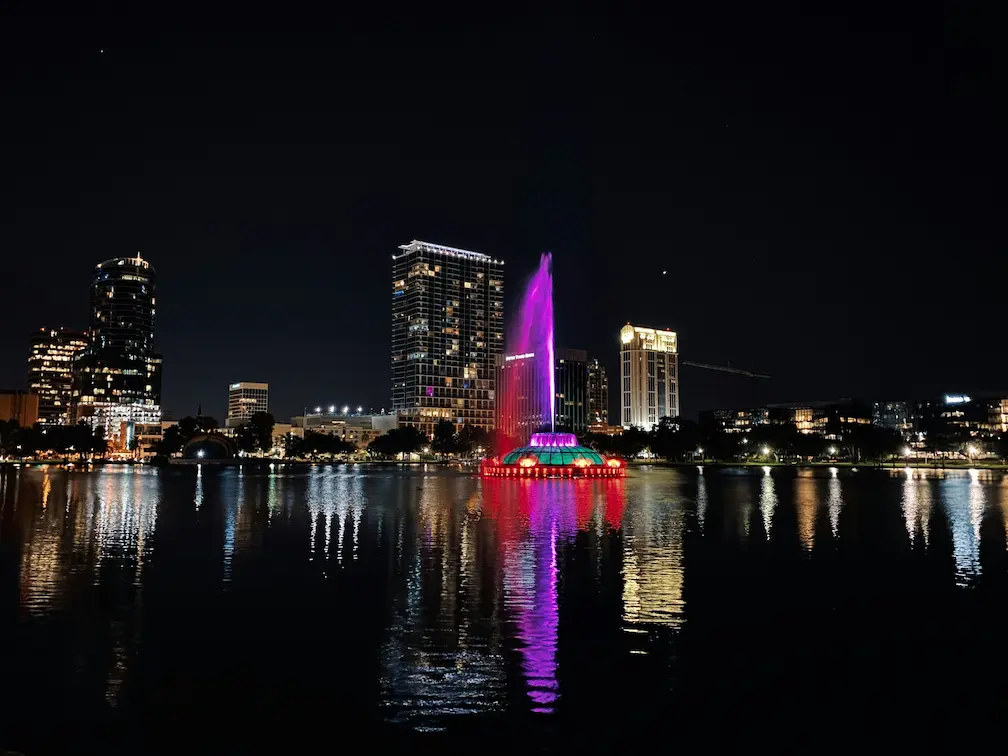
Most people arrive in Florida with a single image in mind: Miami Beach at sunset, palm trees leaning over turquoise water, and a crowded strip of sand filled with umbrellas and music. It is one version of Florida — and one of the most photographed. But the images that define the state visually are often […]
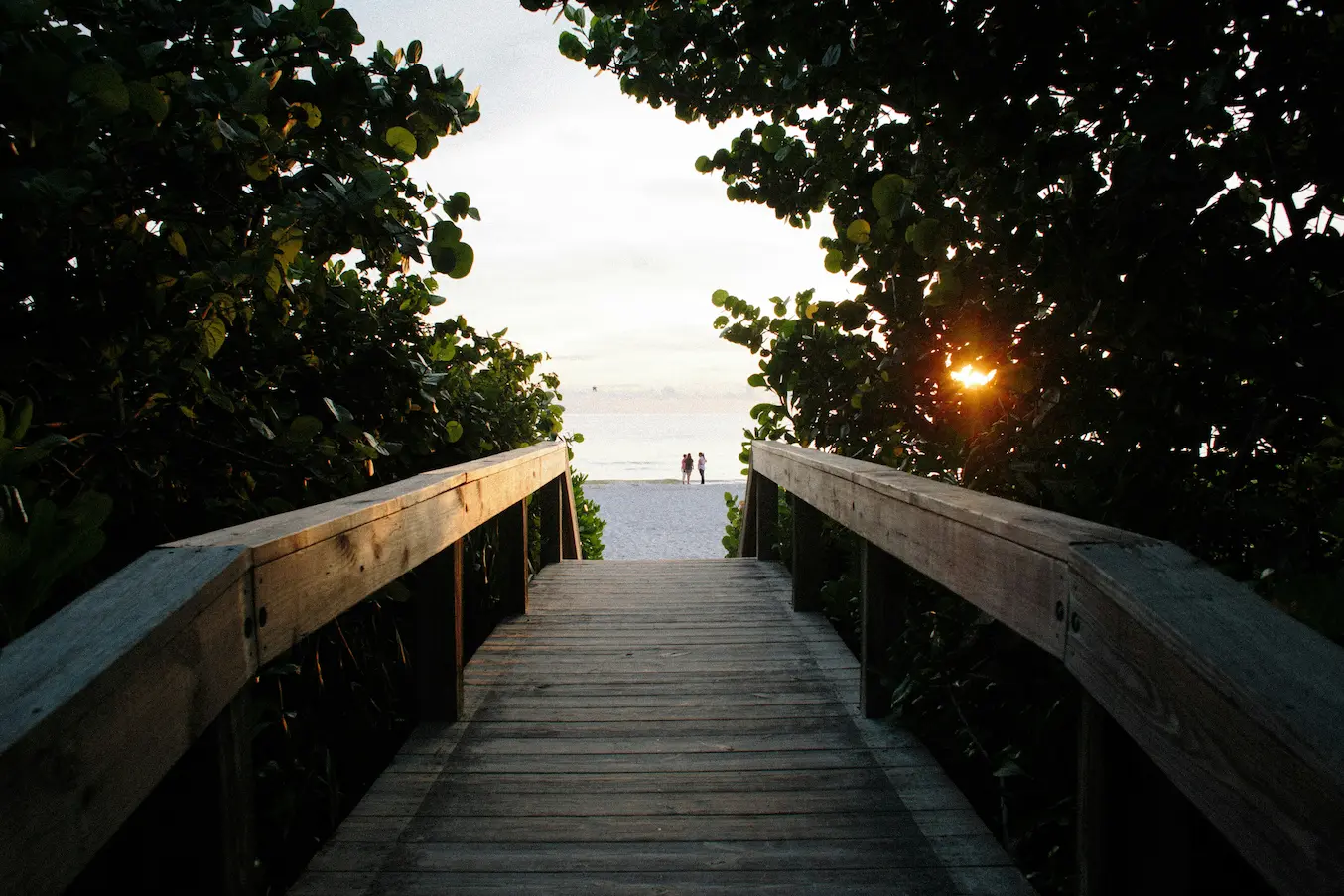
Most people arrive in Florida with a single image in mind: Miami Beach at sunset, palm trees leaning over turquoise water, and a crowded strip of sand filled with umbrellas and music. It is one version of Florida — and one of the most photographed.
But the images that define the state visually are often somewhere else entirely: a boardwalk floating over bright turquoise springs in North Florida, an airboat trail cutting through the Everglades at sunrise, pastel Art Deco buildings glowing in early morning light, or a quiet Gulf Coast beach where the sand looks almost white under the late afternoon sun.
If you stay in Central Florida — somewhere between Orlando and Tampa — you are within driving distance of many of these locations without spending hours on the road. It puts you close to the Gulf Coast, several of Florida’s famous freshwater springs, and the interior landscapes that most travelers overlook. That is why we recommend this region as a base if visual variety is the goal.
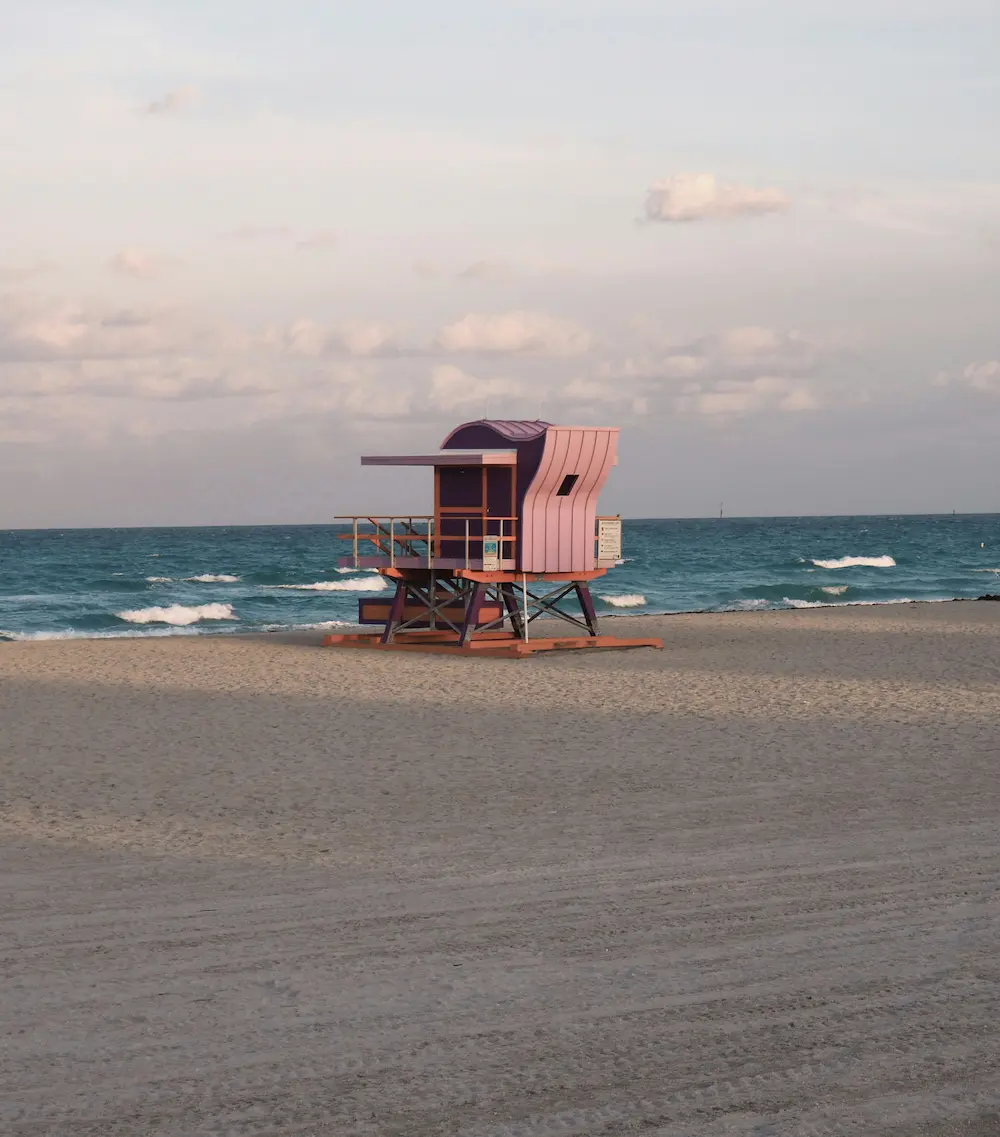
Central Florida works particularly well as a base for photography because several major regions sit within a two-hour drive. From Orlando, you can reach the Gulf Coast beaches, freshwater springs like Weeki Wachee or Rainbow Springs, and even the Everglades in a long day trip.
Accommodation prices vary widely depending on the season. Outside peak winter travel months, mid-range hotels around Orlando typically run about $90–150 per night, while smaller guesthouses or motels can drop closer to $70–90 depending on location.
If you are still deciding where to stay, Trip usually has some of the most competitive hotel rates across Florida’s main travel regions and is worth comparing before booking anything near the beaches or state parks.
Florida’s iconic beaches — South Beach in Miami or Clearwater Beach near Tampa — are popular for a reason. But by mid-morning in high season they are often crowded, and the lighting becomes harsh.
Many of the locations that produce the most striking photos in Florida are actually inland or require arriving at the right time of day. A freshwater spring early in the morning can look almost unreal: water so clear you can see fish moving through the limestone bottom from the boardwalk above. A mangrove channel in the Everglades at sunrise is completely quiet except for birds and the slow movement of water.
The locations below are accessible by car and short walks. Most have low entrance fees or are completely free, which makes them realistic stops even if you are traveling on a tight budget.
Everglades National Park — sunrise over the sawgrass
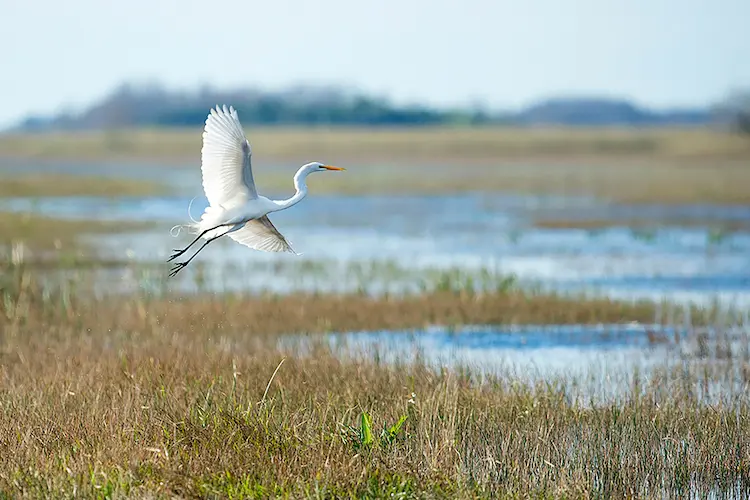
Everglades National Park protects more than 1.5 million acres of wetlands in southern Florida and offers one of the most distinct landscapes in the United States. The flat horizon of sawgrass, slow-moving water, and scattered cypress trees create a composition that changes dramatically depending on light and weather.
Popular photo locations include Anhinga Trail near the park entrance, where boardwalks pass directly through wildlife areas where alligators, turtles, and birds are commonly visible. Shark Valley, about 40 miles west of Miami, offers a 15-mile paved loop where photographers often capture wide views of the wetlands from the observation tower.
The park charges an entrance fee of about $30 per vehicle for a 7-day pass (verify current rates before visiting). Sunrise and the first hour of daylight usually offer the calmest water and the best chance of wildlife sightings.
Wynwood Walls — Miami’s open-air street art gallery
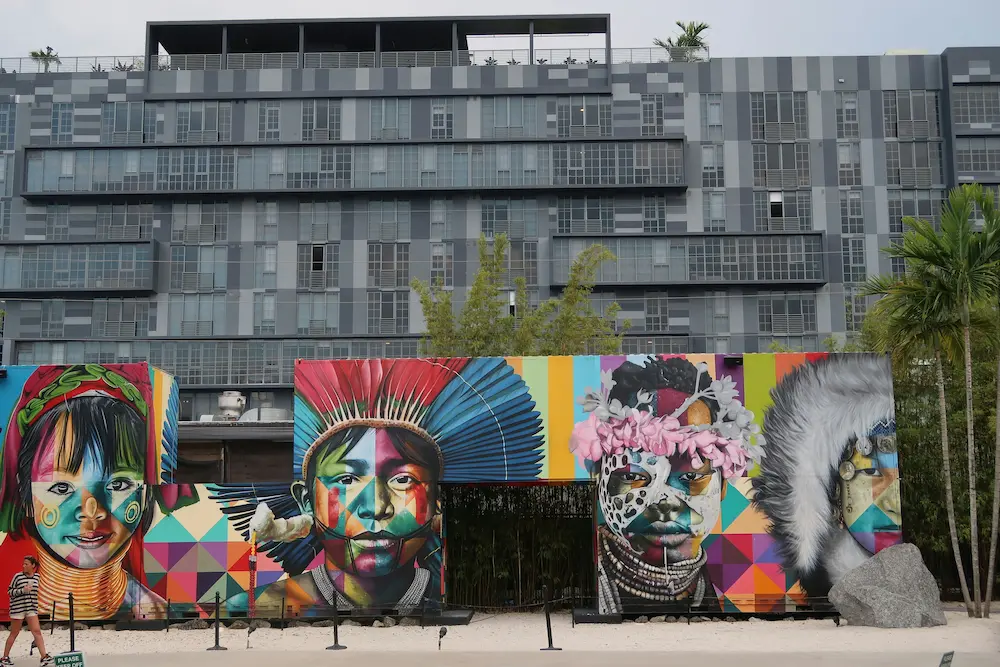
In Miami’s Wynwood district, more than 50 large-scale murals cover former warehouse buildings, creating one of the most recognizable urban photography areas in Florida. The artwork changes frequently as new artists repaint sections of the neighborhood.
The official Wynwood Walls complex charges an entry fee (around $12 for adults), but much of the surrounding district can be photographed for free simply by walking the streets.
The light between 9 and 11am tends to work best — bright enough to illuminate the murals but before the afternoon shadows cut across the walls. Weekdays are noticeably quieter than weekends.
Rainbow Springs State Park — turquoise water and forest boardwalks
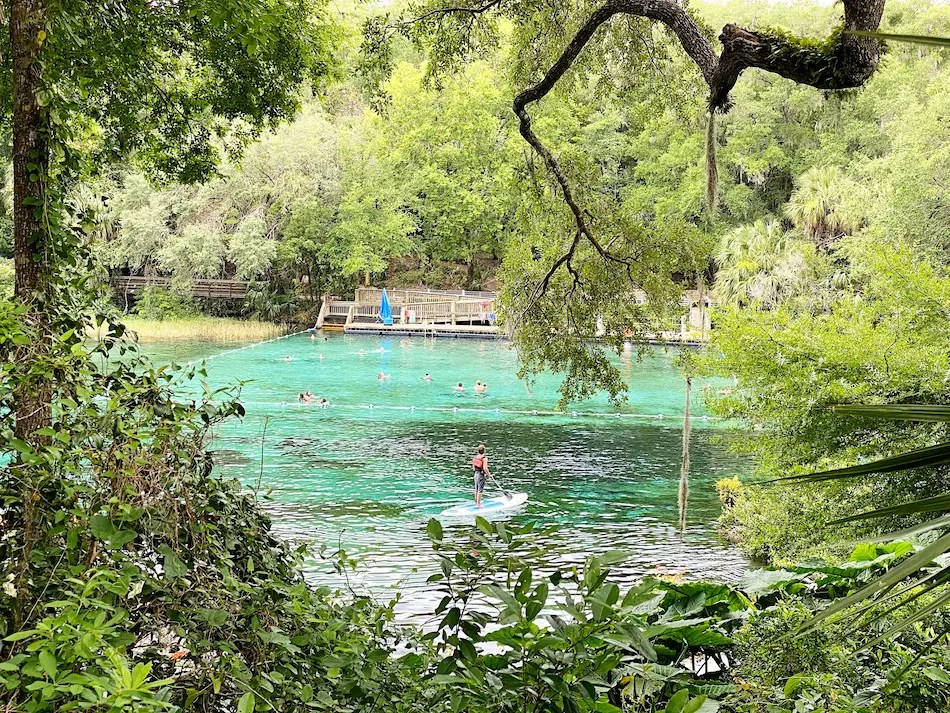
Rainbow Springs, located about 90 minutes northwest of Orlando near the town of Dunnellon, is one of Florida’s clearest freshwater springs. The spring basin produces more than 400 million gallons of water per day, which keeps the water consistently clear and bright blue.
Walking trails loop through subtropical forest and pass several small waterfalls — unusual in Florida’s flat landscape. The spring itself looks almost unreal from the dock: limestone rock formations below the surface, fish moving slowly through water that stays around 72°F year-round.
Entry to the park is typically about $2 per person. Early morning is the best time to photograph the spring before swimmers arrive later in the day.
Key West — pastel streets and sunset harbor
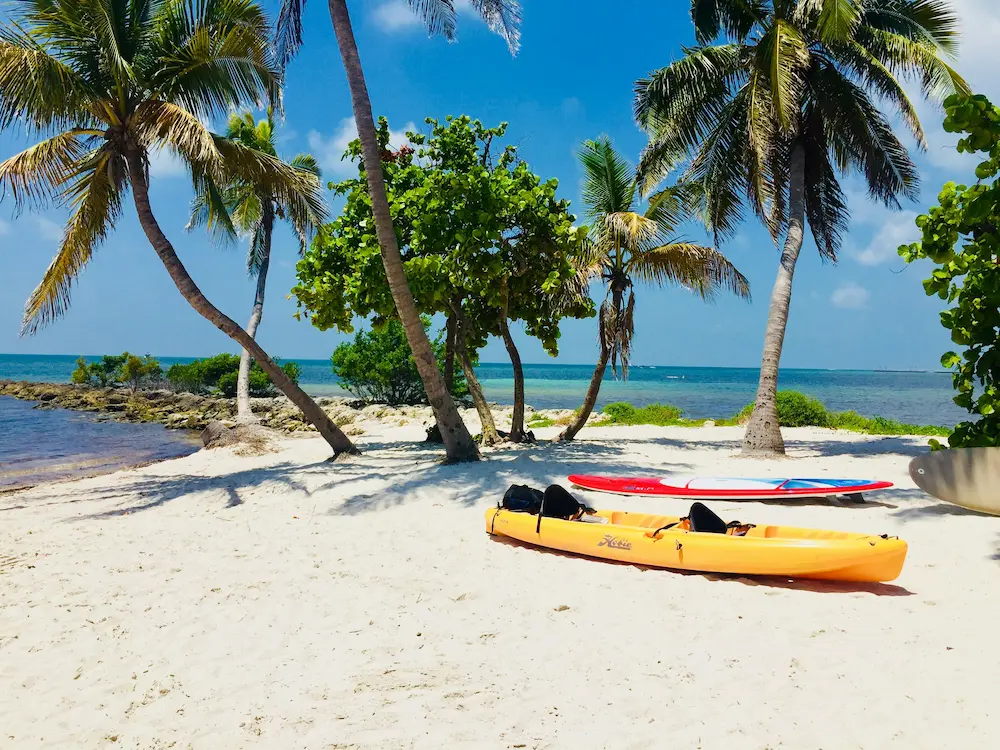
Key West sits at the southernmost end of the Florida Keys, about 160 miles south of Miami. The island’s historic district contains rows of pastel wooden houses, narrow streets lined with palms, and small harbors filled with boats.
The block around Bahama Village and the streets near Duval Street often produce the most recognizable images — colorful facades, bicycles parked against white fences, and tropical plants growing over balconies.
Sunset at Mallory Square draws crowds every evening, but the waterfront views looking toward the Gulf of Mexico still create strong compositions as the light drops. Early morning, however, is when the streets feel quiet and easy to photograph.
Dry Tortugas National Park — the remote fortress in turquoise water
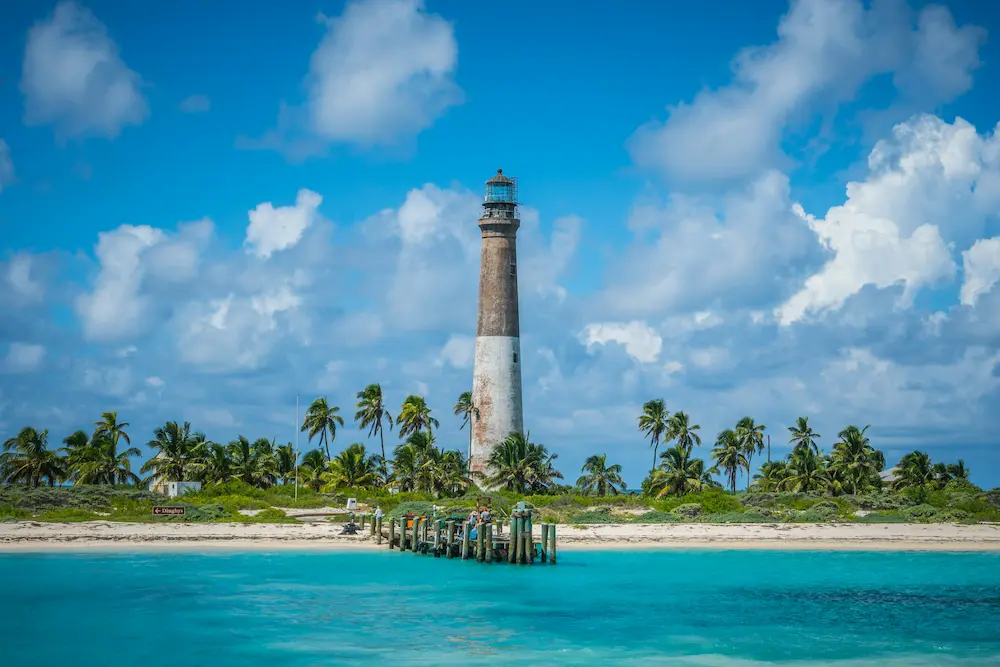
About 70 miles west of Key West sits Dry Tortugas National Park, one of the most remote national parks in the United States. The park is centered around Fort Jefferson, a massive 19th-century brick fortress surrounded by shallow turquoise water.
The view from the beach looking back toward the fort — brick walls rising directly above the water — is one of the most distinctive coastal photos in Florida.
Getting there requires planning. Most visitors take the Yankee Freedom ferry from Key West, which costs around $220 round trip and includes park entrance, breakfast snacks, and snorkeling gear. The ferry trip takes about 2.5 hours each way.
St. Augustine — Spanish colonial streets and coastal light
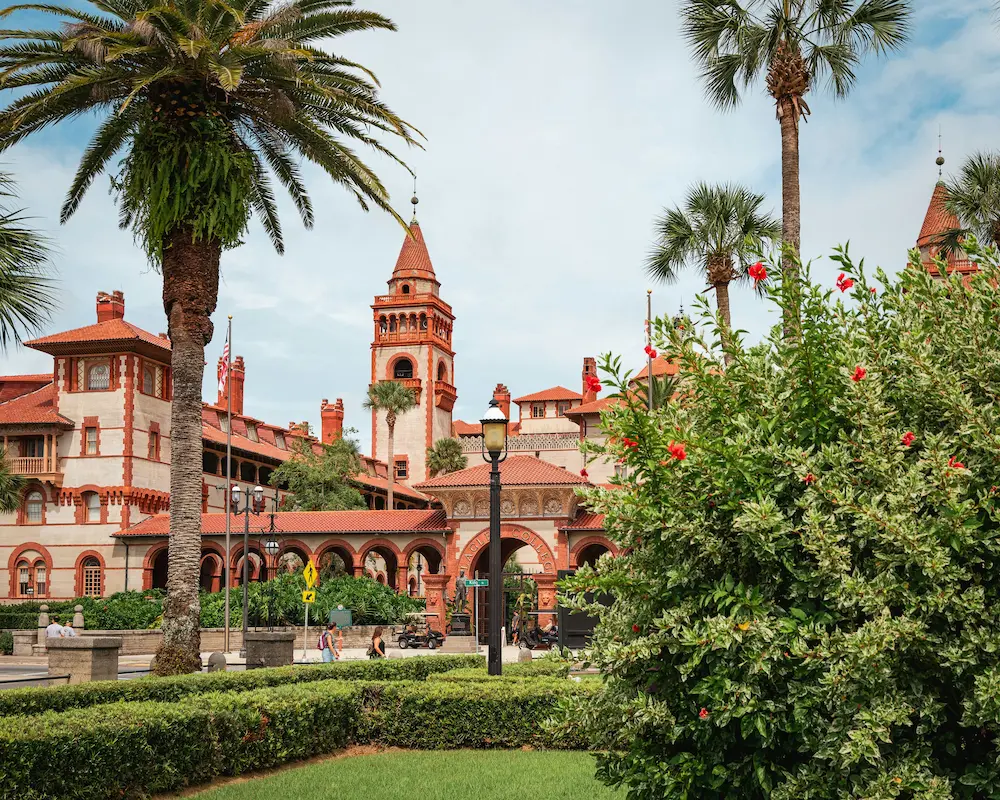
Founded in 1565, St. Augustine is the oldest continuously inhabited European-established city in the United States. Its historic district contains narrow brick streets, Spanish colonial buildings, and the large stone fortress Castillo de San Marcos.
The streets around St. George Street and the waterfront near the Bridge of Lions are the most photographed parts of the city. Castillo de San Marcos itself sits directly on the water, creating a clean composition with the fort in the foreground and Matanzas Bay behind it.
The fort charges about $15 per adult for entry (valid for 7 days). The exterior waterfront views are free and photograph well in late afternoon.
Clearwater Beach — Gulf Coast sunsets
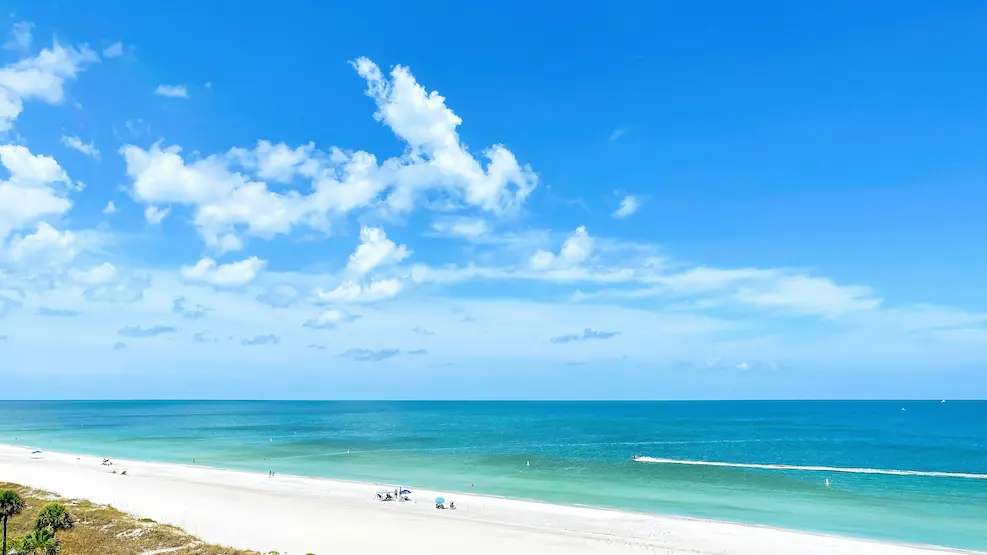
Clearwater Beach, on Florida’s Gulf Coast near Tampa, is known for sand that appears almost white under the sun due to its high quartz content. The wide beach and calm Gulf waters create clean horizon lines that photograph well at sunset.
Pier 60 is a common shooting location, where fishermen, pelicans, and boats often appear in the frame. The beach becomes crowded during the day, but the light near sunset — especially in winter when the sun drops directly over the Gulf — is what draws photographers.
Parking near the beach typically costs around $3–4 per hour in public lots.
Devil’s Den — underground spring near Gainesville
Devil’s Den is a prehistoric underground spring located near Williston, about 25 miles southwest of Gainesville. The spring sits inside a collapsed cave with an opening in the ceiling that allows sunlight to shine directly into the water.
The light beams entering the cave create some of the most distinctive underwater photos in Florida. The water remains around 72°F year-round and is popular for snorkeling and scuba diving.
Entry typically costs around $15 for snorkeling and about $20 for diving. Reservations are recommended because the spring limits the number of visitors allowed inside the cave.
Florida’s light changes quickly due to humidity and haze. Early morning and late afternoon consistently produce the clearest photos across most locations.
Summer thunderstorms are common between June and September. They usually pass quickly but can interrupt afternoon photography plans.
If you plan to photograph wildlife in the Everglades or coastal areas, bring insect repellent — mosquitoes are most active at sunrise and sunset.
Many state parks in Florida open at 8am and have small entrance fees. Arriving when the gates open usually means fewer crowds and better lighting conditions.
Florida’s most memorable photos rarely come from one single destination. They come from a mix of landscapes spread across the state — wetlands in the Everglades, clear freshwater springs in the interior, pastel streets in the Keys, and quiet beaches along the Gulf Coast.
Most of these places are accessible with a short walk, a modest entrance fee, and a little planning around light and timing. Start early, visit on weekdays when possible, and build your route around a few regions instead of trying to see everything at once.
Whether you are traveling with a camera, a phone, or simply looking for places that feel different from the usual beach itinerary — Florida offers far more variety than most travelers expect, and much of it is surprisingly accessible.