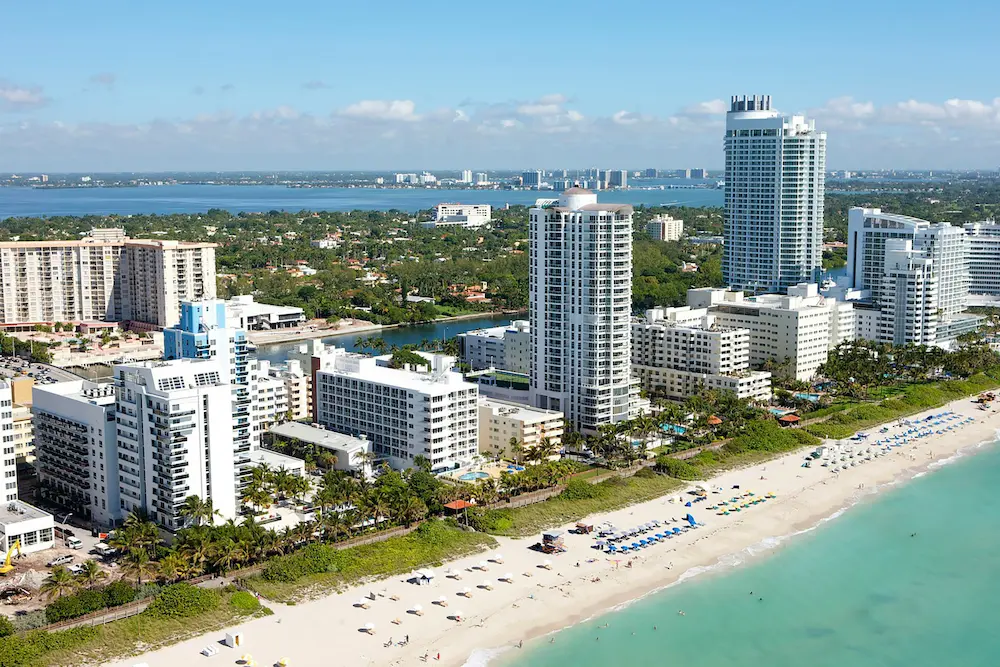
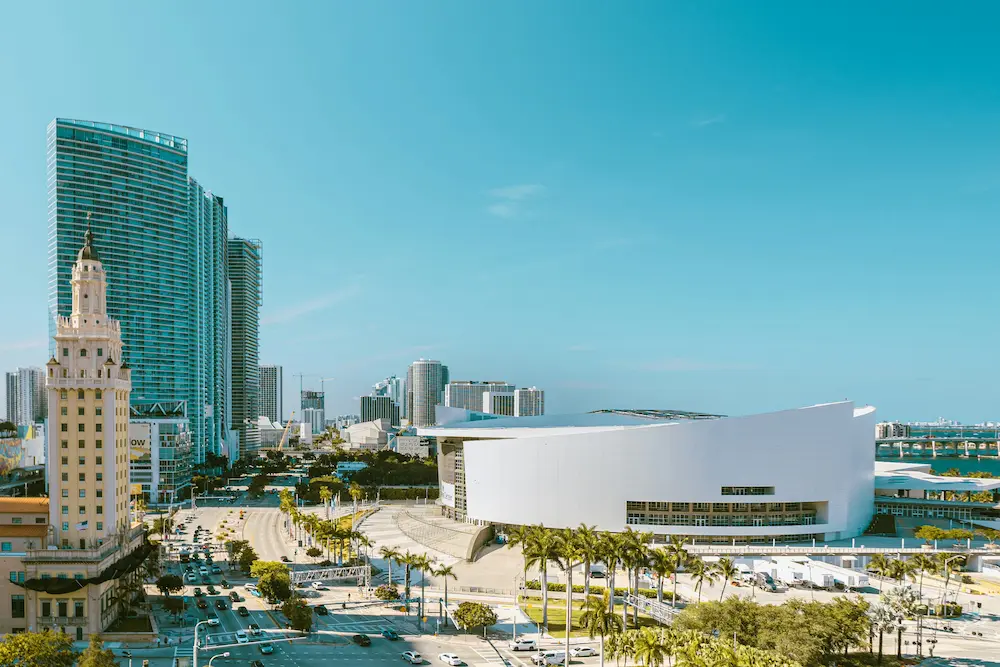
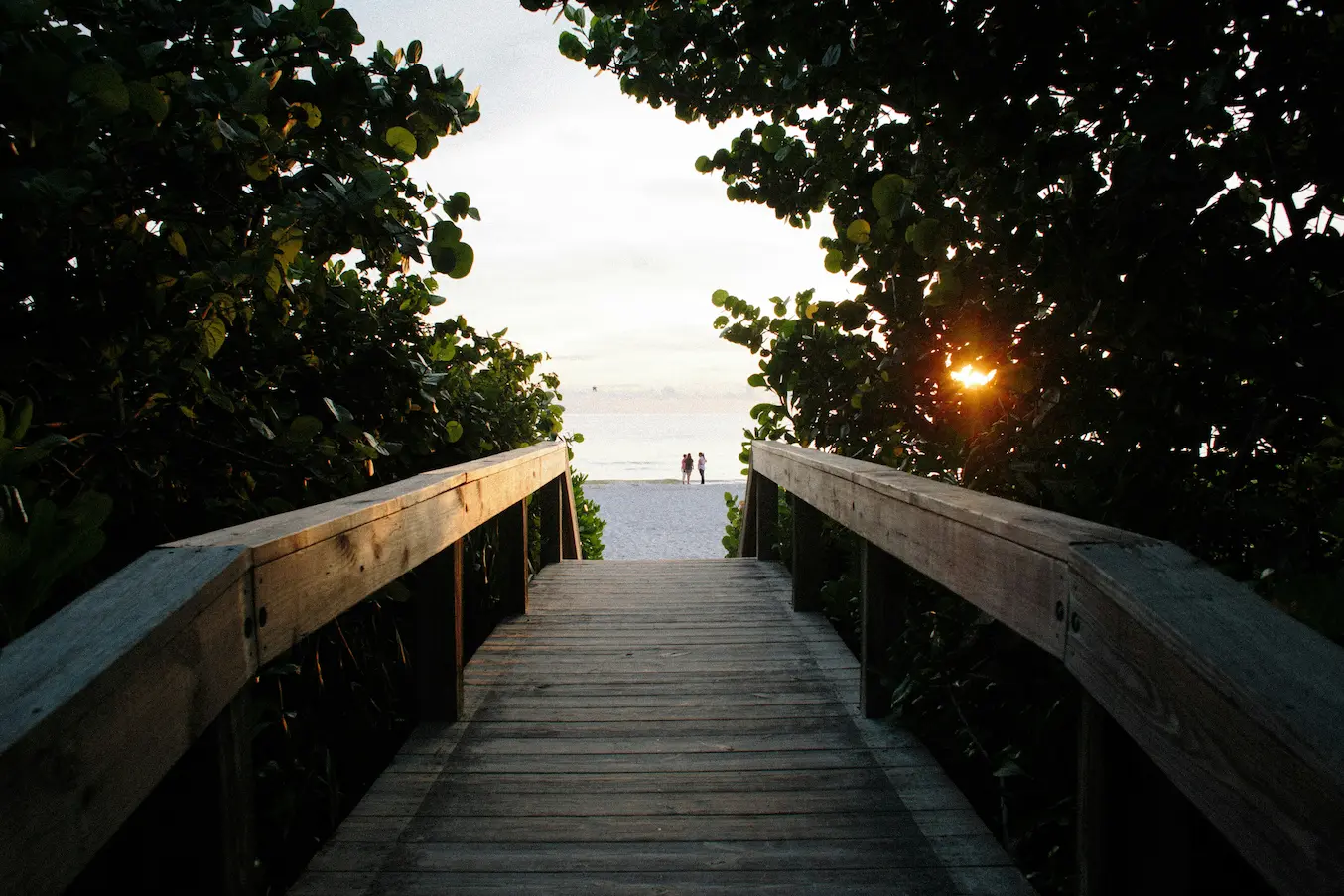
Florida is the most visited state in the US — over 130 million tourists arrive each year — and most of them see less than a quarter of what it actually offers. They fly into Orlando, spend a week inside a theme park bubble, and leave without ever touching the Gulf Coast, the Keys, or […]
Florida is the most visited state in the US — over 130 million tourists arrive each year — and most of them see less than a quarter of what it actually offers. They fly into Orlando, spend a week inside a theme park bubble, and leave without ever touching the Gulf Coast, the Keys, or the cultural neighborhoods of Miami that make the state genuinely interesting. This guide covers the four regions that together give you the real range of Florida: Miami and South Florida, the Florida Keys, Orlando and Central Florida, and Tampa and the Gulf Coast.
A rental car is the only way to connect these regions properly. Miami International Airport (MIA) is the most practical entry point for the full loop. Tampa International Airport (TPA) works well as an alternative exit if you end your trip on the Gulf Coast.
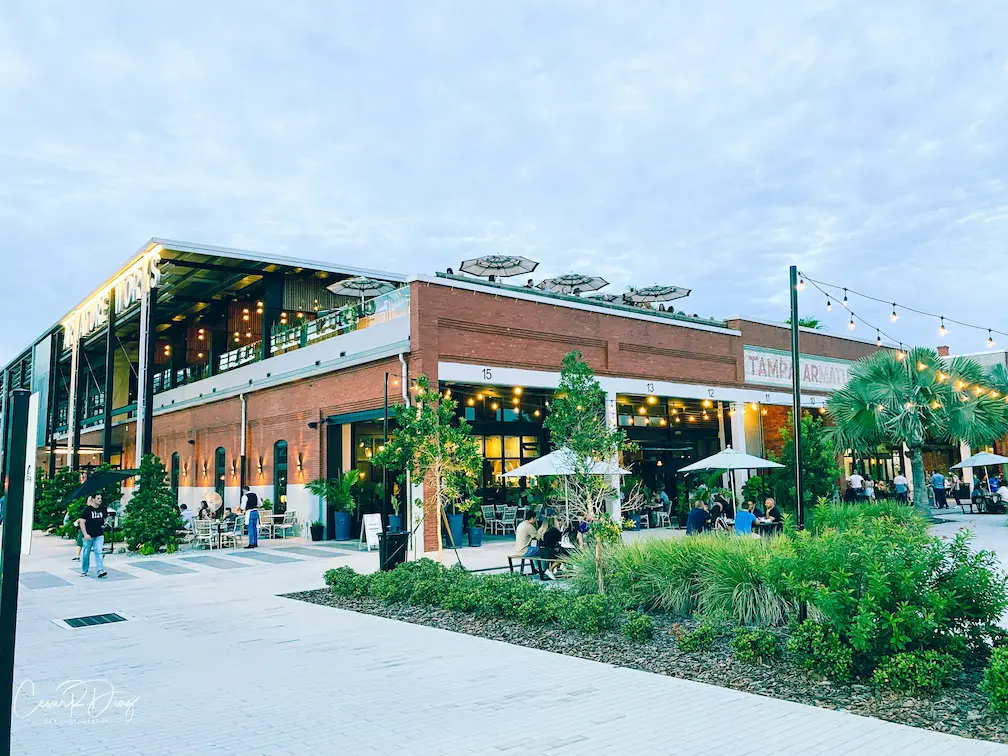
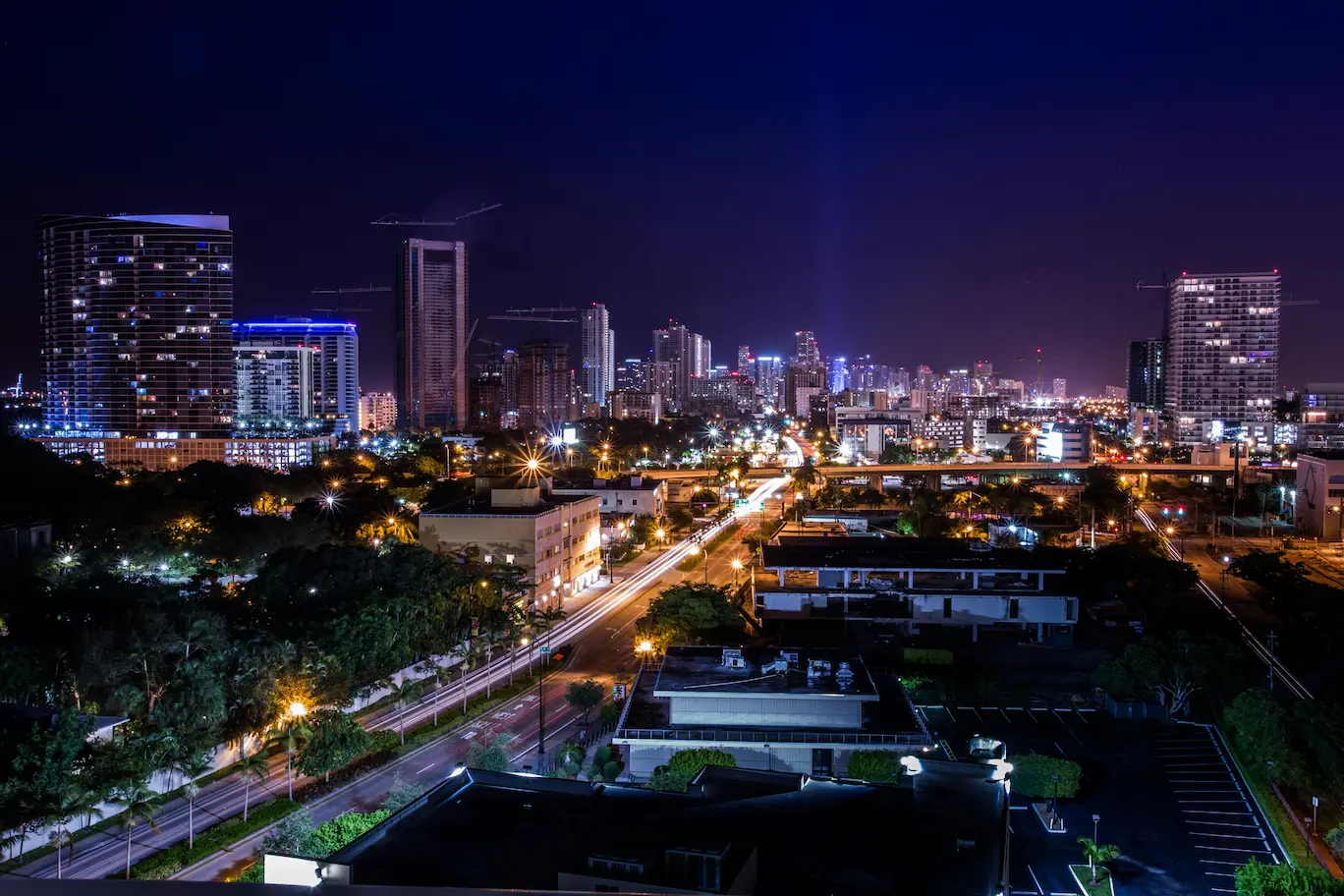
Most travelers default to a hotel near whatever theme park or beach they came to see. That is usually the most expensive and least flexible option. Miami’s neighborhoods — Wynwood, Little Havana, Brickell — give you the cultural and culinary side of the state at significantly lower accommodation rates than South Beach hotels. Tampa’s Ybor City and Hyde Park neighborhoods do the same for the Gulf Coast.
Both cities sit within practical driving distance of the main Florida destinations. Using either as a base lets you book day trips and activities directly through local operators — consistently cheaper than going through a resort desk.
If you are still comparing accommodation options, Super can be useful for checking hotel prices across Florida cities and beach towns, especially since rates can vary significantly between neighborhoods.
Miami’s most interesting neighborhoods are not the ones most visitors spend time in. Wynwood’s street art rotates constantly — the murals covering entire building facades are replaced regularly by artists from around the world, and it costs nothing to spend a full afternoon here. Little Havana’s Calle Ocho is one of the most walkable cultural streets in the state: Máximo Gómez Park, the Calle Ocho Walk of Fame, and a density of Cuban restaurants and ventanitas that give the neighborhood its personality. Versailles Restaurant on SW 8th Street has been serving Cuban food since 1971 and remains one of the most consistent spots for a traditional Cuban sandwich and café con leche.
South Beach is worth one afternoon for the Art Deco Historic District along Ocean Drive — the preserved 1930s buildings are genuine and free to walk. The Pérez Art Museum Miami offers free admission on the first Thursday of each month.
Everglades National Park is approximately an hour southwest of Miami and is the largest subtropical wilderness in the US. Airboat tours operate from multiple entry points along the park perimeter. The park charges a vehicle entry fee — verify current rates on the National Park Service website before visiting.
The Overseas Highway — US Route 1 — connects Miami to Key West over 113 miles and 42 bridges. The drive itself, with stops, takes six to eight hours. Do not rush it.
John Pennekamp Coral Reef State Park in Key Largo protects part of the only living coral reef system in the continental US. Snorkeling tours and glass-bottom boat trips run from the park marina. In Islamorada, Robbie’s Marina offers dock access for approximately $2.50 and a bucket of fish to feed the resident tarpon for about $5 — an unusual ten minutes that most visitors find genuinely memorable.
The Seven Mile Bridge between Marathon and the Lower Keys is the most photographed section of the highway. Big Pine Key, just past the bridge, is home to the Key Deer — an endangered subspecies of white-tailed deer found nowhere else on earth. Drive slowly; sightings are common in the morning and late afternoon.
Key West is the end of the road at Mile Marker 0. The Mallory Square sunset celebration runs every evening with street performers and food vendors — free, and worth planning your day around. The Ernest Hemingway Home and Museum on Whitehead Street is open daily; check current admission fees directly with the museum. Key West accommodation is expensive — staying in Marathon or Islamorada and doing Key West as a day trip saves significantly.
Orlando is the theme park capital of the world, and Walt Disney World, Universal Orlando, and SeaWorld each justify a full day. But Central Florida has a real range of experiences outside the parks.
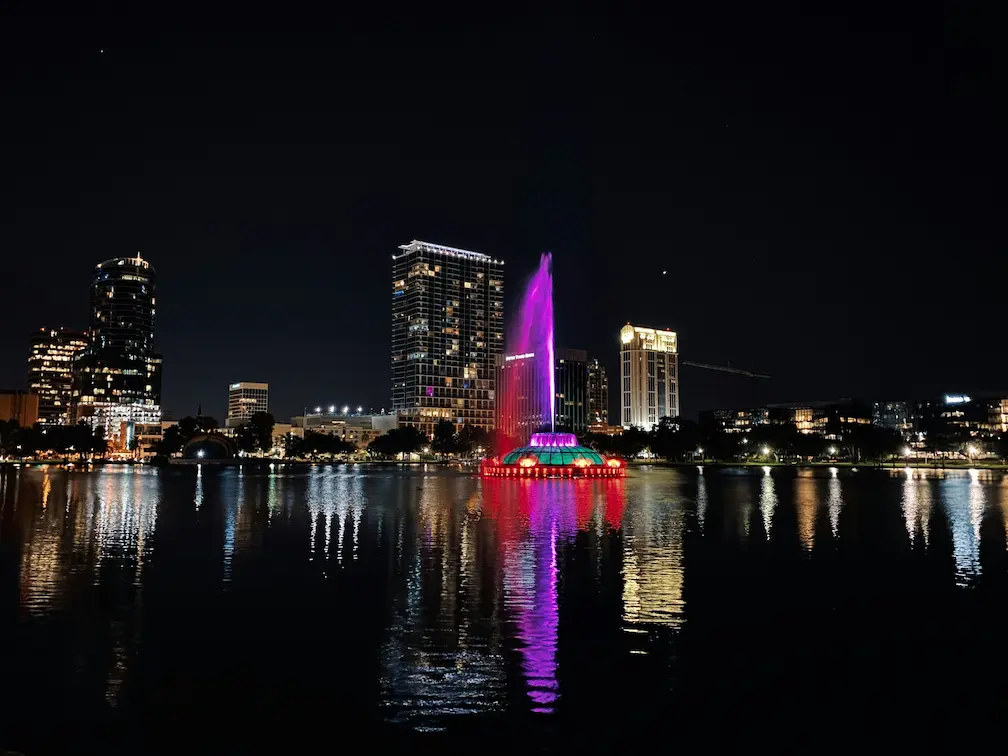
Gatorland on US-441 south of downtown combines a zoo focused on native Florida wildlife with zip lines over alligator enclosures. The Winter Park Scenic Boat Tour runs one-hour cruises through the canals and lakes of a historic suburb north of downtown — a genuinely different pace from the rest of the region. Lake Eola Park in downtown Orlando is free and walkable. Disney Springs and Universal CityWalk are both free to enter and work well as evening options without a park ticket.
For something unusual, bioluminescent kayak tours operating out of Merritt Island and the Indian River Lagoon — about an hour east of Orlando — are one of the more memorable experiences in Central Florida. Book in advance and verify availability with local operators.
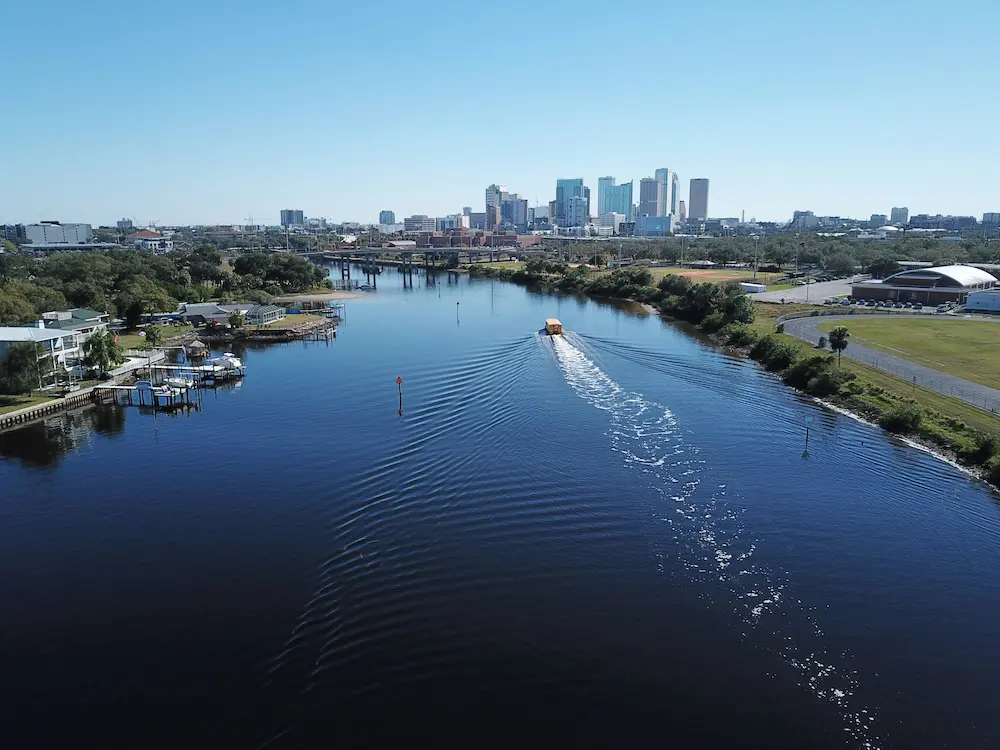
Tampa is underrated by most Florida visitors, which keeps prices lower and the streets less crowded. Ybor City, founded by Cuban, Spanish, and Italian immigrants in the late 1800s, anchors the city’s identity. The Columbia Restaurant — open since 1905 and the oldest restaurant in Florida — is here, along with the J.C. Newman Cigar Company, the last operating cigar factory in the district, with free facility tours. The Tampa Riverwalk runs 2.6 miles along the Hillsborough River and is free to walk. The TECO Streetcar connects Ybor City to Channelside and downtown at no cost.
St. Petersburg, 30 minutes away, has the Salvador Dalí Museum — the largest collection of Dalí’s work outside of Europe — and a concentrated downtown mural scene that is free to explore on foot. Clearwater Beach, another 30 minutes west, is consistently ranked among the top beaches in the US for sand quality. The beach is free. Pier 60 runs a nightly sunset festival with street performers — also free.
Florida’s food identity is shaped by its coastline, its subtropical climate, and a population with deep Cuban, Caribbean, and Latin American roots. The result is a food culture that does not look like the rest of the American South — it is more tropical, more diverse, and more interesting than most visitors expect.
The best eating in any Florida neighborhood is usually not on the main tourist strip. Move one or two streets off the obvious and prices drop immediately while quality tends to hold. Here are the dishes worth seeking out by region:
Miami and South Florida:
The Florida Keys:
Tampa and the Gulf Coast:
Florida is not only theme parks and beach resorts. Miami gives you a culturally layered food city plus a gateway to the Everglades. The Keys give you a 113-mile ocean highway that ends at the southernmost point of the continental US. Orlando gives you the world’s most concentrated theme park destination and a real range of experiences beyond it. Tampa and the Gulf Coast give you Clearwater’s beaches, Ybor City’s history, and St. Pete’s art scene at a fraction of Miami’s prices.
The best approach is to pick your base, plan day trips outward, and leave room for the version of Florida that surprises you.