If you are planning a trip to Phuket and asking yourself how to get there, what the visa situation is, and whether it is as straightforward as people say — the honest answer is: it is one of the easier destinations in Southeast Asia to navigate, but it still has its details. Phuket is Thailand’s […]
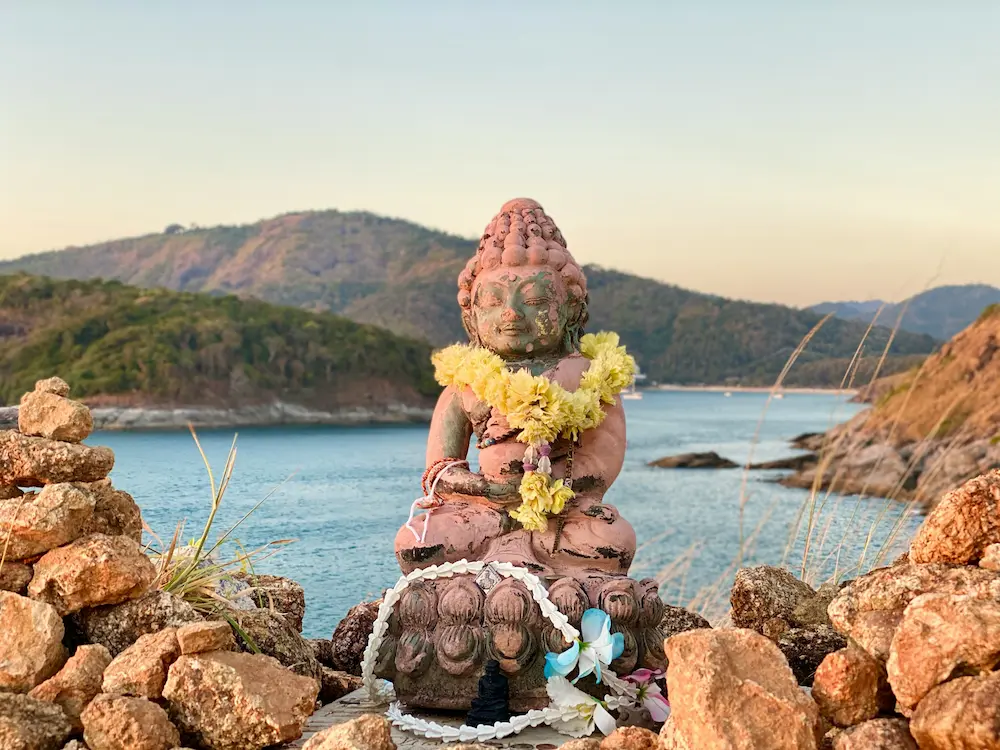
If you are planning a trip to Phuket and asking yourself how to get there, what the visa situation is, and whether it is as straightforward as people say — the honest answer is: it is one of the easier destinations in Southeast Asia to navigate, but it still has its details. Phuket is Thailand’s largest island, connected to the mainland by a bridge, and what works in a city-based Thailand trip does not always translate to an island with limited public transport, seasonal beaches, and a very wide range of accommodation types that deliver very different experiences.
This guide covers what actually matters: how to get there, entry requirements, how to move around without stress, the difference between staying in different parts of the island, what to eat, cultural notes, and the most common mistakes that turn a good trip into a frustrating one.
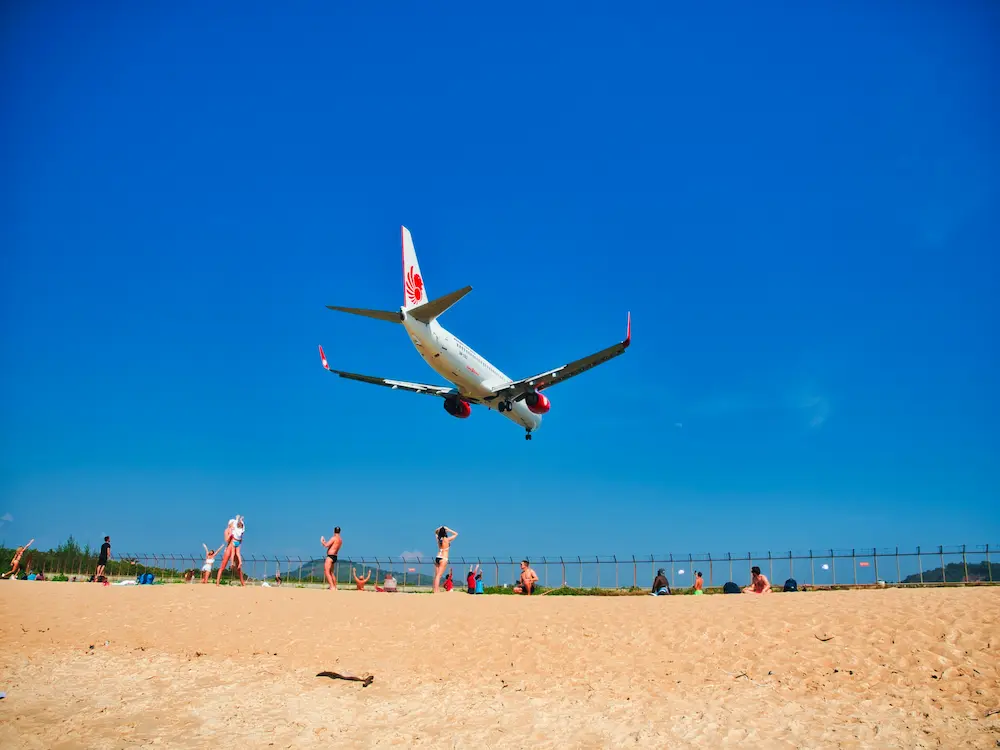
Phuket International Airport receives direct international flights from several hubs including Bangkok (Suvarnabhumi and Don Mueang), Kuala Lumpur, Singapore, Hong Kong, and select European and Middle Eastern cities. For most travelers, the route involves one connection — typically through Bangkok or another Southeast Asian hub.
The airport is in the north of the island, approximately 45 minutes by road from Phuket Town and around one hour from the southern beaches depending on traffic. Taxis and private transfers are available from arrivals; agree on the price before getting in. Grab — the ride-hailing app that operates across Thailand — works at Phuket airport and is the most reliable way to get a fixed fare without negotiating.
If you are arriving late and your onward plans involve an early departure to another island or an early morning activity, consider spending the first night near the airport in the north of the island rather than making the full drive south. It removes time pressure and gives you a more relaxed start.
If you’re planning flights and accommodation together, Super offers bundled travel deals at discounted rates and covers a wide range of options across Phuket, from budget stays to beachfront hotels.
Thailand has a visa exemption policy for citizens of many countries, allowing stays of up to 60 days without a pre-arranged visa for most Western nationalities — though the exact duration and eligibility depends on your passport. Thailand extended its visa exemption from 30 to 60 days for several nationalities in 2024, so it is worth verifying the current rules for your specific nationality with the Thai embassy or consulate before traveling, as these policies change periodically.
What to have ready at arrival:
One thing that catches travelers off guard: Thailand has a limit on how many visa exemption entries you can make within a calendar year. Travelers who enter Thailand repeatedly on exemptions — particularly via land borders — may be questioned or refused entry. If you are planning a longer stay or multiple entries, a Tourist Visa obtained in advance from a Thai embassy is the more reliable option.
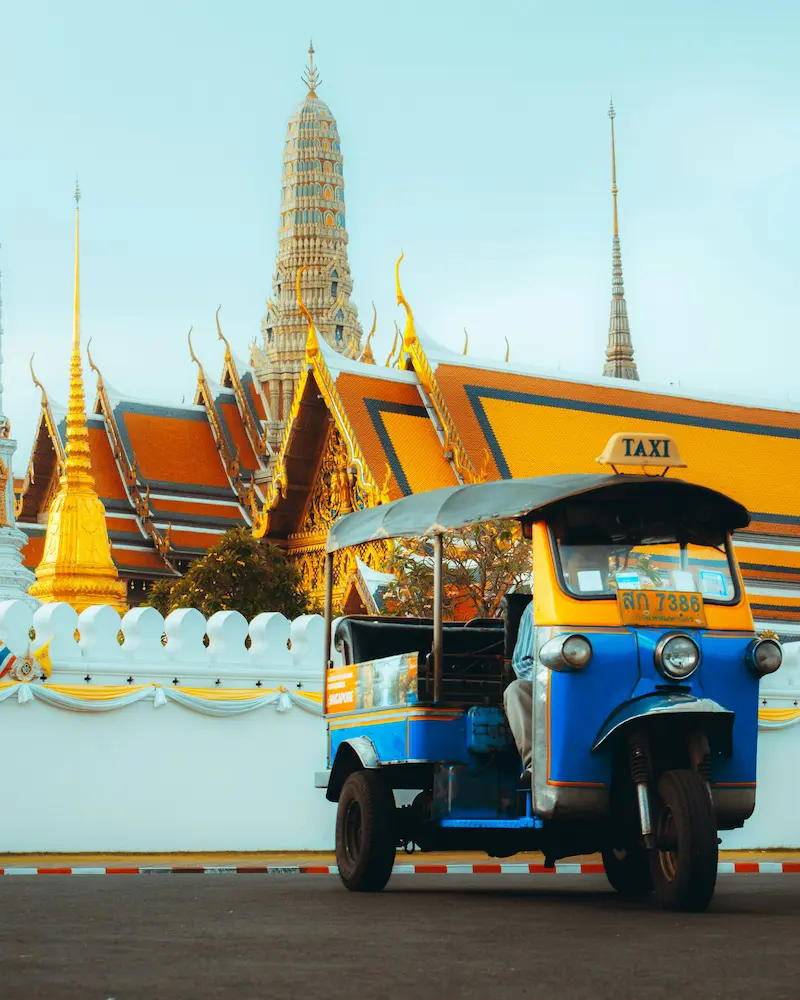
Once you are on Phuket, getting around requires some planning. There is no metered taxi network in the conventional sense outside of airport arrivals, and public transport is limited.
Grab — the most practical option for most journeys. The app works reliably across most of the island, shows the fare before you confirm, and removes the need to negotiate. It is the clearest improvement over older transport options for independent travelers.
Songthaews — shared pickup trucks running fixed routes between Phuket Town and the main beaches. The cheapest way to travel between the town and the coast, but they run on loose schedules and routes are fixed. Useful for the Phuket Town to Patong or Kata corridor.
Tuk-tuks — widely available but prices are negotiated, not metered. Agree on the fare before getting in. Useful for short journeys within a beach area, less practical for longer cross-island trips.
Scooter rental — the most practical option for independent travelers who want flexibility. Available from rental shops throughout the island. Traffic on the main roads between beaches can be heavy, particularly around Patong. Confirm whether your travel insurance covers motorized vehicles before renting.
One logistics point worth knowing: the west coast beaches are spread out and not walkable between each other. Moving from Surin to Kata, for example, requires transport. Factor this into your planning if you want to cover multiple beaches in a day.
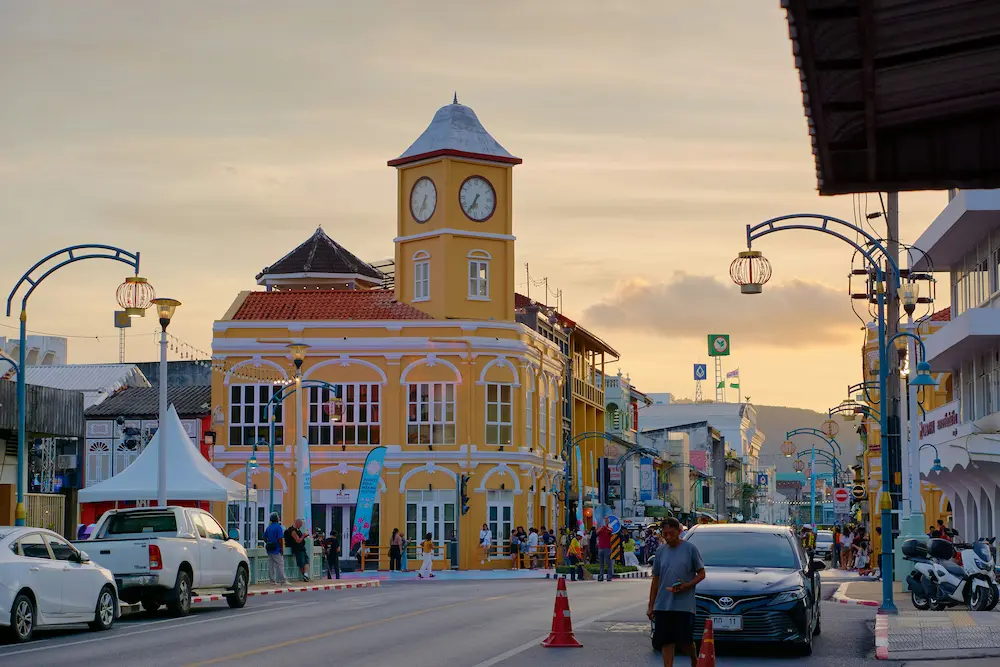
Phuket has several distinct areas, and choosing where to stay shapes the entire trip. Unlike many beach destinations, there is no single obvious answer.
Phuket Old Town is the most interesting base for travelers who want cultural depth and local eating alongside beach access. It is cheaper than the beach areas, has the best independent restaurants on the island, and is central enough to reach most beaches by scooter or songthaew in 20 to 40 minutes. The Sino-Portuguese shophouse architecture in the historic district around Thalang Road, Dibuk Road, and Soi Rommanee is some of the most intact in Southeast Asia. The neighborhood was built by Chinese immigrants during the tin mining period and reflects that hybrid cultural history.
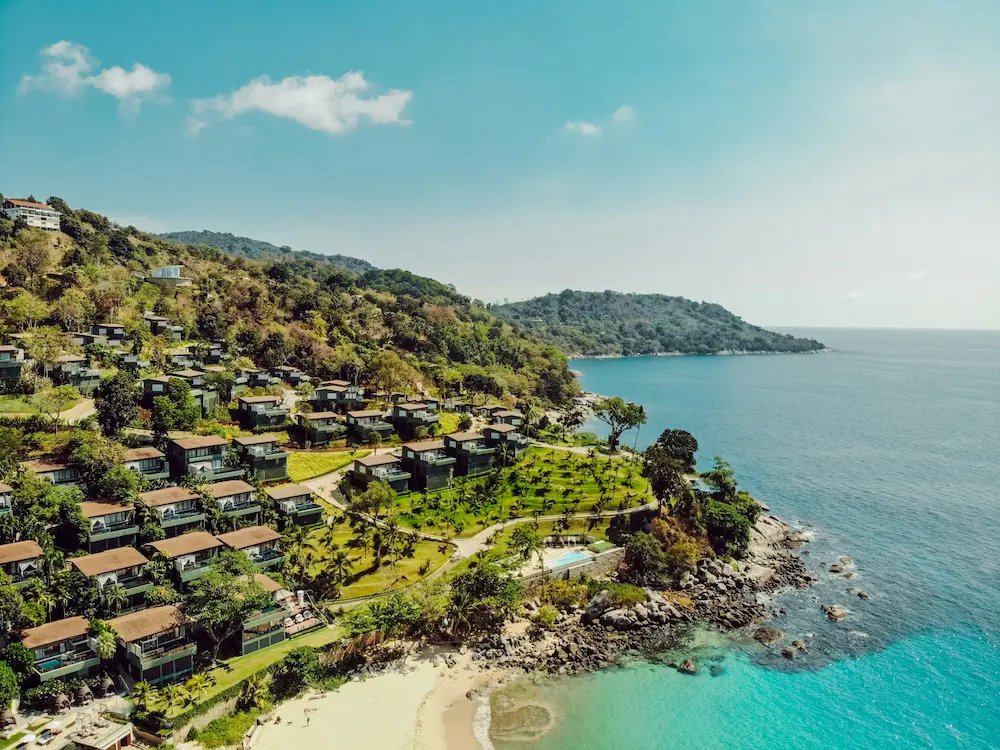
The west coast beaches — Patong, Kata, Karon, Kamala, Surin — are where most tourists stay, and each has a different character. Patong is the most developed and most crowded, with the full range of nightlife and water sports. Kata and Karon are calmer and family-oriented. Kamala and Surin are quieter, with a higher-end restaurant scene along Surin. Staying directly on the beach costs more than staying in town; the trade-off is walking distance to the water.
The north of the island — around Nai Yang and Mai Khao — is close to the airport, quieter than the south, and has long, relatively uncrowded beaches. It suits travelers who want a calmer experience and do not need to be near the nightlife or the main tourist activity.
What tends to work well for most first-time visitors: two to three nights in or near the Old Town for orientation and culture, then move to a beach area for the remaining days. It is not an either/or choice.
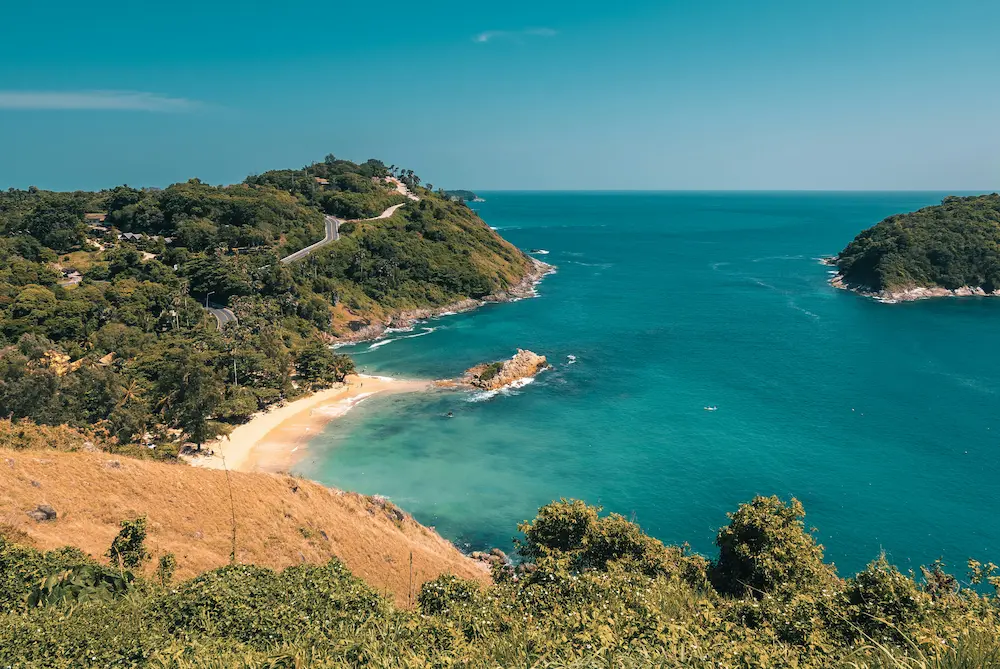
Phuket has two seasons driven by the monsoon cycle, and the difference between them is significant enough to affect which beaches are usable.
Dry season (November to April): The Andaman coast is at its best — calm seas, clear water, consistent sunshine. November through February is peak season with the highest demand and prices. March and April offer similar conditions with slightly less demand. This is the period when all the main west coast beaches are fully operational and swimmable.
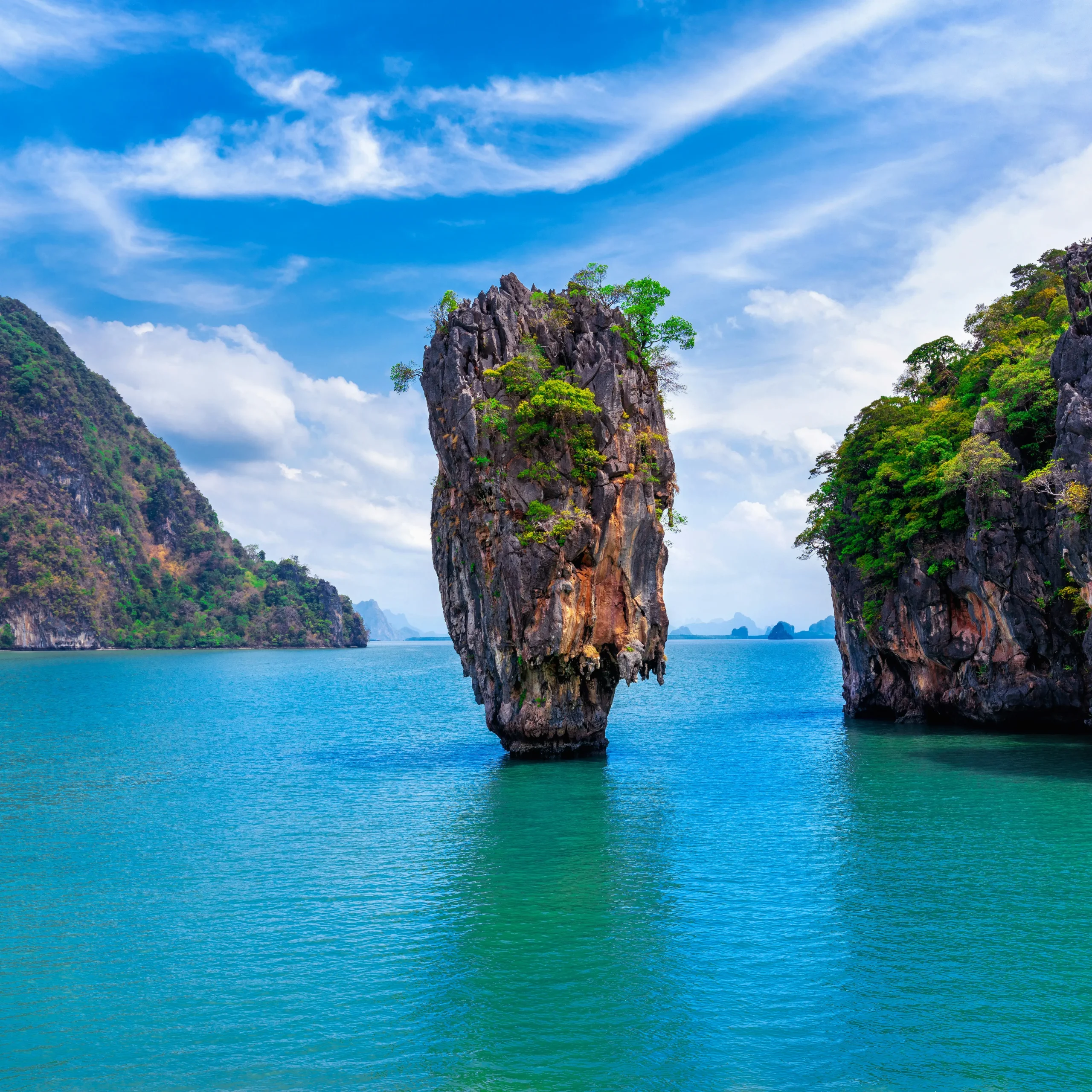
Wet season (May to October): The southwest monsoon brings significant rain and wave activity to the Andaman coast. Some west coast beaches are flagged with red warning flags and are not safe for swimming during this period. However, the rain does not fall all day — it typically comes in heavy bursts, often in the afternoon, with sunshine in the morning. Accommodation prices drop noticeably across the island. The east coast and Phang Nga Bay are more sheltered and remain accessible. If cost is a priority and guaranteed beach conditions are not, May, June, and October can work well.
For specific activities: the best diving and snorkeling visibility is generally during the dry season. Whale sharks are not a consistent feature of Phuket’s waters the way they are in some other Thai dive sites — if that is a specific goal, the Similan Islands (accessible by liveaboard from Phuket during the dry season) are the more reliable option.
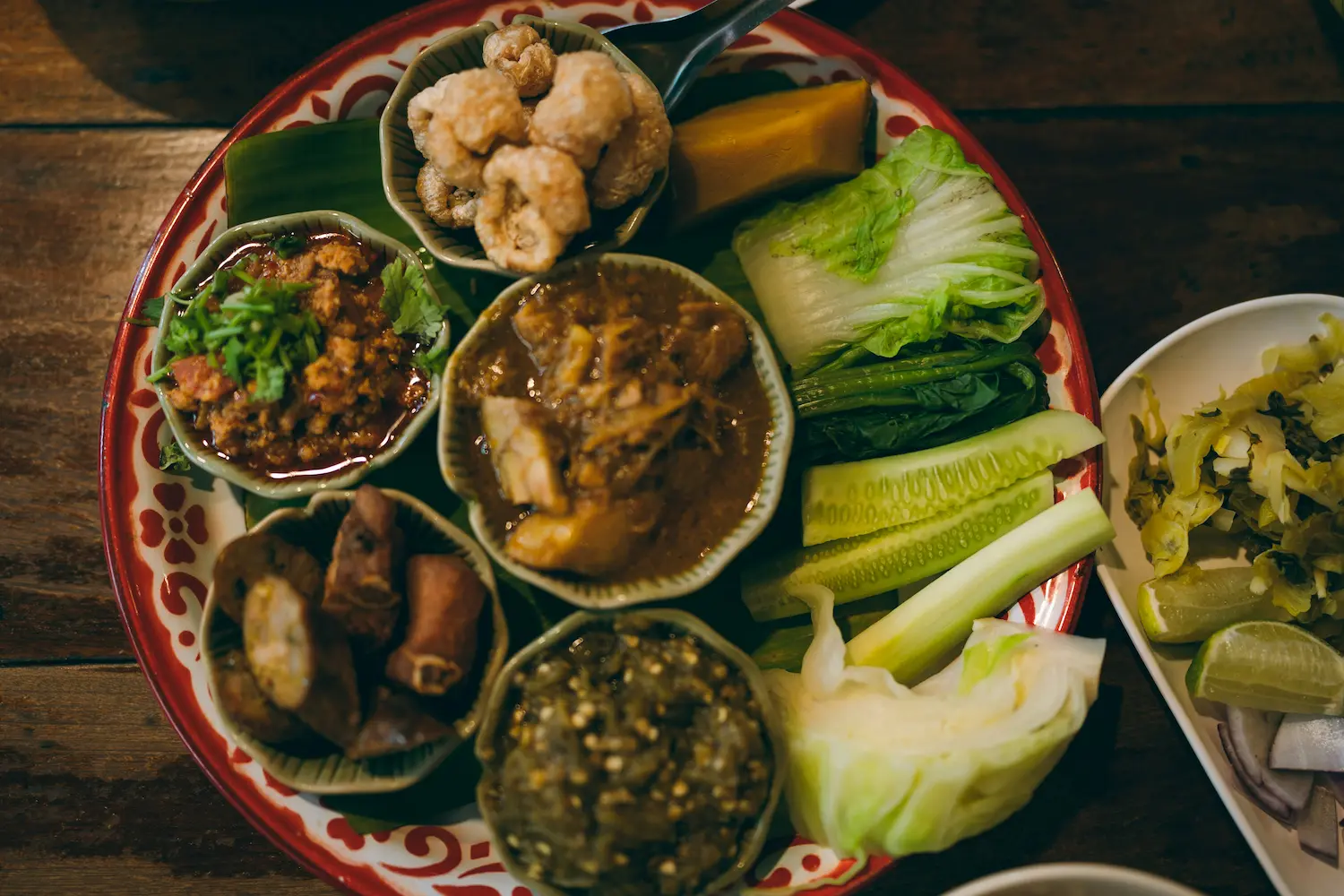
Phuket’s food scene is one of the most underrated parts of the trip, and most of the best eating happens away from the beach hotel strips.
Phuket Town has the best concentration of local food on the island. The morning market near Ranong Road opens early and serves local breakfast dishes — khanom jeen (rice noodles with curry broth), dim sum from Chinese-influenced cafés, and fresh tropical fruit. These are genuinely local places, not tourist-oriented versions of local food.
When you are on the main island, look for:
Mee hokkien — Hokkien-style stir-fried noodles, a local specialty that reflects the island’s Chinese Peranakan heritage. Served at several Old Town restaurants and at morning markets.
Khanom jeen — rice noodles served with a variety of curry broths. One of the most common breakfast dishes in southern Thailand and particularly good in Phuket Town where the Chinese influence adds variation to the preparation.
Pad thai and green curry — available everywhere and worth ordering at small local restaurants away from the main tourist streets, where the quality and price are both better than in hotel-adjacent spots.
Roti — flatbread cooked to order on a griddle, served with condensed milk, banana, or egg. Available from street vendors throughout the Old Town from early morning.
If you do not eat seafood, options are plentiful — Thai cuisine has a wide range of vegetable and tofu-based dishes, and vegetarian restaurants exist throughout the Old Town and near the main beaches. Ask ahead at smaller local places, as fish sauce appears in many dishes that do not appear to contain it.
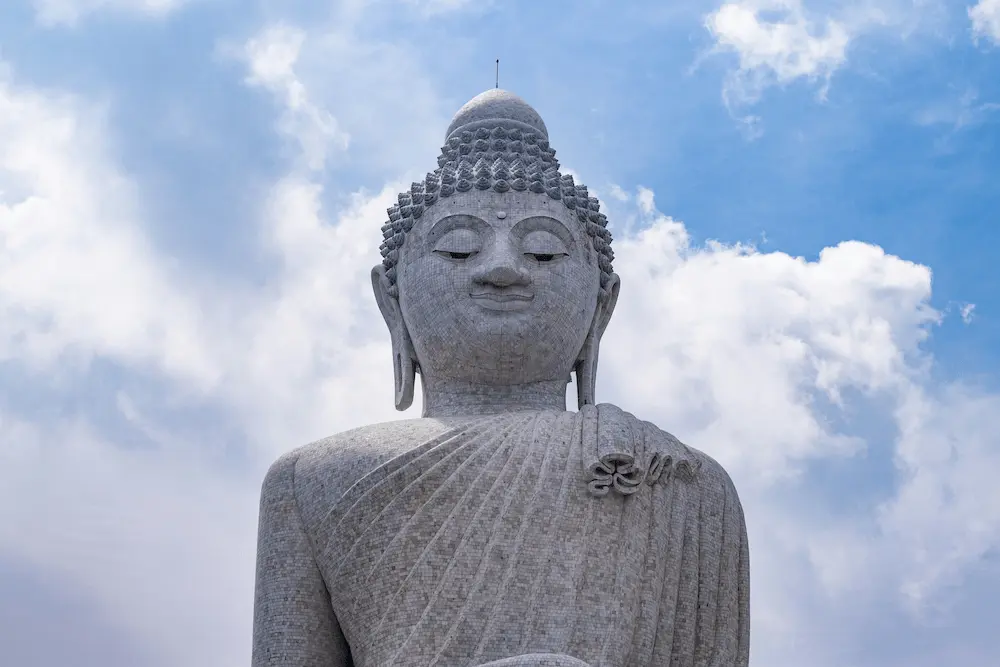
Thailand is a predominantly Buddhist country, and Phuket’s cultural rules are largely consistent with the rest of Thailand — but worth knowing specifically because the heavy tourist presence on the beaches creates an environment where some travelers assume the normal rules do not apply.
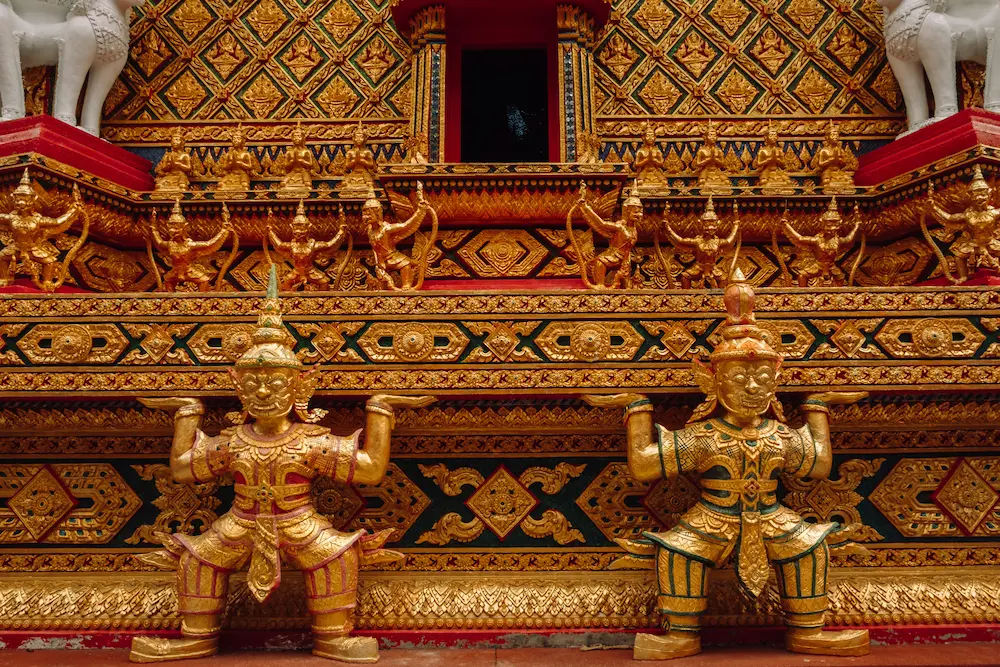
Dress at temples is non-negotiable: shoulders and knees must be covered, and shoes are removed before entering temple buildings. This applies at Wat Chalong, the Big Buddha, and every other temple on the island regardless of how busy or tourist-oriented they are. Sarongs are often available to borrow at the entrance if you arrive underprepared.
The Thai monarchy is protected by strict lèse-majesté laws. Do not make negative comments about the royal family in public, on social media while in Thailand, or in any context that could be considered public. The consequences are serious and well-documented.
Beachwear is appropriate at the beach and at beach-adjacent restaurants and bars. Wearing swimwear or very little clothing while walking through markets, shops, or Phuket Town is considered disrespectful and is not the local norm — a light cover-up for moving between beach and town is practical and appropriate.
Sunday is not a particularly quiet day in Phuket the way it is in some other destinations, but the Sunday Walking Street market on Thalang Road in the Old Town is one of the better evening markets on the island and worth timing your visit around if the schedule allows.
Tipping is common practice in tourist-facing businesses in Phuket. Rounding up a restaurant bill, leaving 20–50 baht for hotel housekeeping, and tipping guides after day trips is the norm in the tourist areas. At genuinely local restaurants where the clientele is mostly Thai, tipping is less expected.
The local currency is the Thai baht (THB). ATMs are widely available across the island — at the airport, in shopping malls, at convenience stores, and throughout the beach areas. Foreign card fees apply at most ATMs; withdrawing larger amounts less frequently reduces the cumulative fee cost.
Credit cards are accepted at most hotels, larger restaurants, dive operators, and tour companies. Smaller restaurants, market stalls, street food vendors, and local operators are cash only. Arrive with some baht in hand — exchanging at the airport or using an ATM on arrival is straightforward.
Practical approach: withdraw a reasonable amount of baht on arrival, use cards where accepted for larger purchases, and keep cash for day-to-day eating and transport.
Electricity: Thailand uses type A, B, and C plugs, with 220V and 50Hz. Most modern electronics handle dual voltage automatically — check the label on your device’s charger or adapter. A universal adapter covers all bases.
Internet: Mobile data in Thailand is fast, affordable, and widely available. A local SIM card from AIS, DTAC, or TrueMove — all available at the airport arrivals hall — is the most practical option for a trip of more than a few days. Tourist SIM cards with data packages are sold at the airport and are straightforward to set up. Check eSIM availability for your device before traveling if you prefer not to swap physical cards.
What to pack that most people forget:
Phuket rewards travelers who treat it as more than a single beach. The Old Town, the day trips to Phang Nga Bay and Phi Phi, the temple circuit, the morning markets, and the local food in the evenings are all part of the same island — and most of them cost very little to access.
The mistake most visitors make is booking a beach hotel and staying within walking distance of it for the entire trip. The parts of Phuket worth remembering are often the ones that require a scooter ride, an early departure, or a meal somewhere that does not have an English menu out front.
Whether you are here for the Andaman coast, the Sino-Portuguese architecture, the offshore islands, or a bowl of khanom jeen before 8am in the Old Town — Phuket has a specific version of each. The key is arriving with the right information so none of the details get in the way.