Most travelers planning a Virginia trip do the same thing: they book a hotel inside Colonial Williamsburg, drive straight to Virginia Beach in July, and try to squeeze Shenandoah into a single afternoon. The result is a packed, expensive itinerary that skips the best parts of the state — and costs significantly more than it […]
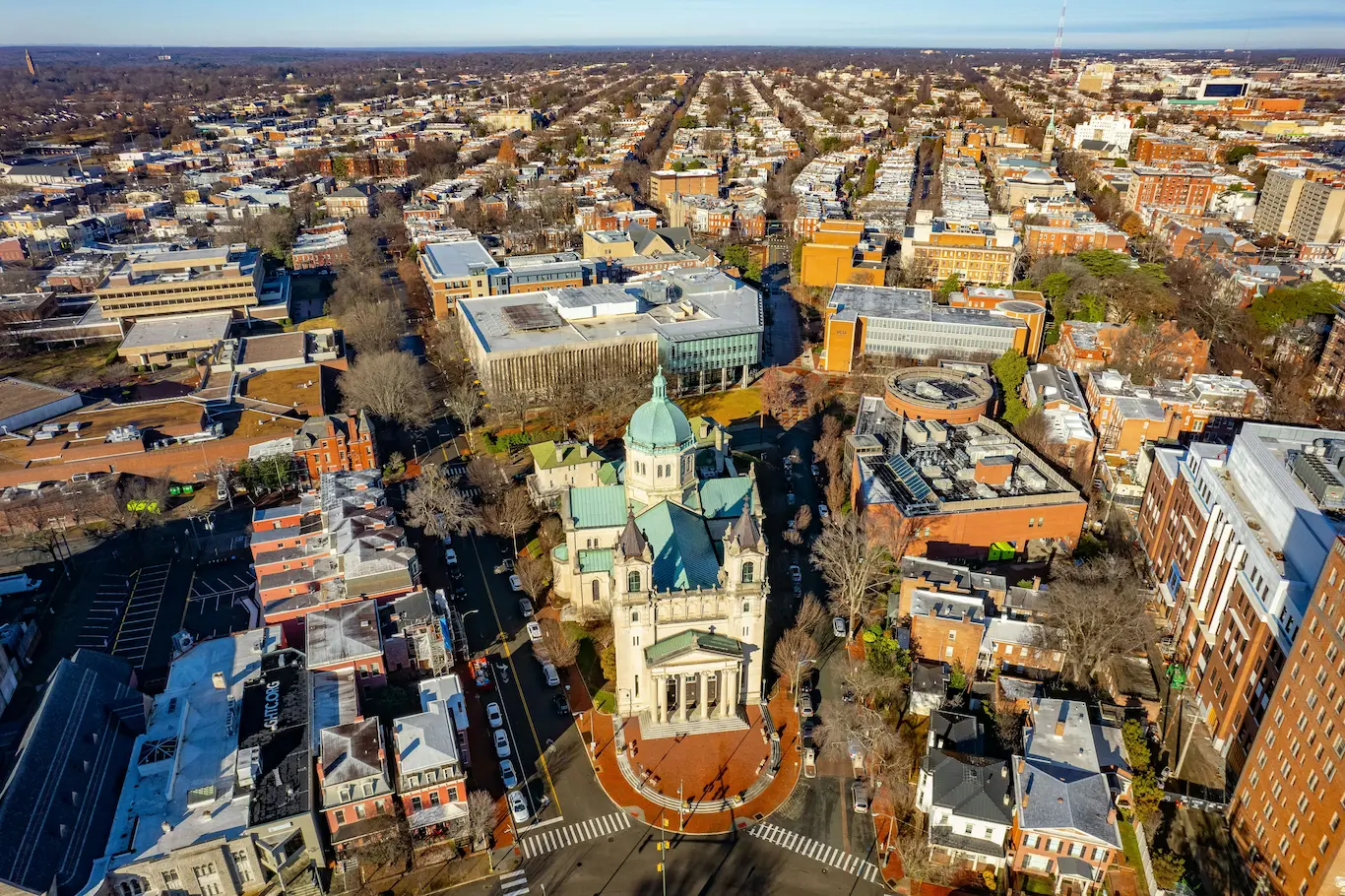
Most travelers planning a Virginia trip do the same thing: they book a hotel inside Colonial Williamsburg, drive straight to Virginia Beach in July, and try to squeeze Shenandoah into a single afternoon. The result is a packed, expensive itinerary that skips the best parts of the state — and costs significantly more than it should.
Virginia does not work like a theme park checklist. It works like a road trip state, and the travelers who get the most out of it are the ones who slow down, pick a smart base, and let the drive itself become part of the experience. This guide is built around that approach — covering the places worth your time, what actually costs money versus what does not, and where the real value is hiding across the state.

The default Virginia itinerary — Williamsburg one day, Virginia Beach the next, maybe a quick stop at Shenandoah — sounds efficient on paper. In practice, it means driving three to four hours between locations daily, paying peak-season resort rates, and spending most of your trip in the car stressed rather than enjoying it.
A smarter approach is to anchor your trip in one or two central bases and build outward from there. Richmond sits almost exactly in the middle of the state and puts you within two hours of Shenandoah, Williamsburg, Virginia Beach, and Charlottesville. Northern Virginia works equally well if your trip leans toward DC day trips and the Shenandoah corridor. Once you stop thinking about Virginia as a list of stops and start thinking about it as a network of drives, the trip gets cheaper and far more enjoyable.
If you are still sorting out accommodation,Trip tends to have competitive rates across Virginia’s smaller cities and towns — often significantly cheaper than booking through hotel websites directly.
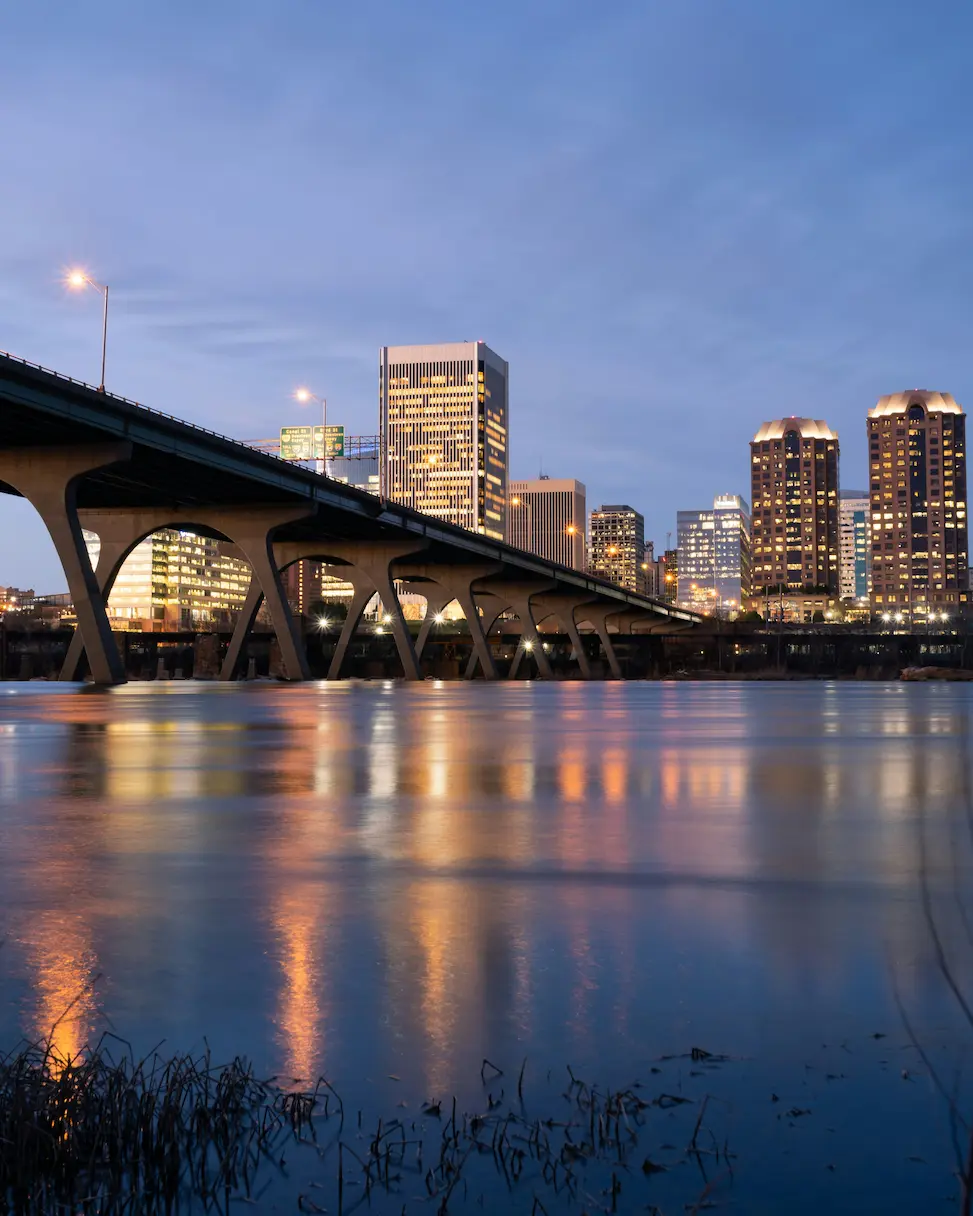
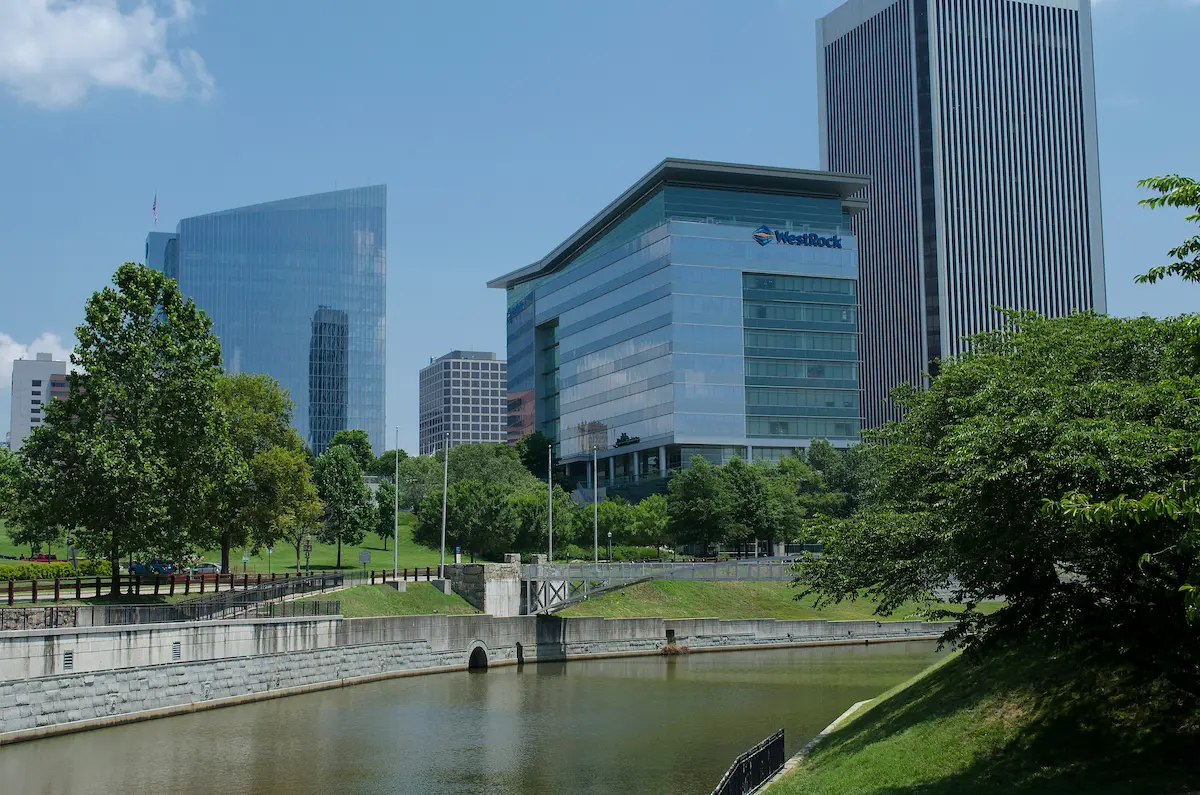
Richmond gets overlooked because it does not have one single landmark pulling tourists in. That is exactly what makes it a good base. Hotel prices here are noticeably lower than in Williamsburg or Virginia Beach, and the city gives you easy access to the rest of the state without the inflated accommodation costs of the more tourist-heavy areas.
The food scene along Carytown and the Scott’s Addition neighborhood is worth an evening on its own — independent restaurants, breweries, and a density of options that rivals cities twice its size. The James River runs through the city and offers free hiking, kayaking rentals, and some surprising whitewater for an urban park. The arts district around the Virginia Museum of Fine Arts is free to enter and genuinely one of the better collections in the mid-Atlantic region.
From Richmond, Williamsburg is about an hour east. Charlottesville is about an hour west. Shenandoah is roughly two hours northwest. You step out of your hotel in the morning and choose your direction based on the weather and your mood — which is how Virginia is best experienced.
Here is where a lot of travelers either overspend or miss out entirely. Shenandoah National Park charges an entrance fee — approximately $35 per vehicle as of recent rates, though this is worth verifying before you go. If you are planning to visit multiple national parks during your trip, the America the Beautiful annual pass (approximately $80) pays for itself quickly and covers entrance fees across the country for a full year.
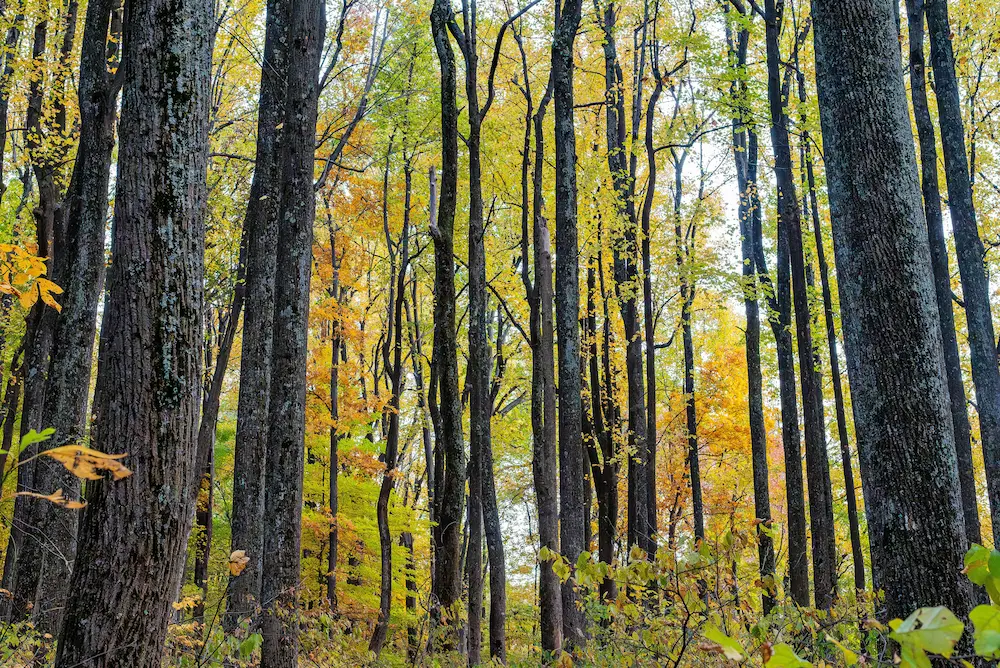
The Blue Ridge Parkway, which runs south from Shenandoah, is free. No entrance fee, no gates — just 469 miles of scenic road with pull-offs, overlooks, and trailheads at regular intervals. You pull off at an overlook on Skyline Drive and the Shenandoah Valley spreads out below you — no crowds at the quieter spots, no entrance fee for the parkway itself, just the view and the sound of wind moving through the ridge.
For an overnight stay near Shenandoah, Skyland Resort sits inside the park itself and tends to be more affordable than travelers expect — particularly in the shoulder seasons of April through May and September through October. Camping inside the park is another option and significantly cheaper. What most people do not realize is that the shoulder seasons here are genuinely the best time to visit: fall color in October is as good as anything in New England, and the summer crowds are completely absent.
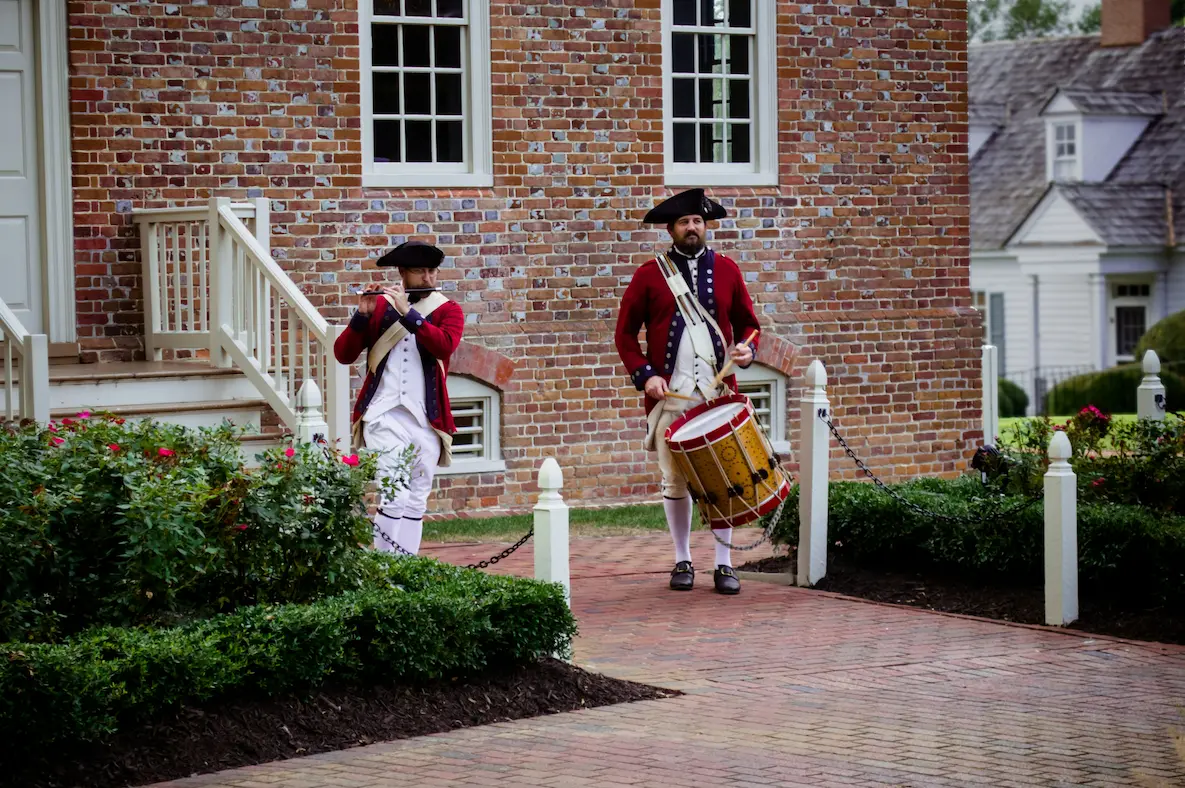
Colonial Williamsburg is one of the most common places in Virginia to accidentally overspend. The area hotel prices — particularly anything walking distance to the historic district — can run significantly higher than accommodation just ten to fifteen minutes away. Staying in the surrounding area of James City County or near Busch Gardens and driving in costs meaningfully less, often by $60 to $100 per night.
The grounds of Colonial Williamsburg are free to walk through. You can stroll the main street, see the buildings from the outside, and get a real sense of the place without buying a ticket. The tickets — which run approximately $50 to $60 per adult, verify locally for current pricing — are for building access and interpreter programs. If that level of immersion matters to you, the experience is well worth it. If you are visiting with younger children or just want to see the area, the free access is genuinely sufficient for a few hours.
Busch Gardens Williamsburg is a separate ticket entirely and one of the better-reviewed theme parks on the East Coast. Prices vary significantly depending on the date and how far in advance you book — buying online ahead of time is almost always cheaper than at the gate.
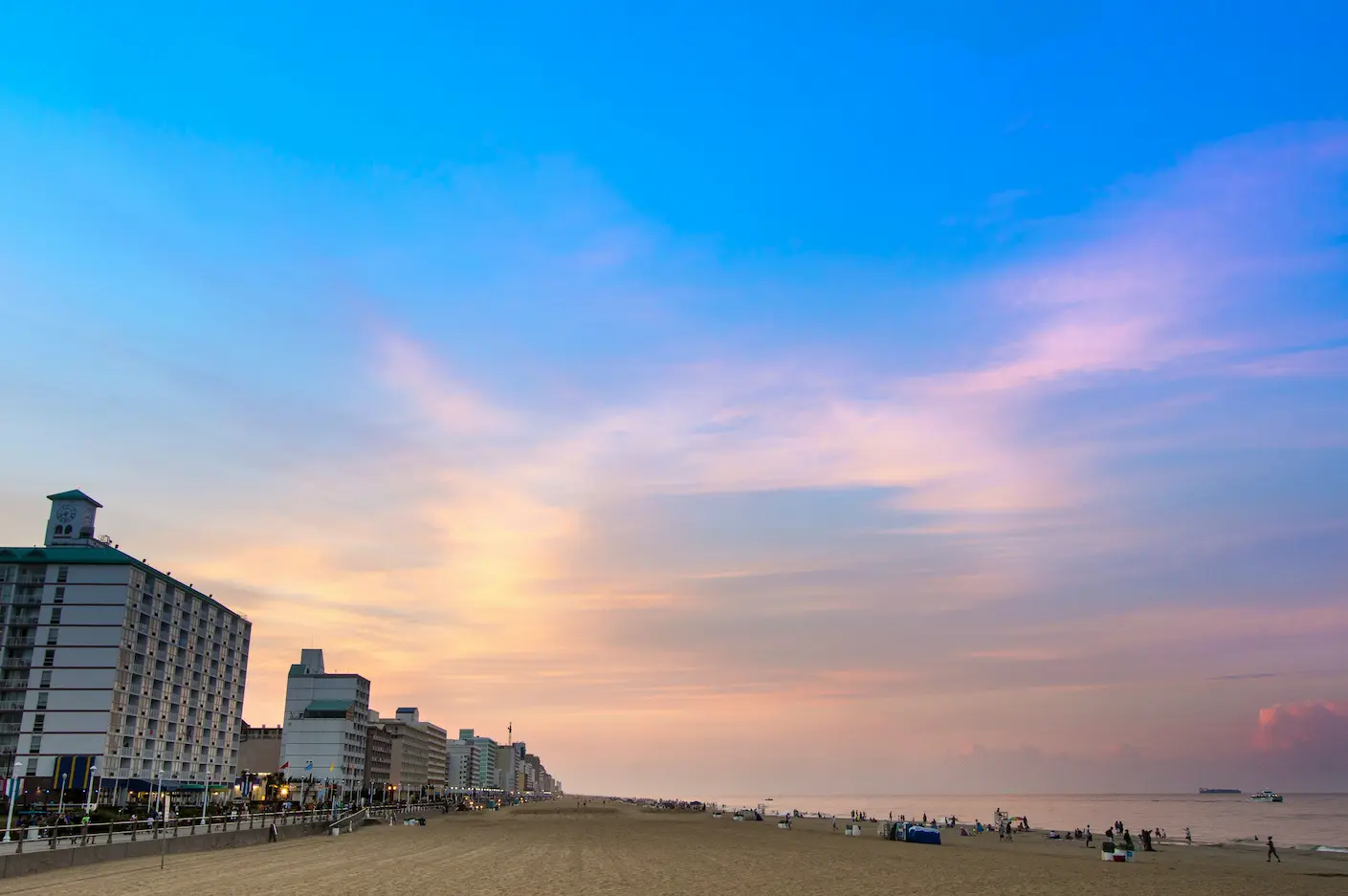
Virginia Beach in July is expensive, crowded, and loud — and a lot of people book it anyway because they do not think about the alternative. The beach itself is free year-round. The boardwalk is free. The cost spike comes entirely from accommodation and the general tourism infrastructure that prices up when demand peaks.
Visit in late May, early June, or September and the water is still warm enough to swim, the crowds thin out considerably, and hotel rates along the strip drop noticeably — sometimes by 30% to 40% compared to peak summer weeks. The First Landing State Park, just north of the main beach area, offers a genuinely different experience: kayaking through cypress swamps, hiking trails through coastal forest, and a campground that puts you close to both the bay and the ocean.
The Cape Henry Lighthouse, at the northern end of Virginia Beach, charges a small entrance fee and gives you a view over the Chesapeake Bay entrance that most visitors never see because they stay anchored to the boardwalk.
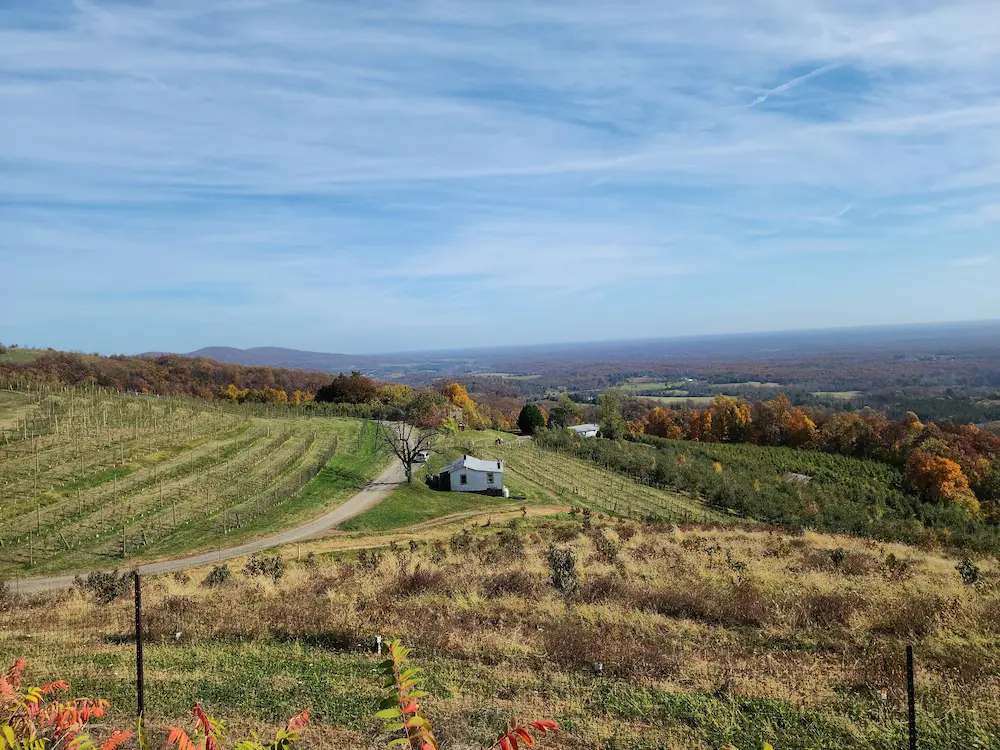
Charlottesville is easy to underestimate. The Downtown Mall — a pedestrianized main street lined with independent restaurants, bookshops, and cafés — is one of the more pleasant places in Virginia to spend an afternoon, and most of it costs nothing to enjoy. The University of Virginia grounds, designed by Thomas Jefferson, are free to walk and worth an hour of your time even if you have no connection to the university.
The Monticello estate (Jefferson’s home) charges an entrance fee of approximately $35 per adult — worth checking current rates before you go. It is a well-run site and a full morning on its own.
The wine country around Charlottesville — particularly along the Monticello Wine Trail — offers tastings at a range of price points, and some vineyards charge no tasting fee at all. A drive along Route 151 through Nelson County combines mountain scenery, several wineries, and a few craft breweries within a short stretch of road. It is an easy half-day loop from Charlottesville that costs very little if you are selective about where you stop.
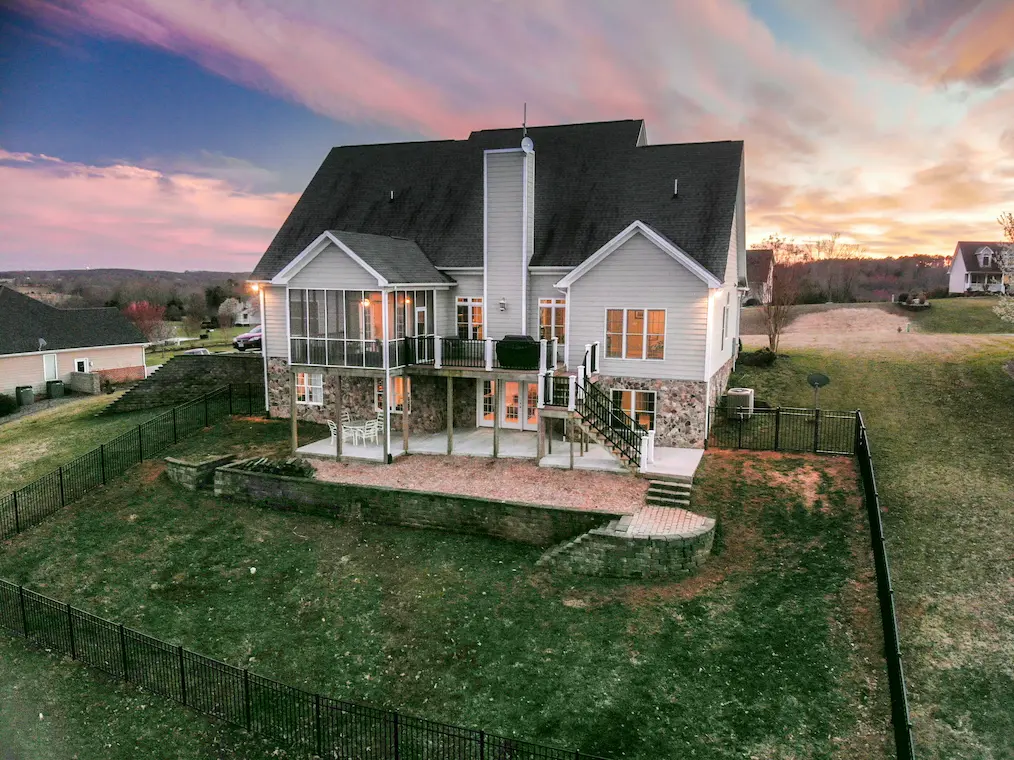
If you are based in Northern Virginia or starting your trip near DC, Alexandria’s Old Town gives you a colonial waterfront neighborhood with free access along the Potomac, independent restaurants on King Street, and a genuine historic district that does not charge an entrance fee. It sits about 30 minutes from central DC and has considerably lower hotel rates than the capital.
Great Falls National Park, just outside McLean, charges approximately $20 per vehicle and delivers one of the more dramatic river views within a day trip of a major US city — the Potomac drops through a series of falls and gorges that most people living in DC have never visited. Weekday mornings are significantly less crowded than weekends.
Virginia is a state that rewards the travelers who do not rush it. The most expensive version of this trip is the one built around peak-season resort bookings and theme park gates. The better version — the one that costs significantly less and covers more ground — is built around a smart base, a road trip mindset, and the kind of flexibility that lets you stop at an overlook when the light is right.
Whether you are here for the history, the mountains, the coast, the food, or some combination of all of them, Virginia has enough range to suit every kind of traveler. And with a little planning, most of it is well within reach.