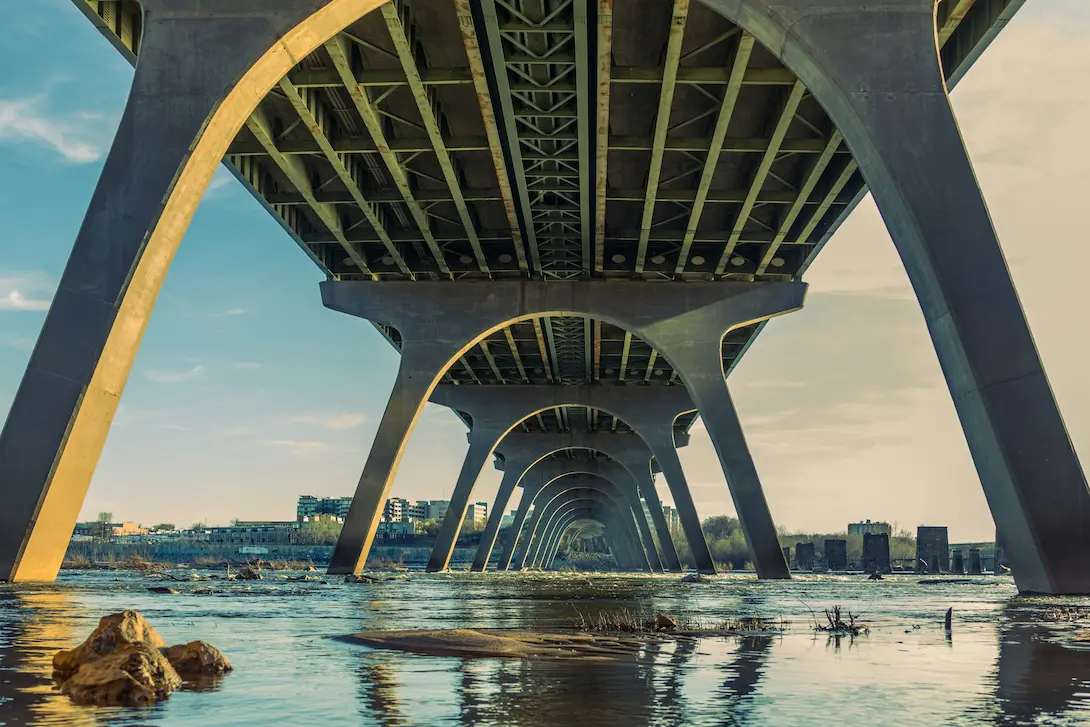
The car slows as it crosses the bridge into Richmond. The skyline is smaller than you expected. A guy in running shoes jogs past a food truck on the canal. Someone is kayaking the James River rapids in the middle of the city. You are not at a beach yet, and already Virginia is not […]
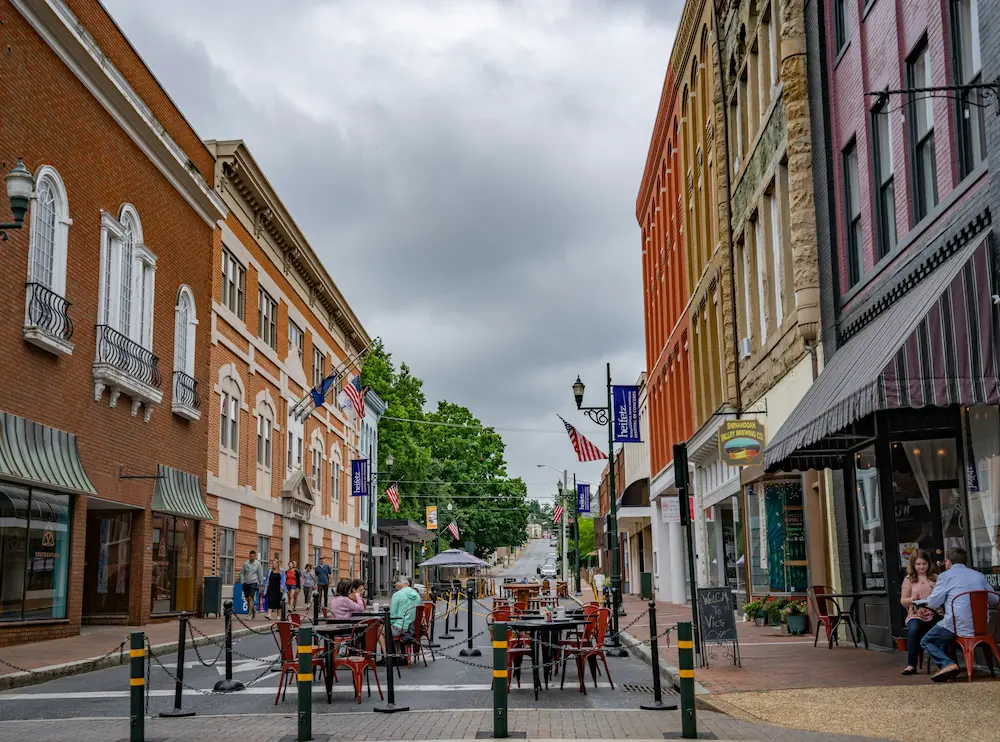
The car slows as it crosses the bridge into Richmond. The skyline is smaller than you expected. A guy in running shoes jogs past a food truck on the canal. Someone is kayaking the James River rapids in the middle of the city. You are not at a beach yet, and already Virginia is not what you expected.
Virginia has a reputation for being a single thing — history lessons and colonial sites, probably Williamsburg, probably packed with school groups. But the state is large and it contains several completely different environments within the same geography. The coast has Virginia Beach and 26 miles of Atlantic shoreline. The west has the Blue Ridge Mountains and the Shenandoah Valley. The wine region outside Charlottesville has more than 40 wineries within 25 miles of the city. The interior has trails, viewpoints, and markets. And Richmond, the capital, has one of the most underrated food and arts scenes on the East Coast.
This guide covers the specific spots and experiences in each of those environments — what they actually involve, how to access them, and what to know before you go.
Accommodation prices in Virginia vary widely depending on the area and the season. If you are still comparing options, Trip tends to have competitive rates across the state — particularly useful for smaller towns near the parks where booking options are more limited.
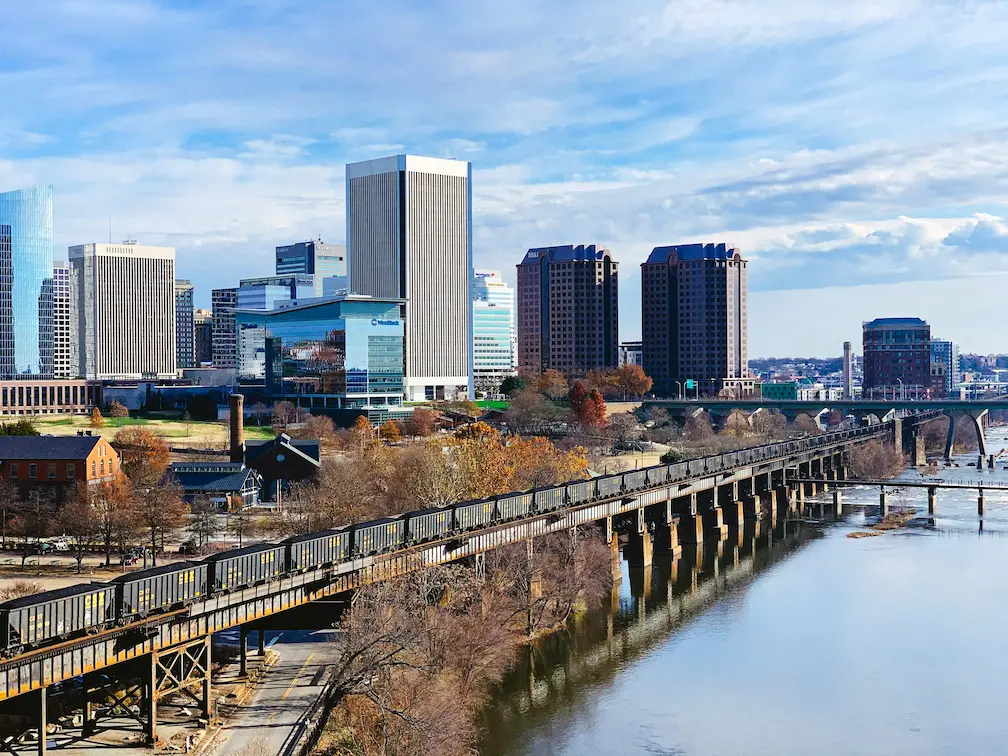
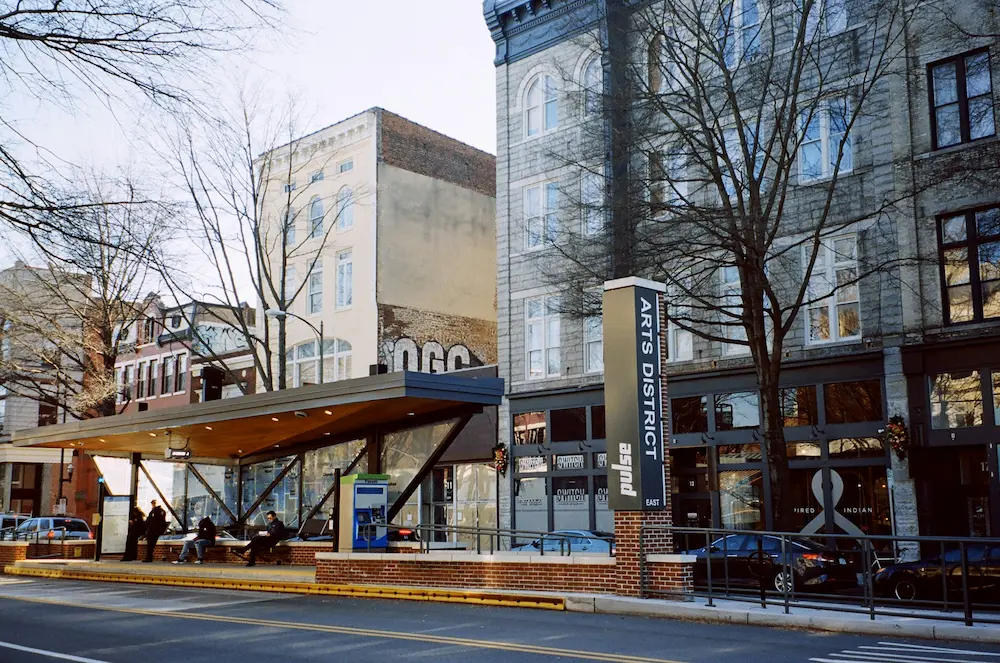
Richmond is the most underestimated city in Virginia, and most travelers either pass through it or skip it entirely. That is a mistake. The city has more going on per square mile than most East Coast destinations twice its size.
Scott’s Addition — A former industrial district converted into one of the densest concentrations of craft breweries, cideries, and distilleries in the South. More than a dozen are within walking distance of each other. The scene is walkable and unpretentious. Come on a weekday afternoon if crowds are a concern.
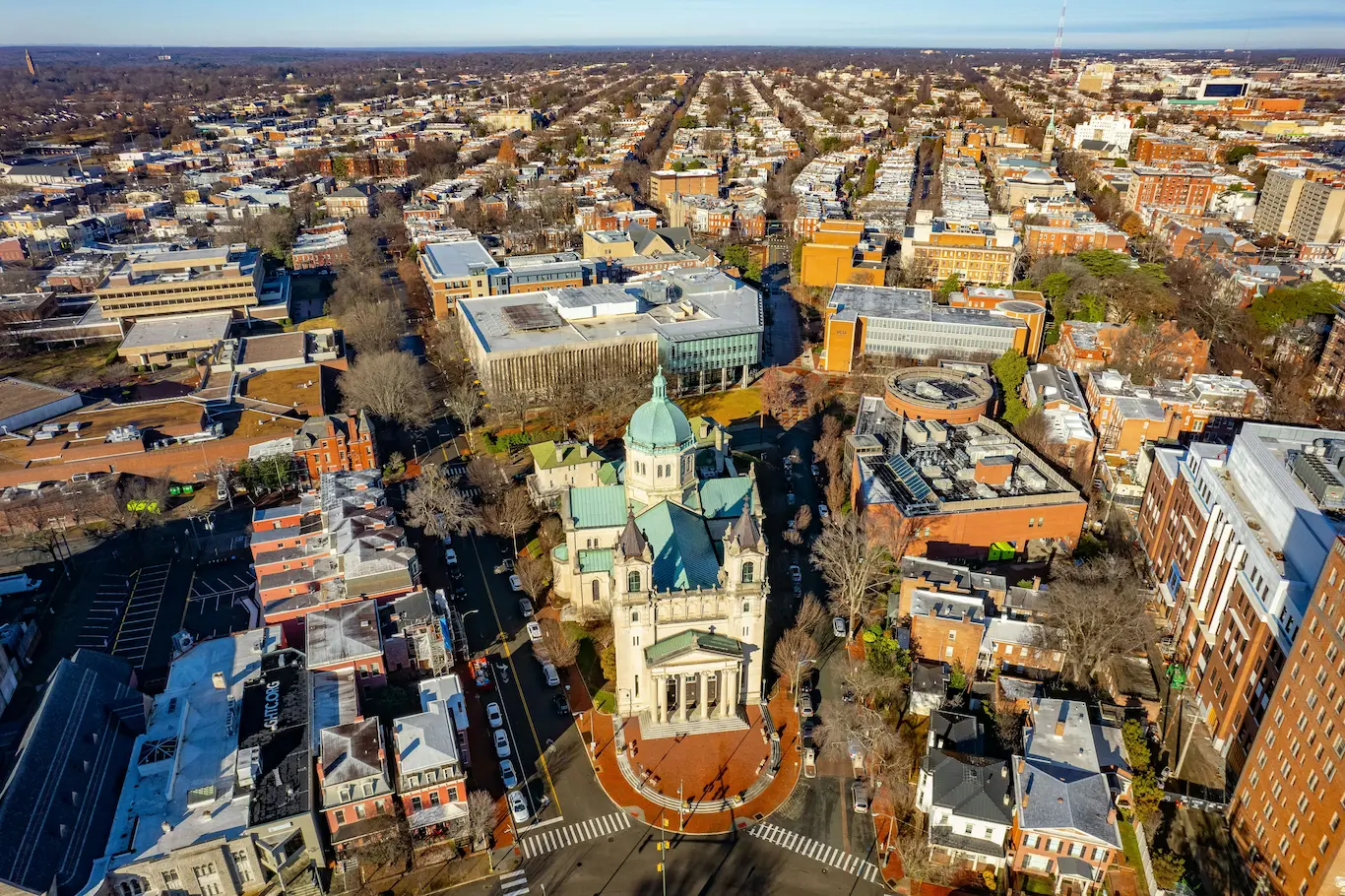
The Fan District — One of the largest intact Victorian residential neighborhoods in the United States, stretching from downtown toward Virginia Commonwealth University. The architecture — block after block of brick row houses with front porches — is best explored on foot in the morning before foot traffic builds. Carytown, the commercial strip at the western edge of the Fan, has independent shops and restaurants worth building lunch around.
The Virginia Museum of Fine Arts has free general admission and is open 365 days a year — the only art museum in the country with that combination. The permanent collection covers more than 50,000 works spanning 6,000 years. Special exhibitions carry a separate ticket fee; upcoming ticketed shows include The Impressionist Revolution: Monet to Matisse, opening November 14, 2026, with adult tickets at $15.
The James River Park System offers 22 miles of trails along the river running directly through downtown. Belle Isle is an island park in the middle of the river, reachable by footbridge from the south bank, free to access, and one of the better places in Richmond to sit on rocks at the water’s edge or watch people kayak the Class III–IV rapids below the pedestrian bridge. Go on a weekday morning before the crowds arrive.
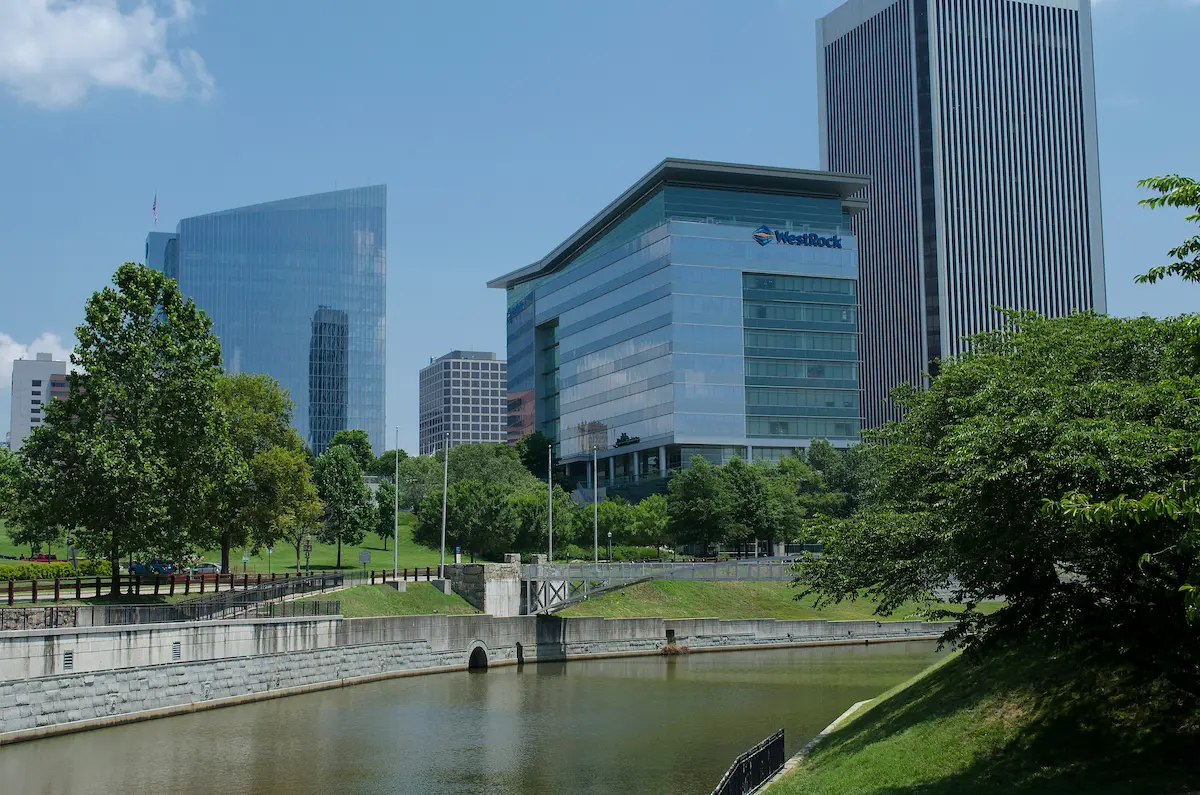
Canal Walk — A 1.25-mile riverside promenade connecting Shockoe Bottom to the western end of downtown. Free to walk at any hour. The historic markers and public art along it give context to Richmond’s role in American commerce and history without requiring a ticket.
Hollywood Cemetery — The resting place of two U.S. presidents, James Monroe and John Tyler, and Confederate president Jefferson Davis. Free to enter, open daily. The hilltop views over the James River are among the best in the city, particularly in early morning.
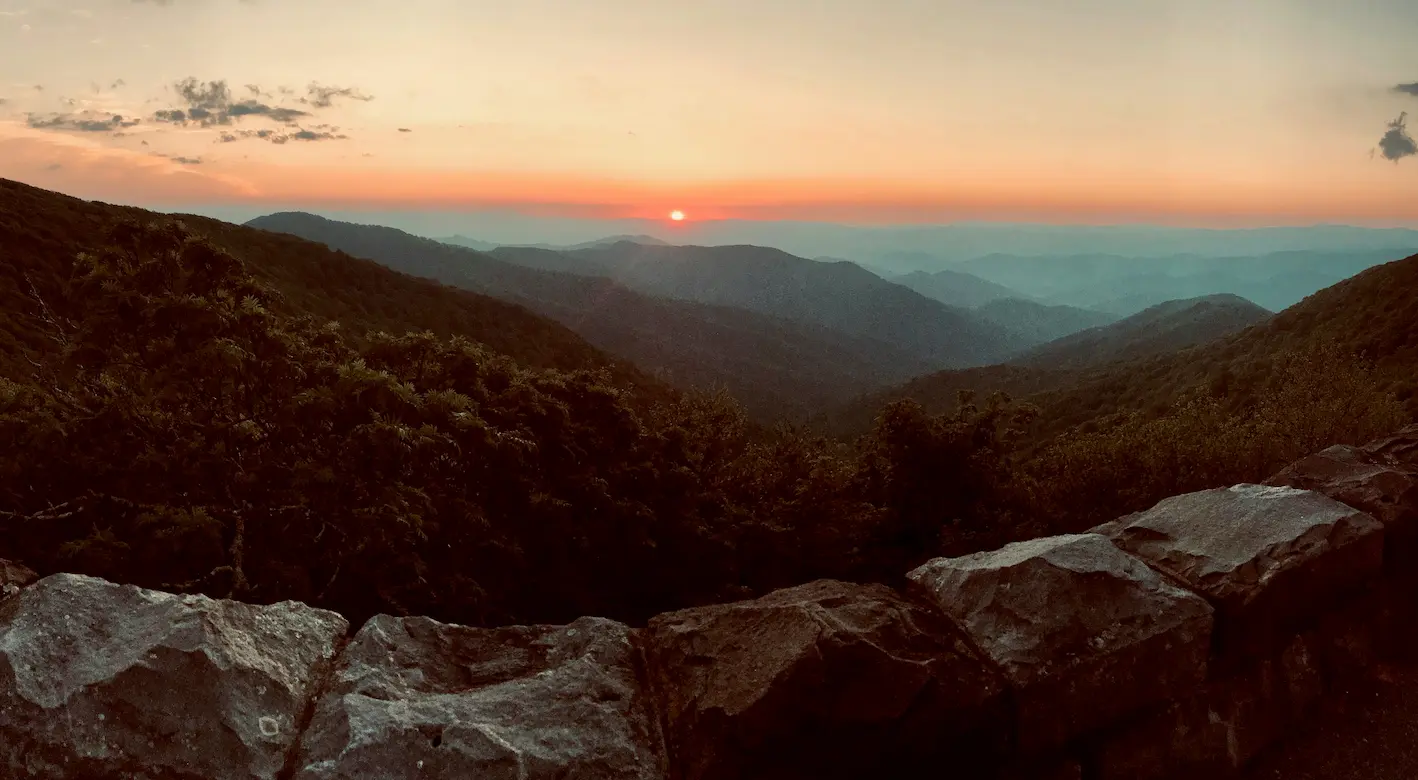
The Shenandoah Valley and the Blue Ridge are the geographic core of Virginia’s interior, and the experience here divides cleanly into what costs money and what does not.
Shenandoah National Park charges $30 per vehicle, valid for seven consecutive days. The America the Beautiful Annual Pass costs $80 for U.S. residents and covers more than 2,000 federal recreation sites for 12 months — if you are visiting more than two national parks or federal recreation areas on the same trip, the math works out in the pass’s favor.
Skyline Drive — The 105-mile road that runs the length of the park along the ridgeline, with more than 75 overlooks along the way. You pull off at an overlook and the Shenandoah Valley spreads out below you, ridge after ridge fading into hazy blue, with no crowds and no ticket booth in sight. The entrance fee covers the drive. Allow a full day minimum if you want to stop at multiple overlooks and do at least one trail.
Old Rag Mountain — One of the most popular hikes in the state, involving a rock scramble section near the summit that sets it apart from standard ridge trails. Reservations are required from March through November and they sell out. Book through recreation.gov before you arrive, not the morning you plan to go.
Skyland Resort — Located directly on Skyline Drive inside the park, operated by the park concessionaire. It puts you inside the park, which eliminates the entrance fee on subsequent days and means the trailheads are immediately accessible from your room. Rates vary by season; verify current pricing at goshenandoah.com before booking.
The Blue Ridge Parkway begins at the southern end of Skyline Drive near Waynesboro and continues south through Virginia and into North Carolina. Access is free — no entrance fee, no reservation system. Overlooks like Humpback Rocks and Mabry Mill are accessible directly from the road and require nothing but a parking spot.
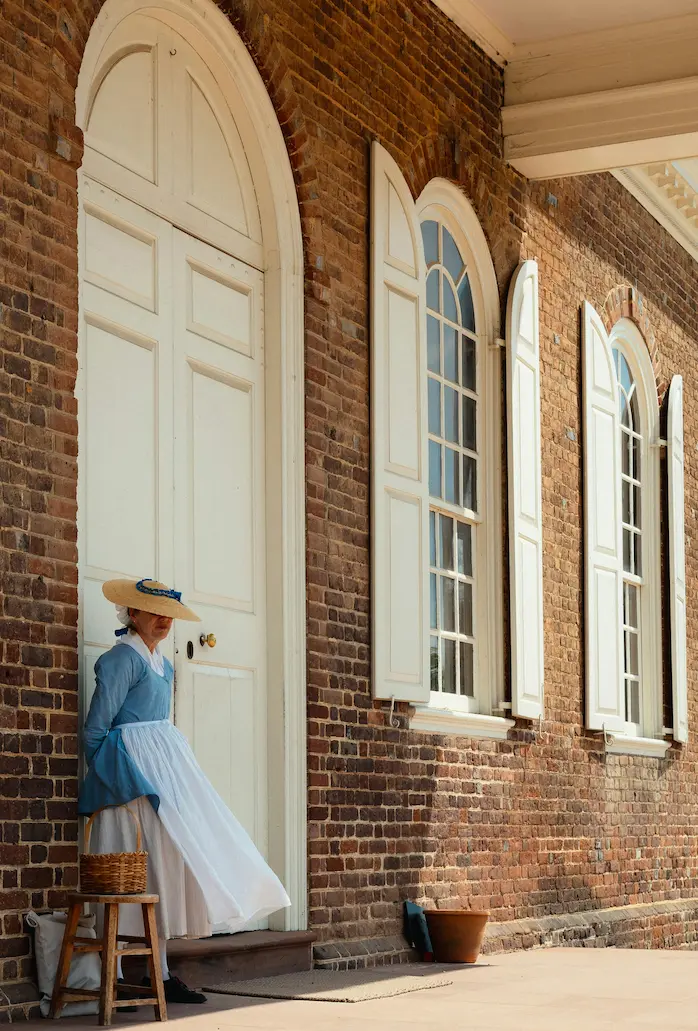
Colonial Williamsburg is where most Virginia travelers overspend, usually because they do not know the ground rules before they arrive.
Walking the grounds of the historic district — the 18th-century streetscape, the exterior of the buildings, the gardens, Duke of Gloucester Street — is free. You can spend several hours in the area without buying a ticket. The ticket is required to enter the buildings and attend the interpreted programs inside.
A single-day adult ticket costs $37.50 when purchased online. If you plan on spending more than one day, the Annual Pass is $75 for adults and covers unlimited visits for a year. Admission to the Art Museums of Colonial Williamsburg is now free.
One practical note: book accommodation outside the historic district. Hotels inside or directly adjacent to it carry a location premium that rarely reflects the actual difference in experience. Staying 10–15 minutes away typically saves a significant amount per night on comparable rooms. Busch Gardens is a short drive from either location.
Jamestown and Yorktown complete the Historic Triangle. Historic Jamestowne — the original 1607 settlement site — is a National Park Service site; the America the Beautiful Pass covers the entrance fee. Colonial National Historical Park, which connects Jamestown to Yorktown, is also covered by the pass.
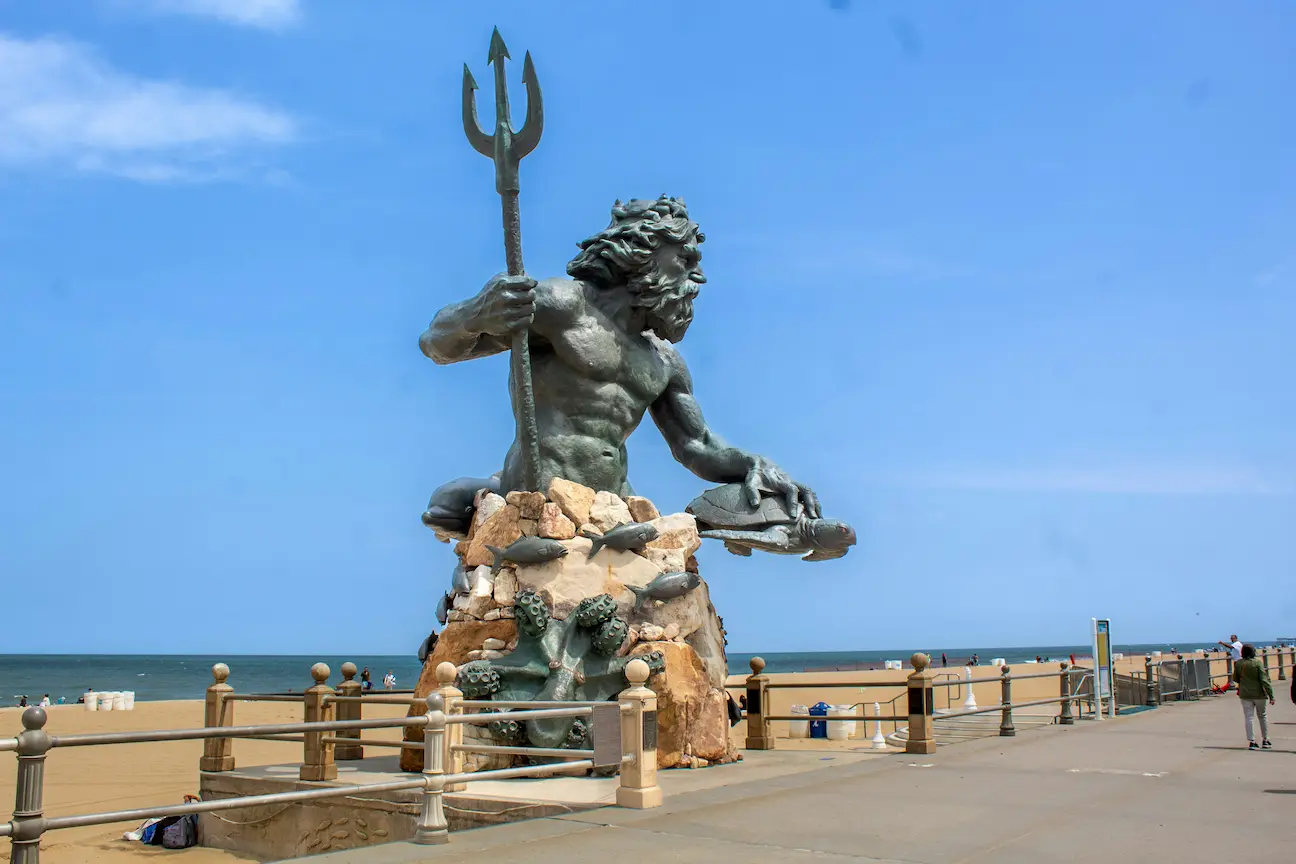
Virginia Beach in July is one of the most crowded beach destinations on the East Coast, priced accordingly. The same destination in May, early June, or September is a completely different experience.
The Virginia Beach Boardwalk stretches from 2nd to 40th Streets along the oceanfront — three miles of paved promenade with ocean views, public art, restaurants, and a dedicated bike lane running alongside. Free to walk at any hour, any time of year. The beach itself is always free to access.
During summer months, the boardwalk hosts free concerts and live entertainment at multiple outdoor stages — mainly at 17th, 24th, and 31st Street Parks. The King Neptune statue near 30th Street and Grommet Island Park, an accessible beachside playground, are both free. The Virginia Aquarium and Marine Science Center charges an admission fee; verify the current amount at virginiaaquarium.com before you go.
For timing: late September tends to be the best combination of factors — water still warm from the summer, crowds already thinning, hotel rates beginning to drop. The Neptune Festival, held the last weekend of September, brings free outdoor concerts and events to the boardwalk. For an early start, the boardwalk is quietest at sunrise — worth setting the alarm for at least once.
First Landing State Park, at the northern end of Virginia Beach near Cape Henry, has trails through coastal forest and marsh directly adjacent to the Chesapeake Bay. A Virginia state parks day-use fee applies; verify the current amount at dcr.virginia.gov.
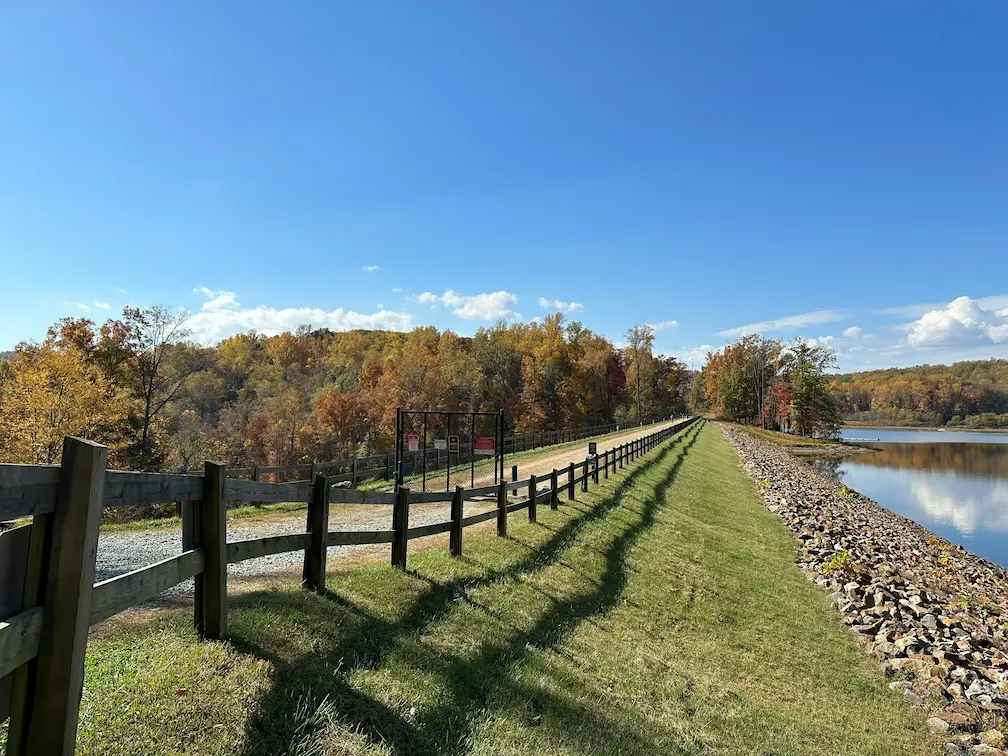
Charlottesville operates at a slower pace than Richmond and rewards that pace. The Downtown Mall — a seven-block pedestrianized brick street with independent restaurants, bookshops, live music venues, and outdoor seating — is free to walk at any hour. The University of Virginia grounds, designed by Thomas Jefferson, are open to the public at no charge. The Rotunda, the architectural centerpiece of the grounds, offers free guided tours on a set schedule.
Monticello’s Highlights Tour covers the first floor of the house, the West Lawn, and the South Wing, and tickets sell out quickly — booking in advance is recommended. The standard adult ticket for the Highlights Tour is $42. If your interest is the landscape rather than the house interior, the Grounds Ticket covers the outdoor areas at a lower price; verify the current amount at monticello.org.
The Monticello Wine Trail has more than 40 wineries within a short drive of Charlottesville. Tasting fees vary by winery, typically in the $15–25 range per person, and are often applied toward a bottle purchase. Most wineries do not require weekday reservations, though weekends in shoulder season fill faster than most visitors expect. Three wineries in an afternoon is a comfortable pace. The region was named Wine Enthusiast’s Wine Region of the Year in 2023, which tracks — the variety and quality here consistently outperform what most East Coast visitors are expecting.
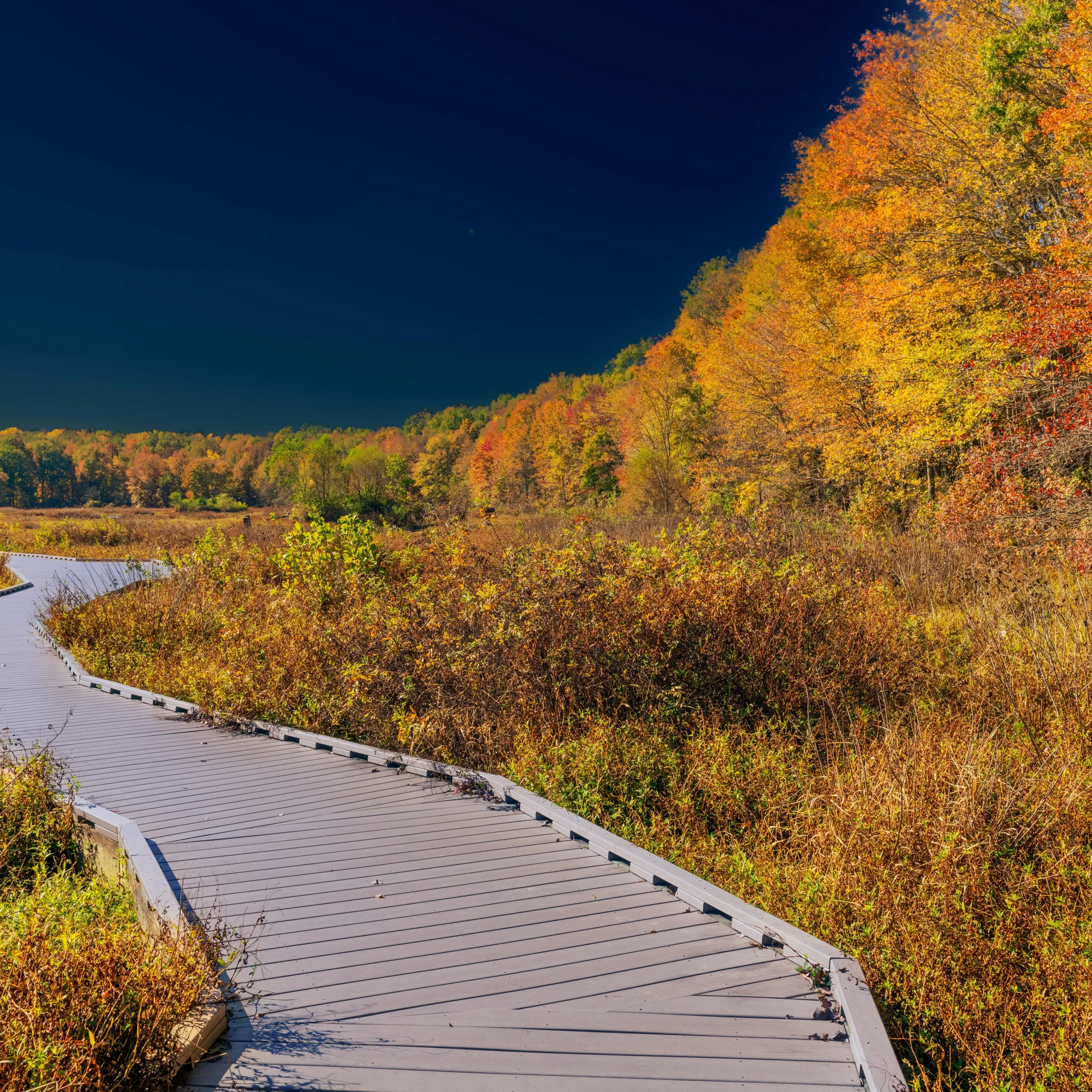
Northern Virginia functions as both a destination in itself and the natural entry point for travelers arriving from Washington D.C.
Old Town Alexandria — A grid of 18th and 19th-century townhouses, independent restaurants, and waterfront access along the Potomac River. Free to walk in its entirety. The King Street corridor has the highest concentration of shops and restaurants. The Torpedo Factory Art Center, a former munitions factory converted into artist studios and galleries, is free to enter. Old Town is accessible directly from D.C. via the Metro Yellow and Blue lines — no car required.
Great Falls National Park charges $20 per vehicle and sits roughly 15 miles from Washington D.C. along the George Washington Memorial Parkway. The Potomac River narrows into a steep gorge here and drops over a series of jagged rock formations — the overlook views near the visitor center are accessible within 10 minutes of the parking lot. The America the Beautiful Pass covers the entrance fee. Parking lots fill on weekends; arrive before 9am or plan for after 3pm.
Manassas National Battlefield Park — The site of two major Civil War battles, free to enter, with a well-designed visitor center and a 5-mile loop trail across the original battlefield. Worth combining with a northern Virginia day if Civil War history is part of your itinerary.
Getting to Virginia is straightforward. Richmond International Airport receives direct flights from most major U.S. cities. Dulles International and Reagan National in the Northern Virginia–D.C. area connect to international routes. For the coast, Norfolk International Airport serves Virginia Beach and is roughly 20 minutes from the oceanfront.
The best time to visit for most travelers is April through May and September through October — shoulder season pricing, lower crowds, and weather that works for both outdoor and indoor activity across all regions. Summer brings peak prices and peak crowds, particularly at Virginia Beach and Shenandoah. Winter is viable for Williamsburg and Richmond but limits Shenandoah hiking and closes some park facilities.
Driving is not optional for most of Virginia. The best experiences — Skyline Drive, the Blue Ridge Parkway, the Monticello Wine Trail, day trips between regions — require a car. Plan your route as a loop rather than a straight line: Richmond to Charlottesville to Shenandoah to Northern Virginia, or the reverse, covers the interior of the state efficiently without backtracking.
The America the Beautiful Annual Pass ($80 for U.S. residents) covers Shenandoah National Park, Great Falls Park, Historic Jamestowne, and other federal sites in Virginia. If you are visiting two or more of those on the same trip, buy it before your first stop.
Virginia works best as a road trip state, not a single-destination visit. Shoulder season — April to May and September to October — gives you the best combination of weather, availability, and lower rates across every region. Start in Richmond for the food and the river. Move west to Charlottesville and the wine country. Spend at least two nights in or near Shenandoah so the park entrance fee and the drive actually make sense. End at Virginia Beach if the coast is what you came for, or loop through Northern Virginia if you are heading back toward D.C. Leave at least one afternoon unplanned somewhere along the Blue Ridge. Virginia consistently rewards the travelers who do not over-schedule it.