Is There a Wrong Time to Visit Virginia? Here is a question worth sitting with before you start booking: what do you actually want from Virginia? Because the answer changes everything. Virginia is not one destination — it is a beach state, a mountain state, a history state, and a food state, often within a […]
Is There a Wrong Time to Visit Virginia?
Here is a question worth sitting with before you start booking: what do you actually want from Virginia? Because the answer changes everything. Virginia is not one destination — it is a beach state, a mountain state, a history state, and a food state, often within a few hours of each other. The “best time to visit Virginia” depends entirely on whether you are chasing fall foliage on Skyline Drive, a week at Virginia Beach, a road trip along the Blue Ridge Mountains, or a slower trip through Colonial Williamsburg in the off-season quiet.
This guide breaks it down month by month — with real seasonal tradeoffs, price patterns, and the specific combinations that give you the most for your time and budget. No single month is perfect for everything. But once you know what each season offers, the right window for your trip becomes obvious.
If you are still searching for accommodation, Trip tends to have strong rates across Virginia’s regions — useful when comparing options from Richmond to the Shenandoah Valley to the coast.
Virginia does not have a true off-limits season or a period where travel is genuinely impossible. What it has are distinct tradeoffs: price spikes in summer along the coast, crowd surges in October on Skyline Drive, and mountain road closures in deep winter. Understanding those patterns is more useful than chasing a single “best month.”
Rain is spread fairly evenly across the year — no season is truly dry or truly wet. What shifts dramatically is temperature, crowd density, and what is actually worth doing. A trip focused on Shenandoah Valley Virginia in July looks completely different from the same trip in April. Plan around your priorities first, then match the season.
Spring is the most underrated time to visit Virginia, and April through early May is the sweet spot. Temperatures across the Blue Ridge Mountains Virginia region run roughly 55–70°F — warm enough for full-day hikes without the humidity that arrives in June. Wildflowers along Skyline Drive and the Appalachian Trail are at their best in late April, and the crowds have not yet arrived in force.
Accommodation rates in spring sit noticeably below summer peaks — state park cabins in particular, which book out completely in July and August, often have availability in April and May at significantly lower rates. If a Virginia road trip is on your list, spring gives you uncrowded overlooks, manageable temperatures, and a version of the Blue Ridge Parkway that feels like you have it largely to yourself.
The one caveat: March can still be cold and unpredictable, especially at elevation. Early blooms sometimes get caught by a late frost. April is the safer bet.
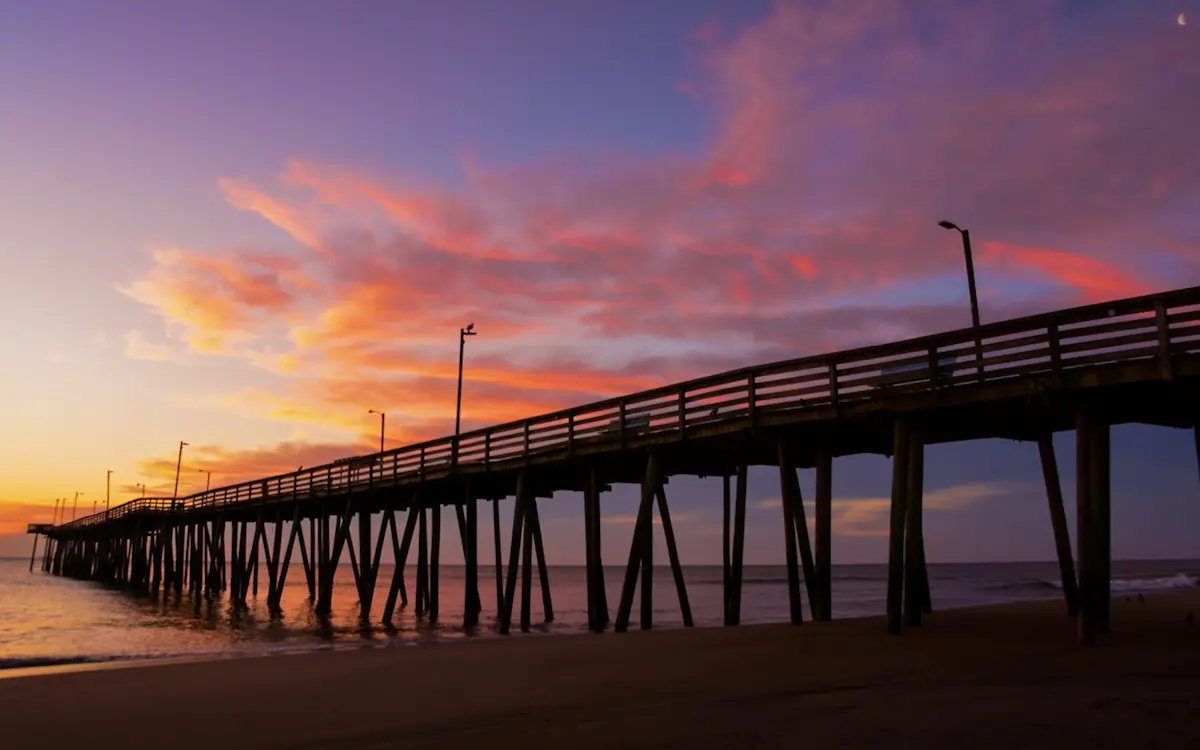
Summer is when Virginia Beach becomes a different place. June through August brings full beach weather, water temperatures that are actually comfortable for swimming, and all the infrastructure — restaurants, surf rentals, boardwalk activity — running at capacity. It is a genuinely good beach experience. It is also the most expensive and crowded version of it.
Hotel rates at Virginia Beach in July can run two to three times what you would pay in May or September for comparable rooms. Traffic on the oceanfront on a Saturday in August is significant. If Virginia Beach is the main event and beach weather is non-negotiable for you, summer is the time — just book early and budget accordingly.
Inland, summer in Shenandoah Valley Virginia and along the Blue Ridge means heat and humidity on the trails. Hiking at elevation is still manageable in the morning, but midday in July is not the time to attempt a long ridge walk. State park campgrounds and cabins are fully booked by spring for peak summer weekends — this is not a destination you can plan last minute in July.
For most travelers visiting Virginia, fall is the clearest answer. Temperatures drop to a comfortable hiking range, crowds thin out after Labor Day, and prices across most of the state fall back to shoulder-season levels — except in one specific place.
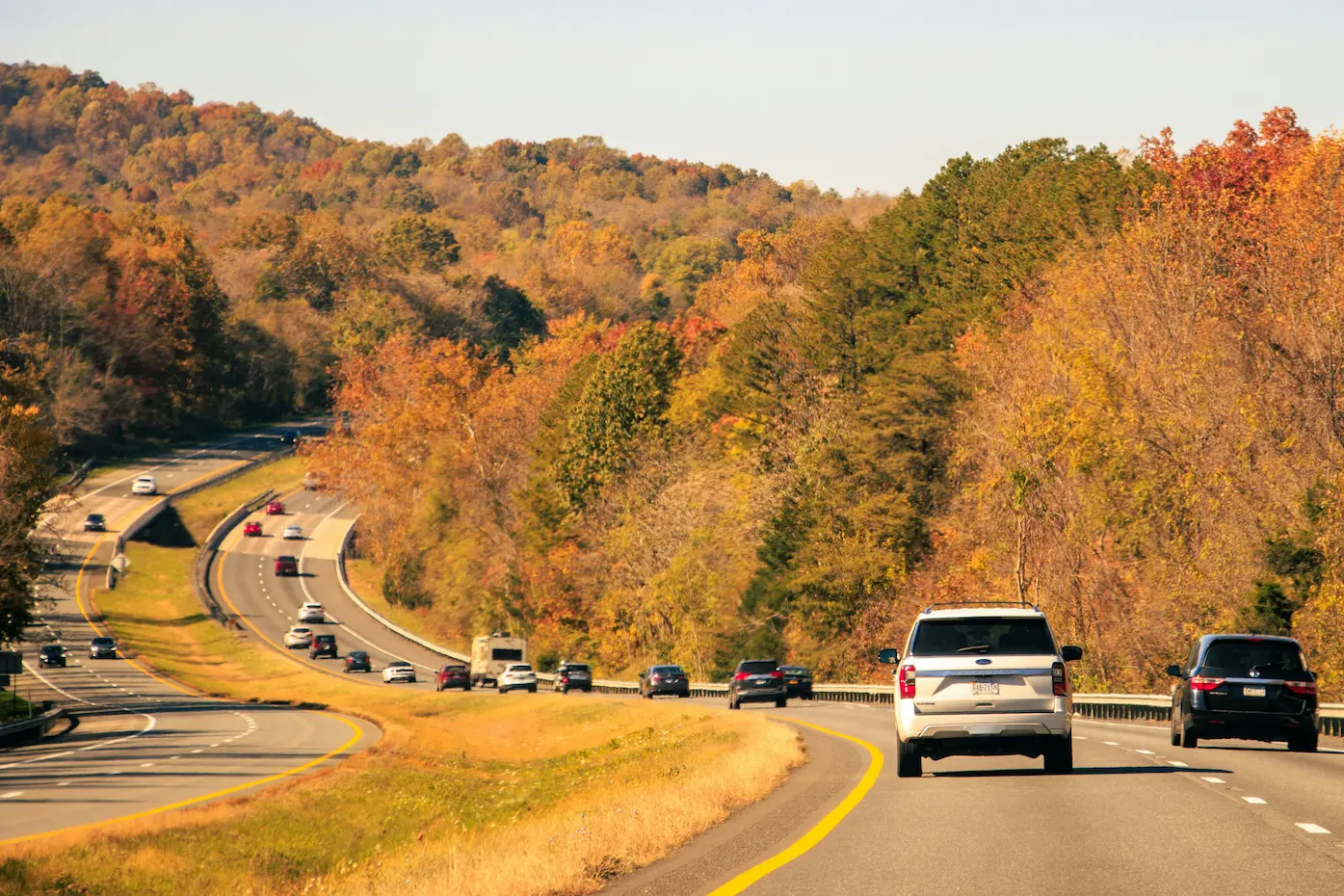
The leaves on Skyline Drive are turning. The road curves through orange and red, the valley below is still green, and the overlook parking lot has maybe three cars. That is October on a weekday. On a weekend, the same overlook has a line of vehicles and a 20-minute wait. October is genuinely the best single month to visit Virginia if fall foliage is the goal — but it requires planning. Lodges and cabins along Skyline Drive book out two to three months in advance for peak foliage weekends, typically mid to late October.
September is the quieter entry point into fall: early foliage starts in the higher elevations, Virginia Beach transitions to its off-season pace (fewer crowds, better rates), and the Appalachian Trail through Virginia is at its most comfortable for section hikes. November extends the season southward — late foliage lingers in the southern part of the state, and accommodation rates drop sharply after the first week.
Winter is Virginia’s lowest-traffic season, and for the right kind of traveler, it works well. Richmond’s museums, Colonial Williamsburg, and the history-focused things to do in Virginia around the Northern Virginia corridor are all better in January than in July — shorter lines, lower hotel rates, and a more relaxed pace.
The main limitation is the mountains. Sections of Skyline Drive can close with little notice in heavy snow or ice, and some facilities in Shenandoah shut down for the season. Winter hiking at elevation is possible but requires proper gear and a check of road conditions before you go. Virginia Beach in January is a different experience entirely — quiet, walkable, and genuinely atmospheric if you like an off-season coast, but nothing like its summer self.
December has a split personality: early December is quiet and cheap, but prices climb mid-month as holiday events in Williamsburg and Richmond draw visitors. January and February are the cheapest months in the state, period.
January: The coldest and quietest month. Lowest hotel rates of the year. Best for city breaks in Richmond, history-focused trips to Williamsburg, and museum days in Northern Virginia. Not a mountain month unless you are prepared for possible closures.
February: Still cold, still cheap. A good month for couples looking for a quieter mid-Atlantic city break. Some early signs of warming by late February at lower elevations.
March: The shoulder season starts here. Wildflowers begin at lower elevations by mid-month. Weather is unpredictable — warm one week, cold the next. Prices are low and the mountains start to open up, but pack layers.
April: One of the two best months to visit Virginia. Mild temperatures, spring blooms across the Blue Ridge, good availability at state parks, and rates that have not yet climbed to summer levels. Ideal for hiking, road trips, and outdoor time without the crowds.
May: Excellent weather and the last month before summer pricing kicks in at Virginia Beach and popular mountain destinations. Appalachian Trail section hikes are at their best. Worth booking a little earlier than April as demand picks up.
June: Summer begins. Virginia Beach fills up fast. Inland, the heat and humidity arrive. Prices rise across the board. Still manageable early in the month — by late June, most summer patterns are fully in effect.
July: Peak month for Virginia Beach and the worst month for mountain hiking comfort. Highest prices of the year, highest crowds, and the least flexibility if you have not booked in advance. Plan around this month unless the beach is the priority.
August: Very similar to July. The last two weeks of August begin to ease slightly as families with school-age children start to leave. Not dramatically different, but late August can offer marginally better availability and rates than peak July.
September: The turn. Crowds thin, prices drop, temperatures become hiking-friendly again. Early foliage starts in the highest elevations of the Blue Ridge Mountains Virginia range. One of the best months overall for a Virginia road trip.
October: Peak foliage month. Skyline Drive is at its most dramatic. Book accommodation two to three months ahead for foliage weekends. Weekdays are significantly more manageable than weekends. The single most visually impressive month in the state.
November: Quieter and cheaper than October. Late foliage continues in southern Virginia into early November. A good month for places to visit in Virginia that are history or food-focused — Richmond and Charlottesville are excellent in November without the crowds.
December: Split between a quiet, affordable first half and a busier, pricier second half driven by holiday events. Williamsburg’s holiday programming draws visitors mid-month. Worth coming early in December if you want the quiet and the low rates.
Beach trip: June through August for full beach weather. May and September for a quieter, cheaper version of the same coast.
Fall foliage and hiking: October for peak color, September for fewer crowds and similar trail conditions. Book early for anything on Skyline Drive in October.
Budget travel: January and February are the cheapest months across the state. April and November offer the best combination of good conditions and lower prices.
History and cities: Winter and early spring. Richmond, Williamsburg, and Northern Virginia cultural sites are most comfortable outside of summer heat and peak tourist traffic.
Appalachian Trail section hikes: April through May and September through October. Avoid midsummer heat and winter ice.
Skyline Drive closures are more common than most visitors expect. Heavy snow or ice can shut sections with little warning in winter and even in early spring at higher elevations — always check National Park Service road status before heading up. It is a quick check that saves a wasted drive.
Virginia Beach off-season is a completely different experience — not worse, just different. The town is quieter, the rates are significantly lower (often 40–50% below peak summer), and the beach itself is uncrowded and walkable. Some visitors prefer it. If full beach-resort energy is what you are after, come in summer. If you want the coast without the noise, September through October delivers.
October on Skyline Drive books out fast — particularly the lodges and cabins inside Shenandoah National Park. Two to three months ahead is not excessive for a foliage weekend. Waiting until September to plan an October trip usually means limited options and higher rates on what remains.
State park cabins across Virginia are significantly more affordable in spring and fall than in summer — and they offer some of the best value accommodation in the state, particularly near the Blue Ridge. Most travelers do not know they can book these directly through the Virginia State Parks reservation system.
Virginia travel guide advice often lands on “visit in fall” — and for foliage and hiking, that answer is right. But the more useful answer is this: April through May and September through October give you the best combination of weather, price, and access across the whole state. October is the peak month if Skyline Drive is the goal, and you need to plan ahead for it. Spring gets you nearly the same experience on the trails with less competition for beds and a lower total cost.
Start with your priorities — mountains, coast, history, or all three — and work backward from there. Virginia rewards that kind of planning, and almost every month has something going for it if you match the season to what you actually want to do.