Most Travelers Arrive in Turks and Caicos Without a Plan — and Pay for It Most travelers book their Turks and Caicos trip based on photos of Grace Bay Beach and figure they will sort out the details when they land. Then they arrive, realize there is no public transport, spend half a day trying […]
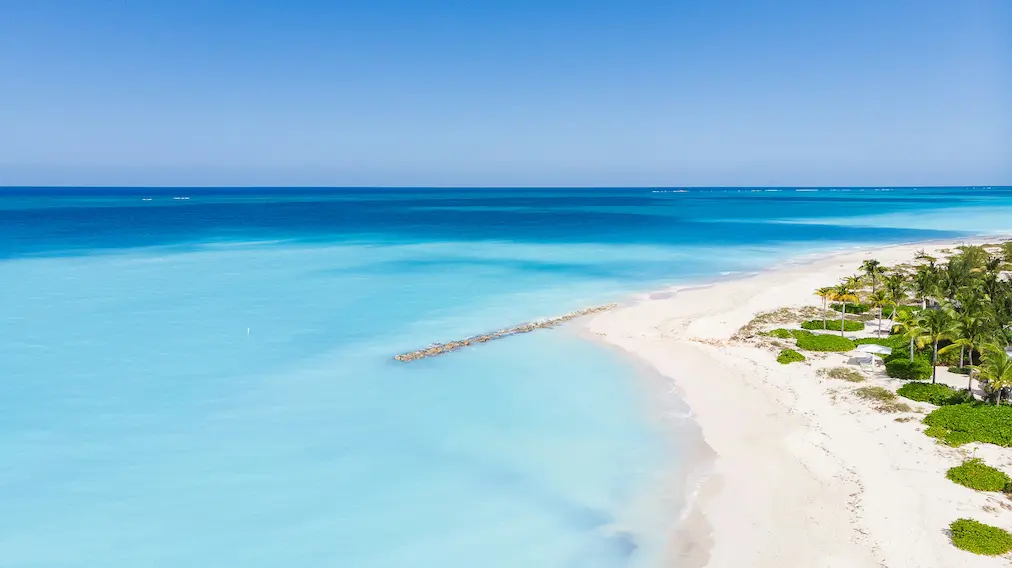
Most travelers book their Turks and Caicos trip based on photos of Grace Bay Beach and figure they will sort out the details when they land. Then they arrive, realize there is no public transport, spend half a day trying to rent a car, discover their hotel is 20 minutes from everything they want to do, and wonder why the first 24 hours felt like logistics management instead of a vacation.
Turks and Caicos is a small British Overseas Territory — Providenciales (called Provo by everyone who goes) is the main island where virtually all tourists base themselves. Once you understand the layout and have a rough plan, five days here is genuinely enough time to see the beach, explore the outer islands, get in the water, and eat well without blowing your entire budget on convenience fees and resort markups. This itinerary is built around that goal.
If you are still sorting out accommodation, Trip tends to have solid rates across the Grace Bay area — worth comparing before you commit anywhere.
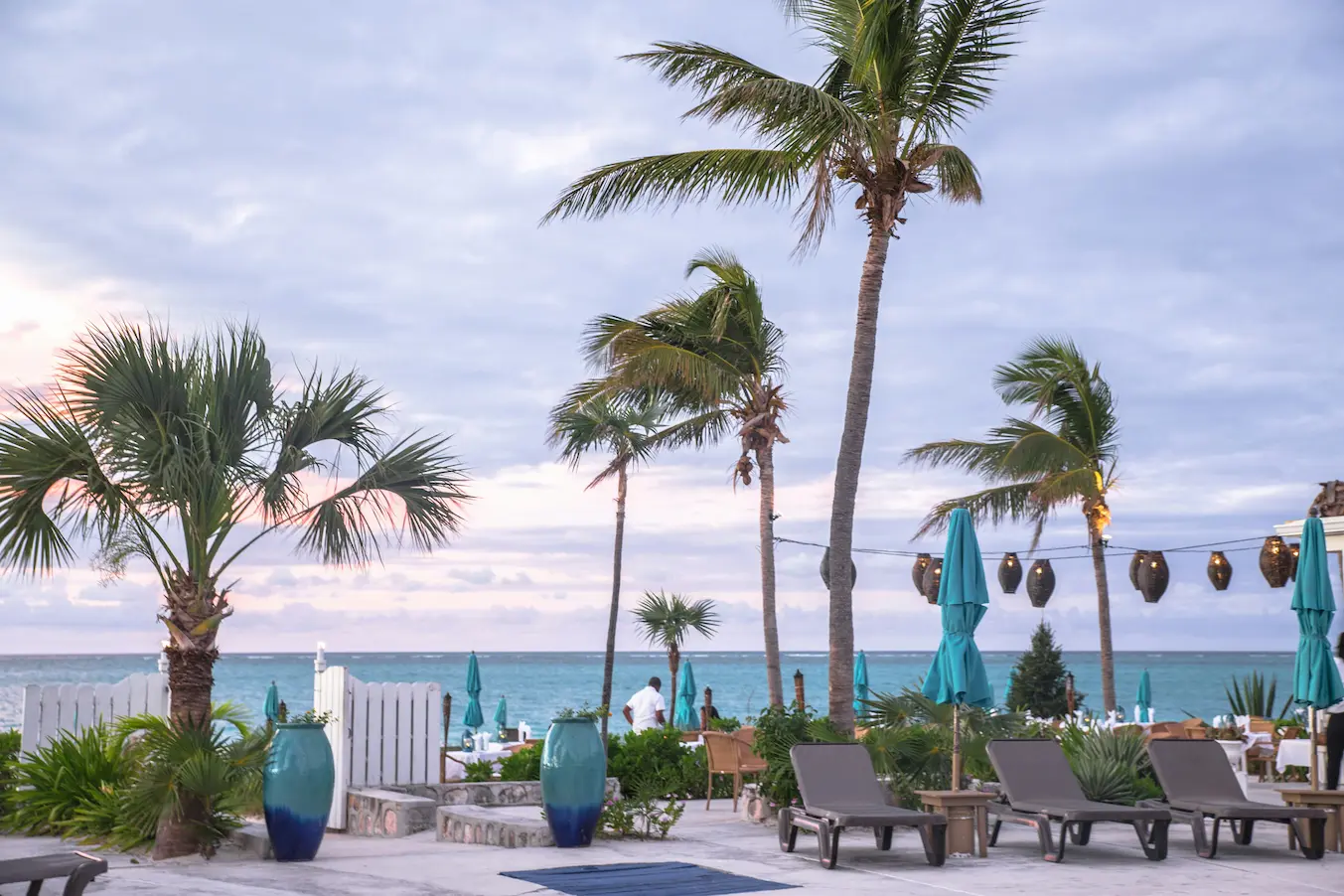
The US dollar is the official currency, so there is no conversion to think about. That said, bring cash. Many local restaurants, small operators, and market vendors are cash only, and ATMs on the island are limited. Running out of cash mid-trip is a real inconvenience here.
Car rental is not optional. There is no public bus system on Providenciales. Taxis exist but add up fast if you are moving around daily. Budget approximately $60–90 per day for a rental (verify current rates when booking). One critical detail that catches a lot of visitors off guard: Turks and Caicos is a British territory, so you drive on the left. If you are coming from the US or Canada, give yourself a few extra minutes to adjust before pulling onto a busy road.
Food costs are higher than most Caribbean islands. Even a casual lunch at a local spot will run $15–20 per person. Resort restaurants push $40–70 per person for dinner without much effort. Budget accordingly and plan to mix local spots with the occasional splurge — more on that in the eating section below.
The best time to visit is November through April — dry season, lower humidity, reliable weather. If you can travel in May–June or September–October, shoulder season rates on accommodation and tours can drop 20–35%, though there is some hurricane risk from August onward. Wherever you are in the season, bring reef-safe sunscreen from home. Products containing oxybenzone or octinoxate are harmful to coral reefs, and buying reef-safe on the island costs significantly more than picking it up before you leave.
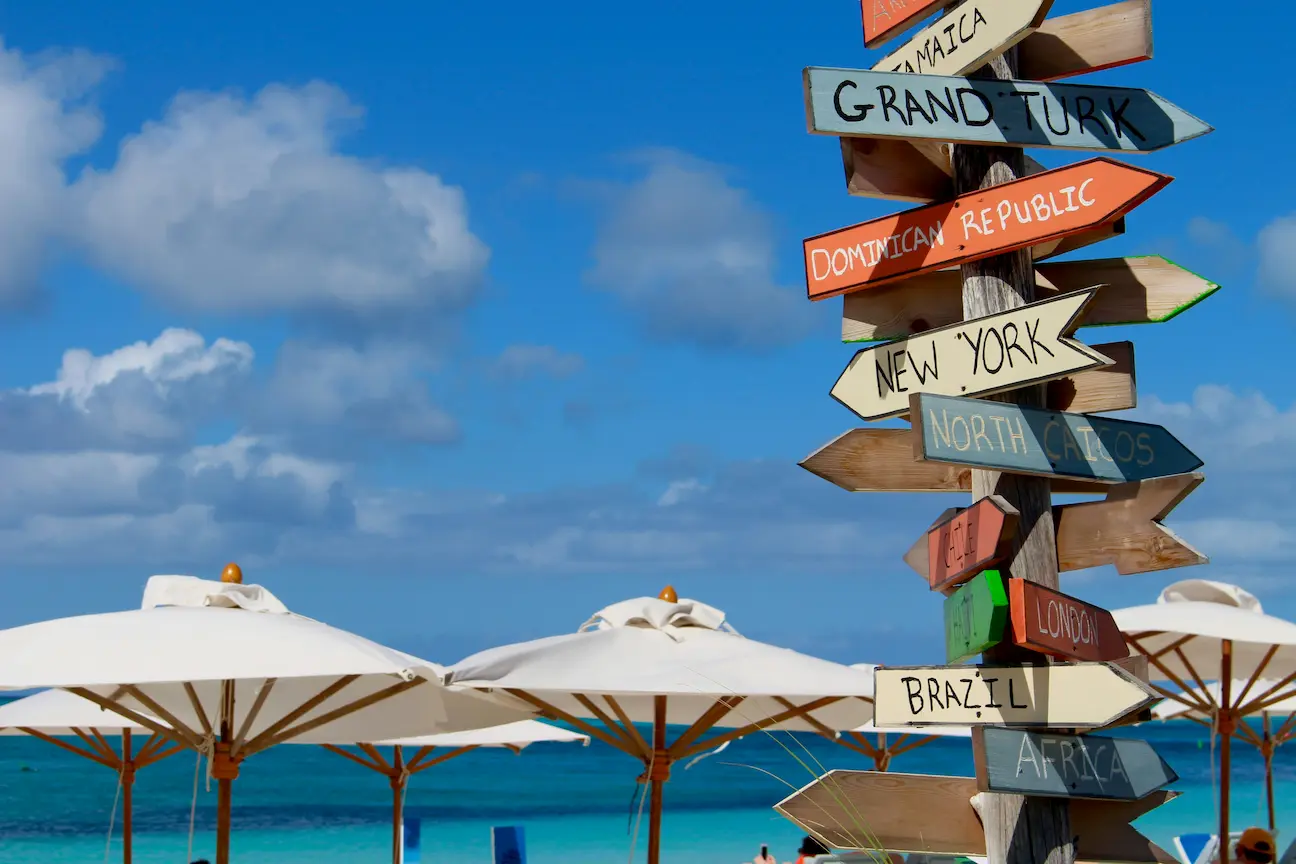
Most flights into Providenciales International Airport (PLS) connect through Miami, New York, Charlotte, or Toronto. There are no direct long-haul flights from Europe, so factor in a connection. Pick up your rental car at the airport immediately — do not wait until the next day thinking you will manage without it.
Check into accommodation in or near Grace Bay. Staying elsewhere to save money sounds reasonable until you factor in the cost and time of driving back and forth every day. The Grace Bay area puts you within walking distance of the beach, the best concentration of restaurants, and the main activity operators. The math usually works against the cheaper-but-remote option.
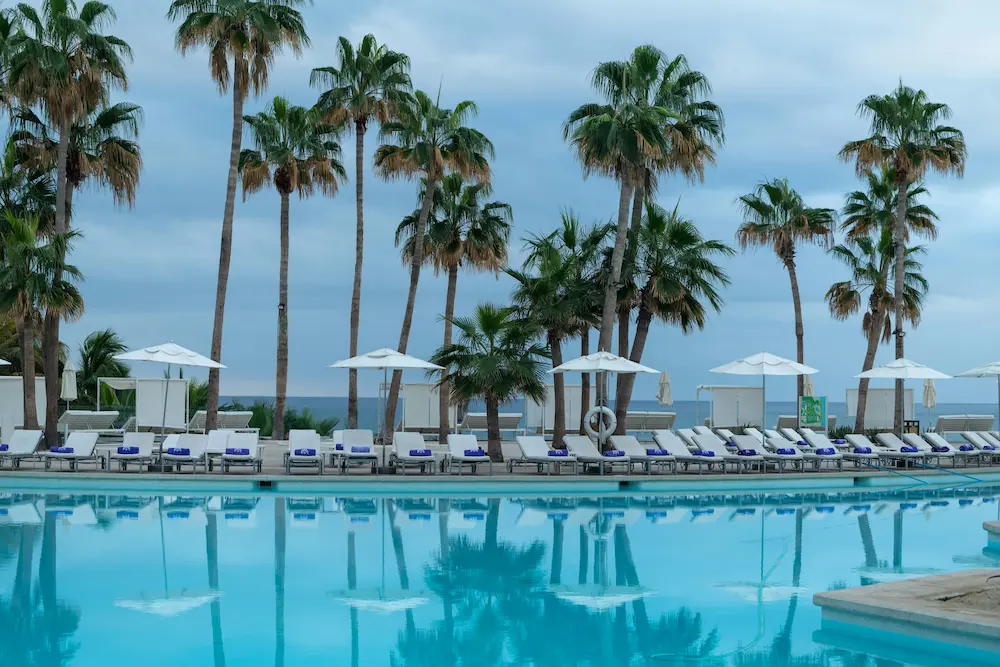
Once you are checked in, walk Grace Bay Beach. It stretches 3.5 miles and is protected — no jet skis, no vendors walking the sand, no seaweed. The water is calm enough to see the bottom in most spots. This first walk is worth doing slowly, at sunset if your timing works out. By the end of it, you will have a good sense of the full length and where you want to spend time over the coming days.
For dinner, Da Conch Shack on the beach is a reliable first-night choice — cracked conch and conch fritters run $15–25, the vibe is relaxed and local, and it gives you a sense of what the island actually tastes like. The Hole in the Wall in the Bight area is another option if you want something lower key, with sandwiches and plates under $20 and a mostly local clientele.
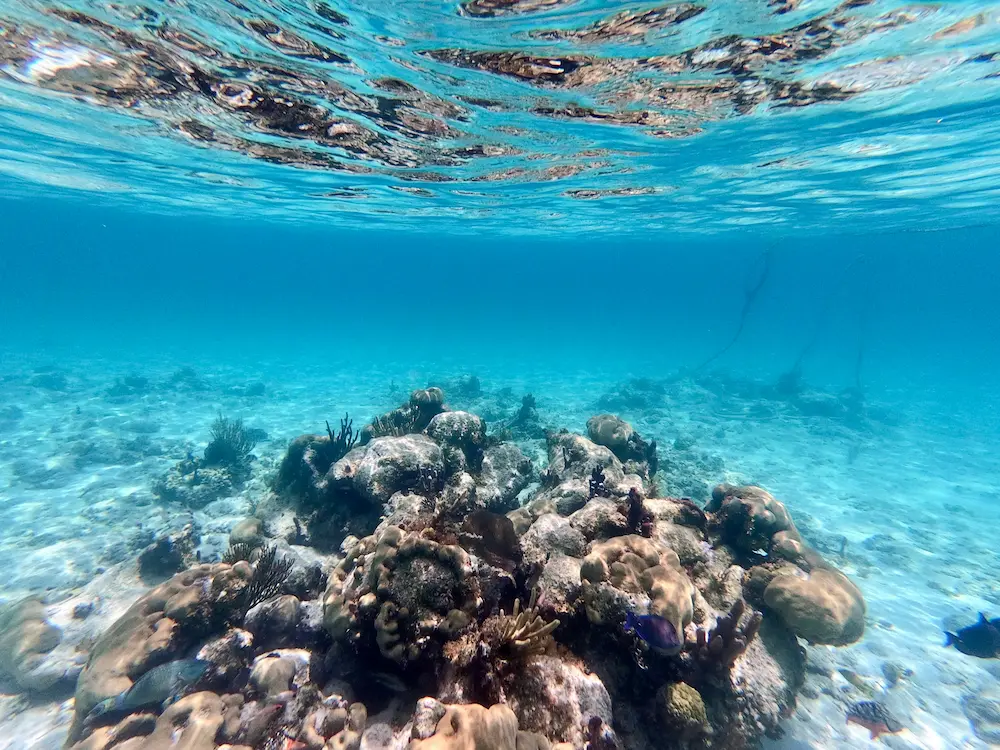
Start the morning at Smith’s Reef before the wind picks up. It is a free, shore-entry snorkeling site off Turtle Cove road and consistently one of the best accessible reefs in the Caribbean. You walk into the water and within ten steps the sand drops away and the reef begins. There are parrotfish, a spotted eagle ray moving slow along the bottom, and somewhere further out, the blue just keeps going deeper. Bring your own mask and fins if possible — renting from a resort runs significantly more than renting from local operators along Grace Bay, and the equipment is the same.
If you want to go further out, a snorkeling boat tour to the barrier reef is worth considering for the afternoon. The barrier reef off Providenciales is the third largest in the world, and the drop-off from shallow reef to deep water is dramatic in a way that shore snorkeling cannot replicate. Half-day tours with local operators run approximately $80–120 per person depending on the company (verify current pricing when booking). French Cay, further out, is a more expensive option but offers better marine life density — and if you are visiting in April or May, whale sharks are sometimes spotted there, though this varies by season.
Leeward Beach on the northeast tip of Provo is worth a stop in the late afternoon — quieter than Grace Bay, good snorkeling close to shore, and reachable by car in about 15 minutes.
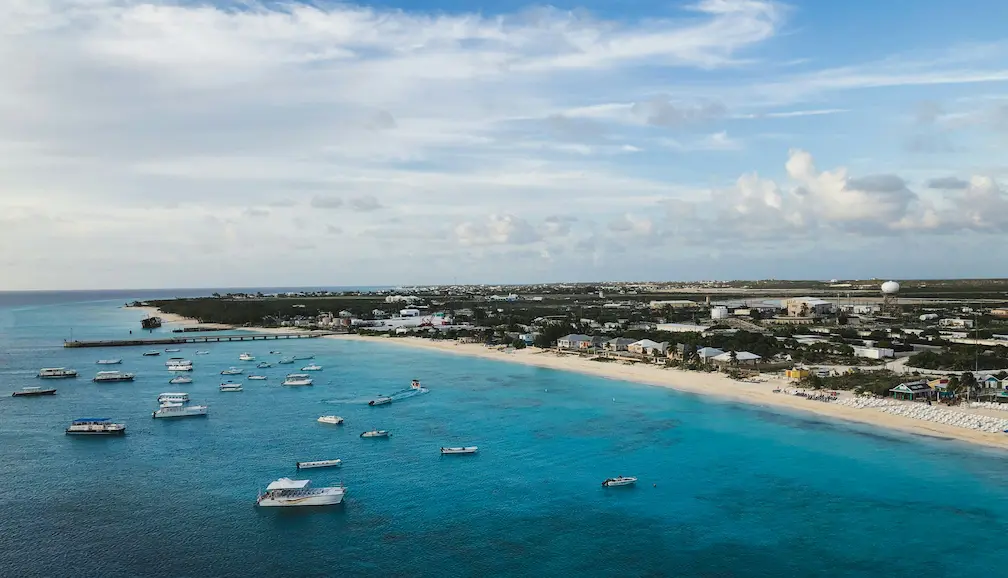
This is the day most visitors skip — and it is the one that tends to leave the strongest impression.
Drive to Heaving Down Rock Marina (also called Walkin Marina) in the Leeward area and take the ferry to North Caicos. The round trip costs approximately $70 per person (2025 pricing — verify when booking). Check the schedule and book in advance — there are limited daily departures and they do fill up, particularly in peak season. The crossing takes about 25 minutes and passes through the Caicos Cays. North Caicos and Middle Caicos are connected by a causeway, so once you are on the ferry you can access both islands. Rent a local car on arrival or join a guided tour — roads are basic and some areas are easier with a guide.
Wade’s Green Plantation on North Caicos is one of the best-preserved plantation ruins in the Caribbean and largely unknown outside the island. Mudjin Harbour offers a cliff overlook above a dramatic turquoise bay that looks like a different country from Provo. Cottage Pond is an inland flamingo pond — flamingos are typically visible throughout the day. Middle Caicos Caves are free to explore and worth the detour if you bring a flashlight: stalactites, stalagmites, and near-total quiet.
Pack lunch for this day. There are very few restaurants on North or Middle Caicos, and what exists may not be open. Coming prepared means you spend less time hunting for food and more time moving between sites. Take the return ferry in the afternoon.
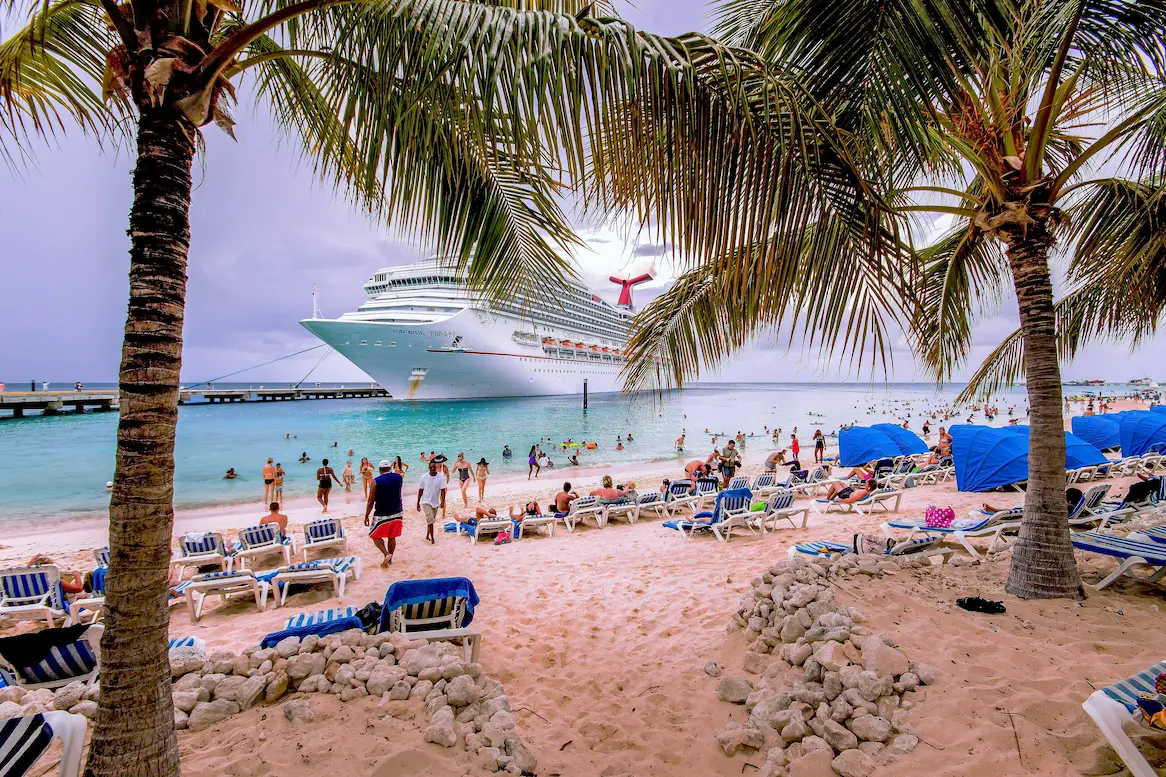
Day 4 splits depending on whether you are a diver or not.
Option A — Grand Turk: The capital island is smaller and quieter than Provo, with a completely different pace. Day trip flights from Provo are available (approximately $150–200 round trip — verify current pricing) and occasional ferry service runs as well (check availability). Governor’s Beach has calm, clear water and good snorkeling close to shore. Cockburn Town has colonial architecture that dates back several centuries and the Turks and Caicos National Museum, which gives solid context on the islands’ history (approximately $10 per adult, verify). The Grand Turk Lighthouse, built in 1852, is free to walk around. If you are visiting between January and March, humpback whales pass through the waters around Salt Cay and are sometimes visible from shore on Grand Turk. Go expecting a quiet, historical day — Grand Turk has almost no resort infrastructure, and that is the point of going.
Option B — Diving on Provo: Providenciales has excellent wall diving along the barrier reef with dramatic drop-offs and consistently good visibility. A two-tank dive with a local operator runs approximately $130–160 (verify). Popular sites include The Crack, Black Coral Forest, and Shark Hotel — the last of which has nurse sharks that are harmless and generally unbothered by divers.
The last morning calls for an early start at Grace Bay before the beach fills up. Arrive before 9am and you will have long stretches of sand mostly to yourself.
Before you leave Provo, two stops are worth building in. Fresh conch salad from vendors along Grace Bay Road is approximately $10–15 per portion (verify) and worth trying at least once — it is prepared on the spot, cured in lime juice, and tastes nothing like anything you will find outside the Caribbean. The Turks and Caicos Islands Conch Farm on the southeast tip of Provo is the only working conch farm in the world. Tours are available for approximately $15 per adult (verify) and take about 45 minutes — genuinely interesting if marine life or food systems interest you at all.
Leave time for any last shopping at Saltmills Plaza or along Grace Bay Road — local hot sauces, Turks Head beer, and handmade crafts are the items most people leave with.
Allow 2.5 to 3 hours before your flight at PLS. The airport is small, but security lines in peak season can move slowly, and there is no reason to rush the last morning only to stress at the airport.
Budget-friendly by TCI standards:
Mid-range:
Splurge:
Turks and Caicos is more expensive than most Caribbean destinations, and it does not pretend otherwise. But five days here, structured well, gives you access to one of the genuinely best beaches in the region, strong snorkeling, two outer islands that feel completely separate from the tourist strip, and food that rewards the travelers who get off the resort property and look around.
The visitors who leave disappointed are usually the ones who did not plan ahead — no car, wrong location, every meal at the resort, no ferry reservation for the outer islands. The ones who leave wanting to come back are the ones who did a bit of homework before landing.
Whether you are here for the water, the pace, the reef, or just five days of doing very little on a very good beach — the island works for all of it. You just need to show up with a rough plan.