The Moment You Understand What Montana Actually Is The highway runs straight for miles. On both sides, the land rises into mountains that are bigger than anything you expected — not because you did not see photos, but because no photo accounts for the scale. The sky is wider here. That is not a figure […]
The Moment You Understand What Montana Actually Is
The highway runs straight for miles. On both sides, the land rises into mountains that are bigger than anything you expected — not because you did not see photos, but because no photo accounts for the scale. The sky is wider here. That is not a figure of speech. Montana has so much open space that the horizon feels further away than it does anywhere else in the continental United States, and the air coming through the vents carries the smell of pine and something clean that cities have long forgotten.
Montana is the fourth largest state in the country by area, and that size matters in a very practical sense: the distances between attractions are real, and a car is not optional here — it is the entire plan. But if you have five days and a route that makes geographic sense, western Montana delivers one of the most varied road trips available anywhere in the US. This itinerary covers Glacier National Park, Flathead Lake, Missoula, and Helena — the most scenic and logistically accessible loop for the time available.
If you are still sorting accommodation, Trip tends to have competitive rates across Whitefish and Kalispell, which is useful since options fill up fast in summer.
A few things are worth getting clear before you arrive, because some of them will determine what you can actually do once you get there.
The main entry point for this itinerary is Glacier Park International Airport in Kalispell, with connections through Seattle, Salt Lake City, Denver, and Minneapolis. Pick up your rental car at the airport — book it well in advance, because inventory in Whitefish and Kalispell is limited in peak season and rates climb when supply drops. Budget approximately $60–90 per day, though this varies.
As of 2026, Glacier National Park has discontinued its timed vehicle entry permit system for Going-to-the-Sun Road — no advance reservation is needed to drive the road. You will still need a valid park entrance pass to enter. However, parking at Logan Pass is now limited to three hours during peak season, and the park runs a ticketed express shuttle service to Logan Pass for hikers doing longer trails. The America the Beautiful Annual Pass costs approximately $80 and covers Glacier entry plus all other national park and federal recreation sites — if you are visiting more than one national park this year, it pays for itself quickly.
On the subject of bear safety: Glacier has both black bears and grizzly bears. Bear spray is required on all backcountry trails and strongly recommended on day hikes. You can rent it in Whitefish or at park visitor centers for approximately $10–15 per day — verify current rental costs. Carry it accessible, not buried in your pack. Make noise on the trail, hike in groups where possible, and store food properly at campsites.
Weather is the other variable worth planning around. The best access to Glacier and the surrounding region runs from June through September. July and August bring the most visitors and the most reliable weather, but September is worth considering — crowds drop significantly, and the first hints of fall color begin appearing in the valleys. Even in midsummer, temperatures at Logan Pass — the highest drivable point on Going-to-the-Sun Road at 6,646 feet — can fall near freezing, and snow is possible in any month. Pack layers regardless of when you go.
One final note on fuel: fill up in Whitefish or Kalispell before driving into the Glacier area. There is no fuel available inside the park.
Whitefish is a small mountain town about 25 minutes north of Kalispell and the most practical base for this itinerary — it sits closest to Glacier’s west entrance, has a walkable downtown with independent restaurants and coffee shops, and feels like an actual place rather than a highway service stop.
After picking up the car and checking in, the afternoon is low-key by design. Walk Central Avenue downtown — there are local gear shops worth browsing if you need anything for Glacier, and the coffee is good. Whitefish Lake has a free public beach a short drive from the center, and the swimming in summer is worth an hour if the weather holds.
Dinner at Tupelo Grille runs approximately $30–50 per person — it is a Whitefish institution that has been operating since 1995, with Southern-inspired cuisine and a strong local following. Loula’s Café handles breakfast under $15 and is worth returning to before any early morning. If you want something more casual and local, Moose’s Saloon is a Kalispell institution with pizza, beer, and no pretense — budget around $15–25.
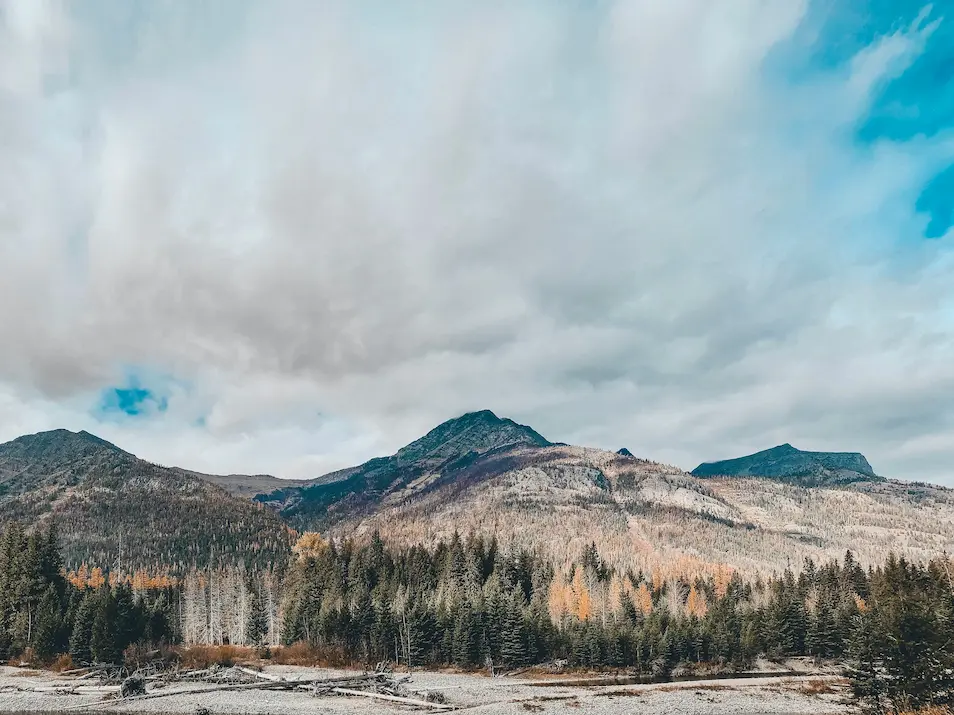
The Going-to-the-Sun Road runs 50 miles across the Continental Divide through the heart of Glacier National Park. It is one of the most scenic drives in North America, and the logistics of doing it well are straightforward: start early, by 7am or before, to beat the crowds and secure parking at trailheads. By mid-morning, the most popular pullouts are full. Note the vehicle size restrictions before you arrive — vehicles longer than 21 feet or wider than 8 feet cannot drive the full road, so check your rental before committing to a large SUV or camper van.
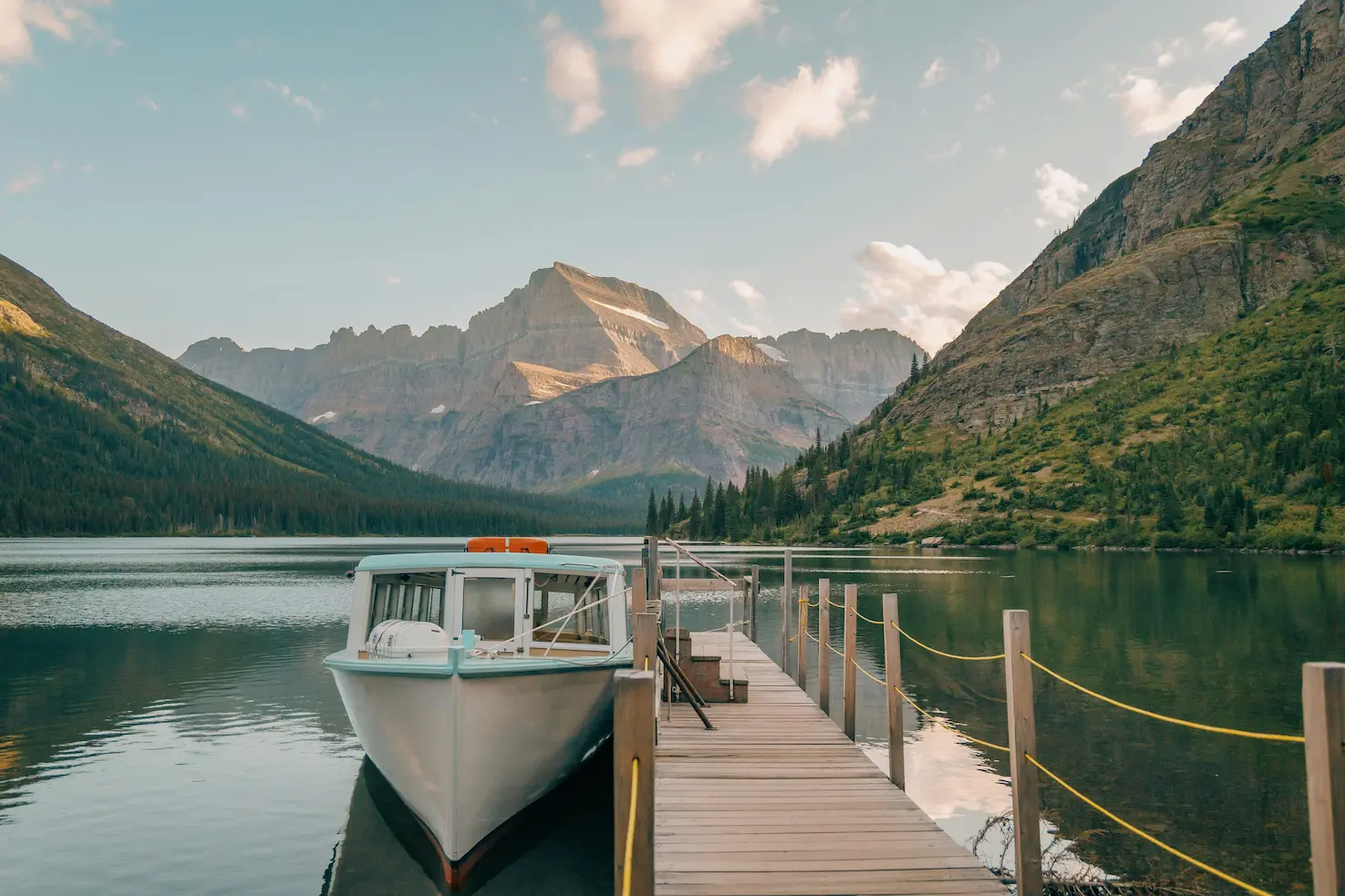
Enter at the west side near Apgar Village. The first major stop is Lake McDonald, the largest lake in the park. The multi-colored rocks on the lakebed are visible through the clear water from the shore — a short walk from the parking area is enough to see them clearly. Cold air even in July. The kind that comes off the snow on the peaks above and moves down through the valley without warning. The trail is wet from a waterfall crossing upstream. The sound of it carries for half a mile.
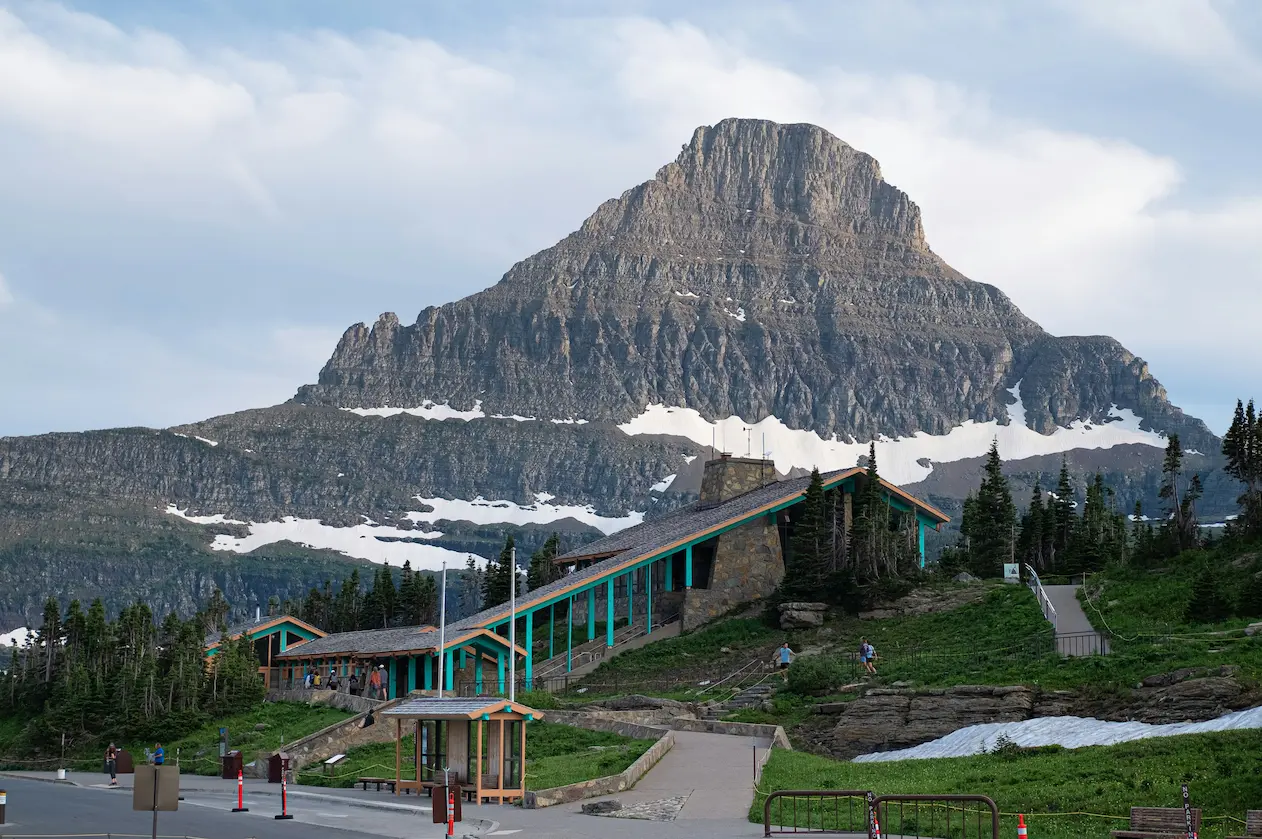
From there, the Avalanche Lake trail is 4.4 miles round trip and rated moderate — it ends at a cirque lake ringed by waterfalls and is one of the best hikes accessible directly from the road. Logan Pass, the highest drivable point at 6,646 feet, has a visitor center and is the starting point for the Hidden Lake Overlook trail, a 2.7-mile round trip with reliable mountain goat sightings. If you plan to hike longer trails starting at Logan Pass — like the Highline — book a shuttle ticket in advance through Recreation.gov, since parking is limited to three hours and the shuttle fills up. The east side of the road opens up to St. Mary Lake — a completely different landscape from the western slope, wider and more open, with dramatic cliff faces rising out of the valley floor.
Park entry is approximately $35 per vehicle for a 7-day pass, or covered by the America the Beautiful Annual Pass — verify current pricing before your trip.
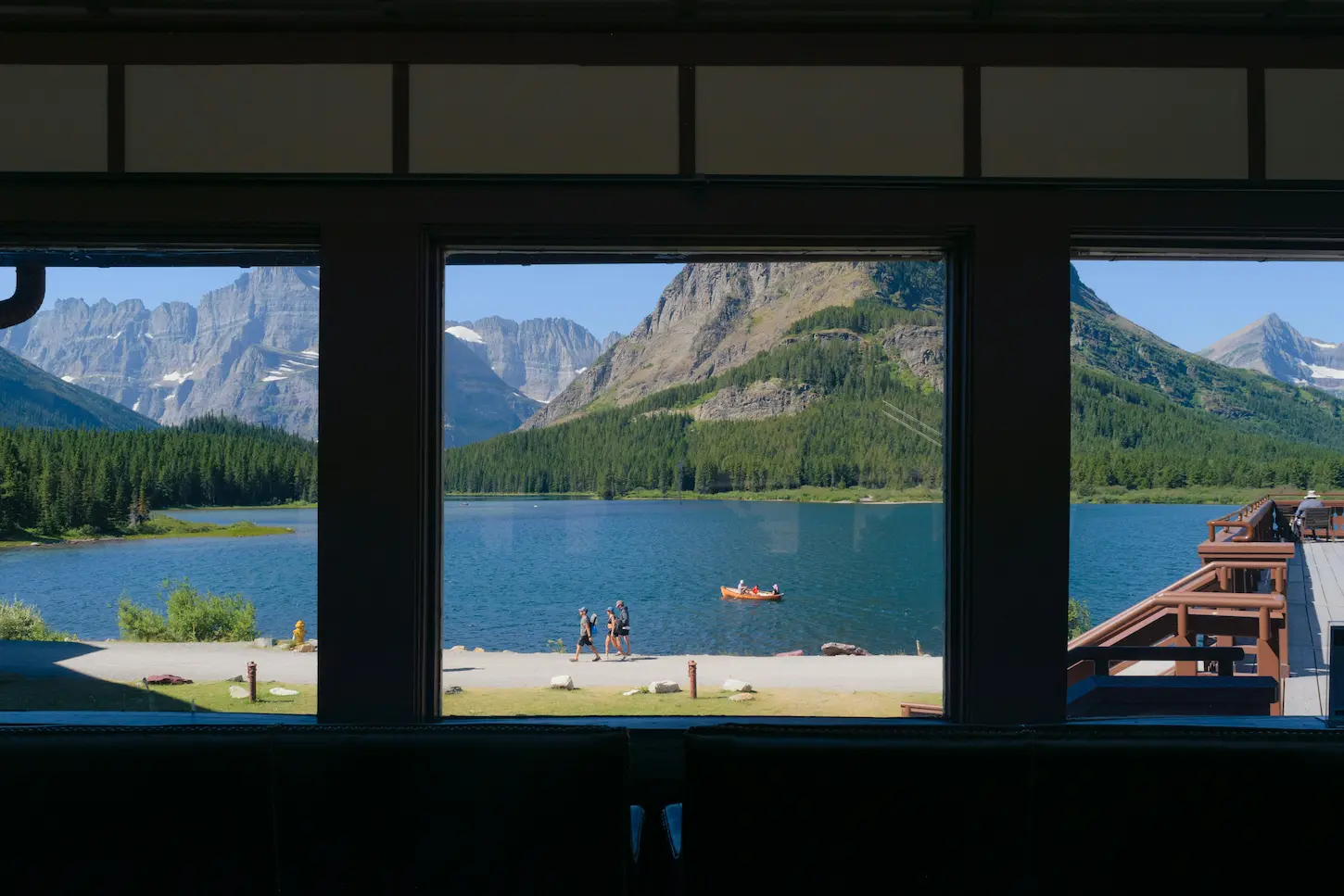
Many Glacier sits on the east side of the park, about 1.5 hours from Whitefish via the highway rather than through the park itself. It is widely considered the best hiking area in Glacier by experienced visitors, and the trail options range from flat and accessible to genuinely demanding.
The Swiftcurrent Lake walk is a flat loop from the hotel and campground area — short enough to do before committing to a longer hike, and moose are frequently spotted in the lake and surrounding willows in the early morning. It is worth the 30 minutes before anything else.
For those with the legs and the early start, the Grinnell Glacier trail is 10.6 miles round trip and strenuous. It leads to one of the park’s remaining glaciers, which has retreated significantly from its historical size — the comparison between old photographs and what you see in person is striking and a bit sobering. The Iceberg Lake trail is 9.7 miles round trip and moderate to strenuous — the lake holds floating ice chunks well into summer, even in July.
The Many Glacier Hotel, built in 1915 in Swiss chalet style on Swiftcurrent Lake, is worth stopping at for lunch or a drink even if you are not staying there. The building is well-preserved and the setting directly on the lake is as good as anything in the park.
Return to Whitefish via the east side and Highway 2 — a different route from the morning and equally worth the drive.
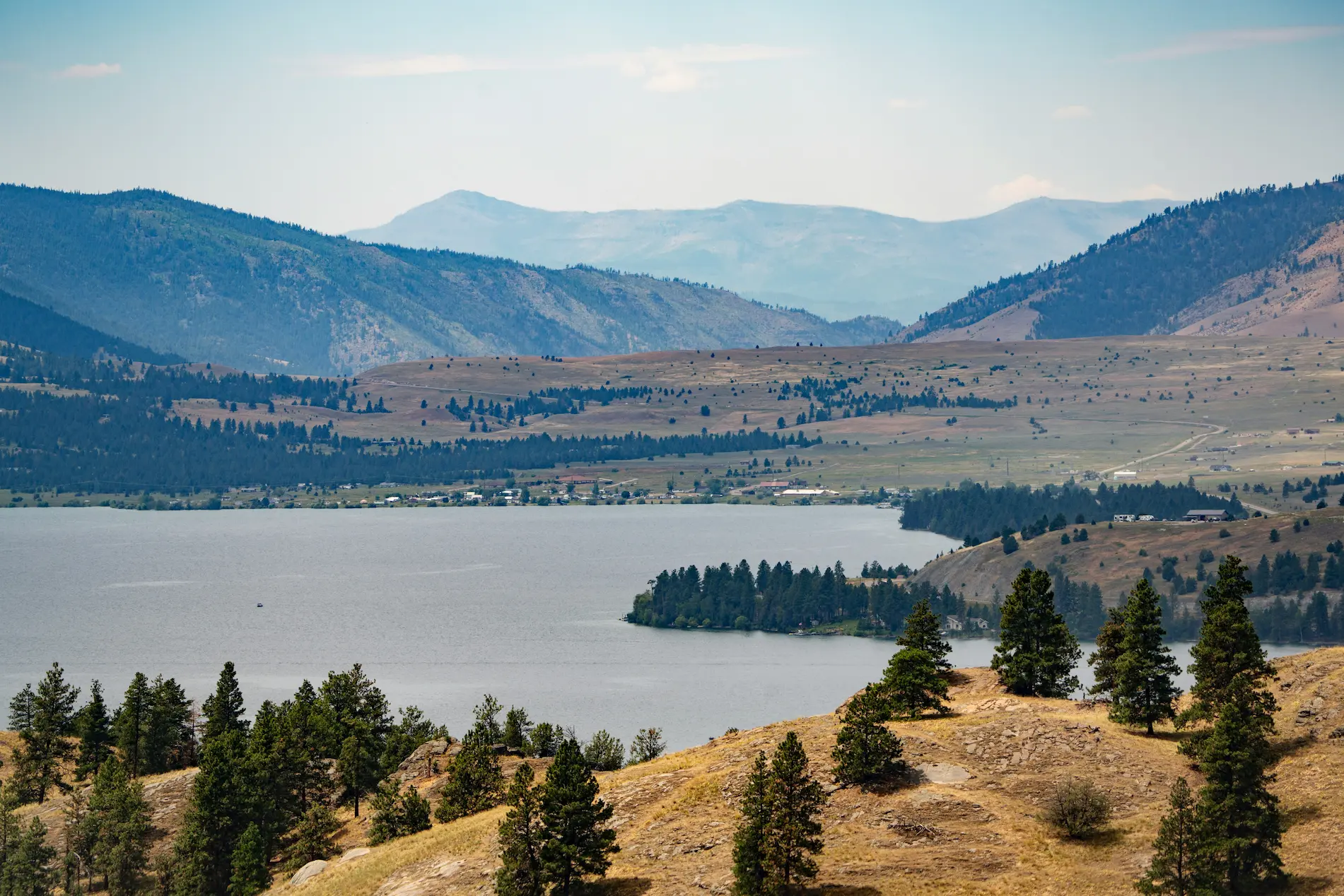
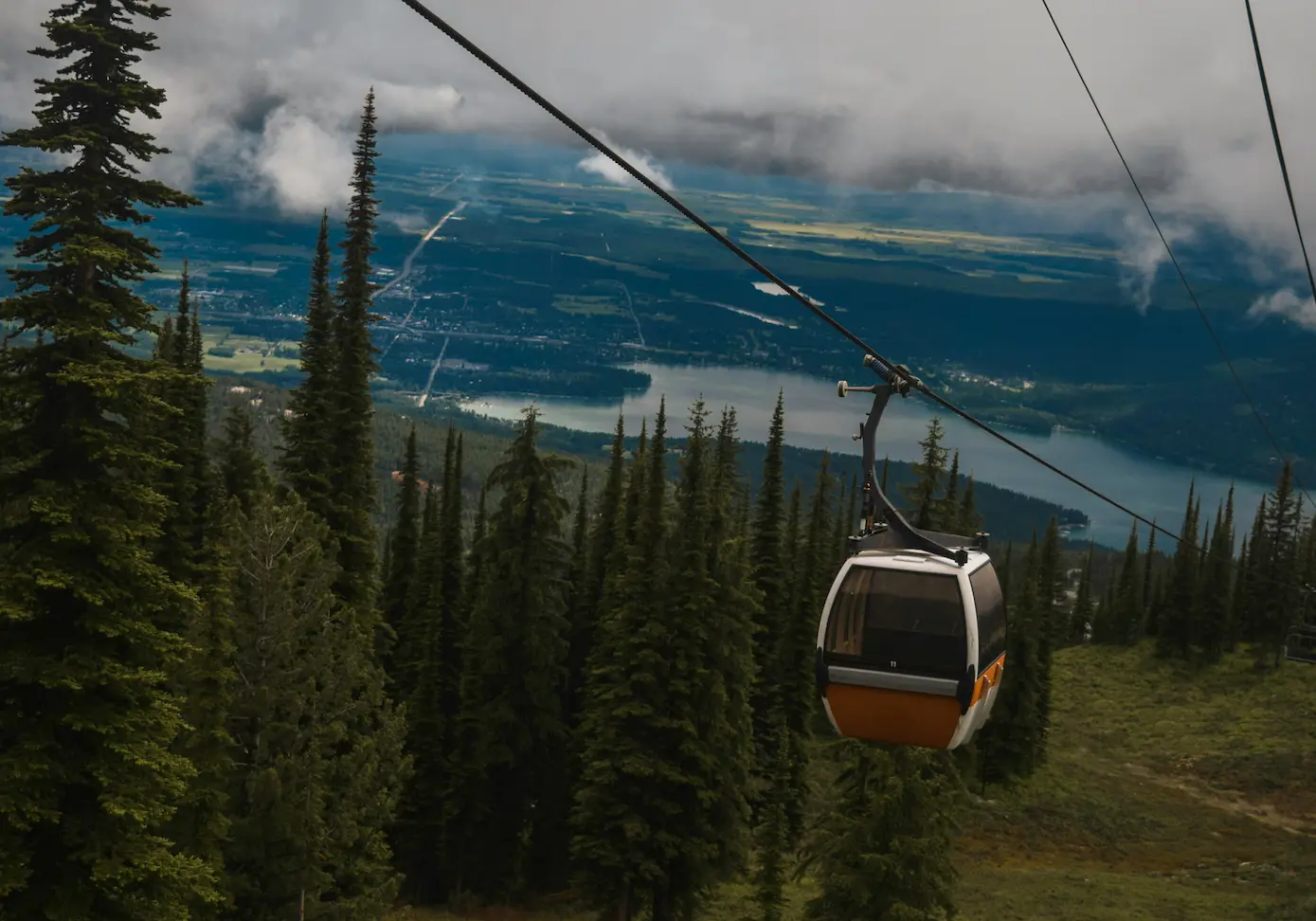
Flathead Lake is the largest natural freshwater lake west of the Mississippi — 28 miles long and up to 15 miles wide. Drive south from Whitefish along the west shore on Highway 93, which follows the lake with multiple pullouts and access points along the way.
Wild Horse Island State Park is one of the more unusual stops in the region: the island is accessible only by private boat or kayak from Dayton or Big Arm, and it has a small herd of wild horses, bighorn sheep, mule deer, and eagles. Kayak rentals in Dayton run approximately $40–60 for a half day — verify current rates. It requires planning, but the combination of paddling across an open lake and then hiking a largely undeveloped island is the kind of experience that does not have a crowd problem.
Polson sits at the south end of the lake on Confederated Salish and Kootenai tribal lands. A tribal recreation permit is required for fishing and some recreational activities on the tribal portion of the lake — these are available at local stores, and it is a legal requirement, not a technicality. Check current permit requirements and costs before you arrive.
The Polson waterfront has a free public beach, and the swimming in summer is good. Between July and August, roadside stands along the highway sell Flathead Lake Bing cherries for approximately $3–5 per pound — they are worth stopping for and are genuinely one of the regional food highlights of western Montana.
Two options depending on your outbound flight.
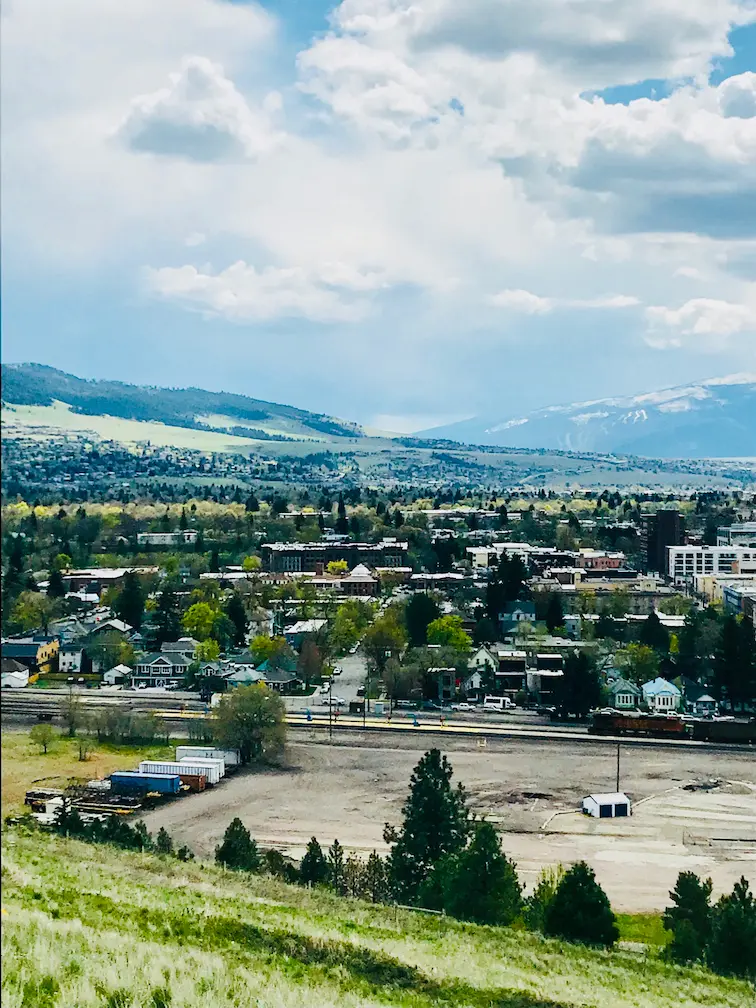
If you are flying out of Missoula, the city is a University of Montana town with a walkable downtown and a strong local food and craft beer scene. The Rattlesnake National Recreation Area has a trailhead two miles from downtown and access to hundreds of miles of trails through mountain terrain — it is one of the better urban trail systems in the western US, and it is free. The Clark Fork River runs through downtown with a public riverwalk at no cost. The Missoula Farmers Market runs Saturday mornings and is worth an hour if your timing lines up. For craft beer and food, Imagine Nation Brewing has moved to a new production facility at 5646 W. Harrier Drive near the Missoula airport, with a spacious taproom and outdoor beer garden — budget around $15–20. For lunch downtown, ask locally for current Mediterranean and international options; the Missoula food scene turns over regularly and there are usually solid independent spots worth checking.
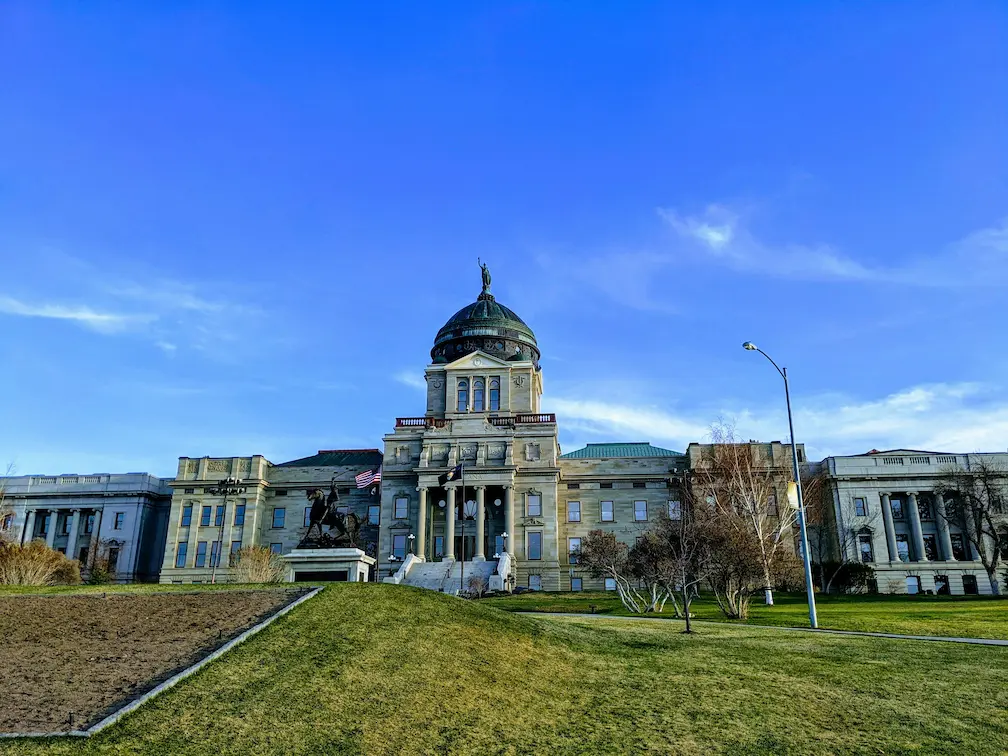
If Helena fits better with your route or departure point, the state capital has a compact historic downtown worth the stop. The Montana State Capitol is free and open for self-guided tours on weekdays. Last Chance Gulch — the pedestrian mall — runs through the historic core, and the gold-rush-era buildings are well-preserved. Helena was one of the wealthiest cities per capita in the US in the 1880s due to gold mining, which explains the scale of the architecture relative to the current population. Mount Helena City Park offers a roughly 2–3 mile round trip trail from downtown to the summit at 5,468 feet with 360-degree views — free, and a reasonable way to use the last morning.
A few things specific to western Montana that are worth seeking out at least once during the five days.
Huckleberry is Montana’s signature wild berry — closer to a blueberry but tarter, and available across western Montana from July through September as jam, pie, ice cream, and in various other forms. It is genuinely regional and not something you find everywhere, so try it while you are here. Loula’s Café in Whitefish does a huckleberry pie worth making a stop for.
Bison appears on menus across Montana, typically as burgers or steaks. It is leaner than beef with a slightly richer flavor, and at Montana prices it is rarely expensive. The trout — rainbow and cutthroat, from local rivers and lakes — is on most menus and worth ordering when it is listed as fresh.
For the full picture by location: Whitefish has Tupelo Grille ($30–50/person) for a proper dinner and Loula’s Café for breakfast under $15. Kalispell’s Moose’s Saloon is a local institution at $15–25. If hiking Many Glacier, the hotel dining room handles lunch. In Missoula, Imagine Nation Brewing covers local craft beer and casual food at around $15–20, and the downtown area has rotating independent restaurants worth exploring when you arrive.
Montana does not suit every travel style — the distances are real, the pace is slower than a city break, and the outdoor focus means the best of it requires some physical effort. But if that is what you are looking for, five days in western Montana covers an unusual amount of ground: a national park with two distinct personalities, one of the largest freshwater lakes in the country, trail systems that go from easy walks to serious half-day efforts, and a pair of towns that feel like actual places.
Whether you are coming for the hiking, the drives, the wildlife, the food, or just to be somewhere that feels genuinely different from most of the country — this itinerary gives you a real version of Montana, not a packaged one. That is within reach for most travelers willing to plan ahead, book the permit early, and show up with layers.