The Biggest Mistake Travelers Make in Punta Cana — And How to Fix It Most travelers book Punta Cana as an all-inclusive trip and then assume everything outside the resort is either too expensive, too inconvenient, or not worth the effort. So they stay on property for the entire trip — eating every meal at […]
The Biggest Mistake Travelers Make in Punta Cana — And How to Fix It
Most travelers book Punta Cana as an all-inclusive trip and then assume everything outside the resort is either too expensive, too inconvenient, or not worth the effort. So they stay on property for the entire trip — eating every meal at the buffet, booking every excursion through the activity desk, and never seeing the Dominican Republic that exists ten minutes beyond the resort gate. The result is a comfortable, generic trip that costs significantly more than it needed to.
The reality is that Punta Cana has two parallel economies running side by side: the resort price list, and the actual Dominican price list. Every activity, meal, and excursion on this list is accessible to a regular traveler with no special knowledge or connections. You just have to know where to look — and what to avoid.
If you are still searching for accommodation, Super tends to have some of the most competitive rates for this area, including options outside the main resort corridor.
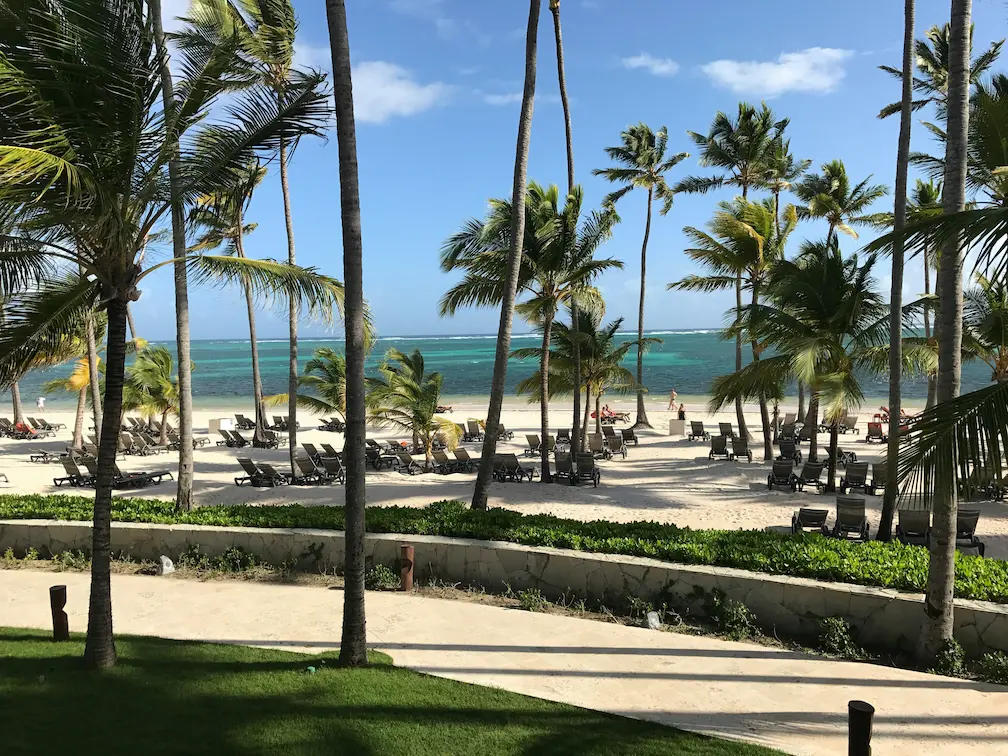
Walking Bavaro Beach end to end costs nothing and is one of the best ways to spend a morning in Punta Cana. Dominican law makes all beaches public, which means no resort wristband, no entry fee, and no one can legally stop you from walking the full stretch. Start early — before 8am if possible — and you will have long sections almost entirely to yourself. The further you walk from the main resort entrances, the quieter the beach becomes, and the more it starts to look like a beach rather than a hotel amenity. Cost: free.
Macao Beach is the best public beach near Punta Cana for travelers who want something that feels genuinely natural. There is no resort infrastructure here — just open beach, stronger waves, and a handful of beachside restaurants serving fresh fish at local prices. A full meal runs approximately $8–15 USD. Surf lessons are available from local operators for approximately $40–60 per hour — worth confirming directly on arrival. Getting there from Bavaro requires a taxi, which typically costs approximately $25 each way; agree on the price before you get in. Cost: free entry, transport needed.
Veron is the local town that sits directly behind the resort strip, about 10–15 minutes from Bavaro by taxi. Most travelers never go. That is a mistake. Veron has local markets, comedores (small informal restaurants), pharmacies, and everyday Dominican life at everyday Dominican prices. A full lunch at a comedor — soup, a protein, rice, beans, salad, and fresh juice — runs approximately $4–7 USD. One minute you are paying $18 for a cocktail at the resort pool bar. Twenty minutes later you are in Veron eating a full Dominican lunch — soup, chicken, rice, beans, salad, juice — for less than $6. Same sun. Same trip. Completely different version of it. A taxi from Bavaro costs approximately $10–15 each way. Cost: low, mostly transport.
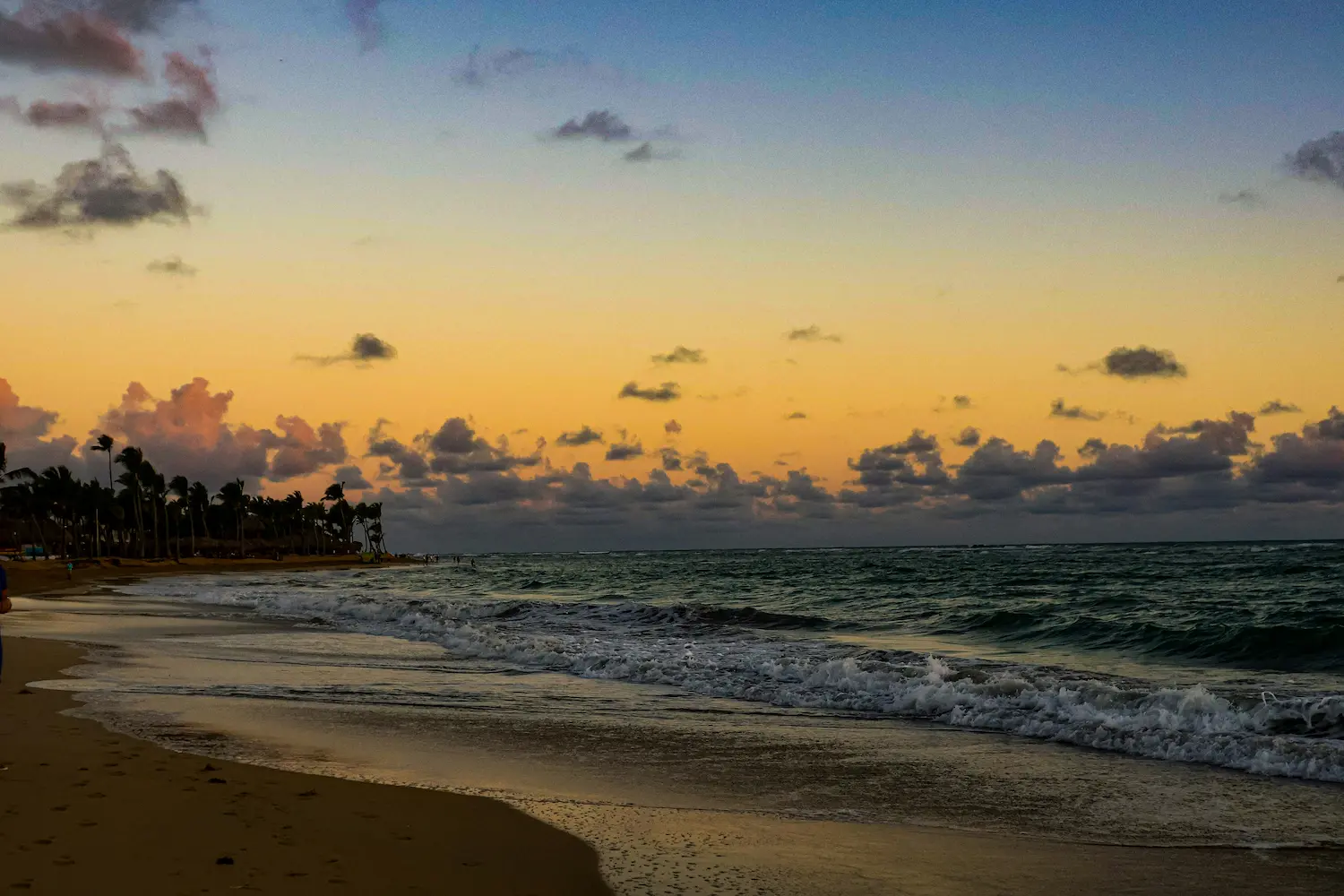
Watching sunset from the beach is free and requires no planning. Bavaro and Macao are worth checking for the direction they face — the eastern Dominican coast is better known for sunrise, so ask locally or check a map to find the best vantage point for evening light. Either way, it costs nothing and beats most of what the resort entertainment schedule offers.
The Saona Island day trip is one of the best value full-day excursions available in this part of the Caribbean relative to what is included. A typical package runs approximately $60–90 per person depending on the operator and covers a boat ride out, a stop at the natural pool (a shallow turquoise sandbar where starfish are visible in clear water), snorkeling, a lunch, drinks, and the return transfer from Bavaro hotels. The key detail: the resort activity desk sells the exact same tour — same boat, same guide, same itinerary — for 20–40% more than independent operators charge. Book directly through local operators at shopping centers in Bavaro or ask the hotel front desk (not the tour desk) for a recommendation.
An ATV or buggy tour is a good option if you want something more physically engaging than a boat excursion. Half-day tours run approximately $60–100 per person and typically go through sugar cane fields and local villages before ending at a beach or natural pool. Hotel pickup is usually included. The routes vary by operator, so it is worth asking specifically what the tour covers before committing.
A catamaran cruise runs approximately $65–85 per person for a half day and includes snorkeling, an open bar, music, and a beach stop. Hotel pickup is generally included. This is the most social of the excursion options — better suited to groups or travelers who want a lively atmosphere on the water than anyone looking for quiet time at sea.
For horseback riding, several local operators offer beach and trail rides with hotel pickup for approximately $60–90 per person for one hour. This is one of the more affordable organized activities in the area and works well as a half-day option if you want something different from the water-based excursions.
If your accommodation includes snorkeling equipment as part of an all-inclusive package, use it before paying for a separate excursion. Some sections of Bavaro have accessible coral directly from shore. If gear is not included, rent from a local dive shop rather than the resort rental desk — approximately $15–25 per day versus significantly more at resort prices. It is the same equipment.
Eating every meal inside the resort is convenient and costs you nothing beyond what you already paid — but it is also the reason many travelers come home describing Punta Cana as expensive. Shift two meals a day outside the resort and the savings are real. For a couple eating locally twice a day compared to using resort restaurants, the difference can reach $50–80 USD per day.
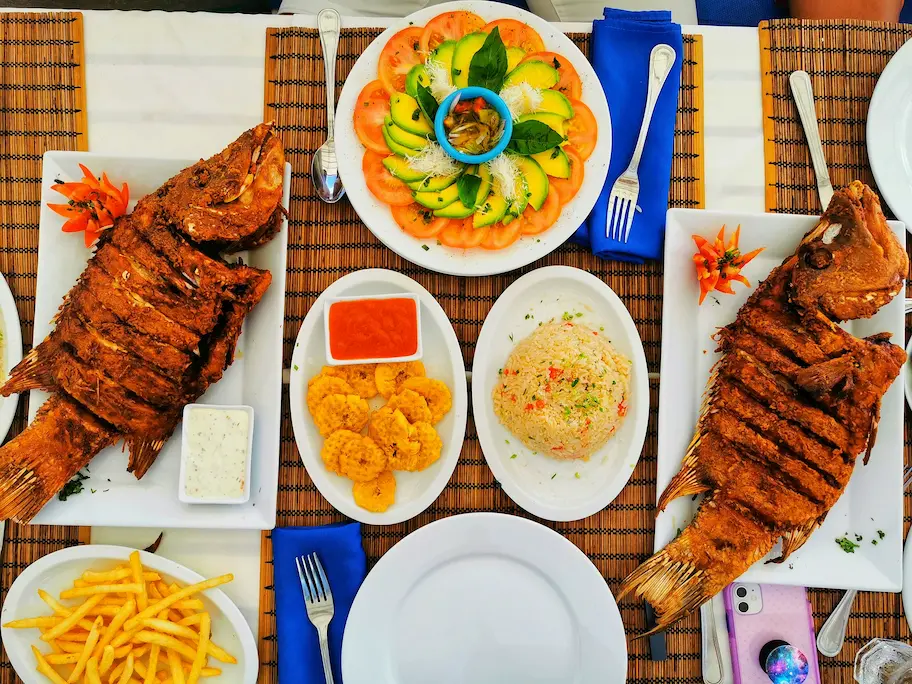
In Veron, pica pollo spots serve fried chicken with tostones, rice, and beans for under $6 USD. These are not tourist operations — they are where local people eat, and the food reflects that in both price and quality. In the El Cortecito area of Bavaro, you will find several small beachside seafood restaurants where a full meal runs approximately $15–30 per person — a fraction of what the same meal costs at a resort restaurant. Fresh coconut water from beach vendors along Bavaro costs approximately $1–2 USD. Carry Dominican pesos rather than USD for local spots — vendors at non-tourist establishments will often quote and accept pesos, which typically gives you a better effective rate than paying in dollars.
Booking all excursions through the resort activity desk is the single most common way travelers overpay in Punta Cana. The desk functions as a middleman and adds 20–40% to the price of tours that depart on the same boats, with the same guides, following the same itineraries as independent operators. Instead, compare prices with operators at the shopping centers in Bavaro or ask the hotel front desk — not the tour desk — for a contact.
Paying for everything in US dollars is understandable since USD is accepted almost everywhere in the tourist zone, but it often means paying the tourist price rather than the local price. When you carry Dominican pesos and pay in pesos at local spots, you frequently get the rate that residents pay. Exchange cash at a bank or exchange office in Bavaro rather than at the airport, where rates are consistently the worst available.
Never leaving the resort is perhaps the most expensive mistake of all — not because of what you spend, but because of the trip you do not have. The all-inclusive model is built to keep you on property, and every hour inside the resort is revenue for the hotel. Travelers who stay entirely on property often describe the trip as comfortable but interchangeable — no real sense of having been anywhere specific. Budget at least one day for Macao Beach, one meal in Veron, and one excursion booked independently. That alone changes what the trip is.
Renting snorkeling gear from the resort shop can cost $30–50 per day. Local dive shops near Bavaro charge approximately $15–25 for equivalent equipment. Check first whether your package includes gear — if it does, use it. If not, either rent locally or bring your own mask and snorkel from home.
Booking the cheapest Saona Island tour without checking what is included is a mistake that comes up repeatedly. Some budget Saona tours skip the natural pool stop — the shallow starfish sandbar that most people specifically want to see — in order to shorten the trip and cut costs. Before booking, ask directly: “Does this tour stop at the natural pool with starfish?” A slightly higher-priced tour that includes it is better value than a cheaper one that does not.
Underestimating distances catches many travelers off guard. Altos de Chavón is about 1.5 hours from Bavaro. Samaná is 4–5 hours. Santo Domingo is 3–4 hours. These are not casual day trips — they require a full day and significant transport costs. For most trip lengths, Saona and Macao are the realistic day-trip options. If Santo Domingo interests you, it deserves at least one overnight rather than a rushed return drive.
Not bringing reef-safe sunscreen is a mistake that affects both your budget and the reefs you are snorkeling on. Chemical sunscreens containing oxybenzone damage coral, and responsible operators at snorkeling sites increasingly request reef-safe alternatives. Sunscreen bought in the tourist zone costs 2–3 times what it does at home — bring enough for the full trip.
Tipping on top of an already-included service charge is easy to do without realizing it. Many restaurants in Punta Cana automatically add a 10% service charge to the bill. Adding 15–18% on top of that is double tipping. Check the bill before adding anything. If a service charge is already included, a small additional amount for genuinely good service is appropriate — a full additional tip is not.
Drinking tap water or using ice from unknown sources is the most reliable way to cut a trip short with illness. Tap water in the Dominican Republic is not safe for tourists. Drink bottled water only, including when brushing your teeth. Resorts use filtered water in their systems, but local restaurants vary — when in doubt, ask about the ice.
Skipping travel insurance underestimates two real risks in this destination. Private medical care in the Punta Cana area is expensive and typically requires upfront payment before treatment. The hurricane season runs June through November, which overlaps with the shoulder-season window when hotel rates are at their lowest. A trip cancellation or interruption during that window without coverage is a significant financial loss. Buy a policy that covers both medical evacuation and trip cancellation before you travel.
The best budget window for Punta Cana is May–June and September–October. Hotel rates drop approximately 20–35% compared to peak season, the beaches are the same, and crowds are noticeably thinner. October carries real hurricane risk, so that trade-off is worth weighing honestly — May and June tend to offer the best combination of low prices and manageable weather.
For excursions, booking 1–2 days ahead is usually sufficient through local operators. Unlike high season, when availability tightens, shoulder season often allows for last-minute bookings at slightly reduced rates. There is no need to lock everything in months in advance unless you are traveling in December through April.
Always negotiate taxi prices before getting in. There are no meters in Punta Cana, and fares are set by agreement. Ask the hotel front desk for approximate taxi rates to common destinations — Macao Beach, Veron, the airport — so you know what a fair price looks like before the conversation starts. Carry small bills in both USD and pesos, since vendors and drivers frequently cannot break large notes and will round up against you when they do.
For US travelers, no power adapter is needed — the Dominican Republic uses 110V, the same as the US.
Punta Cana works on a budget if you treat the resort as a base rather than a destination. The beach is public. The local food is good and inexpensive. The best excursion in the region — Saona Island — costs under $100 per person booked directly. Macao is free to visit and a completely different experience from anything inside the resort corridor. Whether you are traveling as a couple, a family, or solo, the version of Punta Cana that costs significantly less than most people expect is the same version that most people remember more clearly when they get home. It just requires stepping outside the gate at least once.