The Highway Tells You Everything Before You Even Arrive You land in Austin, pick up the keys at the rental counter, and pull out of the airport onto the highway. Within ten minutes, the scale of it hits you. The sky is bigger here — not metaphorically, literally bigger, because the land is flat enough […]
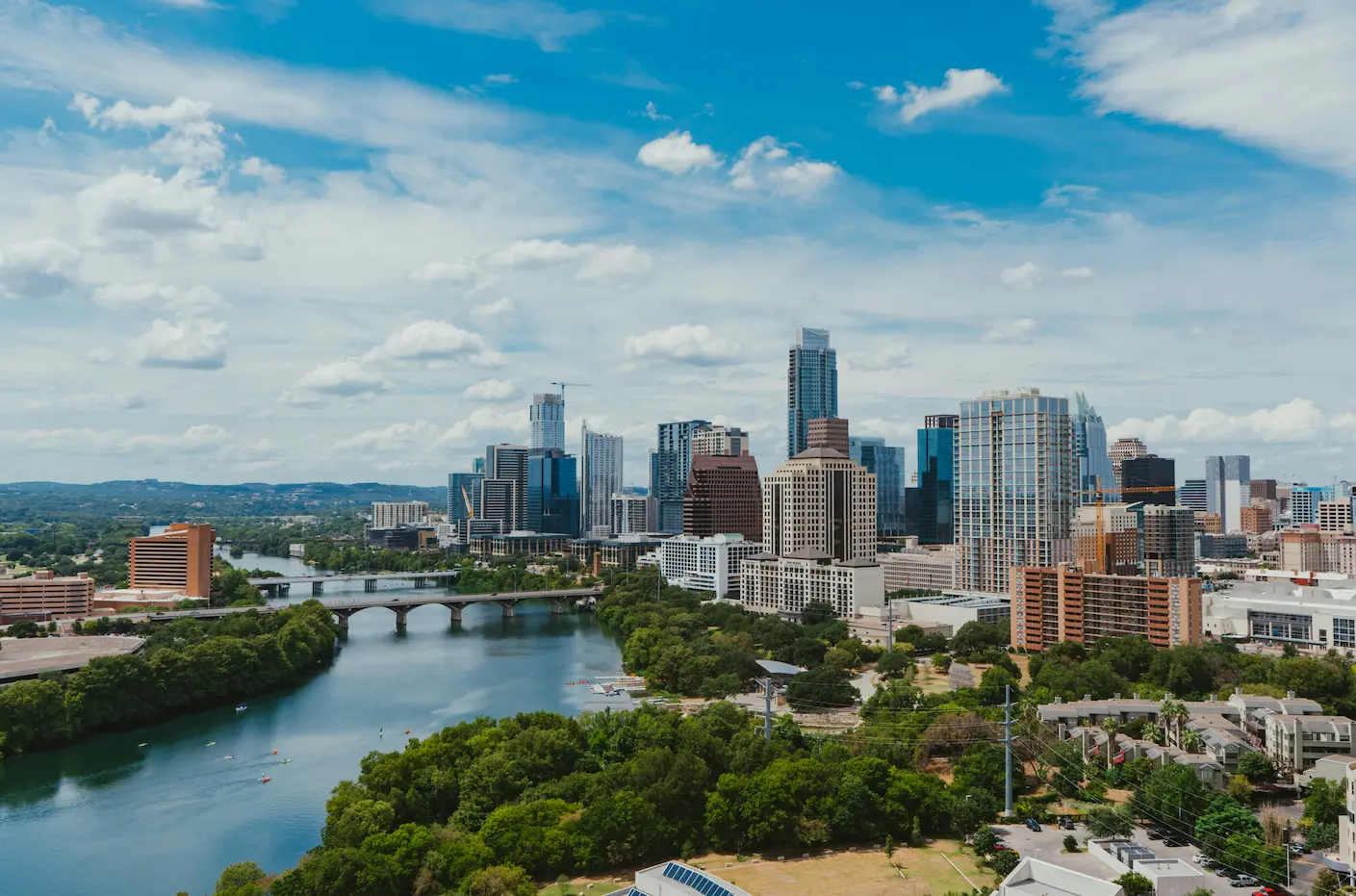
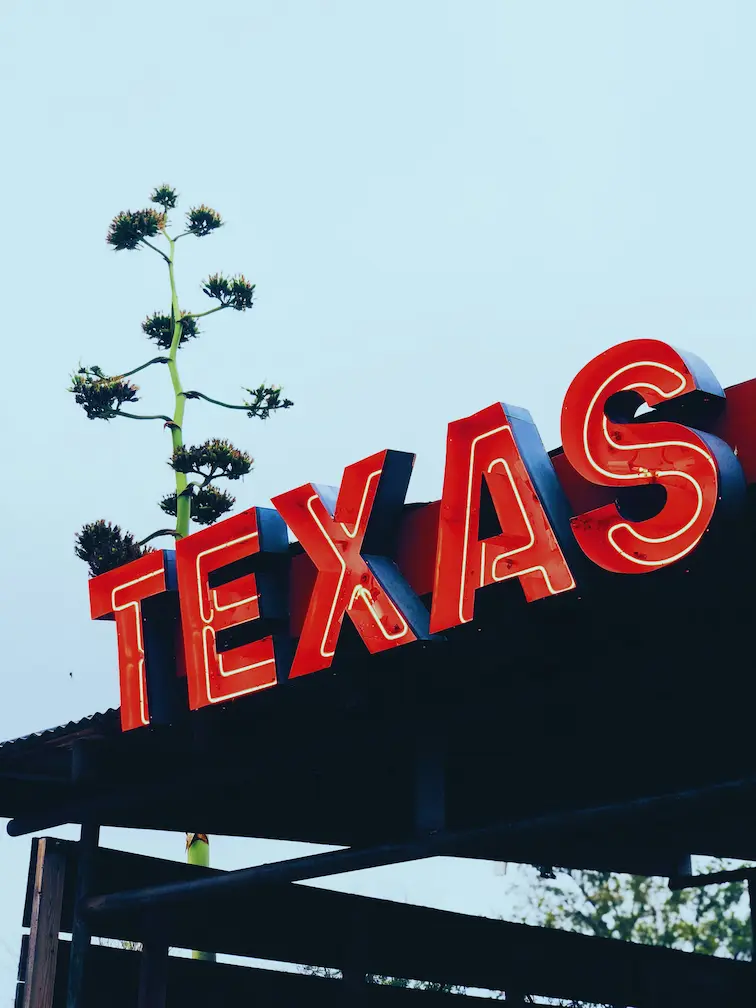
You land in Austin, pick up the keys at the rental counter, and pull out of the airport onto the highway. Within ten minutes, the scale of it hits you. The sky is bigger here — not metaphorically, literally bigger, because the land is flat enough and the buildings sparse enough that the horizon stretches in every direction without interruption. A truck passes you in the left lane pulling a trailer the size of a shipping container. A billboard for a BBQ joint announces it is 47 miles away. You are in Texas now, and Texas does not do anything small.
This five-day route runs from Austin through the Texas Hill Country and ends in San Antonio — roughly 200 miles of driving total, spread across some of the most varied landscape in the American South. You will eat brisket that took 18 hours to make. You will swim in a spring that stays 68°F year-round no matter how hot it gets above ground. You will stand in a mission built in 1731 where mass is still held every Sunday.
For hotels on this route, Super tends to have solid rates across Austin, Fredericksburg, and San Antonio — worth a look before you book, especially for the Hill Country nights where availability runs thin on weekends.
A rental car is not optional on this itinerary. Texas has almost no practical intercity public transport, and many of the best stops — Enchanted Rock, Hamilton Pool, Luckenbach — are only reachable by road. Budget approximately $45-80 per day depending on season and vehicle.
The best times to visit are March through May (wildflowers, mild temperatures, green Hill Country) or October through November (cooler, fewer crowds). June through August works but inland temperatures regularly exceed 100°F — plan outdoor activities before 10am, carry more water than you think you need, and treat the swimming holes as part of the logistics, not a bonus.
If you plan to visit two or more national or federal sites, the America the Beautiful Annual Pass costs $80 and covers entry to the San Antonio Missions and other federal lands. It pays for itself quickly on this route.
Jacob’s Well and Hamilton Pool both require advance reservations from May through September. Book before you leave home — these fill weeks out, not days.
For BBQ: Franklin Barbecue in Austin sells out most days. Arrive by 8-9am to join the line before the 11am open. If you cannot commit to the wait, La Barbecue on East Cesar Chavez is the practical alternative — comparable quality, shorter lines.
Austin-Bergstrom International Airport (AUS) has direct connections from most major US cities, with connections through Dallas, Houston, or Denver from international origins. Pick up your rental at the airport and head into the city.
Base yourself in East Austin or South Congress — both neighborhoods have independent hotels and short-term rentals at lower rates than downtown, and both put you within walking distance of food and music without the noise of Sixth Street.
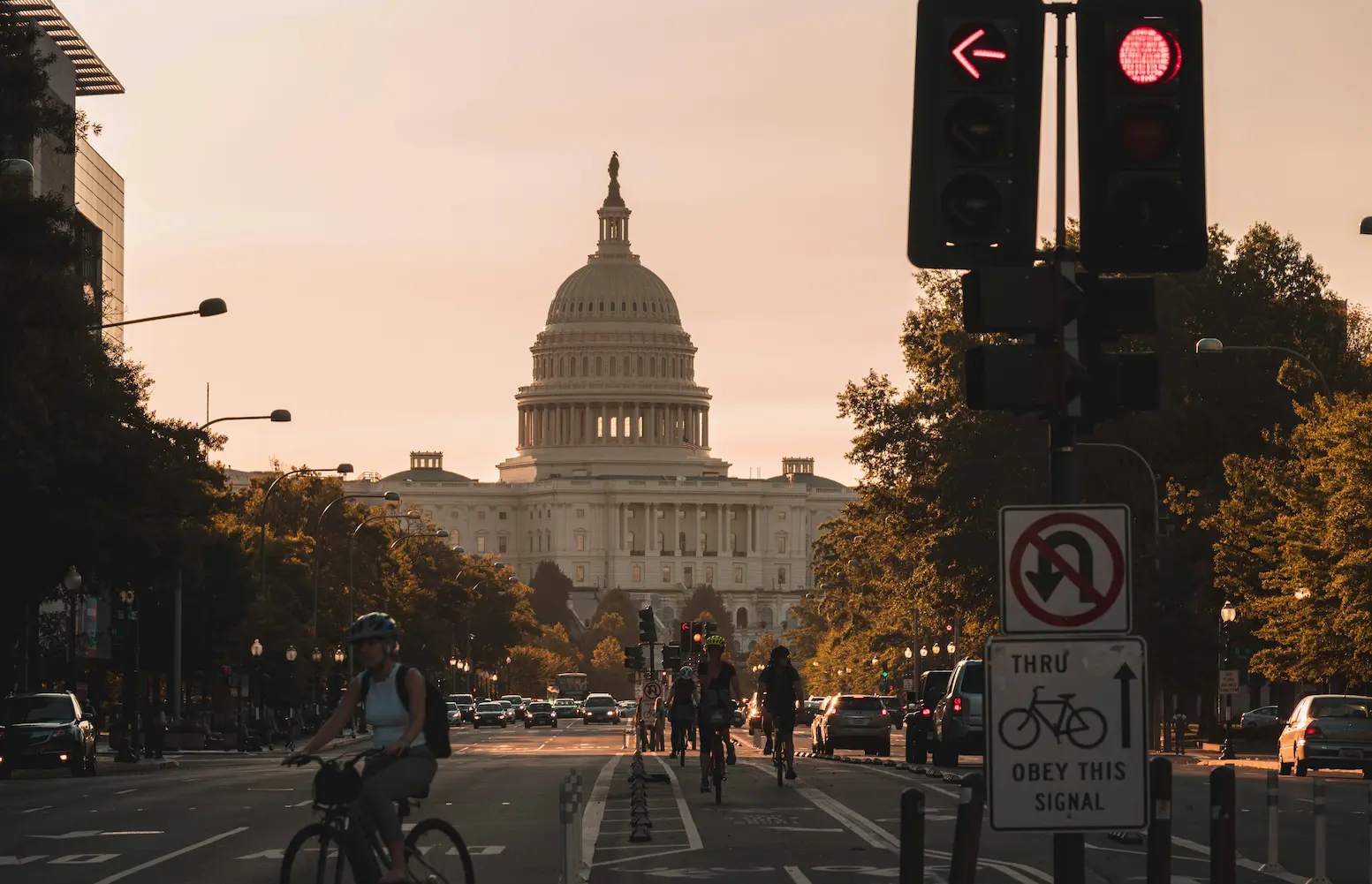
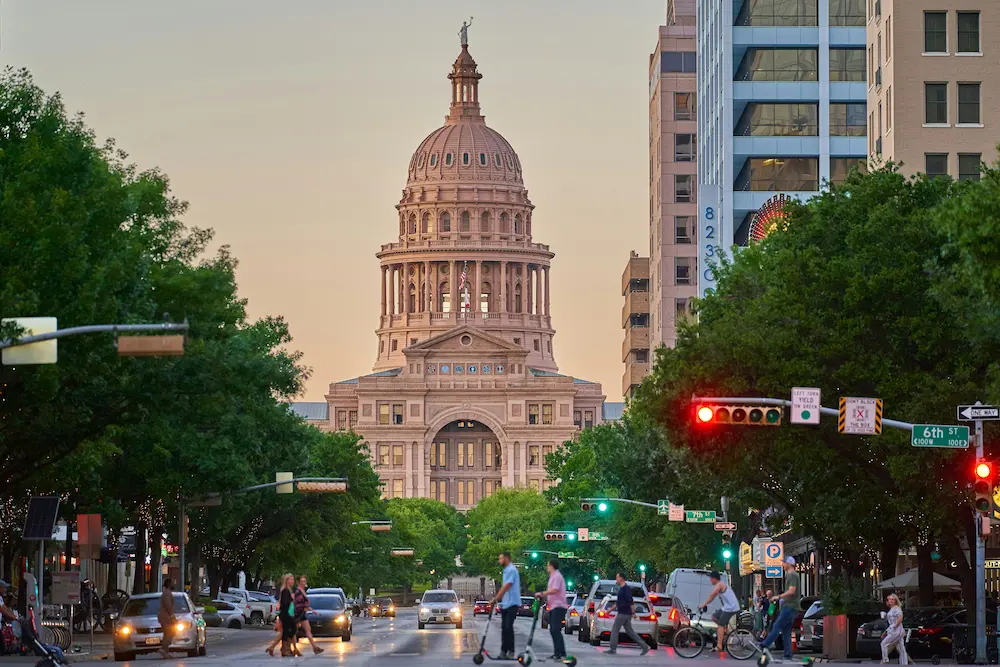
Start with the Texas State Capitol, which is free to enter and open daily. It is larger than the US Capitol in Washington D.C. — that is not a figure of speech, the dome is taller. Self-guided tours cover the rotunda, legislative chambers, and the surrounding grounds. Allow an hour.
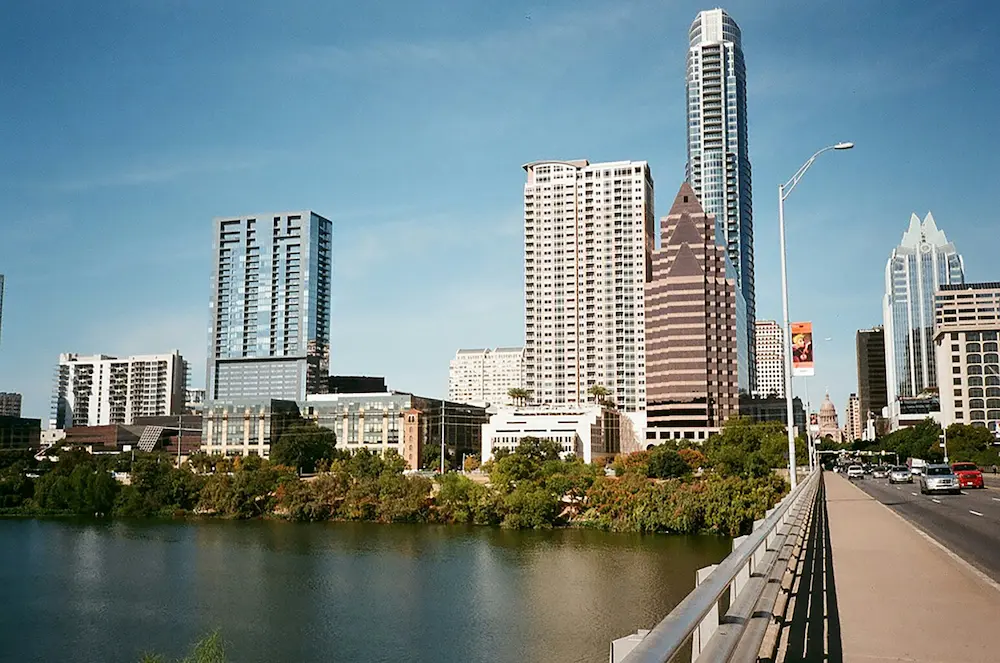
Walk South Congress Avenue (SoCo) in the afternoon — the stretch of independent shops, restaurants, and food trucks is more interesting than downtown, and the view back toward the skyline from the South Congress bridge is one of the better photographs you will take on the trip.
If you arrive in warmer months, Barton Springs Pool in Zilker Park is worth the detour before dinner. It is a natural spring-fed swimming pool, open year-round, with a water temperature of 68°F. Entry is approximately $9 for adults.
For dinner tonight, La Barbecue on East Cesar Chavez handles the BBQ craving without requiring a 6am alarm — brisket and beef ribs run approximately $20-30 per person. Save Franklin for tomorrow.
Live music starts early on Sixth Street most nights, with free or low-cover entry at most venues. The Continental Club on South Congress is the more local alternative — cover is approximately $5-15 and the crowd knows what they are there for.
Set the alarm. Franklin Barbecue opens at 11am and regularly sells out by 1pm. Arrive by 8-9am to join the line — the wait is typically 1-2 hours, the staff hand out samples while you wait, and it is worth it once. Brisket is the main event. Budget approximately $25-35 per person.
Start the morning before the line with breakfast tacos. Juan in a Million on East Cesar Chavez does the Don Juan taco at approximately $3-4 each. Veracruz All Natural does the migas taco at approximately $4-5 — a scrambled egg, tomato, jalapeño, and tortilla chip combination that Austin takes seriously.
After lunch, walk off the brisket at Barton Creek Greenbelt — 12 miles of free trails along the creek with natural swimming holes. Sculpture Falls and Twin Falls are the most accessible entry points and both are free.
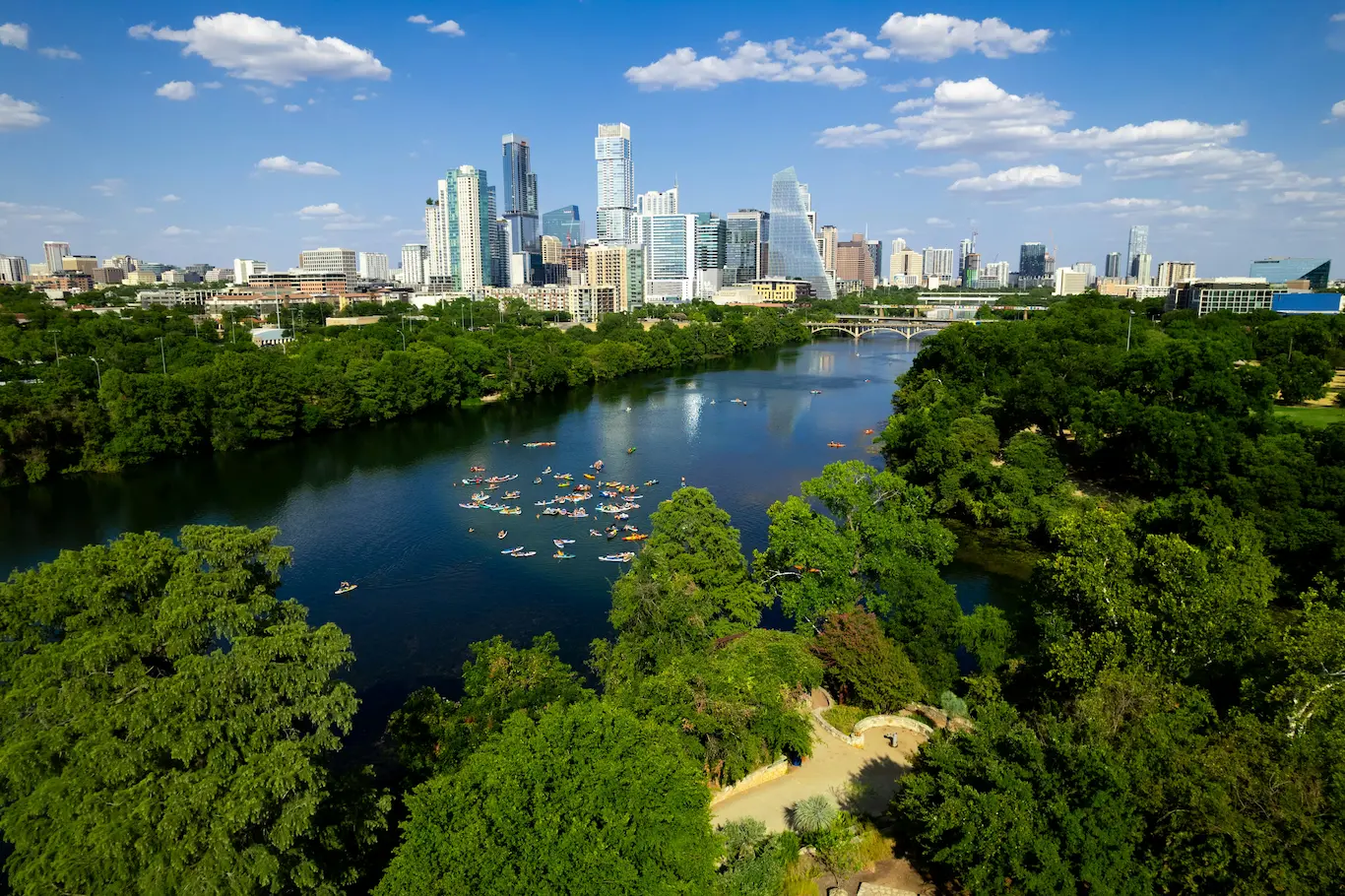
In the late afternoon, the Lady Bird Lake trail runs a free 10-mile loop around the lake through downtown. Kayak rentals start at approximately $20 per hour for a single kayak if you want to get on the water.
Congress Avenue Bridge at sunset: from March through October, 1.5 million Mexican free-tailed bats emerge from under the bridge at dusk in one of the largest urban bat colonies in the world. Arrive 20 minutes before sunset to get a position on the bridge or the shoreline below. Free to watch. The emergence takes about 20 minutes and the size of it is genuinely difficult to process until you are standing there.
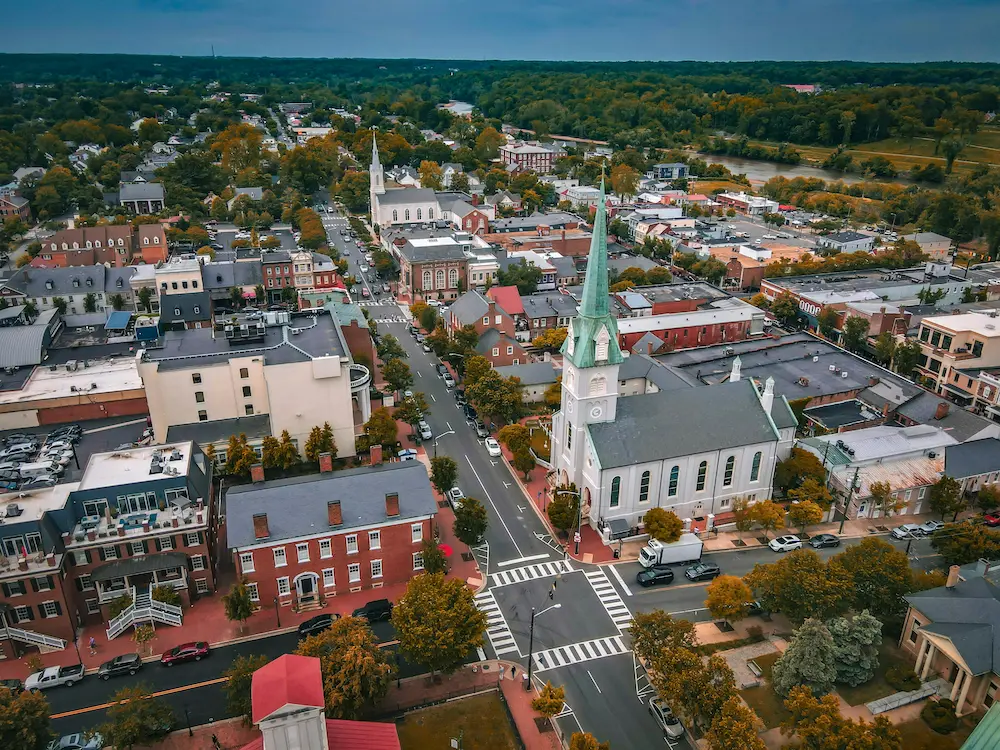
You drive west out of Austin on Highway 290 and within 20 minutes the city is gone. The land opens up — limestone hills, cedar and live oak, a creek running under the road at the bottom of a draw. A sign announces a winery in half a mile. Then another. Then another. The Hill Country starts without warning.
Highway 290 between Austin and Fredericksburg is the Texas Wine Road — over 50 wineries along the route, with tasting fees of approximately $15-25 per person at most stops. Becker Vineyards and William Chris Vineyards are among the most established. You do not need to stop at all of them. Stopping at one or two and driving the rest of the way is still a very good morning.
Fredericksburg is a German-settled town with a walkable Main Street, independent shops, and the National Museum of the Pacific War — one of the best World War II museums in the United States, and easy to spend 2-3 hours inside. Entry is approximately $18 for adults.
Enchanted Rock State Natural Area is 18 miles north of Fredericksburg — a massive pink granite dome rising above the surrounding Hill Country. Entry is approximately $8 per person. The summit hike is 0.6 miles each way, steep but short, and the views from the top cover an unobstructed sweep of hills in every direction. On summer and fall weekends the park reaches capacity before midday — arrive at opening time.
On the way back toward town, stop at Luckenbach. It is 11 miles east of Fredericksburg: a tiny unincorporated community with a dance hall, a general store, and live music most evenings. It was made famous by a Waylon Jennings song and it has not changed much since. Free to visit, drinks at the bar.
Stay in Fredericksburg tonight rather than driving back to Austin — guesthouses and B&Bs in town run approximately $120-200 per night, and the drive back to Austin adds an unnecessary hour and a half each way.
Head east from Fredericksburg toward Wimberley, about an hour on back roads through the Hill Country.
Jacob’s Well Natural Area is a perpetual spring that flows year-round from an underground cave system. The water is 68°F and completely clear. Entry is approximately $9 per person, and advance reservations are required from May through September — book this before you leave home. There is nothing at Jacob’s Well except the spring and the water and the trees overhead. That is exactly the point.
Hamilton Pool Preserve is 30 minutes west of Austin — a natural swimming hole inside a collapsed grotto, with limestone walls on three sides and a waterfall at one end. Entry is approximately $15 per vehicle, and advance reservations are required from May through September.
You step down the trail and then the grotto opens in front of you — the waterfall at the far end, the overhang of limestone above, the green water below. The sound of falling water fills the space. It takes a moment before you start moving again.
From Wimberley, San Antonio is approximately 1.5 hours south. Check into the King William Historic District south of downtown — boutique hotels in restored Victorian mansions at approximately $120-180 per night, significantly quieter and less expensive than River Walk hotels.
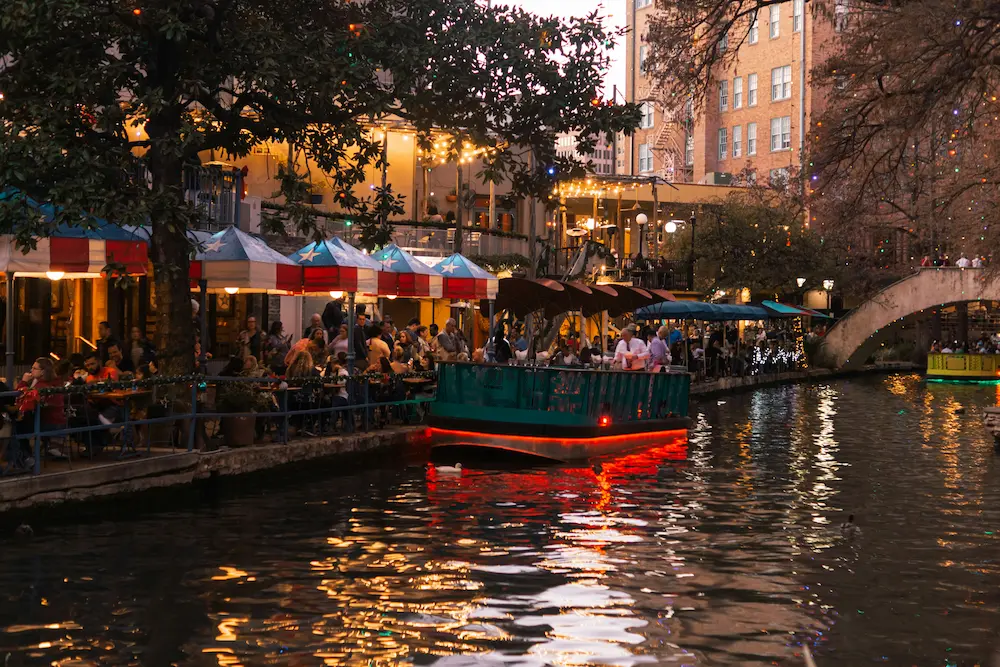
Walk the River Walk after dark. It is free, and the lights reflecting on the water in the evening are worth it. Dinner at Mi Tierra Café and Bakery in Market Square: open 24 hours, Tex-Mex institution, approximately $15-25 per person.
The Alamo is free and open daily. It is the site of the 1836 battle between Texan defenders and the Mexican Army under General Santa Anna — the Alamo church and Long Barrack are the original surviving structures, everything else on the grounds is 19th-century reconstruction. Allow 1-2 hours including the exhibits.
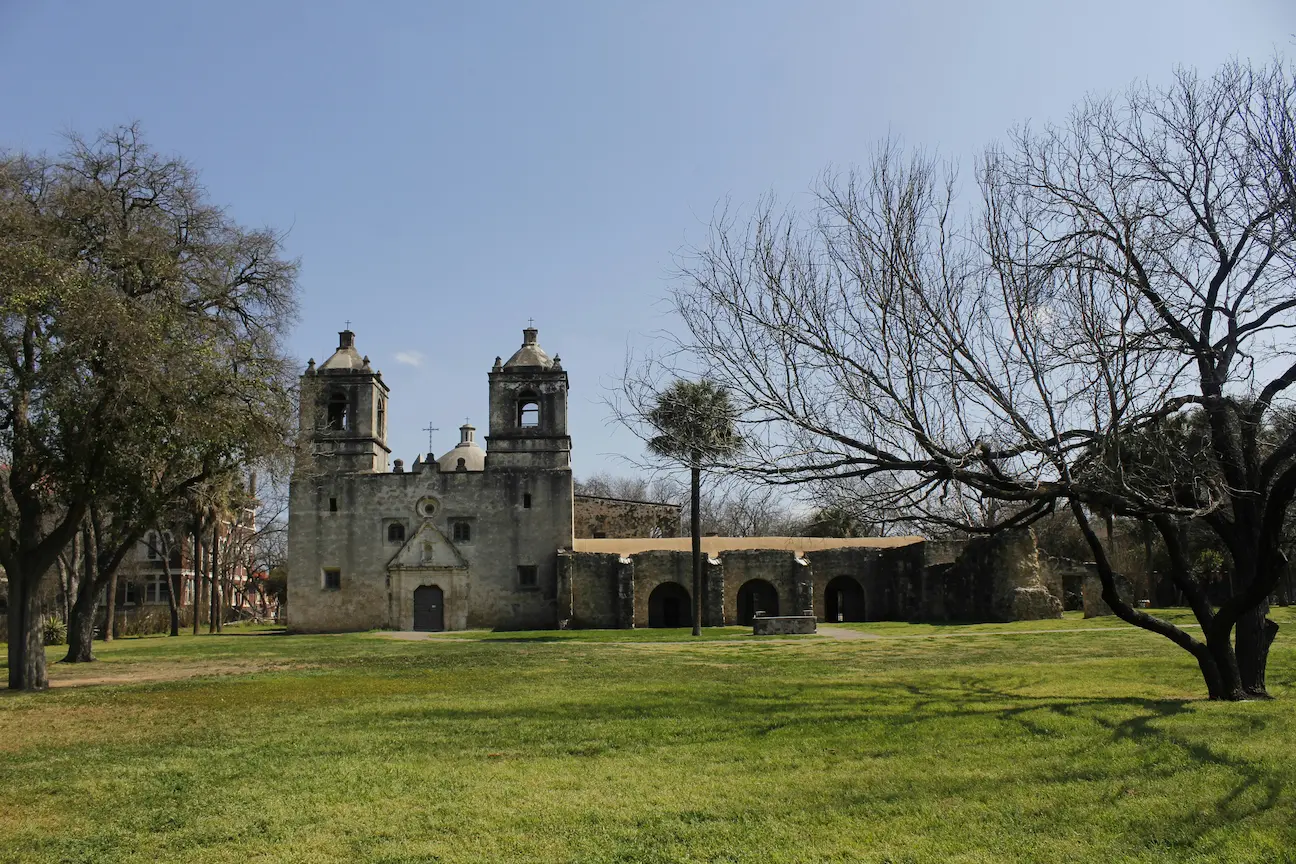
The San Antonio Missions National Historical Park connects four Spanish colonial missions built between 1720 and 1731, linked by a free 9-mile trail for walking or cycling. Entry is approximately $7 per vehicle — or free with the America the Beautiful Pass. Mission San José is the most intact of the four. The rose window on the south wall, carved by sculptor Pedro Huizar, is considered one of the finest examples of Spanish colonial Baroque architecture in North America. Worth noting: all four missions are active Catholic parishes. Masses are held weekly. These are living places of worship, not just historical sites.
Lunch at the Pearl District — the Saturday farmers market is one of the best in Texas if you happen to be there on a Saturday. On any day, Southerleigh Fine Food and Brewery occupies the original Pearl Brewery building, with Gulf Coast seafood and local beer at approximately $25-40 per person.
San Antonio International Airport (SAT) is 20 minutes from downtown with no traffic. Allow 2.5 hours before international flights, 2 hours for domestic.
Austin runs on breakfast tacos — flour tortilla, scrambled egg, bacon or potato, $2-4 each at any local taqueria. It is not a tourist thing, it is what people eat every morning. Juan in a Million and Veracruz All Natural are the two worth going out of your way for.
Texas brisket at a serious joint — Franklin, La Barbecue, or Snow’s BBQ in Lexington (Saturday only, worth the detour) — is cooked low and slow over post oak for 12-18 hours. No sauce needed, and most Texas pitmasters consider asking for sauce a statement about the quality of the meat. Do not ask.
If you are driving up I-35 between Austin and Waco, the Czech Stop in West, Texas is open 24 hours and sells kolaches — a Czech pastry tradition that took root in central Texas and never left. Sausage kolaches, not the sweet fruit kind.
In Fredericksburg: the Fredericksburg Brewing Company for German-style beers brewed on site, food approximately $15-25 per person. Der Lindenbaum for schnitzel and sausages, approximately $20-30 per person. The German heritage here is not decorative — it is in the food.
In May and June, peach season in the Hill Country produces some of the best stone fruit in the country. Roadside stands along Highway 290 sell fresh peaches and homemade peach ice cream. Stop at one. It is approximately $5-8 and it is one of the things you will actually remember about the drive.
In San Antonio: Mi Tierra for late-night Tex-Mex, The Original Cured in the Pearl for breakfast and lunch at approximately $15-25 per person, Southerleigh for dinner.
Car rental: book well in advance, especially in spring and fall when demand is high. Budget $45-80 per day.
Jacob’s Well and Hamilton Pool: advance reservations are required May through September. Book these before your trip, not the morning you plan to go.
Enchanted Rock: arrives at capacity on summer and fall weekends before midday. Arrive at opening or plan to wait outside the gate.
BBQ timing: Franklin Barbecue sells out. Arrive by 8-9am for an 11am opening. La Barbecue is the practical alternative on days when you cannot commit to the wait.
America the Beautiful Pass: $80 per year, covers San Antonio Missions entry and any other federal sites. Worth purchasing if you visit two or more national park sites on this trip.
Texas heat: June through August temperatures regularly exceed 100°F inland. Start outdoor activities before 10am, carry water at all times, and build swimming hole stops into the afternoon schedule — not as extras, but as part of how the day works.
Tipping: standard 18-20% at restaurants in Texas. Round up at food trucks and taquerias.
This route works because it is genuinely varied — two days in a city, two days in open Hill Country, one day in a place where 18th-century Spanish missions are still doing exactly what they were built to do. The driving is manageable, the food is specific enough to be worth planning around, and the swimming holes solve the heat problem in the most satisfying way possible.
Texas suits most types of travelers. If you want cities, Austin has the music and the food. If you want landscape, the Hill Country delivers something that does not look like anywhere else in the American South. If you want history with actual depth behind it, San Antonio has more layers than most people expect.
Five days is enough to understand why people who move to Texas tend to stay.