Most travelers fly into Austin or Dallas, glance at the hotel rates near the airport, and immediately assume Texas is going to cost them. The stadiums, the resort towns, the steakhouses charging $80 for a cut of beef — Texas has built a reputation as a place where everything runs expensive. That reputation is not […]
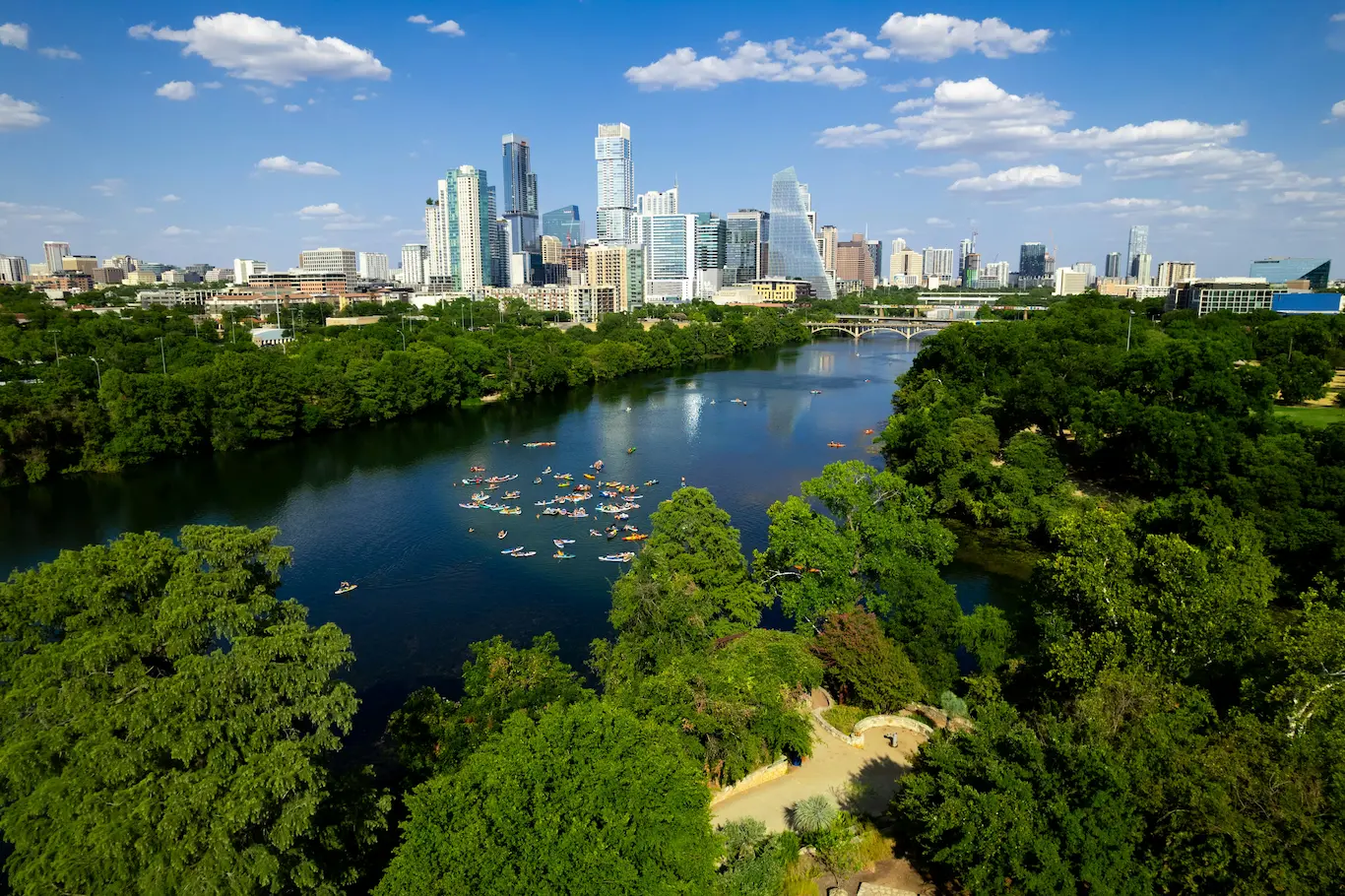
Most travelers fly into Austin or Dallas, glance at the hotel rates near the airport, and immediately assume Texas is going to cost them. The stadiums, the resort towns, the steakhouses charging $80 for a cut of beef — Texas has built a reputation as a place where everything runs expensive. That reputation is not wrong. It is just incomplete.
There is a second version of Texas that most visitors never find: free state park trails, $3 breakfast tacos, $9 natural swimming holes, free world-class art museums, and live music venues where locals actually go. That version of Texas is one of the best budget travel experiences in the United States. This article covers how to find it, what it costs, and the mistakes that keep most tourists spending far more than they need to.
Texas has always had two economies running side by side. The tourist version — resort pools, stadium events, Sixth Street bar crawls, River Walk restaurants — is real and it adds up fast. The local version costs a fraction of that and is often the more interesting experience. The gap between the two is wider in Texas than almost anywhere else in the country, which makes knowing which version you are looking at one of the most valuable travel skills you can bring to this state.
If you are still sorting out accommodation, Super tends to have competitive rates across Texas cities and is worth checking before you commit to anything.
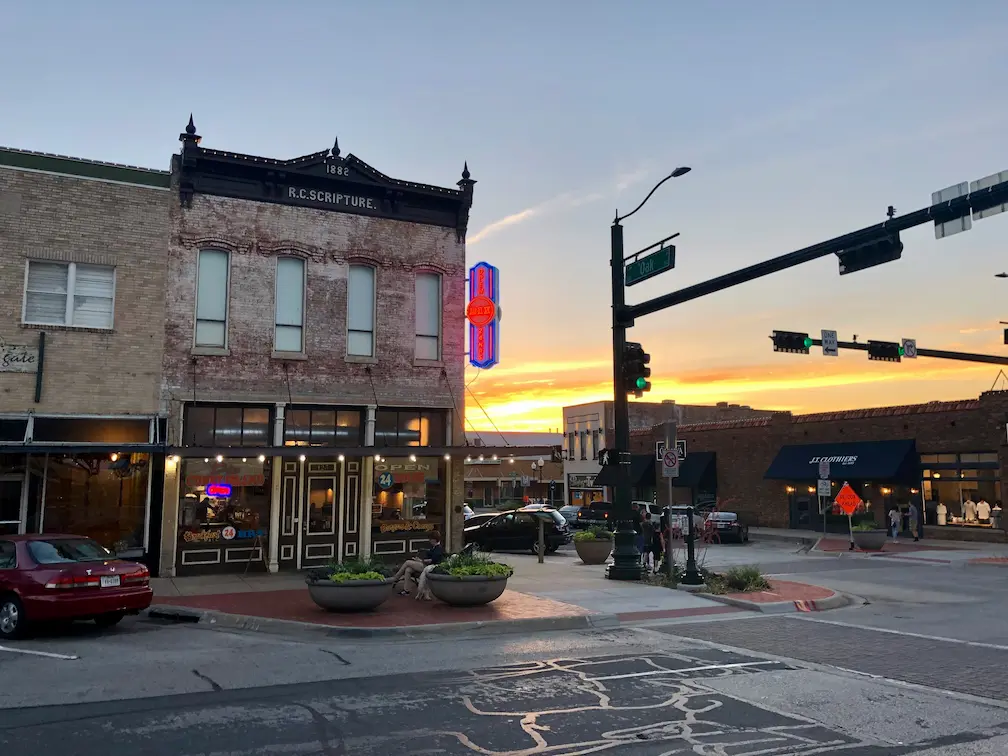
The Texas State Capitol in Austin is free to visit, open daily, and larger than the US Capitol in Washington D.C. Self-guided tours cover the rotunda, the legislative chambers, and the grounds — allow an hour and a half to see it properly. It is one of the most underrated free stops in the state.
The Alamo in San Antonio costs nothing to enter. The original church and Long Barrack from the 1836 battle are still standing, and the exhibits trace the full history of the site from its mission origins through Texas independence. Allow one to two hours. The grounds and the church itself are the highlight, and the surrounding area of Alamo Plaza is walkable and free.
Barton Creek Greenbelt on the west side of Austin runs 12 miles of free trails along Barton Creek, with natural swimming holes, cliff jumping spots, and rope swings at no cost. Sculpture Falls and Twin Falls are the most popular areas. On summer weekdays before 10am, the water is cool and the trails are quiet. Weekend afternoons in July are a different experience entirely — crowded and hot.
The San Antonio River Walk is 15 miles of free riverside paths through the city. The tourist-heavy Commerce Street section gets most of the attention, but the Museum Reach to the north is quieter, more local, and better for an evening walk when the lights are on the water. Free to walk at any hour.
In Fort Worth, the daily longhorn cattle drive through the Stockyards happens at 11:30am and 4pm every day and costs nothing to watch from the sidewalk. The Stockyards themselves are free to walk — historic brick streets, Western wear shops, and the White Elephant Saloon with live music most evenings at low or no cover. It is an hour well spent, and it costs almost nothing.
The Congress Avenue Bridge bat colony in Austin is one of the most unusual free experiences in the state. Between March and October, 1.5 million Mexican free-tailed bats emerge from under the bridge at sunset — one of the largest urban bat colonies in the world. Arrive 20 minutes before sunset and find a position on the bridge or the shoreline below. Free, reliable, and genuinely unlike anything else.
Between late March and April, the Hill Country wildflower season turns the roadsides into something worth driving for. The stretch of Highway 290 between Austin and Fredericksburg is the most reliable corridor for bluebonnets — the Texas state flower covering fields and roadside shoulders for miles. Pulling off to walk through them costs nothing. They grow on public land.
Dallas and Fort Worth have three serious free art museums. The Dallas Museum of Art has free general admission and one of the largest permanent collections in the country. The Amon Carter Museum of American Art in Fort Worth is free and holds the strongest collection of American photography and Western art anywhere. The Kimbell Art Museum, also in Fort Worth, is free for the permanent collection — and the building itself, designed by Louis Kahn, is worth the visit on its own. Plan a half day in Fort Worth and hit all three.
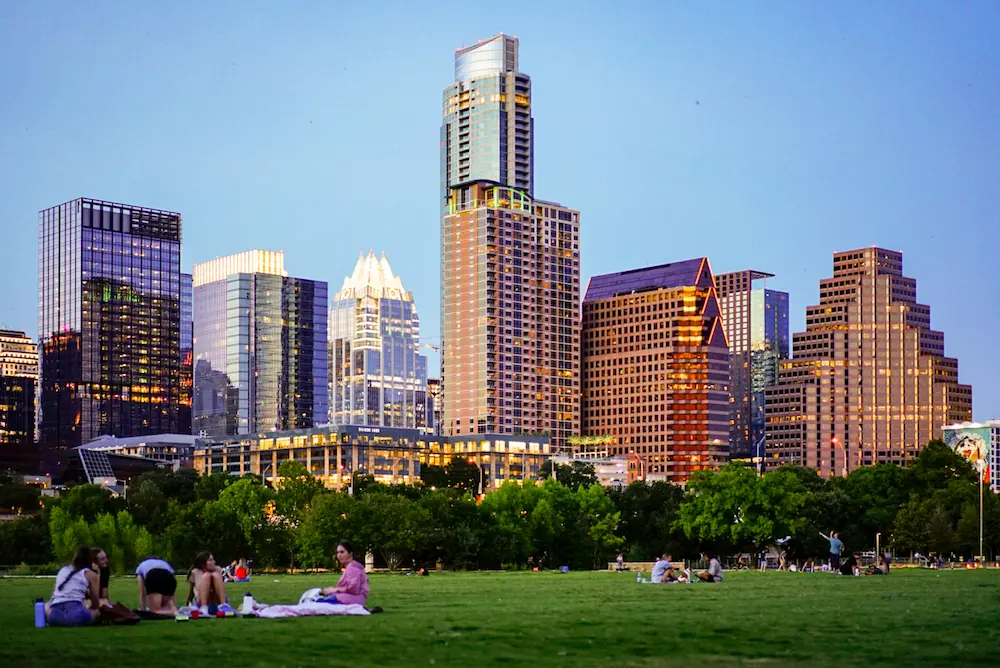
Barton Springs Pool in Zilker Park is a natural spring-fed swimming pool that stays at 68°F year-round. Entry runs approximately $9 for adults. On a 100°F Austin afternoon, it is the most rational $9 you will spend in Texas.
Enchanted Rock State Natural Area near Fredericksburg is a massive pink granite dome rising above the Hill Country. Entry costs approximately $8 per person. The summit hike is 0.6 miles each way — steep but short — and the views from the top stretch across the surrounding landscape. On spring and fall weekends, the park reaches capacity before midday. Arrive at opening.
The San Antonio Missions National Historical Park connects four Spanish colonial missions along a free 9-mile trail, with vehicle entry running approximately $7 — or free with the America the Beautiful Annual Pass. The missions are still active Catholic parishes, and masses are still held weekly. Mission San José is the most intact, with an intricately carved rose window that has survived since the 18th century. This is a UNESCO World Heritage Site that costs less than a fast food meal to enter.
Jacob’s Well Natural Area in Wimberley is a perpetual spring flowing from an underwater cave, water temperature 68°F year-round. Entry is approximately $9 per person. Advance reservations are required from May through September — this is not optional, and the reservation system fills days or weeks ahead on summer weekends. Book before you leave home if you are visiting in that window.
Hamilton Pool Preserve is a natural swimming hole inside a collapsed grotto — limestone walls on three sides, a waterfall feeding the pool, and one of the most photogenic natural sites in the state. Entry runs approximately $15 per vehicle, and advance reservations are required from May through September. The grotto alone makes it worth the drive.
Big Bend National Park charges approximately $35 per vehicle for a 7-day pass, or free with the America the Beautiful Annual Pass. It is one of the least visited national parks in the lower 48 — the desert, mountain, and river canyon landscapes are some of the most dramatic in North America, and on most days you will share the trails with very few other people. The Window Trail from Chisos Basin is 5.6 miles round trip and free once inside the park. Big Bend is extremely remote — the logistics of getting there are covered in the mistakes section below.
The defining Austin breakfast is the breakfast taco, and it costs between $2 and $4 each at any local taqueria. Two tacos and a coffee is a full meal for under $10. Juan in a Million on East Cesar Chavez has been serving the Don Juan taco — eggs, potatoes, bacon, cheese — for decades at around $3 to $4 each. Veracruz All Natural does a migas taco that runs approximately $4 to $5. A full breakfast for two people at either spot costs $12 to $16. The same breakfast at a hotel restaurant runs $30 to $50. Eat tacos every morning and reallocate that difference to something worth spending on.
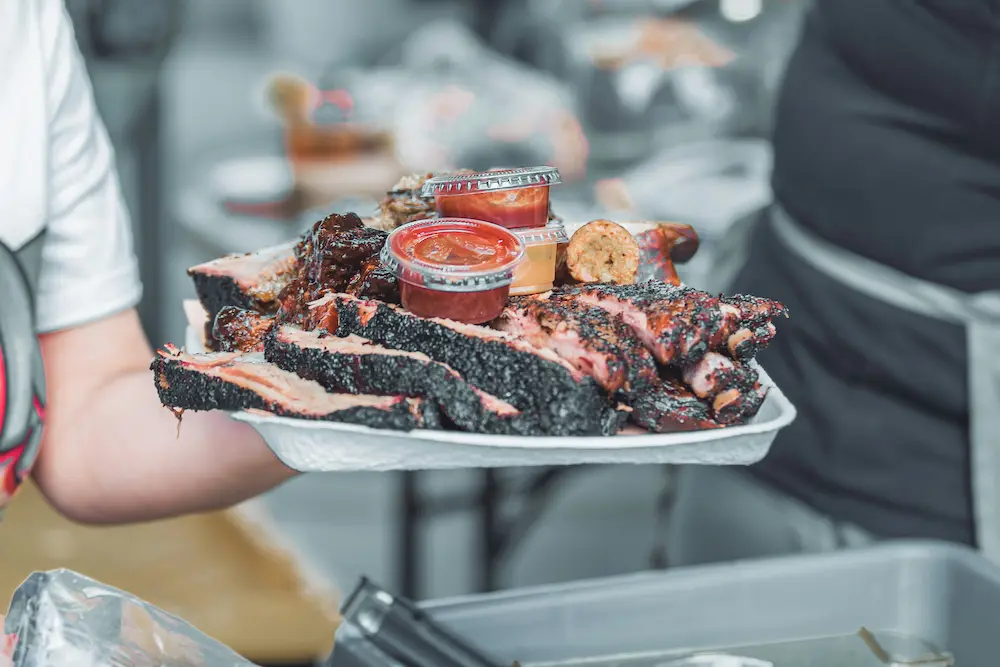
Texas barbecue is not cheap, but it is a cultural experience worth budgeting for — once. The line outside Franklin Barbecue moves forward two steps every few minutes. Someone three people ahead has a cooler with cold beers. The smell of post oak smoke has been coming through the fence since 9am. By 10:30 a staff member walks out with samples. The brisket is already worth the wait. Franklin opens at 11am but the line forms from 8am onward — by 11am the wait is two to three hours and the best cuts are already spoken for. The restaurant sells out completely most days by 2pm. Arrive by 9am or go to La Barbecue on East Cesar Chavez instead — comparable quality, shorter waits, and approximately $20 to $30 per person. In Dallas, Pecan Lodge at the Farmers Market runs approximately $20 to $30 per person and the burnt ends are the item to order. Budget for one serious BBQ meal and eat tacos for the rest.
Trying to cover too much of Texas in too few days is the single most common mistake. Texas is larger than France. Austin to Big Bend is six hours of driving. Dallas to El Paso is ten hours. Travelers who try to see Austin, Big Bend, San Antonio, and the Gulf Coast in five days spend the entire trip in a car and experience nothing properly. Pick one region and do it thoroughly. The Austin to San Antonio Hill Country corridor — Enchanted Rock, Fredericksburg, Wimberley, Hamilton Pool, the Missions — covers the best of central Texas in five days without excessive driving.
Not booking Jacob’s Well and Hamilton Pool in advance is a guaranteed problem between May and September. Both require reservations during that period and both sell out. Showing up without one means turning around at the gate. Book before you leave home if your trip falls in that window.
Arriving at Franklin Barbecue at 11am expecting to get food is a logistics failure. The restaurant opens at 11am. The line forms at 8am. The best cuts are gone before midday. The whole operation sells out by 2pm on most days. Arrive by 9am, bring coffee, and treat the wait as part of the experience. Or go to La Barbecue and have a shorter, equally good version of the same meal.
Renting a car at the airport without booking in advance will cost significantly more than it needs to. Austin and San Antonio have limited rental inventory during spring and fall, and especially during SXSW week in March. Walk-up airport rates during peak periods can be two to three times higher than advance booking rates. Book the rental car at the same time as the flight.
Spending every evening on Sixth Street in Austin is the tourist move. Sixth Street is a corridor of overpriced drinks and variable live music aimed at visitors. The Continental Club on South Congress has serious music, a real crowd, and covers around $5 to $15. Saxon Pub on South Lamar runs multiple performers nightly at low covers. Hole in the Wall on Guadalupe has been a genuine Austin music institution for decades. At any of these, the music is better, the drinks are cheaper, and the room is smaller in the best possible way.
Skipping Fort Worth entirely when flying into Dallas-Fort Worth is a waste of what is genuinely one of the best free half-days in Texas. Fort Worth is 30 minutes west of Dallas and has the Kimbell, the Amon Carter, three world-class free museums, the Stockyards, and a completely different character from its neighbor. Spend half a day there before or after Dallas.
Going to Big Bend without preparing for the remoteness is a real safety issue, not a suggestion. The park is 100 miles from the nearest town with significant services. There is no cell service inside the park, no gas station inside the park, and no hospital within two hours. Fill fuel in Alpine before entering. Carry a minimum of one gallon of water per person per day. Download offline maps before you lose signal. Bring food for the full visit.
Paying for parking downtown in Austin or San Antonio adds up over a multi-day trip. Downtown Austin and San Antonio both have paid garages charging $20 to $40 for an evening near the main attractions. In Austin, park in East Austin and walk or take a rideshare to downtown. In San Antonio, free or low-cost lots exist further from the River Walk — a 10-minute walk saves significant money across several days.
Eating at River Walk restaurants for every meal in San Antonio is paying a location surcharge for average food. Eat one meal on the River Walk for the atmosphere, then walk 10 minutes to find local Tex-Mex at half the price. Mi Tierra Café in Market Square is open 24 hours and runs approximately $15 to $25 per person. The Pearl District has better quality at similar prices to the River Walk, without the tourist markup.
Visiting in July or August without adjusting for the heat will cut the trip short or make it genuinely unpleasant. Inland Texas regularly exceeds 100°F in summer, and outdoor activities between 11am and 4pm are not just uncomfortable — they become dangerous in peak heat. Start every outdoor activity before 9am, find a swimming hole or air-conditioned attraction for midday, and resume outdoor activity after 5pm. The heat is manageable with that structure. Without it, the itinerary falls apart.
The America the Beautiful Annual Pass costs $80 and covers entry to Big Bend, Guadalupe Mountains, Padre Island National Seashore, and San Antonio Missions National Historical Park. It pays for itself at the second entry point. Buy it before visiting the first park.
Book the rental car months ahead for any spring or fall visit — approximately $45 to $80 per day is a realistic budget range at advance rates. Factor this into the trip cost before you go.
Carry water at all times from May through September. Start outdoor activities early and find a swimming hole for the middle of the day. Barton Springs, Jacob’s Well, Hamilton Pool, and the Greenbelt are not optional extras in a Texas summer — they are how the day stays functional.
The best BBQ places in Texas sell out. Arrive early or go to the second-best option, which is still excellent.
The Dallas Museum of Art, the Amon Carter, and the Kimbell are all free for permanent collections. The Houston Museum of Fine Arts is free on Thursdays. Plan your city days around these if you are traveling on a tight budget.
Standard tipping in Texas is 18 to 20% at sit-down restaurants. Round up at food trucks and taquerias.
Texas rewards the traveler who does a little homework before arriving. The distances are real, the heat is real, and the tourist version of the state is genuinely expensive. But the local version — breakfast tacos at $3 each, free state capitols and free world-class museums, $9 swimming holes cooler than any resort pool — is one of the most accessible travel experiences in the United States. Whether you are spending five days in the Hill Country or a long weekend split between Fort Worth and Dallas, the budget version of Texas is not a compromise. It is just a different entry point into the same place — and for most travelers, the better one.