Most people planning a Florida trip make the same mistake: they pick one version of the state and miss everything else. They book a theme park hotel in Orlando, or a resort in Miami Beach, and never realize that within a five-day loop you can walk through one of the most culturally layered cities in […]
Most people planning a Florida trip make the same mistake: they pick one version of the state and miss everything else. They book a theme park hotel in Orlando, or a resort in Miami Beach, and never realize that within a five-day loop you can walk through one of the most culturally layered cities in the US, drive a 113-mile highway built over the ocean, and end up on a Gulf Coast beach with water so calm it looks edited. Florida is not one trip. This itinerary treats it like the four completely different places it actually is.
A rental car is essential — you will not get between these areas any other way. Pick it up at Miami International Airport (MIA) on arrival. Miami is the most logical entry point and the starting base.
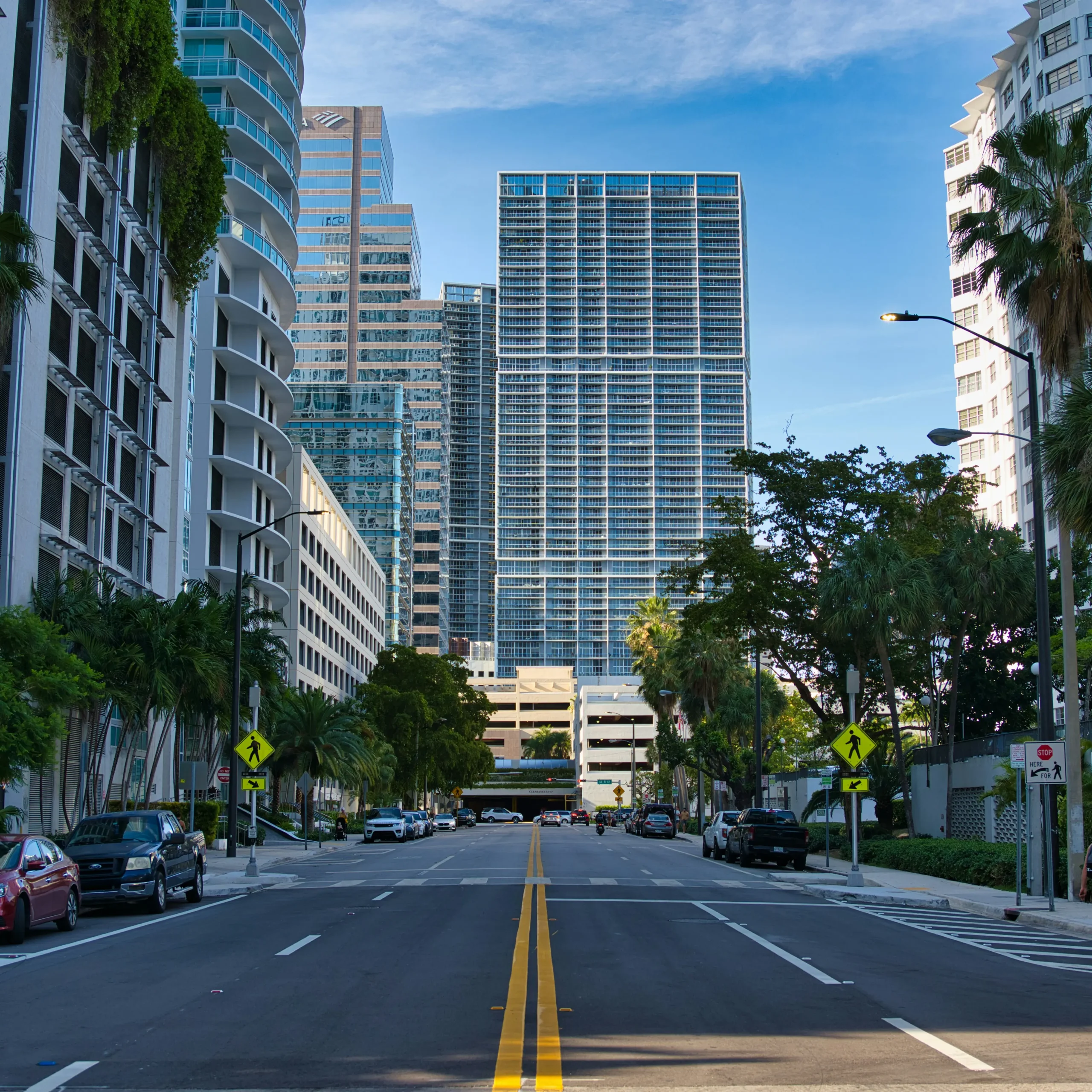
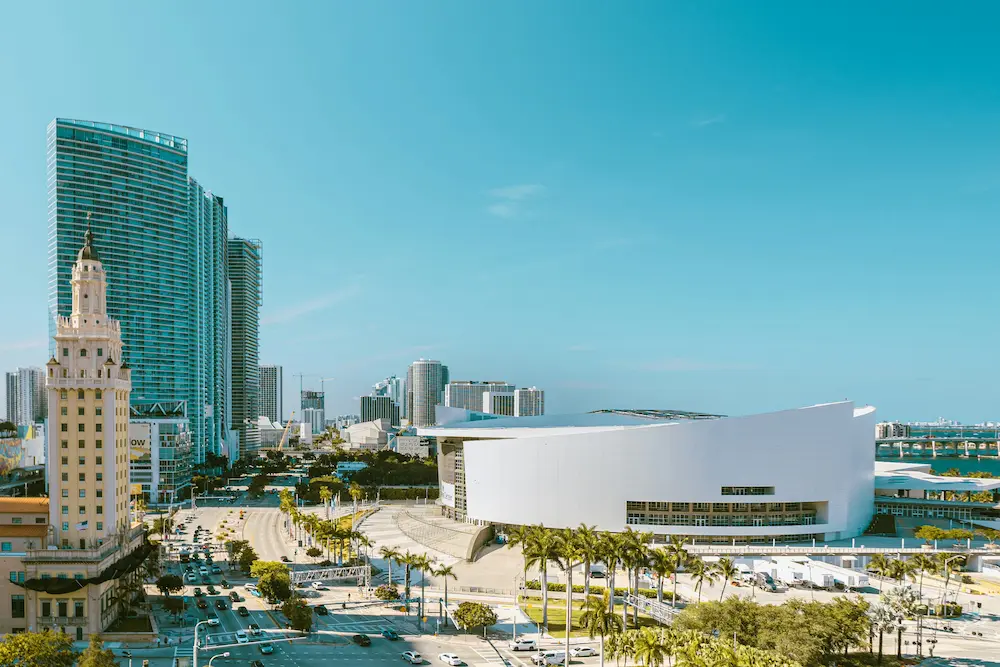
The instinct for most first-time visitors is to head straight to South Beach. That is exactly what drives up prices and crowds, and it is mostly the least interesting part of Miami. The neighborhoods are where the city actually lives.
Wynwood is the easiest starting point. The murals here cover entire building facades and rotate constantly — street artists from around the world have worked in this district, and what you see this year will not be what was here last year. The area around NW 2nd Avenue has craft breweries, food trucks, and coffee shops within walking distance of each other, and it costs nothing to spend two hours here.
From Wynwood, Little Havana is a short drive west. Calle Ocho — 8th Street — is the main drag. You walk past ventanitas serving strong Cuban coffee in small plastic cups, cigar shops, and Máximo Gómez Park, better known as Domino Park, where locals over 55 gather at tables under shade trees to play dominoes most afternoons. The Calle Ocho Walk of Fame runs between 12th and 17th Avenues, with pink marble sidewalk stars honoring Latin figures including Celia Cruz and Gloria Estefan. It is a walkable neighborhood and a free one. For food, Versailles Restaurant on SW 8th Street has been a Cuban exile institution since 1971 — a Cuban sandwich and a café con leche here is one of the better cheap meals in Miami.
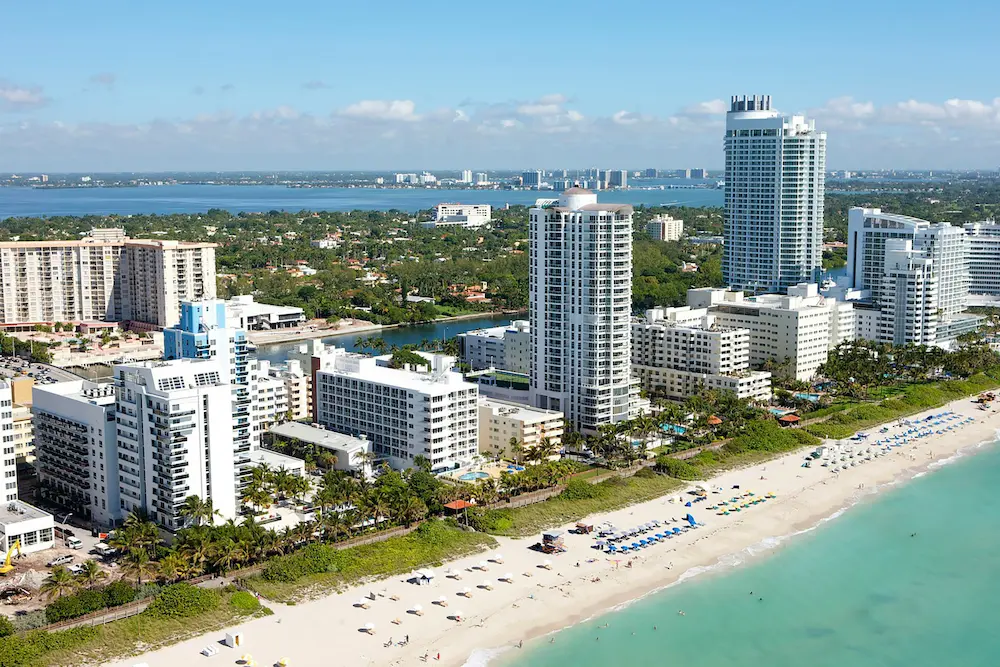
South Beach is worth one afternoon for the Art Deco architecture along Ocean Drive — the pastel buildings are genuine 1930s originals, and the Historic District is free to walk. The beach itself is also free. What you want to avoid is paying resort prices for a chair and umbrella setup when the public beach access is right there.
For accommodation in Miami, Wynwood and Little Havana have the best value. Airbnb lofts in Wynwood run approximately $80–120/night. If you are still sorting out where to stay, Super often has competitive rates across Miami neighborhoods — worth checking before you commit.
The drive from Miami to Key West covers approximately 160 miles on US-1, crosses 42 bridges, and takes about four hours without stops. Plan for six to eight hours including stops, and do not try to rush it. This is one of the few drives in the US where the road itself is the destination.
You step out of the car at John Pennekamp Coral Reef State Park in Key Largo — the first stop heading south — and the water is already a different color than anything on the mainland. The park protects part of the only living coral reef system in the continental US. Snorkeling tours and glass-bottom boat trips operate from the park marina; check current fees on their official site before visiting.
In Islamorada, Robbie’s Marina on Lower Matecumbe Key is a reliable stop. Dock access runs approximately $2.50, and a bucket of fish to hand-feed the resident tarpon from the pier costs about $5. The tarpon here are large, fast, and completely unafraid of people — it is a genuinely strange and worthwhile ten minutes.
The Seven Mile Bridge connects Marathon to the Lower Keys and is one of the most recognizable stretches of road in the country. A section of the original railroad bridge, built in the early 1900s by Henry Flagler, runs parallel and has been reopened as a pedestrian and cycling path. Big Pine Key, just past the bridge, is home to the Key Deer — an endangered miniature subspecies of white-tailed deer found nowhere else on earth. Drive slowly through the island. Sightings are common.
Key West is the end of the road, literally — the Overseas Highway ends at Mile Marker 0. The Mallory Square sunset celebration happens every evening: street performers, food vendors, and a crowd that treats the whole thing like a small festival. It is free and starts about an hour before sunset. Duval Street is the main nightlife strip. The Ernest Hemingway Home and Museum on Whitehead Street is open daily — check current admission fees on their official site.
Key West accommodation is expensive. Staying in Marathon or Islamorada and doing Key West as a day trip saves significantly. If you stay in Key West, look at properties east of Duval Street, which run cheaper than the Old Town core.
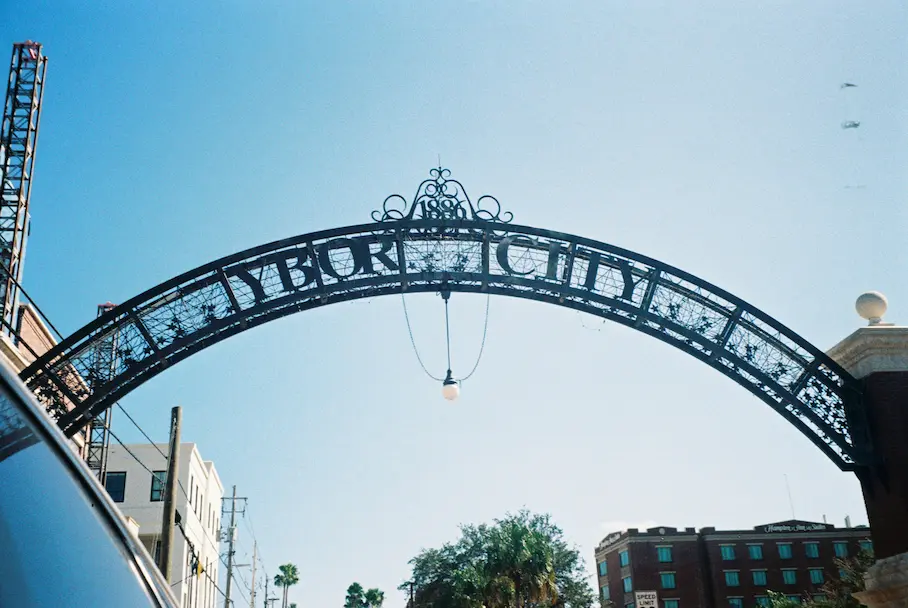
From Key West, the drive north to Tampa takes approximately five hours. This is a travel day with a destination worth arriving for.
Tampa does not get the same tourist attention as Miami or Orlando, which is exactly why prices are lower and the streets are less crowded. Ybor City is the neighborhood to spend the evening. Founded in the late 1800s as a cigar-manufacturing center by Cuban, Spanish, and Italian immigrants, it produced around 700 million cigars a year at its peak in the 1920s. Today the red-brick streets and iron-balcony buildings house restaurants, bars, and the J.C. Newman Cigar Company — the last operating cigar factory in the neighborhood, with free tours of the facility.
The Columbia Restaurant on Seventh Avenue has been open since 1905, making it the oldest restaurant in Florida. Weekend dinners include a flamenco show. Prices are not budget-level, but the 1905 Salad prepared tableside is worth it for one proper meal on the trip.
The Tampa Riverwalk runs along the Hillsborough River through downtown — free to walk, with views of the city skyline and easy access to the waterfront parks. The TECO Streetcar connects Ybor City to Channelside and downtown at no cost, which makes getting around the central neighborhoods simple without moving the car.
For accommodation, the Ybor City and Hyde Park neighborhoods offer better value than downtown waterfront hotels.
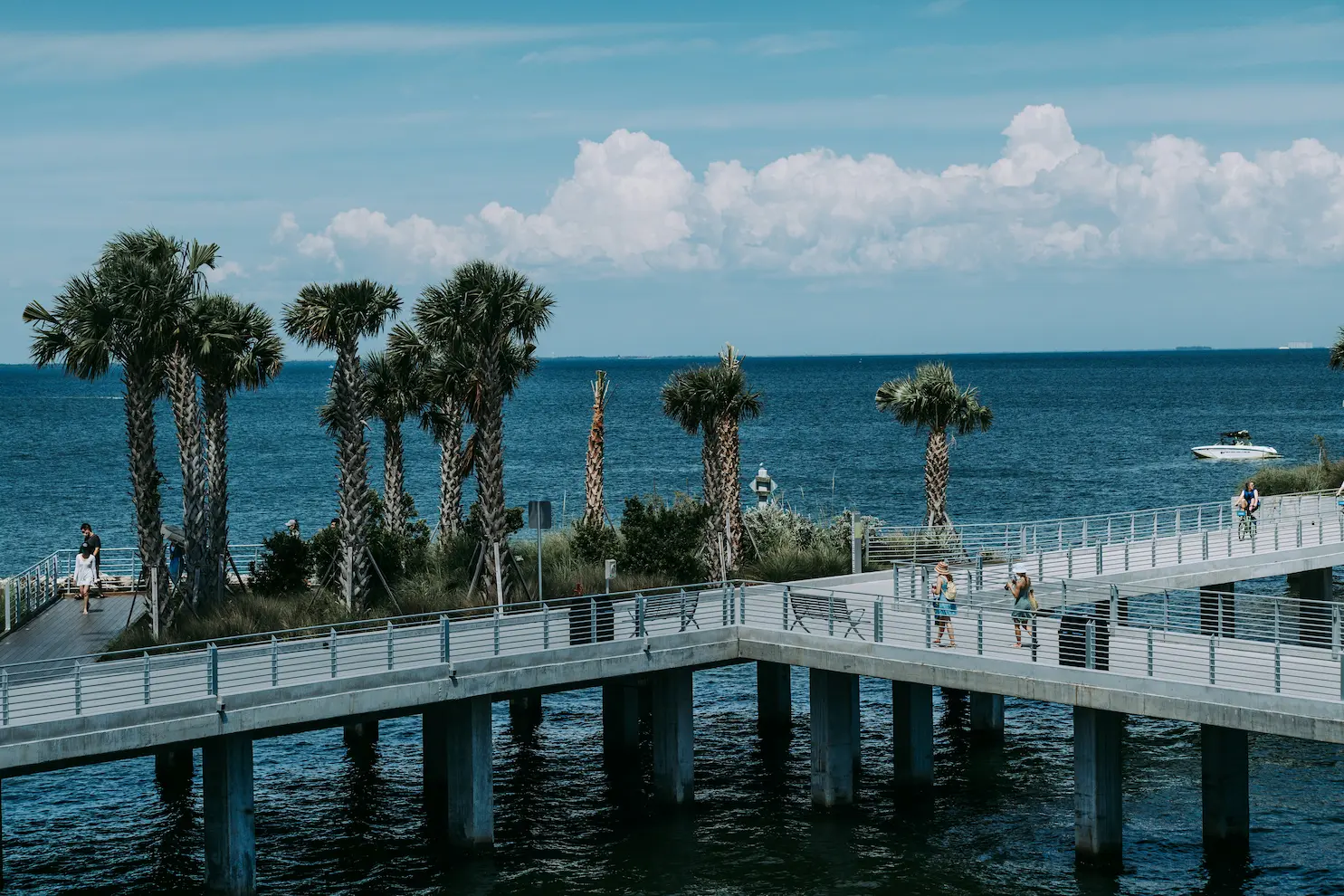
St. Petersburg is about 30 minutes from Tampa and a different kind of city. The downtown mural scene is one of the most concentrated in Florida — dozens of large-scale works across multiple blocks, all free to walk. The Salvador Dalí Museum on Beach Drive holds the largest collection of Dalí’s works outside of Europe; check current admission prices on their official site.
Clearwater Beach is approximately 30 minutes from downtown St. Pete and consistently ranks among the top beaches in the US for sand quality and water clarity. The beach itself is free. Pier 60 at the northern end runs a nightly sunset festival — free and family-friendly, with street performers and local vendors. Bike rentals are available along the beachfront if you want to cover more ground.
For departure, Tampa International Airport (TPA) is about 20 minutes from St. Pete and one of the most straightforward airports in Florida to navigate — a useful last note after five days on the road.
The best time for this itinerary is November through April — dry season, lower humidity, and comfortable temperatures for both the Keys and the beaches. June through September brings hurricane season, intense heat, and higher mosquito presence, particularly in the Keys. If you visit in summer, prices drop but plan outdoor activities for early morning.
Pack reef-safe sunscreen for the Keys — the coral reef ecosystem is fragile and chemical sunscreens cause real damage to it. Bug spray is useful if you are kayaking or spending time near mangroves. A light layer for Tampa evenings, especially between November and February.
The Overseas Highway has active speed limit enforcement throughout, especially in residential stretches of the Keys. Budget extra time on weekends — traffic heading south on Fridays and north on Sundays can add significant time to the drive.
Tipping follows standard US practice: 18–20% at sit-down restaurants.
Knowing what to do in Miami, the Keys, and the Gulf Coast in a single trip is really about resisting the urge to stay in one place. Miami rewards the neighborhoods over the beach. The Keys reward the drive over the destination. Tampa and St. Pete reward showing up at all, because most visitors fly straight past them.
March through May gives you the best window: past the February peak crowds, before the summer humidity sets in, and with the water already warm enough for the Keys to deliver on everything the Overseas Highway promises.