Days 1–2: Seattle — More Neighborhoods, Less Space Needle
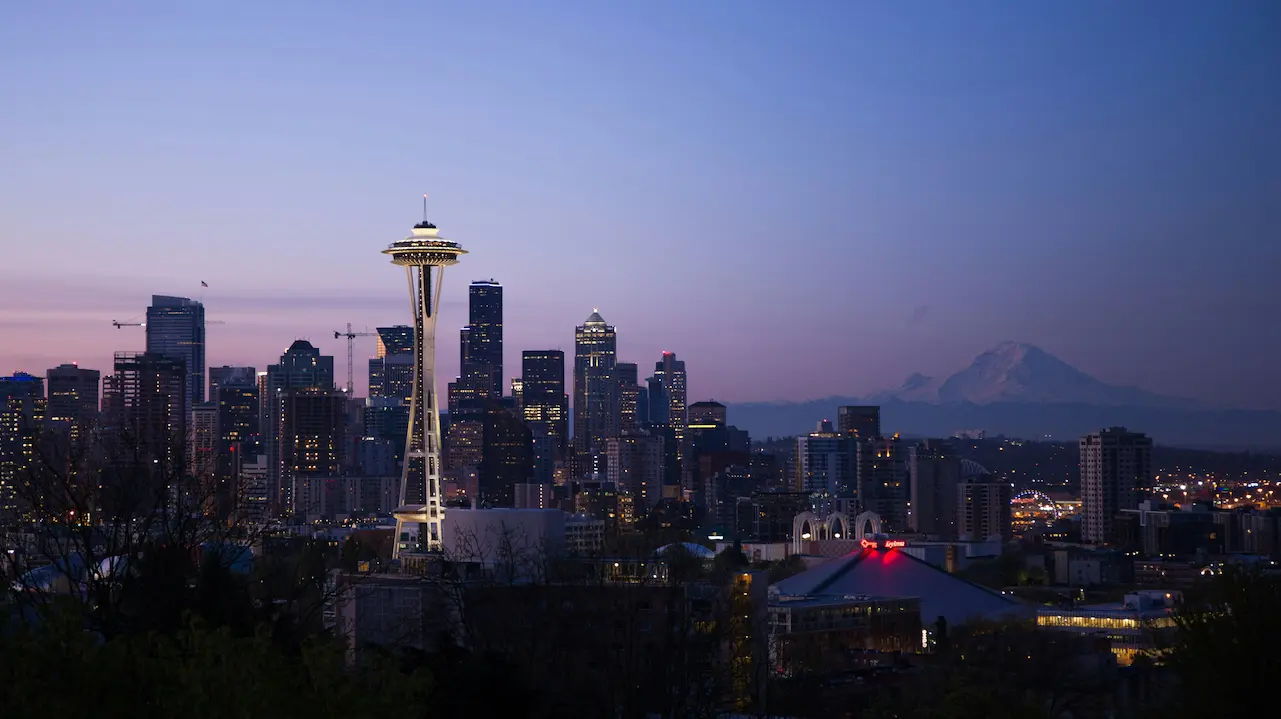
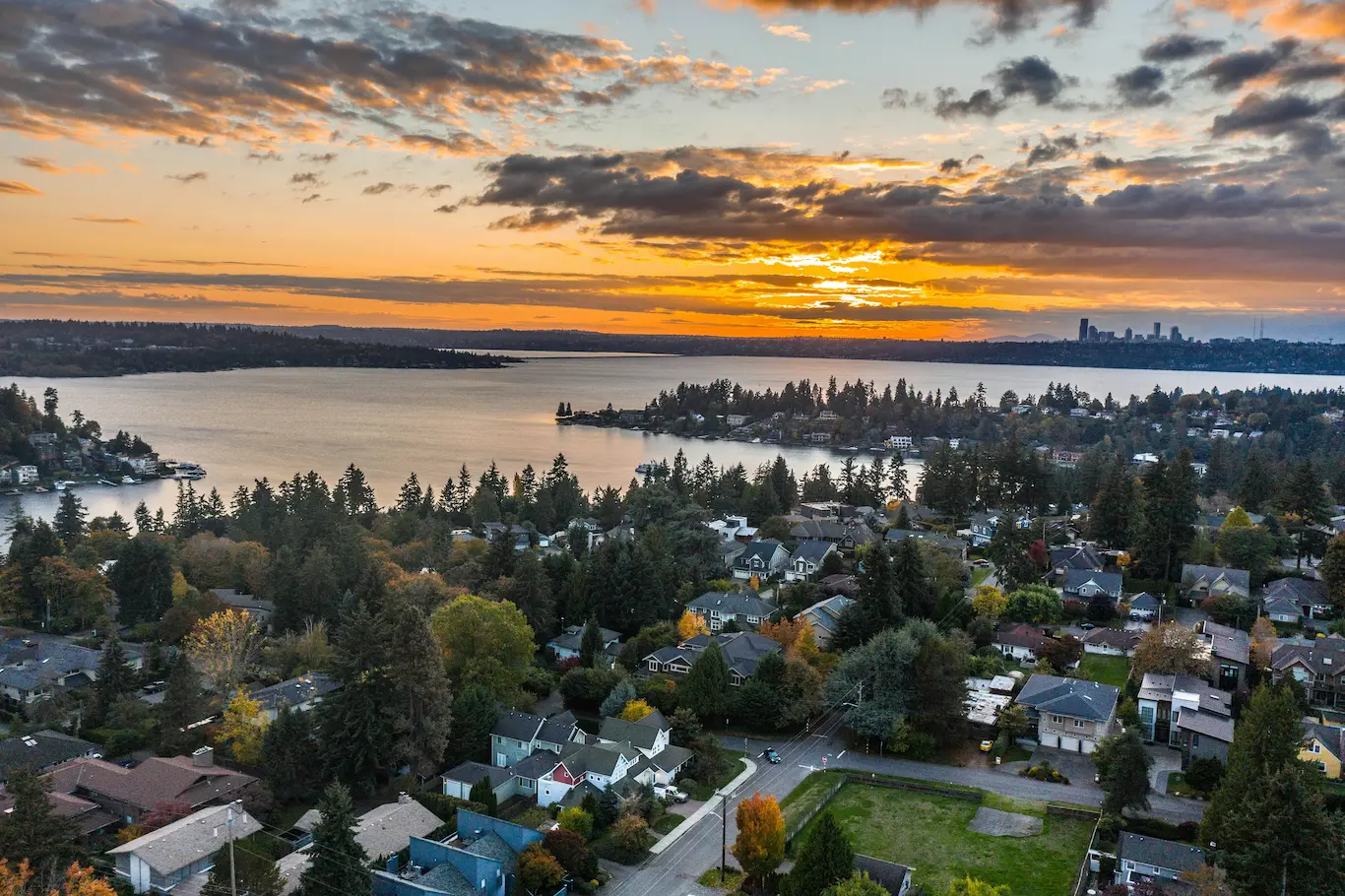
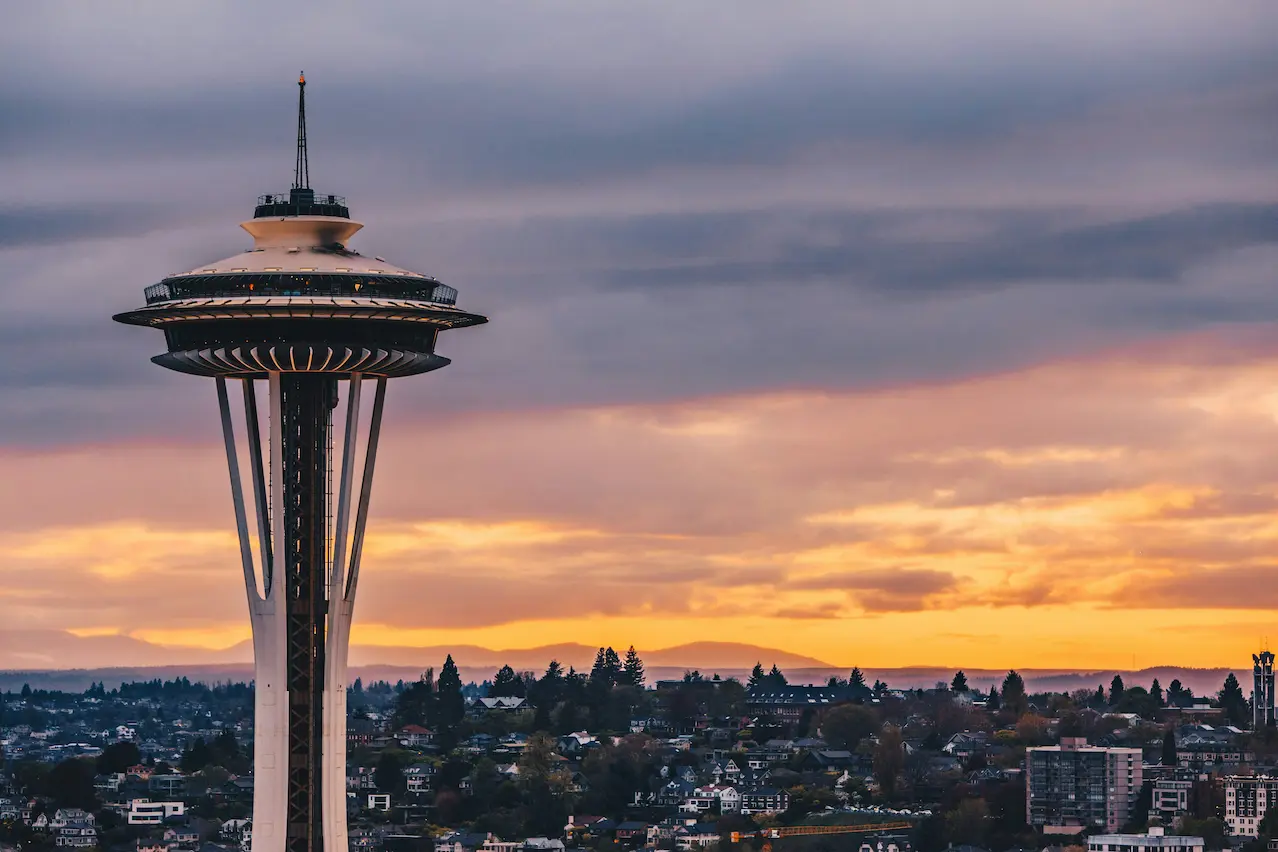
The instinct for most first-time visitors is to head straight for the Space Needle. That is exactly what drives up prices and crowds, and it is mostly the least interesting part of Seattle. The neighborhoods are where the city actually lives.
Pike Place Market is the right starting point, but most tourists only see the main level. The market has been operating since 1907 and spans nine acres with over 500 small businesses across multiple floors. The fish throwing at Pike Place Fish Market is real and worth watching, but the lower levels — accessible by stairs directly under the large neon clock — have bookshops, used records, and small food stalls that most visitors never find. The market is active most days from 10am to 5pm, and weekday mornings are the least crowded window. From Pike Place, the waterfront is a short walk downhill.
Capitol Hill is the neighborhood worth spending an evening in. Located less than a mile east of downtown, it is Seattle’s most concentrated area for independent restaurants, live music, and coffee shops with real character. Volunteer Park at the north end of the neighborhood is free, has a glass conservatory with tropical plants, and a water tower you can climb for city views. The Elliott Bay Book Company on 10th Avenue is one of the best independent bookstores in the Pacific Northwest and costs nothing to spend an hour in. For food, the Pike-Pine corridor has more options per block than almost anywhere in the city — Oddfellows and Melrose Market are consistent local choices. Capitol Hill is directly connected to downtown by the Link Light Rail, which runs from the University District through downtown to the airport. A single ride costs approximately $2.50–$3.50.
Fremont, on the north side of the city, is worth a morning. The Sunday Farmers Market runs year-round and the neighborhood has public sculptures, coffee roasters, and a slower pace than downtown. Gas Works Park, a former gasification plant turned public park on the north shore of Lake Union, gives you a free waterfront view of downtown Seattle’s skyline that very few tourist photos ever show.
For accommodation, Capitol Hill and the University District are the best value compared to downtown. Budget hotels in these neighborhoods run approximately $90–150/night. Airbnbs in Capitol Hill run slightly cheaper and put you within walking distance of the Link Light Rail.
Day 3: Mount Rainier National Park — Leave Before 8am
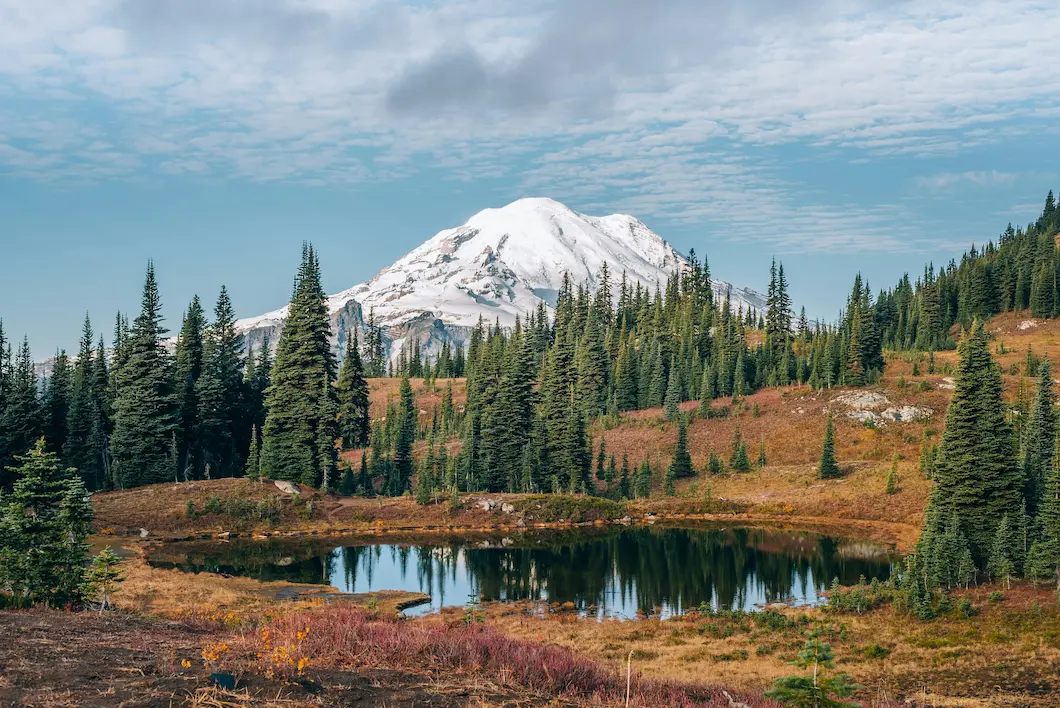
Mount Rainier is visible from Seattle on clear days, but it takes about 2.5 hours to actually reach the Paradise area of the park via I-5 south and WA-7. Entry is approximately $30 per vehicle — covered if you have the America the Beautiful Annual Pass ($80 for US residents). Leave Seattle by 7am if you can. Parking at Paradise fills by late morning on summer weekends.
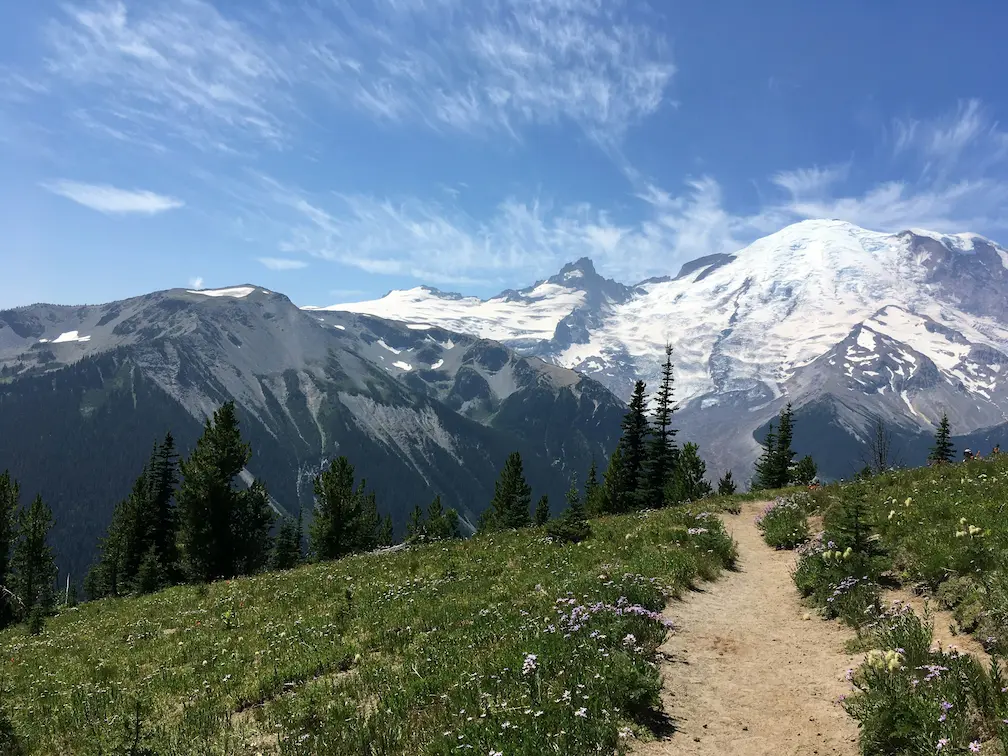
Paradise sits at around 5,400 feet on the south side of the mountain and is the best first-time stop. You step out of the car and Rainier’s summit — over 14,000 feet — is directly above you. The Henry M. Jackson Visitor Center has trail maps and restrooms. The Skyline Trail is a 5-mile loop from the Paradise area with consistent views of the glaciers and, in late July through mid-August, wildflower meadows across the entire hillside. Even the short walk from the parking area to the first viewpoint takes about 20 minutes and covers a significant elevation change.
Narada Falls is a short detour on the road up to Paradise — a 168-foot waterfall with a viewing platform accessible in about five minutes from the parking pull-off. Christine Falls, another short stop on the drive, passes under an arched stone bridge that photographs well even from the road.
For 2026, Mount Rainier is not requiring timed-entry reservations — but arriving early is still the practical advice for parking. The Sunrise area on the northeast side of the park (at 6,400 feet, the highest point reachable by paved road) is worth a visit if you have a full day and want a different perspective on the mountain. The road to Sunrise typically opens in early July and closes in late September.
For accommodation near Rainier, the town of Ashford sits at the park’s Nisqually entrance and has a range of lodges and cabins. The National Park Inn inside the park is another option. Either way, book ahead — properties near Rainier are limited and fill quickly in summer.
Day 4: North Cascades — The Drive Is the Destination
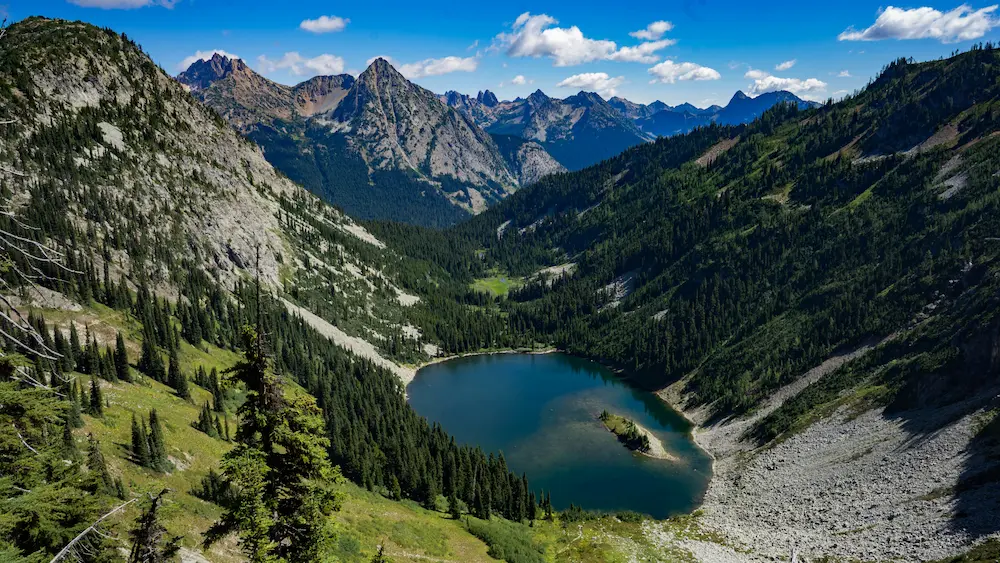
From Ashford, the drive to North Cascades National Park takes approximately 3 to 3.5 hours north on I-5 before connecting to Highway 20 east. This is a travel day with a destination worth arriving for.
North Cascades receives fewer than 50,000 visitors per year — a fraction of Rainier’s 1.6 million — which is the main reason to come. There is no entry fee for the park itself, and Highway 20, the North Cascades Scenic Highway, passes directly through it. The drive from Marblemount east to Winthrop covers about 80 miles and should take three hours including stops. Note that Highway 20 closes in winter — typically November through April — so this day is only viable from late spring through early fall.
Diablo Lake is the essential stop. The viewpoint is accessible from a pull-off on Highway 20 without any hiking — just a short walk from the car. The water is turquoise from glacial flour suspended in it, and the surrounding peaks reflect in the surface on calm mornings. Boat tours on the lake operate seasonally from the town of Diablo.
Washington Pass Overlook is the other essential stop on Highway 20, about 35 miles east of Diablo Lake. A short paved path leads from the parking area to a viewpoint over the jagged Liberty Bell Mountain and the highway switchbacking below it. The scale of the rock faces here is different from anything at Rainier or Olympic.
On the east side of the pass, the road descends into a different climate. The town of Winthrop sits in the drier Methow Valley and is built to look like an 1880s Old West frontier town — it is a civic marketing decision from the 1970s that somehow became genuinely charming. Front Street is pedestrian-friendly, the Old Schoolhouse Brewery is the main local gathering point, and the surrounding valley has more than 180 miles of non-motorized trails for cycling and cross-country skiing. Winthrop is the right place to sleep before heading back west.
For accommodation, the River’s Edge Resort in Winthrop gets consistently strong reviews and sits on the Methow River. Budget-friendly options in the Twisp area, 10 minutes south of Winthrop, run cheaper if you are flexible on location.
Day 5: The Cascade Loop to Leavenworth and Back to Seattle
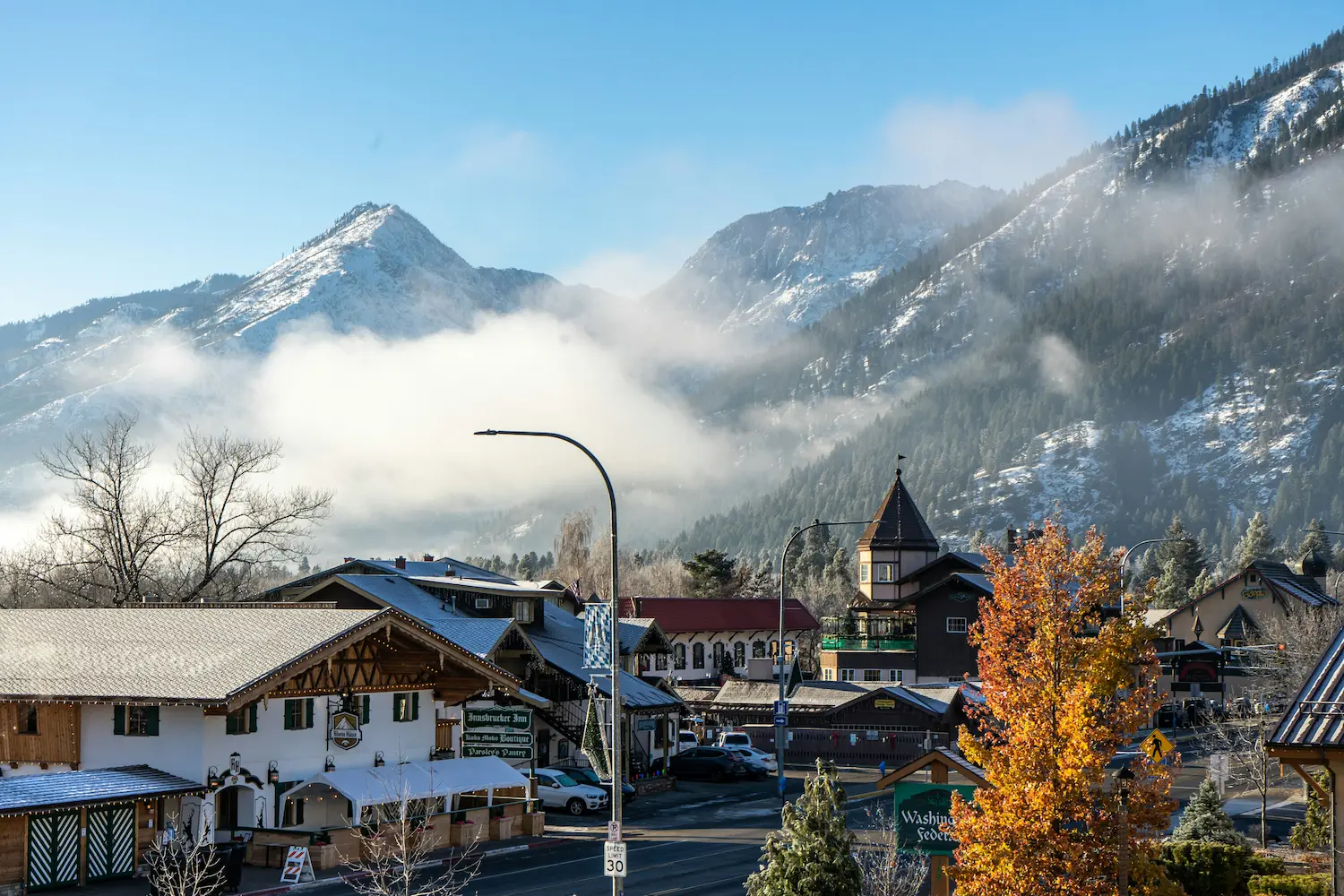
From Winthrop, the drive south on US-97 to Leavenworth takes about 1.5 hours through the Wenatchee Valley. This is the final section of the Cascade Loop — a circuit of the Cascade mountain range that this itinerary covers in reverse.
Leavenworth is a town of about 2,400 people in the eastern foothills of the Cascades, 120 miles east of Seattle on Highway 2. In the 1960s, facing economic collapse after the logging industry declined and the railroad rerouted, the town collectively decided to rebuild its entire downtown in a Bavarian architectural style. It should not work. It does. The surrounding mountains look like Bavaria anyway, and the town has leaned into it hard enough for long enough that it has become its own authentic thing.
Front Street is completely walkable. München Haus is the go-to for Bavarian sausage — outdoor seating with mountain views and rotating German beers. Icicle Brewing Co. is the local craft option on the other end of the price spectrum. The Waterfront Park Trail follows the Wenatchee River from downtown across a bridge to Blackbird Island, where bald eagles are regularly spotted from the gravel banks. It is flat, free, and takes about 45 minutes at a relaxed pace.
The hiking around Leavenworth is legitimate. The Icicle Gorge Trail, about 5 miles down Icicle Road from downtown, is a 4-mile loop through old-growth forest along a fast-moving river and requires a Northwest Forest Pass (approximately $30/year or $5/day). Colchuck Lake, accessed further down Icicle Road, is a more serious 9-mile round trip into the Alpine Lakes Wilderness and requires a permit in summer.
From Leavenworth, Seattle is approximately 2 hours west on Highway 2 through Stevens Pass, one of the most scenic mountain highways in the state. The drive descends through Tumwater Canyon — particularly dramatic in fall when the leaves turn — before dropping into the foothills toward Monroe. Allow extra time if you are heading back for a Seattle-Tacoma departure flight.
For a last night in Leavenworth, LOGE Leavenworth is the best budget-friendly option — modern hostel-hotel with a cafe, fire pit, and outdoor gear rentals, walking distance from Front Street. The Bavarian Lodge directly on Front Street is the mid-range choice. Both fill up on weekends and during Oktoberfest (held over three weekends in October) and the Christmas lighting season (Thanksgiving through February), so book ahead for those periods.
Practical Notes
The best time for this itinerary is late June through mid-September. Highway 20 through North Cascades opens in late April or May depending on snowpack but the weather is most reliable from late June onward. July and August give you full access to Paradise wildflowers, Sunrise, and all of the Highway 20 viewpoints simultaneously.
The America the Beautiful Annual Pass ($80 for US residents) covers entry to both Olympic and Mount Rainier National Parks and pays for itself on this itinerary with the first park visit. Purchase it at the first park entrance or in advance. North Cascades has no entry fee. The Northwest Forest Pass (approximately $30/year or $5/day) covers most trailhead parking in national forest areas including around Leavenworth.
Pack layers for every day. Even in July, Paradise and Washington Pass can have near-freezing temperatures and wind. The Wenatchee Valley and Winthrop run 20–30 degrees warmer than the west side of the Cascades on most summer days, so expect to shift between a fleece at Diablo Lake in the morning and a t-shirt in Winthrop by afternoon.
Weather on the west side of the Cascades — Seattle, Olympic, Rainier — is wetter and cloudier than the east side. If you have flexibility in the itinerary, prioritize the mountain stops on days with better forecasts. A cloudy day at Rainier is still a good day, but the wildflower meadows and glacier views are considerably better in clear conditions.
Final Thoughts
Washington State rewards the loop over the single destination. Seattle makes sense as the base, but the neighborhoods are where the city actually lives — and Capitol Hill delivers more of it per hour than any overpriced viewpoint. Mount Rainier requires an early start and nothing else. The North Cascades requires only that you drive Highway 20 in the right direction and stop when you see something worth stopping for. And Leavenworth is the kind of place that nobody expects to enjoy and most people want to return to within six months.
The state has something specific for every kind of traveler. Five days is enough to see all four versions of it — as long as you get in the car