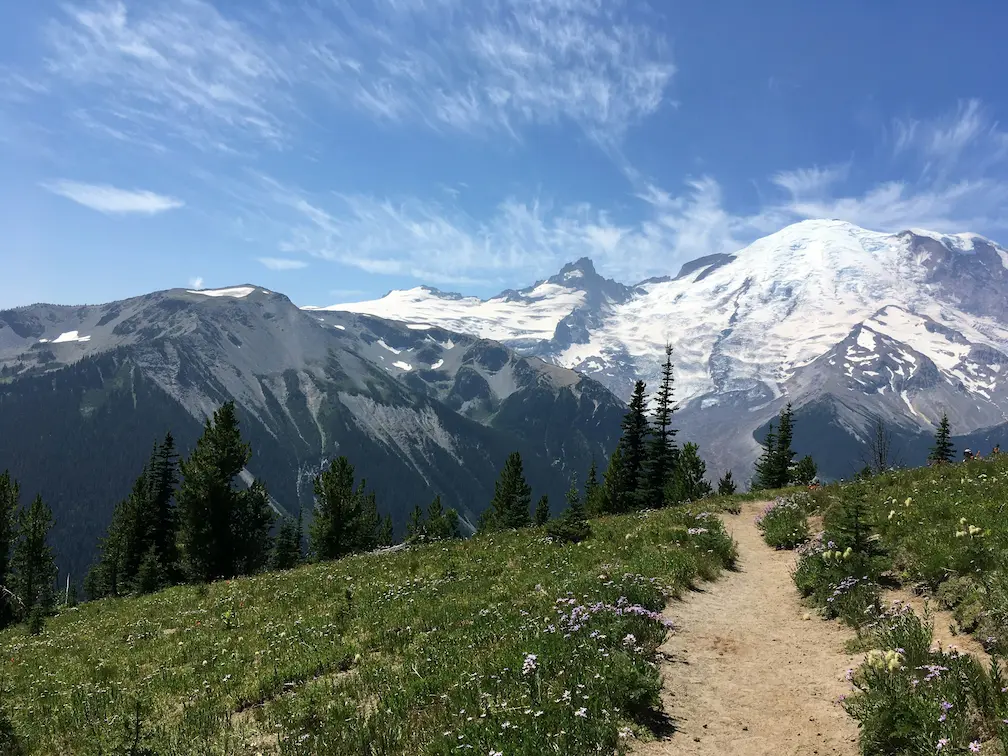
Washington State is one of the most geographically diverse destinations in the United States, yet most travelers experience only a fraction of what it offers. They visit Seattle, take a photo of the skyline, maybe see Mount Rainier from a distance, and leave without ever reaching the coast, the alpine landscapes of the North Cascades, […]
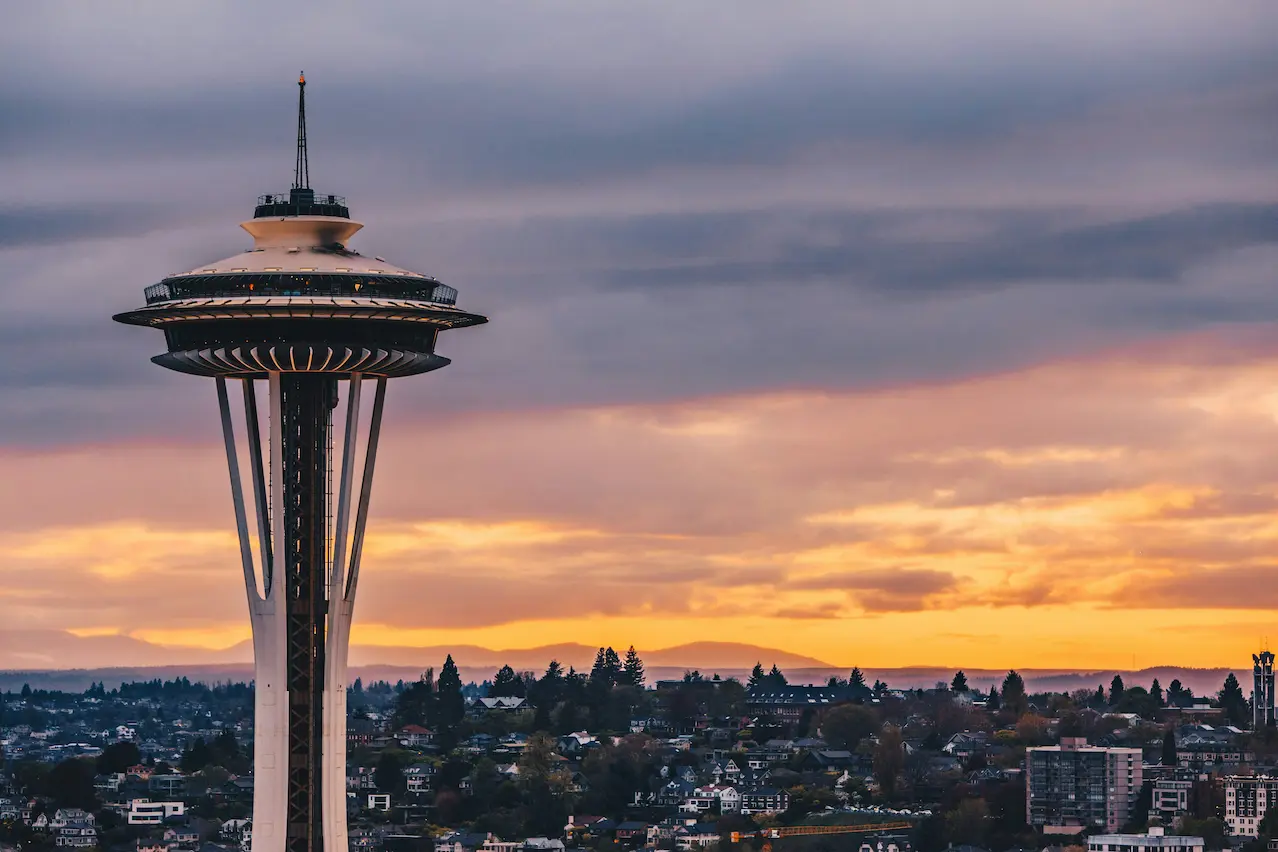
Washington State is one of the most geographically diverse destinations in the United States, yet most travelers experience only a fraction of what it offers. They visit Seattle, take a photo of the skyline, maybe see Mount Rainier from a distance, and leave without ever reaching the coast, the alpine landscapes of the North Cascades, or the dry, open terrain of eastern Washington. This guide covers the four regions that together give you the real range of the state: Seattle and the surrounding area, Mount Rainier and southern Washington, the North Cascades, and the coast and islands.
A rental car is essential for this itinerary. Public transportation works well within Seattle, but it does not connect the major natural areas efficiently. Seattle-Tacoma International Airport (SEA) is the most practical entry point for the full trip.
If you are still comparing accommodation options, Super can be useful for checking hotel prices across Washington State, especially in smaller gateway towns where availability is limited.
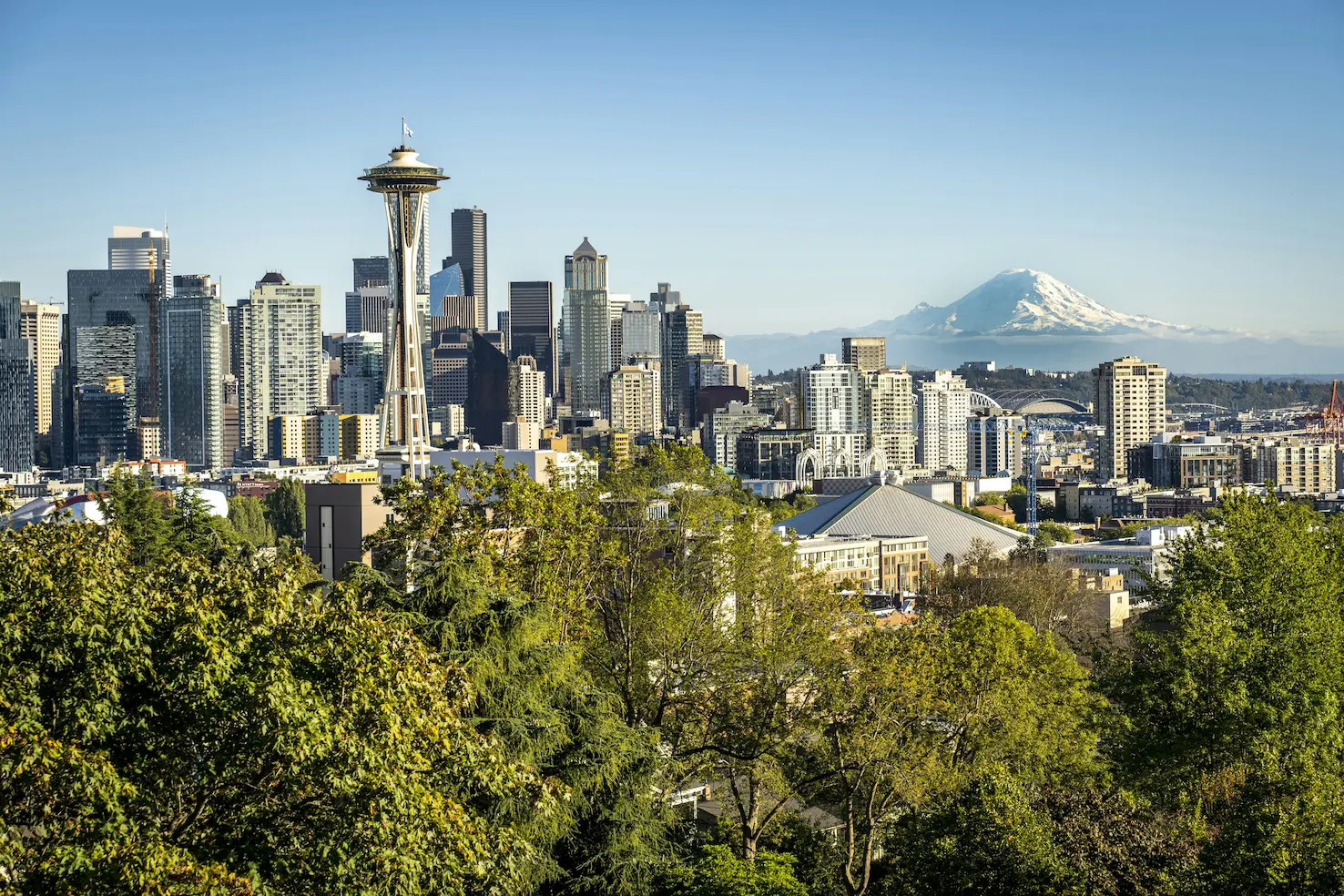
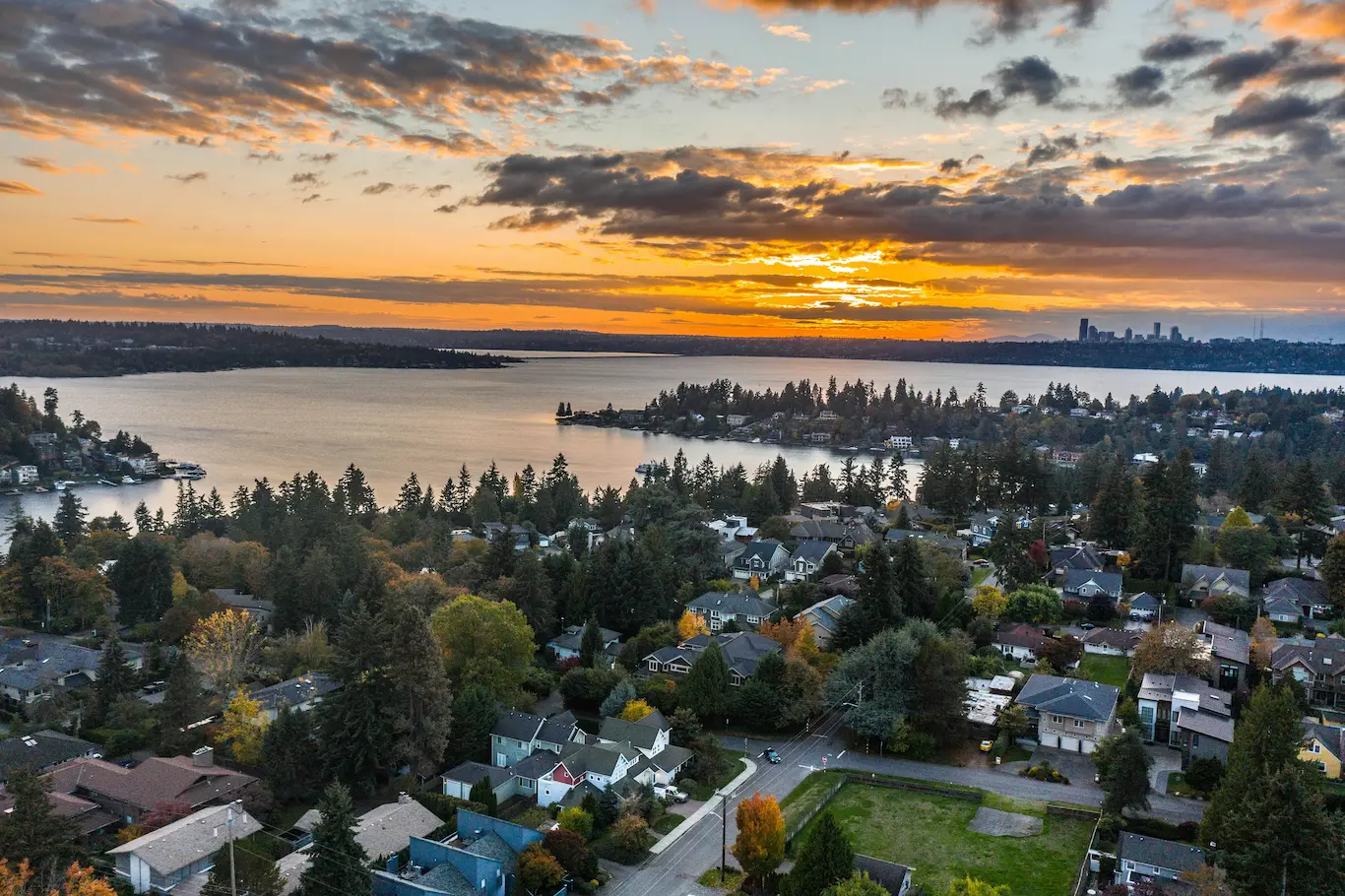
Seattle is the natural starting point, but the best parts of the city are not limited to the typical tourist stops. Pike Place Market is worth visiting, especially beyond the main level. The lower floors have smaller shops, bookstores, and food stalls that most visitors miss.
Capitol Hill is one of the most active neighborhoods in the city, with independent restaurants, cafes, and live music venues. Volunteer Park offers free access to green space and elevated views from the water tower. The Seattle waterfront and the Olympic Sculpture Park provide additional free outdoor spaces within walking distance of downtown.
Gas Works Park, located north of downtown on Lake Union, gives you one of the best skyline views in the city without crowds. Fremont, nearby, has a slower pace with local markets, public art, and smaller coffee shops.
The Link Light Rail connects the airport to downtown and surrounding neighborhoods, making it the most efficient way to move within the city. Fares are low compared to most major US cities.
For accommodation, Capitol Hill and the University District offer better value than downtown hotels while still providing easy access to major attractions.
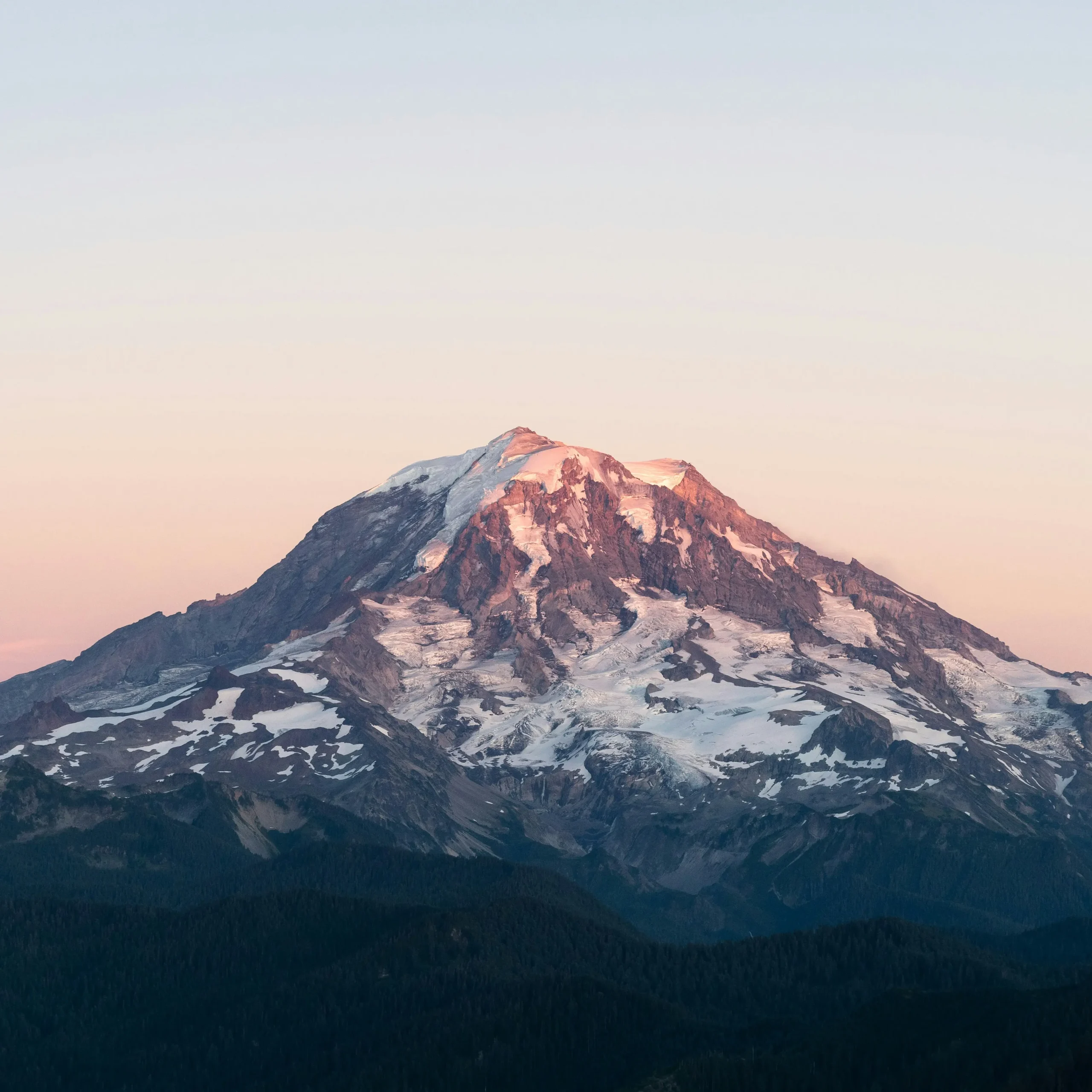
Mount Rainier National Park is one of the defining landscapes of Washington State. The drive from Seattle to the Paradise area takes approximately two to three hours, and early departure is important during peak season to secure parking.
Paradise, located at around 5,400 feet, is the most accessible area for first-time visitors. During summer, the alpine meadows fill with wildflowers, and short trails provide direct views of glaciers and surrounding peaks. Even without a full hike, the scenery is immediate and dramatic.
Sunrise, on the northeast side of the park, sits higher at approximately 6,400 feet and offers a different perspective of the mountain with fewer crowds. It is typically open from early summer through early fall.
Outside the park, the town of Ashford serves as the main base for accommodation, with lodges and cabins close to the Nisqually entrance.
Further south, Mount St. Helens offers a completely different volcanic landscape. The Johnston Ridge area provides a clear view into the crater formed by the 1980 eruption, while nearby trails and viewpoints show how the terrain has recovered over time.
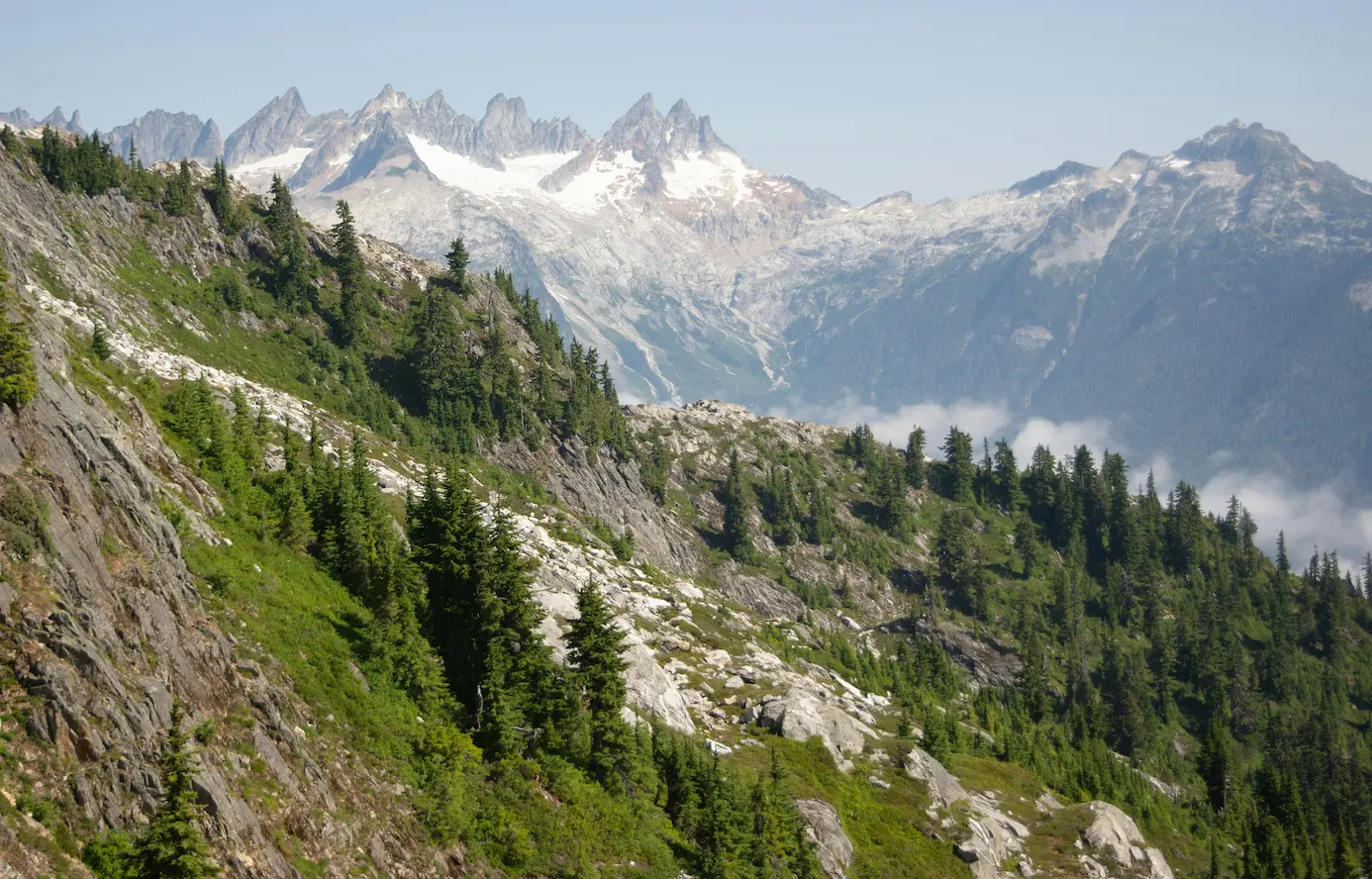
The North Cascades region is one of the least visited national park areas in the United States, which makes it one of the most rewarding. There is no entry fee for the park itself, and Highway 20 runs directly through the main landscape.
The drive along the North Cascades Scenic Highway is the highlight of the region. Diablo Lake is the most recognizable stop, with bright turquoise water caused by glacial sediment. The viewpoint is easily accessible from the road.
Washington Pass Overlook provides another essential stop, with views over jagged peaks and steep mountain faces that differ from the smoother slopes of Mount Rainier.
The town of Winthrop, on the eastern side of the Cascades, offers a noticeable shift in climate and atmosphere. The landscape becomes drier, and the town itself is styled after an Old West frontier settlement. It is a practical and interesting overnight stop before continuing the loop.
This region is best visited between late spring and early fall, when the highway is open and weather conditions are more stable.
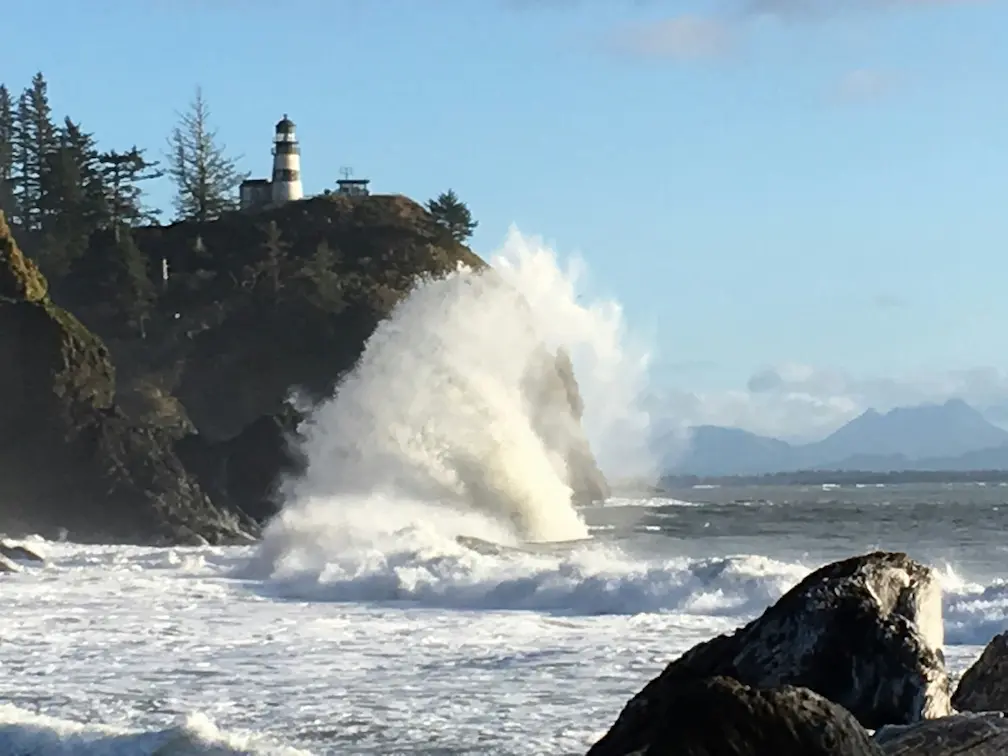
Washington’s coastline and island regions offer a completely different experience from the mountains. Olympic National Park covers much of this area and includes rainforest, rugged coastline, and alpine terrain within a single park.
The Hoh Rain Forest is one of the few temperate rainforests in North America. Moss-covered trees, dense vegetation, and high annual rainfall create a landscape that feels entirely different from the rest of the state.
Along the coast, Ruby Beach and Rialto Beach are known for sea stacks, driftwood, and dramatic ocean views. These beaches are less about swimming and more about exploring and walking along the shoreline.
The San Juan Islands, accessible by ferry from Anacortes, are known for quieter landscapes and wildlife viewing. Orca sightings are common in the warmer months, especially from shoreline viewpoints on San Juan Island.
Deception Pass, located between Whidbey and Fidalgo Islands, is one of the most visited state parks in Washington. The bridge and surrounding cliffs create one of the most recognizable views in the region.
The best time to visit Washington State is from late June through September, when weather conditions are more predictable and mountain access is fully open. Spring and fall offer fewer crowds but can bring variable weather, especially in the mountains.
Driving times can be longer than expected due to mountain roads and changing terrain. Planning realistic distances between destinations makes the trip significantly more enjoyable.
The America the Beautiful Annual Pass covers entry to major national parks in the state and is worth considering if you plan to visit more than one park. A separate state park pass may be required for certain locations.
Weather varies significantly across regions. The western side of the state is wetter and cooler, while eastern Washington is drier and warmer. Packing layers is essential in all seasons.
Washington State is not a single-destination trip. The combination of city, mountains, coastline, and dry inland landscapes creates a range that most visitors underestimate.
The most effective way to experience the state is to move between regions rather than staying in one place. Even within a limited timeframe, it is possible to see a version of Washington that goes far beyond the standard Seattle visit.
The state rewards planning, but it also rewards flexibility. Some of the best stops are the ones you do not plan in advance — they appear along the road between the major destinations.