Grace Bay: Your First Hour in Turks and Caicos The water is a color you have seen in photos but did not fully believe. You pull the car over on Grace Bay Road before you have even checked in, because you cannot drive past it. The beach stretches in both directions — three and a […]
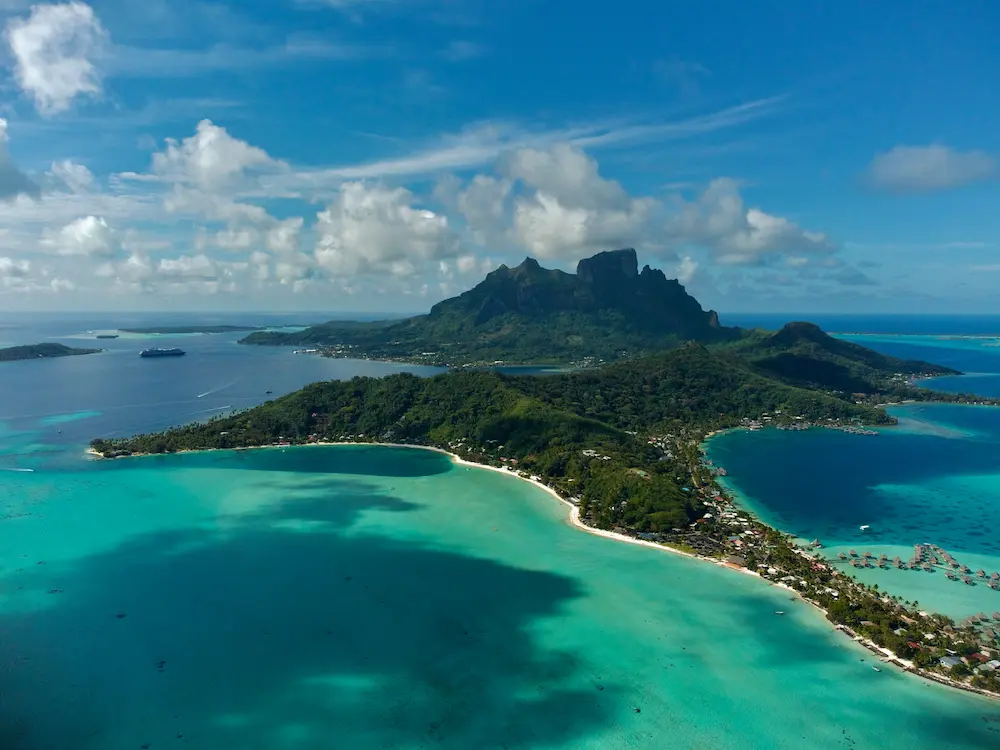
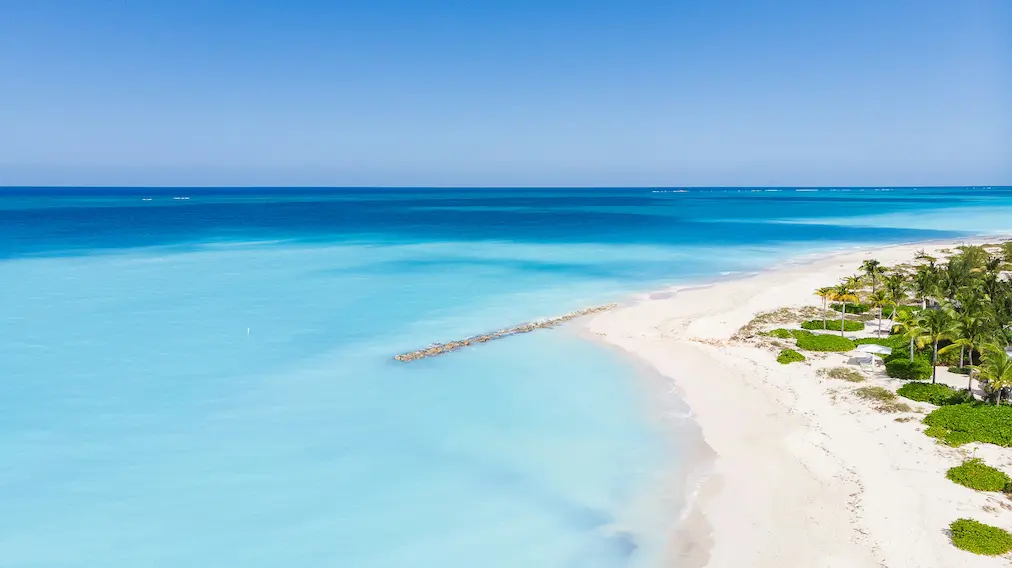
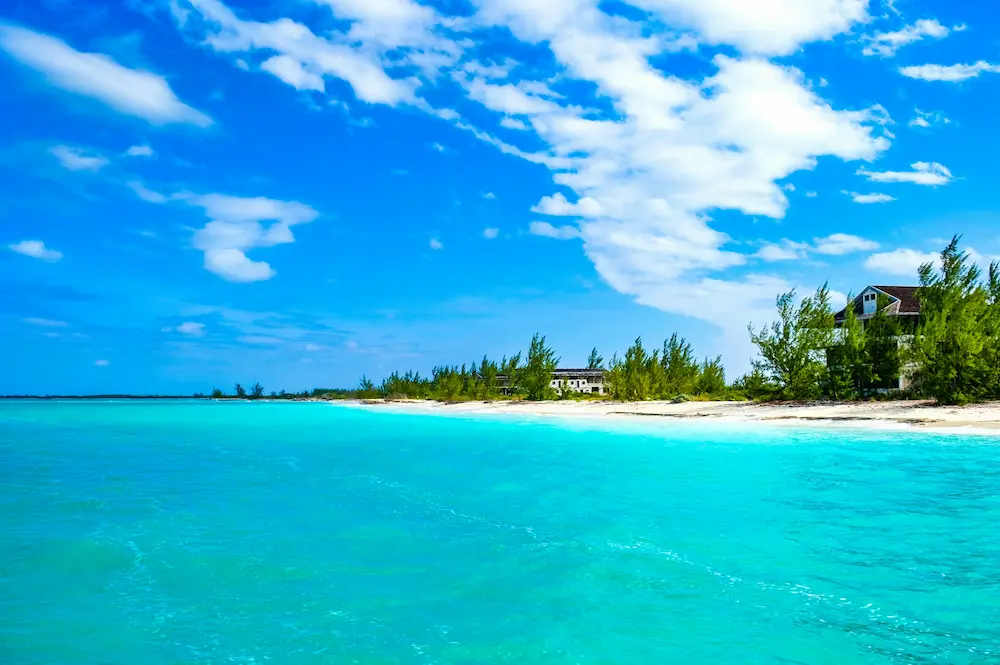
The water is a color you have seen in photos but did not fully believe. You pull the car over on Grace Bay Road before you have even checked in, because you cannot drive past it. The beach stretches in both directions — three and a half miles of pale sand with no vendors, no jet skis, no music — just the Atlantic pushing softly onto the shore. You walk toward it and the sand is already warm under your feet. Out past the shallows, the water shifts from clear to pale turquoise to deep blue in gradations so clean they look like a graphic. Somewhere out there, maybe two miles offshore, the barrier reef — the third largest in the world — runs parallel to the island like a spine.
This is the baseline. Turks and Caicos, and specifically Providenciales (called Provo by everyone who has been here), offers a lot more than the beach once you know where to look. Here is everything worth doing, what it actually costs, and how to make it work without overspending.
If you are still sorting out accommodation, Super tends to have strong rates for Provo — useful for comparing hotels across different parts of the island before you commit.
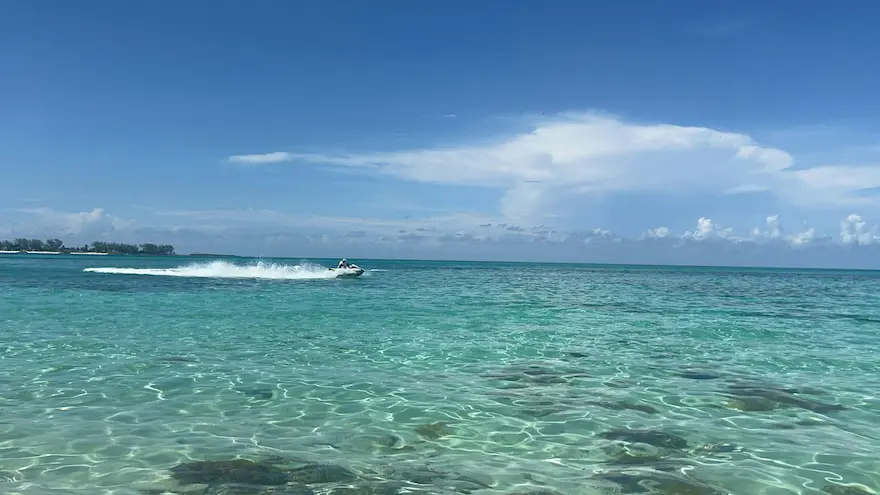
Turks and Caicos is, at its core, a water destination — and the range of what is available on and under the surface goes well beyond lying on Grace Bay.
Smith’s Reef is the starting point for any snorkeler who wants to skip the boat fees. It is a free, shore-entry snorkel site off Turtle Cove, accessible directly from the beach. Coral formations, schools of fish, and turtles are all regular sightings, and the reef starts in water shallow enough for beginners. Morning is the practical window — by early afternoon, the trade winds pick up and conditions can get choppy. Bring your own gear if possible; local dive shops rent snorkel sets for approximately $15 to $25 per day, which is significantly cheaper than resort rates.
For the barrier reef itself, a half-day boat snorkeling tour runs approximately $80 to $120 per person depending on the operator. Most depart from Turtle Cove Marina and include gear, a guide, and drinks. The wall drop-off at the reef edge is the moment that changes people’s relationship with snorkeling — the guide rolls backward into the water without a word. Below, the coral wall drops away into dark blue — you cannot see the bottom. A reef shark moves along the edge without changing speed, not interested in the group at all. Eagle rays cross at mid-depth. It is a different category of experience from anything close to shore.
Scuba diving here is serious. Wall diving off the barrier reef offers visibility that frequently exceeds 100 feet, and the popular sites — The Crack, Black Coral Forest, Shark Hotel (nurse sharks, harmless), and the West Caicos wall — deliver consistent conditions that attract divers who have been everywhere. A two-tank dive with a local operator runs approximately $130 to $160; verify current pricing when booking. PADI certification courses are available on Provo for those who want to start from scratch.
Whale shark snorkeling at French Cay is one of the most unusual seasonal experiences in the Caribbean. French Cay is a remote, protected cay about 14 miles south of Provo, and whale shark sightings are typically concentrated in April and May — confirm timing with operators before booking, as it varies year to year. Full-day tours run approximately $200 to $250 per person including boat, gear, and guide. Book early; these spots fill fast and the season is short.
A different kind of seasonal encounter happens at Salt Cay from January through March. Humpback whales pass through the Turks Island Passage during their winter migration, and Salt Cay is one of the few places in the world where shore-based viewing is genuinely reliable. Getting there requires either a short flight from Provo (approximately $150 to $200 round trip) or a boat trip, and Salt Cay itself has almost no tourist infrastructure — plan logistics carefully and pack everything you need for the day.
Long Bay Beach on Provo is one of the top kitesurfing spots in the Caribbean. Consistent trade winds and shallow, flat water make it well-suited for both beginners and experienced riders. Lessons run approximately $100 to $150 per hour, and gear rental is available at Long Bay. If you have never tried it, the conditions here are about as forgiving as it gets.
Kayaking and paddleboarding rentals in the Grace Bay and Leeward area run approximately $30 to $50 per hour. Same rule as snorkeling: morning gives you calmer water and better conditions. By mid-afternoon, the wind makes paddling significantly more work than it should be.
Deep-sea fishing charters operate out of Turtle Cove Marina. A half-day charter runs approximately $600 to $800 for the boat — typically up to four to six people — making it reasonable when split. Mahi-mahi, wahoo, marlin, and tuna are the main species depending on the time of year. Verify current rates directly with charter operators at the marina.
One stop that surprises most visitors: the Turks and Caicos Conch Farm on Provo is the only working conch farm in the world. Tours run approximately $15 per adult and give real context to something you will be eating throughout the trip. Queen conch is central to the local food culture in a way that goes beyond a menu item — seeing live conch in the water before you eat cracked conch on a picnic table at the beach later that day is a genuinely useful experience. Some snorkeling boat tours also include conch spotting in the wild as part of the itinerary.
Grace Bay Beach itself deserves at least one proper morning. It is public by law, there are no beach vendors, and no motorized water sports are allowed within the protected bay — which is exactly why it feels the way it does. Go before 9am or after 4pm. There are no facilities at the beach, so bring water, snacks, and sunscreen. The Bight area at the south end and Leeward to the northeast are both quieter stretches with fewer people and good snorkeling off the rocks.
North and Middle Caicos make for a rewarding day trip that almost no one who stays strictly on Provo takes. The ferry from Leeward Marina runs approximately $25 to $30 round trip. North and Middle Caicos are connected by a causeway, so one ticket gives you both. Wade’s Green Plantation is the best-preserved plantation ruin in the Caribbean — the scale of it and the context of what it represents is sobering in a way that a beach day never is. Mudjin Harbour is a dramatic overlook of cliffs and a curved bay. Cottage Pond is a flamingo habitat where birds are visible most days. The Middle Caicos Caves are free to enter — bring a flashlight, and expect stalactites and stalagmites in a system that most visitors to the Caribbean have no idea exists. Pack your own lunch; food options are extremely limited on both islands.
Grand Turk is a completely different version of Turks and Caicos. A short flight from Provo runs approximately $150 to $200 round trip. Governor’s Beach is calm, clear, and free. Cockburn Town has colonial architecture and a tangible history connected to the salt industry that shaped the island’s economy for centuries. The Turks and Caicos National Museum covers the region’s history including a Spanish shipwreck from the 1500s and costs approximately $10 per adult. The Grand Turk Lighthouse, built in 1852, is free. The pace of the island is noticeably different from Provo — quieter, slower, more interested in its own history than in tourism.
Horseback riding on the beach is available through Provo Ponies, which runs guided beach rides for approximately $100 to $150 per person for a one-hour ride. Book early morning to avoid the heat.
Sunset catamaran cruises depart from Grace Bay and run approximately $75 to $100 per person for two to three hours, usually including drinks and a snorkeling stop. They are popular and book up during peak season — a day or two of advance planning is enough most of the time.
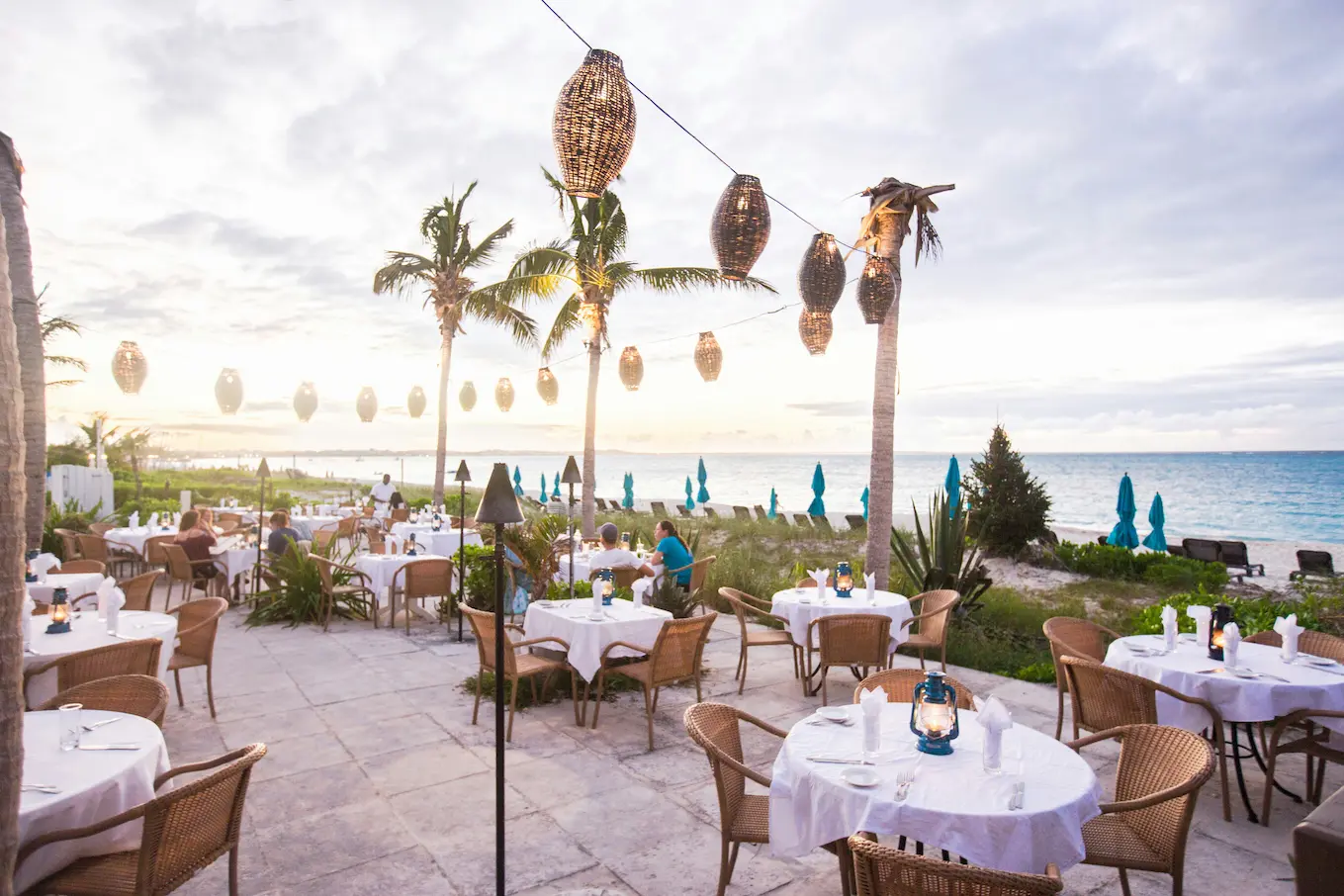
The food side of Provo is worth treating seriously. Da Conch Shack is the most locally authentic dining experience on the island — beachside, informal, cracked conch and conch fritters for approximately $15 to $25. Conch salad vendors along Grace Bay Road prepare fresh conch in front of you for around $10 to $15 per portion. The Bight food trucks rotate vendors and are good for a casual lunch under $15. Coco Bistro is the place to spend money on a proper dinner — tables under palm trees, approximately $40 to $60 per person, and consistently busy for good reason.
The practical answer: book directly through operators at Turtle Cove Marina or through local tour agencies, not through your resort desk. Resort concierges charge a markup that can add 30% to 50% to the same activity booked directly — occasionally more. Turtle Cove Marina is the main hub for dive operators, fishing charters, boat tours, and water sport rentals, and being there in person lets you compare operators and ask questions directly before committing.
For activities with fixed seasons — whale shark tours in April to May, humpback watching at Salt Cay from January to March — book as far in advance as you reasonably can. These are the two activities on the island most likely to sell out, and waiting until you arrive often means missing the window entirely.
For everything else — sunset cruises, reef snorkeling tours, kayak rentals, the North Caicos ferry — booking one to two days ahead is usually sufficient outside of peak season (December through March). During the holidays and February specifically, give yourself more lead time on anything that involves a boat.
Getting around requires a rental car. There is no public bus system on Provo, and taxis add up quickly if you are moving between different parts of the island each day. Book your rental in advance and remember that Turks and Caicos is a British territory — traffic drives on the left.
Snorkel gear is worth bringing from home or buying locally. Resort rental rates are notably higher than what local dive shops charge, and having your own gear means you are not dependent on anyone’s schedule for Smith’s Reef or beach snorkeling.
Reef-safe sunscreen is not optional here — the reef ecosystem is the entire reason to visit, and chemical sunscreens with oxybenzone and octinoxate cause measurable damage. Bring enough from home; options are limited and expensive on the island.
Cash matters more here than in most Caribbean destinations. Many local food vendors, market stalls, and smaller boat operators work cash only. ATMs are available in the Grace Bay corridor but less reliable further afield. Bring US dollars — the currency throughout the islands.
Morning is the right time for almost every water activity. Calmer conditions, better visibility, and fewer people on the beach all point to an early start. Plan beach time and snorkeling for before noon, and save errands, driving, and afternoon meals for when the wind picks up.
Tipping: 15% to 18% is standard at restaurants. Guides and boat crew who have done a good job typically receive $10 to $20 per person — it matters more to them than it does to the resort desk that booked the tour.
The best season runs November through April. May to June and September to October offer meaningfully lower prices with weather that is still generally good — the tradeoff is higher humidity and the possibility of rain. July and August are hot, busy, and expensive.
Turks and Caicos has a reputation as a place for people with large resort budgets, and for a certain kind of trip, that reputation is accurate. But the barrier reef, the ferry to North Caicos, Smith’s Reef, the conch shack, the Salt Cay whales — none of that requires a premium room rate. The island’s actual assets are in the water and, increasingly, in the day trips that most Grace Bay visitors never take.
Whether you are here to dive the wall, watch humpbacks from a small boat in January, kitesurf Long Bay, or sit on a beach eating conch fritters — the range of what is available here is wider than most people expect before they arrive. And the gap between what it costs to experience it well and what the resorts charge for the same things is large enough to matter. Book the seasonal tours early, buy your sunscreen before you get here, and arrange everything else through Turtle Cove. The rest takes care of itself.