The Mistake Most Budget Travelers Make When Booking Hawaii Most travelers looking for affordable accommodation in Hawaii do one of two things: they filter by lowest price, book whatever comes up first, and end up in a property so far from anything useful that they spend the savings on transportation — or they assume budget […]
Most travelers looking for affordable accommodation in Hawaii do one of two things: they filter by lowest price, book whatever comes up first, and end up in a property so far from anything useful that they spend the savings on transportation — or they assume budget Hawaii is not a real thing, stretch the credit card, and overpay for a resort name they did not need.
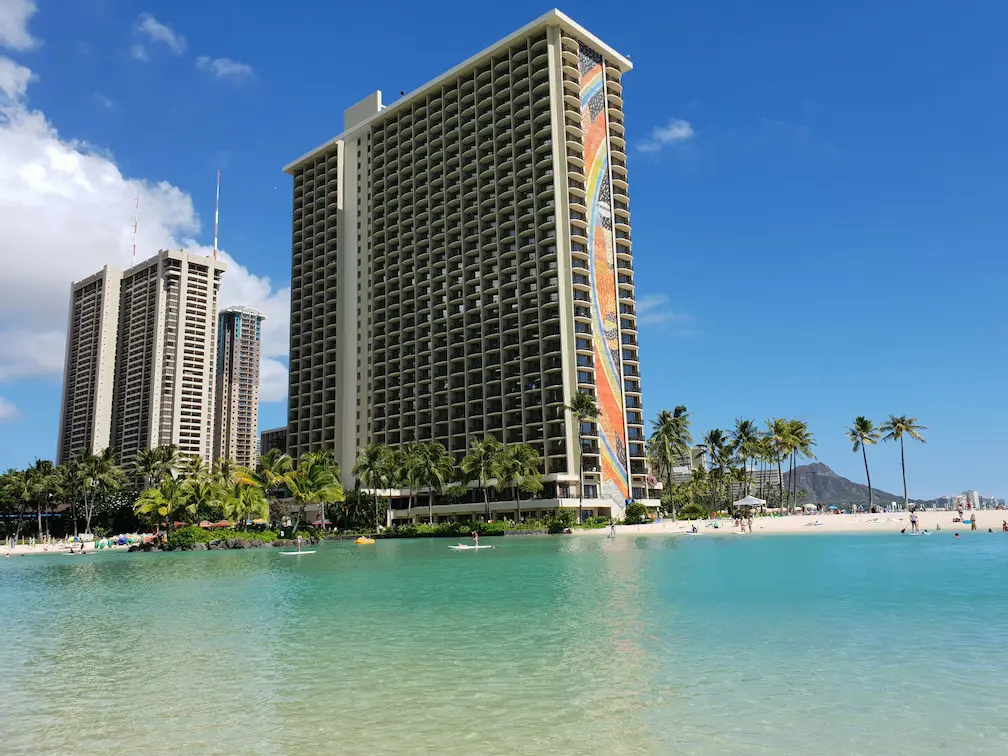
The better approach is knowing which neighborhoods and property types actually deliver value on each island. On Oahu, staying outside Waikiki’s beachfront strip cuts rates significantly without cutting access to the beach — it is a ten-minute walk from most of the surrounding streets. On Maui, the Kihei corridor on the south shore offers more affordable options per mile of coastline than almost anywhere else in Hawaii, and it puts you closer to the best beaches on the island than the premium Wailea resorts do.
This guide covers the best budget hotels and guesthouses currently operating on both islands, organized by neighborhood, with honest notes on what you are actually getting at each price point.
If you want to compare rates across properties before committing, Super often surfaces deals that do not always show up on the bigger booking platforms — worth running a search before you decide.
Hawaii is an expensive destination. There is no version of this guide that pretends otherwise. But budget in Hawaii is relative — a $150 per night room that puts you within walking distance of a free beach, a plate lunch spot, and a grocery store is a fundamentally different proposition from a $150 room in an isolated stretch that forces you into resort dining for every meal.
The properties in this guide generally fall between $80 and $200 per night depending on season. Peak season — mid-December through mid-April and July through August — pushes rates up across all categories. The best windows for budget travelers are May through June and September through October, when the same properties can run 20 to 35 percent cheaper than their peak rates. Book 6 to 10 weeks out in shoulder season for the best availability at the lowest prices.
Resort fees are worth watching even at budget properties. Some mid-range hotels in Hawaii charge daily resort fees of $25 to $50 on top of the displayed room rate. Always check the total price including fees before comparing options.
The Equus Hotel — Ala Moana, Honolulu
The Equus sits in the Ala Moana neighborhood, about a ten-minute walk from Waikiki Beach and a short walk from Ala Moana Beach Park. Rates typically run between $120 and $180 per night. It is a small, family-owned boutique property — 68 rooms — with a pool, on-site cafe, and none of the resort-fee structure that inflates costs at larger Waikiki hotels. The property has an equestrian theme with a genuine Hawaiian character that most budget hotels in the area lack. Best for travelers who want Waikiki proximity without Waikiki pricing and appreciate a property with some personality. The caveat: the Ala Moana location puts you close to the beach, not on it, and the area has some traffic noise.
HI Honolulu Hostel — Manoa Valley, Honolulu
For solo travelers or anyone comfortable with hostel-style accommodation, HI Honolulu in Manoa Valley is one of the better-run budget options on the island. Dormitory beds run approximately $40 to $60 per night; private rooms are available from around $100. The hostel is a family-run property near the University of Hawaii campus, a short bus ride from Waikiki and downtown Honolulu. Common areas are clean and well-managed, and the owners are knowledgeable about the island. Best for solo travelers and backpackers who want to keep costs as low as possible on Oahu. The caveat: the Manoa Valley location is not walking distance to the beach — you will need TheBus or a car to reach Waikiki, though the ride is short and inexpensive.
Pagoda Hotel — Mid-Honolulu
The Pagoda sits in central Honolulu near Ala Moana, known locally as the hotel where residents stay when they visit from neighbor islands. Rates typically start around $100 to $130 per night. The property has a Japanese garden courtyard with koi ponds, a pool, free parking, and an on-site restaurant serving local breakfast dishes — a combination that is genuinely hard to find at this price point in Honolulu. The Ala Moana Center and beach park are both within easy walking distance. Best for travelers with a car who prioritize value, parking access, and a sense of local character over beach proximity. The caveat: the rooms are functional but dated — this is comfort and location, not design.
Aston at the Waikiki Banyan — Waikiki
The Waikiki Banyan is a condominium-style hotel one block from Kuhio Beach in Waikiki, with one-bedroom suites that include full kitchens. Rates typically run from $130 to $200 per night. The kitchen access changes the economics significantly — buying groceries and cooking even half your meals cuts the food budget in Hawaii considerably. The location is excellent for the price. Note that the recreation deck is under renovation through mid-2026, so the pool and outdoor areas are currently unavailable — factor that in if outdoor amenities matter to you. Best for families and couples staying four or more nights who want to manage food costs and stay close to the beach. The caveat: it is a large condo complex and the service experience is more transactional than attentive.
Kaimuki Neighborhood — East Honolulu
Kaimuki is one of Honolulu’s best neighborhood bets for budget travelers — a residential area about two miles east of Waikiki with a main street full of local restaurants, coffee shops, and bars that cater to residents rather than tourists. Small guesthouses and short-term rentals in the area typically run $90 to $150 per night. The payoff is that your dining options are priced for locals — the stretch of Waialae Avenue in Kaimuki has some of the best affordable restaurants on Oahu. Best for travelers who want to eat and live like a local rather than a tourist and do not mind driving to the beach. The caveat: this is a neighborhood, not a resort — there is no pool, no concierge, and no beach within walking distance.
North Shore Vacation Rentals — Haleiwa area
Staying on the North Shore is genuinely one of the better budget strategies on Oahu. Haleiwa and the surrounding areas have vacation rentals and small guesthouses that run $100 to $160 per night, with direct access to some of the best coastline on the island. Between April and October the surf calms and the beaches are swimmable. Between November and February the waves are spectacular to watch from shore. The pace is entirely different from Honolulu — slower, quieter, and much less crowded. Best for travelers who want to see a completely different side of Oahu. The caveat: the North Shore is 45 minutes from Honolulu and you need a car for everything — there is no resort infrastructure here.
Kihei Kai Nani — South Kihei
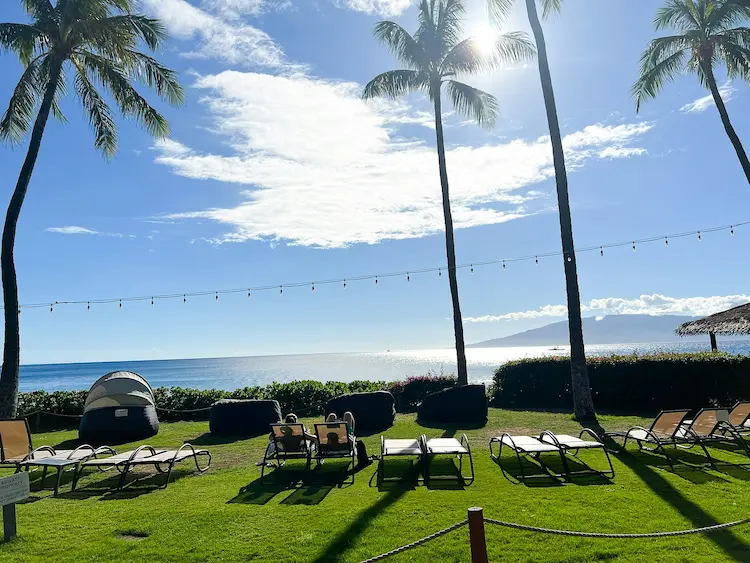
Kihei is the budget traveler’s base on Maui — a long corridor of condos and small hotels on the south shore with direct beach access at multiple points and none of the resort markup of neighboring Wailea. Kihei Kai Nani is a well-regarded condo property in central Kihei, steps from Kamaole Beach Parks I, II, and III — three connected free beach parks consistently ranked among the best on the island. Studio and one-bedroom units typically run $120 to $180 per night, come with full kitchens, and include beach gear. Best for beach-focused travelers who want the best of Maui’s south shore without resort pricing. The caveat: it is individually owned condos, so unit quality varies — check recent reviews per unit before booking.
Kohea Kai Hotel Maui — North Kihei
The Kohea Kai is a small adults-only boutique hotel in north Kihei, directly across the street from the beach on Kihei Road. Rates run approximately $150 to $220 per night and include a complimentary hot breakfast daily, which meaningfully offsets the daily food budget. The property has a pool, rooftop deck with ocean views, and lush garden grounds. With only 26 rooms it operates more like a guesthouse than a hotel — quieter and more personal than the large condo complexes nearby. Best for couples and adult travelers who want a social, low-key atmosphere with included breakfast. The caveat: the beach directly across Kihei Road is windier than the Kamaole parks further south — most guests drive a short distance to swim.
Maui Seaside Hotel — Kahului
The Maui Seaside Hotel sits in Kahului near the airport and the island’s main commercial center. Rates typically start around $100 to $140 per night, making it one of the most affordable hotel options on Maui. It is not a beach property — Kahului is a working town — but it is a practical base for travelers spending their days on the Road to Hana, at Haleakala National Park, or using Maui as a hub for activities rather than beach time. Best for travelers prioritizing activities over beach access who want to keep accommodation costs low. The caveat: Kahului has no beach and limited character — you will be driving to reach the parts of Maui worth seeing.
Napili Kai Beach Resort — Napili, West Maui
Napili is about 35 miles from Kihei on Maui’s northwest coast, with access to Napili Bay — one of the best snorkeling and swimming bays on the island. The Napili Kai is a condo-style boutique resort with kitchen-equipped studios and suites typically running $200 to $300 per night. Notably, it charges no resort fee and no parking fee, which saves a meaningful amount compared to similarly priced properties elsewhere. The snorkeling directly off the beach is genuinely excellent — some of the best shore-accessible snorkeling on the island. Best for families and couples staying five or more nights who want kitchen access and outstanding beach quality. The caveat: the west Maui location adds driving time to Hana-side activities, and the property’s older design suits travelers who prefer relaxed over polished.
Lumeria Maui — Makawao, Upcountry Maui
Lumeria is a wellness retreat set in the upcountry Makawao area, about 1,500 feet above sea level with cooler temperatures, ocean breezes, and none of the coastal crowds. Rates typically run $200 to $350 per night and include yoga classes, organic farm-to-table dining, and access to a genuinely restorative property. It is the furthest from the beach in this guide but closest to a different version of what Maui offers — Haleakala National Park is a short drive up, and the upcountry towns of Makawao and Paia are nearby. Best for travelers who want a retreat-style stay built around wellness and Maui’s interior landscape rather than beach access. The caveat: you are about 30 minutes from the south shore beaches, which makes this a poor fit if daily swimming is the priority.
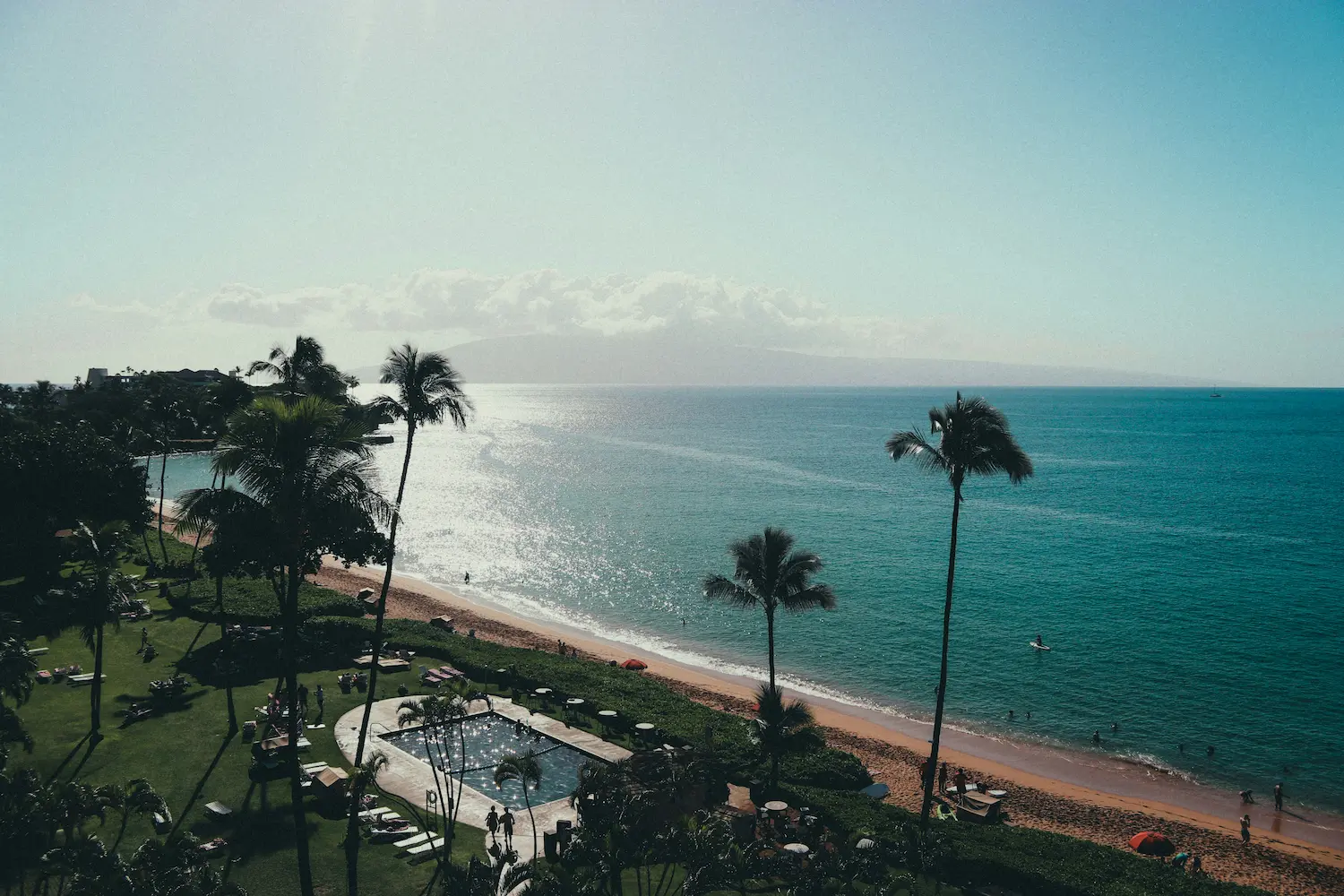
Oahu is the more budget-friendly island overall. The volume of accommodation in and around Honolulu creates more pricing competition, and the public transit system — TheBus, Oahu’s island-wide bus network — makes it possible to get around without a rental car if you are based in Waikiki or Honolulu, saving $60 to $90 per day. Groceries, plate lunches, and local food options are cheaper and more accessible than on Maui.
Maui costs more but delivers more concentrated beach quality. The Kihei corridor offers the best ratio of affordable accommodation to beach access in the state — multiple free beach parks within walking distance of most Kihei properties is hard to match anywhere else in Hawaii. If beach time is the priority, Maui’s south shore earns the slightly higher price of entry.
For a multi-island trip, the combination that works best for budget travelers is three nights on Oahu based in Ala Moana or Kaimuki, and three nights on Maui based in Kihei. That keeps accommodation costs manageable, puts you within reach of the best free beaches on both islands, and leaves enough in the budget for a Road to Hana day and a proper meal in Haleiwa.
Plate lunch spots are the single best food strategy on both islands. A two-scoop plate — protein, two scoops of rice, and macaroni salad — runs $10 to $14 at most local spots and is more filling than anything you will find at a resort restaurant for three times the price. Look for places with parking lots full of local cars.
Grocery stores are your best friend for breakfast and beach snacks. Both Foodland and Times Supermarket operate on Oahu and Maui and stock local products alongside standard supermarket items. Buying breakfast supplies and snacks for beach days cuts daily food costs considerably.
On Oahu, TheBus covers the entire island for $3 per ride — one of the most underused budget tools available to visitors. A weekly pass runs around $35 and covers unlimited rides. If you are based in central Honolulu, a rental car is genuinely optional for most itineraries.
Hawaii requires reef-safe sunscreen by law — products containing oxybenzone and octinoxate are prohibited. Most stores on both islands stock compliant options, but buying before you arrive avoids the island markup.
Budget travel in Hawaii is real — it just requires choosing the right neighborhood before choosing the property. Waikiki beachfront pricing is not the only option on Oahu, and Wailea resort rates are not the only entry point into Maui’s south shore. The islands reward travelers who do a little extra research upfront with significantly better value per dollar than anyone booking purely on name recognition.
May through June and September through October give you the best combination of lower rates, good weather, and manageable crowds on both islands. Book 6 to 8 weeks out in those windows, prioritize kitchen access where you can get it, and let the free beaches — which are the best ones anyway — do most of the work.