Is Punta Cana Really Just One Big All-Inclusive Resort? That is the question most people never think to ask — because the all-inclusive experience is exactly what most visitors come for. And there is nothing wrong with that. But if you have spent any time in Punta Cana, or if you are planning a trip […]
That is the question most people never think to ask — because the all-inclusive experience is exactly what most visitors come for. And there is nothing wrong with that. But if you have spent any time in Punta Cana, or if you are planning a trip and wondering whether there is anything beyond the buffet and the swim-up bar, the answer is yes — and it is worth knowing about before you book.
The eastern Dominican Republic has public beaches that cost nothing to access, a freshwater cenote inside a limestone sinkhole, a reef-ringed island inside a national park, local restaurants where a full meal runs under $8, and a town just ten minutes from the resort strip that most tourists never set foot in. You do not have to leave the resort to have a good trip. But you have options, and they are more accessible than most people assume.
If you are still deciding on where to stay, Super often has strong deals across all price tiers in the Bavaro and Cap Cana areas — useful for comparing what is actually available before you commit.
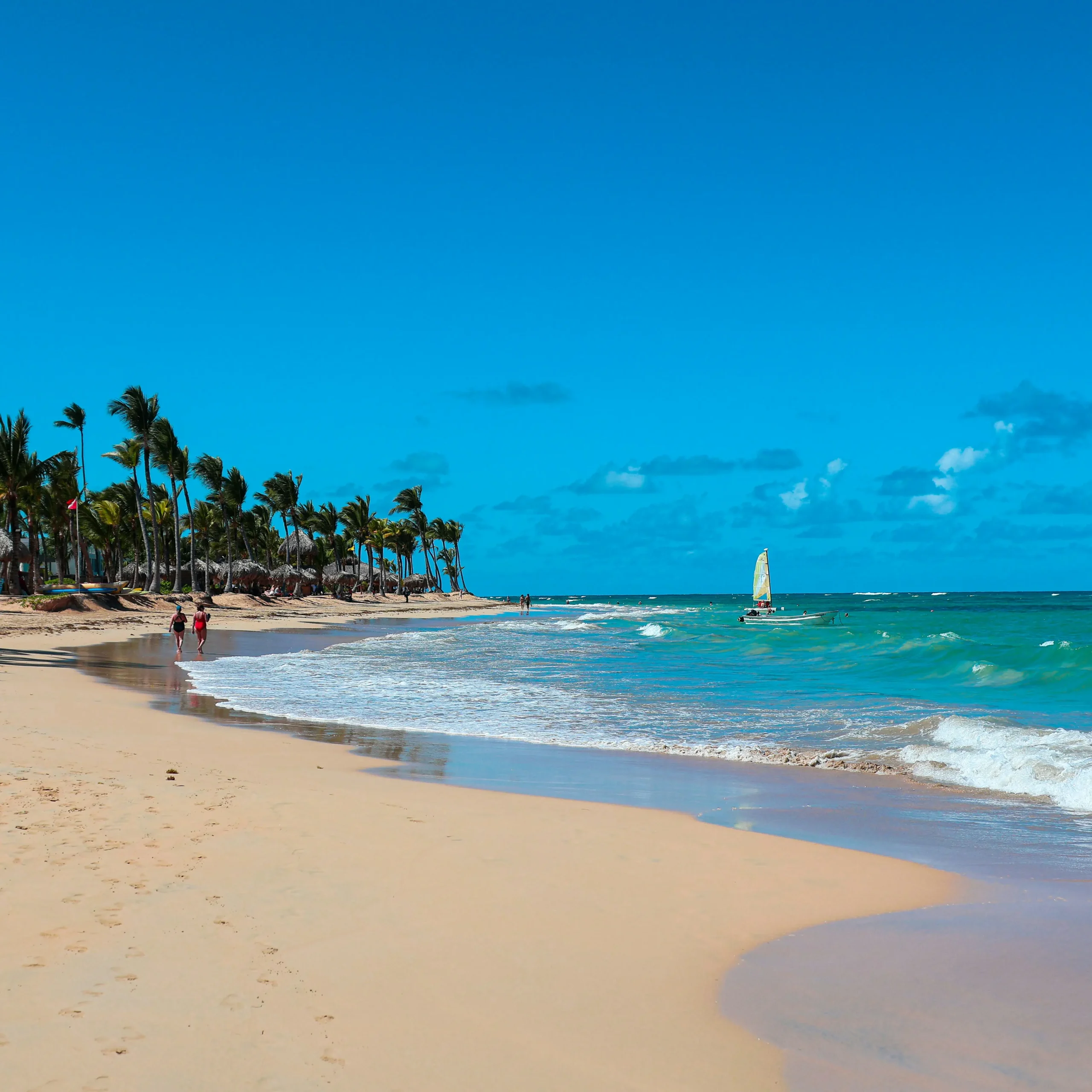
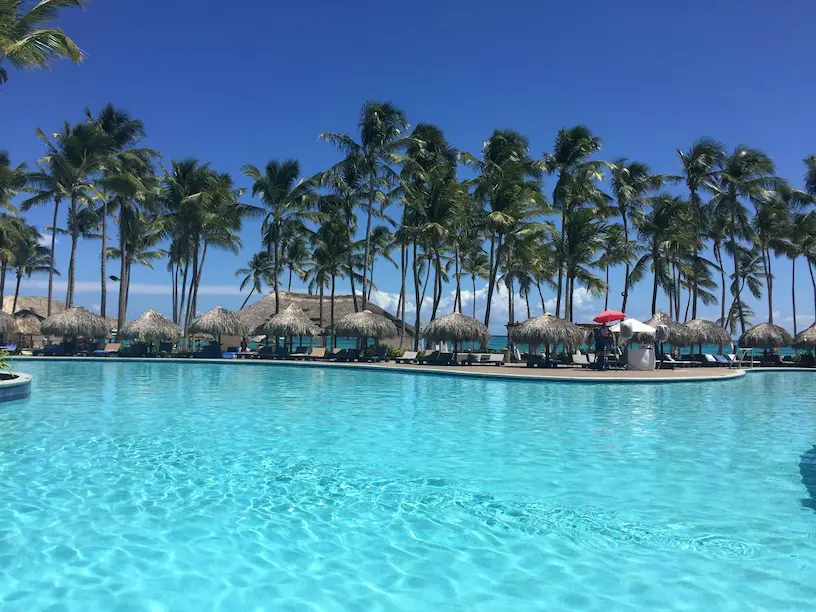
The beach situation in Punta Cana is more varied than the resort brochures suggest. Dominican law makes all beaches public, which means the long stretch of Bavaro is technically accessible to anyone — though in practice, chairs and umbrellas in front of major resorts are reserved for guests. Walk past the resort infrastructure and continue down the sand, and the crowd thins out quickly.
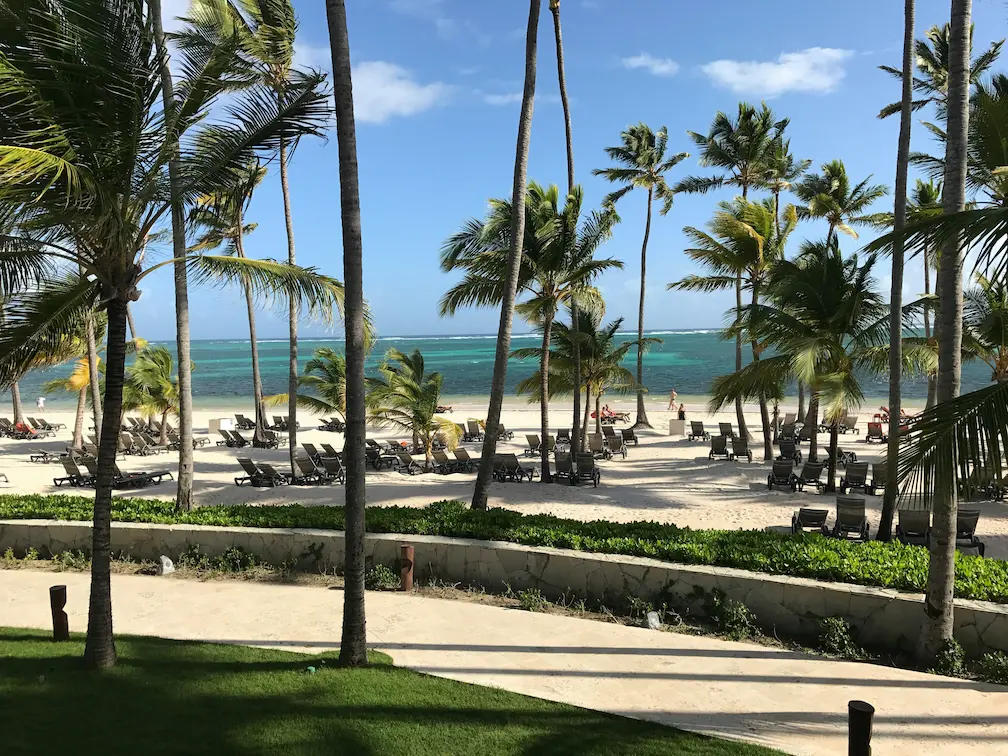
Bavaro Beach is the main strip. It runs for several miles, the water is calm and good for swimming, and vendors and excursion sellers are active in the morning. It is the most convenient option if you are staying along the main tourist corridor.
Macao Beach is a different experience entirely. No resort infrastructure, no lounge chairs, no attendants. You step off the taxi and the sand is warm before you even look down — just a stretch of beach, a few fishing boats pulled up at the waterline, and a man selling coconuts from a cooler. The waves are stronger here, which makes it the best surf spot in the area. Surf lessons from local instructors are available on site, and beachside restaurants serve fresh fish at prices well below the resort zone. Getting there from Bavaro takes about 20 minutes by taxi — negotiate the fare before getting in.
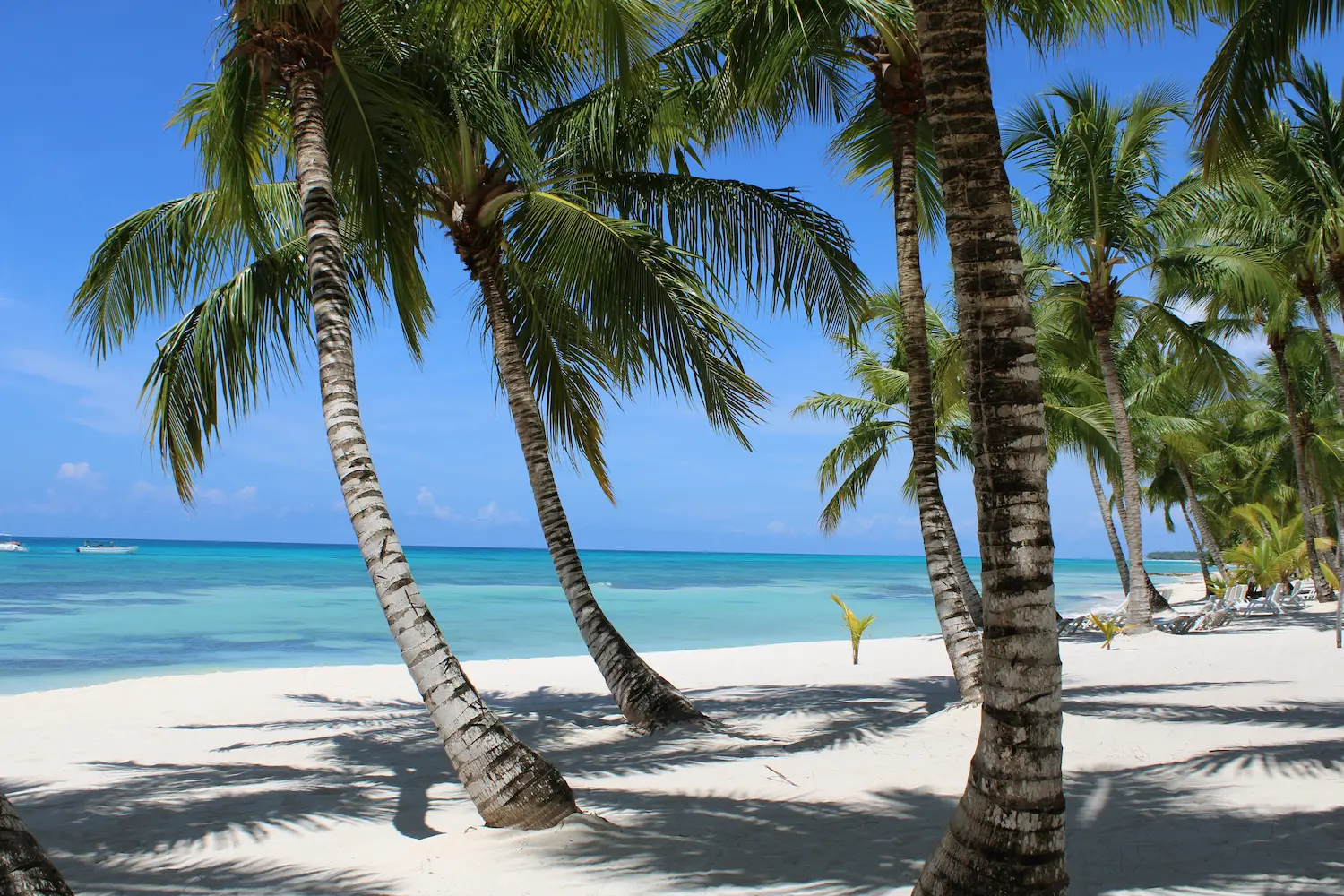
Juanillo Beach in Cap Cana is quieter and less commercial, with calm water and palm trees close to the shoreline. It sits inside the Cap Cana gated development, so access is most straightforward if you are staying in that area. Some Cap Cana resorts offer day passes that include beach access — worth looking into if you want a calmer day outside the Bavaro stretch.
Uvero Alto, north of Bavaro, is the least developed of the main beach areas. Several large resorts are located here, but the beach itself sees less foot traffic than Bavaro and has fewer vendors. A good option for travelers who want a less commercial atmosphere without going far.
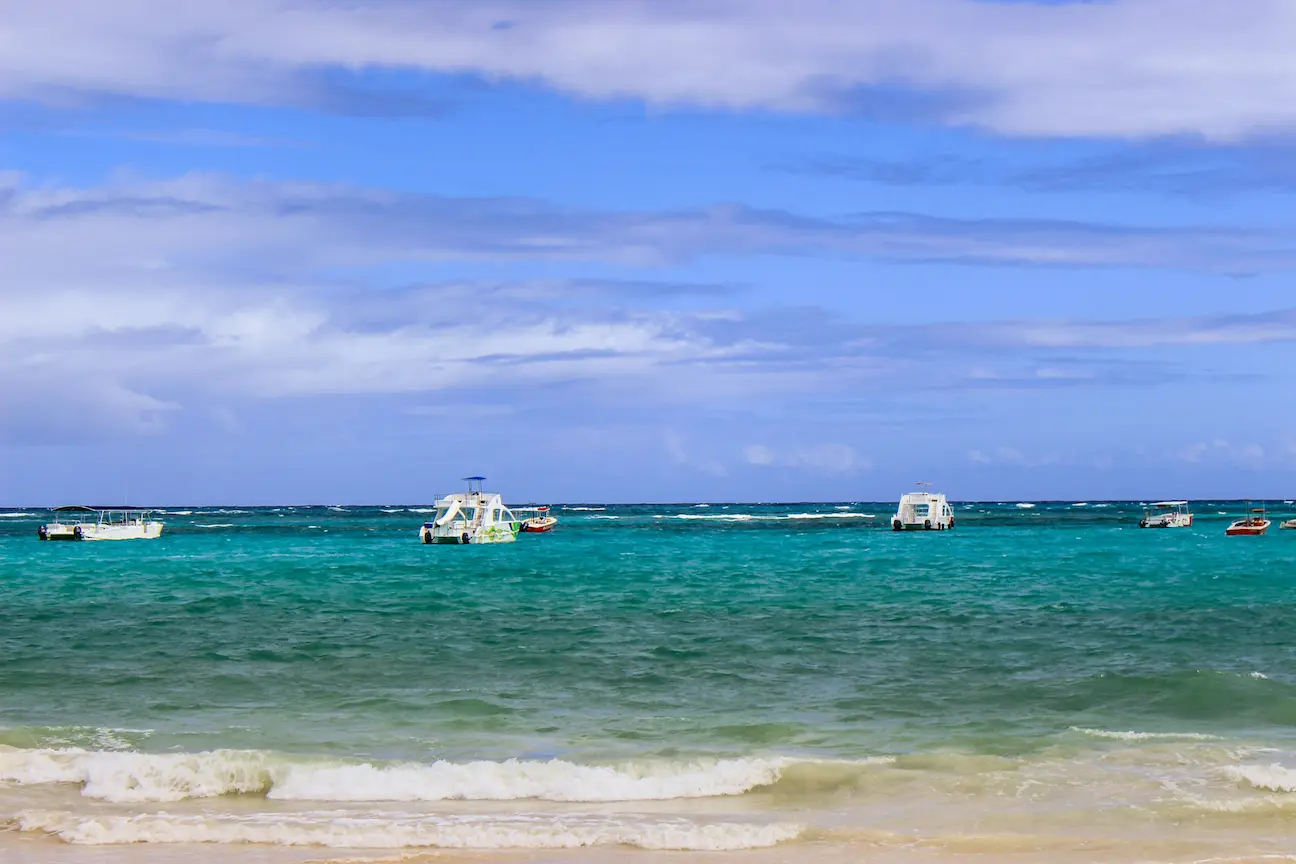
The Saona Island excursion is the most popular full-day trip from Punta Cana, and the main draw is the natural pool — a shallow sandbar in the middle of open water, turquoise in every direction, with starfish scattered across the seafloor. Most tours include a catamaran or speedboat ride, snorkeling, lunch on the island, and time on the beach. Book directly with a local agency rather than through the resort desk, where the same trip often costs significantly more for no additional benefit.
Hoyo Azul is a natural cenote inside the Scape Park complex in Cap Cana — a freshwater pool inside a limestone sinkhole, the water a deep blue-green against pale rock walls. Entry is sold as part of a Scape Park package with multiple combination options available. One of the most photogenic spots in the Punta Cana area, and worth the trip if you are already in the Cap Cana zone.
The Indigenous Eyes Ecological Park is less visited than Saona, which is part of its appeal. The reserve covers around 1,500 acres and contains a network of 12 freshwater lagoons connected by walking trails through tropical forest. Located within the Puntacana Resort and Club property, with some lagoons open for swimming. If you want a quieter nature experience without the excursion boat crowd, this is a solid option.
Altos de Chavón is worth mentioning even though it is about 1.5 hours west of Bavaro. It is a replica 16th-century Mediterranean village built in the 1970s above the Chavón River — architecturally interesting and unlike anything else in the region. The site includes an archaeological museum with pre-Columbian artifacts, an open-air 5,000-seat amphitheater, art galleries, and artisan workshops. It works well as a combined day trip with the Casa de Campo area nearby.
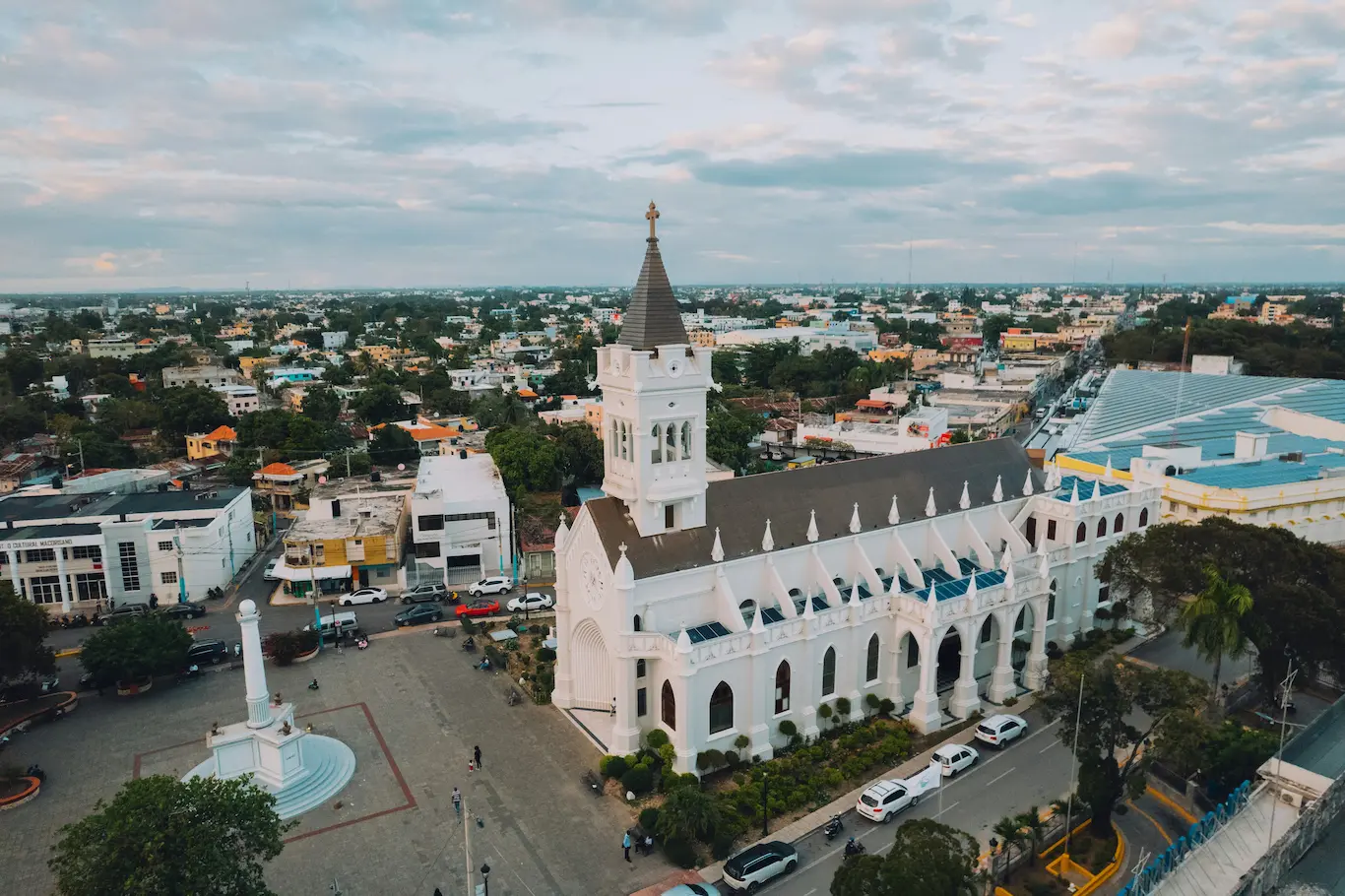
Veron is the actual town behind the Bavaro tourist strip, about ten to fifteen minutes by taxi. Local markets, pharmacies at non-resort prices, pica pollo spots, and lunch counters serving the daily menu. Most visitors never go. If you want a completely different perspective on where you actually are — and cheaper groceries, local snacks, or a real Dominican meal — Veron is the most accessible option from the resort zone.
Santo Domingo is a longer commitment. The capital sits roughly three to four hours from Bavaro by road, which makes a day trip possible but rushed. The Zona Colonial is a UNESCO World Heritage Site and one of the oldest continuously inhabited European settlements in the Americas, founded in 1498. The Cathedral of Santa María la Menor, completed in 1512, is the oldest cathedral in the Americas. The Alcázar de Colón, Calle Las Damas, and the surrounding colonial streets are worth the time if history is part of what you travel for. If you can build in an overnight stay in Santo Domingo, the trip feels far less rushed than trying to cover it in a single day from Bavaro.
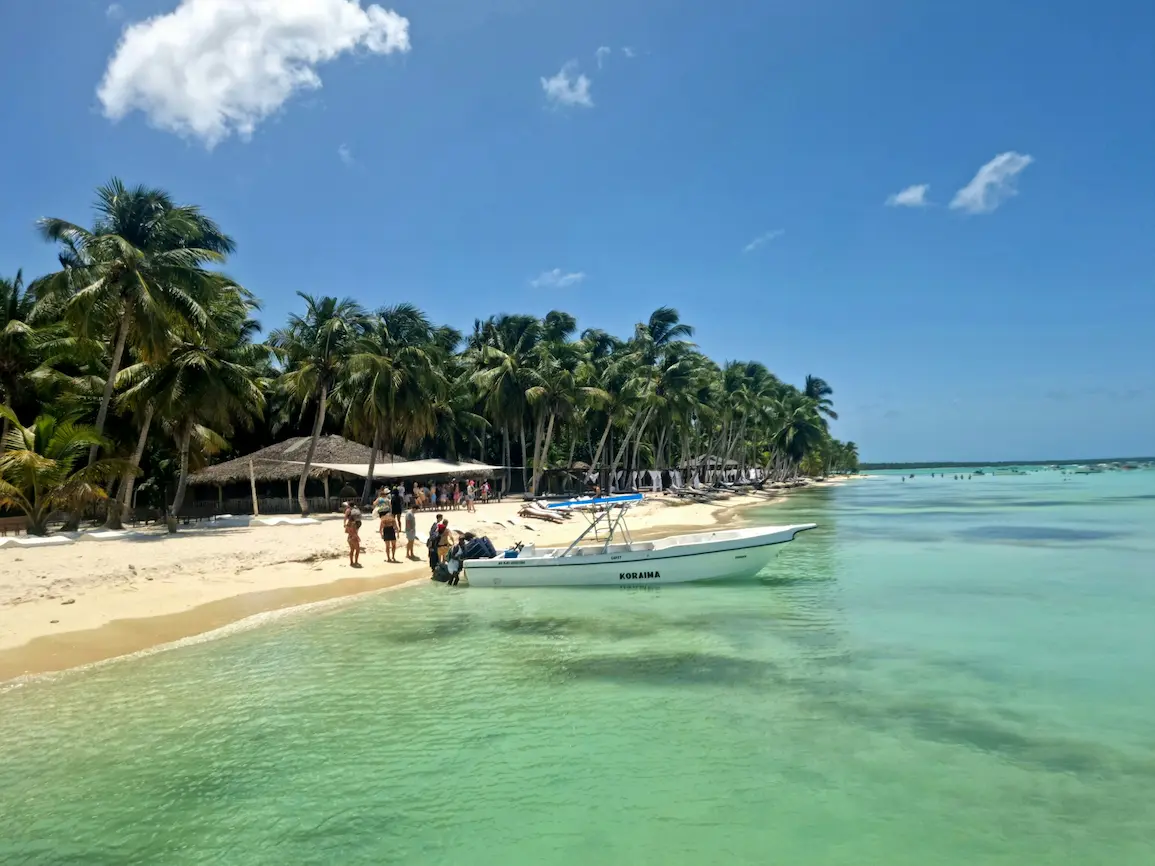
For water-based activities, the catamaran party cruise is the most social option — typically a half day with snorkeling, an open bar, music, and a beach stop. Hotel pickup is usually included. It is popular with groups and tends to be louder and more festive than a standard snorkeling tour, so worth knowing what you are signing up for.
Deep sea fishing charters depart from Cap Cana Marina and the Bavaro area. Charter boats accommodate up to four to six people, and the per-person cost becomes reasonable if you fill the boat. Common catches include mahi-mahi, wahoo, marlin, and tuna. Cap Cana Marina is one of the largest in the Caribbean and the main hub for fishing departures.
ATV and buggy tours are among the most popular land activities. Most routes pass through sugar cane fields and local villages before ending at a beach or cenote, with hotel pickup included from most operators. Half-day tours are the standard format.
Scape Park in Cap Cana and Bavaro Adventure Park both offer zip lines, aerial circuits, and climbing structures with various package combinations. Good for families or travelers who want something more active than a beach day.
Horseback riding along the beach or through inland trails is available from several operators, with most offering hotel pickup and guided one-hour rides.
If you are visiting between January and March, the whale watching excursion to Samaná is one of the more remarkable things you can do from the Dominican Republic. Humpback whales breed in Samaná Bay during those months, making it one of the best whale watching destinations in the Caribbean. The trip is a full day — roughly four to five hours each way from Bavaro by road — so plan accordingly. Not a casual half-day, but worth building into the trip if the timing lines up.
The best-value food in Punta Cana is in Veron, not on the resort strip. Pica pollo spots — fried chicken with tostones, rice and beans — serve a full meal for under $8. Local comedores, which are lunch counters serving a daily set menu of soup, protein, rice, beans, salad, and juice, run approximately $4–7 per person. These are not tourist-facing restaurants, and that is exactly why the food and prices are what they are.
Back in the Bavaro area, El Pulpo Cojo is a seafood restaurant popular with both locals and tourists, serving fresh fish, lobster, and conch at prices well below what resort restaurants charge for the same ingredients. Adrian Tropical is a good spot for Dominican classics — mangú (mashed plantains with sautéed onions), sancocho (a slow-cooked stew with multiple meats and root vegetables), and fresh fruit juices.
For a mid-range beachfront meal, Jellyfish Restaurant on Bavaro beach has a seafood and international menu and is one of the better-known independent restaurants in the area. Reserve ahead during peak season. Captain Cook, also in the Bavaro area, is known for fresh fish in a relaxed open-air setting.
A few things worth eating that are specific to the Dominican Republic: tostones are twice-fried green plantain slices, served as a side almost everywhere. The chimichurri here refers to a Dominican-style street burger — completely different from the Argentinian herb sauce of the same name — made with shredded cabbage slaw and a special sauce, found at street stalls and local spots. Mamajuana is a traditional Dominican drink made from rum infused with tree bark and herbs; try it at a local bar rather than a resort bar for the real version. Fresh coconut water from beach vendors costs around $1–2 and is worth grabbing over anything from a hotel minibar.
Book excursions directly with local operators. Resort desks typically charge significantly more for the same trips. Walk along the beach in the morning and you will find operators selling tours directly, often with flexible departure dates.
Pay in Dominican pesos where possible. USD is widely accepted in tourist areas, but exchange rates given at shops and restaurants are often unfavorable. Exchange currency at a bank or official exchange office rather than at the airport, where rates are consistently worse.
Drink bottled water only. Tap water is not safe for tourists. Do not use ice from unknown sources outside of established restaurants. This applies throughout your stay, including brushing teeth.
Bring reef-safe sunscreen from home. UV intensity is high year-round, and sunscreen bought locally costs significantly more than at home.
At restaurants, a 10% service charge is often added automatically to the bill — check before adding more. For excursion guides, $5–10 per person is a reasonable tip.
The Bavaro tourist zone is generally safe during the day. Avoid walking alone on the beach at night and keep valuables in your room safe.
Transport between zones is most practical by taxi. Negotiate the price before getting in or use a driver recommended by your hotel. US travelers need no electrical adapter — voltage is 110V, the same as in the United States.
Punta Cana works well as a resort trip, and there is no reason to apologize for that. But the resort strip is a narrow slice of what the eastern Dominican Republic actually is. Public beaches with no entry fee, a natural cenote, a national park island, local restaurants that cost a fraction of what you pay at the hotel — all of it is accessible from the same base.
Whether you spend most of your time in the resort and take one or two excursions, or you use Bavaro as a starting point and explore more widely, the range of options makes this a destination that works for beach-focused travelers, active travelers, budget-conscious travelers, and everyone in between.