The Resort Was Just the Starting Point We had booked an all-inclusive mostly out of convenience. Seven nights, everything covered, no decisions to make. By the second afternoon, though, we were standing at the edge of the resort grounds looking down a beach that stretched further than we could see — and wondering what was […]
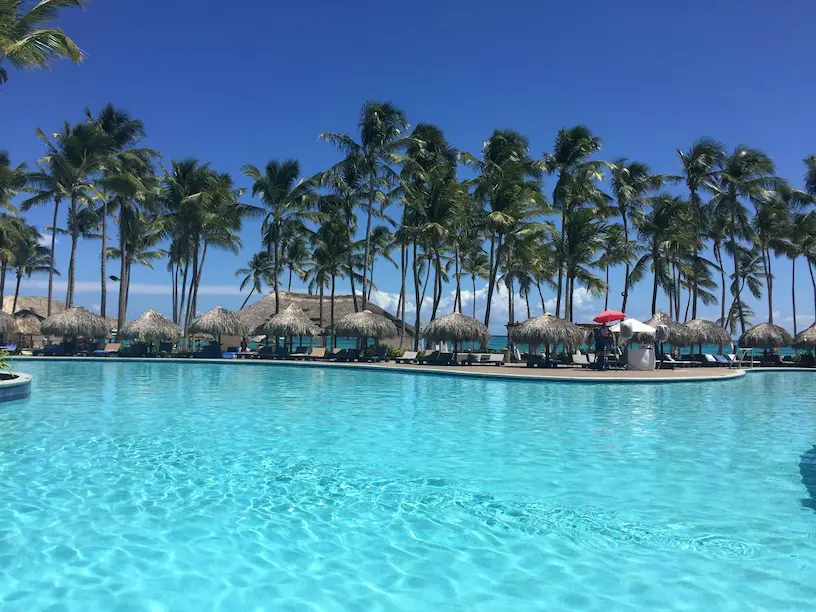
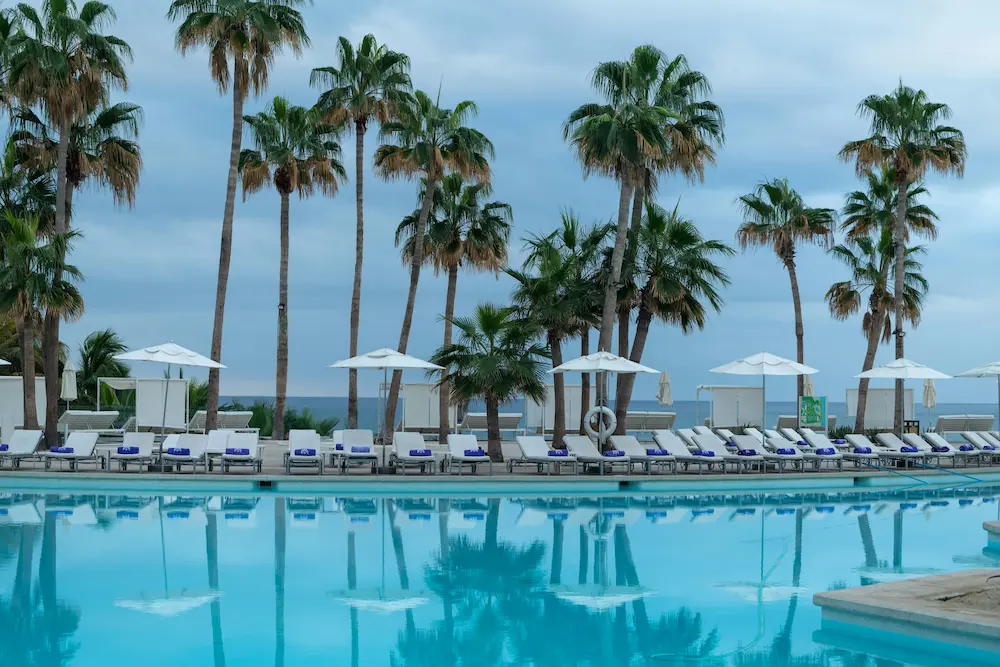
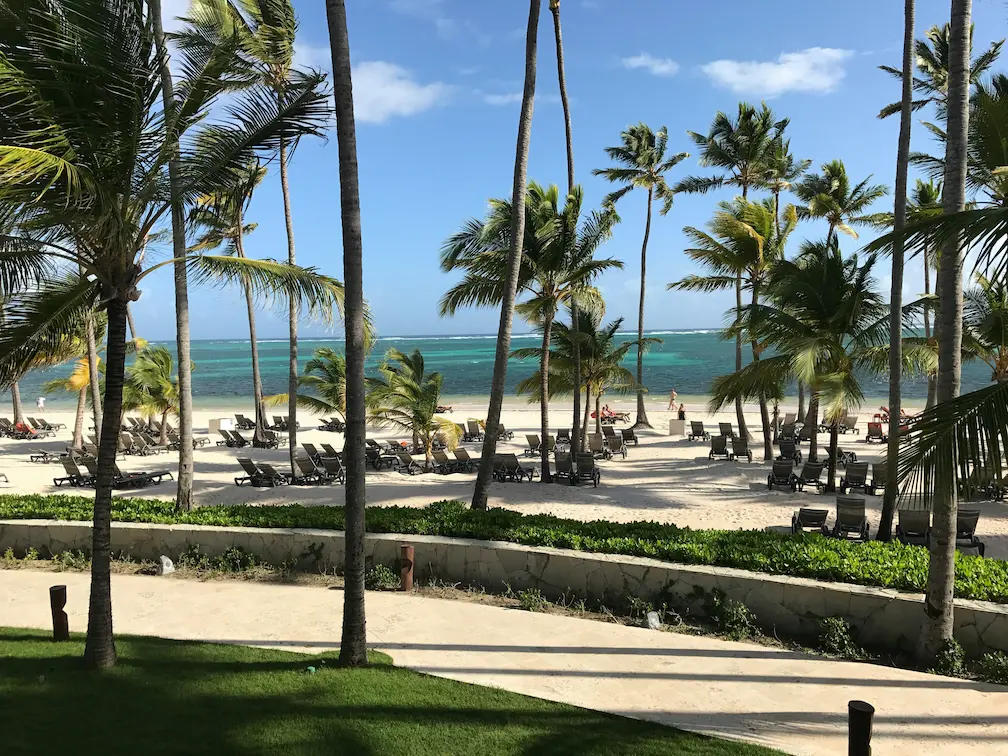
We had booked an all-inclusive mostly out of convenience. Seven nights, everything covered, no decisions to make. By the second afternoon, though, we were standing at the edge of the resort grounds looking down a beach that stretched further than we could see — and wondering what was on the other side of the fence.
That is Punta Cana in a nutshell. Most people come for the resort. A lot of them never leave it. But the eastern Dominican Republic has public beaches with real waves, a national park island with a natural pool in the middle of the sea, inland countryside, local food that costs a fraction of what you pay at the buffet, and a small city built by Italian designers perched above a river canyon. None of it requires a rental car. Most excursions include hotel pickup.
This five-day Punta Cana itinerary is built for travelers who want more than a sunbed — without spending more than they planned.
If you are still sorting out accommodation, Trip tends to have strong rates across the Bavaro strip, including some all-inclusive options that are worth comparing before you commit.
Punta Cana International Airport (PUJ) is well-connected — direct flights from most US East Coast cities run under four hours. Most resorts offer airport transfers; confirm yours in advance. If you are booking independently, expect to pay around $25–40 each way.
The currency is the Dominican peso (DOP), but US dollars are widely accepted in tourist areas. That said, paying in pesos almost always gets you a better effective rate — worth doing at local restaurants, markets, and independent vendors. Carry some pesos for anything outside the resort zone.
Drink bottled water only. Tap water is not safe for tourists, and this applies at smaller restaurants too, not just at the resort.
The dry season runs December through April — the most reliable weather and the most expensive rates. If you travel between May and November, prices drop noticeably, but August through October carries the highest hurricane risk. May, June, and early November are the sweet spot for lower prices with manageable weather.
One of the most useful things to know before you book any excursion: local operators charge roughly 20–40% less than the resort desk for the same tours. The resort desk is convenient; it is also consistently the most expensive option. We recommend booking directly with local agencies once you arrive, or researching local operators before you fly.
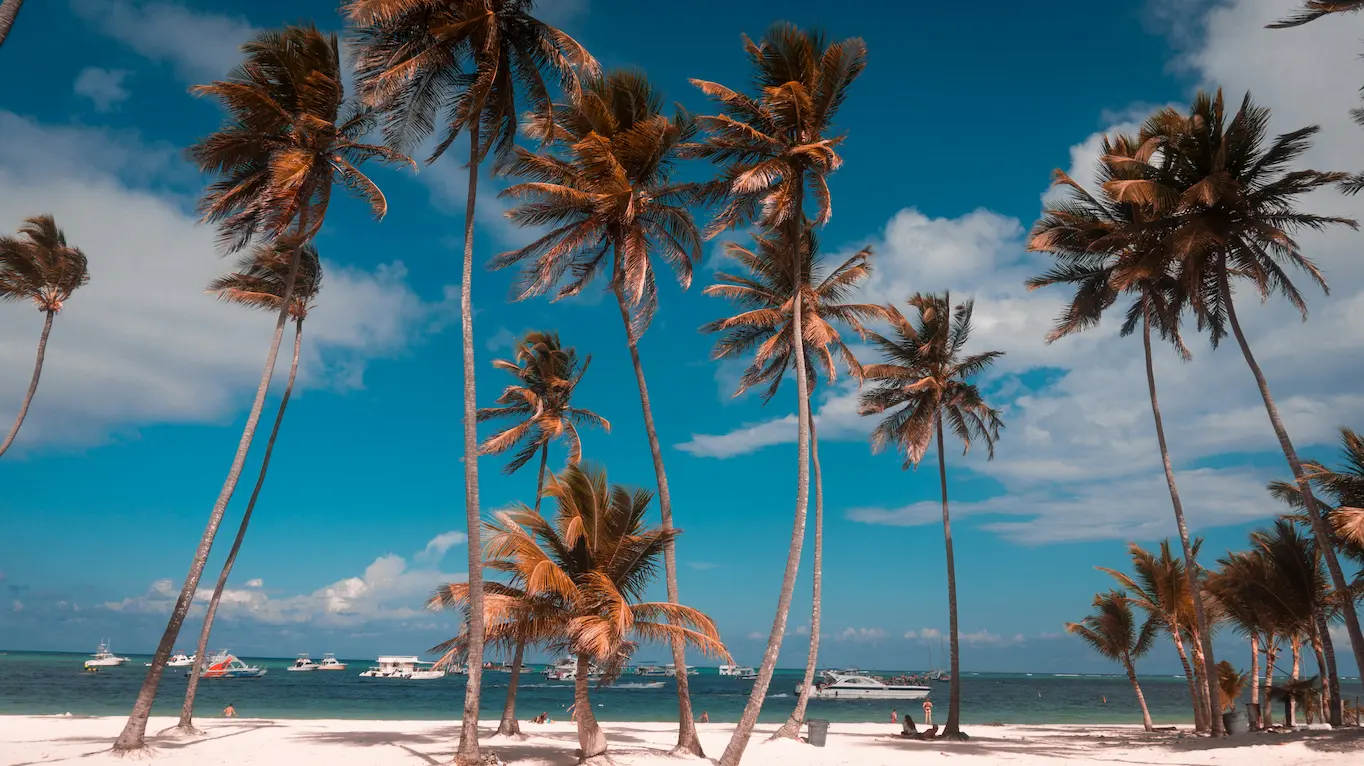
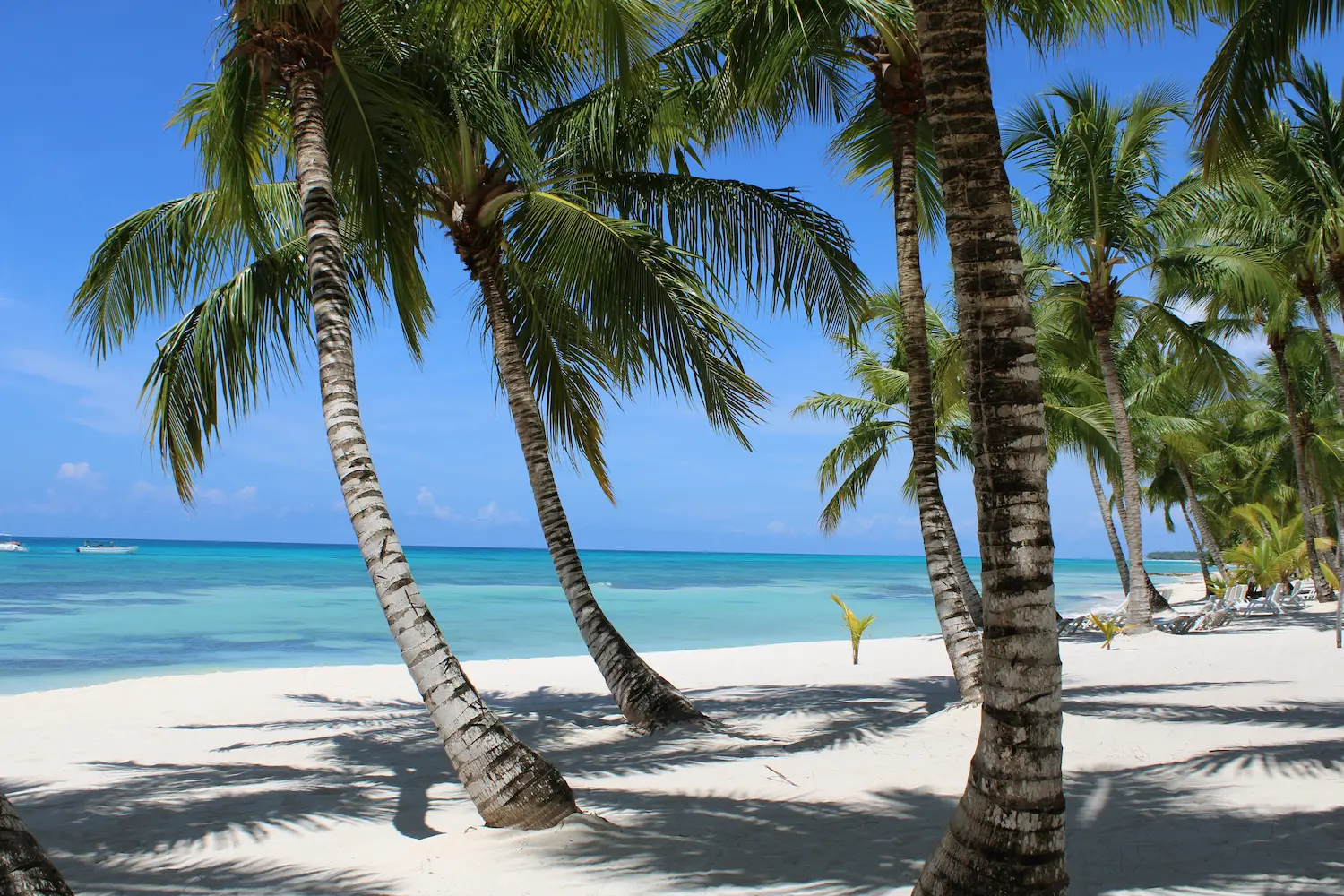
Keep day one simple. After landing and checking in, spend the afternoon on Bavaro Beach — which runs for miles and is technically public along its entire length. Walk beyond the stretch directly in front of your hotel. The character of the beach shifts as you move further from the resort infrastructure: fewer sunbeds, more local vendors, a quieter pace.
Before or after dinner, find the Zona Colonial de Bavaro — a small commercial area near the resort strip with pharmacies, convenience stores, and local restaurants. Knowing where it is saves you money for the rest of the trip. Snacks, sunscreen, bottled water — all significantly cheaper here than at any resort shop.
One mistake worth avoiding on day one: spending it entirely inside the resort. Even a 30-minute walk down the beach before sunset gives you a completely different sense of where you actually are.
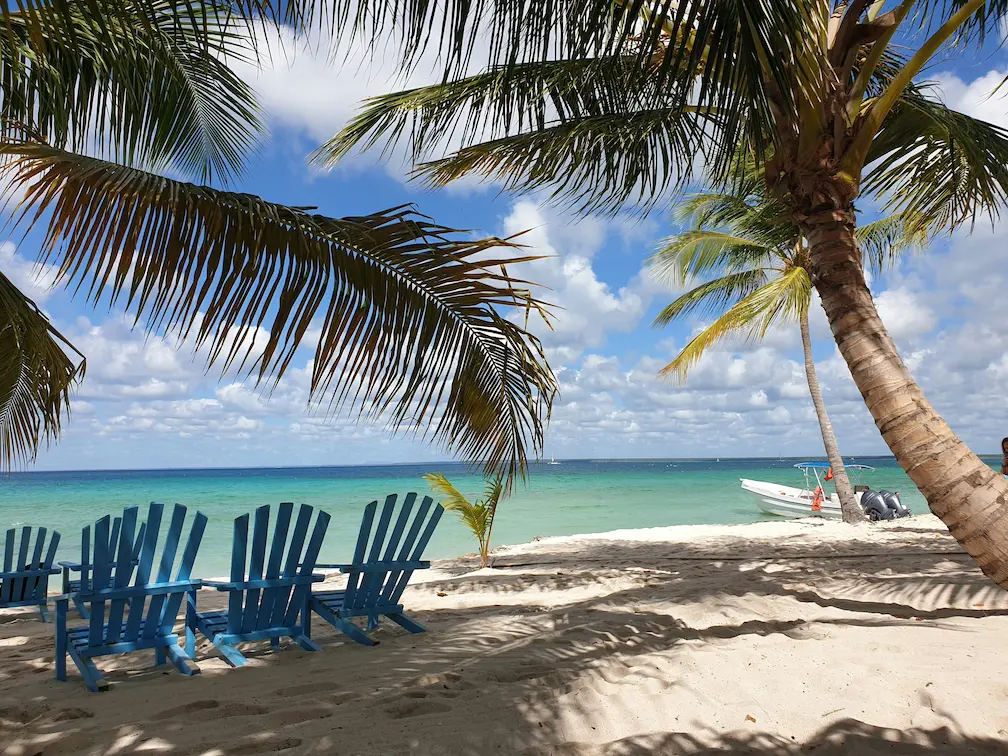
Saona Island sits inside the Cotubanamá National Park and is one of the most visited excursions from Punta Cana — for good reason. A full-day group tour runs approximately $60–90 per person depending on the operator and what is included, with premium small-group options reaching $150+. Most tours include a speedboat or catamaran ride from Bayahibe — about 1.5 hours from Bavaro, with transfer usually included — a snorkeling stop, lunch on the island, drinks, and return transport.
The highlight is the natural pool: a shallow sandbar in the middle of open water where the sea is waist-deep and stretches in every direction. The catamaran slows as it reaches the pool. The water here is warm and flat, turquoise all the way to the horizon. Someone reaches down and lifts a starfish off the sand. The guide asks them to put it back.
Book this one with a local operator rather than through your resort. The tour itself is the same; the price difference is real. One thing to check before booking: some budget versions of this tour skip the natural pool stop entirely. Confirm it is included before you pay.
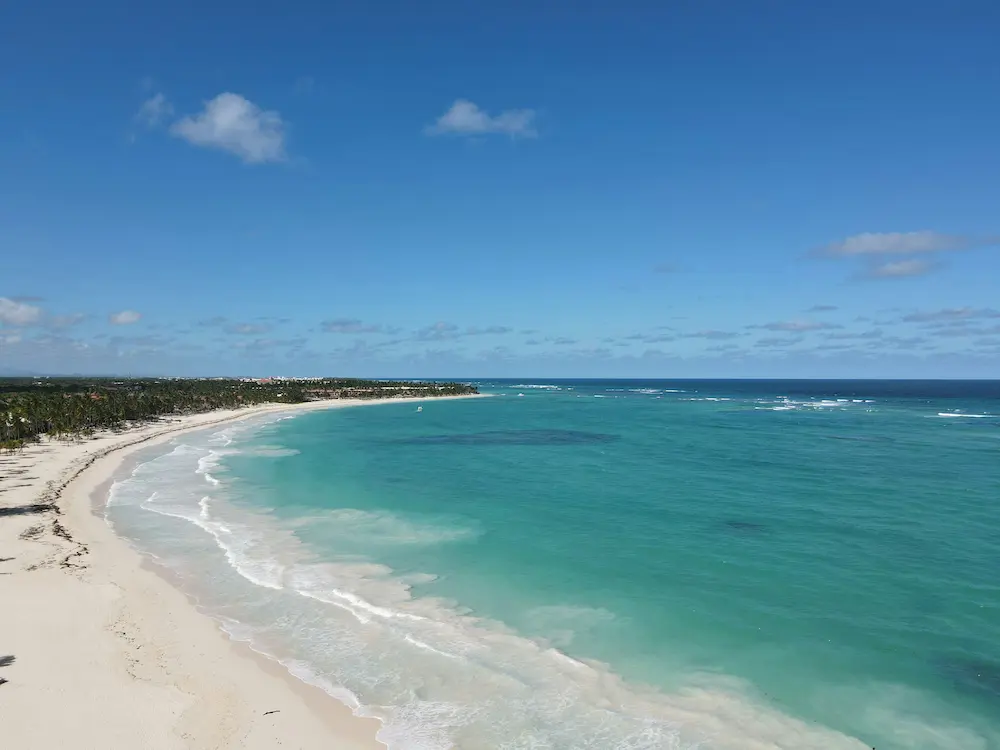
Macao Beach is the best public beach near Punta Cana — no resort infrastructure, no sunbed rows, natural surroundings, and stronger waves that actually break. It is about 20 minutes from Bavaro by taxi (approximately $25–40 each way depending on where you are staying). Surf lessons are available directly on the beach, with most operators including hotel pickup and equipment in the price — expect to pay around $45–65 per person for a group lesson.
If you want to see something completely different from the beach strip, pair a morning at Macao with an ATV or buggy tour in the afternoon. These run through sugar cane fields, past local villages, and usually finish at a beach or cenote. Half-day tours cost approximately $45–80 per person depending on the vehicle and operator, and include a guide, helmet, and brief cultural stops along the route — plantation visits where you can taste local cacao, coffee, and tobacco are a common feature. The interior landscape — flat farmland, small communities, a completely different pace — is a side of the Dominican Republic that most resort visitors never see.
Day four offers the most options depending on what you are after.
A catamaran cruise is the most social choice — snorkeling, open bar, music, and a natural pool stop, typically around $55–89 per person for a half-day shared tour. Most depart from Bavaro with hotel pickup included. It works well for groups or anyone who wants a relaxed, low-effort day on the water.
Dolphin encounter programs are available through several operators at around $100–180 per person depending on the package. These are structured interactions in a controlled lagoon, not open ocean. It is worth being honest about the debate around these experiences — animal welfare concerns are real and well-documented, and some travelers choose to skip captive dolphin programs for that reason. That is a personal call, and both sides of it are legitimate.
If you are visiting between January and March, the stronger choice is whale watching in Samaná Bay. Humpback whales breed there during those months, and the season is considered one of the best in the Caribbean. The drive from Bavaro is approximately 4–5 hours each way, making it a full-day commitment at around $120–160 per person including transport and boat. It is a long day, but travelers who do it consistently say it is the standout experience of their time in the Dominican Republic.
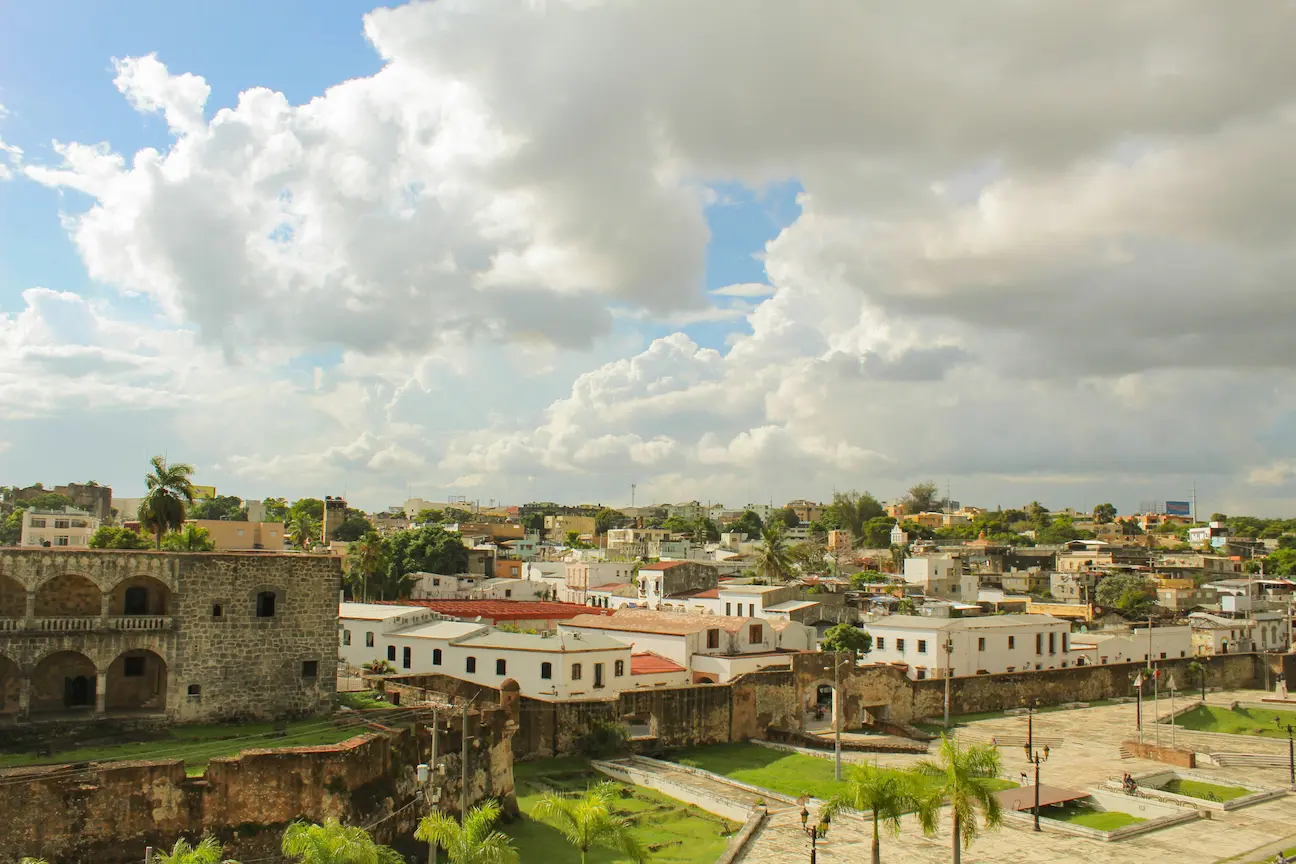
If your flight is in the afternoon or evening, use the morning to visit Altos de Chavón — about 1.5 hours from Bavaro. It is a replica 16th-century Mediterranean village built by Italian designers in the 1970s, set above the Chavón River canyon. The setting is genuinely unusual: cobblestone streets, a working artists’ colony, an archaeological museum, and a 5,000-seat amphitheater where Frank Sinatra performed at the inauguration in 1982. Entry for non-resort guests is approximately $50 per adult, which includes access to the Casa de Campo marina and beach facilities for the day. Going as part of an organized tour from Punta Cana is often cheaper and removes the logistics. It combines well with a stop near the Casa de Campo resort area on the way back.
Santo Domingo — the capital and one of the oldest colonial cities in the Americas — is technically reachable as a day trip at 3–4 hours each way, but realistically it deserves an overnight. If you have extra days and interest, build it into a separate leg rather than rushing it.
Before heading to the airport, eat lunch at a local comedor or pica pollo spot in Bavaro or the nearby town of Veron. A full meal — fried chicken, rice, beans, a drink — runs under $8 USD. It is a completely different experience from resort dining, and it is worth doing at least once during the trip.
Allow three hours before international departures at PUJ. Security lines move slowly during peak season.
El Pulpo Cojo in Bavaro is a seafood restaurant popular with both locals and tourists — fresh fish and lobster at prices that reflect local, not resort, economics. Adrian Tropical serves reliable Dominican food and is a good place to try sancocho, the traditional meat and root vegetable stew, or mangú, the mashed plantain dish that appears at nearly every breakfast table in the country. Comedores in Veron — the town that sits behind the resort strip — serve lunch for $5–8 USD.
At the mid-range level, Jellyfish Restaurant sits beachfront in Bavaro with a seafood-focused menu at approximately $30–50 per person. Captain Cook, also in the Bavaro beach area, is known for fresh fish and a relaxed atmosphere.
Local food worth trying at least once: tostones (fried green plantains, usually served as a side), and mamajuana — a herbal rum drink made by steeping bark, herbs, and honey in rum and red wine. Try it at a local bar rather than a resort bar, where the version is often watered down or overpriced.
Booking all your excursions through the resort desk costs more with no added benefit — local operators run the same tours at 20–40% less. Never leaving the resort is the bigger mistake: Macao Beach and a meal at a local comedor are a different trip entirely, and neither is far.
Paying in USD when you have pesos available quietly erodes your budget over five days — the exchange rates offered informally at tourist spots are rarely in your favor. Bring reef-safe sunscreen from home; it is available locally but at a significant markup. And do not underestimate travel times: Samaná is 4–5 hours each way. It is not a casual morning excursion.
Five days in Punta Cana covers a lot of ground if you use the resort as a base rather than a destination. The beach is real, the excursions are worth doing, and the food outside the resort zone is genuinely good and genuinely affordable. Whether you are here for the water, the countryside, the culture, or a combination of all three, the area gives you more options than most travelers realize when they book.
The all-inclusive is a comfortable place to sleep. Everything else is out there waiting.