Montana Has More Public Land Than Almost Anywhere Else — and Most People Only See a Fraction of It Most travelers hear “Montana” and think Glacier or Yellowstone. Both are worth your time — but Montana is the fourth largest state in the country, and roughly 30 million acres of it are publicly owned and […]
Montana Has More Public Land Than Almost Anywhere Else — and Most People Only See a Fraction of It
Most travelers hear “Montana” and think Glacier or Yellowstone. Both are worth your time — but Montana is the fourth largest state in the country, and roughly 30 million acres of it are publicly owned and accessible. That is more public land per capita than almost any other state in the lower 48. The result is that you can spend weeks here and barely cross paths with another person, even in summer. The challenge is not finding things to do — it is figuring out where to start, how far apart everything is, and what is actually worth the drive. This guide covers the best places to visit in Montana across both regions: national parks, cities, scenic drives, hiking, wildlife, food, and the practical details you need to plan a real trip.
One important note before anything else: Montana requires a car. Distances between regions are long, and there is no practical alternative to driving. If you are still sorting accommodation, Super tends to have solid rates across Montana’s gateway towns and cities — worth checking while you plan your base.
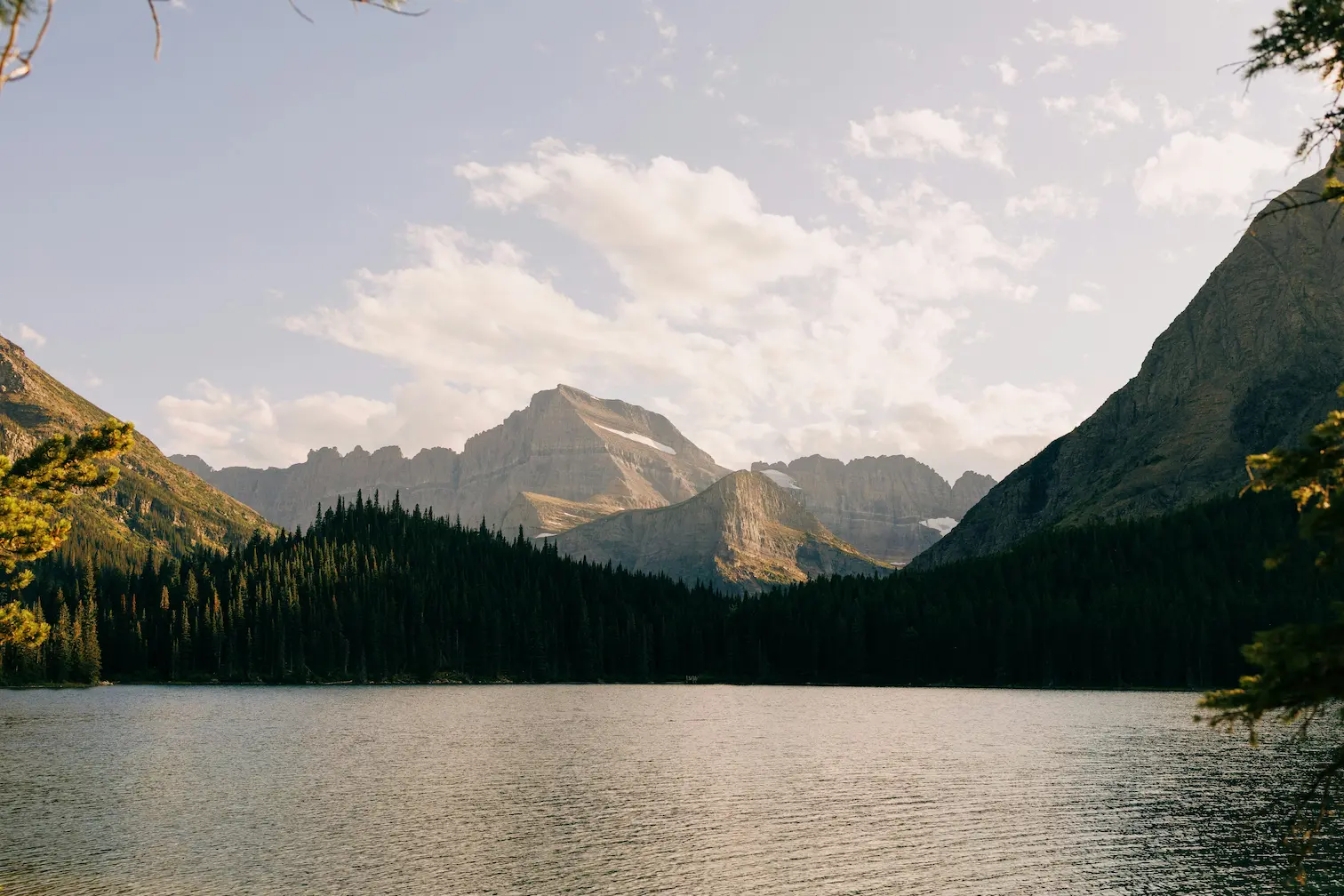
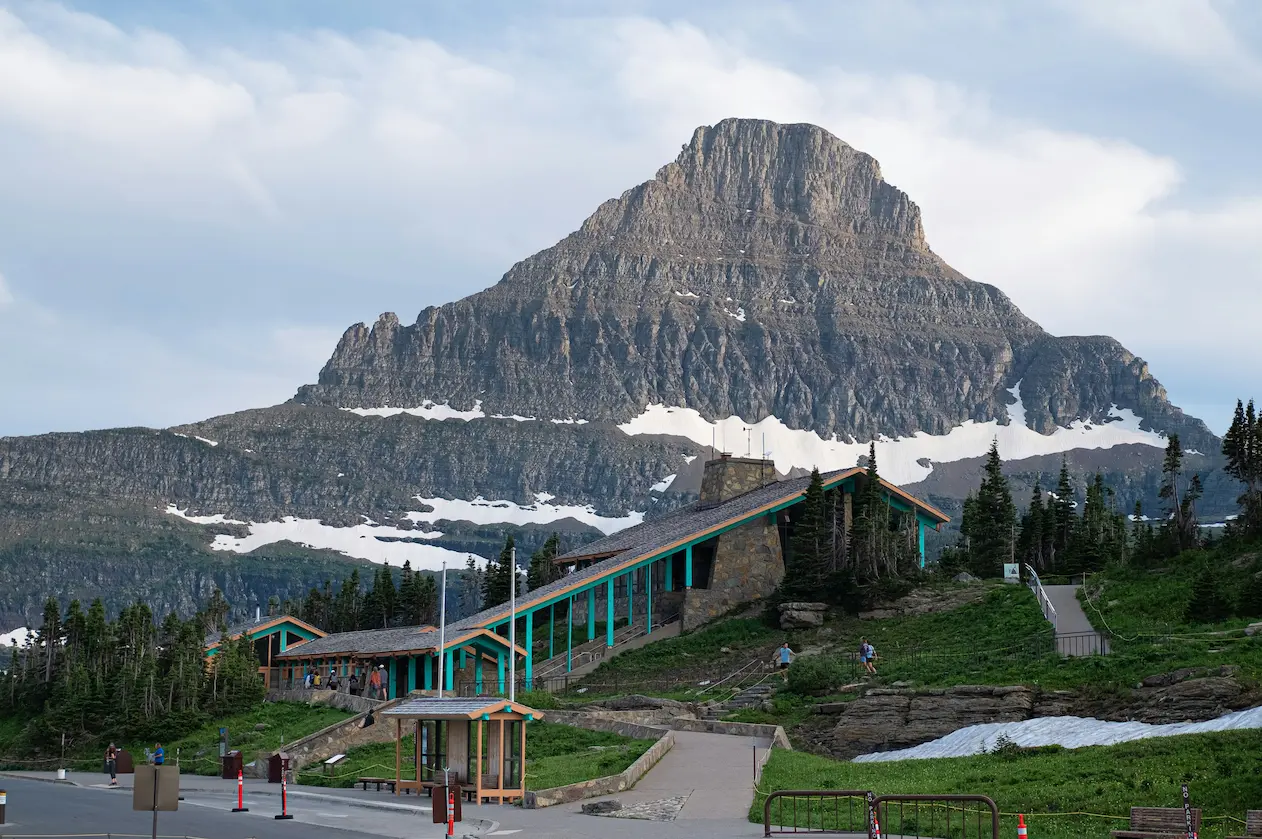
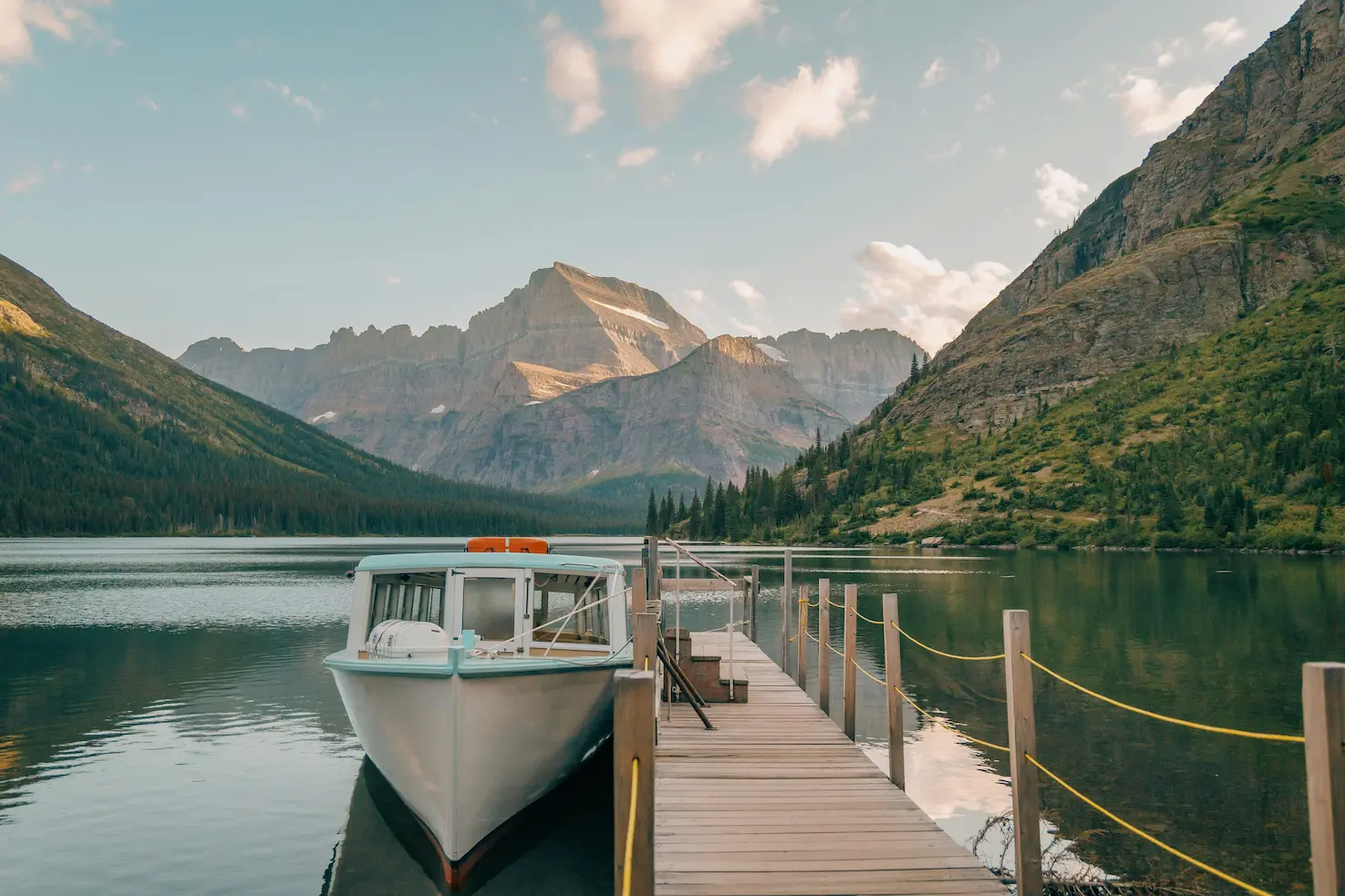
Glacier National Park is the centerpiece of western Montana, and it earns it. The park covers over a million acres of the northern Rockies — jagged peaks, glacial lakes, alpine meadows, and more than 700 miles of hiking trails. The signature experience is Going-to-the-Sun Road, a 50-mile scenic drive that crosses the Continental Divide at Logan Pass (6,646 feet). The views along the road are genuinely unlike anything else in the country, but getting there takes some planning. Vehicles are restricted to 21 feet in length and 8 feet wide, and a vehicle permit is required for the Going-to-the-Sun Road corridor from late May through early September. These permits must be reserved well in advance through the national park reservation system and sell out weeks ahead during peak season. If you miss the permit window, the park’s free shuttle is a real alternative and covers the main corridor. Park entry is approximately $35 per vehicle for a 7-day pass. The America the Beautiful Annual Pass ($80) covers Glacier and all other federal sites and is worth buying if you are hitting multiple parks on this trip.
Within Glacier, the areas worth knowing are: Lake McDonald on the west side for easy access and old-growth forest walks; Logan Pass on the Continental Divide for mountain goats and the start of the Highline Trail; Many Glacier Valley on the east side for the best hiking and wildlife; and Two Medicine in the southeast corner, which sees a fraction of the crowds and is one of the most overlooked parts of the park.
Wildlife in Glacier includes grizzly bears, black bears, mountain goats, bighorn sheep, moose, wolves, and wolverines. Bear spray is not optional on any backcountry trail — more on this in the practical tips section.
For the Yellowstone north entrance, Gardiner, Montana sits right on the border and is the only year-round road entry into the park. Yellowstone itself is primarily in Wyoming, but traveling from the Montana side gives you direct access to Mammoth Hot Springs and Lamar Valley — the latter being one of the best places in North America to watch wildlife from a road. Bison herds in the thousands, wolf packs, bears, and pronghorn are regularly visible at dawn and dusk. Bring binoculars; wildlife is often at distance, and a spotting scope is worth renting from outfitters in Gardiner. Entry to Yellowstone is approximately $35 per vehicle for a 7-day pass. Plan at least three days minimum to do the north side properly — it is a full destination, not a side trip from Glacier.
The Bob Marshall Wilderness Complex is a different category of Montana entirely. Over 1.5 million acres with no roads and no motorized vehicles allowed. One of the largest roadless areas in the lower 48. Access is on foot or horseback only — outfitter-guided pack trips run out of gateway towns like Choteau and Augusta. This is not for casual visitors, but for experienced backcountry hikers or anyone willing to invest in a guided horseback trip, it is one of the most remote and genuinely wild experiences left in the continental United States.
Whitefish is the closest town to Glacier’s west entrance, about 25 minutes north of Kalispell. Its downtown along Central Avenue is compact and walkable — independent restaurants, bars, outdoor gear shops, and coffee. Whitefish Lake has a public beach with free swimming. In winter, Whitefish Mountain Resort opens with over 3,000 acres of skiable terrain and lift tickets running approximately $80–130 per day. In summer the mountain shifts to biking and hiking. It is the most practical base for exploring Glacier from the west side without paying resort prices.
Bozeman sits in the Gallatin Valley in southern Montana and has become the fastest-growing city in the state. The Museum of the Rockies is genuinely one of the best dinosaur collections in the world — T. rex specimens and an ongoing excavation program, entry approximately $15 per adult. The independent restaurant scene is the strongest in Montana, concentrated around the North 7th Avenue corridor. Bozeman also works well as a base for Big Sky Resort (about 70 miles south) and Gardiner and the Yellowstone north entrance (about 1.5 hours south). If you want to ski near Bozeman without Big Sky prices, Bridger Bowl is a local ski area about 30 minutes from town and noticeably more affordable.
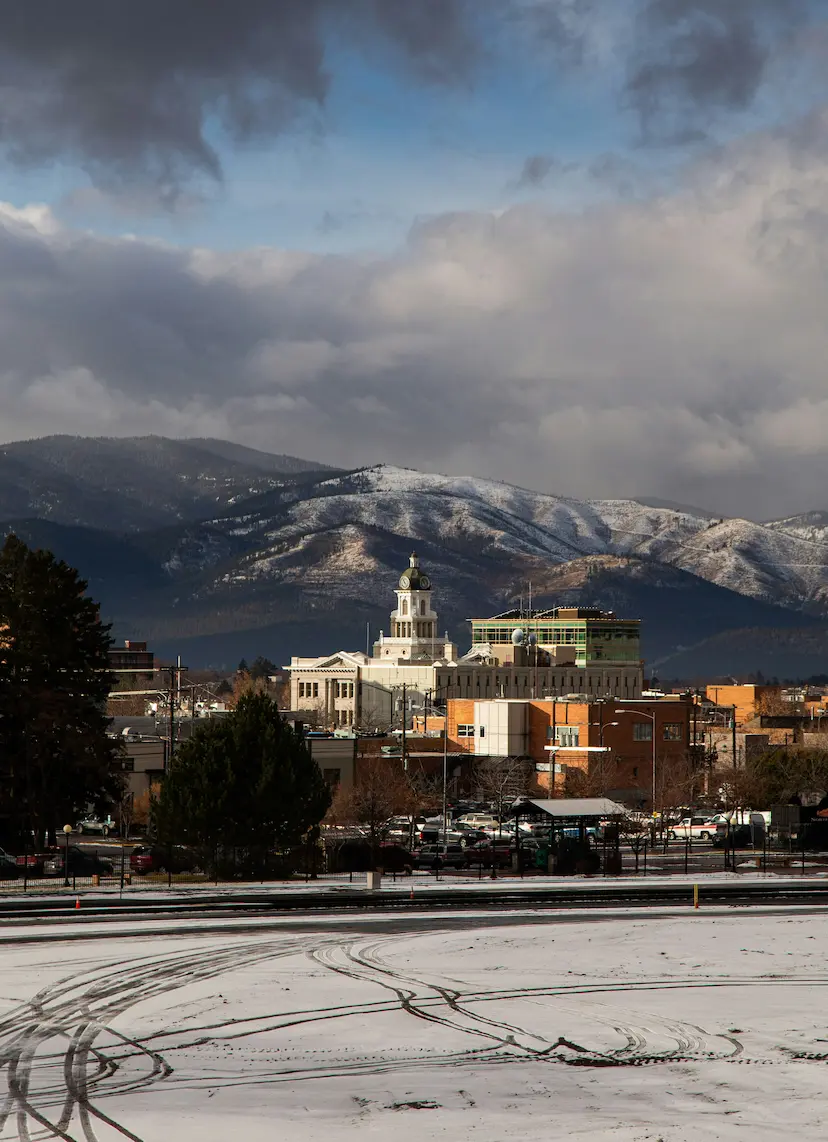
Missoula is the western Montana hub and a university town on the Clark Fork River. What stands out here from a practical standpoint is the Rattlesnake National Recreation Area — trailhead sits two miles from downtown, and the area contains hundreds of miles of trails with almost no day-use fee. The Clark Fork River Trail runs through the middle of the city and is free. Missoula also has a strong craft brewery scene and works well as a road trip base for the Bitterroot Valley to the south or the drive north toward Glacier.
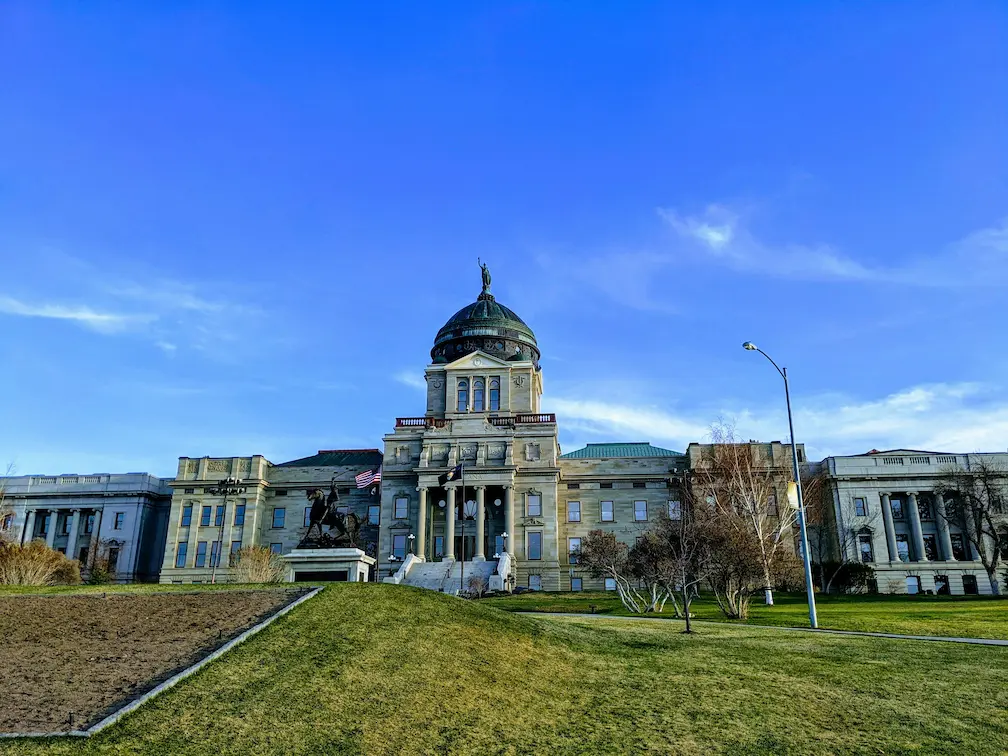
Helena, the state capital, is quieter than most travelers expect and easy to underestimate. The Montana State Capitol is free and open for self-guided tours on weekdays, with murals depicting the state’s history throughout the building. Helena’s downtown pedestrian mall, Last Chance Gulch, runs through what was one of the most productive gold rush sites in the American West — Helena had more millionaires per capita than any US city in the 1880s, which explains the scale of its historic architecture. Mount Helena City Park has free trails from downtown to the 5,468-foot summit, roughly 2–3 miles round trip with views across the valley.
Billings is the largest city in Montana and serves mainly as an eastern gateway. The Rimrocks — sandstone cliffs above the city — are accessible by car or trail and give good views over the Yellowstone River valley. Little Bighorn Battlefield National Monument is about an hour southeast, site of the 1876 battle and one of the most historically significant sites in the state. Entry is approximately $20 per vehicle or free with the America the Beautiful Pass.
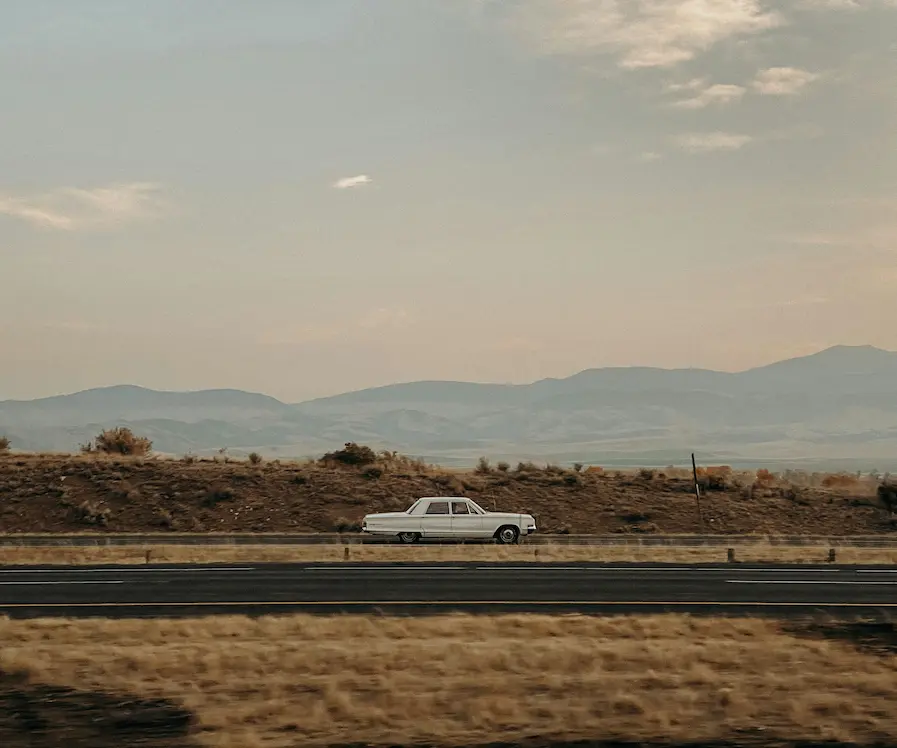
The Beartooth Highway runs from Red Lodge, Montana to Yellowstone’s northeast entrance and reaches 10,947 feet at Beartooth Pass. It is one of the most dramatic drives in the country — switchbacks, tundra, wildflower meadows in July, and 360-degree mountain views. There is no entry fee for the highway itself. The road is only open from around Memorial Day through mid-October depending on snow conditions, so check current status before planning around it.
Flathead Lake in western Montana is the largest natural freshwater lake west of the Mississippi — 28 miles long, with Highway 93 running along the west shore and multiple free public access points. Wild Horse Island State Park sits in the middle of the lake and is accessible only by kayak or private boat. Bighorn sheep, mule deer, wild horses, and bald eagles are all present on the island. Kayak rentals in the town of Dayton run approximately $40–60 for a half day. If you visit between July and August, pull over at one of the roadside cherry stands along the valley — Flathead cherries are a regional product worth picking up, typically around $3–5 per pound. One important note: a tribal recreation permit is legally required for fishing and some water activities on the tribal portion of the lake. These are available at local stores and not expensive, but skipping it is not a gray area.
Bighorn Canyon National Recreation Area in eastern Montana carves through dramatic canyon country near the Wyoming border. Wild horse herds are visible in the nearby Pryor Mountain area. Entry is approximately $5 per vehicle or free with the America the Beautiful Pass.
For hiking in Glacier, the Highline Trail is the one most people reference — 11.6 miles one way from Logan Pass to Granite Park Chalet, following a narrow ledge along the Garden Wall with real exposure and drop-offs. A free park shuttle runs back from the Loop trailhead, which lets you do it one way without backtracking. This trail is not recommended for anyone uncomfortable with heights. Avalanche Lake is the more accessible option from Going-to-the-Sun Road — 4.4 miles round trip through old-growth cedar and hemlock forest to a cirque lake with waterfalls, moderate difficulty. For the most rewarding full-day hike in the park, the Grinnell Glacier Trail in Many Glacier is 10.6 miles round trip and strenuous. It leads to one of Glacier’s remaining glaciers, with the ice retreat from historical extents clearly visible and documented along the trail. Start before 7am — the Many Glacier parking area fills early on summer days.
In Missoula, the M Trail up Mount Sentinel above the university campus is short (about 1.5 miles round trip), steep, free, and gives you a full view across the Missoula valley. It is an easy half-hour activity if you are passing through.
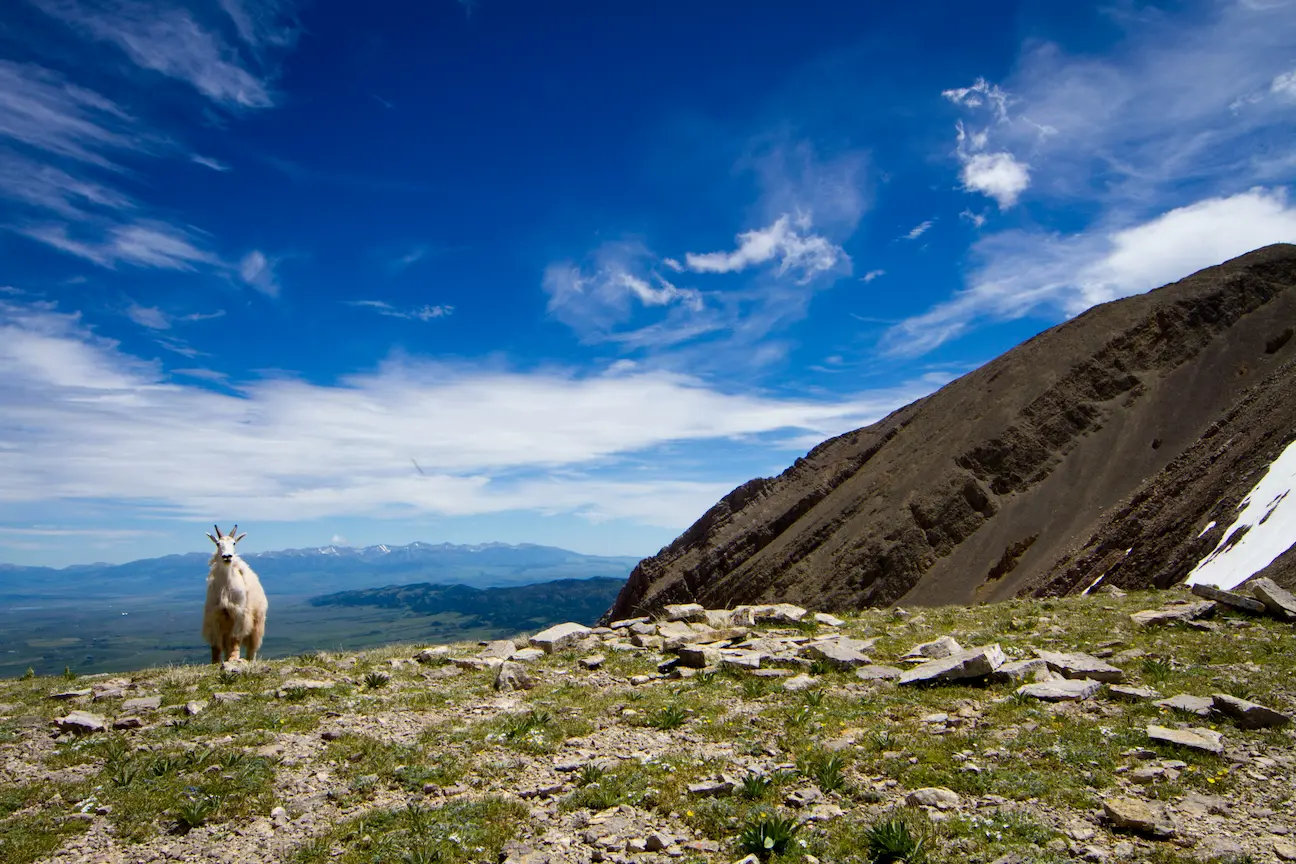
A ranger at Logan Pass points east. On the slope above the visitor center, a mountain goat stands completely still, looking down at the parking lot like it has seen this before. It has. Thousands of times.
For wildlife, Lamar Valley in Yellowstone is the best place in the lower 48 to see wolves in the wild. Packs are regularly spotted from the road at dawn and dusk, alongside bison herds that can number in the thousands. Many Glacier Valley in Glacier offers moose in Swiftcurrent Lake in the morning, grizzly bears on the slopes above the hotel and campground, and mountain goats at Logan Pass year-round. Bear activity increases significantly in August and September during berry season.
For winter, Big Sky Resort is one of the largest ski areas in the US with 5,800 acres of skiable terrain about 70 miles south of Bozeman. Lift tickets run approximately $150–220 per day depending on the season. It is significantly less crowded than comparable Colorado resorts, which is one of the main reasons people make the trip. Whitefish Mountain Resort is the more affordable option in the northwest — approximately $80–130 per day for lift tickets, with nordic skiing and snowshoeing also available nearby.
In Whitefish, Tupelo Grille is the most consistently well-regarded restaurant in western Montana — local ingredients, a Southern-influenced menu, and approximately $30–50 per person. Reserve ahead in summer. Loula’s Café is the local breakfast and lunch spot, under $15 per person, known for huckleberry pancakes when the berries are in season. In Kalispell, Moose’s Saloon has been a local institution since 1957 — pizza and beer, sawdust on the floor, no reservations, and expect a wait on summer weekends. Budget around $15–25 per person.
In Bozeman, MAP Brewing Company is one of the better breweries in a city that has no shortage of them, with food and a local crowd, approximately $15–25 per person. The Garage serves local beef burgers and draws university students and longtime locals equally, approximately $15–20 per person. In Missoula, The Silk Road has a Middle Eastern-influenced menu and a reputation for quality relative to its price — around $15–25 per person. Imagine Nation Brewing has good outdoor seating in summer and solid food alongside the beer, approximately $15–20 per person.
Across the state, three things are worth seeking out specifically. Huckleberries are Montana’s signature wild berry — more tart and intense than blueberries, not the same thing at all. From July through September, huckleberry jam, pie, ice cream, and syrup appear on menus and at roadside stands throughout western Montana. Fresh berries by the pint run approximately $8–15 depending on season. Bison is on menus statewide — leaner than beef, genuinely local, available as burgers, steaks, and in stews. Montana trout — rainbow and cutthroat — is on menus near the major river systems, and the Yellowstone, Madison, and Gallatin rivers are famous fly fishing destinations if that is part of your trip.
A car is non-negotiable. Book your rental well in advance for summer travel — inventory at smaller airports like Kalispell is limited and prices climb as availability drops. Budget approximately $60–100 per day. Fill the tank before heading into remote areas — gas stations are sparse outside of towns.
The Glacier vehicle permit for Going-to-the-Sun Road is one of the most important logistics to sort before your trip. Permits for the summer season go quickly — often weeks in advance. Reserve through the national park reservation system as early as possible. If permits are sold out by the time you book, the free park shuttle covers the corridor and is a legitimate alternative.
Bear spray is essential on any backcountry trail in western Montana, and strongly recommended on all Glacier trails. You can rent it in gateway towns for approximately $10–15 per day or buy a canister outright. Carry it accessible, not in your pack. This is bear country — both black bears and grizzlies are present, and encounters happen.
Pack layers regardless of the season. Summer afternoons bring thunderstorms in the mountains, and Logan Pass can have snow and freezing temperatures in July even when it is warm at lower elevations. The weather changes faster than it looks like it should.
For timing, June and September offer the best balance of access and value. June gives you full park access before peak crowds arrive. September brings fall colors beginning, lower accommodation rates after Labor Day, and wildlife that is notably more active heading into autumn. July and August mean the most reliable road and trail access but also peak prices and the heaviest crowds at Glacier.
The America the Beautiful Annual Pass at $80 covers Glacier, Yellowstone, Little Bighorn Battlefield, and all other federal sites — it pays for itself fast if you are visiting more than one park on this trip.
Standard US tipping applies at restaurants: 18–20% is the norm.
Montana is not a compact destination you can cover in a long weekend. The distances are real, the logistics require some planning, and that is exactly why most people only scratch the surface. But that also means that most of Montana — the wilderness areas, the quieter valleys, the towns between the obvious stops — sees a fraction of the visitors it deserves. Whether you are here for the hiking in Glacier, the wildlife at Lamar Valley, a ski week at Big Sky, or a slow road trip between Missoula and Billings with no fixed plan, the state has the range to deliver on it. All you need is enough time and a full tank of gas.