Most Travelers Overbuy Montana — And Miss What the State Does Best for Free The most common mistake travelers make with Montana is assuming the price tag on Big Sky lift tickets and Glacier lodge rooms represents the full cost of the state. It does not. Montana has more public land per capita than almost […]
The most common mistake travelers make with Montana is assuming the price tag on Big Sky lift tickets and Glacier lodge rooms represents the full cost of the state. It does not. Montana has more public land per capita than almost any other US state, and the majority of it — national forest, wilderness areas, state parks, river corridors, and free scenic highways — costs nothing to access. The expensive version of Montana is real: peak season resort prices, $35 vehicle entry fees every few days, and lodge rates that rival coastal cities. But there is a completely different version of the same state available to anyone willing to plan slightly differently. This guide covers the best things to do in Montana on a budget, what the affordable version of the trip actually looks like in practice, and the specific mistakes that drain travel budgets faster than they should.
If you are still searching for accommodation, Super tends to have competitive rates across Montana’s gateway towns — worth checking before you commit to anything.
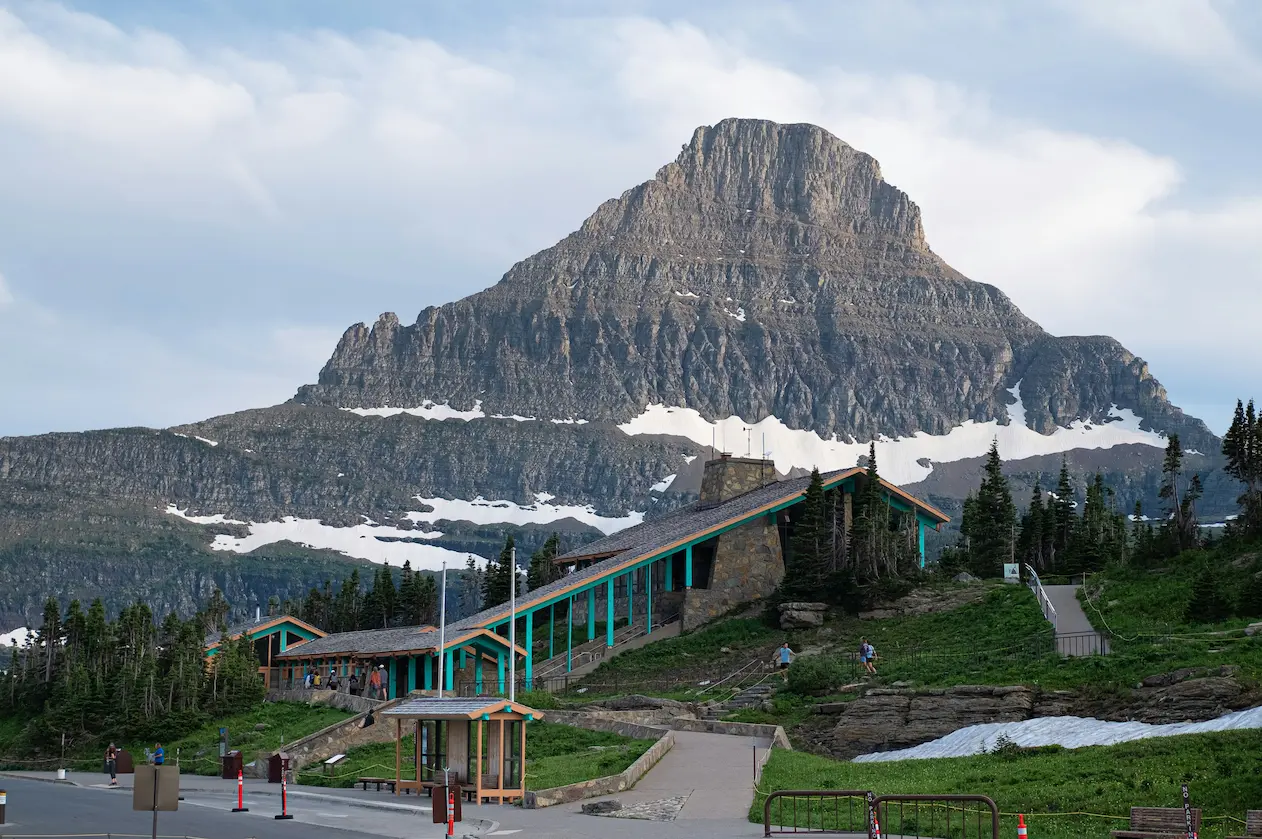
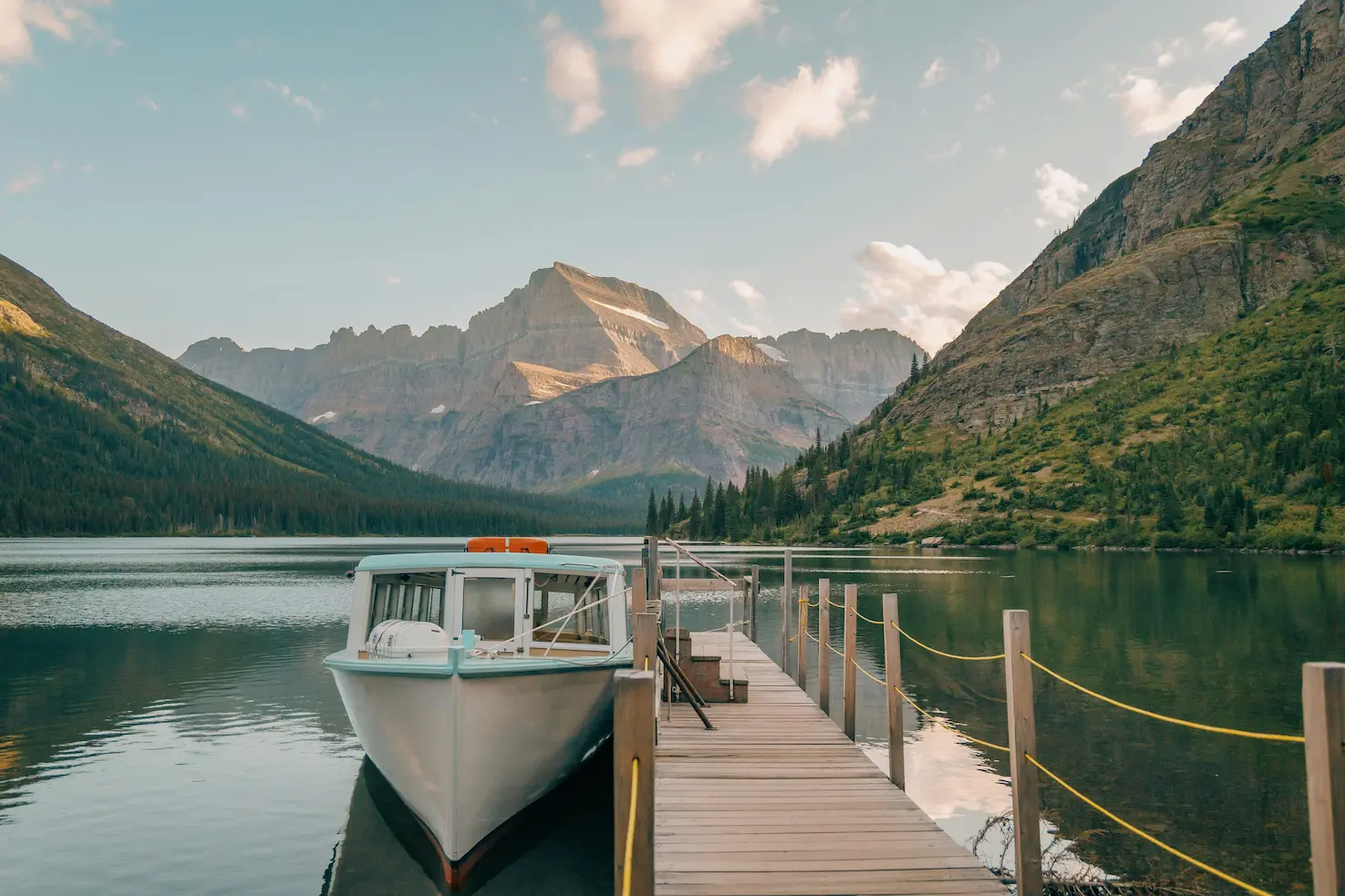
Glacier National Park’s free shuttle system along Going-to-the-Sun Road is one of the most underused tools in budget Montana travel. The park service runs shuttles from July through early September, connecting all major trailheads and visitor areas with no cost beyond the park entry fee and a small processing fee per ticket. If you want to avoid driving the road altogether — which in peak season means competing for extremely limited trailhead parking that fills before 7am — the shuttle is a fully legitimate alternative that often makes for a smoother day than arriving by car.
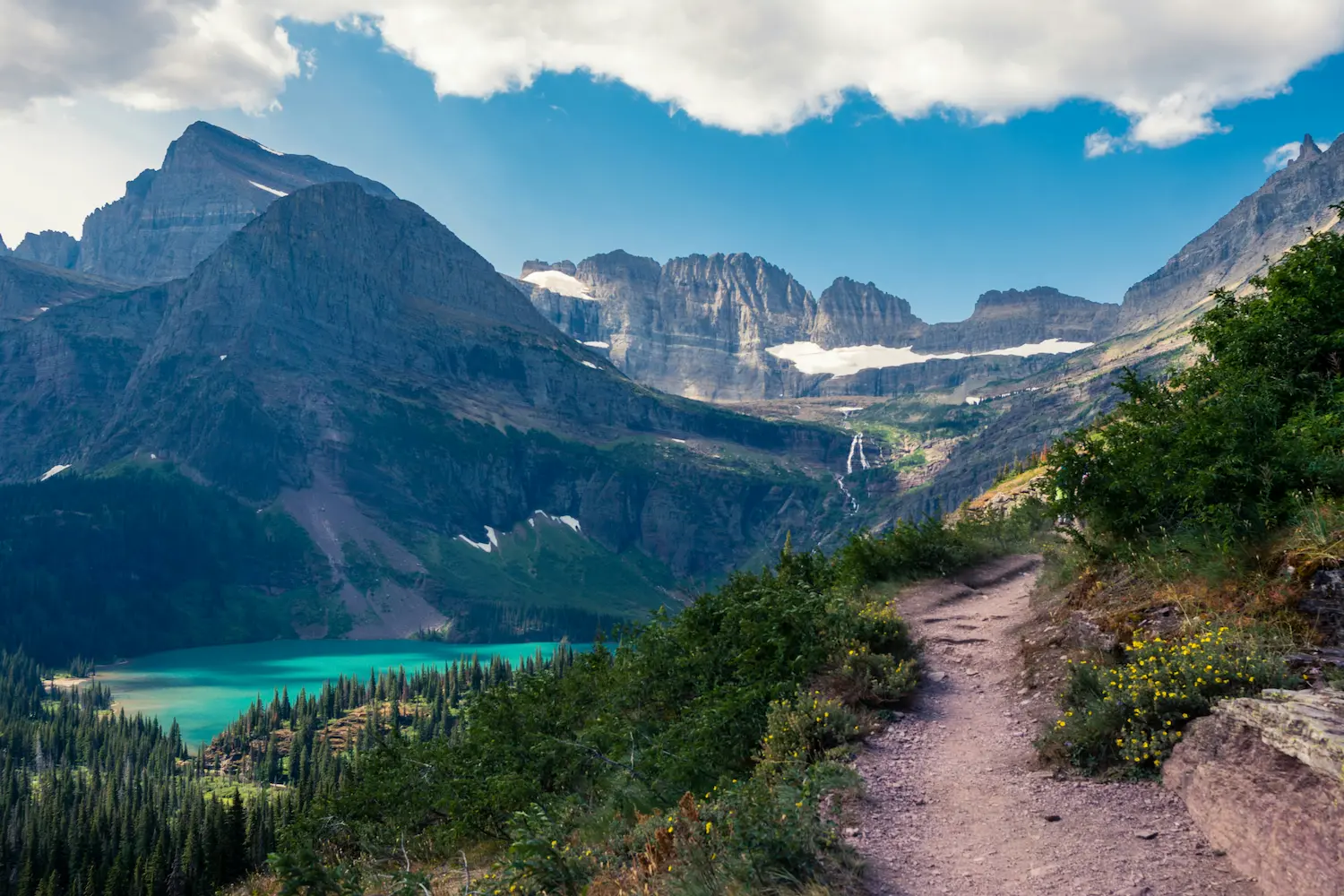
The hiking inside Glacier is what most people come for, and beyond the park entry fee, all 700-plus miles of trails are free. Avalanche Lake is 4.4 miles round trip through old-growth cedar and leads to a cirque lake backed by waterfalls — one of the most rewarding moderate hikes accessible directly from Going-to-the-Sun Road. Iceberg Lake, at 9.7 miles round trip from the Many Glacier area, lives up to its name by holding floating ice chunks well into summer. Hidden Lake Overlook from Logan Pass is only 2.7 miles round trip and consistently produces mountain goat and bighorn sheep sightings. Grinnell Lake — 7.6 miles round trip, also from the Many Glacier side — ends at a turquoise glacial lake that most visitors only see in photos.
You pull off before the trailhead on the Many Glacier road. You are not the first one here, but when you start walking, the trail narrows and the sound of the road disappears completely. The only things moving are the creek somewhere below you and a Clark’s nutcracker cutting through the pines above.
Rattlesnake National Recreation Area in Missoula is free, with the trailhead located two miles from downtown. Hundreds of miles of trails run through mountain terrain immediately adjacent to the city — no permit, no fee, and nowhere near the crowds you will encounter in Glacier on a summer weekend. It is one of the best free urban trail systems in the American West, and most people flying into Missoula drive straight past it.
Flathead Lake has multiple free public beach and swimming areas along Highway 93 on the west shore — pull off at any marked access point for free parking and free swimming. The Polson waterfront at the south end has a free public beach. The lake is the largest natural freshwater lake west of the Mississippi, and access to it costs nothing.
Mount Helena City Park gives you free trails from downtown Helena to a 5,468-foot summit with 360-degree views of the Helena valley and surrounding mountains. The trailhead is walkable from the city center, and the round trip runs two to three miles — a solid morning at zero cost.
The Clark Fork River Trail runs through downtown Missoula along the river, paved and natural surface, free for walking, running, and cycling. Bike rentals in town run approximately $25–40 per day if you want to cover more ground.
Lamar Valley in Yellowstone is accessed via Gardiner, Montana, and it is the single best place in the lower 48 states to see wolves, bison, grizzlies, and pronghorn in the wild. It is free with the America the Beautiful Pass, and the strategy is simple: park at any pullout along the Lamar Valley road at dawn or dusk and watch. The wildlife does not require a guide, a tour, or anything beyond being there at the right time of day.
The Beartooth Highway from Red Lodge to the northeast entrance of Yellowstone reaches 10,947 feet at Beartooth Pass with no entry fee for the drive itself. It is open approximately Memorial Day through mid-October depending on snowpack. In July, wildflower meadows bloom at elevation alongside the switchbacks. In September, the light changes and the crowds thin. Either way, the drive costs nothing.
The Museum of the Rockies in Bozeman houses one of the best dinosaur fossil collections in the world, including multiple T. rex specimens, for approximately $15 per adult. For what is on display, it is one of the best value museums in the state — the kind of place that takes longer than expected and earns every dollar.
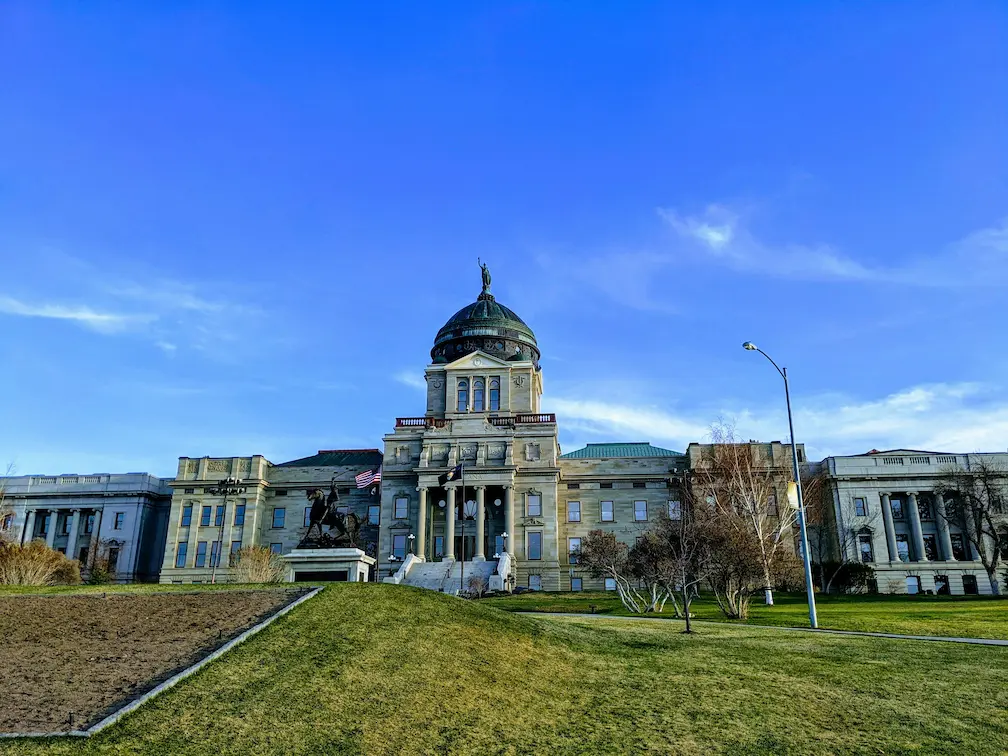
The Montana State Capitol in Helena offers free self-guided tours on weekdays. The Charles M. Russell murals in the House of Representatives chamber are the main draw — Russell is Montana’s most significant artist and the original paintings inside the Capitol are the real thing, not reproductions.
Little Bighorn Battlefield National Monument sits approximately one hour southeast of Billings and marks the site of the 1876 battle involving US Army forces and Lakota Sioux, Northern Cheyenne, and Arapaho warriors. Entry runs approximately $20 per vehicle, or free with the America the Beautiful Pass. A self-guided auto tour and walking trails cover the site, with ranger programs running through summer.
Huckleberry picking in August is free on national forest land across western Montana with a personal use limit. The same berries sold at roadside stands near Whitefish, Bigfork, and Seeley Lake for $8–15 per pint cost nothing if you pick them yourself. Ask locals in those towns for general area guidance — they will point you in the right direction without giving up their exact spots.
Bridger Bowl near Bozeman runs approximately $57–80 per day for lift tickets compared to peak-season walk-up prices at Big Sky that can reach $220–285 per day. The terrain is the same mountain range, the clientele is mostly locals and university students, and Bridger is a nonprofit — which says something about who the place is actually built for.
Gateway towns are where Montana budget food actually works. Whitefish, Gardiner, West Yellowstone, and their counterparts all have local restaurants priced for residents rather than resort guests. Lunch at a local diner in Gardiner runs approximately $12–18 per person — the same meal at a Yellowstone lodge costs two to three times more. Loula’s Café in Whitefish serves huckleberry pancakes for breakfast under $15 — a genuinely Montana meal at a price that reflects where you are, not where you just came from.
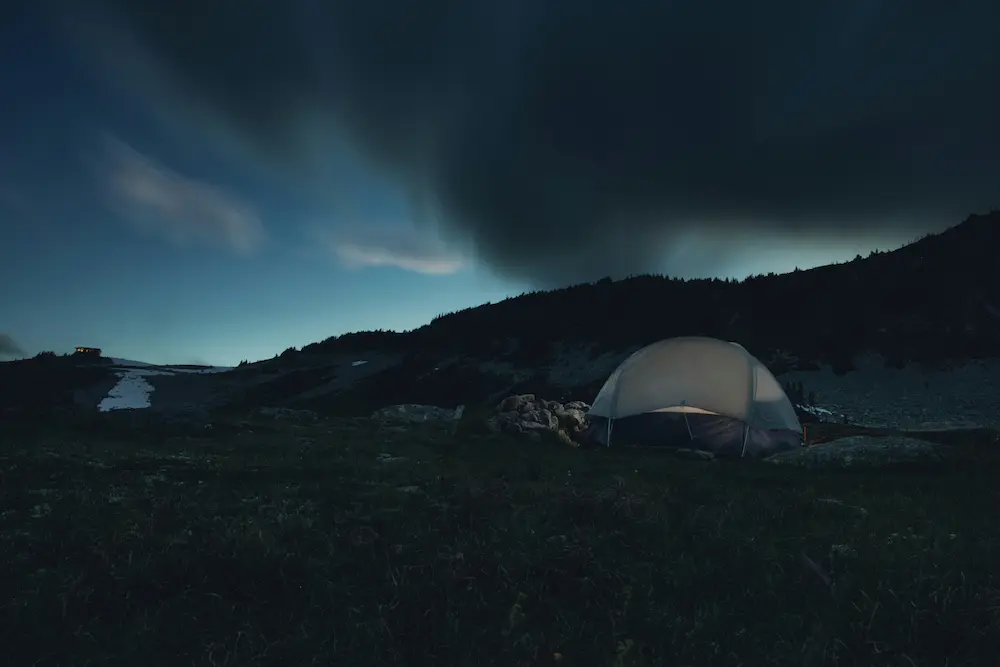
Cooking your own food at campgrounds is the most effective single budget decision you can make in Montana. Glacier, Yellowstone, and most Montana state parks have campgrounds with fire rings and picnic tables. Camping in Glacier runs approximately $10–30 per night depending on the site. Cooking your own food for three days versus eating at park lodges saves $50–100 per person per day — a number that adds up quickly across a week-long trip.
Visiting Glacier in July or August without planning far in advance is the most common and most costly mistake in Montana travel. Even though the park no longer requires advance vehicle reservations to drive Going-to-the-Sun Road, parking at popular trailheads still fills by 7am on summer weekends, lodge and campground reservations book out months ahead, and shuttle tickets for peak dates go fast. The solution is timing: June before peak crowds arrive, or September after Labor Day when crowds drop sharply and accommodation rates fall with them.
Buying a Big Sky lift ticket at the gate during peak season is expensive by any standard — walk-up prices in December through March can reach $220–285 per day. Tickets purchased weeks in advance online cost significantly less, and multi-day packages reduce the per-day cost further. Anyone planning to ski Big Sky should book lift tickets well ahead of the trip — or ski Bridger Bowl near Bozeman for a fraction of the cost and a more local experience.
Skipping the America the Beautiful Annual Pass is a straightforward math error. Glacier entry alone costs approximately $35 per vehicle for a 7-day pass. The Annual Pass costs $80 for US residents and covers every national park and federal recreation site in the country for 12 months. Anyone visiting Glacier plus one other national park or federal site saves money with the pass — it pays for itself at the second entry point. Non-US residents should note the pass is priced differently, and Glacier is among the parks that charges an additional per-person fee for international visitors.
Skipping bear spray on Glacier trails is a safety mistake, not a budget one. Glacier has one of the highest concentrations of grizzly bears in the lower 48 states. Bear spray is the most effective deterrent available, more effective than firearms in documented bear encounters. Rent a canister in Whitefish or Kalispell for approximately $10–15 per day, or buy one to keep. Carrying it correctly means on your hip and accessible, not buried in your pack.
Trying to combine Glacier and Yellowstone in one short trip sounds efficient and plays out poorly. The drive from Glacier’s west entrance near Whitefish to Yellowstone’s north entrance at Gardiner is approximately 5–6 hours. Travelers who attempt both in five days spend more time driving than experiencing either park. Choose one per trip and cover it properly — most Glacier day hikes take a full day to do well, and the park rewards slow travel.
Assuming all of Montana looks like Glacier leads to booking the wrong flights. Eastern Montana is flat high plains, badlands, the Yellowstone River valley, and cattle country. Western Montana has the mountains, lakes, and forests most people picture. Bozeman’s airport serves the south and Yellowstone access. Kalispell’s airport serves Glacier and the northwest. Getting this right before booking saves both money and frustration.
Not packing layers for summer is a predictable mistake with real consequences. Even in July, temperatures at Logan Pass in Glacier can drop to near freezing with wind and rain. Afternoon thunderstorms are common in the mountains throughout the summer months. The forecast in the valley does not reflect what is happening at elevation. A waterproof shell and an insulating mid-layer belong in the pack regardless of the season.
Running out of fuel in remote areas is avoidable and surprisingly common. Gas stations between major towns in Montana can be 50–80 miles apart in some areas. Running low on fuel near the east side of Glacier or on the Beartooth Highway can mean a very long wait. Fill up every time you pass through a town with a gas station, even if you do not feel like you need it yet.
Booking accommodation without advance planning for July and August means driving long distances to find a room that is available. Glacier-area lodges and campgrounds book out months in advance for peak season. Book six to eight months ahead for July–August visits. June and September have significantly better availability at lower rates across the board.
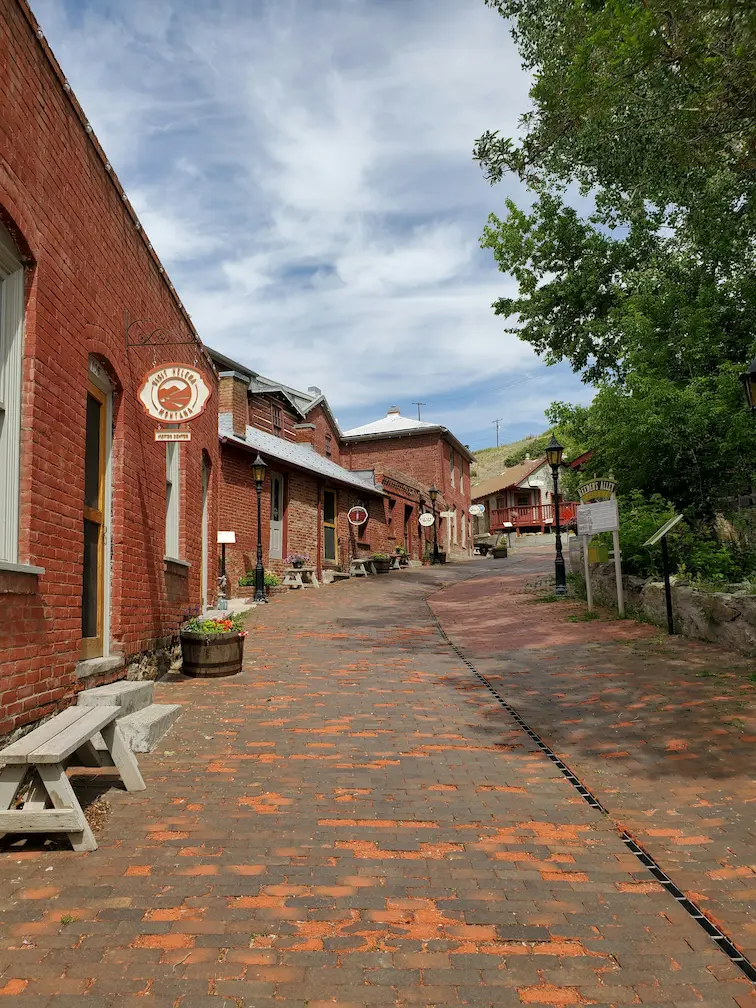
Only visiting Glacier and skipping Montana’s towns is the easiest mistake to make — and the one that leaves trips feeling thinner than they should. Whitefish, Missoula, Bozeman, and Helena all have genuine character, good food, and local culture that fly-in-fly-out visitors miss entirely. A morning at the Museum of the Rockies, an evening on Missoula’s restaurant row, or a walk through Helena’s Last Chance Gulch adds depth to a trip that would otherwise be purely landscape.
Book car rentals months in advance for summer travel — inventory at smaller airports like Kalispell fills early, and rates run approximately $60–100 per day. The America the Beautiful Annual Pass costs $80 for US residents and should be purchased before your first park entry. Carry bear spray on all Glacier trails — rent in gateway towns if you are not bringing your own. Fill your fuel tank at every opportunity in remote areas. June and September are the best budget windows: lower rates, fewer crowds, and full access to trails and roads. Reserve campgrounds well in advance for Glacier and Yellowstone in summer — first-come sites fill before 8am on summer weekends.
Montana has two versions, and most travel coverage focuses on the expensive one. The affordable version — public land, free wilderness, national forest trails, local towns, shoulder season timing — is larger, quieter, and in some ways more genuinely Montana than anything at a resort. Whether you are there for wildlife, hiking, history, scenery, or just driving a highway that climbs past 10,000 feet for free, the state has something within reach at almost every budget level. Plan the timing right, get the pass before your first entry, and spend more time on trails than on resort lift lines. That is where Montana actually is.