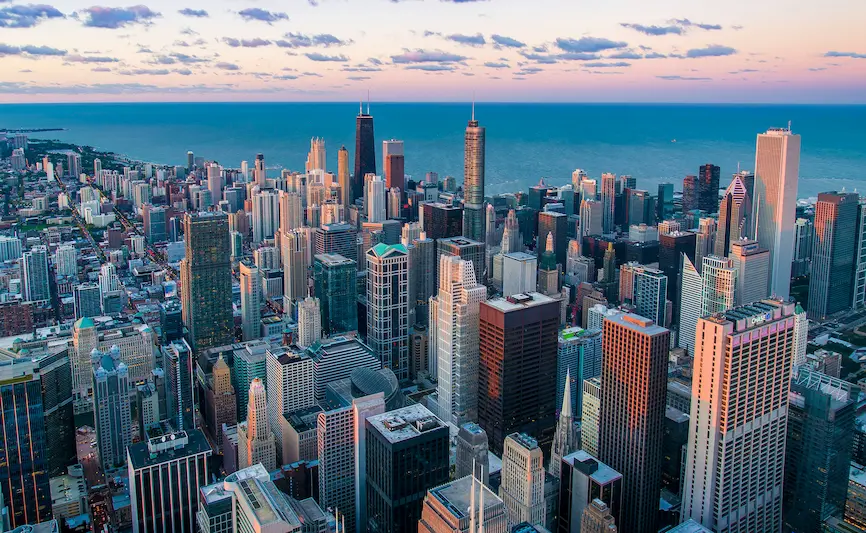
Chicago Has More Free Than You Think — And That Changes Everything Chicago’s reputation tends to arrive before the city does. Cold winters, deep dish pizza, a skyline you have seen in movies. What most travelers do not expect is how much of Chicago’s best is completely free — and how that changes the math […]
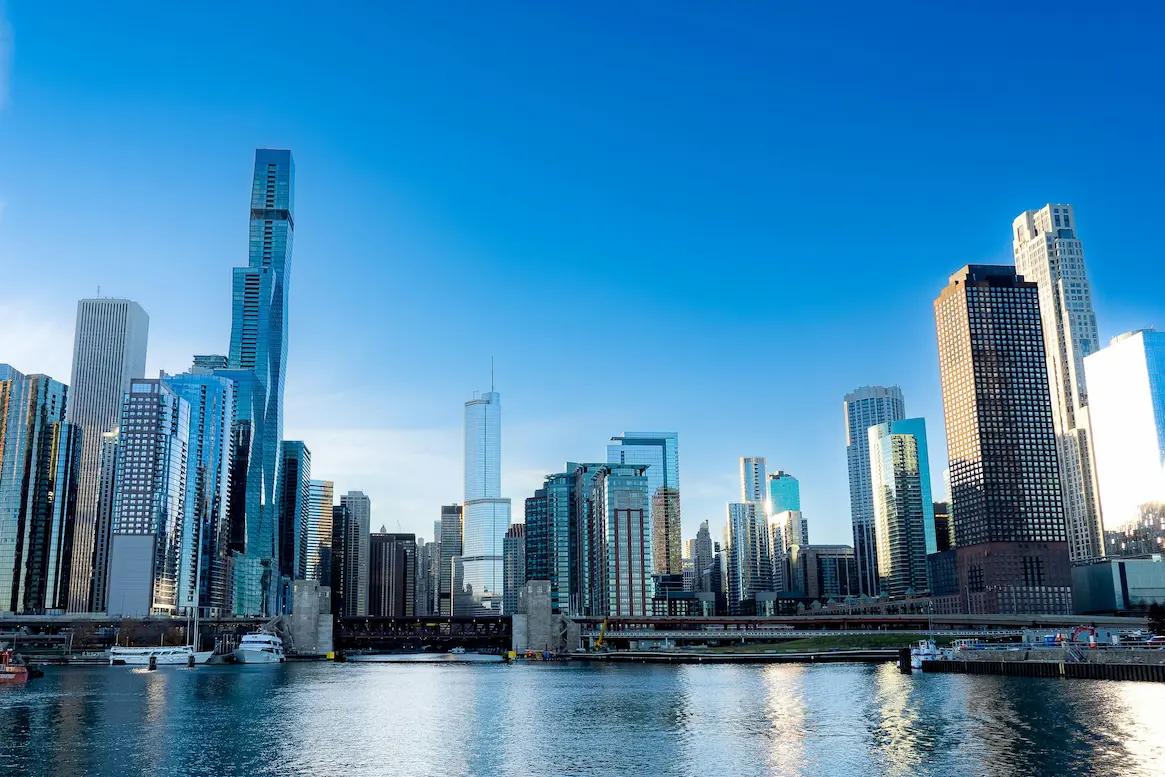
Chicago’s reputation tends to arrive before the city does. Cold winters, deep dish pizza, a skyline you have seen in movies. What most travelers do not expect is how much of Chicago’s best is completely free — and how that changes the math on the entire trip.
The lakefront is public parkland for all 18.5 miles of it. Millennium Park, the most visited attraction in the city, costs nothing to walk through. Lincoln Park Zoo is one of the last free admission zoos in the United States. The Blues Festival in Grant Park is free. The Jazz Festival is free. The Pilsen murals are free. The Chicago Architecture Foundation’s self-guided Loop walking tour is free. Even the two airports connect to downtown on the L train for approximately $5 each way.
What you are actually paying for in Chicago — the Architecture Boat Tour, the Art Institute, a meal at a James Beard Award-winning restaurant — earns every dollar. But the baseline experience here is far more accessible than the city’s reputation suggests.
If you are still working out where to stay, Trip tends to have some of the most competitive hotel rates in Chicago — worth checking before you commit anywhere, especially if you are traveling in shoulder season.
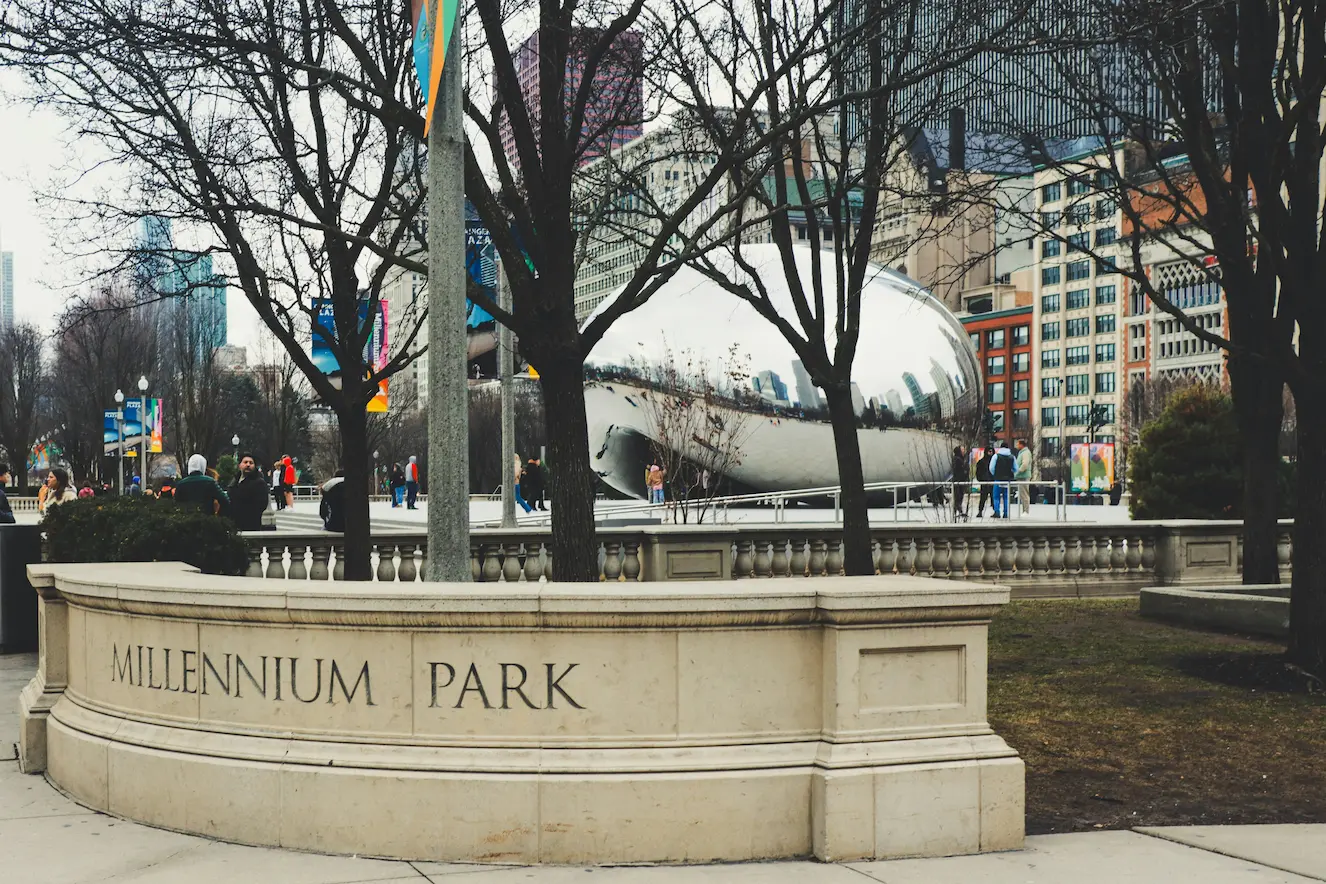
The Loop is Chicago’s downtown core, named for the elevated L tracks that circle its perimeter. Start here. Millennium Park sits at its eastern edge, free and open daily — Cloud Gate (the Bean), the Crown Fountain, the Jay Pritzker Pavilion, the Lurie Garden. In summer, the Pavilion runs free outdoor concerts most evenings. The Art Institute of Chicago is right there on Michigan Avenue, one of the strongest art collections in the world. Entry runs approximately $35 for adults, and the Impressionist collection and Modern Wing alone justify the price. The Chicago Riverwalk runs along the south bank of the river through the Loop — free to walk, and the departure point for architecture boat tours.
Just north on Michigan Avenue, the Magnificent Mile corridor is where the money concentrates — luxury hotels, flagship stores, the Wrigley Building and Tribune Tower facing each other across the river. One thing most visitors miss: the lower exterior walls of Tribune Tower are embedded with fragments of famous structures from around the world — pieces of the Colosseum, the Taj Mahal, the Berlin Wall, Notre Dame and the Great Wall of China. All free to examine from the sidewalk.
Lincoln Park runs six miles along the lakefront north of downtown — 1,208 acres of parkland that includes the free zoo, the Conservatory (free on Mondays, approximately $9 otherwise), and North Avenue Beach, the most popular free beach in the city. The entire neighborhood around it is one of Chicago’s most walkable residential areas.
Wicker Park and Bucktown sit approximately two miles northwest of downtown, connected to the Loop by the Blue Line in about 20 minutes. Milwaukee Avenue is the main corridor — independent restaurants, bars, vintage shops, street art, and almost no tourist infrastructure. This is where Chicagoans actually spend their weekends.
Pilsen, on the Lower West Side, is the Mexican-American neighborhood with the most active mural culture in the city. Walk the viaducts under the Pink Line tracks on 18th Street and you will cover some of the most striking public art in Chicago — none of it ticketed, all of it commissioned from local artists. The National Museum of Mexican Art on 19th Street is free admission and houses one of the largest collections of Mexican and Mexican-American art in the United States. The food in Pilsen — tacos, tamales, pozole, tortas — is priced for the local economy, not the tourist one.
Hyde Park, on the South Side, is home to the University of Chicago and two significant attractions. The Museum of Science and Industry is the largest science museum in the western hemisphere, with entry at approximately $22 for adults — the WWII German submarine U-505, the only one in the United States, is reason enough to go. The Robie House, Frank Lloyd Wright’s 1910 prairie-style masterpiece, offers guided tours for approximately $20. The Obama Presidential Center is currently under construction in adjacent Jackson Park, with opening expected in 2025 and free admission planned — worth keeping in mind if your visit aligns with that timeline.
The Lakefront Trail is 18.5 miles of continuous path running the full length of Chicago’s shoreline. It is free, open year-round, and the most efficient way to understand the city’s relationship with Lake Michigan. Divvy bike share makes the full length achievable in two to three hours — a day pass on a classic bike runs approximately $15, or approximately $25 for an e-bike. One minute you are in a residential neighborhood. The next, the skyline is directly in front of you across open water with nothing between you and it.
The 606 Trail is a 2.7-mile elevated rail trail converted from a former freight line, running through Wicker Park, Bucktown, Logan Square and Humboldt Park. It is free, entirely off-street, and a good way to move between those neighborhoods without touching the L.
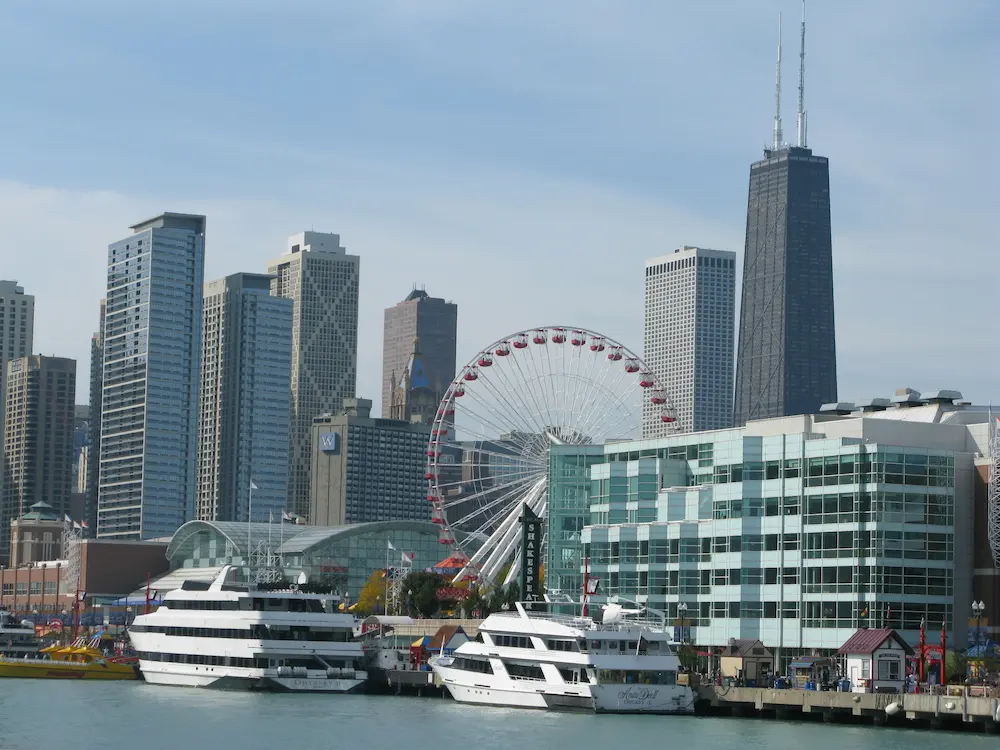
Navy Pier is the most visited attraction in Illinois, which tells you something about visitor traffic and something different about what Chicago residents actually do on weekends. The pier walk and the lakefront views are free and genuinely good. The Centennial Wheel runs approximately $18 for adults. The pier itself is heavily commercialized — chain restaurants, souvenir shops, ticketed rides. The free parts are the best parts.
Frank Lloyd Wright’s Oak Park, ten miles west of downtown on the Green Line, has the largest concentration of Wright buildings in the world. Unity Temple costs approximately $18 for a guided tour. The Frank Lloyd Wright Home and Studio is approximately $20. A walking tour map of the neighborhood’s exterior architecture runs approximately $8 and covers more than 25 Wright buildings visible from the street without paying for individual tours — a reasonable option if you want the context without the full admission cost at each site.
The Art Institute of Chicago is the anchor. Grant Wood’s American Gothic, Georges Seurat’s A Sunday on La Grande Jatte and Edward Hopper’s Nighthawks are all in the permanent collection. Entry is approximately $35 for adults; Chicago residents and children under 14 enter free. The Modern Wing, opened in 2009 and designed by Renzo Piano, is connected to Millennium Park by the BP Bridge — it holds the strongest contemporary art collection in the Midwest.
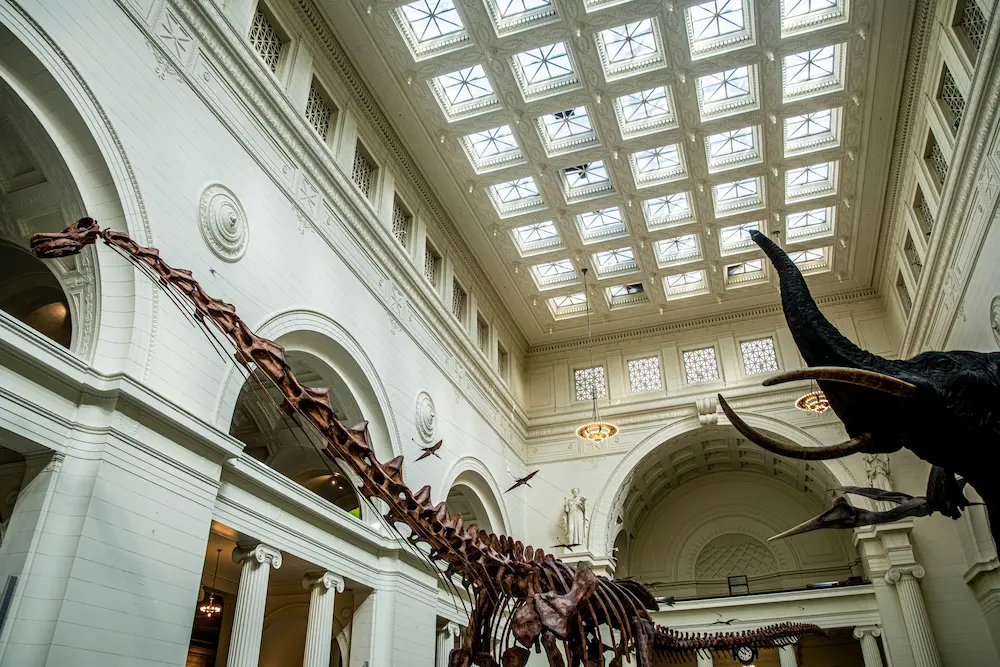
The Field Museum in Grant Park covers natural history at a scale that requires multiple visits to do it properly. Entry runs approximately $30 for adults, with some exhibits charging additionally. Sue, the most complete T. rex skeleton ever found, is in the main hall. The ancient Egypt collection is one of the largest outside Cairo.
The Museum of Science and Industry in Hyde Park earns its reputation. Entry is approximately $22 for adults. The U-505 German submarine is in a dedicated below-grade facility and can be boarded — the most unusual museum exhibit in the city.
The Chicago Architecture Center on Michigan Avenue charges approximately $15 for adults and provides useful context before or after a boat tour. The architecture boat tours themselves depart separately from the Riverwalk outside and run approximately $45–55 per adult for a 90-minute narrated tour — more on that below.
The National Museum of Mexican Art in Pilsen is free. It covers pre-Columbian through contemporary work, with consistently strong temporary exhibitions alongside the permanent collection. There is no equivalent free art museum experience elsewhere in the city.
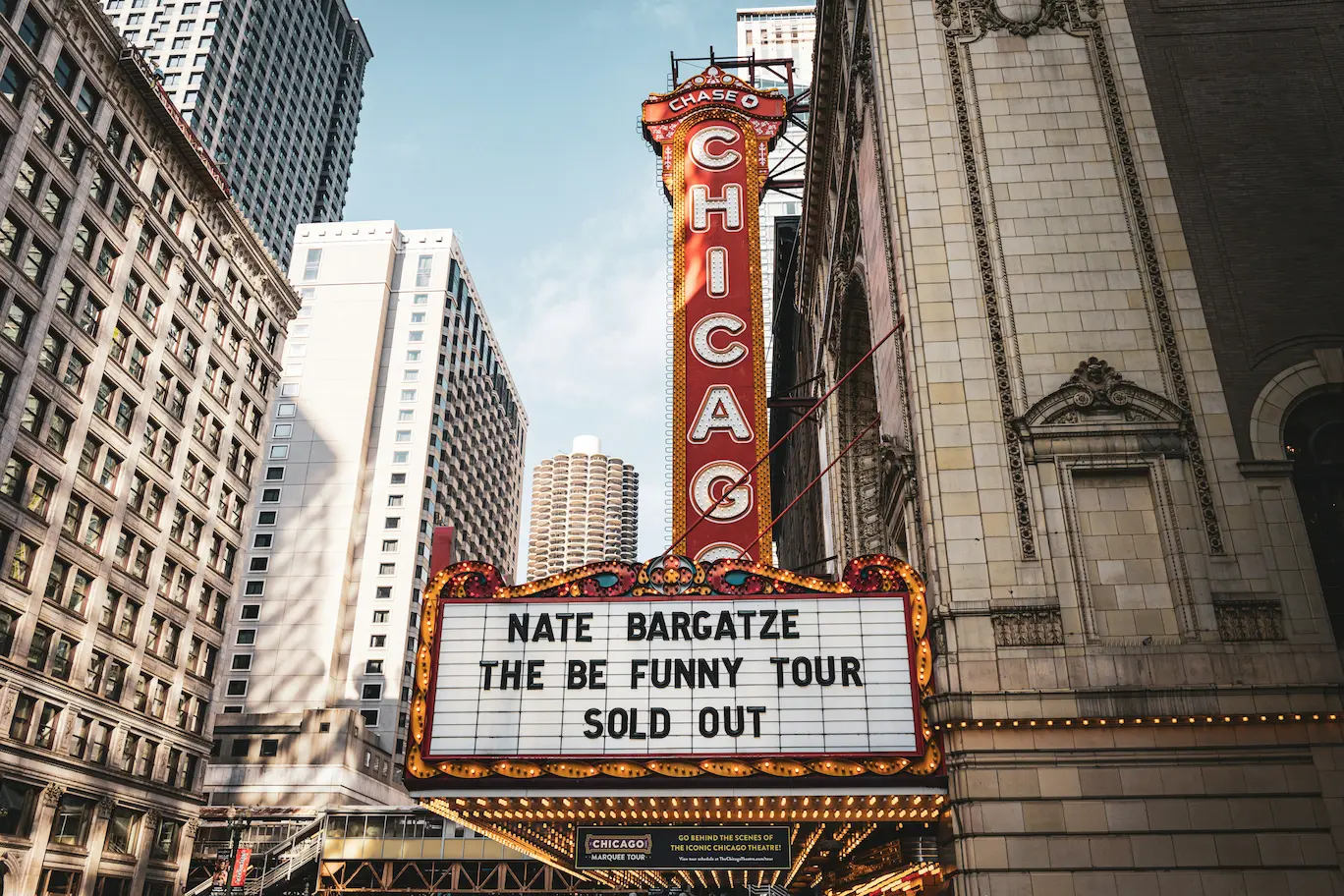
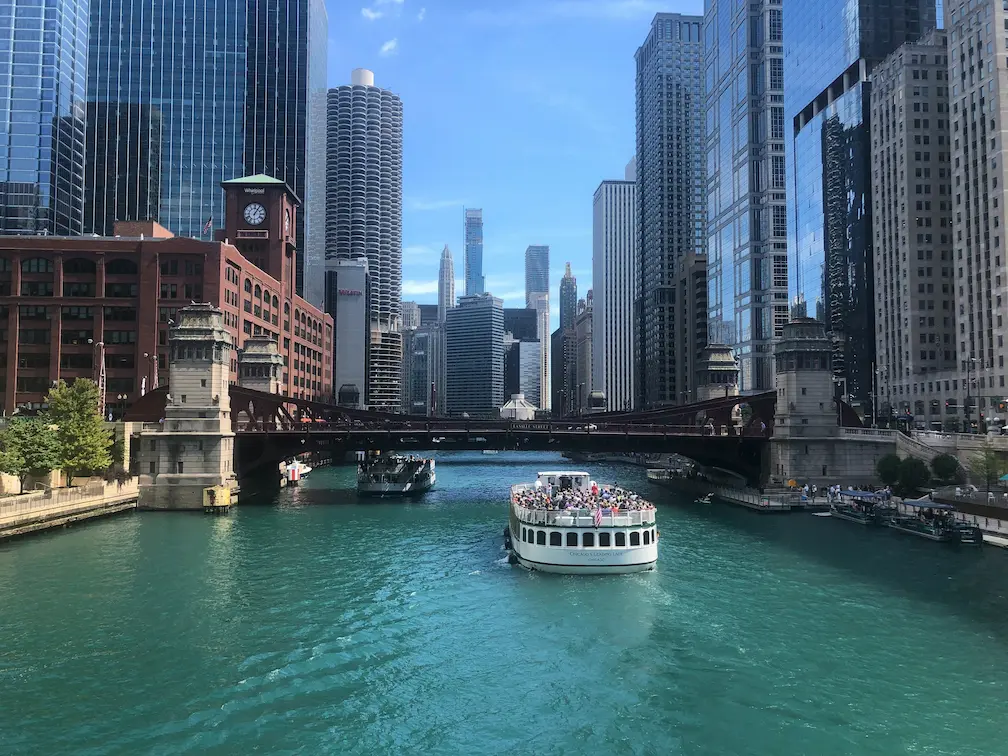
The Chicago Architecture Foundation Boat Tour is the single best introduction to the city’s skyline in context. A 90-minute narrated tour runs through the river channels with the city’s landmark buildings rising on both sides. The guides cover the city’s history from the 1871 Great Chicago Fire through to the contemporary skyline. Cost runs approximately $45–55 per adult, with multiple daily departures through summer. It is not cheap, but it earns the price.
The self-guided Loop architecture walk is free and covers Sullivan Center (1899), the Rookery (1888, with a 1905 interior atrium redesign by Frank Lloyd Wright), the Monadnock Building (1893, one of the last load-bearing masonry skyscrapers ever constructed) and the 1930 Art Deco Chicago Board of Trade — all within a few blocks of each other.
Chicago is the home of electric blues. Muddy Waters, Howlin’ Wolf and Buddy Guy all developed their sound here. Buddy Guy’s Legends on South Wabash runs a cover of approximately $10–20 on weekdays, higher on weekends when national acts come through — it is the most reliable live blues venue in the city. The Green Mill Cocktail Lounge in Uptown has been open since 1907, runs jazz most nights, and charges approximately $5–10 cover. Both are the real thing.
Second City on North Wells Street is the most famous comedy theater in the United States — alumni include Tina Fey, Steve Carell, Bill Murray and Stephen Colbert. Main stage shows run approximately $30–50. Training center shows are approximately $10–20. On Friday nights, after the late mainstage performance ends, the company runs free improv sets — no charge, no ticket required.
Chicago’s summer festival calendar is exceptional. The Blues Festival in Grant Park (June) is free and is the largest free blues festival in the world. The Jazz Festival (Labor Day weekend) is free in Grant Park. Taste of Chicago (July) is free entry with food vendors across the city selling by the plate. Lollapalooza in July-August is ticketed at approximately $400 or more for a four-day pass — a different category of commitment.
Deep dish pizza takes 45 minutes to bake. Order when you sit down, not when you are already hungry — this is practical information, not a suggestion. Lou Malnati’s is the most consistently well-regarded deep dish in the city, with multiple locations across Chicago. A small deep dish runs approximately $18–22 and serves one to two people. The Malnati’s style is defined by a butter crust and a full sausage patty (not crumbled sausage) under the cheese. Pequod’s in Lincoln Park is known for its caramelized cheese crust — the cheese melts into the pan and caramelizes into a dark, crispy ring around the edge. No reservations, expect a wait on weekend evenings. A small deep dish runs approximately $20–28.
The Chicago-style hot dog has a specific composition: an all-beef frankfurter on a poppy seed bun with yellow mustard, relish, diced onion, tomato wedges, sport peppers and a pickle spear. No ketchup. This is not a joke or an affectation — ordering a Chicago dog with ketchup at a proper stand is a genuine offense. Portillo’s, with multiple locations including the original concept in River North, is the most accessible institution for hot dogs and Italian beef. The Italian beef — thinly sliced seasoned beef on Italian bread, dipped in cooking juices, with giardiniera — runs approximately $8–12. A hot dog runs approximately $5–7.
Hot Doug’s, the legendary gourmet hot dog shop, closed in 2014. It is still referenced in nearly every Chicago food conversation, and it is worth knowing the reference so you are not surprised. Superdawg Drive-In on the Northwest Side, open since 1948 and still family-run with carhop service, keeps the tradition going at approximately $8–10.
Girl & the Goat in the West Loop is James Beard Award-winning chef Stephanie Izard’s flagship — shared plates focused on goat, pig and vegetables, running approximately $50–75 per person. Reservations are essential. Au Cheval, also in the West Loop, makes what is probably the most talked-about burger in Chicago: a smash-style double cheeseburger, no reservations, with waits of one to two hours on weekends. Arrive at opening or put your name on the list and come back. Approximately $20–25 per person.
For Mexican food, Birrieria Zaragoza in Archer Heights on the South Side serves birria — Mexican goat stew — as a bowl or as tacos with the cooking broth for dipping. It is a family-run restaurant in a working-class neighborhood, cash preferred, approximately $15–20 per person. Worth the trip from downtown if you take Mexican food seriously. Publican in the West Loop is a beer hall-style restaurant built around pork, oysters and whole grain bread — approximately $40–60 per person and one of the most influential casual restaurants the city has produced.
Two local food experiences worth seeking: Garrett Popcorn’s Chicago Mix is a blend of caramel corn and cheddar cheese popcorn mixed together — sounds improbable, sells for approximately $8–15 depending on size, and is genuinely good. Malört is a bittersweet Swedish-style liqueur that became a Chicago tradition — Jeppson’s has made it in Chicago since the 1930s, available at most bars, approximately $4–6 per shot. Ordering one is a local rite of passage. It is aggressively bitter. That is the point.
The L is the most practical way to move through the city. A single ride costs approximately $2.50, a day pass approximately $10, and a three-day pass approximately $20. A Ventra card, available at all stations, makes the system significantly faster than fumbling with single-ride tickets. Both airports connect directly to the Loop by train — O’Hare via the Blue Line and Midway via the Orange Line, both at approximately $5 each way, taking 25–45 minutes depending on where you start. The cost difference between the L and a rideshare from O’Hare can run $40 or more.
Divvy bike share is the fastest and most enjoyable way to cover the lakefront. A day pass on a classic bike runs approximately $15, on an e-bike approximately $25. The Lakefront Trail is mostly flat, entirely traffic-free, and the full 18.5 miles is achievable in a relaxed half day.
Best time to visit: May–June for warm weather, lower crowds and the beginning of the festival season. September–October for fall temperatures, lower hotel rates and a lakefront that is still warm enough for walking and cycling. Summer (July–August) is peak season — the lakefront and beaches are at their best, but hotel rates are at their highest and the city is at its most crowded. Winter visits (December–February) are viable if you are focused on indoor culture — the Art Institute, Field Museum and Museum of Science and Industry will all be less crowded — but the wind off Lake Michigan makes the cold feel significantly more intense than the temperature reading suggests. Layer accordingly.
Standard tipping in Chicago follows US norms: 18–20% at restaurants, $1–2 per drink at bars.
Chicago is a city that tends to surprise people who thought they already knew what it was. The lakefront alone — 18.5 miles of free public shoreline with beaches, trails, parks and one of the most recognizable skylines in the world at its back — is worth the trip. Add the free zoo, the free festivals, the free public art, the architecture you can examine from the sidewalk without buying a ticket, and the reality is that a budget Chicago trip is far more achievable than the city’s reputation implies.
The parts that cost money — an architecture boat tour, an evening at Buddy Guy’s Legends, a meal at a serious West Loop restaurant, a day in the Art Institute — reward the investment. But you can spend several days in Chicago moving mostly through free experiences and feel like you have genuinely seen the city. That combination is unusual. It is part of what makes Chicago one of the most underrated destinations for real travelers.