Costa Rica is one of the most visited countries in Central America, yet most travelers experience only a small part of what it actually offers. They visit one beach town or one rainforest area, stay there for a week, and leave without realizing how much the country changes from region to region. Within a single […]
Costa Rica is one of the most visited countries in Central America, yet most travelers experience only a small part of what it actually offers. They visit one beach town or one rainforest area, stay there for a week, and leave without realizing how much the country changes from region to region. Within a single trip, you can move from cloud forest to volcanic terrain, from jungle waterfalls to Pacific beaches, and from wildlife-heavy national parks to small coastal towns that feel completely disconnected from the rest of the country. This guide covers the four regions that together give you the real range of Costa Rica: San José and the Central Valley, Arenal and La Fortuna, Monteverde, and the Pacific Coast.
Getting around Costa Rica requires planning. Distances are not large, but roads can be slow and conditions vary. Renting a car gives you the most flexibility, especially if you want to connect multiple regions. Juan Santamaría International Airport (SJO), near San José, is the main entry point and works well as a starting base.
If you are still comparing accommodation options, Super can be useful for checking hotel prices across Costa Rica, especially since rates vary significantly between regions.
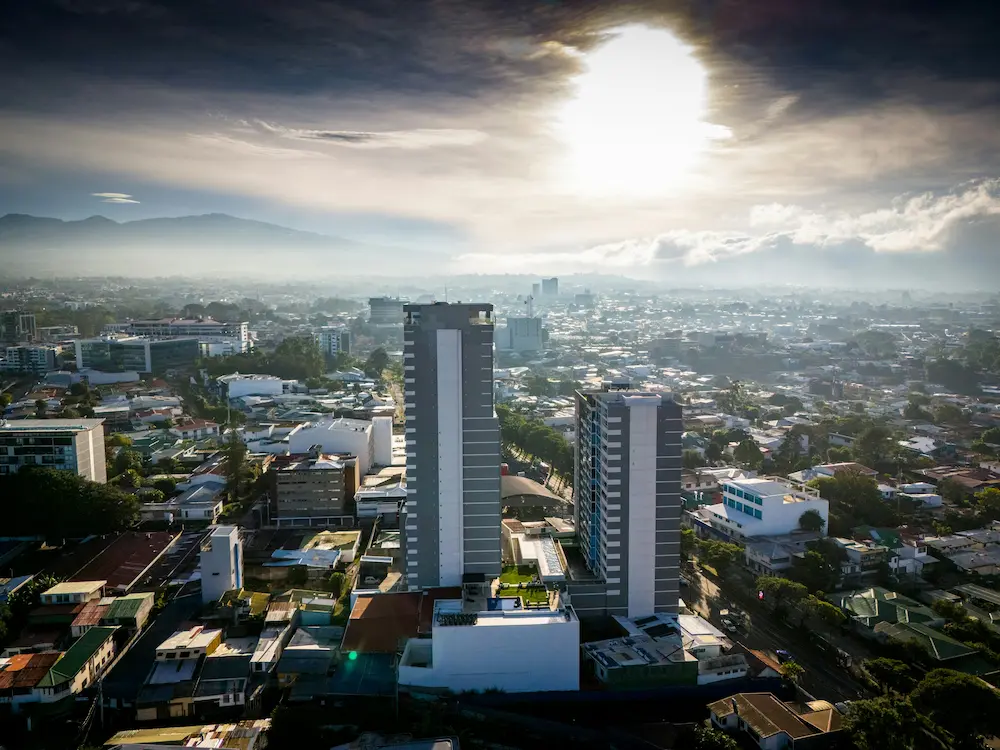
San José is often treated as a quick arrival point, but the Central Valley offers more than most travelers expect. The city itself is compact, and while it is not the main highlight of Costa Rica, it provides access to cultural sites and nearby day trips.
The National Theater in downtown San José is one of the most important historical buildings in the country, with European-style architecture and interior design that reflects Costa Rica’s coffee-export era. The Central Market, a few blocks away, is one of the best places to see local daily life, with small food stalls serving traditional dishes at low prices.
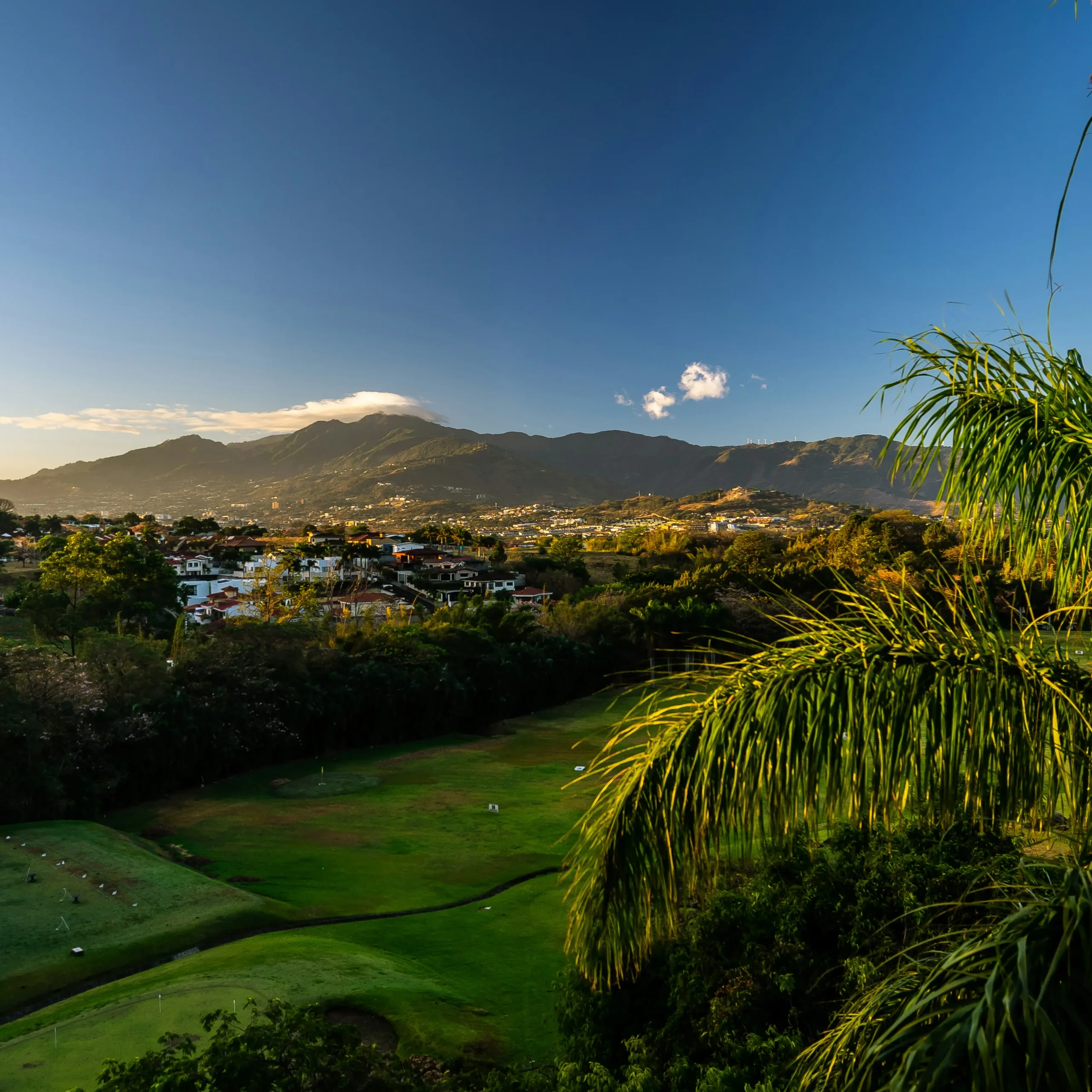
Outside the city, the Central Valley has coffee plantations and volcanoes within short driving distance. Poás Volcano is one of the most accessible in the country, with a large crater that can be viewed from a short walk near the entrance area. The surrounding highlands are cooler than the coast and provide a noticeable change in climate.
Accommodation in the Central Valley is generally more affordable than in major tourist areas, making it a practical first or last stop.
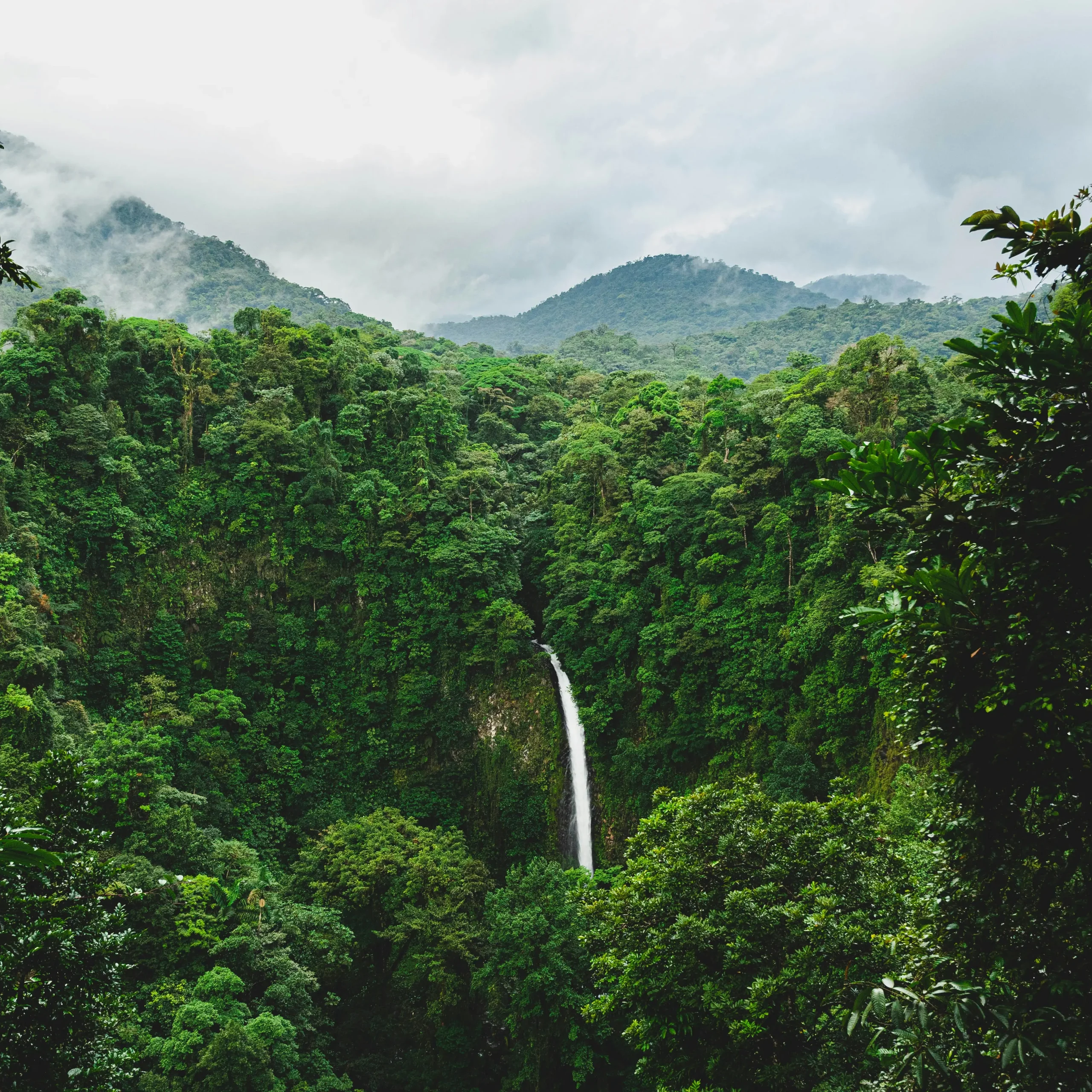
La Fortuna, located near Arenal Volcano, is one of the most visited regions in Costa Rica for a reason. The area combines volcanic landscapes, waterfalls, and wildlife in a relatively small radius.
Arenal Volcano dominates the skyline, even though it has been in a resting phase since 2010. Trails in Arenal Volcano National Park allow you to walk through old lava fields with views of the volcano and surrounding forest.
La Fortuna Waterfall is one of the most popular natural attractions in the area. A staircase leads down to a pool at the base of the falls, surrounded by dense vegetation. The return climb is steep but manageable.
Hot springs are a major part of the Arenal experience. The geothermal activity in the region feeds multiple hot spring resorts, ranging from luxury complexes to more basic, budget-friendly options.
Wildlife is also a key draw. Sloths, toucans, frogs, and monkeys are commonly spotted in the area, especially on guided walks or in nearby reserves.
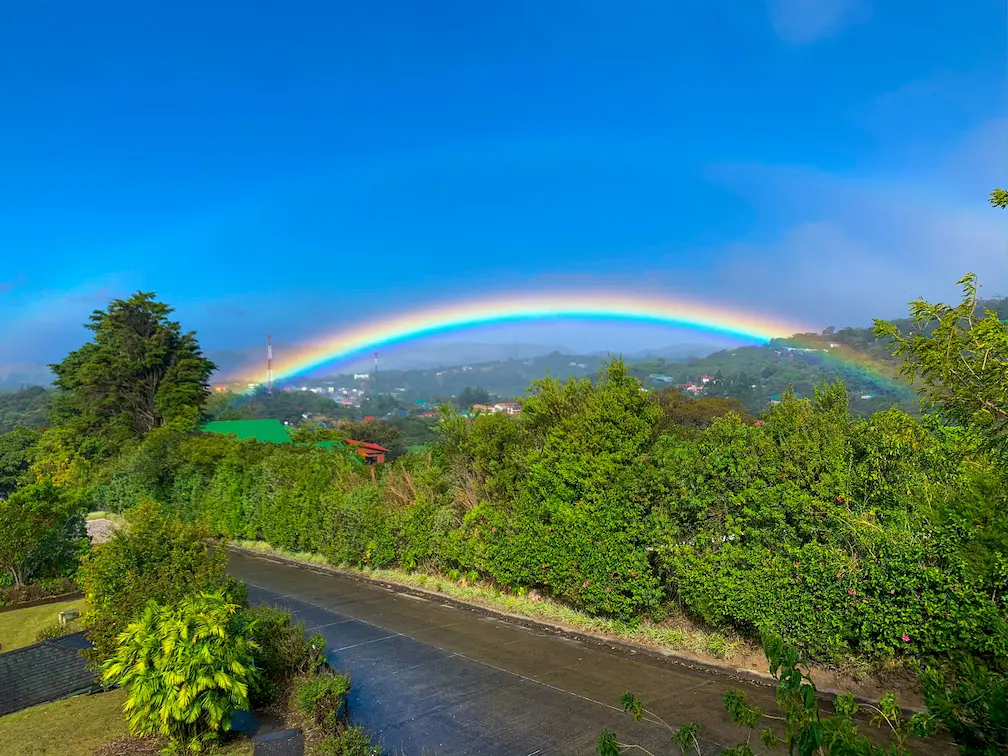
Monteverde offers a completely different environment from Arenal, despite being relatively close in distance. The elevation creates a cloud forest ecosystem, where mist moves through the trees and the air is cooler and more humid.
The Monteverde Cloud Forest Reserve is one of the most well-known protected areas in Costa Rica. Trails run through dense forest, suspension bridges, and observation points that give you a chance to see birdlife, including the resplendent quetzal, as well as other wildlife.
Zip-lining is one of the most popular activities in Monteverde. The forest canopy and elevation make it one of the best places in the country for long, high canopy tours.
The town itself is small, with a focus on eco-tourism. Accommodation ranges from simple lodges to mid-range hotels, often with views over the forest.
Road access to Monteverde can be slower and rougher than other parts of the country, which is part of the reason it feels more remote.
Costa Rica’s Pacific Coast offers some of the most accessible beaches in the country, along with national parks that combine rainforest and ocean landscapes.
Manuel Antonio, located on the central Pacific coast, is one of the most popular destinations. The national park combines white-sand beaches with dense jungle, and wildlife sightings are frequent. Monkeys, sloths, and iguanas are commonly seen along the trails.
Further north, the Guanacaste region is known for drier weather and long stretches of coastline. Tamarindo is one of the most developed beach towns, with surfing, nightlife, and a wide range of accommodation options. The beaches here are more open and less forested compared to Manuel Antonio.
Santa Teresa and Nosara, on the Nicoya Peninsula, offer a quieter experience. These areas attract surfers and travelers looking for a slower pace, with fewer large resorts and more independent accommodations.
Sunset on the Pacific coast is a daily highlight. The beaches face west, and clear evenings provide consistent views over the ocean.
The best time to visit Costa Rica is during the dry season from December to April, especially for beach destinations. The green season from May to November brings more rain but also fewer crowds and lower prices, with rain often falling in the afternoon rather than all day.
Travel times between regions can be longer than expected due to road conditions and terrain. Planning routes carefully helps avoid unnecessary long travel days.
Wildlife is one of Costa Rica’s main attractions, but sightings depend on timing and location. Early mornings and late afternoons are the most active periods.
National parks and reserves typically require entry fees, which vary depending on the location. Having local currency or a payment method ready makes entry smoother.
Packing light clothing for the coast and layers for higher elevations like Monteverde is important due to temperature differences.
Costa Rican food is simple, fresh, and built around local ingredients. Rice, beans, plantains, and fresh produce form the base of most meals.
Gallo pinto is the standard breakfast dish — rice and beans cooked together, often served with eggs, plantains, and tortillas.
Casado is the most common lunch option, consisting of rice, beans, a protein such as chicken, fish, or beef, salad, and fried plantains. It is widely available and affordable.
Fresh fruit is a major part of the diet. Mango, pineapple, papaya, and watermelon are commonly served in breakfasts and drinks.
Seafood is strongest along the coast, where grilled fish and ceviche are widely available. Prices vary depending on location but are generally reasonable compared to other beach destinations.
Coffee is one of Costa Rica’s main exports, and locally grown coffee is served throughout the country, often at higher quality than typical commercial options.
Costa Rica offers a range of landscapes that few countries match within such a small area. Volcanoes, cloud forests, beaches, and wildlife reserves all exist within a few hours of each other.
The most effective way to experience the country is to combine at least two or three regions rather than staying in one place. Even a short trip can feel varied and complete with the right balance of locations.
Costa Rica rewards both planning and flexibility. Some of the best experiences come from simply allowing time to explore beyond the main stops.


No related posts found.