Is South Carolina Just Myrtle Beach? If someone told you they were skipping South Carolina because “it’s just Myrtle Beach,” would you know enough to argue with them? Most people who have not been to South Carolina picture one thing: a crowded beach strip lined with chain restaurants and souvenir shops. And Myrtle Beach does […]
Is South Carolina Just Myrtle Beach?
If someone told you they were skipping South Carolina because “it’s just Myrtle Beach,” would you know enough to argue with them?
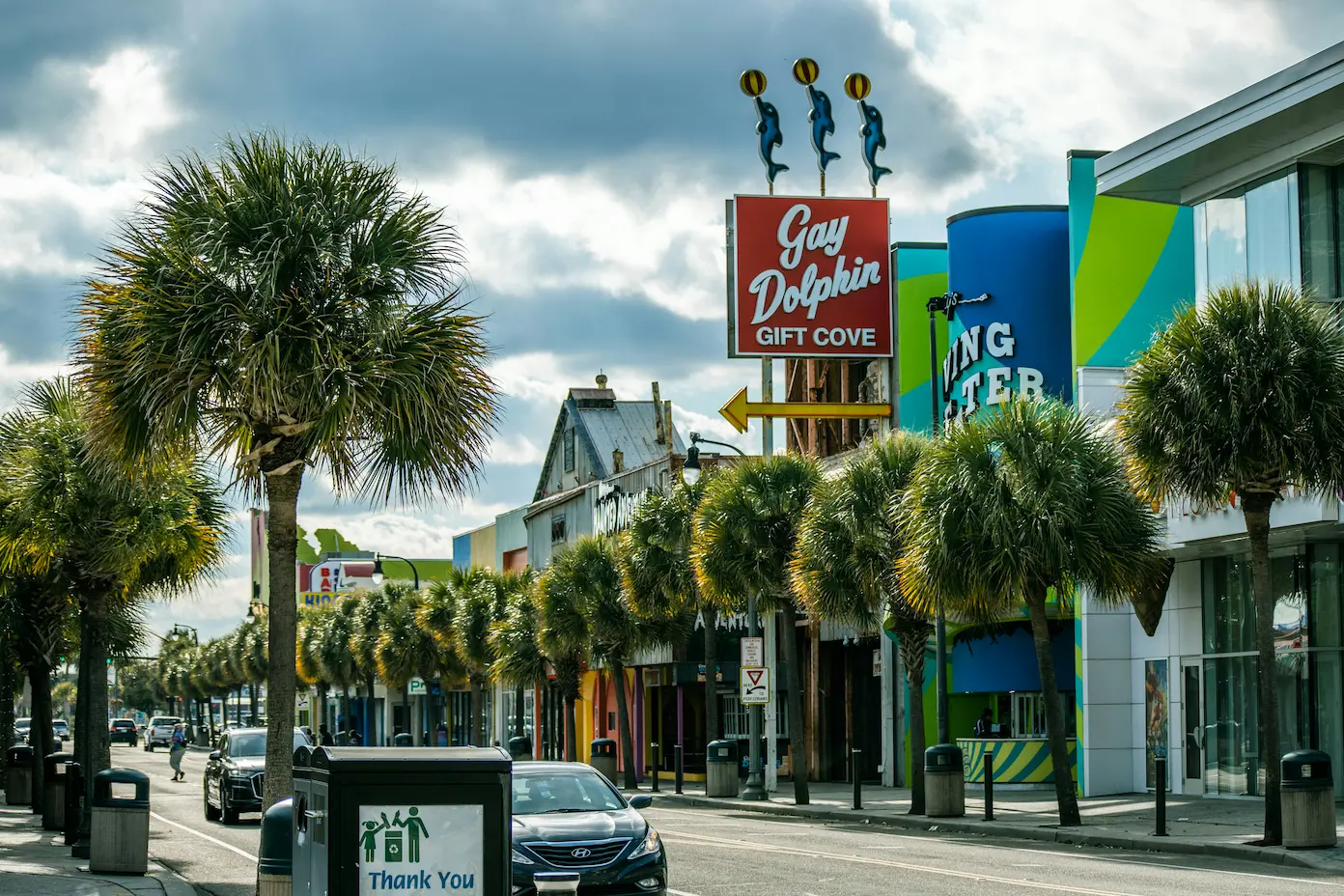
Most people who have not been to South Carolina picture one thing: a crowded beach strip lined with chain restaurants and souvenir shops. And Myrtle Beach does exist — it is real, it is busy, and it will take your money efficiently. But it represents maybe five percent of what this state actually offers.
South Carolina has one of the most intact antebellum city centers in the American South. It has a living African cultural tradition that survived centuries of deliberate erasure. It has old-growth forests, a waterfall in the middle of a downtown, 420-foot cascades in the Blue Ridge foothills, and some of the best casual seafood on the East Coast. It also has a food scene in Charleston that draws serious attention from well beyond the region.
This guide covers all three regions of the state — the coast, the capital, and the mountains — with real costs, honest assessments, and enough detail to plan an actual trip.
If you are still sorting out accommodation, Trip tends to have strong rates across South Carolina, including Charleston and Greenville — worth checking before you commit anywhere.
South Carolina splits into three distinct travel zones, and they feel nothing alike.
The Lowcountry is the coastal region — Charleston, Beaufort, Hilton Head, and the Sea Islands. This is tidal marsh country: wide skies, live oaks draped in Spanish moss, barrier islands, and a history that is both beautiful and heavy. This is where the Gullah Geechee people built and maintained a culture on the Sea Islands that is still alive today. The Lowcountry is the most visited part of the state and the most culturally rich.
The Midlands center on Columbia, the state capital. It is less visited and less polished, but it sits 30 minutes from Congaree National Park — one of the most underrated parks in the eastern United States. If you want old-growth forest and almost no crowds, the Midlands earn a stop.
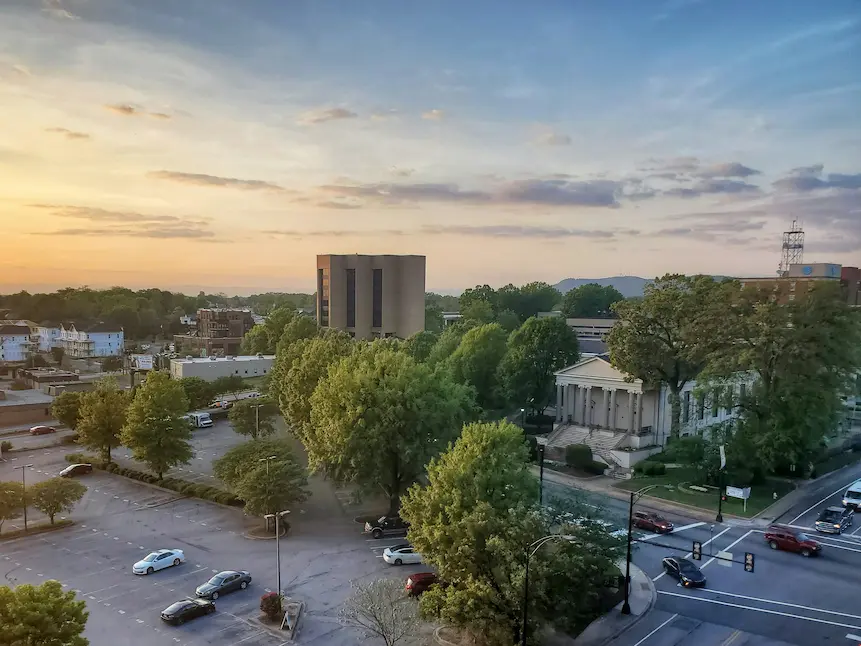
The Upstate, anchored by Greenville, is the surprise of the state. It has a genuinely walkable downtown food scene, a waterfall at the center of the city, and access to waterfalls and mountain trails in the Blue Ridge escarpment within 45 minutes. Travelers who come only for the coast often wish they had budgeted a day or two here.
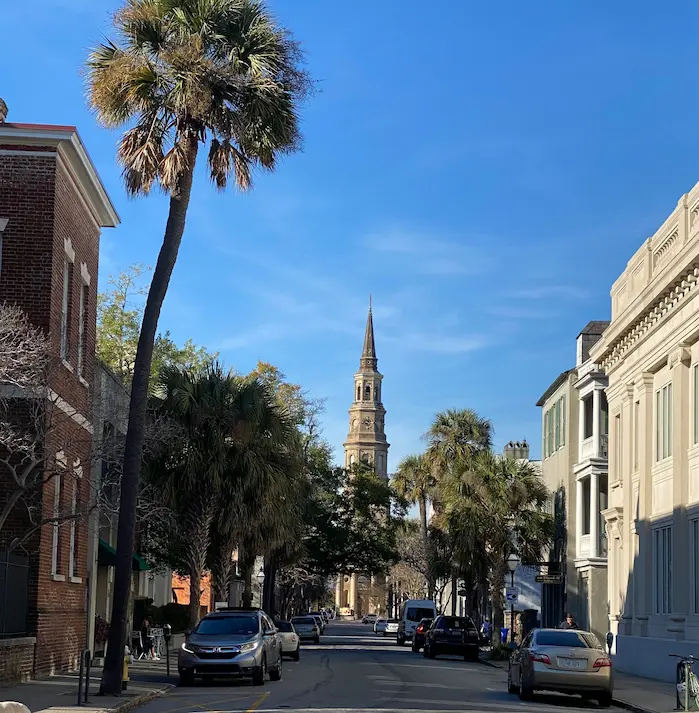
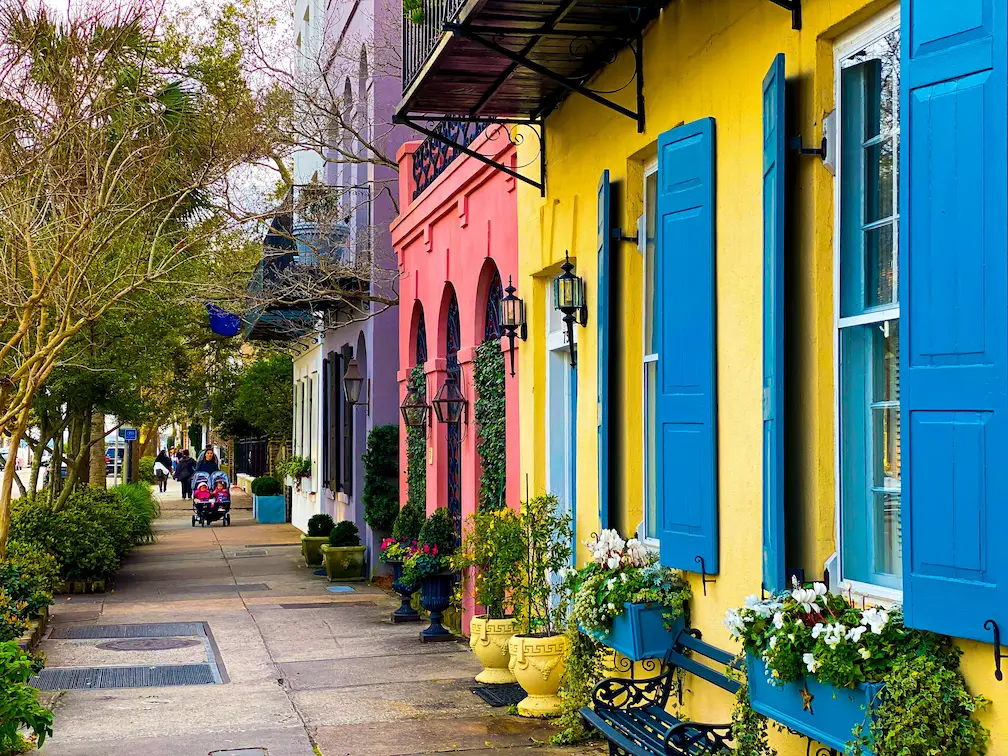
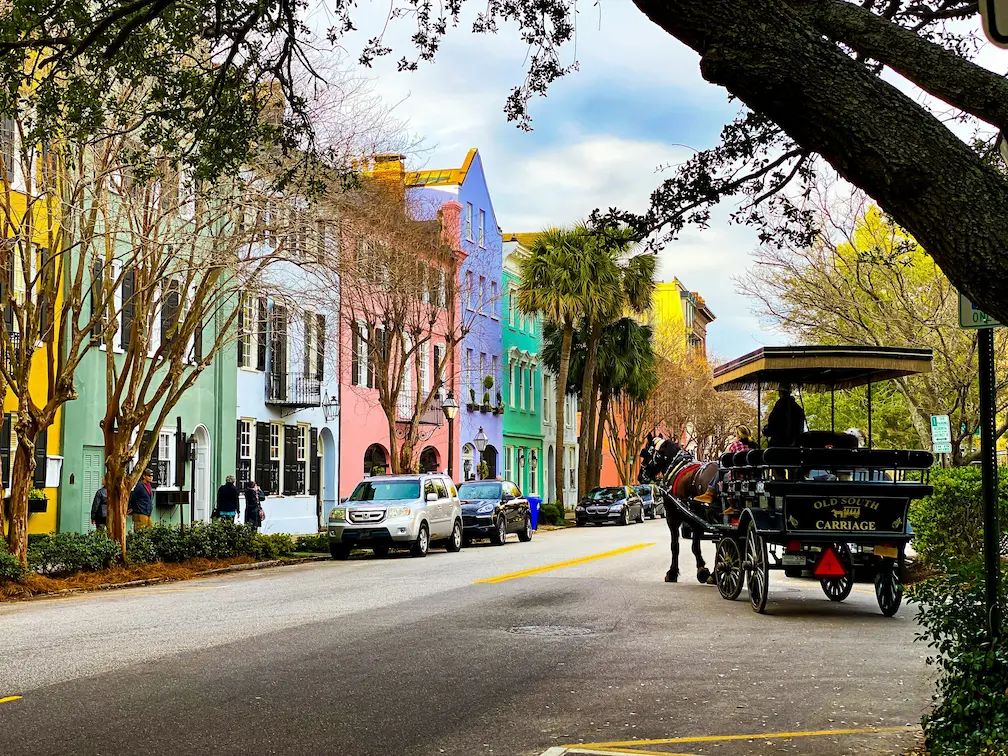
Charleston belongs at the top of the itinerary for most visitors, and the reputation is earned. The Historic District — concentrated south of Broad Street — holds the most intact collection of pre-Civil War architecture in the American South, and almost all of it is walkable. Rainbow Row on East Bay Street is 13 pastel-painted Georgian row houses dating from the 1700s, free to photograph from the street. The Battery and White Point Garden at the southern tip of the peninsula offer a free waterfront promenade with antebellum mansions on one side and harbor views toward Fort Sumter on the other. King Street is where you eat, shop for antiques, and spend an evening. The French Quarter is the oldest part of the city — St. Michael’s Church dates to 1761 and is still open to visitors.
Greenville is the most underrated city in South Carolina. Twenty years ago it was a former textile mill town that nobody visited. Today it has a compact, flat, extremely walkable downtown with independent restaurants, craft breweries, and coffee shops concentrated along Main Street. Falls Park on the Reedy puts a genuine waterfall at the center of the city, accessible for free, with a suspension bridge above it. The Swamp Rabbit Trail — a 22-mile paved greenway connecting downtown to Travelers Rest — is free to use, and bike rentals run approximately $20-30 for a half day downtown. And the Blue Ridge escarpment, with Table Rock, Caesar’s Head, and Jones Gap state parks, sits within 45 minutes of the city center.
Beaufort sits on Port Royal Island, 50 miles north of Savannah, and its Historic District may actually be better preserved than Charleston’s — because Union forces occupied it early in the Civil War in 1861, most of the antebellum structures survived intact. Henry C. Chambers Waterfront Park along the Beaufort River is free, lined with live oaks and Spanish moss, and is the kind of place that makes you want to slow down for an afternoon. From here, St. Helena Island and Hunting Island State Park are both within 20 minutes.
Columbia does not draw the travel attention it deserves. The State House offers free tours, and the bronze stars on its exterior walls mark where Union artillery shells struck the building during Sherman’s March in 1865. More importantly for outdoor travelers, Congaree National Park is 30 minutes southeast of downtown — old-growth bottomland hardwood forest with free entry and a 2.4-mile elevated boardwalk through the floodplain.
Hilton Head Island is worth naming honestly. It is a resort-developed barrier island with golf courses, gated communities, and polished amenities. Coligny Beach Park offers free beach access, and the Harbour Town Lighthouse at Sea Pines Plantation is the island’s most recognizable landmark (Sea Pines entry runs approximately $10 per vehicle, lighthouse climb approximately $5 additional). But Hilton Head is expensive, and most of its appeal lives inside resort amenities. It suits families and golfers better than budget-conscious or culture-driven travelers.
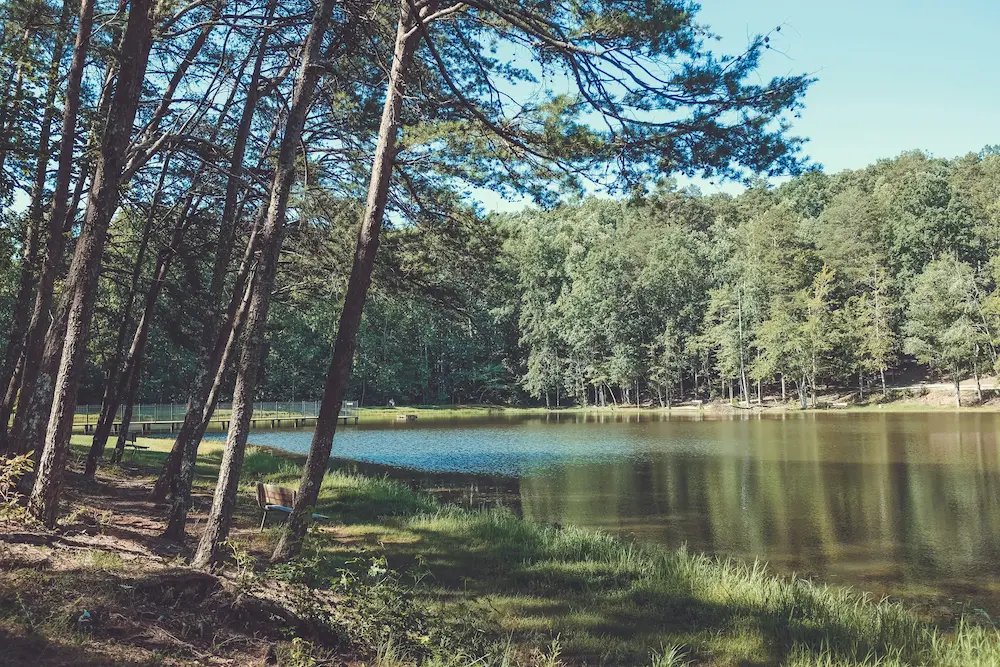
Congaree National Park is free to enter, requires no reservation for general visits, and protects 26,000 acres of old-growth bottomland hardwood forest — some of the tallest trees in the eastern United States. The Boardwalk Loop is 2.4 miles of elevated trail through the floodplain, requiring no hiking experience and no fee. Kayaking Cedar Creek through the park costs approximately $25 for a half-day canoe rental. One detail worth knowing well in advance: in late May and early June, synchronous fireflies produce coordinated light displays in the forest — one of only a few places in the country where this occurs. Timed entry tickets for the firefly event are free but extremely competitive, and applications through the national park reservation system are worth submitting months ahead.
Table Rock State Park in the Upstate is one of the strongest state parks in the Southeast. The Table Rock Trail runs 7.2 miles round trip to a summit at 3,124 feet — strenuous, and the best hike in the region. The park also has a lake, multiple waterfalls, and a historic lodge built by the Civilian Conservation Corps in the 1930s, which stands as some of the best Depression-era park architecture in the South. Entry runs approximately $5 per person.
Hunting Island State Park, near Beaufort, is the most visited state park in South Carolina. It has five miles of relatively undeveloped Atlantic beach, a maritime forest, and a historic lighthouse built in 1875 that is open for climbing at approximately $2 per person — the views from the top take in the full barrier island chain. Beach camping is available at approximately $25-45 per night, which puts it among the best beach camping values on the East Coast.
Caesar’s Head State Park overlooks the Blue Ridge escarpment from 3,208 feet, with views into North Carolina. Entry is approximately $5 per person. The Raven Cliff Falls trail — 4 miles round trip — leads to a 420-foot waterfall, one of the tallest on the East Coast. Come in September or October and you will be here during one of the premier hawk migration watch periods in the eastern United States, with thousands of broad-winged hawks passing through.
Myrtle Beach and the Grand Strand deserve the honest version. The beach itself is free, wide, and well-maintained — 60 miles of Atlantic coastline that is genuinely good for families and beach-focused travelers. But the surrounding infrastructure is dense with tourist traps and chain restaurants engineered to move money. The more interesting options along the Grand Strand are nearby: Pawleys Island to the south is quieter, more natural, and has none of the commercial strip. Murrells Inlet, also south of Myrtle Beach, is the seafood capital of South Carolina — the Marshwalk boardwalk has a dozen waterfront seafood restaurants side by side, and the quality is significantly better than anything on the main Myrtle Beach strip.
Fort Sumter National Monument is where the Civil War began — Confederate forces fired on the Union-held fort on April 12, 1861. The site is accessible only by ferry from Liberty Square in Charleston, at approximately $26 for adults, which includes entry to the fort. The National Park Service operates the fort itself, which is free once you arrive. It is worth the ferry cost if American history is part of your interest in the state.
Penn Center on St. Helena Island is one of the most historically significant sites in South Carolina and is often overlooked by visitors who do not leave the main tourist corridors of Charleston. Established in 1862 during the Civil War, it was one of the first schools for formerly enslaved people in the United States. The historic campus and museum document the history and living culture of the Gullah Geechee people — the descendants of enslaved Africans who maintained distinct traditions on the Sea Islands, including language, foodways, craft, and spiritual practice that survive today. Entry is approximately $7 for adults. Approach it with the same respect you would give any living heritage site.
The Charleston Museum, established in 1773, is the oldest museum in the United States. Entry runs approximately $15 for adults, and the collection covers the natural and cultural history of the Lowcountry across its Native American, colonial, and antebellum periods.
The ACE Basin — the watershed of the Ashepoo, Combahee, and Edisto rivers — is one of the largest undeveloped estuaries on the East Coast, covering over 350,000 acres of tidal marshes, forests, and barrier islands. Kayak rentals out of Beaufort and Edisto Beach run approximately $35-50 for a half day. The wildlife in the basin includes bald eagles, wood storks, bottlenose dolphins, and loggerhead sea turtles.
The Swamp Rabbit Trail in Greenville is free, passes through woods, farmland, and small communities, and connects downtown to Travelers Rest over 22 miles. It has none of the tourist infrastructure that tends to accumulate around popular greenways — it feels like a local place, because it is one.
Surf lessons at Folly Beach, 15 minutes south of Charleston, run approximately $60-80 for a two-hour group lesson through local operators. The beach itself is free, and the Folly Beach Pier charges approximately $7 for adults.
A woman at Bertha’s Kitchen in North Charleston carries three plates from the kitchen balanced with the ease of someone who has done this ten thousand times. The fried chicken is still crackling. The lima beans have been cooking since morning. The table next to yours has four people who clearly come here every week.
Bertha’s Kitchen is the best Gullah Geechee cooking in the Charleston area — fried chicken, lima beans, okra soup, rice and gravy. It is cash only, runs approximately $10-15 per person for a full plate lunch, and represents the actual food culture of the Lowcountry rather than the polished version served to tourists.
Husk on Queen Street is the other end of the spectrum: a James Beard Award-winning restaurant where the menu changes daily based on what local farms are producing. Expect approximately $50-80 per person for dinner. Reservations are essential, and it has been one of the most influential Southern restaurants in the country for the past two decades.
Leon’s Oyster Shop serves oysters, fried chicken, and natural wine out of a converted auto body shop. It runs approximately $25-40 per person and is one of the most consistently talked-about casual restaurants in the city. The Glass Onion is the more affordable option for Southern comfort food — shrimp and grits, fried chicken, biscuits — at approximately $20-30 per person.
The dishes to eat in the Lowcountry: shrimp and grits is the defining plate of the region, available at almost every restaurant in Charleston from around $18 at casual spots to $35 and up at fine dining. She-crab soup is a Charleston specialty — cream-based, made with blue crab meat and roe, finished with sherry — and runs approximately $10-14 for a bowl at most seafood restaurants. Boiled peanuts are sold from roadside stands throughout the state for approximately $3-5 a bag. They are nothing like roasted peanuts — soft, intensely savory, and an acquired taste worth acquiring.
At Murrells Inlet, Creek Ratz and Dead Dog Saloon along the Marshwalk are the most casual and most local options, running approximately $20-35 per person, with fresh seafood that outperforms anything on the Myrtle Beach tourist strip.
In Greenville, Halls Chophouse is one of the best steakhouses in South Carolina — approximately $60-100 per person, worth one dinner if that is your goal. Methodical Coffee has multiple downtown locations, single-origin sourcing, and drinks that run approximately $4-7.
A car is essential for almost everything outside of Charleston’s Historic District. Car rentals run approximately $45-75 per day. In Charleston, metered street parking runs approximately $2 per hour, and paid garages cost approximately $15-25 for a full day. The CARTA free shuttle runs through the historic district and covers most of what walkable Charleston requires.
The best times to visit are March through May — mild temperatures, azalea blooms peaking from mid-March to mid-April, and lower accommodation rates than the summer peak — and September through October, when the coast is still warm enough for beaches, crowds have thinned considerably, and rates drop. Summer runs hot and humid on the coast, with 90°F temperatures and high humidity the norm from June through August. That said, summer is fully active beach season if heat is not a concern.
The South Carolina coast sits in the hurricane belt. If you are traveling between June and October, travel insurance is worth factoring into your budget. Peak hurricane risk on the coast runs August through October.
The Gullah Geechee culture of the Sea Islands is a living tradition, not a historical exhibit. Penn Center on St. Helena Island is the most significant site — treat it with the same respect you would bring to any active heritage community.
Tipping at restaurants follows standard US practice: 18-20% is the norm. At small local spots like Bertha’s Kitchen, cash tips matter more than anywhere else.
South Carolina does not need to be sold. The state has a walkable coastal city with architecture that survived the Civil War, a national park you can enter for free, a living cultural tradition that runs deep into the Sea Islands, mountain trails that most East Coast hikers have never heard of, and a food scene that ranges from $12 cash-only plates of fried chicken to James Beard-recognized restaurants where the menu changes with the harvest.
Myrtle Beach will be there if the beach and the boardwalk are what you need. But the most interesting version of a South Carolina trip is built from all three regions — a few days in Charleston, a day at Congaree, an afternoon on the Swamp Rabbit Trail in Greenville, a bowl of she-crab soup, a bag of boiled peanuts from a roadside stand on the way to the mountains. That trip works on a tight budget, a comfortable one, and everything in between.